

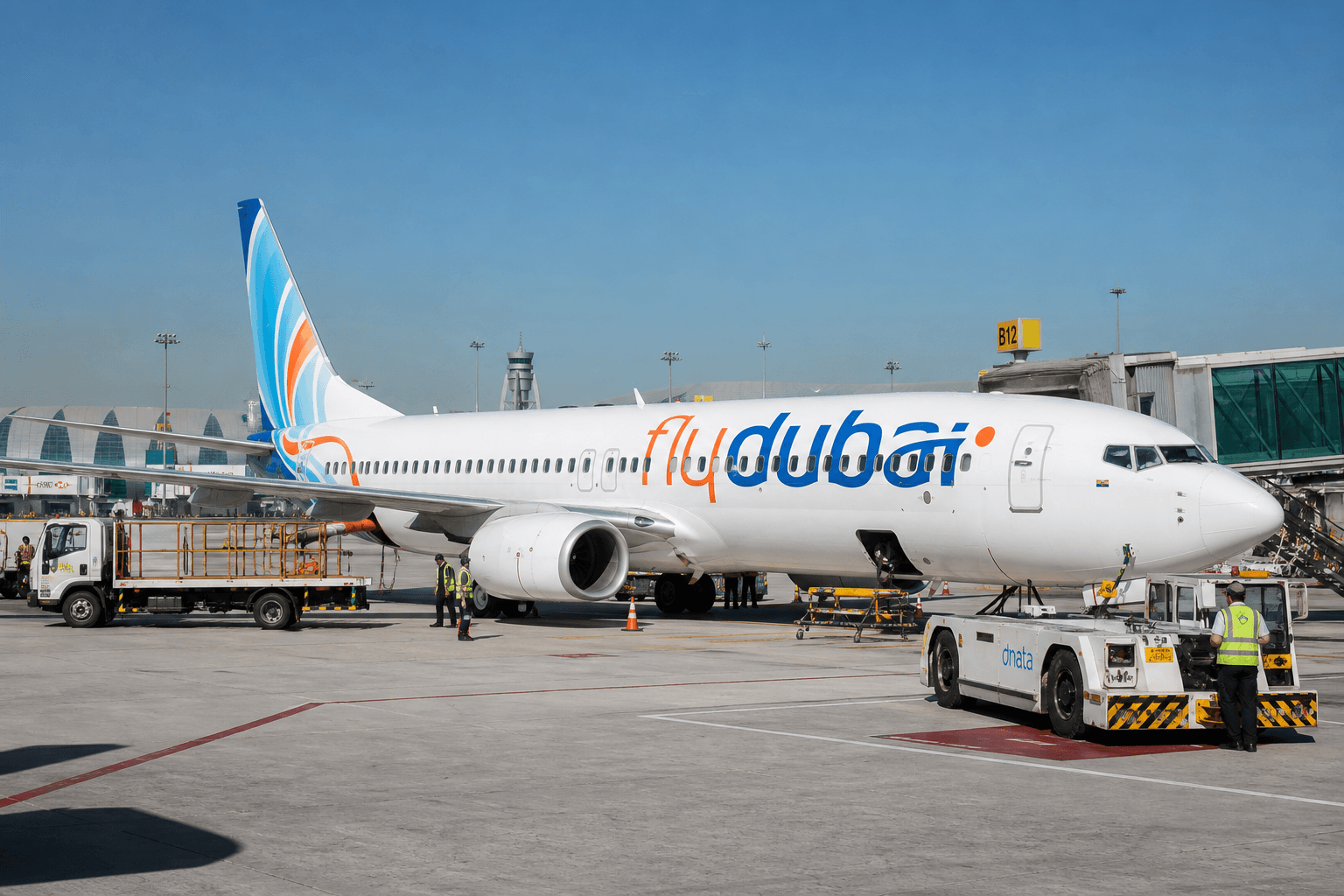
Illustration: The Touch & Go
flydubai's single-engine taxiing program cuts emissions well above industry average
The Dubai government-owned carrier reported a 95% single-engine taxiing application rate at its base, surpassing the 35% industry average and boosting fuel efficiency.
The gist
flydubai leads with a 95% single-engine taxiing rate at Dubai base, cutting emissions far beyond the industry norm.
Continuing coverage
All Sustainability →flydubai has published its first-ever sustainability report titled Fly Forward, outlining initiatives that have positioned the carrier as a leader in aviation environmental efficiency. The Dubai government-owned airline detailed how it has integrated sustainable practices throughout its operations, with particular emphasis on fuel-saving measures. Among these, its single-engine taxiing program has yielded remarkable carbon emission reductions, exceeding global industry benchmarks. This program alone delivers an immediate environmental impact on every flight.
The single-engine taxiing procedure involves shutting down one engine shortly after landing and taxiing to the gate under the power of the remaining engine, provided safety and manufacturer guidelines permit. Similarly, during departures, aircraft taxi to the runway using one engine before activating the second just prior to takeoff. This technique reduces fuel burn and emissions during ground operations, a phase notable for inefficient engine usage in conventional procedures. flydubai reported an application rate of 95% at its Dubai hub and a 74% rate network-wide, which is more than double the global average of 35%.
This operational efficiency contributes significantly to flydubai being the sole UAE carrier ranked among Cirium's 20 most fuel-efficient airlines for 2025. The airline's approach exemplifies how incremental operational improvements can cumulatively drive substantial environmental gains across an entire fleet. The single-engine taxiing program’s success reflects the carrier's commitment to pragmatic solutions that immediately reduce carbon footprints while supporting broader sustainability goals.
flydubai's Fly Forward report details a comprehensive sustainability framework structured around six pillars. The initial two focus on environmental dimensions: enhancing climate-ready operations to improve energy efficiency and reduce emissions, and promoting environmental stewardship including circular waste management and wildlife protection initiatives. The social pillars emphasize the airline’s commitment to employees and communities under 'People at our core' and 'Stronger together.' Lastly, governance pillars aim at maintaining safety, compliance, service excellence, and embrace 'Intelligent aviation' leveraging data and technology.
The composition of flydubai’s fleet aligns with its environmental strategy. Operating a mixed fleet of 98 Boeing 737 aircraft, 72 are from the fuel-efficient 737 MAX series, with the remainder consisting of classic 737-800s. The carrier plans to expand its MAX fleet substantially, with 114 additional MAX jets on order, enhancing fuel efficiency and reducing emissions per seat. This fleet modernization plays a crucial role in supporting the airline’s sustainability objectives through improved performance and lower operational environmental impact.
Expanding beyond short- and medium-haul operations, flydubai is preparing for long-haul growth with an order for 30 Boeing 787-9 Dreamliners. Set to arrive starting 2027, these widebody twinjets offer exceptional fuel efficiency and reduced noise and emissions compared to older widebody models. This strategic fleet expansion positions flydubai to serve distant markets sustainably, complementing its environmental commitments and operational enhancements on the narrowbody side.
flydubai’s proactive stance on sustainability is notable amid an industry challenged by net-zero goals and increasing environmental scrutiny. By combining technology, operational innovation such as single-engine taxiing, and comprehensive policy focus across environment, social, and governance fronts, the carrier advances both immediate and long-term sustainability targets. These measures reinforce flydubai’s leadership role in the UAE and the broader Middle East aviation sector, distinguished by tangible results and ambitious future plans.
Read more
All Sustainability →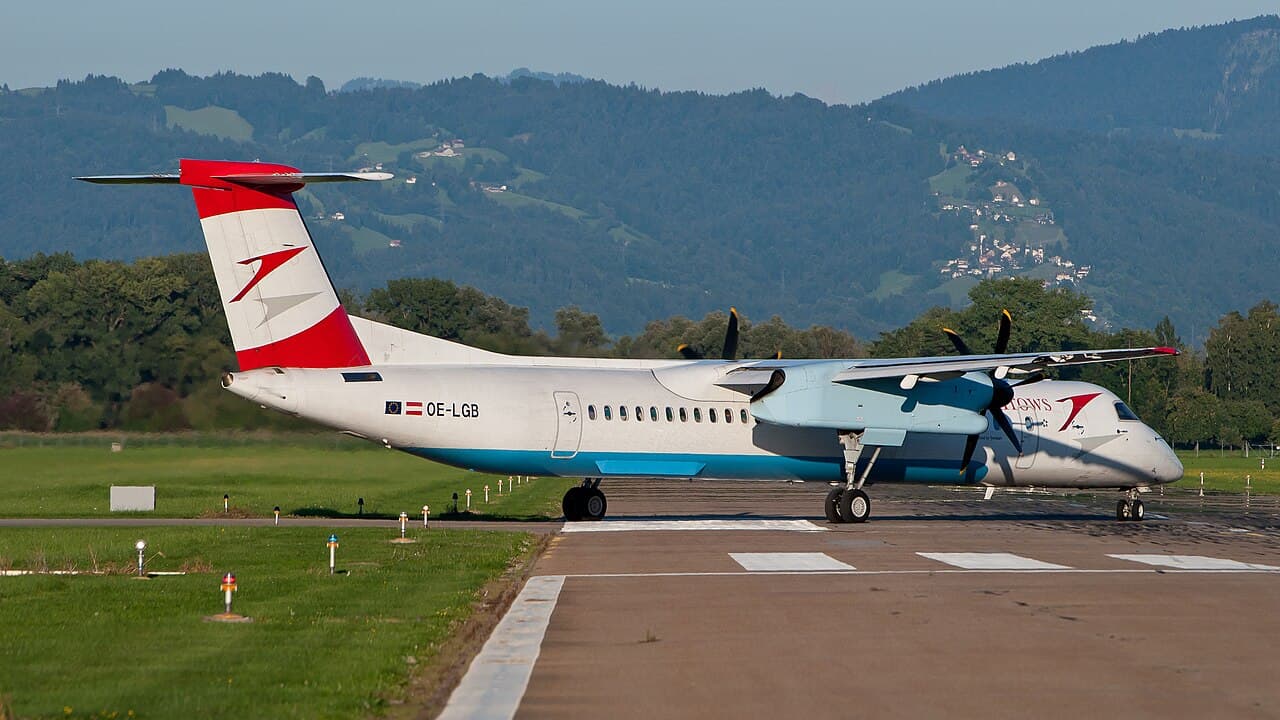
Porter Airlines Unveils Modernized Dash 8 Interiors Enhancing Regional Economy Travel
Porter Airlines is raising the bar for regional flying by refreshing the cabins of its entire De Havilland Dash 8-400 fleet. ezstandalone.cmd.push(function () { ezstandalone.showAds(119); }); The Toronto-based carrier is installing the latest Expliseat TiSeat 2V — the world’s lightest seat in its class — across all 29 aircraft. These upgrades, combined with new lighting and flooring, promise a noticeably more comfortable and modern experience for passengers on shorter routes. ezstandalone.cmd.push(function () { ezstandalone.showAds(127); }); The first refreshed Dash 8s are already flying, with the full fleet expected to feature the new interiors by fall 2026. This investment shows Porter’s ongoing dedication to “elevated economy” service, proving that comfort matters even on regional flights. Smarter, Lighter Seats for Better Comfort The star of the refresh is the new-generation TiSeat 2V from French manufacturer Expliseat. These seats feature redesigned cushions tailored specifically to Porter’s standards, updated tray tables, and built-in device holders that let passengers enjoy hands-free entertainment. First-row seats also receive special tray table upgrades for extra personal space. ezstandalone.cmd.push(function () { ezstandalone.showAds(128); }); Made with advanced carbon fibre and titanium, the TiSeat 2V remains exceptionally light. This design helps reduce overall aircraft weight, leading to lower fuel consumption and decreased CO₂ emissions over the aircraft’s lifetime. Passengers benefit from improved comfort without any reduction in legroom or changes to the cabin layout. Porter Airlines operates its Dash 8-400s in a comfortable two-by-two configuration with 78 seats total. There are no middle seats. Flyers in PorterReserve enjoy 32 inches of legroom, while PorterClassic offers 30 inches — generous dimensions for regional routes in Eastern Canada and the U.S. ezstandalone.cmd.push(function () { ezstandalone.showAds(129); }); Source: Expliseat website Additional Cabin Enhancements Beyond the seats, Porter is introducing several thoughtful upgrades: Mood lighting with modern LED technology Individual LED reading lights Fresh new carpeting throughout the cabin These changes create a brighter, more welcoming environment that aligns with Porter’s reputation for genuine hospitality and stylish service. Kent Woodside, Executive Vice President and Chief Operating Officer at Porter Airlines , explained the motivation. ezstandalone.cmd.push(function () { ezstandalone.showAds(130); }); “Our passengers told us that seat comfort is a meaningful part of their experience, even on shorter regional flights. Updating seats, along with other cabin upgrades, will noticeably refresh and modernize the overall environment.” He added that Porter aims to deliver a globally recognized flying experience and will continue prioritizing comfort. A Win for Regional Travellers Regional flights often receive less attention than long-haul journeys, yet they form a vital part of many trips. By focusing on these upgrades, Porter demonstrates that economy travel does not have to feel basic. ezstandalone.cmd.push(function () { ezstandalone.showAds(131); }); The combination of lightweight, supportive seats, better lighting, and a clean cabin helps reduce fatigue and improve the overall journey — whether flying for business or leisure. The partnership with Expliseat builds on years of collaboration. Jean-Francois Tessier, Vice President Sales North America at Expliseat , noted the shared commitment to innovative technology that boosts both passenger comfort and operational efficiency. Photo Credit: Porter Airlines A Continuing Commitment to Elevated Economy Porter Airlines has built its brand on offering more than standard economy. From its distinctive livery and friendly crew to these cabin investments, the airline consistently seeks ways to stand out in a competitive market. ezstandalone.cmd.push(function () { ezstandalone.showAds(132); }); The Dash 8 fleet serves key regional routes, making these improvements accessible to thousands of passengers every week. Legroom and seating configuration stay the same, preserving the popular no-middle-seat layout that travellers love. The focus remains on meaningful enhancements that passengers can feel immediately. As the refreshed aircraft spread across the network, flyers can look forward to a more comfortable, modern ride on Porter’s turboprops. ezstandalone.cmd.push(function () { ezstandalone.showAds(133); }); For those who value thoughtful details and genuine care in economy class, these updates reinforce why Porter continues to earn strong loyalty in Canadian aviation.
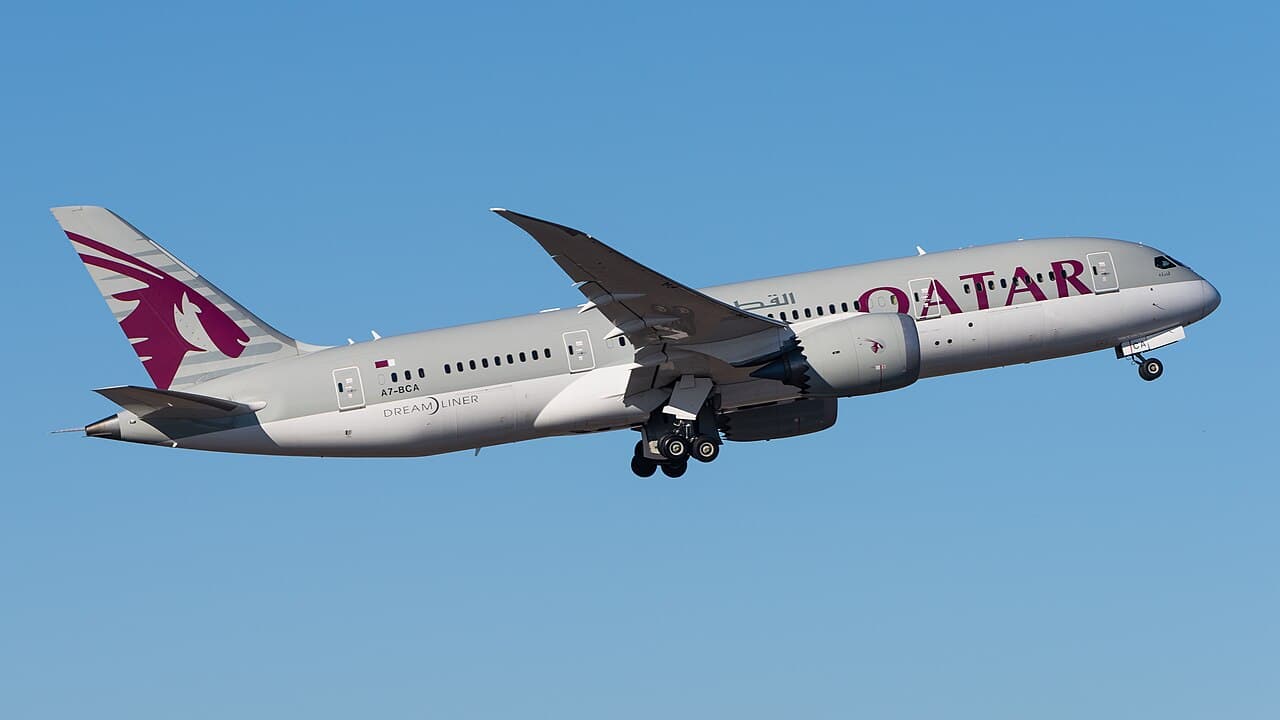
Boeing 787-9 ecoDemonstrator tests shorter engine inlet for reduced noise and fuel burn
Modified Rolls-Royce-powered Boeing 787-9 destined for Lufthansa will be used to evaluate acoustic performance of shorter nacelle structure. Boeing and partners Rolls-Royce and Lufthansa will later this month begin flight tests of a 787 equipped with a package of innovations – including a short engine inlet – designed to improve fuel efficiency and reduce noise emissions. To be performed from a Boeing site in Glasgow, Montana, the tests, running until mid-August, will use a 787-9 variant serving as the airframer's 2026 ecoDemonstrator Explorer aircraft. Powered by twin Rolls-Royce Trent 1000 TEN engines, the Dreamliner will later be delivered to the German carrier. The engines will be equipped with Next Generation Inlets – advanced composite structures that are around 30%, or 38cm (15in), shorter than the production versions. They also feature an expanded acoustic liner that treats much more of the inlet surface, enabling the overall shorter nacelle. Such a design is seen as key for the integration of next-generation fuel-efficient engines – such as Rolls-Royce's UltraFan concept – onto airframes, also contributing lower drag and reduced weight while maintaining noise-attenuation levels. Earlier this decade, Rolls-Royce and Boeing flight tested a short-inlet-equipped Trent 1000 engine aboard the propulsion specialist's since-retired 747-200 flying testbed. Those flights, which accumulated a total of around 7h 30min, suggested a fuel-burn saving of around 0.5% was possible. However, Boeing says the latest round of flights are specifically designed to test the inlet's acoustic performance. In addition, the 787-9 will test modified departure and arrival procedures, including 'Intelligent Operations' flightpaths, to reduce community noise around airports. Boeing says these trajectories are "algorithmically generated using multiple data sources" to identify opportunities for fuel-efficiency and noise benefits. "The more efficient inlet and Intelligent Operations flightpaths we're evaluating on this year's ecoDemonstrator Explorer are among the many promising concepts we're working on," says Boeing chief technology officer Lane Ballard. Tests of the innovations are being conducted through the third phase of the Federal Aviation Administration's CLEEN (Continuous Lower Energy, Emissions and Noise) programme.
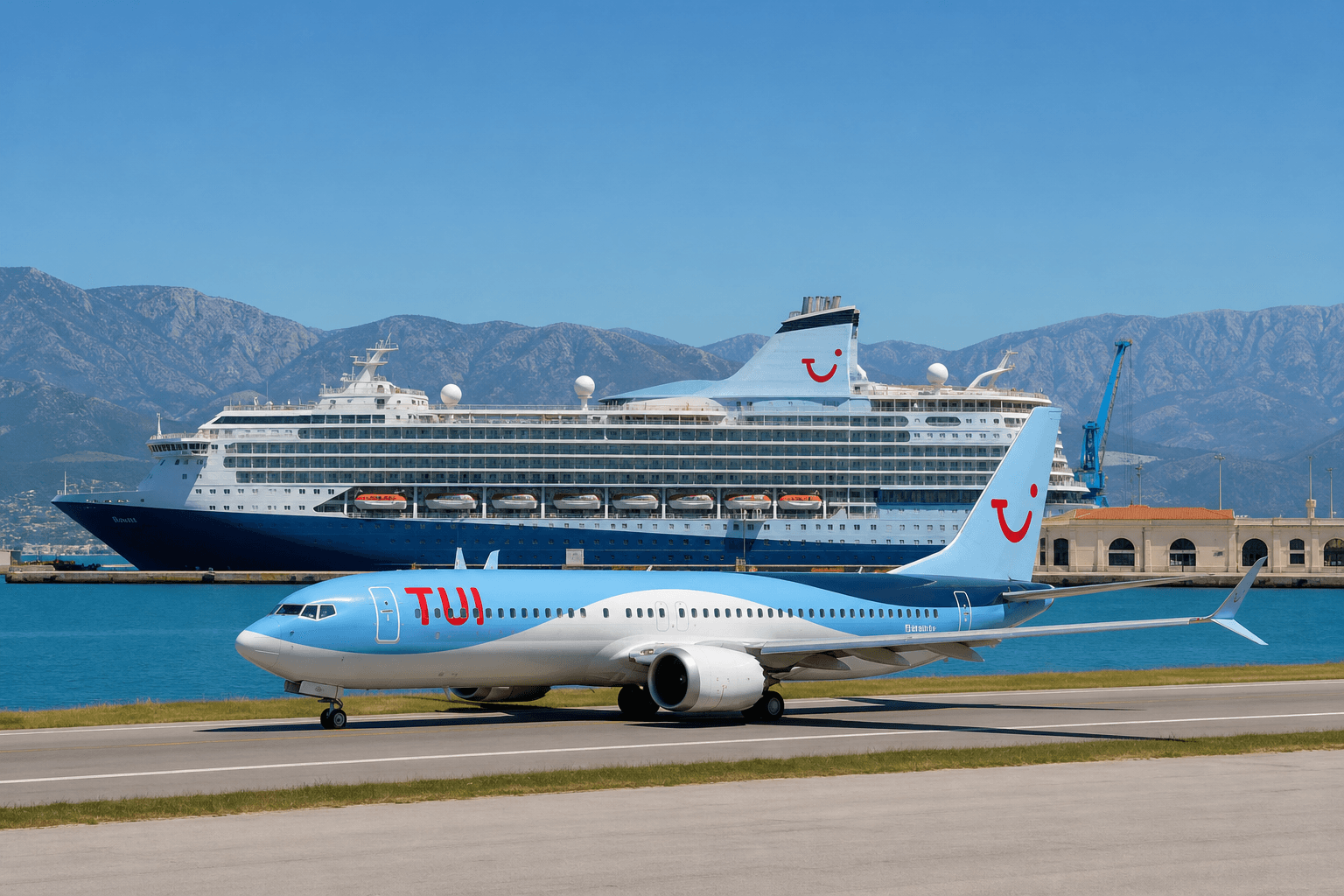
TUI Group Posts Resilient Q3 Earnings Despite Iran Conflict Impact
TUI Group delivered a solid third-quarter performance in a challenging environment. The effects of the Iran war put downward pressure on both profit and revenue. Still, the company reported underlying EBIT of €234.6 million at constant currency. ezstandalone.cmd.push(function () { ezstandalone.showAds(119); }); This result came against a record prior-year quarter and included broader geopolitical uncertainty plus one-off costs. The tourism group reaffirmed its full-year guidance for underlying EBIT between €1.1 billion and €1.4 billion. Its integrated business model, which includes owned hotels and ships, continues to show strength. ezstandalone.cmd.push(function () { ezstandalone.showAds(127); }); Strong Underlying Results Despite Headwinds In the third quarter of financial year 2026, Group underlying EBIT reached €233.8 million, or €234.6 million at constant currency. This compared with €320.6 million in the same period last year. Results reflected higher geopolitical uncertainty that affected customer booking behaviour. A €20 million one-off impact linked to the Iran conflict also weighed on the numbers. ezstandalone.cmd.push(function () { ezstandalone.showAds(128); }); Group revenue stood at €5.8 billion, down from €6.2 billion a year earlier. Customer volumes totalled 9.9 million, a decline of 3 percent. Most of the pressure came from the Markets + Airline segment. For the first nine months, underlying EBIT came in at €118.3 million, or €123.2 million at constant currency. ezstandalone.cmd.push(function () { ezstandalone.showAds(129); }); Excluding €81 million of one-off costs from the Iran conflict and a Jamaica hurricane, the figure rose by €35 million, or €40 million at constant currency. This increase highlights the underlying strength of the business. Herbert394, CC BY-SA 4.0 , via Wikimedia Commons Segment Performance Shows Resilience Holiday Experiences remained the main driver of profits. Hotels & Resorts delivered underlying EBIT of €122.7 million. Demand stayed solid and average rates rose. Geopolitical issues affected some properties in the Eastern Mediterranean, Mexico and the Caribbean. Cruises generated underlying EBIT of €132.4 million. Strong demand for UK and German brands supported results, even after the €20 million Iran-related cost. TUI Musement improved to €22.7 million thanks to better B2B business and efficiency gains. ezstandalone.cmd.push(function () { ezstandalone.showAds(130); }); Markets + Airline recorded underlying EBIT of –€17.4 million. Softer demand and higher pricing pressure played a role. The team managed capacity and yields carefully to stay competitive amid higher fuel costs and extra market capacity. Net debt stood at €2.3 billion on 30 June 2026, up €0.4 billion year-on-year. The rise mainly reflected lower customer deposits as people booked closer to departure. Booking Momentum Improves Booked revenue for Summer 2026 in Markets + Airline improved by one percentage point to –6 percent since the May update. Momentum over the past four weeks has been encouraging. ezstandalone.cmd.push(function () { ezstandalone.showAds(131); }); Booked revenue ran 7 percent ahead of the prior year. This trend shows resilient demand for holidays and the appeal of TUI’s product range. Holiday Experiences trading for the fourth quarter points to solid underlying demand. The company continues to expand capacity in line with its growth strategy. Winter 2026/27 bookings remain at an early stage with limited visibility. Customers still focus on summer plans and book later than before. ezstandalone.cmd.push(function () { ezstandalone.showAds(132); }); Future Outlook TUI has suspended its revenue guidance. It continues to expect underlying EBIT in the range of €1.1 billion to €1.4 billion for the full year. The outlook assumes no major escalation in geopolitical tensions and stable fuel supplies. The company is also advancing its sustainability goals. It launched Mein Schiff Flow, which will operate on e-LNG together with Mein Schiff Relax. TUI Airline added 14 new Boeing 737 Max aircraft that use about 15 percent less fuel than the planes they replace. TUI’s integrated model of owned hotels, ships and distribution channels continues to prove its value. The business has navigated a volatile period while keeping its strategic transformation on track. ezstandalone.cmd.push(function () { ezstandalone.showAds(133); }); With a strong balance sheet and improving booking trends, the group remains well positioned for the rest of the year.
airBaltic plans major fleet cut to 36 aircraft by end of 2026 amid financial challenges
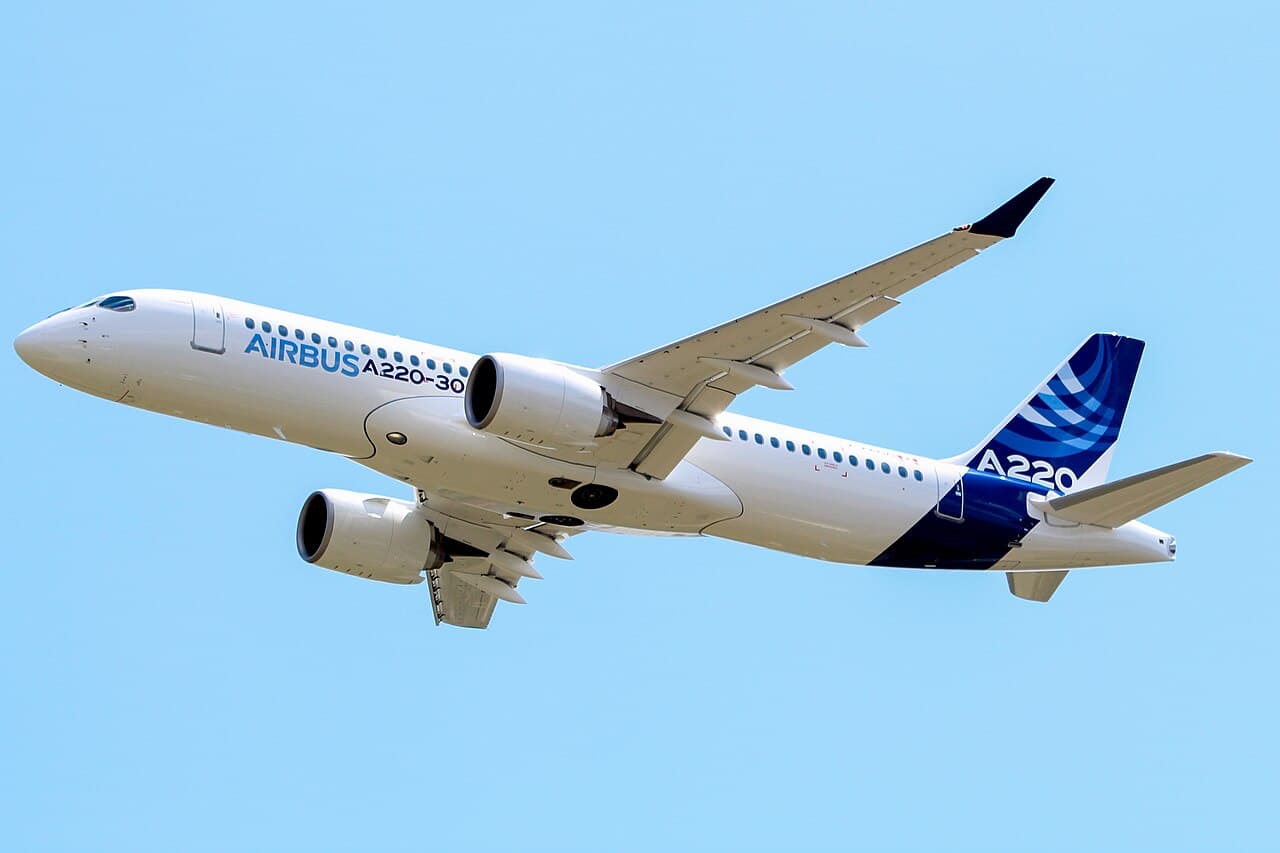
Latvian flag carrier airBaltic has been in a rough financial spot for some time, and in recent weeks there has been talk of the airline potentially needing to suspend operations due to running out of cash. The airline has now unveiled a new business plan, intended to strengthen its long term sustainability. This is actually a pretty radical transformation, so expect a lot of things at the airline to change… particularly, its network! First let's talk about what's changing, and then we'll talk about how airBaltic got into this situation in the first place. airBaltic unveils updated, long term business plan airBaltic's supervisory board has just approved the carrier's updated business plan, which is intended to strengthen the company's long term competitiveness, establish a sustainable capital structure, support future development, and maintain reliable connectivity for Latvia and the wider region. Here's what will be changing, summarized as succinctly as possible: airBaltic currently has a fleet of 54 Airbus A220-300s, and was planning on growing that fleet to 100 planes ; however, the airline now plans to shrink instead, decreasing its fleet to just 36 planes by the end of 2026, before eventually increasing the fleet to around 40 planes by 2031 The airline plans to largely maintain its scheduled capacity (since the airline does a lot of leasing out of aircraft — more on that below); available seat kilometers are expected to decline from 9.6 billion in 2026 to 8.7 billion in 2027, before gradually increasing to 10.5 billion by 2031 airBaltic will continue to have a network heavily focused on Latvia, but rather than pursuing broad expansion, the airline will focus on deepening its presence in existing markets by increasing frequencies where demand and profitability are strongest airBaltic largely leasing out its aircraft to other airlines under a wet lease model (particularly Lufthansa Group carriers), but the airline plans to increasingly focus on year-round deployment with this strategy, to mitigate the seasonal issue To fund these changes, airBaltic is seeking 225 million EUR in interim financing, intended to bridge the company to a permanent financing solution. The company is also seeking 100 million EUR of new capital. Here's how Erno Hildén, airBaltic's CEO, describes this updated strategy: "Every successful airline must continuously adapt to a changing market. Thus, this business plan is about making disciplined choices that strengthen airBaltic's long-term competitiveness while preserving what matters most – reliable connectivity and operations, together with financial sustainability. It provides a stronger foundation for the company's future and positions us to create long-term value for our customers, partners and Latvia." airBaltic's fleet will shrink to just 36 planes How airBaltic has found itself in such a tough spot airBaltic has historically been an incredibly well run airline. The CEO used to be Martin Gauss, but he was fired (which I found to be an odd decision) , and he's now CEO of Gulf Air . airBaltic operates an all-Airbus A220 fleet, and the airline had huge growth plans, and intended to acquire 100 of these aircraft. For a long time, the idea was as follows: Latvia has convenient geography for connections in Northern Europe, as well as to Russia, etc. Latvia is part of the European Union, but airBaltic has a major cost advantage, given that Latvia is a bit cheaper than some other countries in the EU, so there was merit to the airline wet leasing its aircraft to other airlines However, as you'd expect, the situation has evolved over time. With Russian airspace closed to airlines from the European Union, that has massively limited airBaltic's potential route network, and particularly has limited the number of connecting itineraries the airline can sell. If the current conflict with Russia didn't apply, it would be a totally different story at airBaltic. While airBaltic continues have a robust wet leasing business, the issue is that most airlines looking to lease planes only need them in summer, and not winter, given that it's when demand is highest. In early 2025, Lufthansa Group even bought a small stake in airBaltic , in part because of how much it values the wet lease agreements for subsidiaries like Lufthansa, SWISS, Brussels Airlines, etc. But the issue is that summer-only wet leases need to be able to cover costs not just for summer, but also winter, since it's not like airBaltic has anywhere to profitably fly those excess planes in winter. What has really caused issues for airBaltic in recent times is the increase in fuel costs. Not only have fuel costs increases been particularly bad in Northern Europe, but it's also tough to be a full service(ish) airline that exclusively has a regional network, given how robust ultra low cost carrier competition is in the region. Unfortunately for airBaltic, shrinking probably is the right choice here. That way the airline can focus its network on routes that are actually profitable, and on top of that, can be more selective about wet leasing, to airlines that actually value having planes on a year-round basis. airBaltic will shrink its wet lease operations Bottom line airBaltic has been on the brink of collapse in recent months, and the company's board has approved a new business plan, which will include some major changes. The most significant change is that the carrier's fleet will go from 54 planes to 36 planes by the end of the year. Then by 2031 the fleet will grow to 40 planes, compared to the planned 100 planes. With this downsizing, airBaltic also plans to increasingly focus on its most profitable routes, so expect some network cuts. We'll also see reductions to the carrier's wet leasing operations, as the airline tries to secure year-round deals, rather than just seasonal deals. What do you make of these airBaltic updates?
The Daily Touch & Go
The day's best aviation news in your inbox. Free, no spam.