


Gulfstream and Rolls-Royce demonstrate contrail reduction using 100% sustainable aviation fuel
Test flights with Gulfstream's G800 and G700 prototypes reveal that neat SAF significantly lowers particulate emissions that cause contrails at typical business jet cruise altitudes.
The gist
Gulfstream and Rolls-Royce’s flight tests confirm that 100% sustainable aviation fuel can markedly reduce contrail-forming emissions.
Continuing coverage
All Business Jets →- Embraer obtains global certification for upgraded Praetor 500E business jet
- Bombardier Global 8000 Sets New Speed Benchmark as Fastest Civil Jet Since Concorde
- Honeywell Aerospace spins off as independent company to sharpen market focus
- Dassault Aviation's Falcon 10X Completes Successful Maiden Flight from Bordeaux
- NetJets Citation 680A crashes near Laredo following emergency over mechanical issues
Gulfstream Aerospace and Rolls-Royce have announced promising initial findings from flight tests investigating the use of 100% sustainable aviation fuel (SAF) to reduce contrail formation during business jet operations. The test program employed two Gulfstream prototypes, the G800 and a modified G700, both powered by Rolls-Royce Pearl 700 engines. The G800 conducted flights using conventional Jet-A, low-sulphur Jet-A, and purely HEFA-derived SAF while the G700 followed closely to measure emissions and atmospheric data in real time at altitudes reaching up to 50,000 feet.
The tests involved operating the two aircraft in tight formation to gather precise, comparative emissions data under realistic high-altitude cruise conditions commonly flown by business jets. Instrumentation installed in the G700’s cabin captured particulate matter and other atmospheric variables critical to understanding contrail formation. These flights represent a significant step in evaluating how 100% SAF alters emissions profiles beyond carbon dioxide, focusing on particulates that seed contrail development.
Initial results indicate a substantial and clear reduction in particulate emissions—those contributing to contrail formation—when flying on neat SAF compared to conventional jet fuels. Gulfstream and Rolls-Royce emphasized that these reductions have been quantified under authentic flight conditions rather than laboratory simulations. This real-world data highlights the potential for neat SAF to mitigate some of aviation’s non-CO2 climate impacts, a growing area of environmental concern.
Prior to the flight tests, extensive preparations took place including modifications to the G700’s cabin to house sophisticated emissions measurement equipment. Flight crews also completed simulator training to safely conduct the complex close-proximity flight profiles required to gather valid data. Gulfstream underscored that this meticulous setup was essential to achieve the experimental rigor necessary for meaningful comparisons across different fuel types.
Mark Burns, President of Gulfstream, noted the company’s dedication to improving environmental performance through cutting-edge technology and collaboration. He remarked that while SAF combined with advanced engines is critical for decarbonizing flight, their capacity to reduce specific non-CO2 emissions like particulates is a vital complementary benefit for the aviation industry.
Alan Newby, Rolls-Royce’s Director of Research and Technology, highlighted that these tests deepen understanding of how sustainable fuels can influence contrail-related climate effects. He pointed out the importance of such data in guiding strategies to address aviation’s environmental footprint beyond traditional carbon emissions. Rolls-Royce views SAF compatibility and emissions benefits as central to the future viability of aero engines.
This flight test program included participation from key aviation and research organizations such as the Federal Aviation Administration, NASA, Germany’s DLR aerospace center, Missouri University of Science and Technology, Aerodyne Research, Montana Renewables, and World Fuel Services. Their involvement contributed to the comprehensive evaluation of fuel impacts on emissions and atmospheric interactions.
Although modern jet engines are typically approved for operations on blends containing up to 50% SAF, regulatory limits currently prohibit 100% SAF use in commercial service. The successful demonstration of neat SAF in these test flights could inform future policy and certification updates enabling higher SAF utilization. Such changes would directly support broader industry goals for sustainability and emissions reduction across business aviation.
Read more
All Sustainability →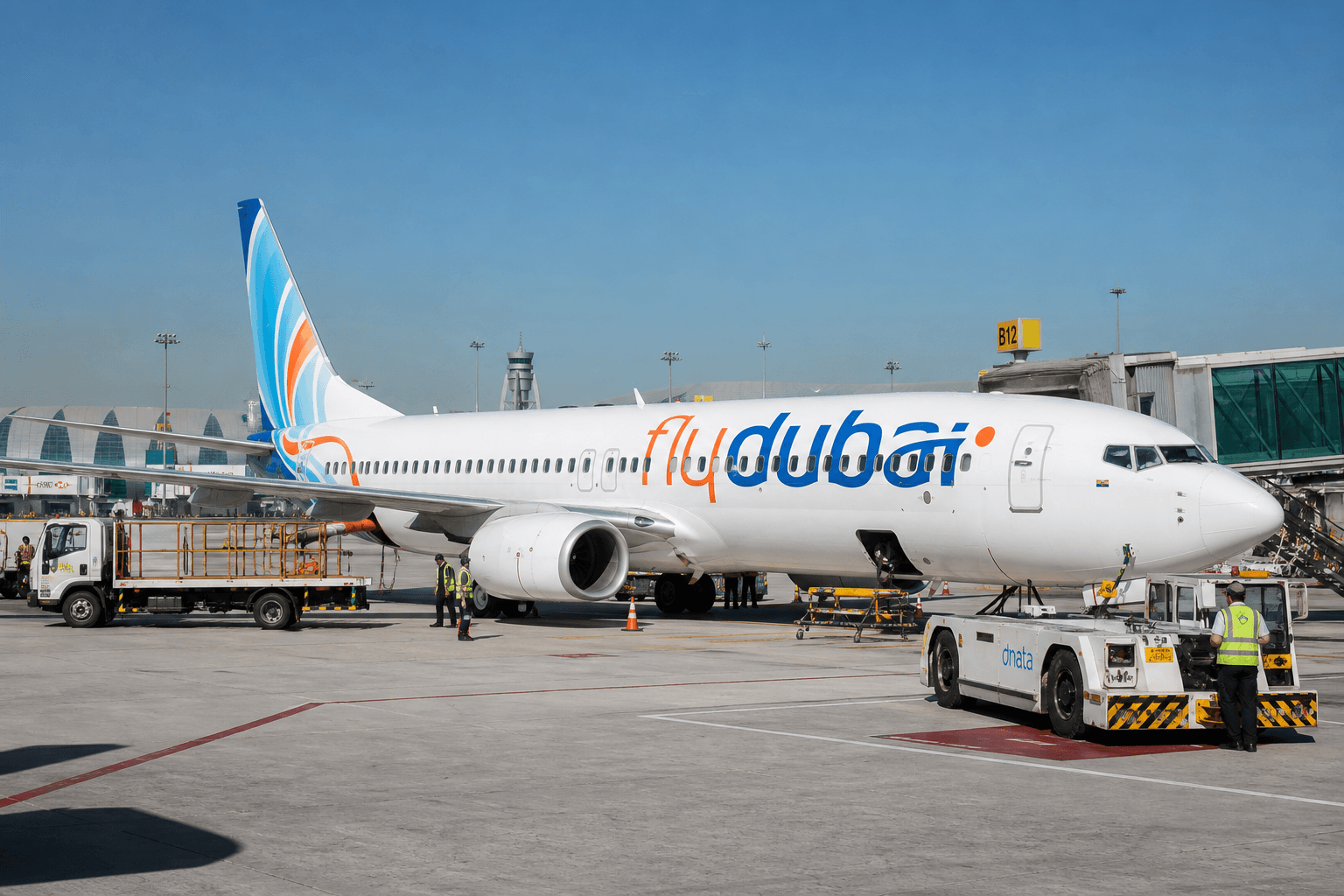
flydubai's single-engine taxiing program cuts emissions well above industry average
Small changes can make a big difference in aviation when extrapolated across a whole fleet.
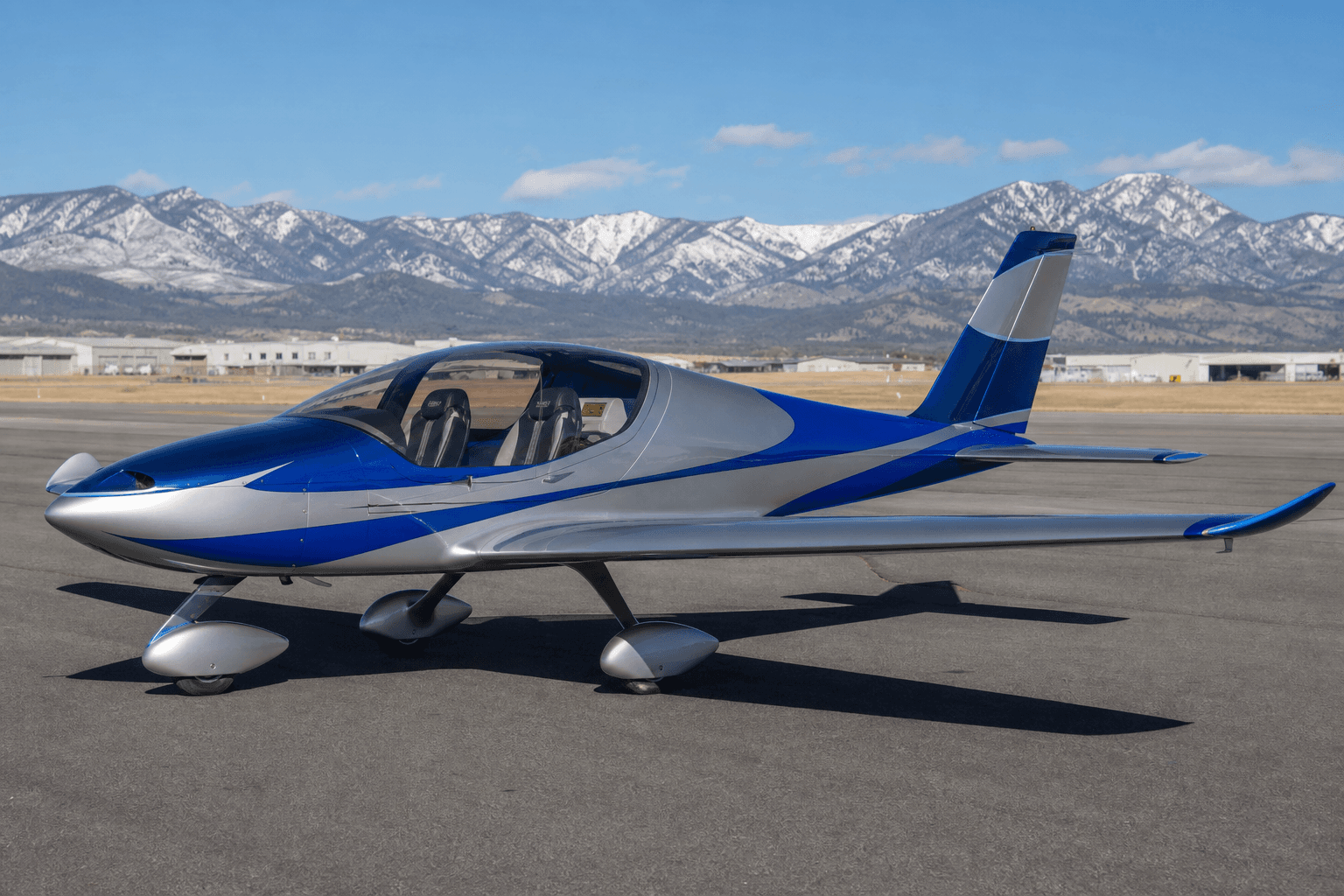
Bye Aerospace Close to First Flight of eFlyer 2 Electric Trainer
The Colorado firm is among a small group of developers working to bring all-electric pilot-training aircraft through certification. US start-up Bye Aerospace is nearing the first flight of its two-seat all-electric eFlyer 2 training aircraft and envisions a clear path to certification – possibly as soon as next year under new Federal Aviation Administration rules…
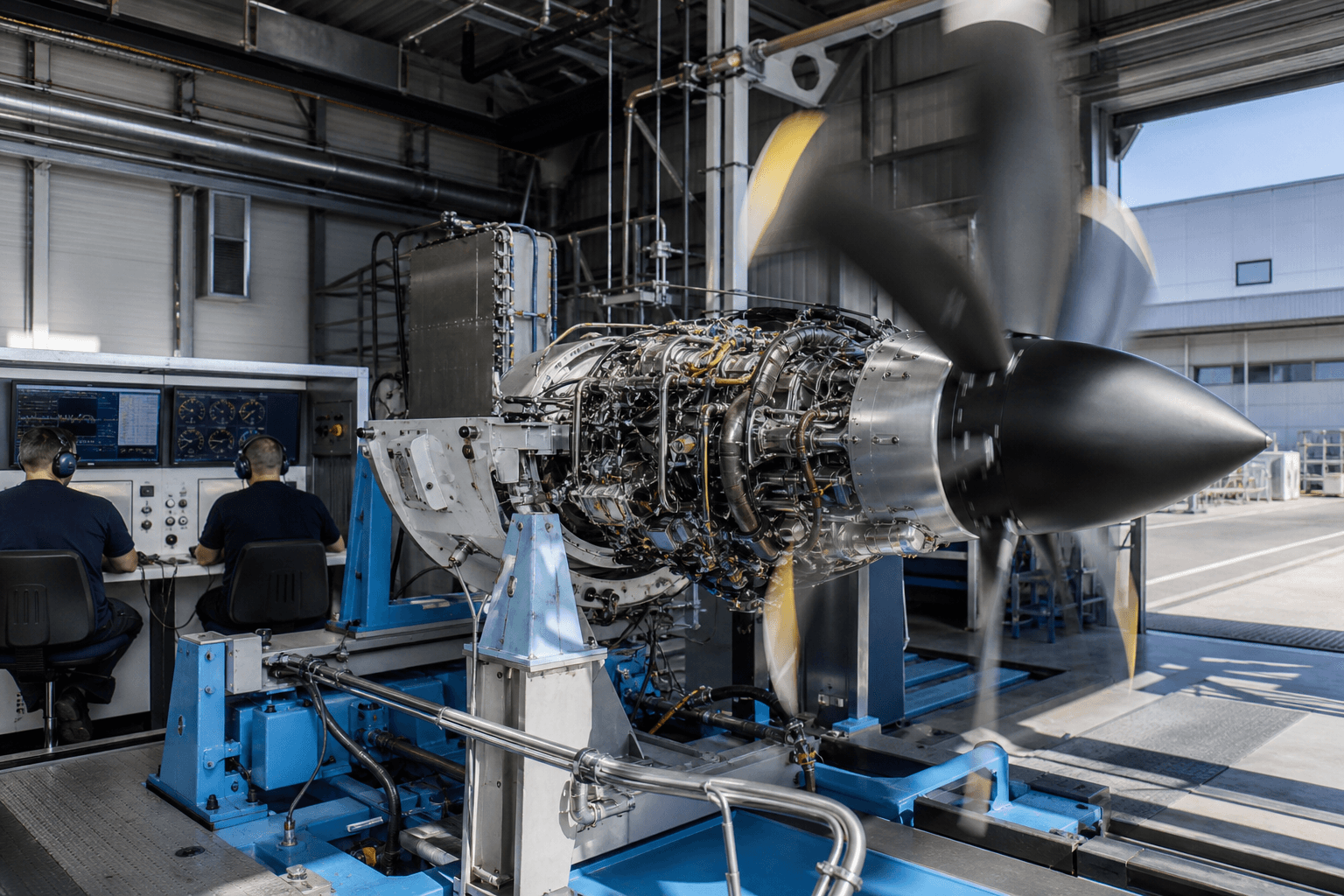
VK-800 engine begins 150-hour endurance tests for Russia's LMS-901 Baikal and other light aircraft
Variants of engine will be used on LMS-192 Osvey and LMS-901 Baikal as well as light trainer. Endurance testing of Russian aerospace firm UZGA's VK-800 engine has commenced, with the powerplant set to run for 150h on a dedicated ground rig. The engine is intended to power at least three aircraft models. These comprise the LMS-901 Baikal utility aircraft, the twin-engined LMS-192 Osvey regional transport — being developed jointly with Belarus — and the UTS-800 light trainer. The engine variants for these models are respectively the VK-800SM, the -800S1 and the -800SP. UZGA says the endurance test commenced "on the eve" of the Innoprom industrial exhibition in Ekaterinburg which opened on 6 July. The company presented the VK-800, which has an output of 806-877hp, as part of its display at the show. UZGA says the engine is being tested at "maximum operating conditions", allowing assessment of stability and reliability. The company adds that flight tests of the UTS-800 will "soon begin". The single-engined aircraft features composite structure, a 'glass cockpit', and lightweight ejection seats. Development prospects for light aviation was discussed during a forum at the Innoprom event. Federal air transport regulator Rosaviatsia's chief, Dmitry Yadrov, stated that the Baikal aircraft is expected to secure certification next year with the Osvey following at the end of 2029. He says domestic operators are requesting 127 such aircraft by 2035. The Baikal is intended to replace the Soviet-era Antonov An-2, but Yadrov highlighted the need to preserve the An-2 fleet "until a fully-fledged production replacement becomes available". He says a new type certificate for the An-2 was recently signed, enabling assignment of responsibility for the type's support and modernisation — including engine upgrades — to the Siberian aviation research institute SibNIA. The An-2 remains a "vital element of transport accessibility", adds Yadrov. United Aircraft chief Vadim Badekha, during the forum, stated that the aerospace firm was ready to establish partnerships for projects in the light aviation sector, and offer production sites such as its Sokol plant in Nizhny Novgorod. "We understand perfectly well that entering a large, serious, and extensive production requires significant investment," he said. "We have established the necessary capacity. And we are ready to provide this capacity, including for the launch of a major series of light aircraft."
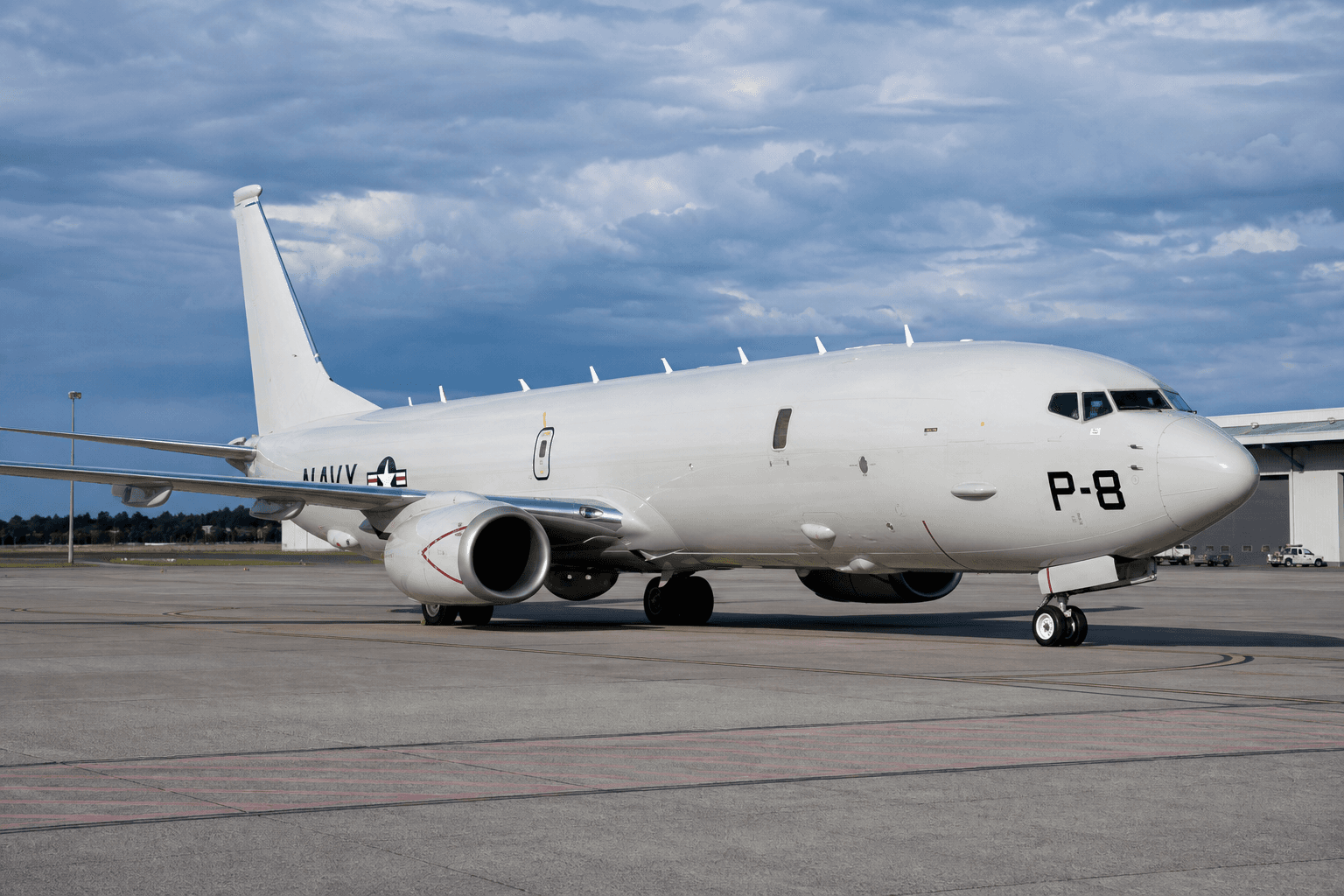
Denmark Orders Two Boeing P-8 Poseidon Aircraft Alongside NATO MQ-4C Triton Drones
Two major announcements from the North Atlantic Treaty Organization came on Tuesday, July 7. First, four member nations of NATO have decided to procure up to five Northrop Grumman MQ-4C Triton advanced surveillance drones. Second, Denmark will complement its new drone with the purchase of two Boeing P-8A Poseidon maritime patrol aircraft.
The Daily Touch & Go
The day's best aviation news in your inbox. Free, no spam.