
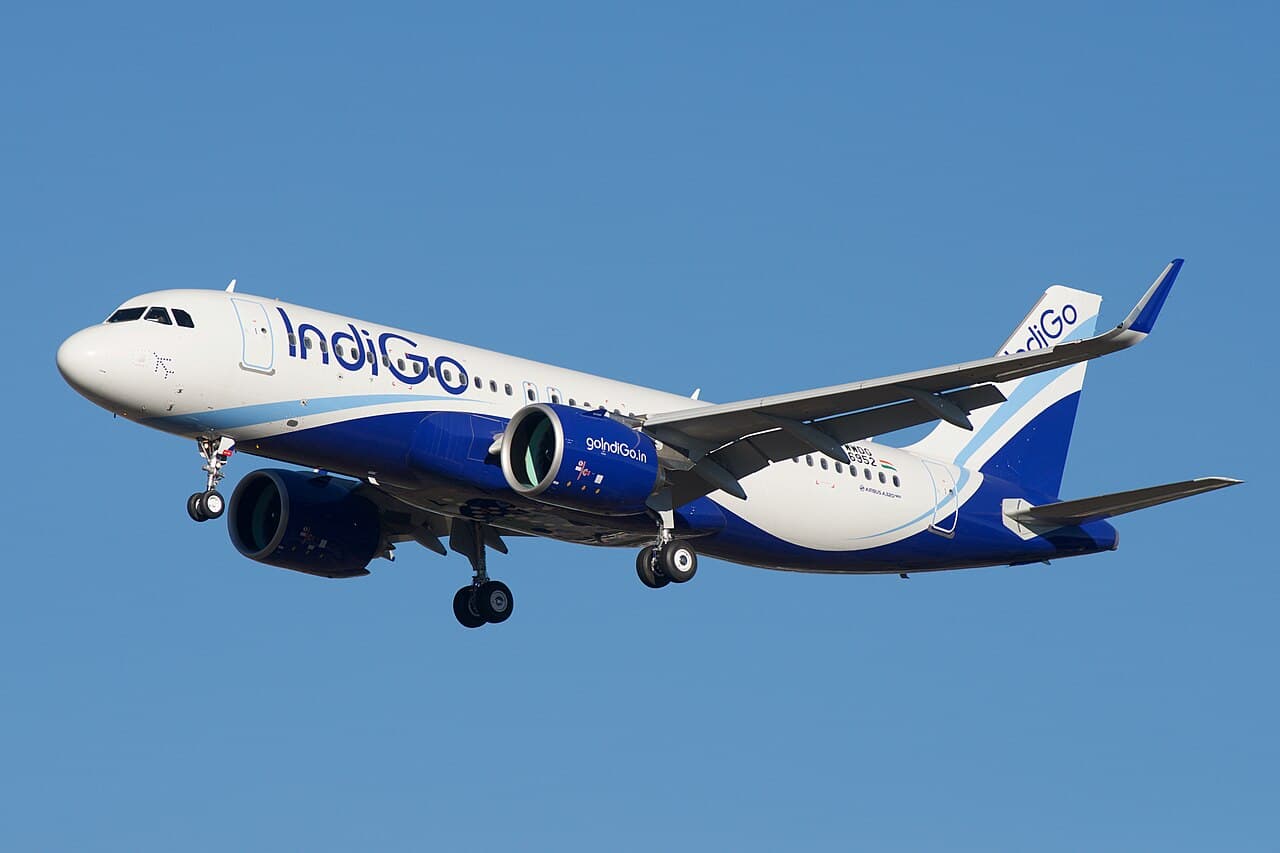
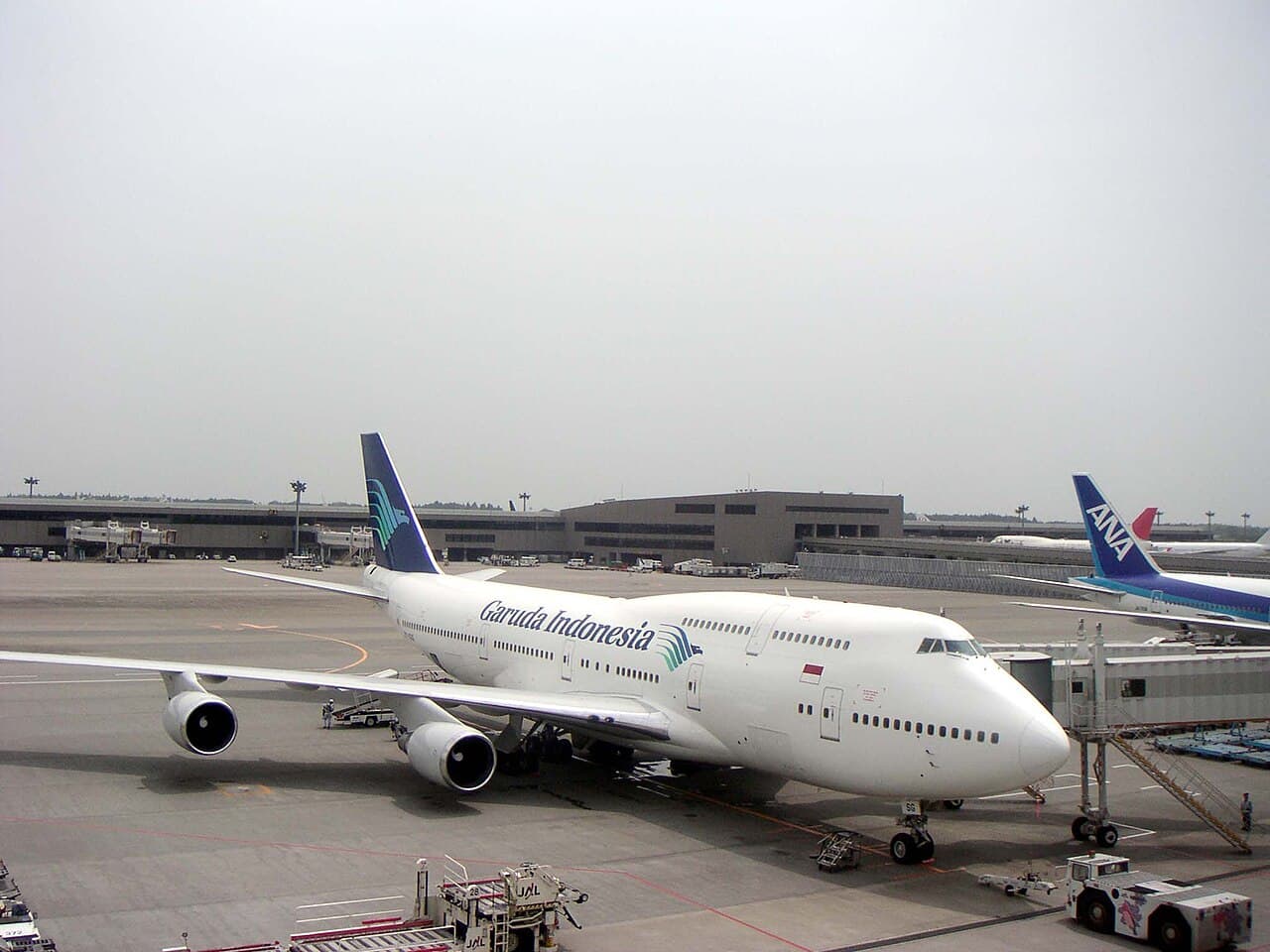
Image: BriYYZ from Toronto, Canada · CC BY-SA 2.0 · via Wikimedia Commons
Pratt & Whitney's 35-Part Hot Section Plus Retrofit Set to Nearly Double A320neo Engine Time-On-Wing
The Hot Section Plus kit upgrades key hot section components of PW1100G engines, improving durability to 90–95% of new GTF Advantage standards and extending time-on-wing.
The gist
Pratt & Whitney’s 35-part Hot Section Plus retrofit kit nearly doubles Airbus A320neo engine time-on-wing by boosting durability and cutting fuel burn.
Continuing coverage
All Mro →- Dubai Aerospace Enterprise Poised to Be World's Third Largest Aircraft Lessor with 1000-Plane Fleet
- Air France-KLM and Lufthansa submit binding bids for minority stake in TAP Air Portugal
- Boeing Forecasts Nearly $5 Trillion Market for Aviation Services and 2.4 Million Jobs by 2045
- Emirates completes 100th aircraft retrofit in unprecedented $5 billion overhaul program
- Air Europa to Receive First Airbus A350-900 in 2028 amid Strategic Overhaul
The Airbus A320neo family is poised to benefit significantly from Pratt & Whitney's introduction of the Hot Section Plus (HS+) retrofit kit, a comprehensive 35-part upgrade targeting the PW1100G Geared Turbofan engines. Designed to enhance the engine’s durability, the retrofit aims to close the gap between existing engines and the latest GTF Advantage standard by focusing on the most thermally stressed hot section components.
Central to the HS+ retrofit is the replacement of parts in the combustor and high-pressure turbine (HPT) — areas that face extreme thermal and oxidative challenges. Pratt & Whitney’s engineering effort brings advanced airfoil designs, precision cooling hole geometry, and enhanced coatings, all contributing to resilience against extreme internal temperatures. By incorporating technology from the certified GTF Advantage engine into in-service powerplants, operators can achieve approximately 90–95% of the newer engine’s durability without rebuilding the entire engine.
Operationally, this retrofit is intended to nearly double the time-on-wing, which is critical to airline economics today. Early engine removals historically resulted from hot section wear, but the HS+ kit’s enhancements reduce this risk. Unlike a total engine replacement, the retrofit’s modular approach helps maintain fleet flexibility. Engines receiving the HS+ treatment remain fully compatible and interchangeable with both original GTF and GTF Advantage variants, simplifying maintenance logistics across mixed-powerplant A320neo fleets.
Scaling the HS+ installation globally involves careful coordination with Pratt & Whitney’s network of 21 maintenance, repair, and overhaul (MRO) facilities. The manufacturer is increasing production capacity of the 35 key parts leveraging modern manufacturing techniques, accelerating lead times by over 60% compared to traditional casting methods. This efficiency is critical, as timely shop visit slots are a bottleneck; minimizing engine downtime directly translates to reducing revenue loss for operators.
Beyond durability, the HS+ retrofit offers tangible performance improvements. Engines upgraded with the kit benefit from a 4–8% increase in takeoff thrust, advantageous for airports with challenging hot and high conditions. Fuel burn improves by approximately 1% due to refined thermal management and aerodynamic enhancements to combustor components. While this percentage may seem modest, aggregated over large fleets it translates into material operational cost savings and a reduction in carbon emissions.
The retrofit also aligns with evolving maintenance strategies by mitigating premature engine removals caused by oxidation and wear. By extending component life, operators can shift from reactive unscheduled maintenances to a more predictable shop visit schedule. This transition enhances aircraft availability, crucial for maintaining high utilization and revenue generation on A320neo fleets.
The HS+ retrofit fits into a multi-year upgrade timeline synced with the production rollout of factory-new GTF Advantage engines. Pratt & Whitney plans full transition to Advantage-standard deliveries to Airbus by early 2028. Certification of the HS+ retrofit kit is on track for late 2026, with broader availability ramping through the first quarter of 2027. This timing enables operators to gradually incorporate the upgrade during regular maintenance, optimizing fleet readiness without additional downtime.
As the upgrade program matures, a phased approach will see many legacy A320neo engines equipped with HS+ components prior to the Advantage engine’s full production adoption. This staged rollout balances supply chain capacity, MRO availability, and certification steps required to sustain fleet reliability and operational parity between older and newer engine configurations.
In summary, Pratt & Whitney’s HS+ retrofit kit establishes a vital bridge extending the operational lifespan and performance of A320neo engines worldwide. With its blend of technical enhancement and logistical planning, the program offers airlines a streamlined pathway to benefits akin to factory-new GTF Advantage engines without the cost and disruption of a complete engine replacement.
Frequently asked questions
- What does Pratt & Whitney’s Hot Section Plus retrofit kit replace on the A320neo engines?
- The HS+ retrofit replaces 35 parts in the engine’s hot section, including key components of the combustor and high-pressure turbine, improving durability against thermal stress.
- How much does the HS+ retrofit improve the time-on-wing for A320neo engines?
- The retrofit nearly doubles the time-on-wing, allowing engines to reach about 90–95% of the durability of new GTF Advantage engines.
- When will the HS+ retrofit kit be widely available to operators?
- Certification is expected late 2026, with widespread availability ramping through the first quarter of 2027, coinciding with the full production shift to GTF Advantage engines by early 2028.
Read more
All Airlines →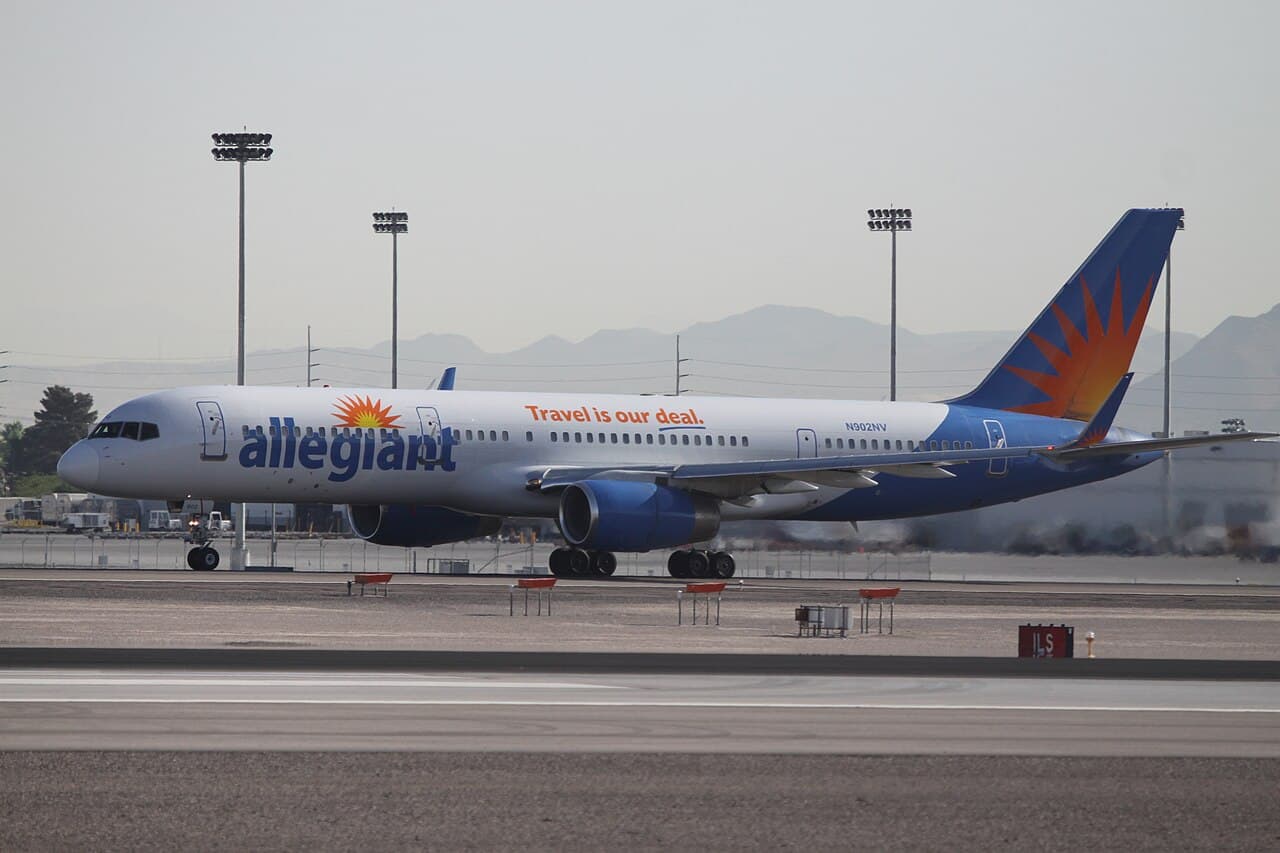
Allegiant Air to Launch First Class Cabin and Offer Free Drinks in Economy Starting Spring 2027
Allegiant Air, historically known as one of the United States' most disciplined ultra low cost carriers, plans to significantly improve its passenger experience. This includes introducing a first class product, and also adding free drinks in economy. At this point I don't think it'll surprise anyone, but clearly this premium trend isn't just a fad, but is a fundamental industry shift. I first covered this a couple of weeks ago, but would like to provide an update, as first class tickets are now on sale… and they're not as cheap as some might assume! Allegiant First product launches in the spring of 2027 Allegiant plans to introduce a first class product, which will be branded as Allegiant First . This will debut and be phased in on select aircraft as of April 2027, and represents the latest step in the company's long term strategy to modernize customer experience while expanding ancillary and premium travel offerings for leisure focused travelers. Allegiant First is coming to select planes Allegiant First will consists of eight seats, spread across two rows, in a 2-2 configuration. Seats will have 37″ of pitch, 5″ of recline, calf rests, and adjustable head rests. Each seat will also have USB-A, USB-C, and AC power outlets. The cabin will provide passengers with priority access to check-in and boarding, and Allegiant First fares will include one personal item, one carry-on bag, and one checked bag weighing up to 70 pounds. Allegiant First will also offer complimentary drinks & snacks, though it remains to be seen if that's just a selection from the standard buy on board selection, or if there's a completely different offering. The Allegiant First product will have 37″ of pitch Flights with the new product have just gone on sale, with the product launching as of the spring of 2027. The cabin will debut on flights to and from Ft. Myers/Punta Gorda (PGD). Allegiant First will complement, and not replace, Allegiant Extra, which is Allegiant's extra legroom economy seating option. With Allegiant First tickets now on sale, what are fares like? They're not as cheap as some people may assume. Looking at a random date from Ft. Myers/Punta Gorda to Atlantic City, you'll find that economy fares start at $87, while Allegiant First fares start at $371. Allegiant First fares Meanwhile looking at a flight from Ft. Myers/Punta Gorda to Boston on a certain date, you'll find economy fares start at a staggering $429, while Allegiant First fares start at $674. Allegiant First fares Keep in mind that even though Allegiant is an ultra low cost carrier, it doesn't necessarily have as consistently of a price conscious customer base as some other ultra low cost carriers. That's because the carrier largely operates routes that other airlines don't fly, so even many people who aren't that price sensitive fly the airline for the convenience. So I don't think the airline will have much trouble actually selling its first class with decent yields. With this development, I think it's interesting to note that Southwest is the only major carrier in the country that hasn't (officially) announced plans to introduce first class, though we also have reason to believe that's coming … Allegiant adds free non-alcoholic drinks in economy It's not just those willing to pay for first class who are getting an upgrade, but also those in economy. As of August 1, 2026, Allegiant has rolled out a free beverage service onboard all flights, instead of charging for virtually everything. Free drinks include water, soft drinks, juices, etc., so that's an upgrade. There are still upgraded alcoholic and non-alcoholic drinks available for purchase, like cold brew, bloody mary mix, etc. Allegiant non-alcoholic drink selection These updates of course follow Allegiant acquiring Sun Country , and the idea very much seems to be to create a new set of product offerings for the combined passengers of both airlines. Here's how Allegiant Chief Commercial Officer Drew Wells describes this: "This is about giving customers more ways to travel with us. As we bring together two highly complementary leisure airlines, we see significant opportunity to expand complimentary and premium offerings in a way that strengthens the customer experience and supports the long-term growth of the combined company. Travelers are increasingly looking for more comfort, more personalization and more flexibility, and these new offerings are a meaningful step forward in delivering that." Bottom line Allegiant is improving its passenger experience. Starting in the spring of 2027, we'll see the airline introduce a first class product, with select flights having a dedicated cabin with eight seats. Tickets are now on sale, and the airline is trying to charge a hefty premium. On top of that, and more immediately, Allegiant is adding free non-alcoholic drinks in economy, rather than having a full buy on board model. These are all great updates for passengers, and I look forward to learning more about the new first class as we get closer to the launch date. What do you make of Allegiant's passenger experience updates?
Norwegian's Aircraft Owning Units Renew Legal Fight Over Boeing 737 MAX Deal
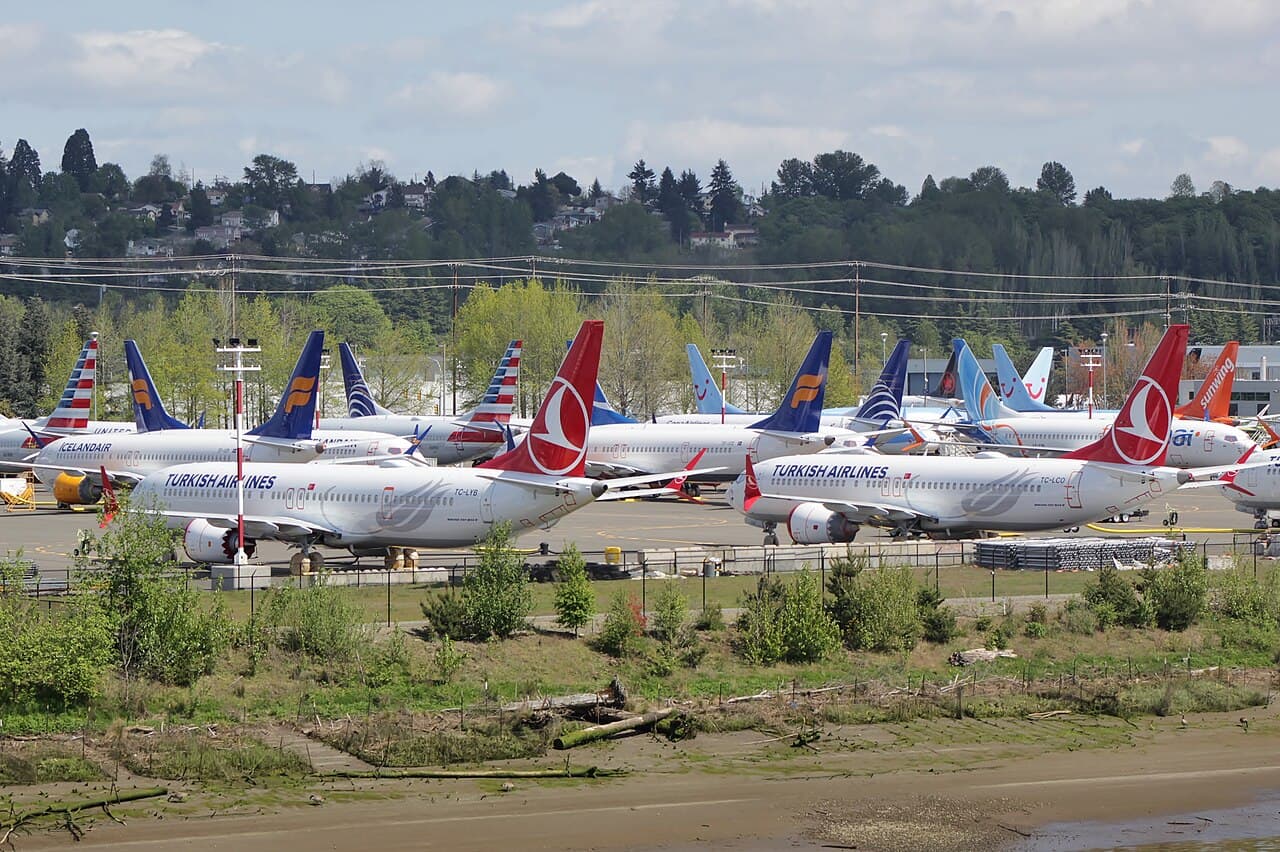
Boeing paid roughly $212 million to settle Norwegian's 737 MAX dispute, with Norwegian ordering more MAX aircraft as part of the broader resolution. But aircraft-owning affiliates say they were not covered by that settlement and can still sue over the same alleged misrepresentations, meaning Boeing may have to fight another round of litigation over planes it thought it had already settled.
![[110K Offer Extended] United Made MileagePlus Worse Without A Credit Card — But This Business Version Is The Sweet Spot](/_next/image?url=https%3A%2F%2Favoibnodqwjxlpbhunuu.supabase.co%2Fstorage%2Fv1%2Fobject%2Fpublic%2Fstory-images%2Fai%2F110k-offer-extended-united-made-mileageplus-worse-without-a-credit-card-but-this-b79c302e.png&w=3840&q=75)
United MileagePlus Program Now Requires Credit Card for Full Benefits, Business Card Offer Extended
United has made MileagePlus far more valuable for credit cardholders, with faster earning, cheaper awards, and better access to premium inventory. The United Business Card now looks like the sweet spot, especially with its extended offer of up to 110,000 miles.
Delta Air Lines Ends Narita Hub Following 2008 Northwest Merger, Shifting Asia Strategy
The 2008 merger between Delta Air Lines and Northwest Airlines was the first to create one of the US's current 'mega legacy carriers.' Delta Air Lines and its contemporaries today have hubs spanning the entire country while operating over 1,000 mainline aircraft each.
The Daily Touch & Go
The day's best aviation news in your inbox. Free, no spam.