

Illustration: The Touch & Go
Delta Flight from Las Vegas Faces Inflight Wi-Fi Scam After DEF CON
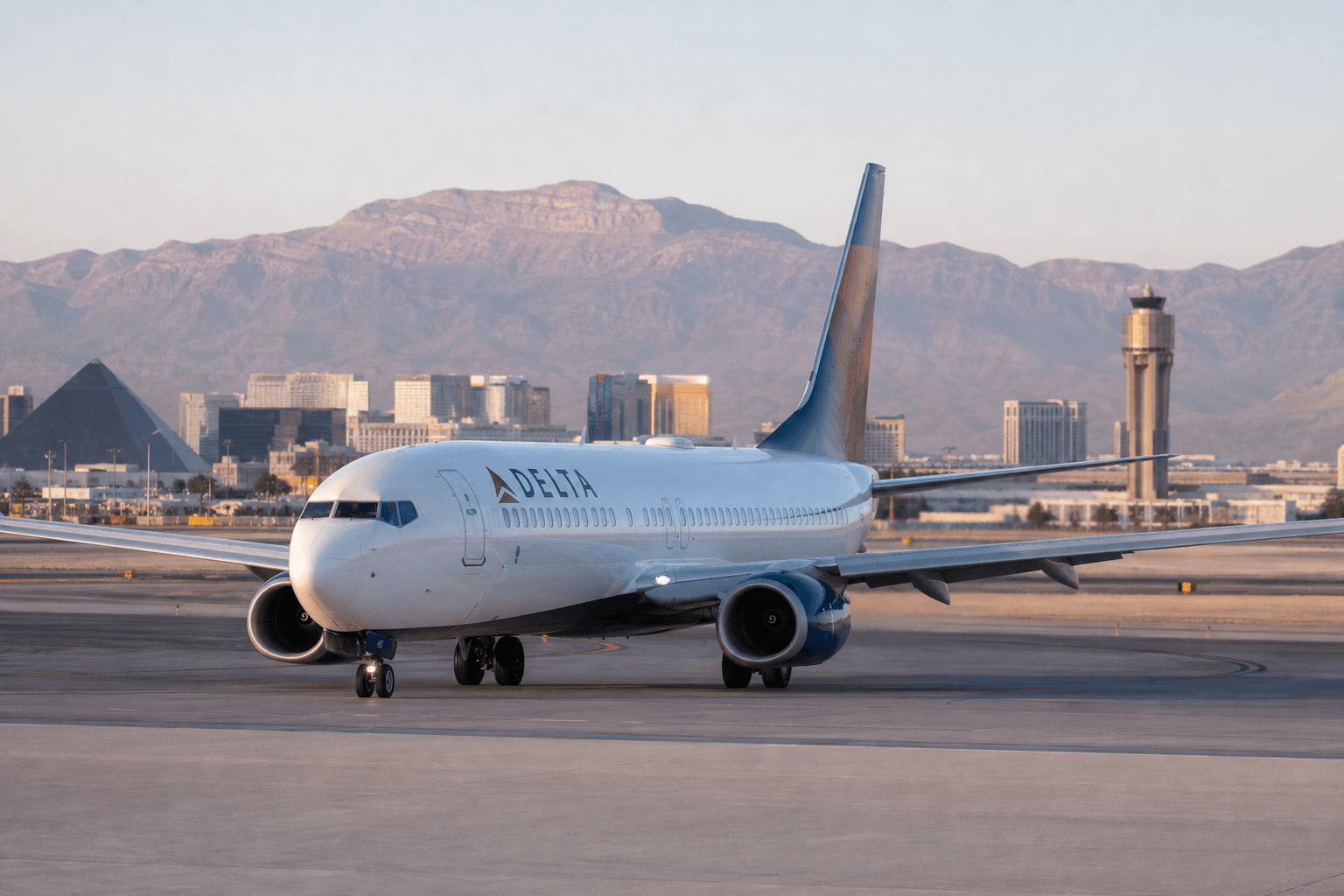
Delta Flight 591 encountered a rogue Wi-Fi network midair after passengers from DEF CON mimicked the airline's connection, disrupting internet access and prompting crew alerts.
The gist
Delta Flight 591’s Wi-Fi was compromised midflight by passengers using a fake Delta network after DEF CON, causing disruptions and a security response.
Continuing coverage
All Delta Air Lines →- Delta Flight 2204 Returns to Atlanta After Cockpit Fumes, Evacuates Passengers Safely
- Delta Boeing 757 evacuated via slides after smoke reported in cockpit at Atlanta
- Delta Resumes Seattle-Narita Flights to Rival Alaska's Tokyo Expansion
- Delta Air Lines to Resume Seattle-Tokyo Narita Service in 2027, Challenging Alaska Airlines
- Delta Introduces First Airbus A321neo VIP Jet for NBA Charter, Replacing Boeing 757s
Delta Air Lines Flight 591, operating from Las Vegas McCarran Airport to Atlanta Hartsfield-Jackson, experienced a significant inflight Wi-Fi disruption caused by a rogue network masquerading as the airline’s genuine service. The flight departed more than 17 hours late early Monday morning and arrived in Atlanta at 3:05 p.m. Eastern time. Approximately an hour into the flight, the crew reported via the aircraft communication addressing and reporting system (ACARS) that a suspect Wi-Fi network named Delta WiFi Fast was being broadcast onboard. This network was believed to be a scam targeting other passengers.
The crew communicated with corporate security about the incident, noting that passengers onboard appeared to be deliberately interfering with the inflight Wi-Fi by creating a fake access point. Seventeen minutes after the initial alert, they followed up stating that several passengers had recently attended DEF CON, the renowned annual hacking and cybersecurity conference held in Las Vegas, and had used their expertise to jam the legitimate Wi-Fi signal and transmit their own competing network.
The incident’s details became clearer through passenger reports and independent sources on social media platforms. Attendees of DEF CON reportedly employed a device known as a Wi-Fi Pineapple, a portable security testing tool, to clone the legitimate Delta Wi-Fi network onboard. By imitating the airline’s network name, they were able to direct passengers to a fake login page designed to harvest login credentials, such as Google account information. This phishing operation allowed hackers to collect sensitive data from unwitting passengers connecting to the fake network.
Passengers aboard the flight corroborated the disruption, with some reporting announcements from the flight deck warning customers of the irregular Wi-Fi activity. The crew temporarily disabled the inflight Wi-Fi service during the flight to mitigate the interference. While initial passenger accounts mentioned a lack of visible federal or law enforcement personnel at the arrival gate, one anonymous source claimed that federal agents did meet the aircraft, confiscated the hacking equipment, and detained an individual suspected of involvement.
Technically, the setup involved no direct hacking of the flight systems themselves. Creating a rogue access point onboard an aircraft is challenging but achievable with portable routers, and is fundamentally a form of social engineering rather than an aircraft system breach. The fake network’s name—Delta WiFi Fast—was deliberately designed to entice passengers seeking a faster connection to connect to the fraudulent access point.
The type of interference described aligns with a deauthentication attack, where attackers send forged management frames to disconnect devices from the legitimate network, effectively jamming the official Wi-Fi while keeping their malicious signal active. This tactic exploits vulnerabilities in Wi-Fi protocols to degrade service quality, forcing users toward the rogue network, which then captures their authentication details through phishing.
While no direct threat to flight safety or aircraft systems was detected or implied in this incident, the event raises legal concerns. Broadcasting unauthorized Wi-Fi networks, intentionally disrupting airline services, and using phishing techniques may violate Federal Communications Commission rules and could contravene criminal statutes such as the Computer Fraud and Abuse Act and wire fraud laws. Incidents like this highlight the complexities of cybersecurity and legal enforcement in modern connected aircraft environments.
This episode occurred shortly after the DEF CON 34 conference concluded, a gathering known for unveiling and testing cybersecurity exploits. The presence of cybersecurity professionals and hackers on the flight offered a rare but vivid demonstration of how Wi-Fi vulnerabilities can be exploited even at altitude. Despite the sophistication, airline officials and experts have emphasized there is no current evidence that airplane operational systems were compromised, confining the event strictly to passenger internet connectivity and data privacy risks.
Frequently asked questions
- What caused the Wi-Fi disruption on Delta Flight 591?
- Passengers who had attended DEF CON used a Wi-Fi Pineapple device to create a fake Delta Wi-Fi network onboard, jamming the legitimate signal and harvesting credentials.
- Was the aircraft’s flight system compromised by the Wi-Fi attack?
- No evidence suggests the airplane’s operational systems were affected; the attack targeted only the passenger internet connectivity and involved phishing.
- What actions did the crew take during the Wi-Fi incident?
- The crew alerted corporate security via ACARS, made announcements to passengers, and temporarily disabled the Wi-Fi to mitigate the interference midflight.
Read more
All Airlines →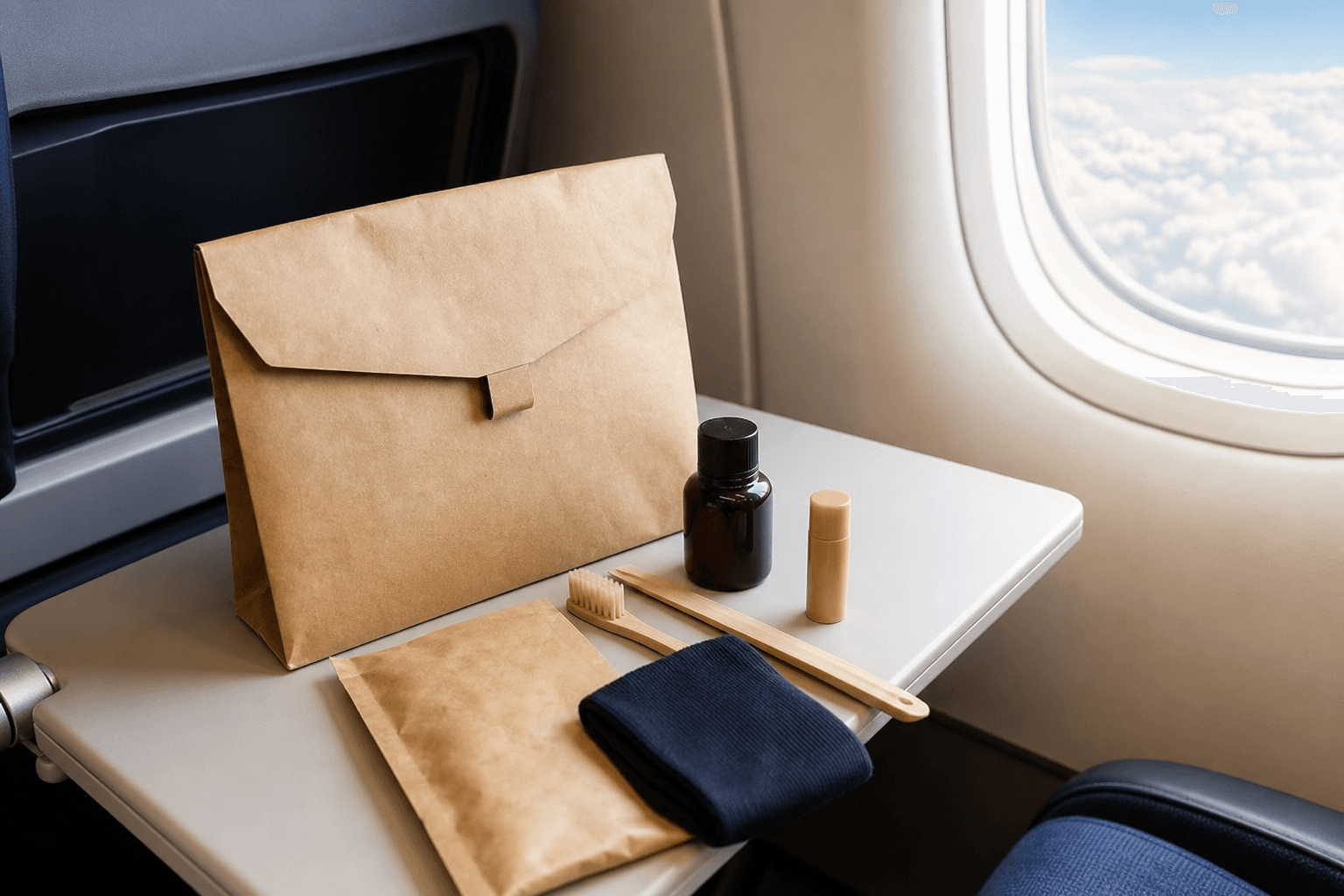
Top 5 Airlines Offering Best Premium Economy Amenity Kits in 2026
In the fiercely competitive landscape of long-haul aviation, the battle for passenger loyalty has moved beyond just legroom and seat pitch. The soft product, or the tangible extras that accompany your flight, has become a primary differentiator for travelers looking to maximize the value of a premium economy ticket. A generous amenity kit is now a physical manifestation of an airline's commitment to your comfort during a 12-hour flight .
Southwest Airlines Adds Leaders from Royal Caribbean and Rocket Companies to Board
Both executives bring expertise in technology, innovation, and commercial strategy, the carrier said.
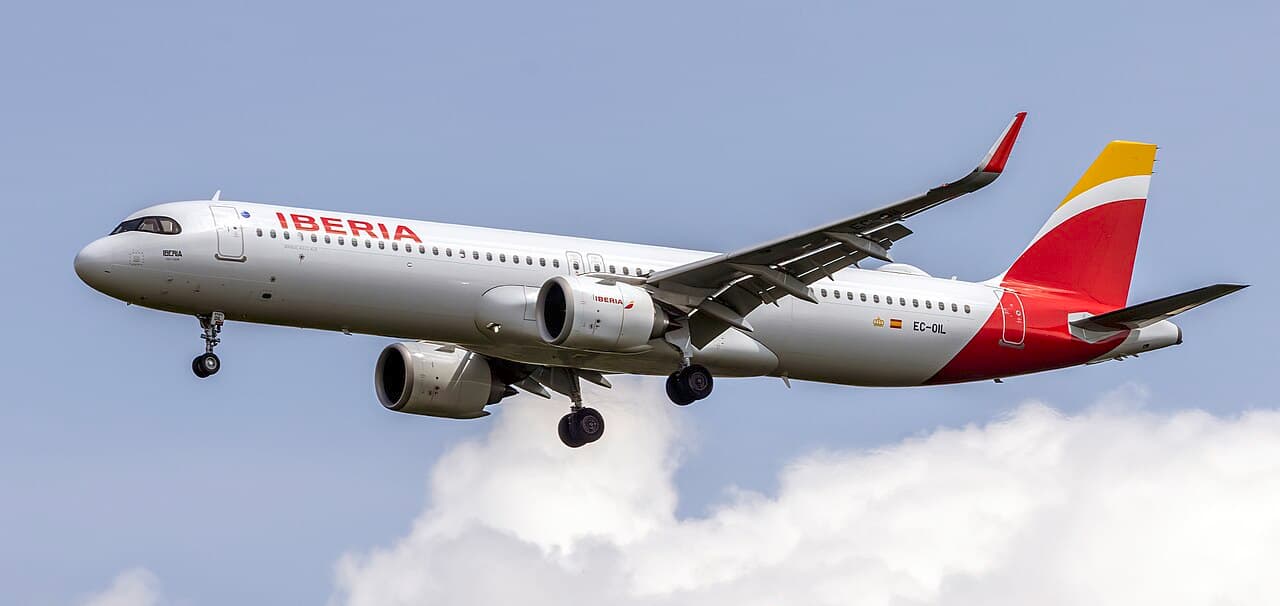
Qantas Postpones First Airbus A321XLR International Flight to February 2027
Each week, airlines worldwide submit schedule changes to Cirium Diio, OAG , and elsewhere. In the latest update, Qantas confirmed a notable change to its inaugural international service aboard the Airbus A321XLR. The launch date has been pushed back to next year.
Qantas Operates 11 Ultra-Long Nonstop Flights with Melbourne-Dallas Route as Longest
August is the summer in the Northern Hemisphere but the winter Down Under. This month, Qantas is the world's 24th-largest operator by long-haul flights. It'll be a while until the carrier's Airbus A321XLRs fly long-haul . There is little need to mention the A350-1000ULR until the first route is scheduled .
The Daily Touch & Go
The day's best aviation news in your inbox. Free, no spam.