

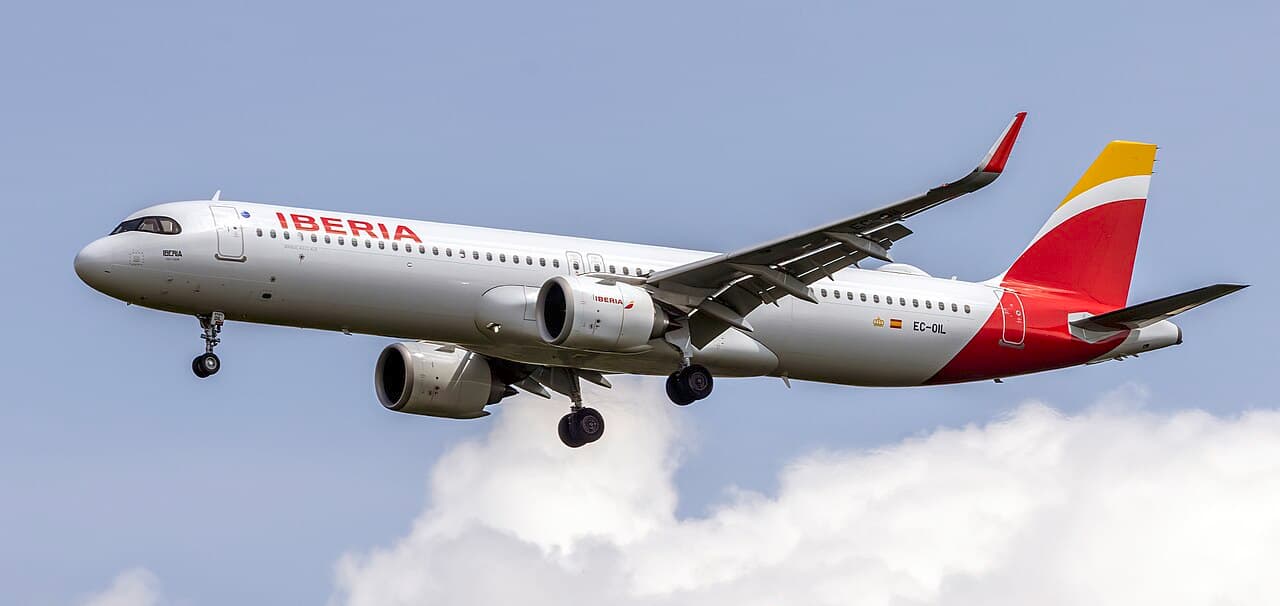
Image: Acroterion · CC BY-SA 4.0 · via Wikimedia Commons
Qantas Postpones First Airbus A321XLR International Flight to February 2027
Qantas delays the inaugural international operation of its Airbus A321XLR from Brisbane to Manila to early 2027, extending the use of Airbus A330-200 on that route through January.
The gist
Qantas pushes back the Airbus A321XLR’s international debut on Brisbane-Manila route to February 2027, continuing Airbus A330 service into 2027.
Continuing coverage
All Qantas →- Qantas Operates 11 Ultra-Long Nonstop Flights with Melbourne-Dallas Route as Longest
- Melbourne Airport Set for 32% Surge in Airbus A380 Flights This Summer
- Frequent Flyer Award Loopholes Close as Airlines Tighten Elite Perks
- Qantas to Sell Entire Stake in Jetstar Japan by Mid-2027 for $52 Million
- Qantas Unveils Innovative Wellbeing Zones and Ultra-Private Suites for 22-Hour Project Sunrise Flights
Australian flag carrier Qantas has revised the launch date for its first international service operated by the Airbus A321XLR, deferring the debut from October 25, 2026, to February 1, 2027. This adjustment affects the Brisbane to Manila route, which was set to highlight the carrier’s new narrowbody long-range aircraft on an international itinerary. The original plan positioned the launch to coincide with the switch to winter schedules, a key timetable season recognized in global aviation, but the carrier has now opted to maintain the Airbus A330-200 on this service into early 2027.
The A321XLR fleet of Qantas, currently consisting of seven aircraft delivered between late 2025 and mid-2026, features an enlarged maximum takeoff weight that extends its range and payload capability. These aircraft have a typical seating configuration of approximately 197 seats, notably higher than many other operators’ XLRs, and include 20 business seats alongside a majority economy cabin. This seating density, together with an augmented fuel capacity, enables Qantas to optimize domestic routes and shorter international sectors where higher payload and freight capacity are beneficial.
Historically, Qantas operated the Brisbane to Manila route until ceasing service in 2013, before reintroducing flights in 2024 utilizing Airbus A330-200 aircraft. The continuation of the A330-200 through January 31, 2027, results from the delayed XLR deployment, with the route set to become a daily service within late 2026, offering higher frequency but using the larger widebody aircraft rather than the initially anticipated narrowbody type.
The delay in the XLR’s international entrance has operational consequences beyond Brisbane-Manila. The A330 aircraft allocated to this route during the XLR’s anticipated launch window will remain on the market longer, enabling Qantas to potentially deploy these widebodies on other routes with more extensive capacity requirements. The carrier’s adoption of the XLR aims to balance aircraft capability to cater to growing demand on domestic long-haul and select regional international connections such as Bali and Manila, where the blend of cargo capacity and flight range is critical.
Among current operational routes for Qantas’ A321XLRs are four domestic corridors including Sydney to Melbourne and Perth, and Brisbane to Perth and Sydney, with weekly frequency peaking around 89 departures per week. Compared to other operators such as American Airlines, Iberia, and Aer Lingus, which configure their XLRs with fewer seats, Qantas’ usage of higher-density seating suggests a focus on maximizing capacity within domestic and nearby international markets where passenger volume justifies larger cabin layouts.
The Brisbane to Manila connection is significant given the air travel demand between Australia and the Philippines. Data for the year leading up to May 2026 recorded approximately 1.1 million round-trip passengers transiting between the two countries, marking a 13% increase year-over-year and underscoring the importance of this market segment driven by diaspora ties and tourism.
Qantas’ competition on routes to the Philippines includes Philippine Airlines and Cebu Pacific, alongside its own Jetstar unit operating services to Cebu and Perth to Manila. With Philippine Airlines holding roughly 40% of available flights across this corridor through March 2027, the introduction of modernized aircraft like the A321XLR points to Qantas’ intent to offer more efficient and competitive service. The aircraft’s blend of extended range and increased cargo ability positions it as a strategic asset in Qantas’ future network planning.
The carrier also notes the suitability of the A321XLR for airports with shorter runways and limited infrastructure such as Adelaide Airport, indicating a role for the aircraft beyond international routes specifically for expanding its domestic market footprint. As deliveries of additional A321XLR aircraft continue, Qantas plans to incorporate lie-flat seats on at least 16 of these frames, aiming to enhance passenger comfort on longer routes starting in the next few years.
For now, passengers travelling between Brisbane and Manila will continue to experience Airbus A330-200 service through January 2027, after which the A321XLR is expected to begin operations barring further delays. This postponement illustrates the complexity of aircraft introduction schedules and operational readiness in commercial aviation, where logistical, regulatory, and strategic factors intersect.
Frequently asked questions
- When will Qantas now launch its first international Airbus A321XLR service?
- Qantas has postponed the launch of its first international Airbus A321XLR service from October 25, 2026, to February 1, 2027.
- What aircraft will continue flying the Brisbane to Manila route until the A321XLR is introduced?
- The Airbus A330-200 will continue to operate the Brisbane to Manila route until January 31, 2027, due to the A321XLR delay.
- How many Airbus A321XLR aircraft does Qantas currently have in its fleet?
- Qantas currently operates seven Airbus A321XLR aircraft as part of its fleet, with recent deliveries including a 197-seat configuration.
Read more
All Airlines →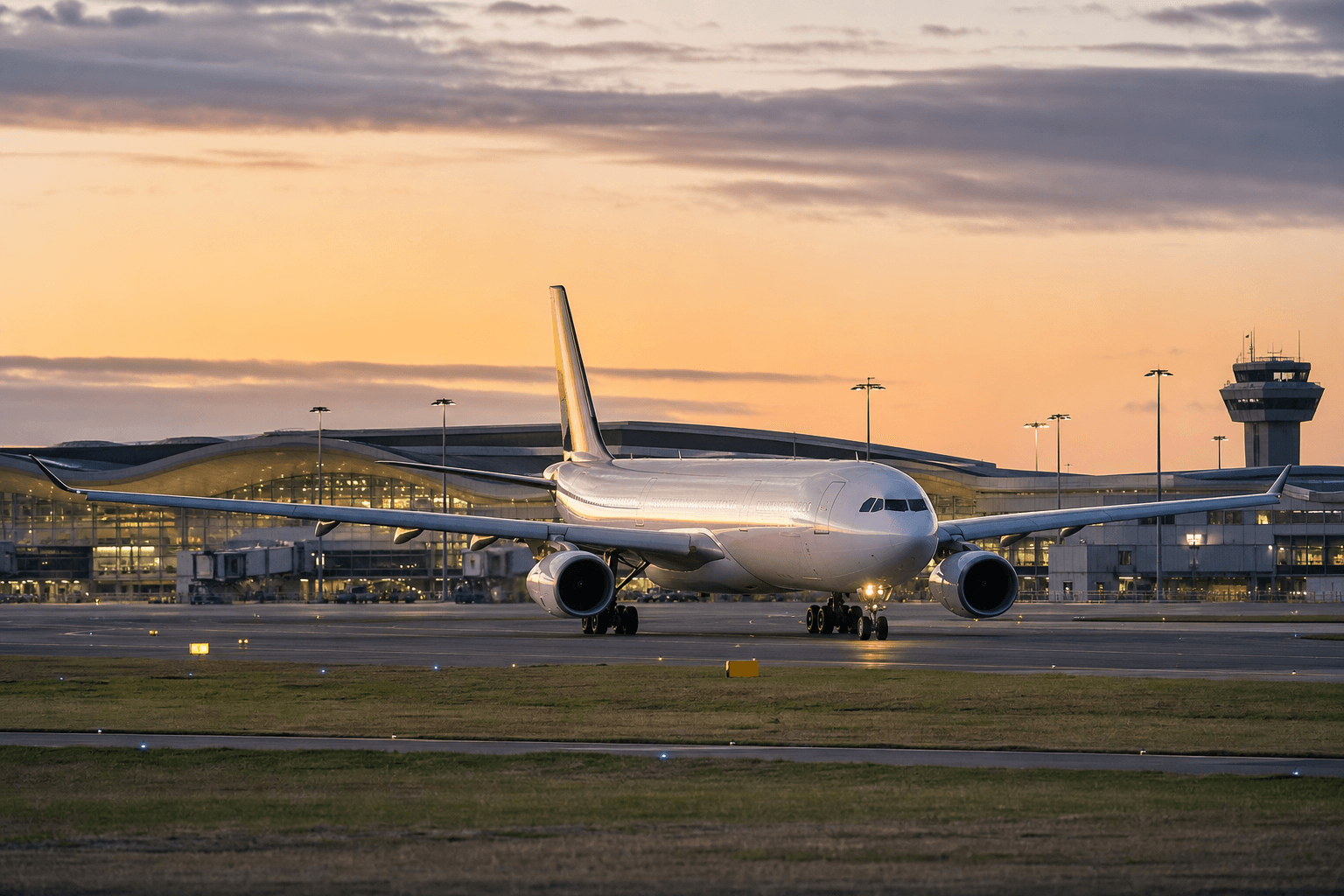
Vietjet to launch thrice-weekly flights from Western Sydney to Ho Chi Minh City in 2027
Asian budget airline’s link to new Australian airport from Vietnam commences at the beginning of 2027. Vietnamese budget carrier Vietjet is the latest operator to sign up to services from the new Western Sydney airport, with plans to open routes from January next year. Cargo flights have been operating at Western Sydney since 27 July and passenger operations are scheduled to commence on 25 October. Qantas, Jetstar, Singapore Airlines and Air New Zealand have already committed to serving the 24h airport. Vietjet will bring the number of airlines to five with a twice-weekly link to Ho Chi Minh City from 10 January 2027, rising to thrice-weekly in March. These flights will be operated by Airbus A330s. “Becoming one of the first airlines to operate at this new airport reinforces Vietjet's strategy of pioneering the expansion of its international network," says Vietjet chief Nguyen Thanh Son. The carrier's Vietjet Thailand venture also intends to begin a four-times weekly operation to Bangkok the following November. Western Sydney airport chief Simon Hickey says the Ho Chi Minh City route expands the number of links available, and "reinforces the choice, flexibility, and global connectivity" of the new facility. "Vietnam is an incredibly popular destination for [Australian] travellers," he adds. Vietjet's Ho Chi Minh City flights are being supported by an incentive programme from the New South Wales government, the Western Sydney International Take-Off Fund.

Frequent Flyer Award Loopholes Close as Airlines Tighten Elite Perks
The frequent flyer ecosystem has operated on a silent contract between airlines and their most loyal customers, but now that contract seems to be ending. There was once a period defined by the exploitation of fixed award charts, complex routing rules, and the mathematical beauty of carrier-imposed surcharges. Travelers spent years reverse-engineering award flight availability, viewing the loyalty landscape as a puzzle where deep knowledge of program intricacies provided access to premium cabins for a fraction of their cash value.
Air Canada launches new long-haul routes to Tenerife and Sapporo for 2026/27 winter
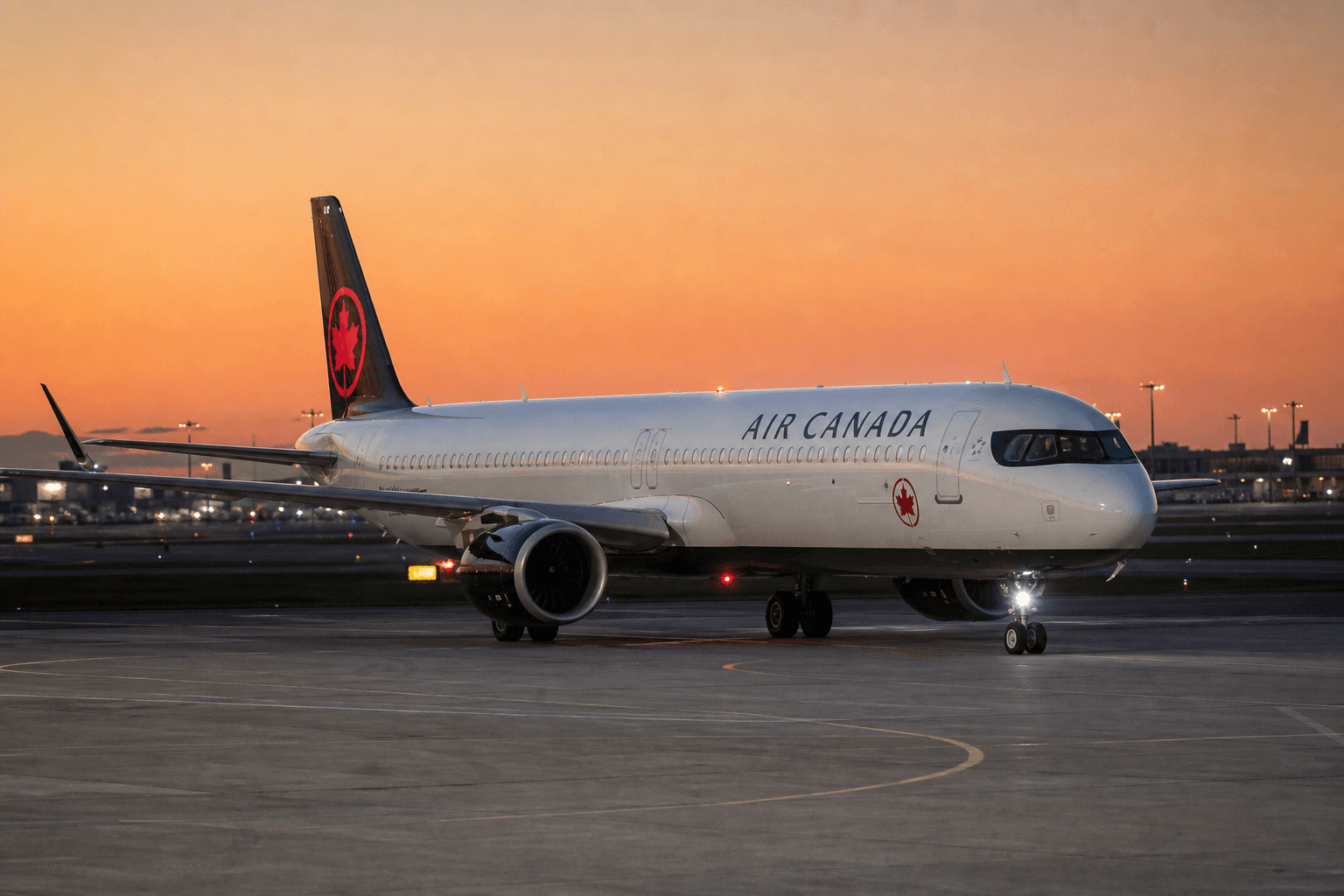
Air Canada has been steadily expanding its international network in recent years. The airline has added several new destinations so far this year and increased its presence across leisure markets. It is continuing this expansion with more additions for the 2026/27 winter season .
Qantas to Sell Entire Stake in Jetstar Japan by Mid-2027 for $52 Million
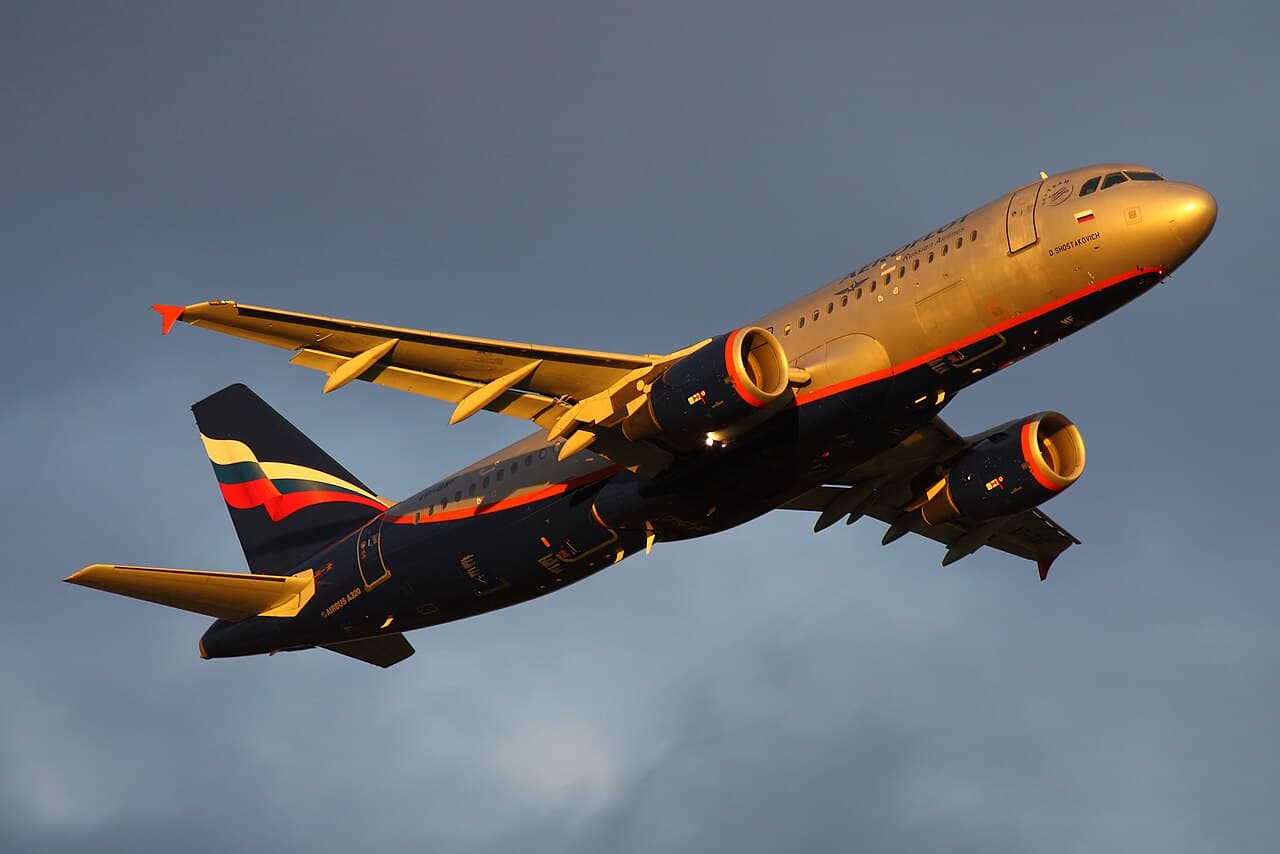
Deal expected to be completed by June 2027. The Qantas Group has signed a binding agreement to divest its entire shareholding in low-cost operator Jetstar Japan, in a deal valued at around Y8.2 billion ($52 million). The agreement sees Qantas sell its 33.3% stake in Jetstar Japan through a share buyback, with the Development Bank of Japan entering as a new shareholder. Majority shareholder Japan Airlines will retain its 50% shareholding, as will financial services firm Tokyo Century. The share buy-back transaction is expected to be completed by June 2027, states Qantas. Jetstar Japan will "refresh" its brand from Jetstar to a new brand, and will transition to a "Japanese capital-led ownership structure". The group notes there will be "no impact" on the existing international operations between Australia and Japan operated by mainline carrier Qantas and low-cost airline Jetstar Airways. "The transaction will allow the Qantas Group to redirect capital investment towards Qantas and Jetstar's domestic and international operations in Australia," it adds. The deal was first announced in February this year, when Qantas and JAL signed a non-binding memorandum of understanding for the transaction. Jetstar Japan began operations in 2012 as one of several international Jetstar units. It currently has a fleet of Airbus A321neos and A320s.
The Daily Touch & Go
The day's best aviation news in your inbox. Free, no spam.