

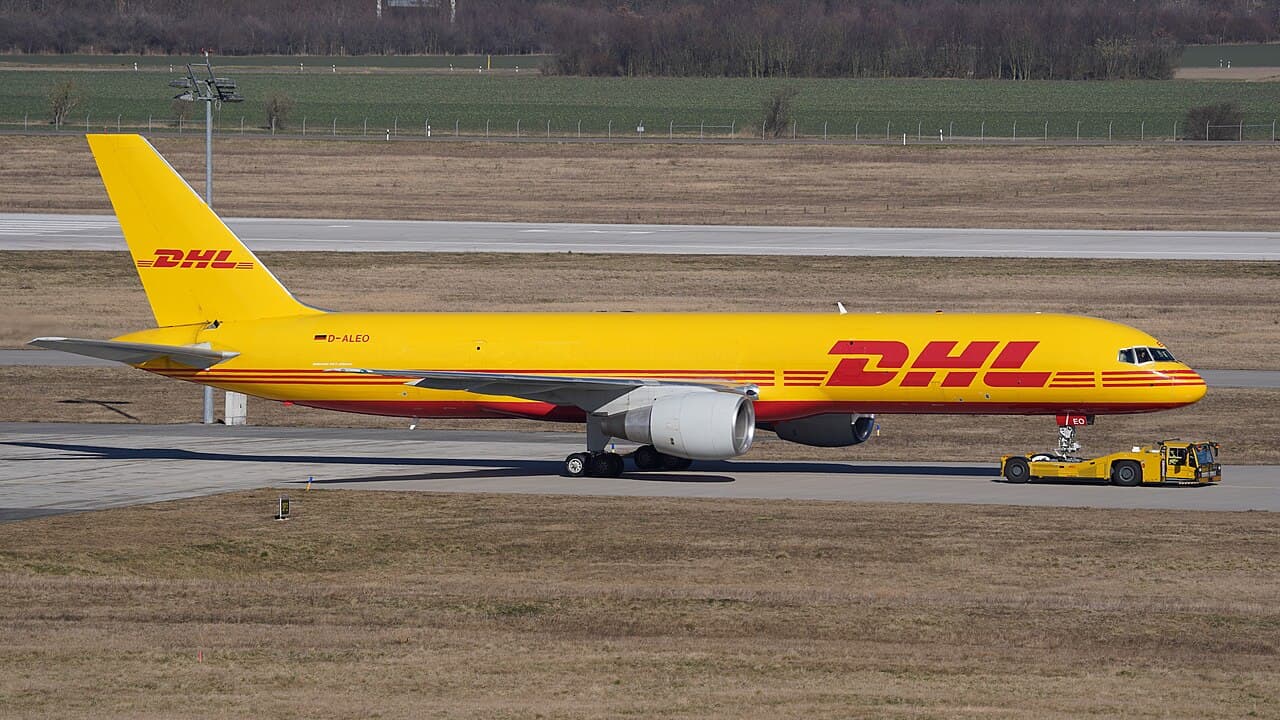
Image: MarcelX42 · CC BY-SA 4.0 · via Wikimedia Commons
Delta Introduces First Airbus A321neo VIP Jet for NBA Charter, Replacing Boeing 757s
Delta Air Lines received its initial VIP-configured Airbus A321neo last month, set to serve the NBA by replacing aging Boeing 757s leased for team travel.
The gist
Delta debuts its first VIP Airbus A321neo for NBA charters, swapping out decades-old Boeing 757s to enhance player travel comfort.
Continuing coverage
All Delta Air Lines →- Delta Air Lines to Resume Seattle-Tokyo Narita Service in 2027, Challenging Alaska Airlines
- Delta Air Lines Set to Announce New Austin International Route Likely to Paris in August
- Chicago O'Hare Tops North America in Flight Movements, Atlanta Leads in Seat Capacity
- Federal Judge Allows Class Action Suit Over Delta's False Carbon Neutral Claims to Proceed
- United Airlines CEO Explored Mergers With Delta and American Airlines, Both Declined
Delta Air Lines has taken delivery of the first in a fleet of 14 specially outfitted Airbus A321neo aircraft, designed exclusively for charter services transporting National Basketball Association (NBA) teams across the United States. This new fleet replaces Delta's older Boeing 757-200 aircraft, which have served the NBA's travel demands for more than three decades. The modernized jetliner aims to provide elevated comfort and customized interiors tailored specifically for professional basketball players, coaching staff, and their extensive equipment.
The transition arrives as Delta’s lease on the 11 Boeing 757s from Aviation Capital Group nears expiration this September. These jets, part of Delta’s 75C sub fleet and often dubbed 'flying pencils' due to their slender shape, have long been a vital part of NBA travel logistics but are now considered outdated compared to the new A321neos. The NBA’s lease agreement, secured through SMBC Aviation Capital rather than Delta directly, was approved by the U.S. Department of Transportation, allowing the introduction of the 14 Airbus jets for league use during the season and for ad-hoc charters when out of season.
Configured with lie-flat beds and other luxury amenities, the interiors of these Airbus A321neos have been designed by Comlux to meet the specific needs of elite athletes. Features include advanced cabin humidification systems, customizable lighting, and reduced cabin altitude to enhance in-flight comfort and recovery. Given the notable height of NBA athletes, seating and sleeping arrangements have been adapted to accommodate players taller than six feet, ensuring ample space.
Another critical aspect of the aircraft's design is the expanded cargo hold, offering an additional 1,826 cubic feet dedicated to team equipment. This space is essential to accommodate the sizeable and often bulky gear required for professional basketball teams, enabling easier and more efficient transport. Such bespoke configurations reflect the NBA’s emphasis on ensuring both player wellbeing and logistical efficiency while traveling the extensive domestic circuit.
The first aircraft of the fleet, registered N701DH, completed its specialized interior installations in Indianapolis before commencing its delivery flight to Minneapolis-St. Paul International Airport (MSP) on July 28 after arriving from Hamburg via Iceland. It will soon begin operations under Delta’s certificate, though the jets remain league-owned. Delta’s involvement ensures professional operation standards consistent with the airline's established quality and safety practices.
This partnership between Delta and the NBA continues an established model of VIP charter arrangements for major sports leagues, which require flexible and comfortable travel options not met by commercial flights. Early departure times following games and tight schedules necessitate aircraft that can accommodate sudden changes in itinerary and ensure players arrive rested and ready for competition.
As the NBA season approaches, these new aircraft represent a considerable upgrade in player travel accommodations, leveraging modern aerospace technology and interior design to enhance comfort, privacy, and overall experience. The replacement of the older 757s reflects evolving expectations around athlete travel and the increasing trend of customized, team-dedicated charters.
Over the three-year delivery timeline, all 14 Airbus A321neos will progressively enter service, phasing out the older jets. Their operation will be limited primarily to NBA travel during regular seasons but will also support other charter needs during the offseason. Delta’s unique role as operator but not owner highlights a novel leasing and operational strategy tailored to meet sports league requirements while aligning with commercial aviation standards.
This pioneering fleet exemplifies the convergence of commercial airline expertise and specialized VIP configurations, setting a new benchmark for sports team air travel in the U.S. The upgraded jets ensure the NBA’s extensive travel needs are met with efficiency and luxury, meeting both logistical challenges and player comfort demands throughout the high-intensity sports calendar.
Frequently asked questions
- Who owns the Airbus A321neo aircraft configured for the NBA charter flights?
- The Airbus A321neos are owned by SMBC Aviation Capital and leased directly to the NBA, not Delta Air Lines.
- What are some key interior features of the new NBA charter jets?
- The aircraft feature lie-flat beds, humidifiers, customizable lighting, low cabin altitude, and enlarged cargo holds to accommodate player comfort and team equipment.
- When did the first Airbus A321neo for NBA charters arrive at its U.S. destination?
- The first aircraft completed interior configuration in Indianapolis and flew to Minneapolis-St. Paul International Airport on July 28 for delivery.
Read more
All Business Aviation →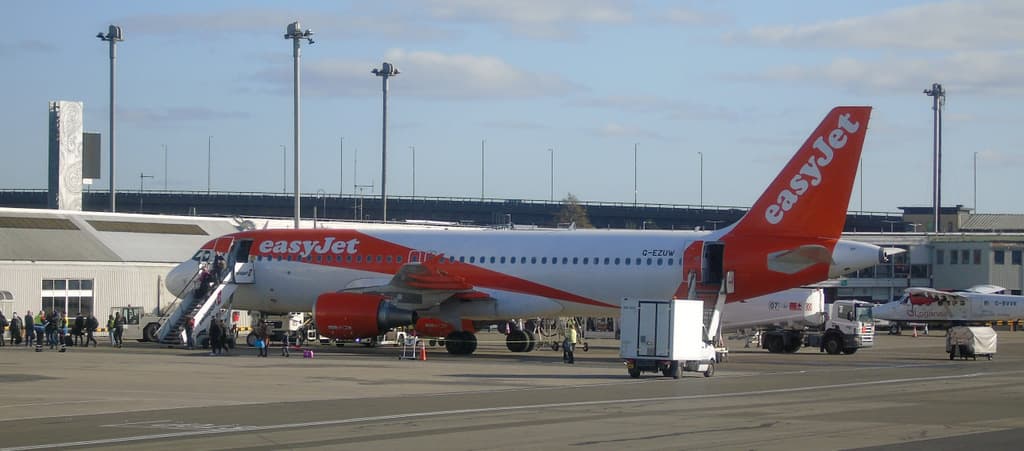
Apollo Agrees £5.7bn Bid to Acquire EasyJet After Castlelake Withdraws
Apollo and Castlelake had both been given a 7 August deadline to firm acquisition interest. US investment firm Apollo Management has agreed to a £5.7 billion ($7.7 billion) recommended offer for EasyJet , shortly after potential rival bidder Castlelake disclosed it would not be making a formal bid for the UK budget carrier. Apollo had appeared in pole position to acquire EasyJet after the latter's board signalled its intent to back the proposed £7.15-per-share acquisition. That came after the carrier had previously outlined its intention to support a potential offer from another US investment firm, Castlelake, based on a £6.90-per-share acquisition. Both suitors were given until 7 August to put forward binding offers and, shortly after Castlelake disclosed it had dropped out of the running, Apollo now says it has agreed a recommended offer for EasyJet based on a price of £7.15 per share. The offer has been made through Eagle Bidco, a company indirectly owned by Apollo Funds and managed by Apollo Capital Management and its affiliates. In a statement outlining the offer, Apollo says it represents an 81% premium on EasyJet's share price of 28 May, and a 22% premium on its highest closing price in the four years before that. "The EasyJet board has carefully evaluated the proposal from Apollo alongside EasyJet’s standalone prospects,” says EasyJet chair Stephen Hester. “While we remain confident in the strength of our business and the opportunities ahead, we believe this offer appropriately recognises the quality of the business we have built and delivers immediate, certain and attractive value for shareholders.” Antoine Munfakh, partner and deputy global head of Private Equity at Apollo, says: “Our partnership with EasyJet will draw upon Apollo’s extensive experience investing in and growing businesses in the airline sector, bringing capital and deep operational and strategic expertise to support the team in generating long-term, sustainable growth. "We are committed to supporting the EasyJet Group in reaching its full potential.” Apollo says it has also secured irrevocable undertakings supporting the offer from Stelios Haji-Ioannou and his family, which together account for over 15% of the carrier's share capital. “I am pleased with Apollo’s strategic intentions for the EasyJet business, which aim to create more growth,” says Haji-Ioannou. “The fact that Apollo, as one of the most well-resourced and experienced institutional investors in the world, has decided to back and grow EasyJet, the leading member of the easy family of brands, is testament to the strength of the Easy brand and the business model of EasyGroup.” Haji-Ioannou adds that he and his family intend to remain invested as “ long-term major shareholders” of EasyJet. Apollo expects the acquisition to complete by the end of the first quarter of 2027. Earlier investment firm Castlelake said it had opted against making a formal offer for the carrier. "Castlelake is very appreciative of the constructive engagement with the EasyJet board and management team, and would like to thank them for their time and consideration of this potential transaction,” it says.
Embraer E2 Jets Gain Ground in South America Against Airbus A220
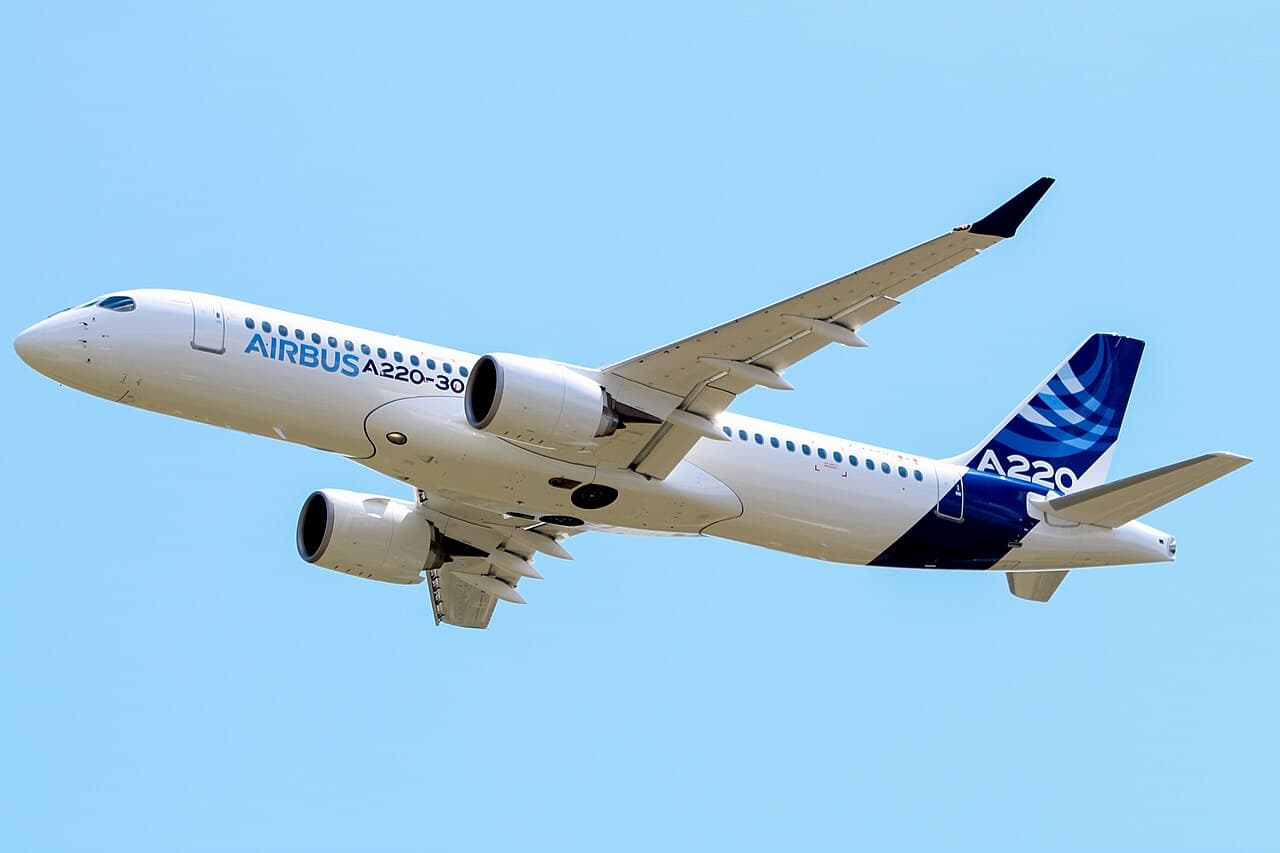
The market for small narrowbodies has traditionally been smaller than the one for mainline aircraft, but it's still a space with significant demand. Embraer has long been a dominant player, with its E-Jet family having received nearly 2,000 orders since its launch. Still, the company's refreshed E2 family has sold in relatively low numbers, as the Airbus A220 (formerly the Bombardier C Series) has been grabbing market share.

Bamboo Airways Suspends Scheduled Flights Amid Tax and Fleet Troubles
Bamboo Airways now owes more than VND440 billion (about US$16.8 million) in unpaid taxes. Vietnam’s Gia Lai Provincial Tax Department has warned it may impose a temporary travel ban on the airline’s beneficial owner if the debt is not paid. ezstandalone.cmd.push(function () { ezstandalone.showAds(119); }); Tax Pressures and Route Cuts This tax problem arrives at a difficult time. The carrier has progressively cut operations after years of restructuring. From 1 August 2026, Bamboo Airways suspended its Hanoi–Lijiang charter flights. Officials said the route was no longer commercially viable. The airline apologised to passengers and travel partners affected by the cancellation. ezstandalone.cmd.push(function () { ezstandalone.showAds(127); }); More significantly, the carrier has now stopped selling tickets for domestic scheduled flights from 1 August 2026. Its website and booking systems show no available options on major routes such as Hanoi–Ho Chi Minh City, Hanoi–Da Nang and Hanoi–Quy Nhon. The last scheduled service is set for 22 August. Bamboo is operating only limited charter services with a single active Airbus A321 (registration VN-A227). Once flying up to 44 aircraft, the airline now lists just three on its books, with two parked. ezstandalone.cmd.push(function () { ezstandalone.showAds(128); }); Image Credit: Boeing Fleet Collapse and Daily Disruptions By the end of 2025 Bamboo still had eight aircraft. Today only three Airbus narrowbody jets remain on paper. In practice, just one flies regularly. The reduction stems from ongoing talks with lessors over delayed payments and outstanding debts. These constraints force the airline to maximise every available plane. On 28 July 2026, a single Airbus A321 (registered VN-A227) handled a six-sector rotation linking Hanoi, Ho Chi Minh City, Da Nang and Macau. Delays built up through the day. Five of the six flights arrived between nearly two and almost three hours late as problems cascaded along the itinerary. ezstandalone.cmd.push(function () { ezstandalone.showAds(129); }); Planespotters.net data shows only one of Bamboo Airways’ two leased Boeing aircraft was operational at the time. Limited fleet availability has driven poorer performance. Vietnam’s Civil Aviation Authority reported the airline’s on-time rate at 66.8 percent in June 2026, well below the industry average of 75.7 percent. Bamboo Airways has apologised for the disruptions and introduced a refund process for affected passengers. It acknowledged that high request volumes may slow processing times. ezstandalone.cmd.push(function () { ezstandalone.showAds(130); }); A Turbulent History These troubles have deep roots. Bamboo Airways launched in 2019 under the FLC Group, founded by Trịnh Văn Quyết. It grew quickly and once held around 20 percent of Vietnam’s domestic market. The carrier operated nearly 30 aircraft, including Boeing 787 Dreamliners, and served dozens of routes. Everything changed in 2022. Authorities arrested Quyết on stock-manipulation charges. FLC’s financial crisis hit the airline hard. Bamboo recorded a record after-tax loss of VND17.6 trillion that year. Accumulated losses pushed equity negative. Photo Credit: Melv_L – MACASR, CC BY-SA 2.0, via Wikimedia Commons In 2023 a new investor group, linked to Him Lam and led by Lê Thái Sâm, took control. They injected capital and tried to restructure. ezstandalone.cmd.push(function () { ezstandalone.showAds(131); }); Yet the debt burden stayed high. An independent audit in July 2025 showed more than VND9,000 billion owed to suppliers, banks and other creditors. The biggest single creditor is Airports Corporation of Vietnam (ACV) with roughly VND2,600 billion. Sacombank holds nearly VND4,000 billion. By September 2025 the new owners handed operational control back to FLC. At that point the airline had only seven aircraft and 12 domestic routes. The recovery that followed proved short-lived. Lessors reclaimed planes after payment delays. The fleet shrank further. Many domestic schedules for August 2026 simply disappeared from booking systems, culminating in the near-complete halt of scheduled services. ezstandalone.cmd.push(function () { ezstandalone.showAds(132); }); Looking Ahead Despite the crisis, Bamboo Airways still talks of recovery. Management aims to add eight to ten aircraft each year from 2026 to 2030 and rebuild the fleet to around 40 jets. Talks have taken place with Boeing, Eastbridge Partners and South Korea’s RAKSO Holdings. Most of these plans remain early proposals. For now the outlook stays highly uncertain. With scheduled flights effectively suspended, heavy legacy debt, a tiny active fleet and ongoing tax pressure leave little room for error. ezstandalone.cmd.push(function () { ezstandalone.showAds(133); }); Passengers face disruptions while the airline fights to stay aloft through limited charters. The coming weeks will show whether Bamboo Airways can stabilise, resume regular operations, or must shrink even further.
Bombardier delivers 200th Challenger 3500 jet to Ferrari heir Piero Ferrari
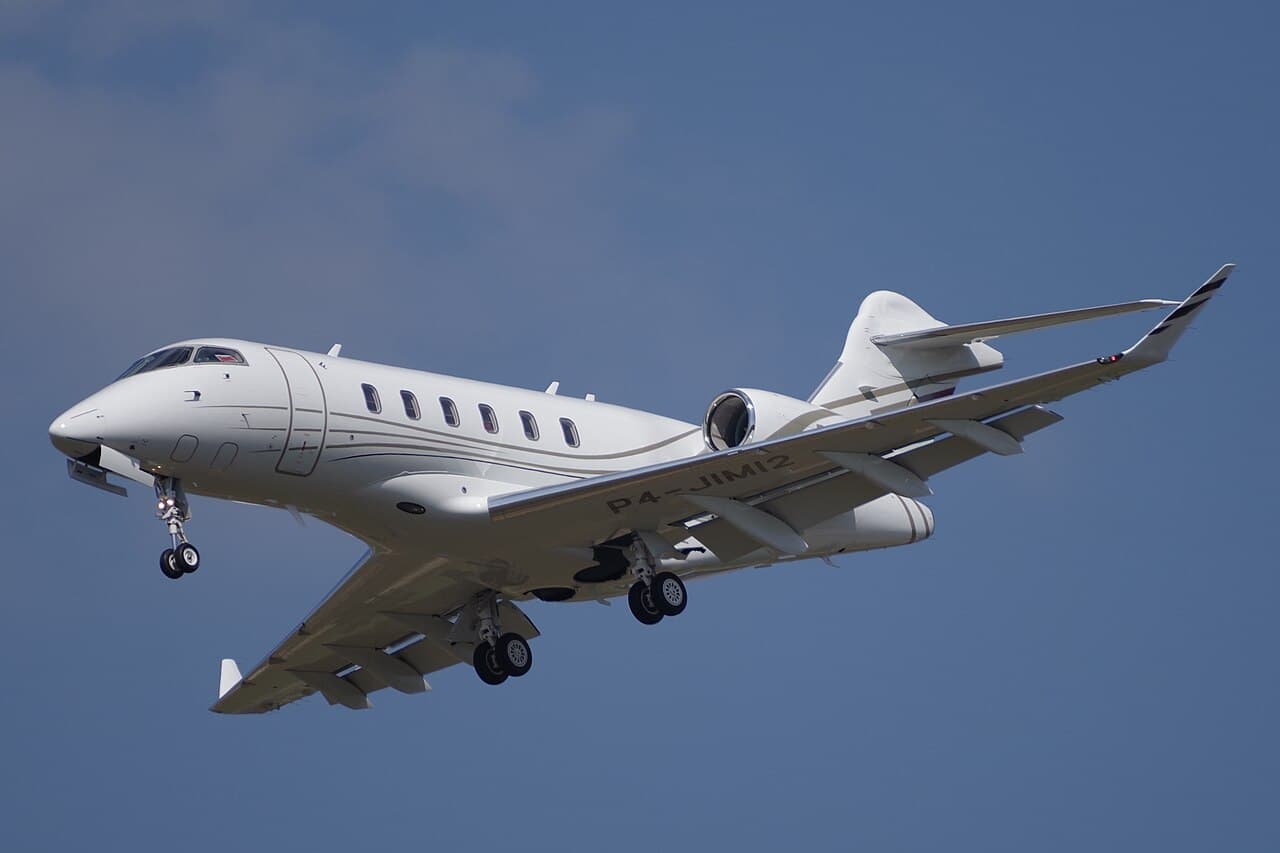
Bombardier has delivered its 200th Challenger 3500 executive jet to Piero Ferrari, the son of Italian icon Enzo Ferrari who founded the luxury carmaker. On July 27, 2026, Bombardier said the delivery brings together one of business aviation's "most successful super-midsize jets" with one of the world's most renowned names in mobility, design, and craftsmanship. According to Bombardier, Piero Ferrari, who is the Vice Chairman of Ferrari , will use his new Challenger 3500 to travel to Formula One races and other business engagements. Pierro Ferrari is often cited as one of the richest people in Italy and it understood to own around 10% of the company built by his father. Enzo Ferrari passed away in 1988. "Delivering the 200th Challenger 3500 jet is a defining milestone for Bombardier and a powerful testament to the aircraft's remarkable success in the super-midsize segment," David Murray, Executive Vice President, Manufacturing, IT and Bombardier Operational Excellence System, said. MarcussFA14 / Shutterstock.com He continued: "We are especially proud to mark this milestone with Mr. Piero Ferrari and thank him for the confidence he has placed in Bombardier." The 200th Challenger 3500 was delivered just four years after its entry into service in 2022. Bombardier claims that "since its first full year of deliveries in 2023, the aircraft has out delivered every other business jet model in the medium and heavy categories". "The Challenger 3500 jet has quickly established itself as a category leader, and we look forward to building on that momentum," Murray added. The Bombardier Challenger 3500 is proving very popular with fleet operators after recent firm commitments from BOND, NetJets and VistaJet. RELATED Bombardier wins $1.18B Vista order for 40 jets, may rise to $4B with options
The Daily Touch & Go
The day's best aviation news in your inbox. Free, no spam.