
Illustration: The Touch & Go
Delta CEO Sees 50% Profit Boost from AI-Powered Pricing and Operations
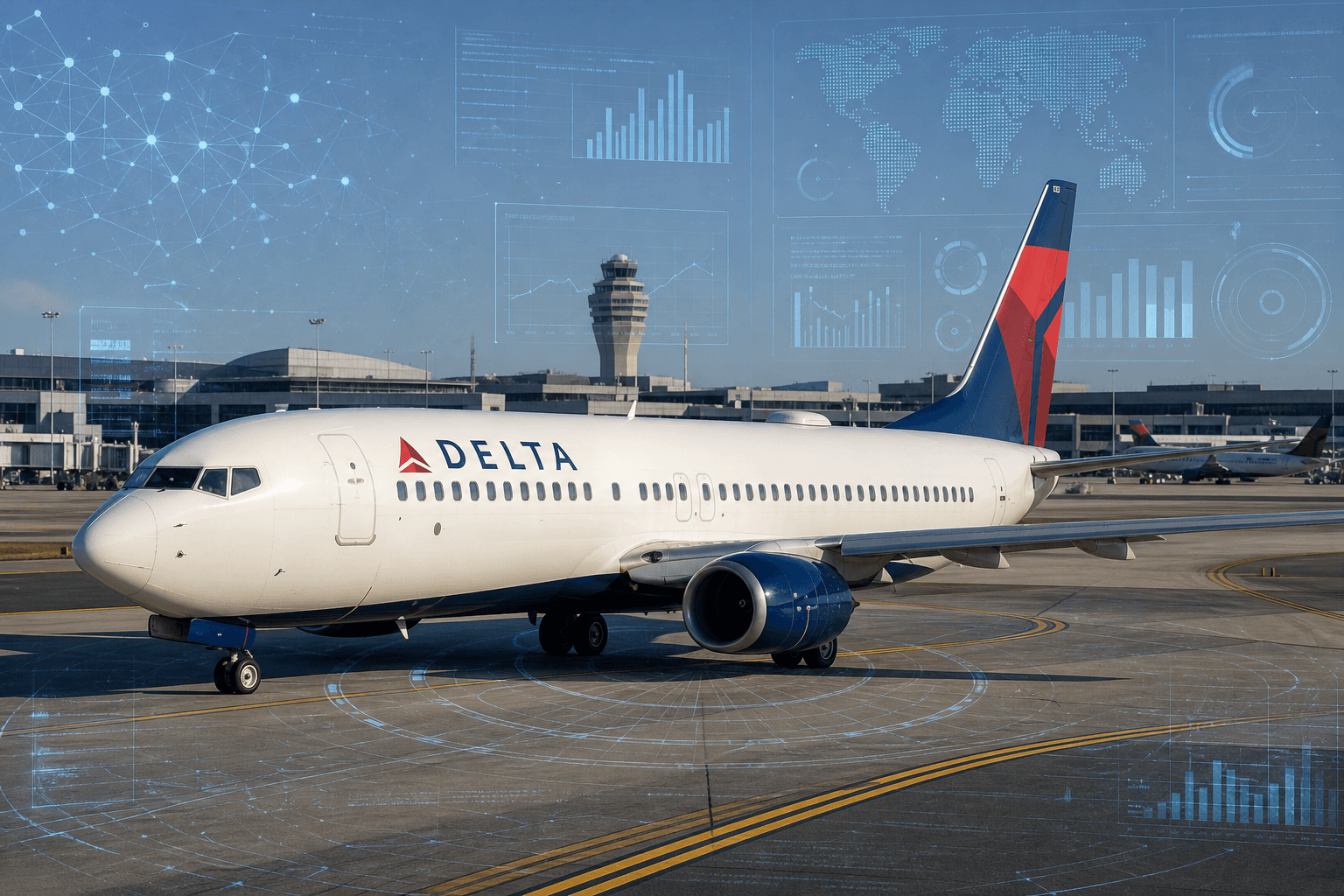
Delta Airlines aims to raise profits by 50% using AI for dynamic pricing, operational efficiencies, and automation across multiple business areas.
The gist
Delta projects a 50% profit increase by leveraging AI to set personalized fares and optimize operations, cutting costs and raising margins.
Continuing coverage
All Delta Air Lines →- US Appeals Court Reinstates Delta-Aeromexico Joint Venture after DOT Block
- Delta CEO Aims for Elite Global Status, But Operational Issues Undermine Claims
- Seven Passengers Sue Delta After Low-Speed Collision with Japan Airlines 787 at Seattle
- LATAM A320 aborts takeoff at São Paulo as American and Delta jets cross runway amid fog
- Delta Orders 16 High-Cabin Airbus A330-900neos With 56 Delta One Suites Each
Delta Air Lines plans to significantly increase profitability by deploying artificial intelligence (AI) throughout its operations, according to CEO Ed Bastian. The airline expects to boost its profit margin from about 10% to 15%, representing a 50% jump, amounting to roughly $3 billion in added profits. This improvement is aimed to be achieved by cutting operational costs, automating routine processes, and implementing smarter, dynamic pricing strategies.
Bastian described the AI technology as 'augmented intelligence' focused on enhancing human decision-making. The airline intends to replace slower, human-driven decisions with continuous, machine-driven analytics in areas including pricing, upgrades, crew scheduling, maintenance, fuel management, and back-office functions. Such efficiencies may reduce headcount, reflecting a broader industry trend already acknowledged by competitors like United Airlines.
Delta's approach to pricing marks a fundamental change from traditional fare management. Instead of relying on static fare grids and fixed availability buckets, the airline is integrating pricing and inventory controls into a single, AI-powered system called 'offer management.' This system generates dynamic, personalized fare offers tailored to the specific customer and moment, optimizing revenue opportunities while responding swiftly to market demand fluctuations.
The airline detailed this strategy publicly during its November 2024 Investor Day, where then-President Glen Hauenstein likened the AI to a 'super analyst' continually repricing fares. Initial testing involved limited domestic inventory controlled by Fetcherr's AI system, with the capability steadily expanded over time. The continuous, automated nature of the system enables nonstop learning and repricing rounds, surpassing human capacity to monitor and adjust fares 24/7.
Despite concerns raised by lawmakers about so-called 'surveillance pricing,' Delta has stated it does not currently use individual customer personal data to set fares. Instead, pricing decisions rely on aggregated market data and general customer behavior patterns rather than personal history or attributes. However, investor communications reveal the system does craft offers uniquely for each shopper in real time, using session data and contextual signals such as route, time, device, and loyalty status.
Regulatory perspective favors airline autonomy in pricing models, as the Federal Trade Commission lacks authority over air carriers under Section 5 of the FTC Act, which instead puts oversight in the Department of Transportation's remit. Past DOT rulings have not prohibited personalized airline offers, and state laws attempting to restrict personalized pricing are generally preempted by the Airline Deregulation Act, giving airlines broad leeway in fare setting.
The use of AI-driven personalized pricing can both raise and lower fares depending on customer willingness to pay, enabling airlines to better segment travelers without the blunt tools of traditional fare rules. By showing lower prices selectively to price-sensitive leisure travelers and higher fares to business travelers willing to pay more, airlines can fill more seats and increase overall revenue efficiently.
AI deployment will also automate many repetitive tasks, leading to workforce reductions in certain areas such as revenue management, reservations, customer care, and back-office finance. United Airlines has already publicly disclosed management headcount reductions associated with similar initiatives. While some job losses may occur, Delta emphasizes AI will augment employee capabilities by providing better decision-making tools rather than fully replacing human roles.
This transition to AI-based operations reflects a major shift in airline business models, promising greater profitability through technology-driven efficiency and revenue optimization. Delta’s implementation offers a concrete model of how AI can transform airline economics in the years ahead, with measurable impacts on fares and margins.
Frequently asked questions
- How does Delta plan to increase its profits using AI?
- Delta plans to boost profits by 50% through AI-driven dynamic pricing, operational efficiencies, and automation in areas like pricing, crew management, maintenance, and back-office functions.
- What is 'offer management' in Delta's AI strategy?
- Offer management is a system that merges pricing and fare availability into one AI-powered process to generate personalized fare offers continuously based on customer and market conditions.
- Does Delta use personal customer data to set individualized fares?
- Delta currently uses aggregated market data and session-based signals but does not use named individual personal data for fare setting, though it generates offers tailored to specific shopping requests in real time.
Read more
All Airlines →
Delta CEO Aims for Elite Global Status, But Operational Issues Undermine Claims
Ed Bastian wants Delta mentioned with Singapore Airlines and the best Asian and Middle Eastern carriers. Delta has a brand, but product consistency and service still fall short and once-vaunted reliabiltiy has faltered.
Delta Orders 16 High-Cabin Airbus A330-900neos With 56 Delta One Suites Each
Delta Air Lines' newest batch of Airbus A330-900neos will be fitted with 56 Delta One Suites, almost double the number fitted to the aircraft the carrier flies today. 16 examples of the 'high J' configuration were ordered in January and will complement Delta's existing fleet of 39 A330neos and more than 40 previous-generation A330s.
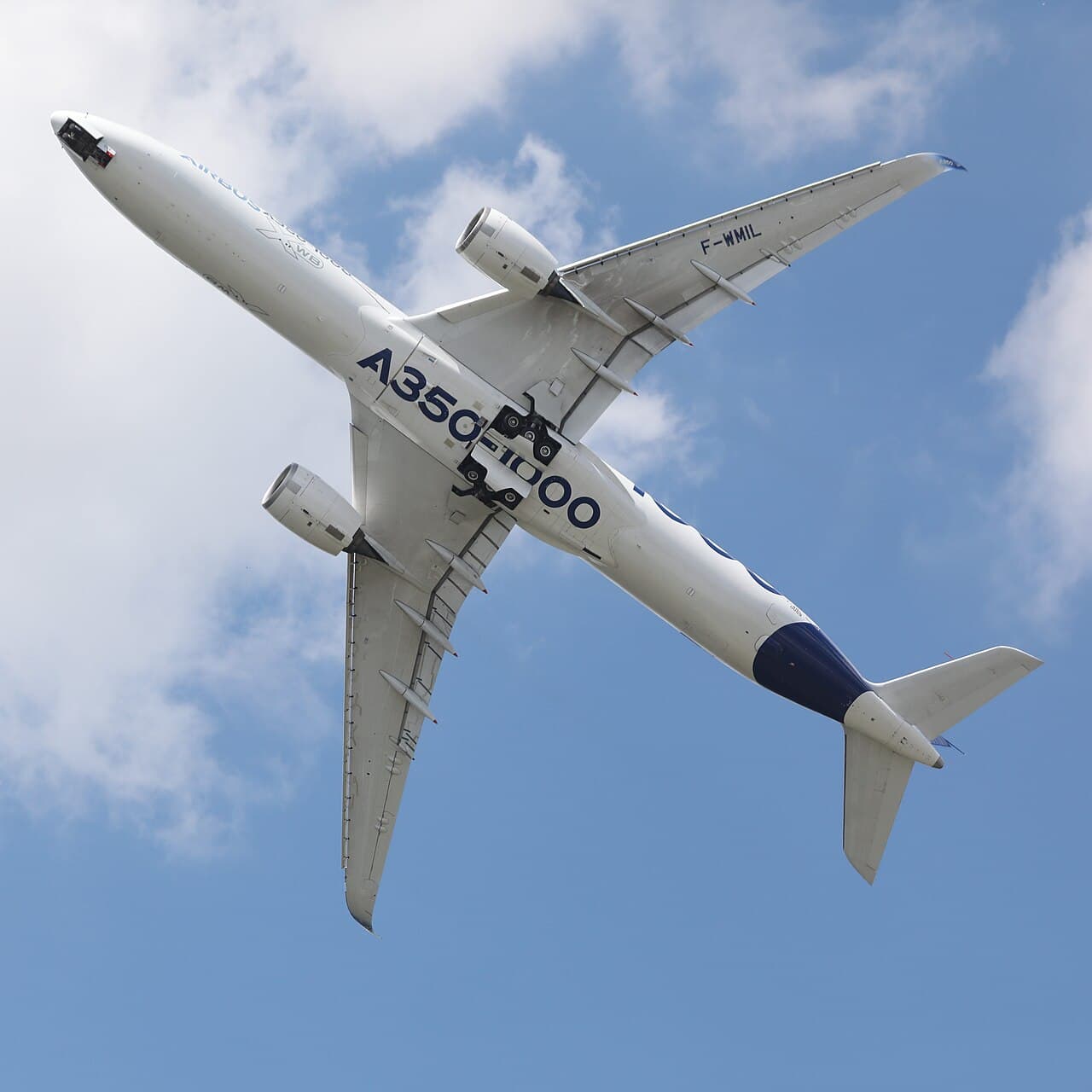
Airbus A350-1000 Outsizes Boeing 787-10 with Greater Length, Capacity, Range
The Airbus A350-1000 is the bigger, longer-range rival to the largest Boeing Dreamliner, the 787-10. While both are modern, fuel-efficient widebody aircraft with advanced composite airframes, the A350-1000 is a larger machine designed for high-demand, ultra-long-haul routes. When it comes to widebody jets, size matters, and the European airliner has the American plane beaten across the board on this front.
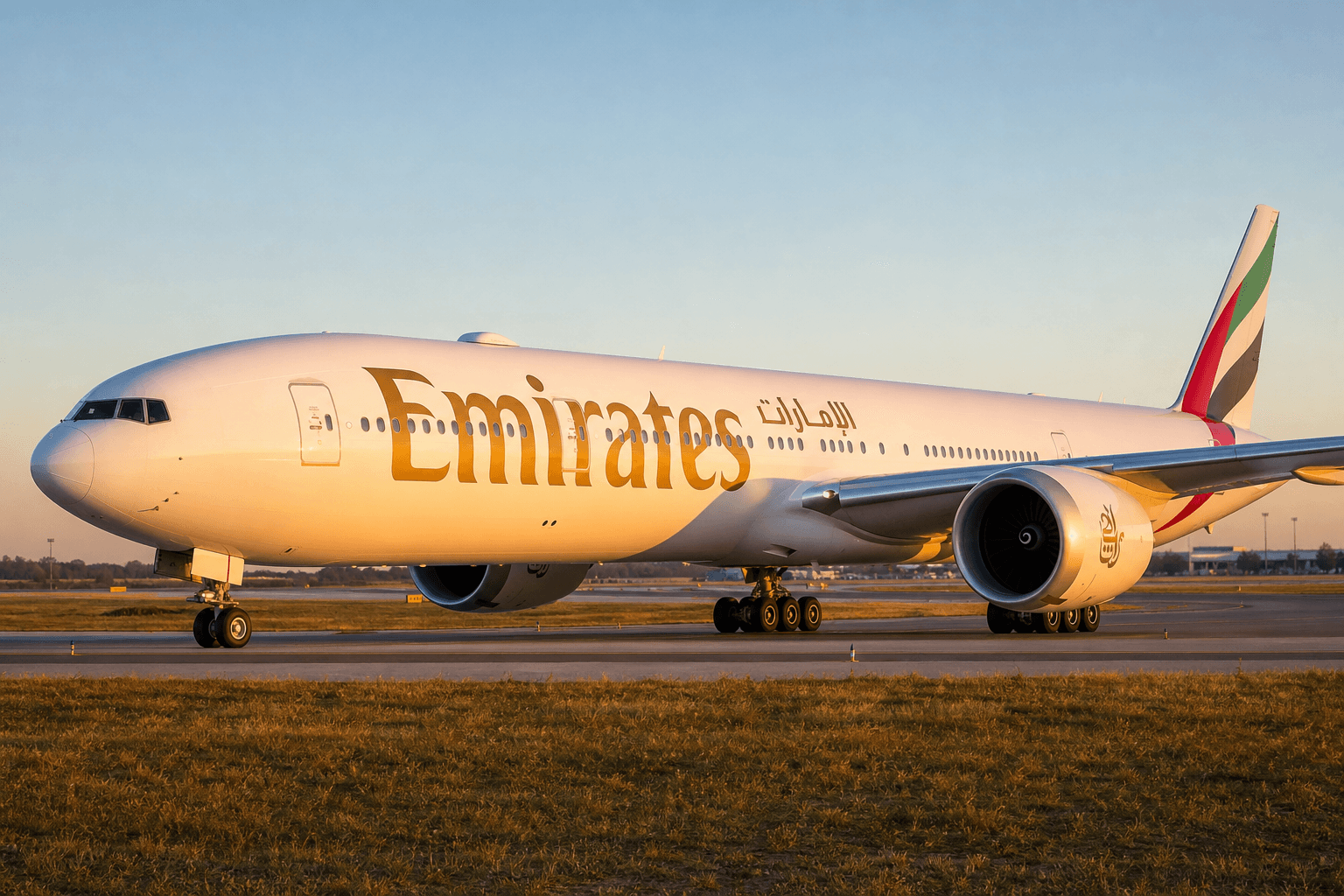
Emirates Leaks New Boeing 777X Business Class Suites and Social Lounge Details
A new era is incoming at Emirates , as the carrier will soon begin taking delivery of the Boeing 777X. With nearly 300 units ordered, most of which are for the larger 777-9 variant, it will be by far Emirates' largest fleet, and when the first example arrives in 2027, it will debut updated cabins. Naturally, this will include improved economy seats as well as Emirates' premium economy cabins, but the 777-9 will also feature an updated business class cabin.
The Daily Touch & Go
The day's best aviation news in your inbox. Free, no spam.