

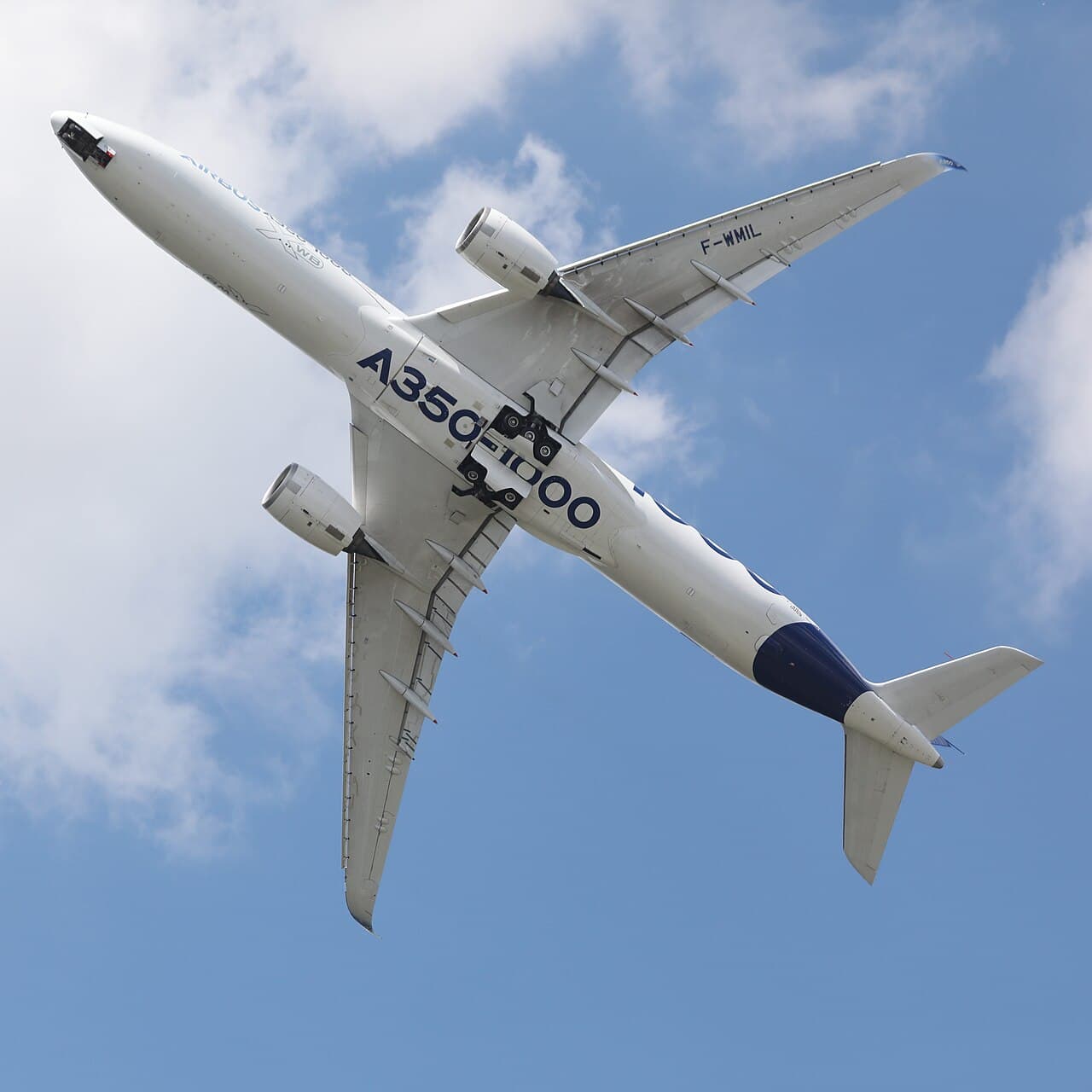
Image: New York-air · CC BY-SA 4.0 · via Wikimedia Commons
Airbus A350-1000 Outsizes Boeing 787-10 with Greater Length, Capacity, Range
The Airbus A350-1000 surpasses the Boeing 787-10 in size, passenger capacity, range, and cabin comfort for ultra-long-haul flights.
The gist
Airbus A350-1000 is a larger, longer-range widebody than Boeing 787-10, offering more seats and range for ultra-long routes.
The Airbus A350-1000 stands as a larger and more capable competitor to Boeing's biggest Dreamliner, the 787-10, particularly targeting high-demand and ultra-long-haul routes. Both aircraft are advanced widebody jets utilizing composite material airframes designed for fuel efficiency. However, the A350-1000 surpasses the 787-10 in key size metrics, including length, wingspan, passenger capacity, maximum takeoff weight, and cabin width, reflecting its focus on the longest and most demanding commercial flights.
Measuring approximately 73.79 meters in length, the A350-1000 is about 5.5 meters longer than the 787-10, which is 68.28 meters. Its wingspan also exceeds that of the 787-10 by 4.7 meters, spanning 64.8 meters. The wider fuselage of the Airbus allows for a cabin width about 12 centimeters greater than the Boeing model, contributing to more spacious seating arrangements. Typically, the A350-1000 has seating for 350 to 410 passengers in a three-class setup, compared to the 787-10’s usual 330 seats in a two-class layout, with maximum high-density capacities reaching 480 versus 440 seats respectively.
The A350-1000’s ‘XWB’ designation highlights its extra-wide body, enabling airlines to design more comfortable cabins with wider seats, often around 18 inches wide in economy, compared to 17 inches on the 787. This difference in cabin dimensions is particularly appreciated on extended flights where passenger comfort is critical. Additionally, the A350's superior maximum takeoff weight of 319 tonnes versus 254 tonnes for the 787-10 underlines its capacity for greater fuel loads and cargo, facilitating longer range operations.
Boeing positions the 787 family, especially the smaller 787-8 and 787-9 variants, for ‘long and thin’ routes where passenger volume is lower, but range requirements are high. The 787-10, meanwhile, serves medium to long-haul routes with higher passenger demand where the A350-1000’s extra-long range may exceed operational needs. Its comparatively lower acquisition cost also appeals to airlines prioritizing capital expenditure efficiency, even though the 787-10 usually commands fewer seats and range.
The A350-1000’s structural design features exceptionally wide and flexible wings optimized for aerodynamic efficiency, supporting its role on ultra-long-haul flights such as those envisioned in Qantas’ Project Sunrise program for nonstop London-Sydney service. Alongside its size, the Airbus has a reputation for a quieter cabin environment and enhanced pressurization and humidity controls that improve passenger well-being on lengthy routes.
Boeing’s 787 introduced several cabin innovations that have become industry benchmarks, including the largest windows on any commercial aircraft with electronic dimming, and a composite fuselage that allows for higher cabin humidity and lower altitude pressure. The 787-10 also features distinctive serrated engine nacelles that reduce noise levels. Its innovative systems replace traditional pneumatic and hydraulic components with electric systems, decreasing weight and simplifying maintenance.
Manufacturing methodologies differ notably between the two aircraft. Boeing employs large single-piece fuselage barrels with fewer fasteners, accommodating the flexing raked wingtips characteristic of the 787. Airbus constructs the A350 fuselage from multiple CFRP panels assembled into sections, which may offer greater adaptability and maintenance advantages. Engine choices also differ, with the A350-1000 using Rolls-Royce Trent XWB engines featuring smooth nacelles, while the 787’s engines have chevron edges that aid noise suppression.
In operational terms, the Airbus A350-1000 offers airlines a blend of higher seating capacity, greater range, and enhanced passenger comfort suited for the longest intercontinental routes. Conversely, the Boeing 787-10 remains a flexible and cost-effective option for routes where ultra-long-haul capability is less vital but passenger capacity and operating economy are priorities. Both aircraft continue to maintain strong presences in the global widebody market through their complementary roles.
Frequently asked questions
- How much longer is the Airbus A350-1000 compared to the Boeing 787-10?
- The Airbus A350-1000 is about 5.5 meters (18 feet) longer than the Boeing 787-10, measuring 73.79 meters compared to 68.28 meters.
- What are the typical passenger capacities of the A350-1000 and 787-10?
- The A350-1000 typically seats 350 to 410 passengers in three-class configurations, while the 787-10 usually carries about 330 passengers in two-class layouts.
- Which aircraft has a wider cabin and how does it affect passenger comfort?
- The A350-1000 has a wider cabin by approximately 12 cm, allowing for wider seats—usually around 18 inches in economy—compared to about 17 inches on the 787-10, enhancing comfort especially on long flights.
Read more
All Airlines →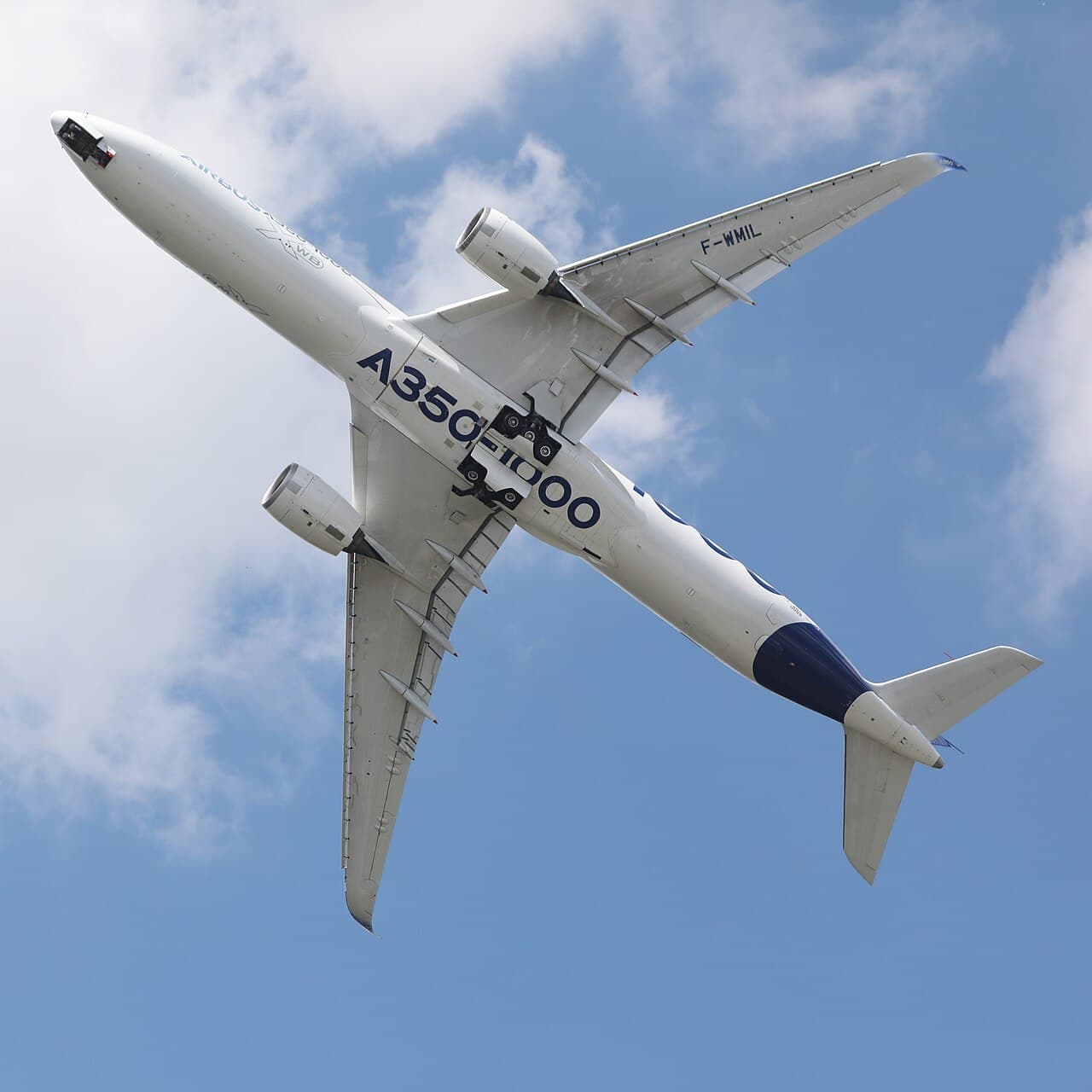
Air Canada Picks 16 Airbus A350-1000s Over Delayed Boeing 777X for Long-Haul Fleet Renewal
For nearly two decades, the Boeing 777-300ER has been at the very heart of Canada's flagship carrier, dominating long-haul routes from Toronto Pearson International Airport (YYZ) and Vancouver International Airport (YVR) across the Pacific and Atlantic oceans. When it came time to plan its flagship fleet successor for the decade ahead, Air Canada turned away from Seattle and placed its faith in the rival company Airbus . The airline confirmed a firm commitment for eight Airbus A350-1000s , with purchase rights for eight additional aircraft, bypassing Boeing's delayed 777X program to opt for European composite-twin technology for its next era of international expansion.
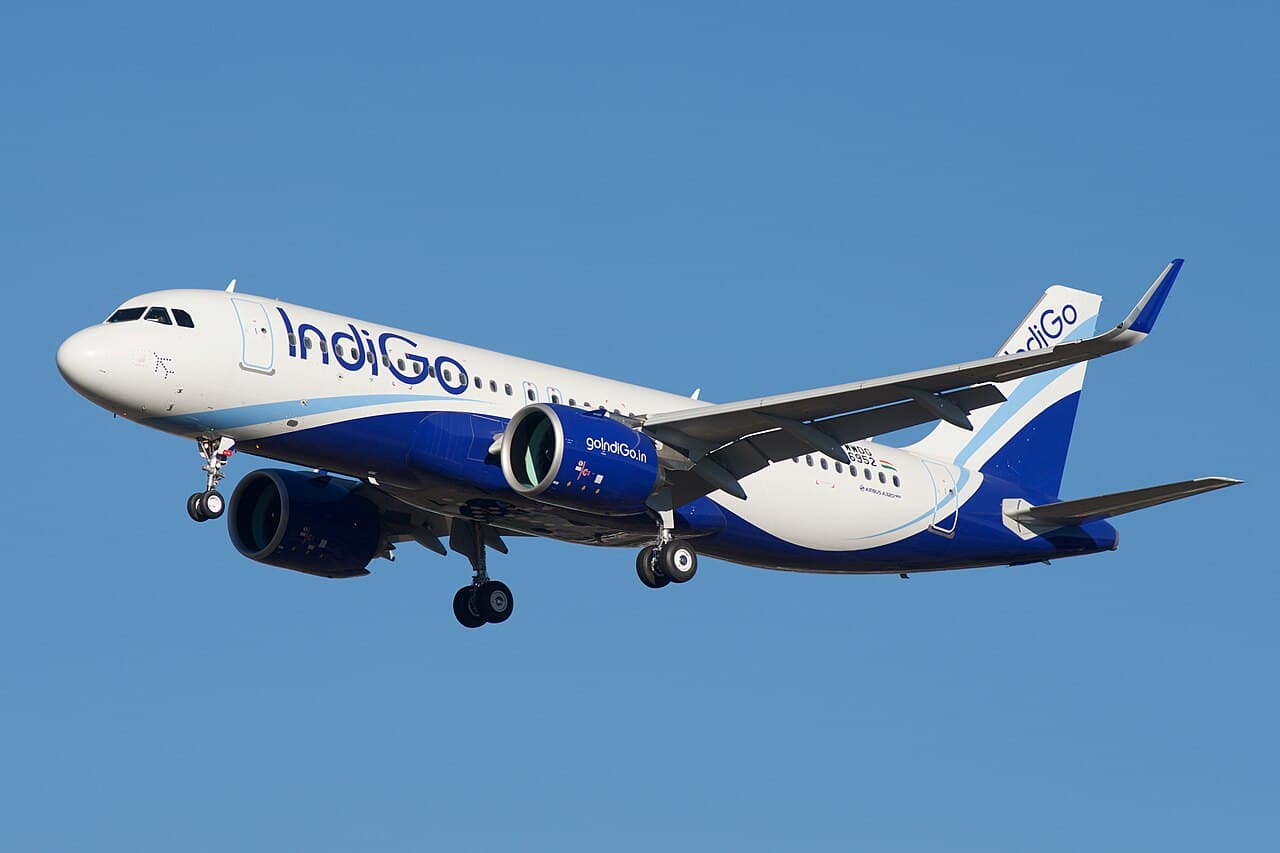
BOC Aviation, Avolon, SMBC and AerCap Dominate Global Widebody Leasing Market
Approximately half of all commercial aircraft in service worldwide are operated on lease rather than owned outright by the airline flying them. When a passenger boards a Delta Air Lines Airbus A330-900neo or a Ryanair Boeing 737 MAX 8, there is roughly a 50% chance that the aircraft belongs to a leasing company that purchased it from Airbus or Boeing and leases it to the airline under a long-term contract. The airline pays a monthly lease rate, operates the aircraft on its own routes with its own crews, and returns it to the lessor at the end of the term. The lessor retains ownership throughout and places the aircraft with another operator when the lease expires.
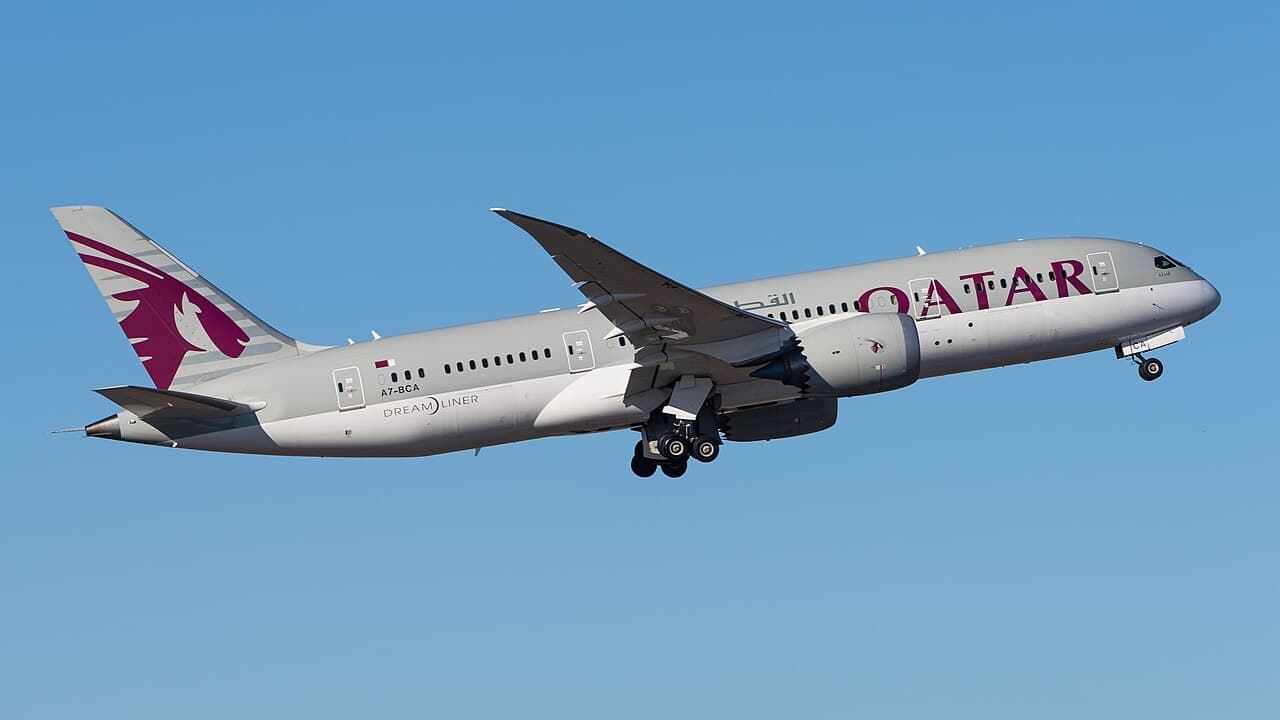
Boeing 787 vs Airbus A330neo: Cost, Orders, and Operating Efficiency Compared
The current commercial aviation landscape is dominated by Boeing and Airbus . The two companies directly compete for contracts with the world's largest aircraft operators, and has resulted in an effective duopoly since the 1990s. Today, the Airbus A330neo family and Boeing 787 Dreamliner family compete for market share in the mid-sized widebody category.
US Appeals Court Reinstates Delta-Aeromexico Joint Venture after DOT Block
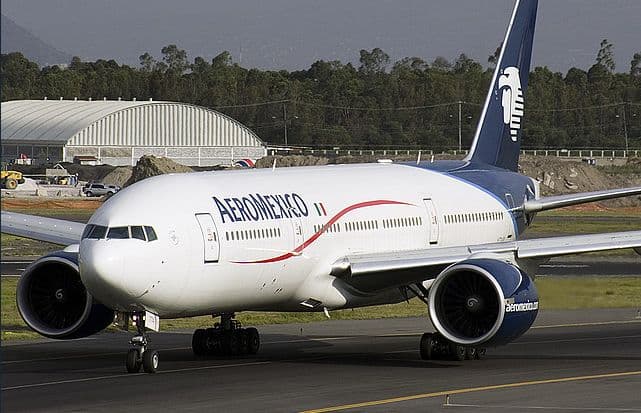
On Thursday, the US Court of Appeals ruled to overturn the Trump administration's order from September 2025 to block a joint venture between Delta Air Lines and Aeromexico. The two carriers immediately sued following the decision from the US Department of Transportation to issue a block against the decade-old pre-existing partnership , as reported by Reuters.
The Daily Touch & Go
The day's best aviation news in your inbox. Free, no spam.