

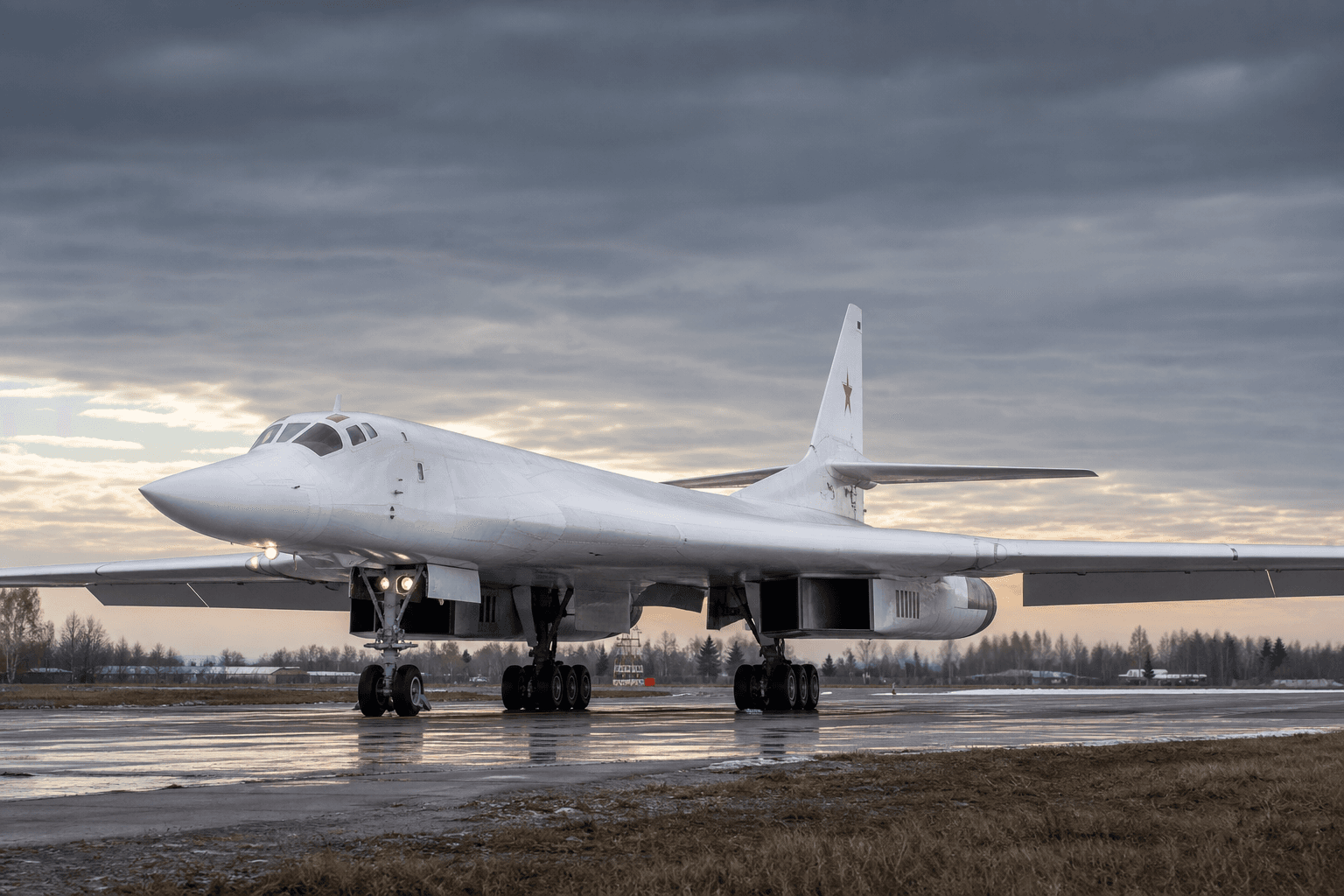
Illustration: The Touch & Go
Russia's Strategic Bomber Fleet Faces Decline as Modernized Tu-160s Enter Service
Russia remains a strategic bomber power but struggles with aging fleet and limited production as modernized Tu-160 bombers slowly replace older aircraft amid ongoing operational strains.
The gist
Russia's aging strategic bomber fleet faces decline despite new Tu-160M deliveries, challenging its power status by 2030.
Russia is one of only three countries recognized as strategic bomber powers worldwide, alongside the United States and China. Its current fleet consists mainly of Cold War-era bombers inherited from the Soviet Union, including the Tupolev Tu-160, Tu-95MS, and Tu-22M3. However, ongoing operational use coupled with decades of limited production have strained the Russian bomber force amid a conflict that has accelerated aircraft attrition and deterioration.
Since the collapse of the Soviet Union in 1991, Russia had largely relied on its existing strategic bombers without significant new production, as many inherited bombers ended up in former Soviet states like Ukraine and Belarus. Ukraine alone possessed around 100 Tu-22, Tu-95, and Tu-160 bombers in the 1990s but transferred many to Russia under political and energy agreements, while retiring others under international disarmament programs. These transfers helped sustain Russia's bomber numbers into the 2000s.
By 2022, estimates from military balance reports suggested Russia maintained about 130 to 140 strategic and long-range bombers, including approximately 16 Tu-160s, 60 Tu-95MS Bears, and 60 Tu-22M3 Backfires. However, precise operational readiness rates are uncertain as Russia does not publicly disclose detailed fleet data. Confirmed losses from ongoing conflict and maintenance challenges have further diminished the effective size of this bomber force.
Russia's Tu-160 Blackjack bombers highlight the mixed status of its strategic aviation. While Russia resumed limited production of the Tu-160M modernized variant, output remains slow, averaging zero to two new aircraft annually. As of mid-2026, at least 10 modernized Tu-160M and Tu-160M2 models are in service, complemented by some older variants, totaling about 20 to 21 airframes. This modernization effort illustrates Russia's strategy to extend the life of its heavy bombers despite their Cold War-era origins.
The Tu-95MS bomber fleet, a turboprop design dating back decades, has been heavily used in current operations and suffered notable losses. At least 11 Tu-95s are confirmed destroyed, mostly on the ground, with additional damaged airframes. Ukrainian assessments indicate only about a dozen Tu-95s remain operational at any time out of an inventory of 36 to 60. This attrition and wear raise concerns over the sustainable availability of these aircraft for prolonged conflict.
The Tu-22M3 Backfire fleet appears most diminished, with around a dozen losses including combat and accidents over the last few years. This decline reflects growing maintenance difficulties and operational strain on aircraft that have not been produced since the Soviet era. Losing an aircraft annually to mishaps or combat points to aging technology and infrastructure challenges impacting Russia's ability to maintain strategic bomber capabilities.
Despite modernizing some Tu-160 airframes, Russia's upgrades lag behind the first stealth-focused bombers approaching operational status in the US and China. The US is deploying the new B-21 Raider stealth bomber, while China develops its own Xi'an H-20 stealth design. Russia’s continued reliance on upgraded Cold War designs without stealth features may limit its future strategic reach and survivability against advancing air defenses.
The bomber force's operational challenges are compounded by logistical pressures including dispersal to remote air bases due to security threats, increased flight hours accelerating airframe fatigue, and difficulties sourcing parts for obsolete engines like the Kuznetsov NK-25 on Tu-22M3s. These factors underscore Russia's struggle to maintain a robust strategic bomber presence amid evolving military technologies and geopolitical dynamics.
As Russia continues to refurbish and produce limited Tu-160M models, its bomber fleet retains some capabilities but is constrained by aging platforms and insufficient modernization. This situation raises questions about Russia’s strategic bomber power status by 2030, particularly as competitors field newer stealth designs and more sustainable forces.
Frequently asked questions
- How many strategic bombers does Russia currently operate?
- As of 2026, Russia has an estimated total bomber fleet of around 130 to 140 aircraft, including approximately 20 Tu-160s, 55 to 60 Tu-95MS, and around 60 Tu-22M3s, although only a portion are operational due to maintenance and losses.
- What modernization efforts has Russia made for its strategic bombers?
- Russia resumed production of the modernized Tu-160M variant of its Blackjack bomber at a slow rate, with around 10 upgraded and newly built frames in service, aiming to update its Cold War-era bomber fleet.
- What challenges does Russia face in maintaining its strategic bomber force?
- Russia's bomber fleet suffers from aging airframes, limited production capacity, high attrition including combat and accidents, logistical issues with spare parts, and increased operational strain, which collectively threaten fleet readiness and longevity.
Read more
All Military/Defense →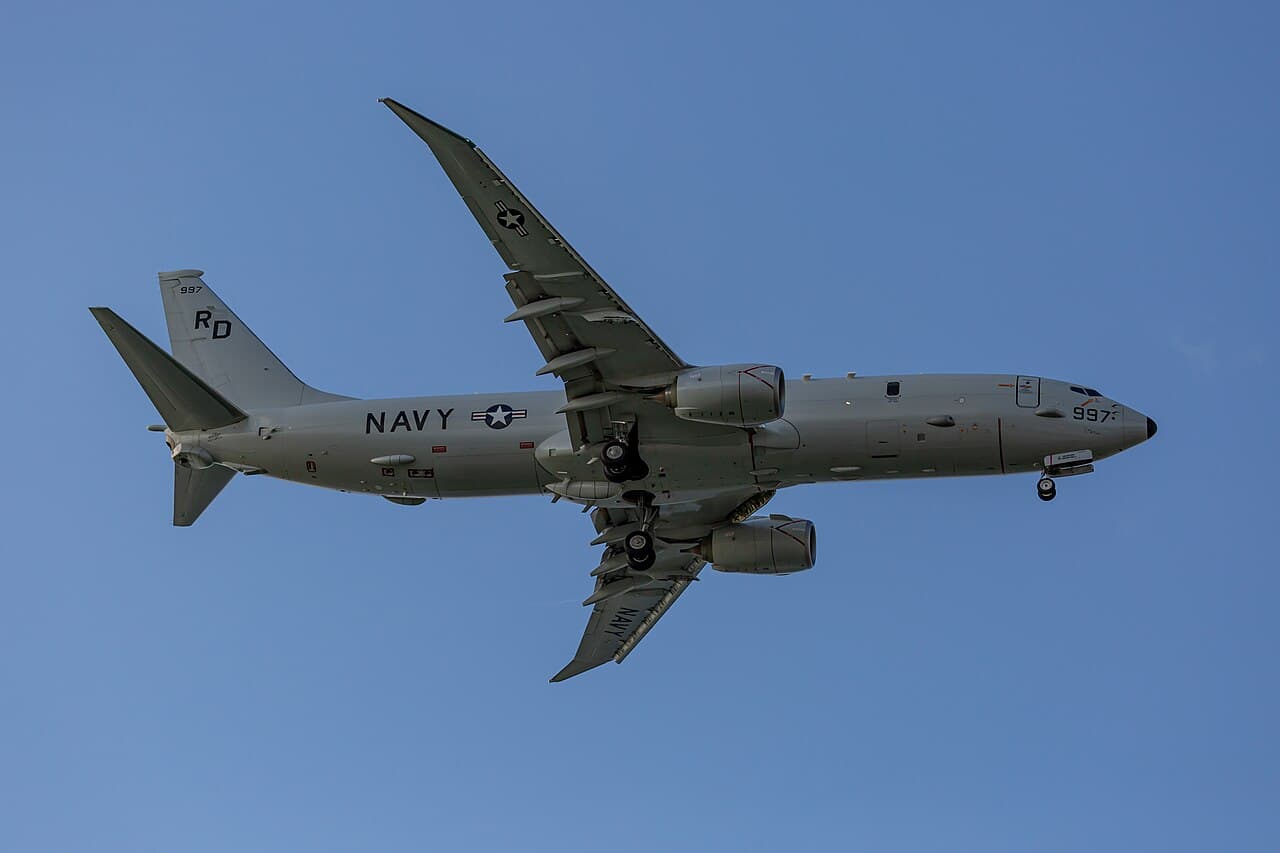
NATO Expands Use of Boeing P-8A Poseidon to Bolster Maritime Surveillance
The Royal Air Force in the United Kingdom took delivery of the first Boeing P-8A Poseidon Maritime Patrol aircraft in 2019. It was the first in the North Atlantic Treaty Organization to induct the new Boeing MPA after the United States. In the year that followed, the roster of nations to adopt the Poseidon is now up to five.
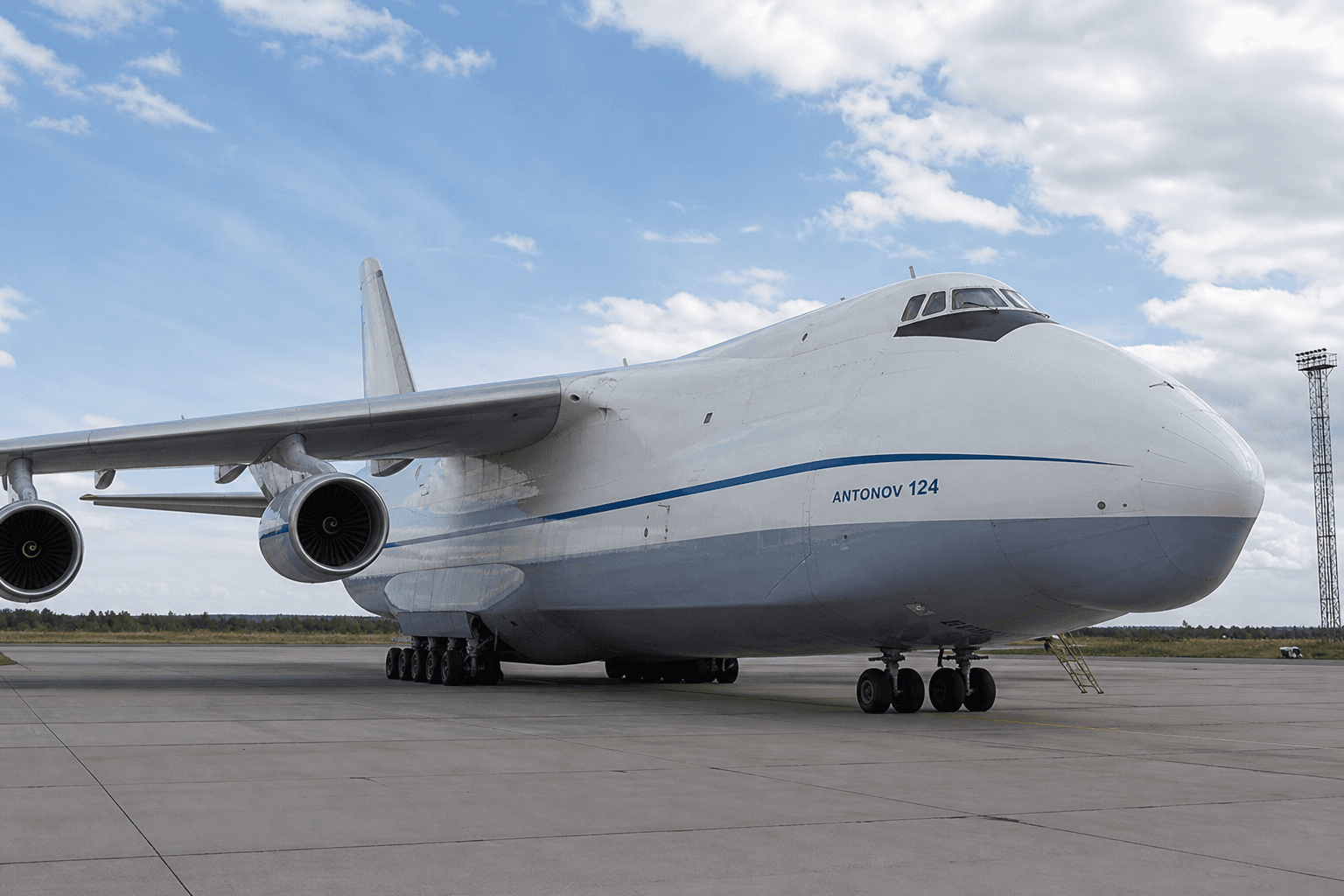
Antonov's Decline: From Soviet Aerospace Giant to Production Hiatus Amid Geopolitical Strains
Antonov produced many of the Soviet Union's most iconic transport aircraft, including the huge An-124 Ruslan and An-225 Mriya . It built most of the mid-sized military transports as well as regional aircraft like the Antonov An-148 and the enormously successful An-2 biplane. By the late 1980s, the company was producing around 250 aircraft annually. After the Soviet collapse, that fell to between five and 20 annual deliveries, with the last new aircraft produced in 2016.
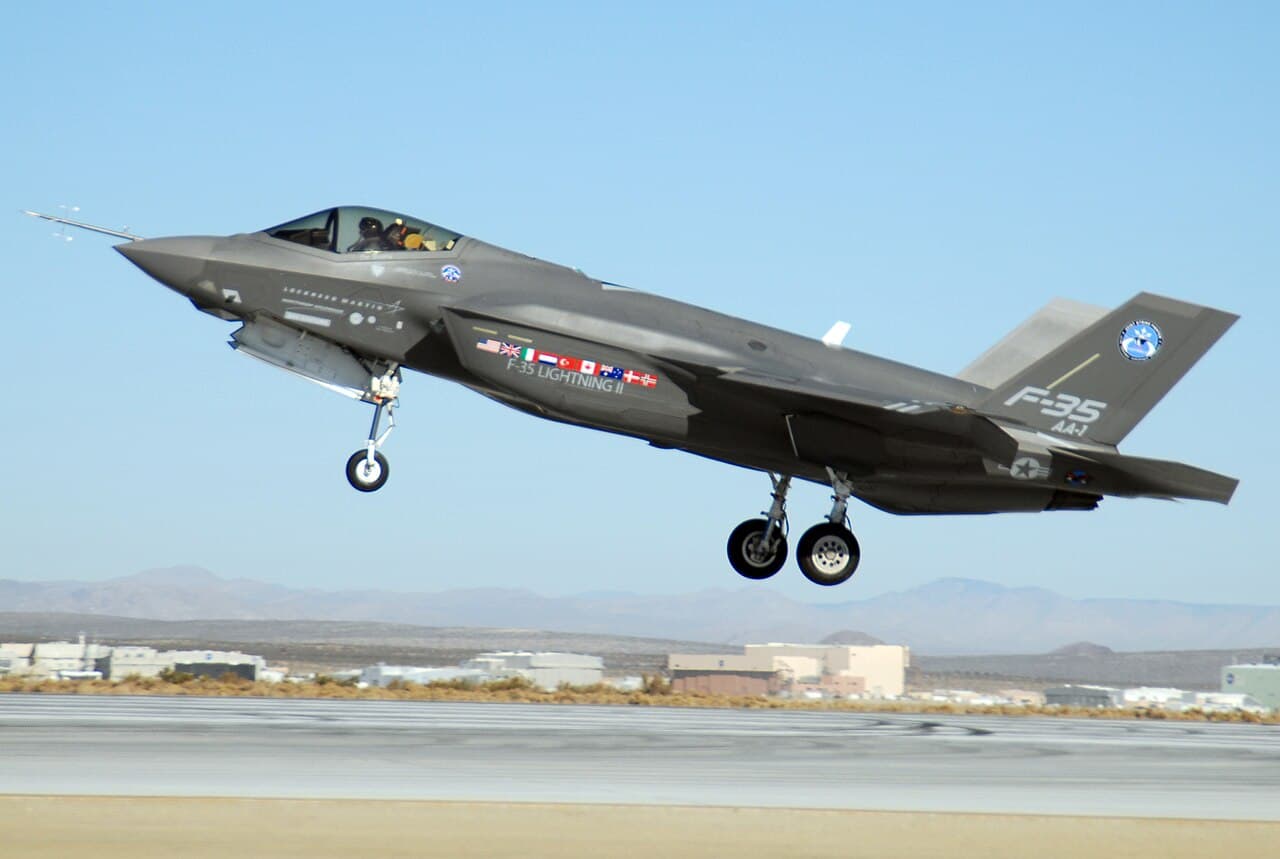
UK delays delivery of expanded F-35 fleet until early 2030s amid strategic and logistical challenges
Due to severe worldwide backlog pressures within the F-35 Joint Program Office and a strategic procurement delay by the Ministry of Defense, the United Kingdom will not receive any new Lockheed Martin F-35 Lightning II jets from its enlarged fleet order until the early 2030s. The upcoming batch introduces the F-35A variant to the UK fleet for the first time, intended to fulfill NATO nuclear-sharing missions.
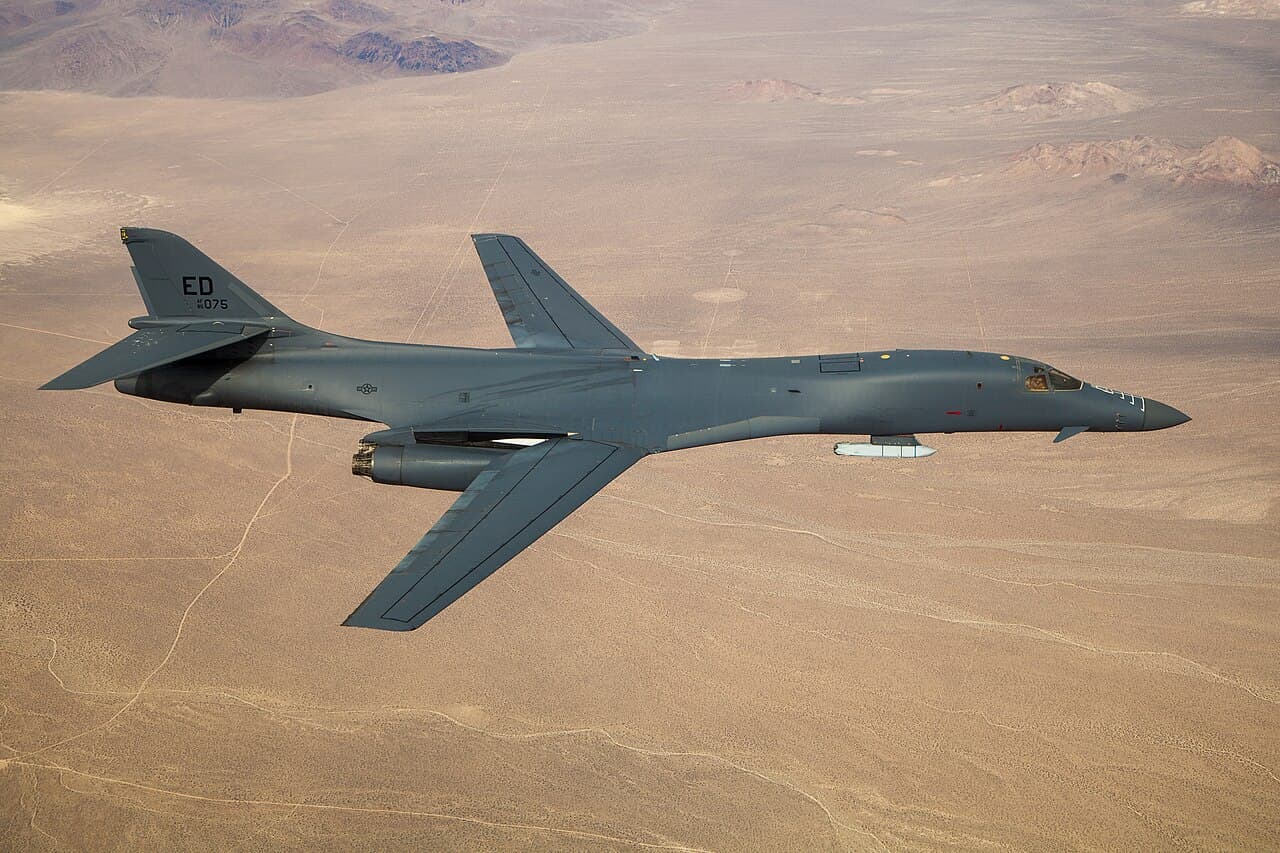
US Air Force Deploys Nearly One-Third of B-1B Bomber Fleet to RAF Fairford
At the peak of Operation Epic Fury (around late March 2026) , the US Air Force deployed around 15 B-1B Lancers and around six B-52H Stratofortresses at the UK's RAF Fairford airbase. The initial wave of B-1Bs arrived on or after March 6, with B-52s arriving soon after. As of the time of writing (late July), a large share of the Air Force's operational Rockwell B-1 Lancer fleet remains deployed at RAF Fairford.
The Daily Touch & Go
The day's best aviation news in your inbox. Free, no spam.