

Illustration: The Touch & Go
Most Loyalty Program Members Disengage Quickly Despite Brand Satisfaction Claims
A recent report reveals loyalty programs overestimate member engagement, with 74% quietly abandoning within two months and only 56% feeling valued by brands.
The gist
Loyalty programs boast satisfaction, but nearly three-quarters of members disengage rapidly, exposing a gap between perception and reality.
Recent findings highlight a stark contrast between how loyalty program managers view their offerings and how members actually experience them. Antavo’s Global Consumer Loyalty Report, as detailed by marketing observers, indicates that while 83% of program owners express satisfaction with their programs and believe their members feel valued, only 56% of members share that sentiment. This disconnect raises questions about the effectiveness of current loyalty strategies and measurement methods.
One of the most striking statistics from the report is that 74% of loyalty program members 'quiet quit' within just two months of joining. Quiet quitting in this context refers to members who remain enrolled but cease active participation, such as earning or redeeming rewards. Surprisingly, only a small fraction—around 3%—formally cancel their memberships. This passive disengagement points to issues beyond mere enrollment numbers, signaling a deeper problem in sustained engagement.
Industry veterans suggest that the loyalty programs are focusing on self-serving metrics, such as total membership counts, percentage of sales from loyalty members, and points earned, which are relatively easy to inflate. Tactics like auto-enrollment, incentivizing quick sign-ups through freebies like complimentary wifi, or minimal discounts encourage superficial participation rather than genuine loyalty, undermining long-term engagement. These approaches result in bloated membership figures that do not translate into meaningful consumer relationships.
The Starbucks Rewards program exemplifies such challenges. Despite the brand’s promotion of its new 60-stars-for-$2 reward as the most redeemed option, accounting for 60% of redemptions, this choice represents the lowest value for customers. The widespread selection of this low-value reward suggests a lack of trust among members in the program’s ability to offer worthwhile future incentives. Frequent devaluations and changes to award charts have eroded confidence, prompting members to redeem points quickly at lower values rather than saving for more meaningful rewards.
This erosion of trust extends beyond Starbucks. Shifts like introducing elitist tiers that offer diminished benefits to core members and app features prioritizing convenience over value exacerbate member dissatisfaction. Brands often treat loyalty as a commercial relationship focused on transactions rather than as a customer-centric experience that integrates into members’ daily lives. This fragmented approach to partnerships and rewards contributes further to disengagement.
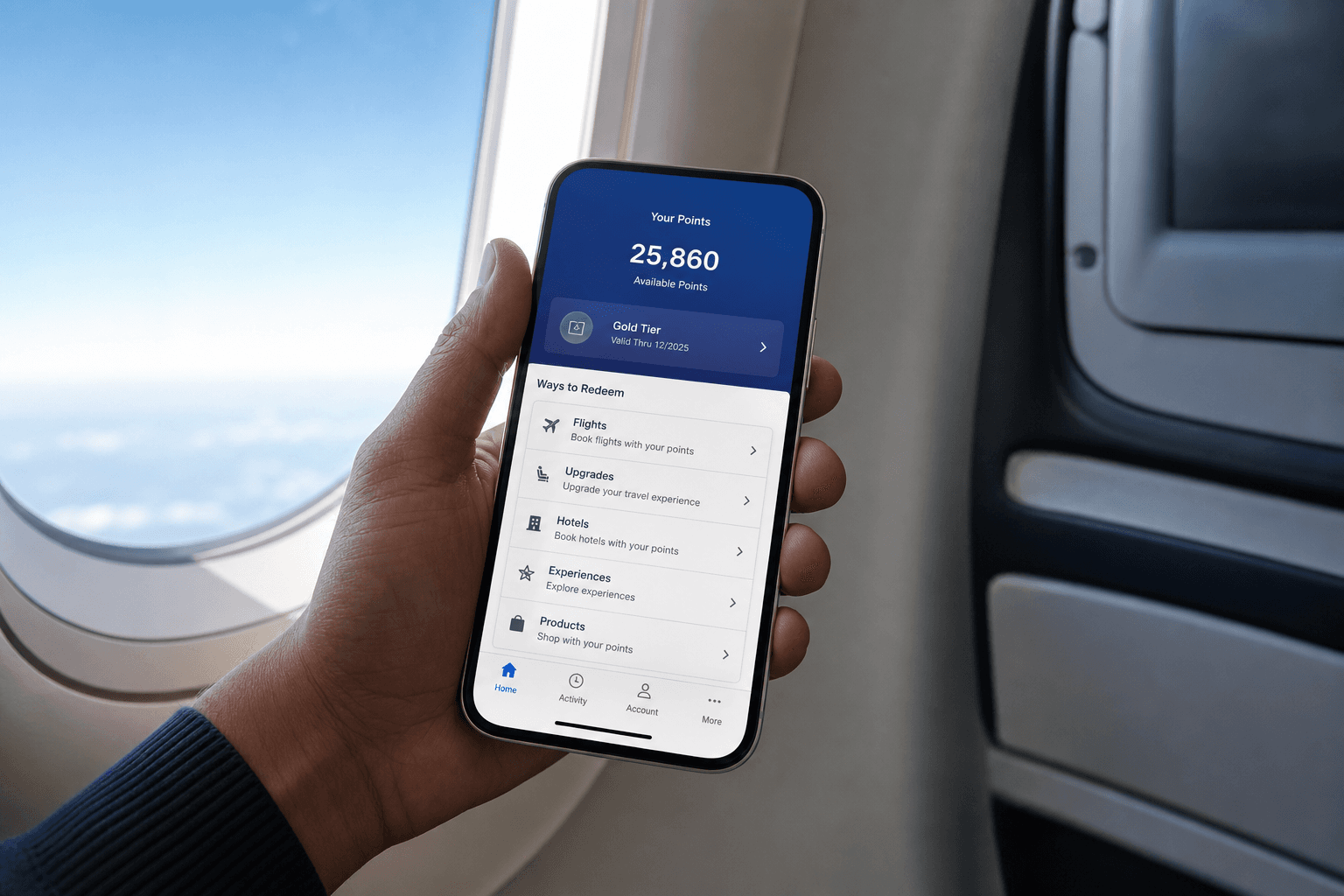
Emerging models show promise by creating integrated, mobile-first ecosystems that embed loyalty into everyday consumer habits. The Bilt Rewards app, for instance, combines multiple partnership benefits in one platform, allowing users to track transactions, redeem offers, and complete purchases directly within the app. This holistic approach fosters deeper engagement by making loyalty programs more practical and rewarding in members’ day-to-day activities, unlike fragmented programs that require navigating separate interfaces.
Despite the promise of these innovative apps, many programs still fall short. Airlines such as United have user-friendly apps mainly for booking and managing travel but have yet to fully embed loyalty partnerships in ways that enhance overall customer experience. Similarly, American Express’s app integrates financial product management with benefit tracking and lounge access, illustrating how linking loyalty with core services can better retain members.
Loyalty programs that consistently undermine trust through devaluations and lack of meaningful engagement face growing challenges to maintain profitable customer bases. Brands must rethink loyalty beyond initial sign-ups and superficial metrics, prioritizing genuine value and integrated user experiences that encourage sustained participation. Without this, many programs risk continued quiet quitting and eventual irrelevance in competitive markets.
Frequently asked questions
- What percentage of loyalty program members stop actively participating within two months?
- According to the report, 74% of loyalty program members quietly quit, meaning they stop engaging with the program, within two months of joining.
- How do loyalty program operators' views of member satisfaction compare to actual member feelings?
- Approximately 83% of program owners believe their members feel valued, but only 56% of members actually feel valued by their loyalty programs.
Read more
All Airlines →
Hotel Service Failures Drive Guests Away Despite Good Facilities
Great hotel facilities aren't enough if the basics fail. Hidden fees, surprise charges, bad coffee access, poor sleep design, unreliable shuttles, fake upgrades, and broken late-checkout keys are the mistakes that make guests check out and never come back.
Delta Air Lines Posts $1.6 Billion Q2 Profit on Strong Revenue Growth Despite Rising Fuel Costs
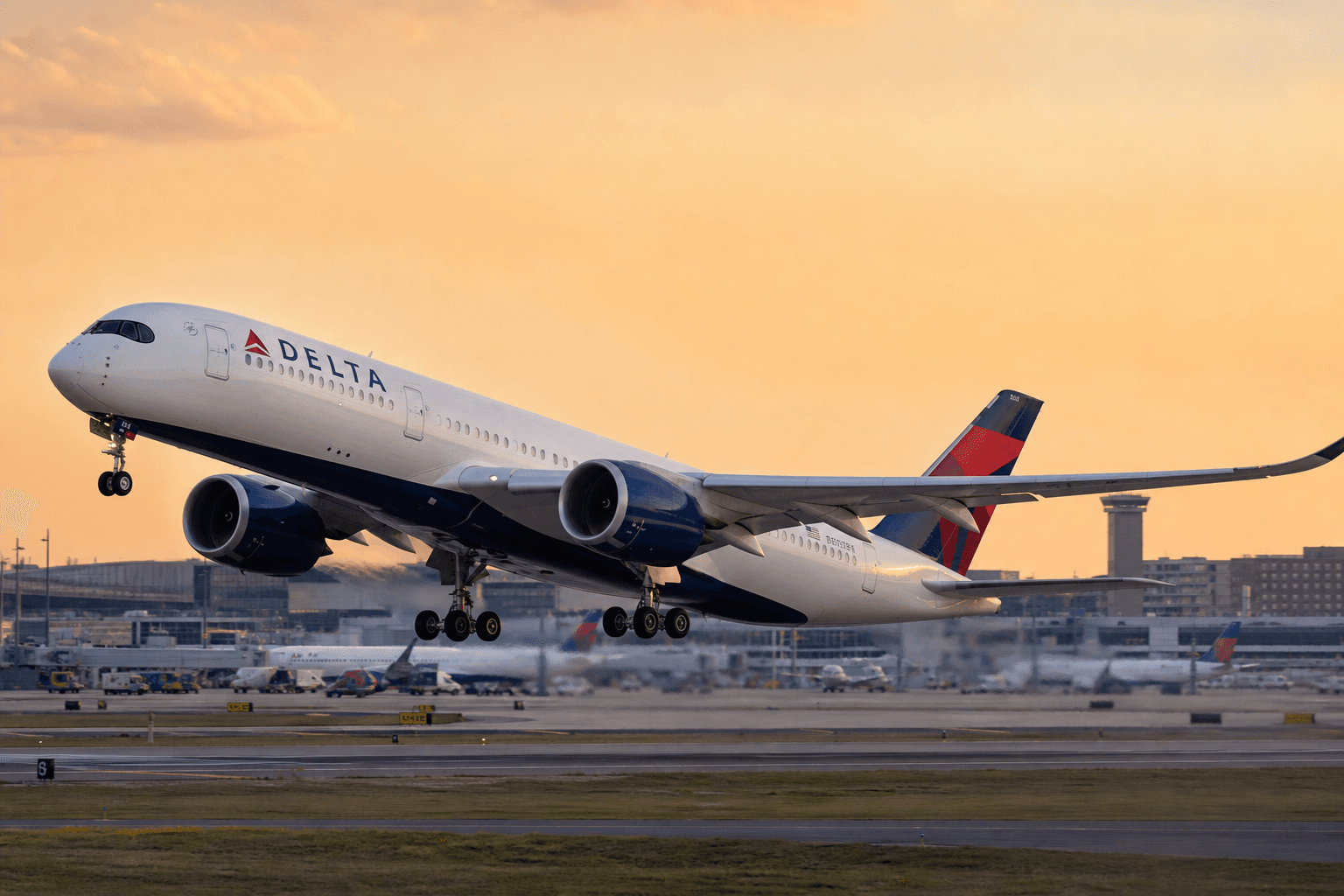
Delta Air Lines posted impressive financial results for the second quarter of 2026. The airline reported a net profit of $1.6 billion, or $2.44 per diluted share. Revenue climbed 19 percent year-over-year to reach $19.8 billion. These figures highlight Delta’s continued strength in a competitive industry. ezstandalone.cmd.push(function () { ezstandalone.showAds(119); }); The results, announced on July 10, 2026, show solid demand and effective cost management. Despite facing the highest quarterly fuel expenses in the company’s history, Delta achieved strong profitability. Total revenue per available seat mile (TRASM) rose 17 percent to 25.11 cents. Cost per available seat mile (CASM) increased 21 percent to 22.74 cents, while costs excluding fuel (CASM-ex) grew a more modest 6.8 percent to 14.09 cents. ezstandalone.cmd.push(function () { ezstandalone.showAds(127); }); At the end of June 2026, Delta maintained healthy liquidity of $7.7 billion. This total includes cash, short-term investments, and $3.1 billion in undrawn revolving credit facilities. Such financial flexibility gives the airline room to invest in growth and weather potential challenges. CEO Highlights Brand Strength and Momentum Delta CEO Ed Bastian expressed confidence in the company’s position. “Today, we reported our June quarter results, and it is clear that Delta’s brand and industry position are stronger than ever,” he said. ezstandalone.cmd.push(function () { ezstandalone.showAds(128); }); Bastian noted that the airline delivered $1.4 billion in pre-tax profit while absorbing record fuel costs. He credited broad demand, growing brand preference, and a diversified revenue base for the success. Bastian emphasized the role of Delta’s employees. “This industry-leading performance is powered by the best people in the business,” he added. Looking ahead, he expects momentum to continue into the second half of 2026 with double-digit margins and a return to earnings growth. ezstandalone.cmd.push(function () { ezstandalone.showAds(129); }); The company affirmed its full-year guidance for 20 percent earnings growth, despite significant fuel headwinds. This outlook positions Delta well for 2027. Photo Credit: Delta Air Lines Fleet Expansion and New Routes Delta continued to modernize its fleet during the quarter. The airline took delivery of 11 new aircraft, including Airbus A350-900s, A321neos, and A220-300s. These efficient planes support both long-haul and short-haul operations while improving fuel efficiency and passenger comfort. On the network side, Delta launched several important new services. It added daily non-stop flights from Los Angeles to Hong Kong and Chicago O’Hare. These routes strengthen connectivity to key business markets. ezstandalone.cmd.push(function () { ezstandalone.showAds(130); }); The carrier also expanded European leisure options with new or added service to Porto, Malta, Sardinia, Madrid, Nice, Rome, and Barcelona. In addition, Delta grew its maintenance, repair, and overhaul (MRO) partnerships. New agreements with IndiGo for CFM56 engines and LATAM for Airbus A320 components enhance its technical capabilities and revenue streams. Industry Leadership and Global Reach Atlanta-based Delta Air Lines operates more than 4,000 daily flights to over 290 destinations on six continents. The airline serves major hubs including Atlanta, New York-JFK and LaGuardia, Los Angeles, and international gateways like Amsterdam, London-Heathrow, and Paris-Charles de Gaulle. ezstandalone.cmd.push(function () { ezstandalone.showAds(131); }); For the past decade, Delta has led the industry in operational reliability while earning praise for customer service. These Q2 results come at a time when airlines face rising costs and economic uncertainty. Delta’s ability to grow revenue, control non-fuel costs, and invest in its network sets it apart. The combination of premium products, reliable operations, and strong partnerships continues to drive customer loyalty and financial performance. Photo Credit: Delta Air Lines Positive Outlook for the Rest of 2026 With summer travel in full swing and strong booking trends, Delta appears well-positioned for the remainder of the year. The airline’s focus on brand preference and diversified revenue—such as loyalty programs, cargo, and maintenance services—provides stability against fuel price swings. ezstandalone.cmd.push(function () { ezstandalone.showAds(132); }); Travelers and investors alike can expect Delta to maintain its leadership. The company’s disciplined approach to capacity, fleet modernization, and route expansion supports sustainable long-term growth. As demand for premium travel experiences remains robust, Delta’s strategy looks set to deliver continued success.
Tokyo, Ganja, Gulf Among World's Most Congested Airspaces Impacting Global Aviation
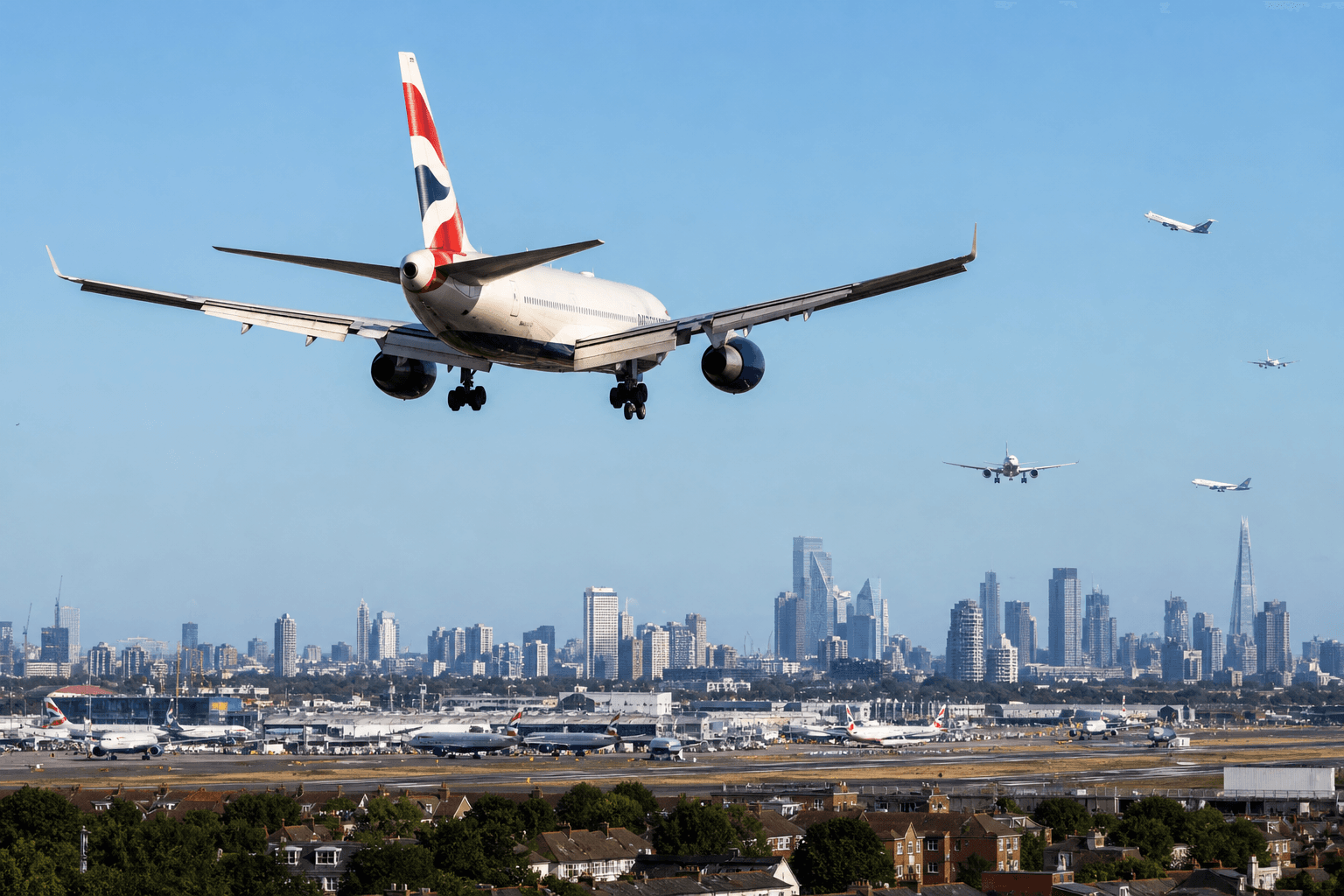
The world's busiest airports often dominate aviation statistics , but many of the biggest bottlenecks in commercial aviation are found not on the ground but in the air. Every day, hundreds of thousands of passengers pass through a handful of critical air corridors where dozens of airlines, multiple air traffic control authorities, and flights from every continent converge. When everything runs smoothly, these invisible highways keep global aviation moving. When they do not, delays can quickly spread across continents.
Boeing 787 Surpasses One Billion Passengers, Maintaining Lead Over Airbus A350
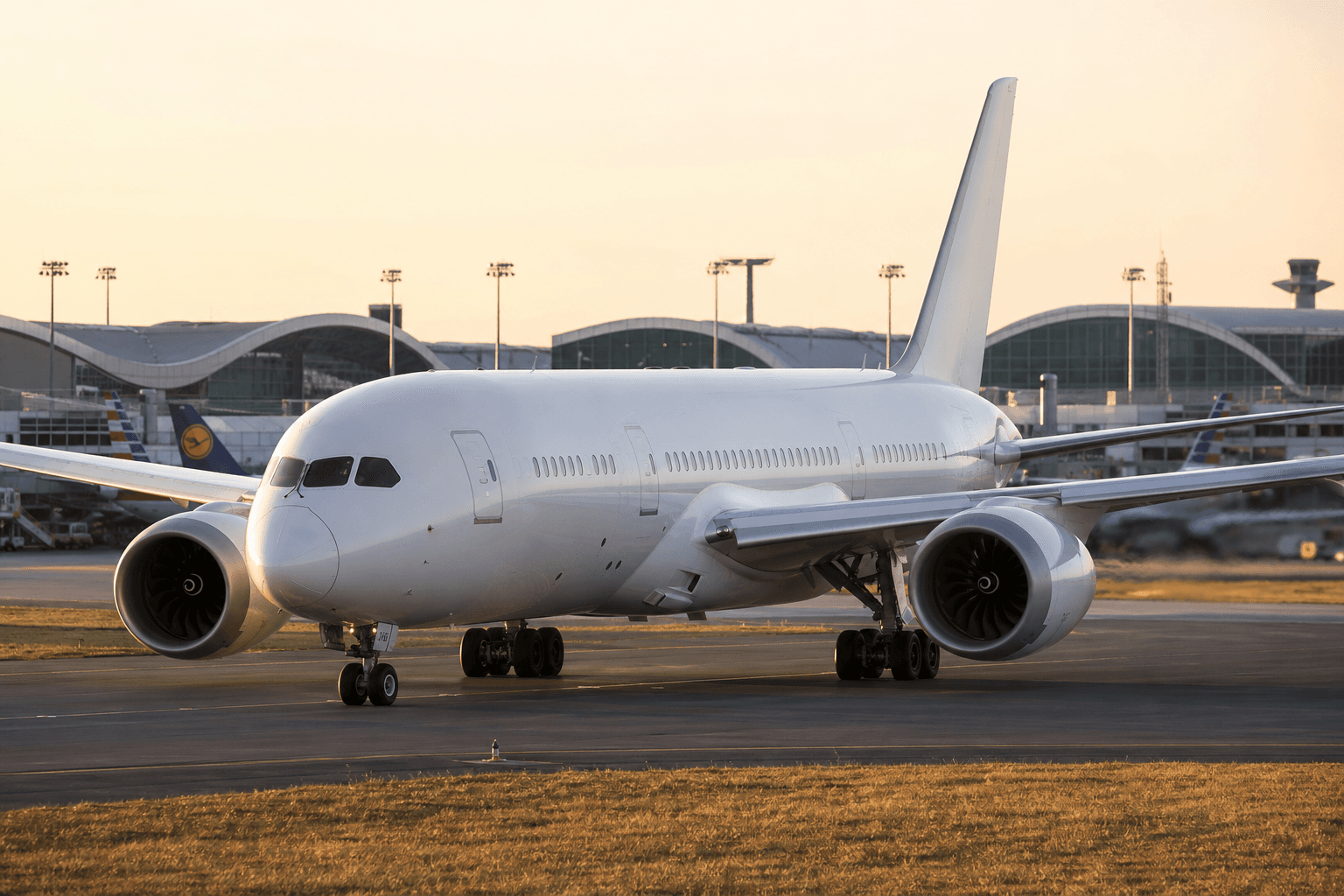
The Boeing 787 has proved to be an immense commercial success for the US manufacturer since it entered commercial service in 2011. Today, some 15 years later, more than one billion people worldwide have flown on a 787, with the aircraft operating over 2,100 flights per day. With such impressive statistics, Airbus may well be asking itself what it needs to do to make its rival aircraft, the A350, as successful.
The Daily Touch & Go
The day's best aviation news in your inbox. Free, no spam.