


Illustration: The Touch & Go
Hotel Service Failures Drive Guests Away Despite Good Facilities
Hidden fees, poor coffee service, noisy rooms, and last-minute credit card charges frustrate hotel guests and deter repeat stays.
The gist
Guests often decide not to return due to hidden fees, lack of 24-hour coffee, noisy rooms, late billing, and unreliable shuttles.
What distinguishes a truly great hotel doesn't rest solely on modern facilities or prime location. While practical amenities like power outlets, ample bottled water, fast Wi-Fi, and quiet air conditioning contribute, many guests' satisfaction hinges on service execution and transparent policies. Simple mistakes, often overlooked, can silently erode guest loyalty even at well-appointed properties.
A pivotal grievance among travelers is mandatory resort fees hidden from the advertised room rate. Although such fees are technically part of the total cost, many hotels bury them in fine print, leading to perceptions of deceit. The Federal Trade Commission warned against this practice in 2012, but compliance remains sporadic. Notably, these charges have extended beyond traditional resorts into urban hotels, fueling guest resentment. While some chains now disclose fees upfront, online travel agencies frequently continue elusive pricing tactics, frustrating potential guests.
Another frequent complaint involves post-checkout credit card charges. Hotels sometimes bill guests for incidental expenses that weren't listed on the final folio, often days after departure. Best practices dictate that establishments should proactively notify guests by email, detailing such charges. However, many guests discover these additional fees only upon reviewing their statements, necessitating time-consuming follow-up. Cases with Hyatt properties exemplify this issue, where bottled water charges or cash portions of reward stays were billed tardily, complicating expense reporting and adding friction to otherwise routine transactions.
Coffee availability emerges as a surprisingly critical touchpoint. Business travelers especially expect coffee 24 hours a day, accompanied by real milk or cream choices. Yet numerous hotels lack around-the-clock service, in-room coffee machines, or accessible lounges. Early risers, jetlagged travelers, and those catching flights before dawn face unnecessary inconvenience. Instances include hotels with advertised early coffee service opening their lobby cafés late, forcing guests to seek alternatives like Starbucks instead. This shortfall detracts from guest comfort and signals a lack of guest-centric detail.
Sleep quality also constitutes a core guest expectation, often neglected in modern hotel design. Thin walls transmitting noise from neighbors or elevators disrupt rest, while improper assignment of connecting rooms to solo guests causes frustration. Natural lighting benefits cannot come at the expense of effective blackout shades that prevent early morning light intrusion. Beyond physical factors, adherence to do-not-disturb signals is imperative; housekeeping must respect these cues without intrusive calls shortly after check-in, recognizing guests' needs to recover after long travel or catch brief naps.
Parking services, especially mandatory valet, can likewise sour the guest experience. If retrieving vehicles takes more than 15 minutes, charging for the delay seems unreasonable. Hotels with awareness of event schedules and occupancy should staff valet teams accordingly to avoid creating bottlenecks that extend guest wait times. Returning to one's car after an exhausting day should be seamless, not a source of aggravation.
Additional overlooked annoyances undermine guest perceptions of care and attention. The absence of soap in the shower despite a bar near the sink inconveniences the simplest hygiene routines. So-called room upgrades often fail to impress when announced via sticky notes or when the rooms deliver no tangible enhancement over standard accommodations. Guests perceive such gestures as insincere and prefer straightforward honesty rather than superficial reassurances.
Airport hotels, a critical category for many travelers, face particular scrutiny over shuttle reliability. The convenience promised by proximity to terminals vanishes when shuttles arrive late, require long waits, or operate on unpredictable schedules. Reliable, timely airport transfers are fundamental to the core value proposition of such hotels, reducing travel stress and facilitating efficient trip logistics.
Frequently asked questions
- Why do mandatory resort fees upset hotel guests?
- Because these fees are not included in advertised room rates and are often hidden in fine print, guests perceive them as deceptive and unfair.
- What are the problems with charging guests after checkout?
- Hotels billing credit cards post-checkout without prior notice force guests to investigate unexpected charges, complicating expense reporting and harming trust.
- Why is 24-hour coffee service important in hotels?
- Business travelers and early risers rely on around-the-clock access to quality coffee and real cream or milk to manage jet lag and morning routines effectively.
Read more
All Airlines →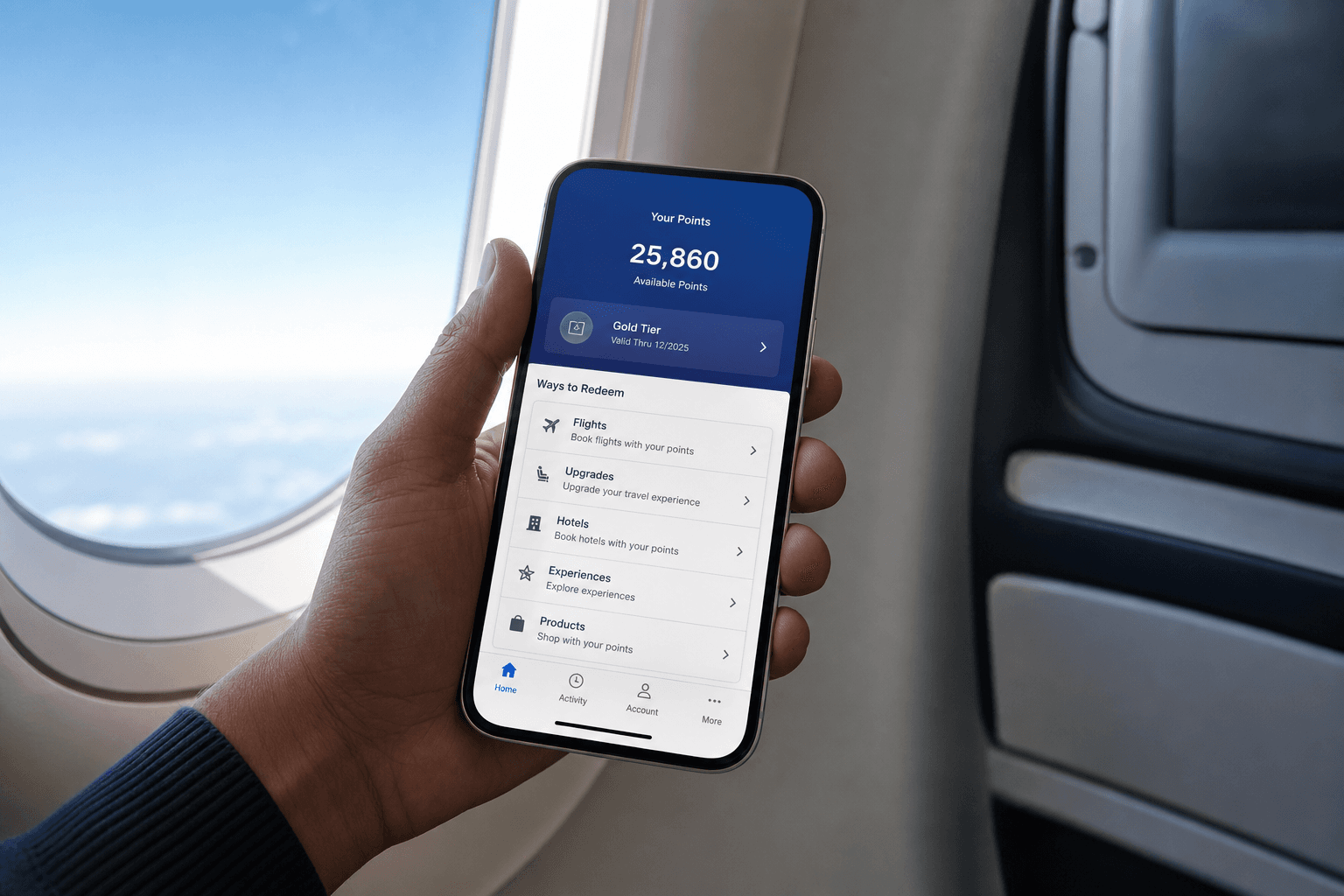
Most Loyalty Program Members Disengage Quickly Despite Brand Satisfaction Claims
While 83% of loyalty program owners believe members feel valued, only 56% agree—and 74% quiet quit within two months. Starbucks' worst-value reward becoming its most popular shows how brands mistake defensive cash-outs for loyalty, engagement and success.
Delta Air Lines Posts $1.6 Billion Q2 Profit on Strong Revenue Growth Despite Rising Fuel Costs
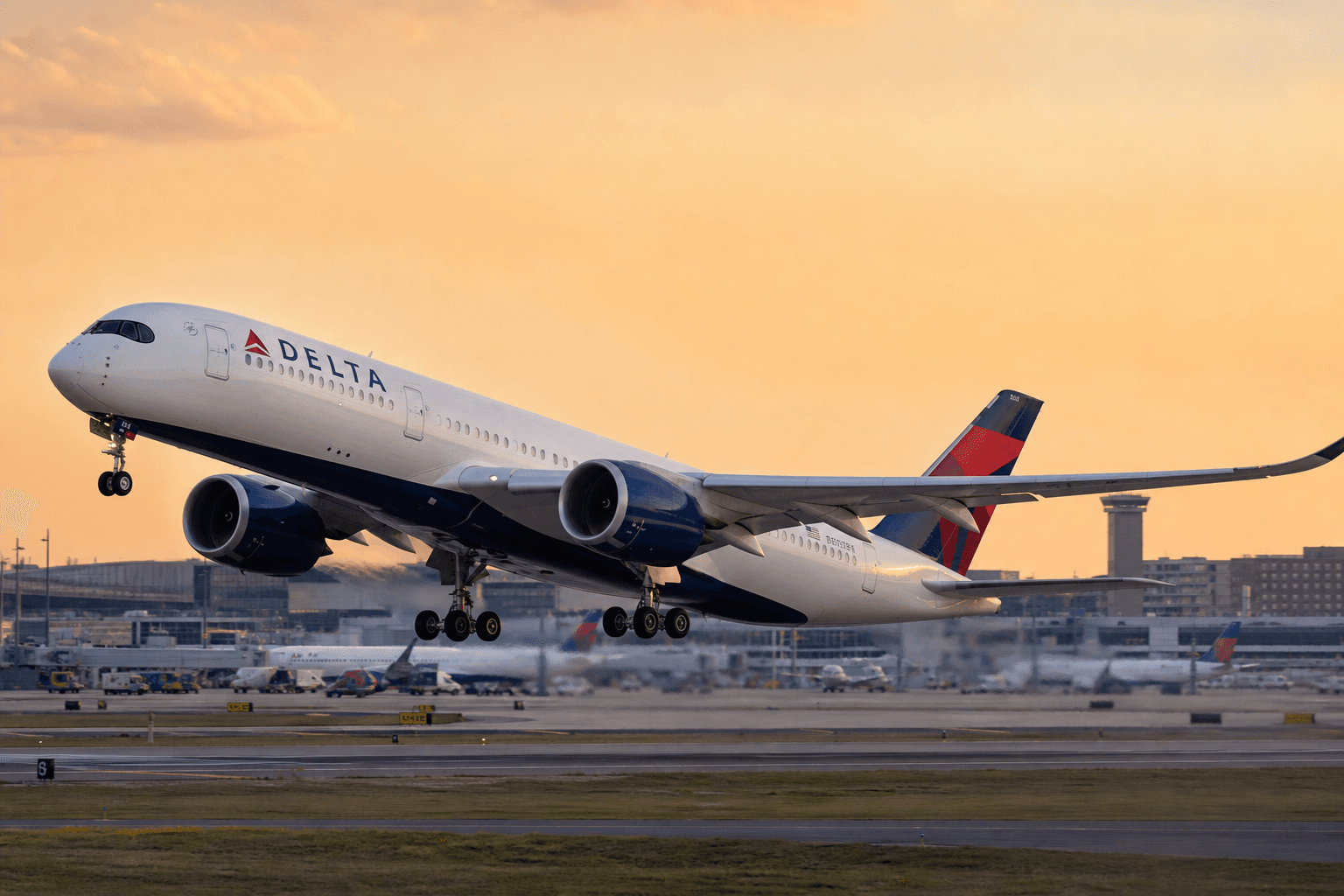
Delta Air Lines posted impressive financial results for the second quarter of 2026. The airline reported a net profit of $1.6 billion, or $2.44 per diluted share. Revenue climbed 19 percent year-over-year to reach $19.8 billion. These figures highlight Delta’s continued strength in a competitive industry. ezstandalone.cmd.push(function () { ezstandalone.showAds(119); }); The results, announced on July 10, 2026, show solid demand and effective cost management. Despite facing the highest quarterly fuel expenses in the company’s history, Delta achieved strong profitability. Total revenue per available seat mile (TRASM) rose 17 percent to 25.11 cents. Cost per available seat mile (CASM) increased 21 percent to 22.74 cents, while costs excluding fuel (CASM-ex) grew a more modest 6.8 percent to 14.09 cents. ezstandalone.cmd.push(function () { ezstandalone.showAds(127); }); At the end of June 2026, Delta maintained healthy liquidity of $7.7 billion. This total includes cash, short-term investments, and $3.1 billion in undrawn revolving credit facilities. Such financial flexibility gives the airline room to invest in growth and weather potential challenges. CEO Highlights Brand Strength and Momentum Delta CEO Ed Bastian expressed confidence in the company’s position. “Today, we reported our June quarter results, and it is clear that Delta’s brand and industry position are stronger than ever,” he said. ezstandalone.cmd.push(function () { ezstandalone.showAds(128); }); Bastian noted that the airline delivered $1.4 billion in pre-tax profit while absorbing record fuel costs. He credited broad demand, growing brand preference, and a diversified revenue base for the success. Bastian emphasized the role of Delta’s employees. “This industry-leading performance is powered by the best people in the business,” he added. Looking ahead, he expects momentum to continue into the second half of 2026 with double-digit margins and a return to earnings growth. ezstandalone.cmd.push(function () { ezstandalone.showAds(129); }); The company affirmed its full-year guidance for 20 percent earnings growth, despite significant fuel headwinds. This outlook positions Delta well for 2027. Photo Credit: Delta Air Lines Fleet Expansion and New Routes Delta continued to modernize its fleet during the quarter. The airline took delivery of 11 new aircraft, including Airbus A350-900s, A321neos, and A220-300s. These efficient planes support both long-haul and short-haul operations while improving fuel efficiency and passenger comfort. On the network side, Delta launched several important new services. It added daily non-stop flights from Los Angeles to Hong Kong and Chicago O’Hare. These routes strengthen connectivity to key business markets. ezstandalone.cmd.push(function () { ezstandalone.showAds(130); }); The carrier also expanded European leisure options with new or added service to Porto, Malta, Sardinia, Madrid, Nice, Rome, and Barcelona. In addition, Delta grew its maintenance, repair, and overhaul (MRO) partnerships. New agreements with IndiGo for CFM56 engines and LATAM for Airbus A320 components enhance its technical capabilities and revenue streams. Industry Leadership and Global Reach Atlanta-based Delta Air Lines operates more than 4,000 daily flights to over 290 destinations on six continents. The airline serves major hubs including Atlanta, New York-JFK and LaGuardia, Los Angeles, and international gateways like Amsterdam, London-Heathrow, and Paris-Charles de Gaulle. ezstandalone.cmd.push(function () { ezstandalone.showAds(131); }); For the past decade, Delta has led the industry in operational reliability while earning praise for customer service. These Q2 results come at a time when airlines face rising costs and economic uncertainty. Delta’s ability to grow revenue, control non-fuel costs, and invest in its network sets it apart. The combination of premium products, reliable operations, and strong partnerships continues to drive customer loyalty and financial performance. Photo Credit: Delta Air Lines Positive Outlook for the Rest of 2026 With summer travel in full swing and strong booking trends, Delta appears well-positioned for the remainder of the year. The airline’s focus on brand preference and diversified revenue—such as loyalty programs, cargo, and maintenance services—provides stability against fuel price swings. ezstandalone.cmd.push(function () { ezstandalone.showAds(132); }); Travelers and investors alike can expect Delta to maintain its leadership. The company’s disciplined approach to capacity, fleet modernization, and route expansion supports sustainable long-term growth. As demand for premium travel experiences remains robust, Delta’s strategy looks set to deliver continued success.
Tokyo, Ganja, Gulf Among World's Most Congested Airspaces Impacting Global Aviation
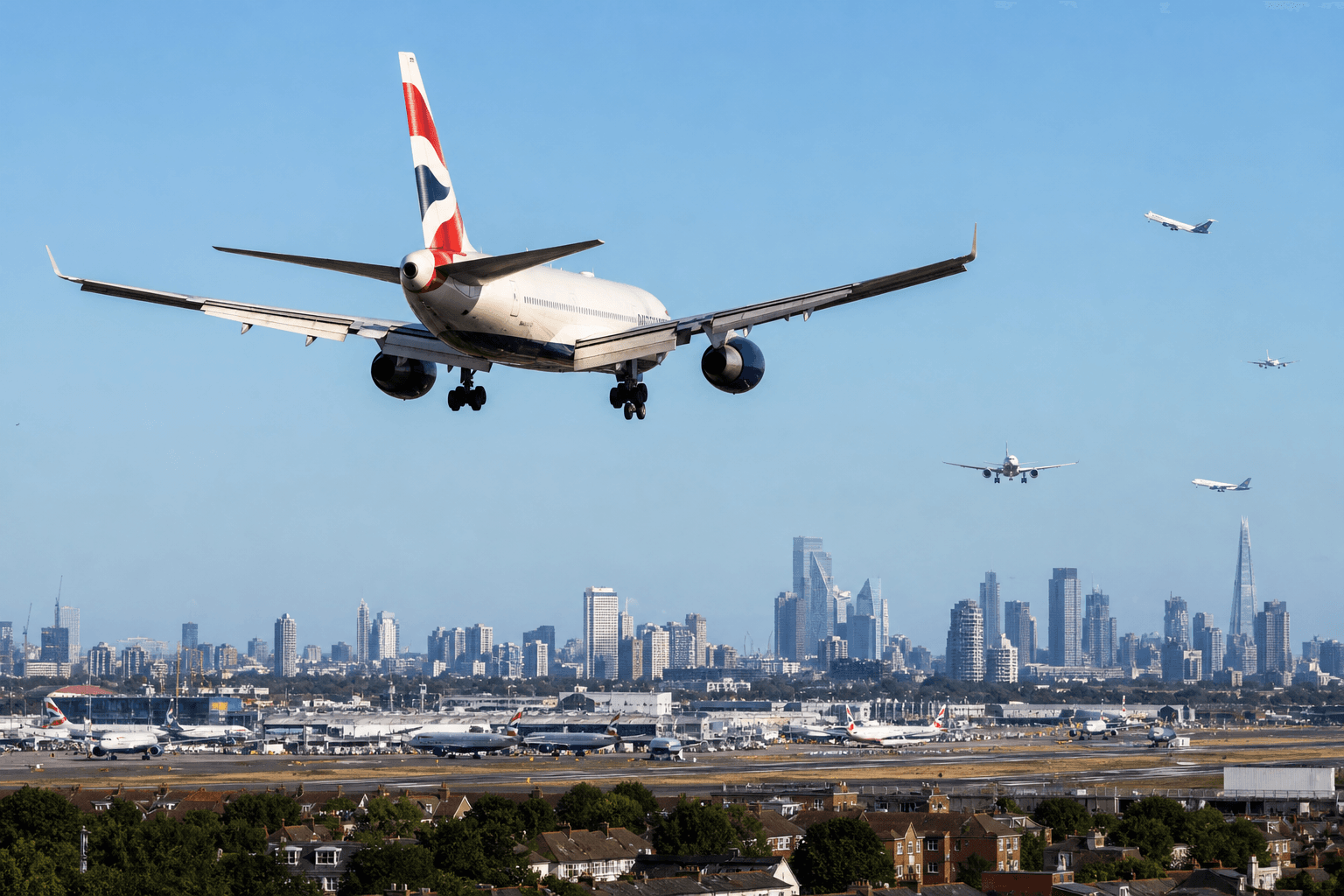
The world's busiest airports often dominate aviation statistics , but many of the biggest bottlenecks in commercial aviation are found not on the ground but in the air. Every day, hundreds of thousands of passengers pass through a handful of critical air corridors where dozens of airlines, multiple air traffic control authorities, and flights from every continent converge. When everything runs smoothly, these invisible highways keep global aviation moving. When they do not, delays can quickly spread across continents.
Boeing 787 Surpasses One Billion Passengers, Maintaining Lead Over Airbus A350
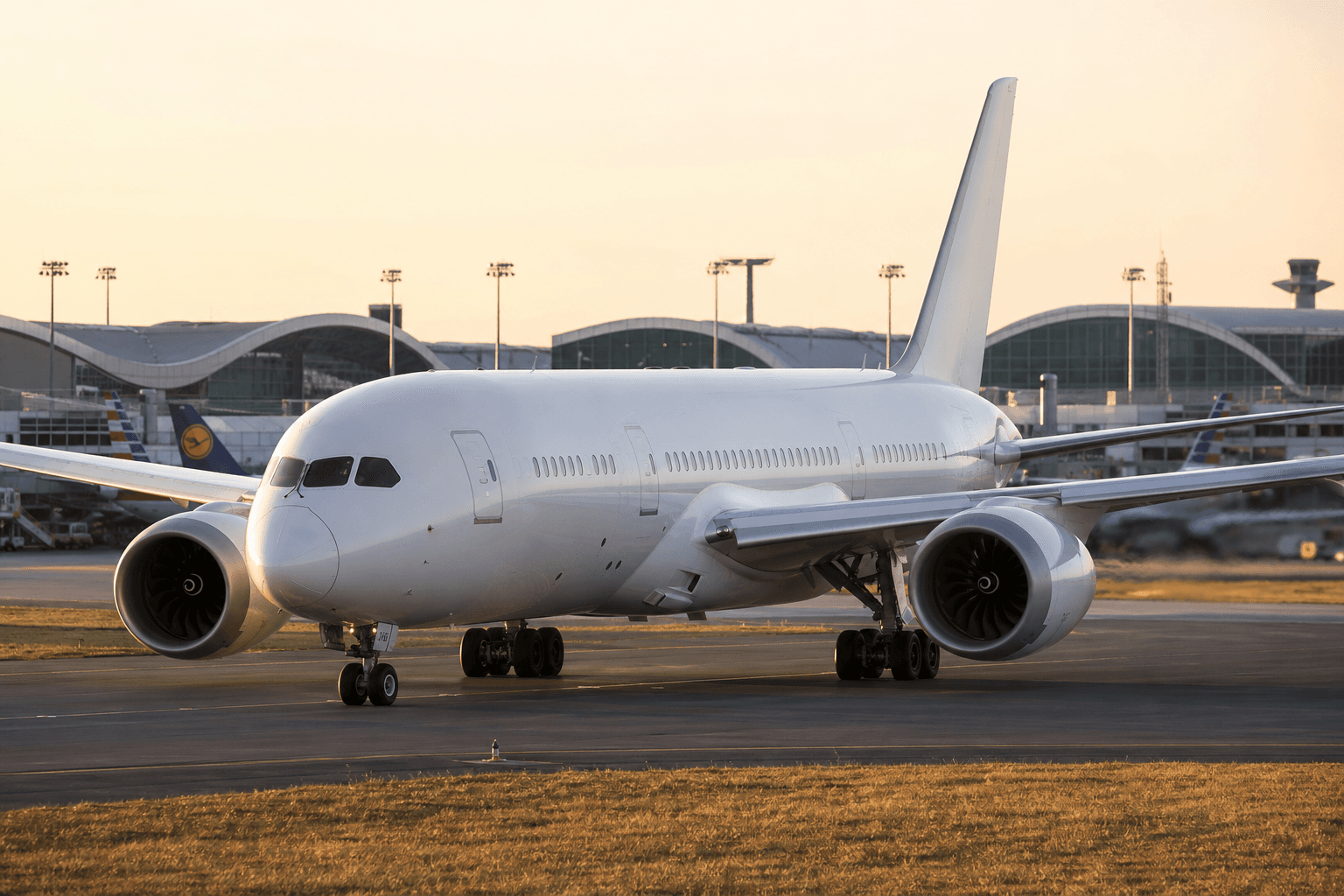
The Boeing 787 has proved to be an immense commercial success for the US manufacturer since it entered commercial service in 2011. Today, some 15 years later, more than one billion people worldwide have flown on a 787, with the aircraft operating over 2,100 flights per day. With such impressive statistics, Airbus may well be asking itself what it needs to do to make its rival aircraft, the A350, as successful.
The Daily Touch & Go
The day's best aviation news in your inbox. Free, no spam.