

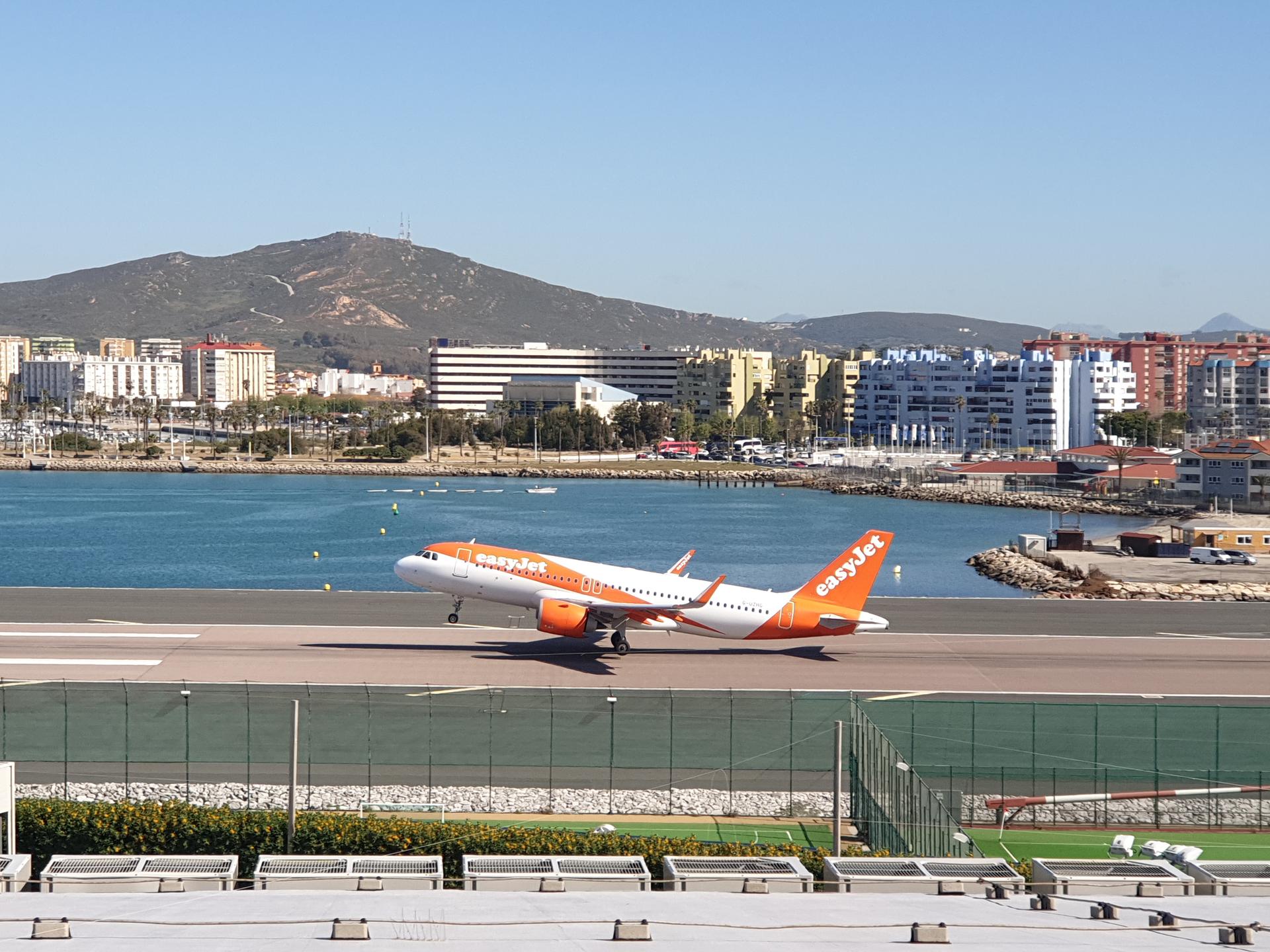
Image: Cabeza2000 · CC BY-SA 4.0 · via Wikimedia Commons
easyJet Airline Unit Swings to £195 Million Loss as Fuel Bill Climbs £244 Million
Higher jet fuel prices and weaker bookings tied to the Middle East conflict cut easyJet Group's headline pre-tax profit by 89% in fiscal 2026, with easyJet holidays keeping the group in the black.
The gist
easyJet's airline business lost £195 million before tax in fiscal 2026 as fuel costs rose £244 million, while its holidays arm stayed profitable.
Continuing coverage
All Earnings →- Thai Airways Swings to Q3 Net Loss as Jet Fuel Costs Jump 60% Ahead of CEO Appointment
- Thai Airways Slides to Third-Quarter Net Loss as Fuel Bill Jumps 57% and Bangkok Floods Disrupt Flying
- Copa Airlines Cuts 2026 Margin Outlook as Fuel Costs Outpace Its Assumptions
- Jet2 First-Half Profit Falls 18% as Carrier Cuts Fares to Fill Seats and Trims Winter Capacity
easyJet's airline business posted a £195 million (US$256 million) loss before tax for the fiscal year ended September 30, 2026, against a £415 million (US$544 million) profit a year earlier. The British low-cost carrier said the Middle East conflict was the main cause, pushing up jet fuel prices and dampening consumer demand. The £610 million swing, about US$800 million at current exchange rates, cut deep into group earnings.
At group level, headline profit before tax fell 89%, from £665 million (US$871 million) to £71 million (US$93 million). Reported profit before tax dropped from £658 million (US$862 million) to £24 million (US$31 million). Headline operating profit for the group fell 84%, from £703 million to £114 million, before financing and foreign exchange effects brought the headline pre-tax figure down to £71 million.
The fall came even as the business grew. easyJet carried 96.4 million passengers, up 3% year on year, and kept its load factor at 90%. Group revenue rose 6% to £10.74 billion (US$14.07 billion), and the airline operation alone generated £9.03 billion, an increase of 4%.
Unit revenue moved the other way. Revenue per available seat kilometer at the airline fell 2% for the year, with the decline concentrated in the second half, when RASK dropped 3%. The conflict in the Middle East hit advance bookings during that period, and the carrier said stronger demand closer to departure was not enough to make up for the earlier weakness.
Fuel was the largest cost pressure. easyJet's fuel bill rose 11% to £2.50 billion from £2.25 billion, an increase of £244 million, or about US$320 million. At current exchange rates the full-year bill equalled roughly US$3.27 billion. In the second half alone, fuel cost per available seat kilometer rose 12%, adding £211 million compared with the same period a year earlier. The airline also carried additional costs linked to sustainable aviation fuel and the European emissions trading system.
Costs excluding fuel also climbed. easyJet absorbed inflation and investments that included its first full winter of operations at Milan Linate and Rome Fiumicino. The company recorded additional provisions related to historical legal matters and employee remuneration.
easyJet holidays went in the opposite direction and kept the group profitable. The division's headline profit before tax rose from £250 million to £266 million, about US$349 million, while its revenue increased 19% to £1.71 billion. That gap between the tour operation and the airline accounts for the large difference between the airline's loss and the group's consolidated result.
easyJet said it expects fleet modernization to deliver about £250 million in additional annual cost savings over the next two financial years, with roughly £110 million in fiscal 2027 and £140 million in fiscal 2028. The company gave no financial guidance for the new fiscal year as its proposed acquisition by Apollo moves toward completion. Shareholders approved the transaction earlier this month, and it is expected to close in the first quarter of 2027.
Originally reported by Air Data News
Read more
All Airlines →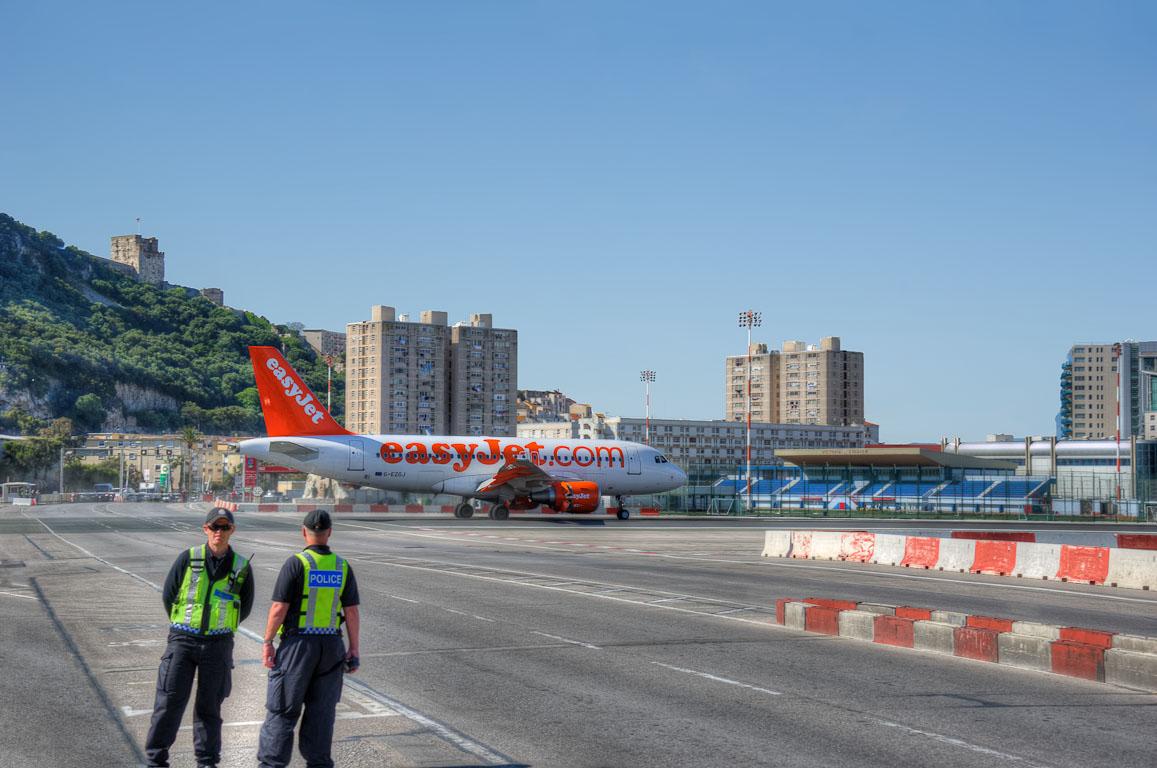
Apollo's £5.7 Billion easyJet Deal Caps Its Funds at 49.9% to Keep EU Operating Rights
The US asset manager will hold no more than 49.9% of easyJet's new parent, with rollover shareholders and an EU trust holding the rest so the airline stays compliant with European and UK ownership rules.
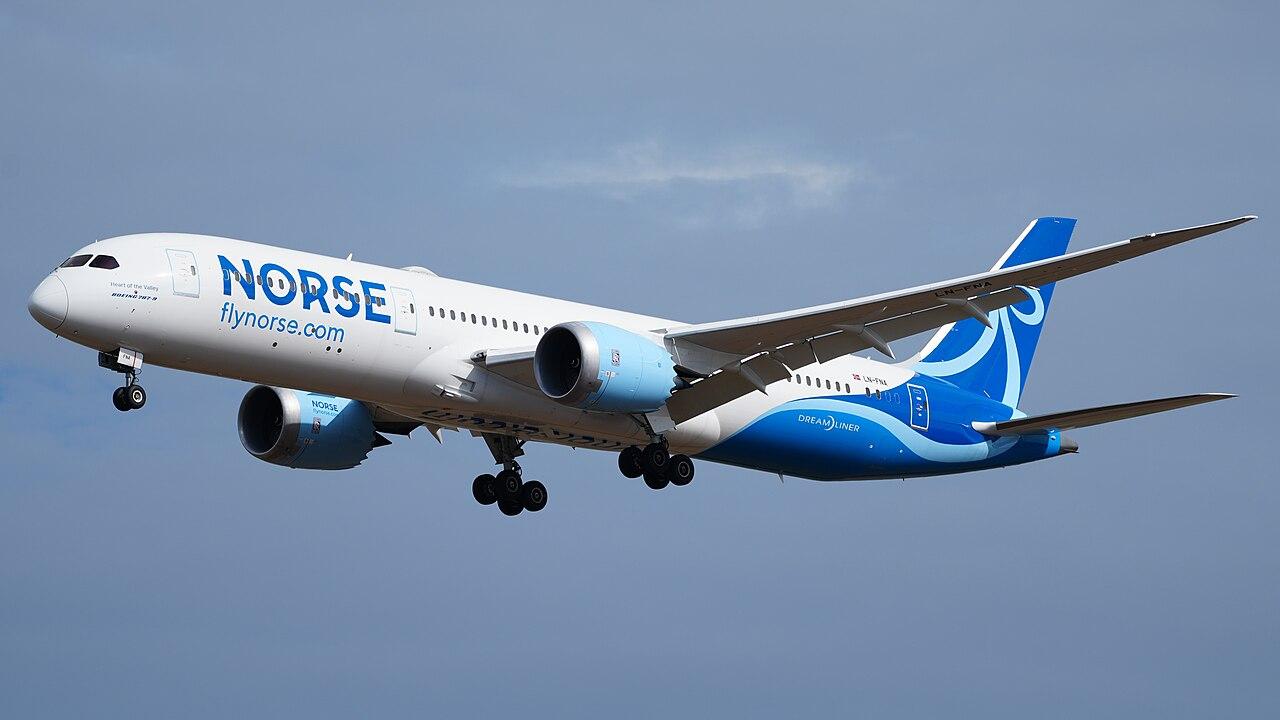
Norse Atlantic Says Its Survival Depends on Securing Short-Term Funding
The Oslo-based long-haul low-cost carrier told the Oslo Stock Exchange it is in talks with selected parties for short-term financing but cannot guarantee a viable outcome.
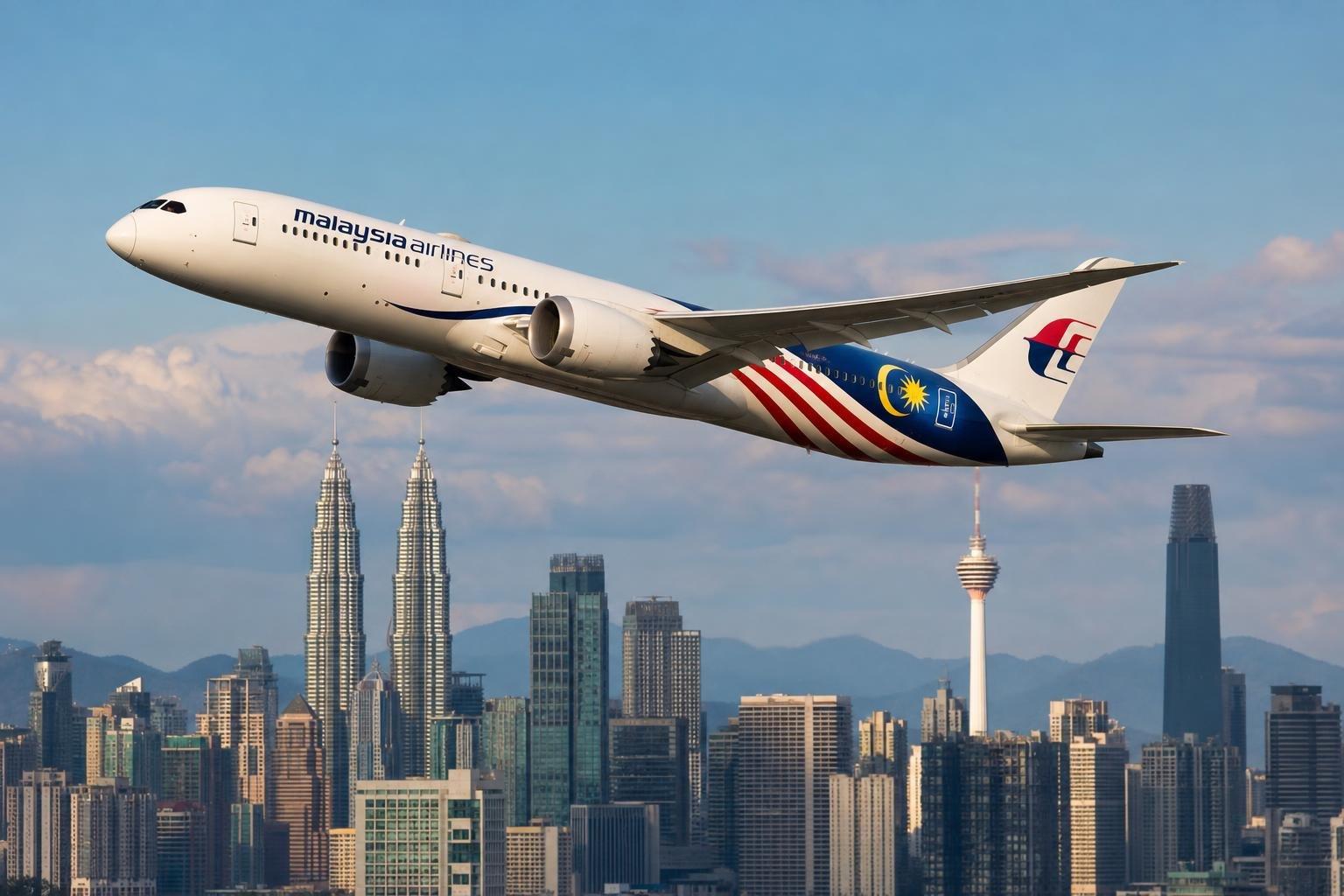
Malaysia Airlines Orders 10 Boeing 787 Dreamliners to Replace Its Airbus A350 Fleet
Malaysia Aviation Group has ordered 10 Boeing 787s with options for six more, with deliveries from 2032 to 2035 as the carrier's seven Airbus A350s are gradually retired.
Boeing Leaves Union Without Answer on Further Layoffs as 737 MAX Rate Increase Slips to 2027
Boeing would not tell one of its largest unions whether more job cuts will follow December's planned reduction, as its push to build 47 737 MAX jets a month slides into early 2027.
The Daily Touch & Go
The day's best aviation news in your inbox. Free, no spam.