

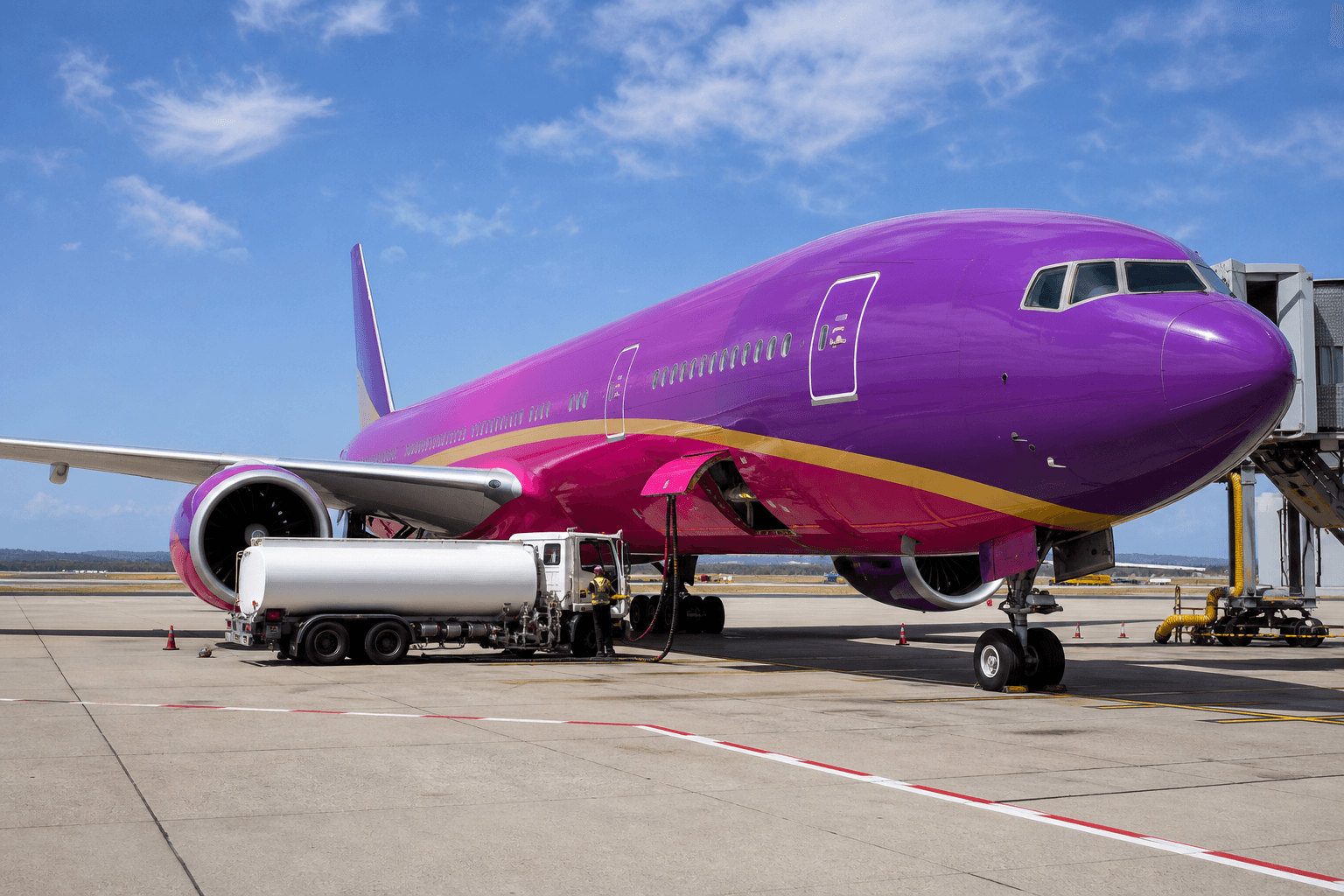
AI-generated illustration
Thai Airways Swings to Q3 Net Loss as Jet Fuel Costs Jump 60% Ahead of CEO Appointment
Thai Airways International lost 418 million baht in the third quarter despite a 13% revenue gain, and says cutting costs, starting with fuel, will lead its 2027 plans.
The gist
Thai Airways grew Q3 revenue 13%, but a 60% jump in jet fuel prices pushed it to a 418 million baht net loss.
Continuing coverage
All Earnings →Thai Airways International posted a net loss of 418 million baht, about $12 million, for the third quarter, as a 60% rise in jet fuel prices overwhelmed a 13% increase in revenue. The airline said cost reduction will be its main priority for 2027, and that fuel will be the first target. The result shows a carrier whose passenger demand held up through the quarter while its expenses climbed faster than its income.
Cherdchome Therdsteerasukdi, the airline's chief of finance and accounting, told investors on the earnings call that Thai Airways intends to protect the profit it earns from operations. He said the company has a strategy to work on fuel costs as well as its other costs. Thai Airways did not break out a figure for the savings it expects that plan to deliver.
Cherdchome also gave investors a warning about the months ahead. He said that if current oil prices become the new normal, the third quarter could serve as a reference point for future results. That comment suggests the airline sees little immediate relief from fuel prices and is planning around the possibility that they stay at present levels.
The scale of the gap between the two headline numbers explains the loss. Revenue grew by 13% over the period, a solid increase on its own. Jet fuel prices, however, rose by 60%, more than four times as fast, and that difference was enough to turn the quarter into a net loss for the Thai flag carrier.
The figures come during a leadership transition at the top of the company. Thai Airways has been run by an acting chief executive since early October. Its board expects to confirm the permanent chief executive by December, which means the incoming leader will take over with a fuel bill that has already erased the airline's quarterly profit.
That timing leaves the new chief executive to carry out the cost program the finance team set out on the call. The plan Cherdchome described puts fuel first and then extends to the airline's wider cost base, with the stated aim of protecting operating profit rather than chasing growth while fuel stays high. Thai Airways has framed 2027 around that cost focus.
For now, the airline's own outlook rests on oil. Cherdchome's comments tie the company's expectations directly to whether current fuel prices hold, and he pointed to the third quarter, with its 418 million baht net loss on 13% higher revenue, as the benchmark if they do.
Originally reported by Skift Airlines
Read more
All Airlines →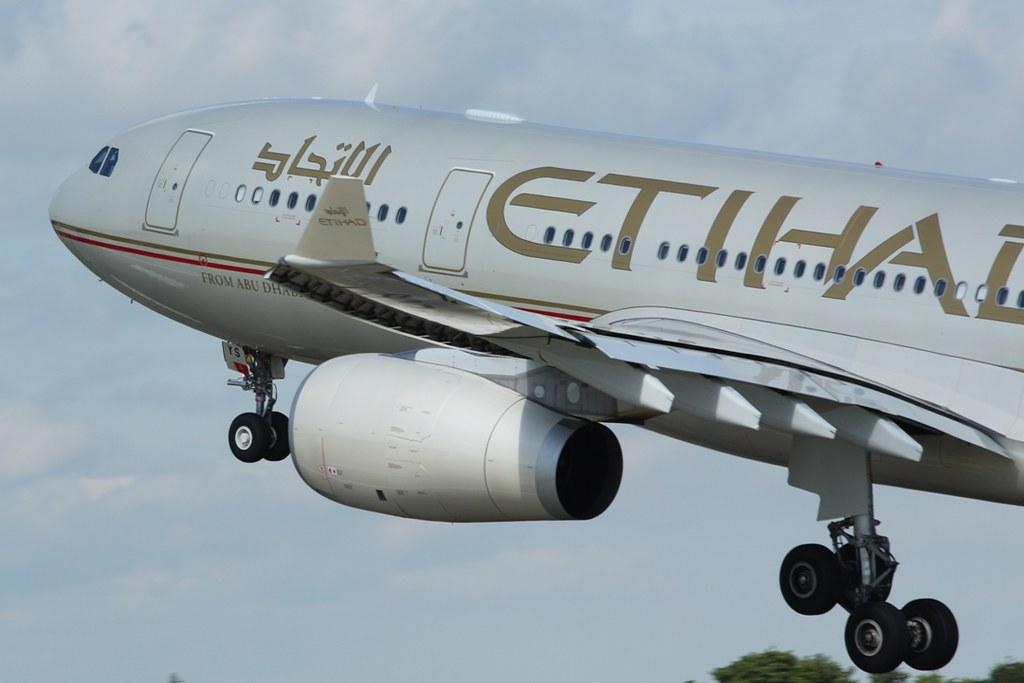
Gulf Carriers Extend Saudi Suspensions as Drone and Missile Attacks Hit Bahrain and Riyadh
Etihad, Flydubai, Air France and ITA Airways have pushed back Saudi returns after a weekend of attacks across the Gulf, while EASA keeps its regional airspace warning in place until 31 January 2027.
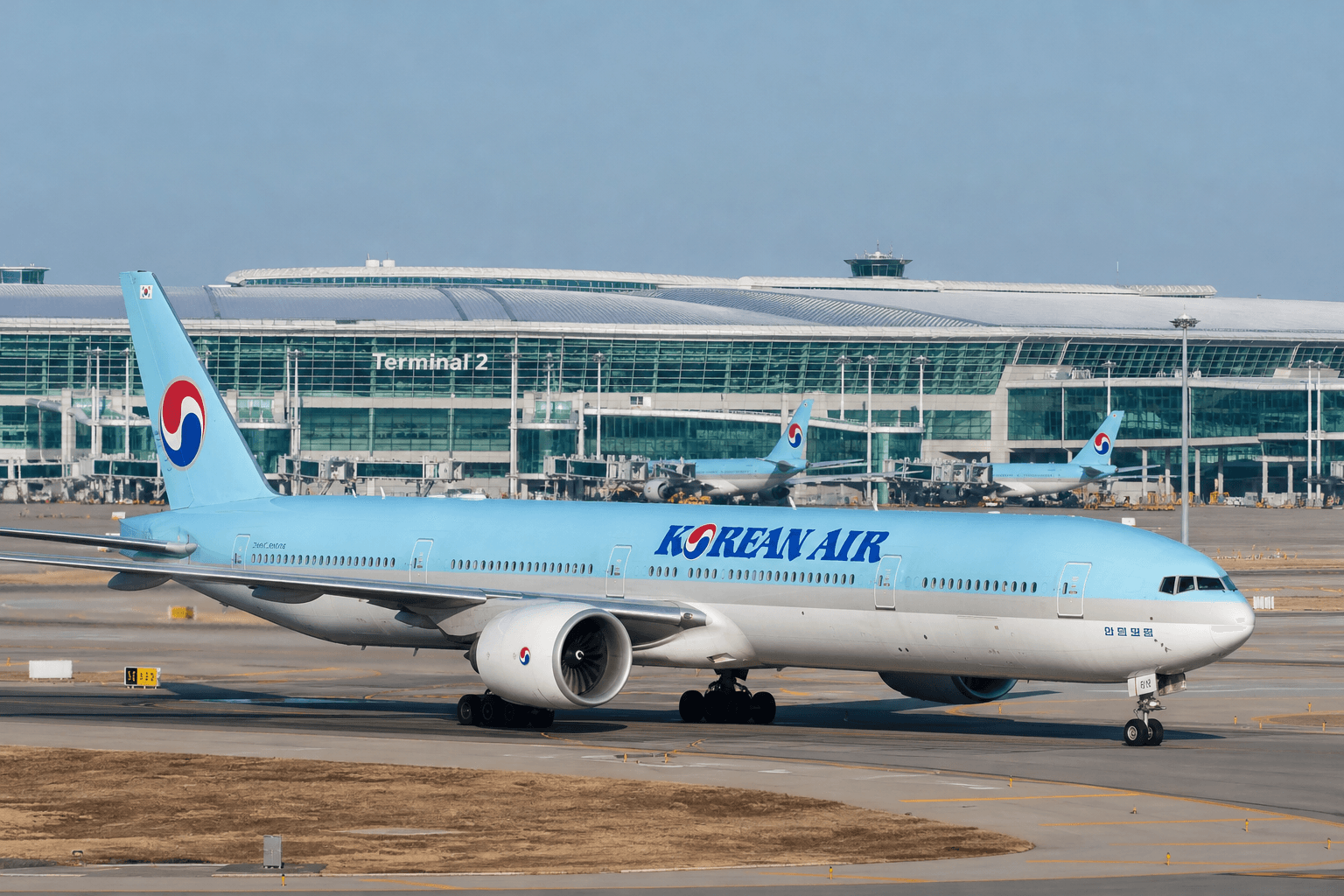
Combined Korean Air to Fly Four Daily Incheon-New York Flights, Targets KRW 300 Billion in Added Revenue
With the Asiana integration three weeks from launch, Korean Air plans more frequencies, retimed departures, 11 inherited routes and a belly-to-freighter cargo model it expects to add at least KRW 300 billion a year.

Indian Carriers Schedule 7,154 Fewer Domestic Flights for November and December Peak
Domestic schedules for the festive and wedding season are down 3.5% from 2025, the first year-on-year drop for the period since 2022, though seat capacity is almost flat.

TUI fly Belgium Shuts Casablanca and Marrakech Bases, Ending 11 Morocco Routes to France and Italy
The carrier closed both Moroccan bases on 9 November 2026 and pulled out of five French and Italian airports, citing a viability review amid increasing competition.
The Daily Touch & Go
The day's best aviation news in your inbox. Free, no spam.