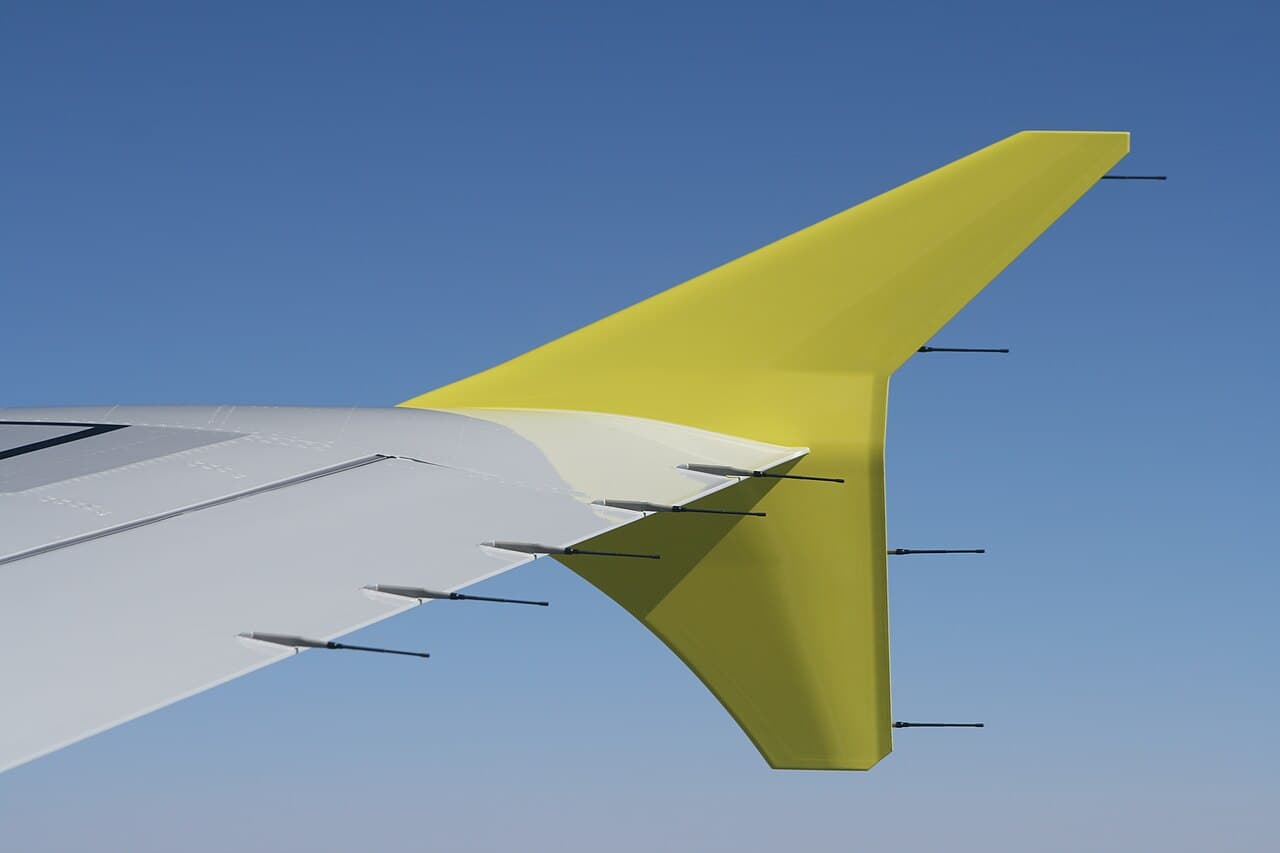
Image: Till Niermann · CC BY-SA 3.0 · via Wikimedia Commons
EasyJet's Q3 profit crashes 70% amid soaring fuel costs and takeover uncertainty
UK low-cost carrier EasyJet sees operating profit tumble after Iran conflict drives fuel expenses higher and weakens demand ahead of Apollo's proposed £5.7bn takeover.
The gist
EasyJet's Q3 profits plunge 70% due to inflated fuel costs and cautious demand while awaiting a potential Apollo takeover bid.
EasyJet's financial results for the third quarter ending 30 June revealed a sharp drop in profitability driven by a £105 million surge in fuel costs tied to the Middle East conflict and softer customer demand. The UK-based low-cost airline posted an operating profit of £104 million, a steep decline from £293 million the previous year, with profit before tax slipping 70% to £85 million. The Iran war has been a significant factor escalating jet fuel prices, which has in turn eroded consumer confidence and dampened bookings during the quarter.
Despite increasing group revenue by 2%, passenger revenue decreased by 1%, reflecting the challenging operating environment. Capacity rose 3% compared to the prior year, yet the passenger load factor fell by 1.3 percentage points to 88.9%, indicating fewer seats filled on flights. The airline's holidays division generated an £84 million pre-tax profit, slightly down £2 million year-on-year, underscoring overall softened demand conditions across its product offerings.
CEO Kenton Jarvis noted that EasyJet has been actively managing the repercussions of the Middle East conflict on fuel prices and booking patterns. Encouragingly, he highlighted a resurgence in consumer confidence, with strong late booking activity pushing seat sales to 68% for the forthcoming fourth quarter and narrower load factor gaps for peak summer travel. This suggests a recovery trajectory after initial disruption.
Fuel cost volatility remains a pressing concern for EasyJet, with the unhedged portion of fuel expenditures causing significant headwinds during Q3. The airline is currently 79% hedged at $786 per metric tonne into Q4, and 62% hedged at $754 per metric tonne for the first half of fiscal 2027, but prices remain unpredictable. A $100 per metric tonne fuel price change equates to roughly £17 million in additional costs, underscoring the financial sensitivity to global market swings.
In operational developments, EasyJet is accelerating the retirement of its Airbus A319 fleet, aiming to capitalize on upgauging to larger aircraft, which is forecast to yield around £250 million in annual cost savings across fiscal years 2028 and 2029. This fleet modernization forms part of structural efficiency measures to sustain competitiveness despite the cost pressures.
The company also disclosed a key management change: Chief Operating Officer David Morgan will retire to return as an EasyJet pilot, succeeded by Chief Commercial Officer Sophie Dekkers. Dekkers’ replacement will be former Norwegian chief commercial officer Daniel Skjeldam, starting 1 September. These leadership adjustments come amid strategic shifts and pending ownership decisions.
EasyJet is currently awaiting a firm takeover bid from US private equity firm Apollo Management, which proposed a £5.7 billion offer. Apollo has until 7 August to formalize their bid or withdraw. EasyJet has conveyed that it is inclined to recommend Apollo’s offer to shareholders if it materializes, after it surpassed an earlier proposal from Castlelake, which has yet to submit a higher bid.
The outcome of Apollo's bid stands as a significant turning point for EasyJet's future, potentially bringing new ownership amidst a challenging market environment marked by geopolitical tensions and fuel price instability. The firm's performance this quarter underscores vulnerabilities in airline economics tied to external shocks and the importance of strategic fleet and leadership adjustments during transitional periods.
Frequently asked questions
- What caused the significant drop in EasyJet's Q3 operating profit?
- A £105 million rise in fuel costs linked to the Iran conflict and reduced passenger demand led to EasyJet's operating profit dropping from £293 million to £104 million in Q3.
- What is the status of the Apollo takeover proposal for EasyJet?
- Apollo Management has proposed a £5.7 billion takeover and has until 7 August to make a firm bid or withdraw; EasyJet is minded to recommend the offer if formally made.
- How is EasyJet managing fuel cost risks amid fuel price volatility?
- EasyJet is 79% hedged at $786/MT going into Q4 and 62% hedged at $754/MT for the first half of fiscal 2027, but fuel costs remain uncertain due to market volatility.
Read more
All Airlines →
United Airlines Anticipates Full Fuel Cost Recovery by Q4 Amid Rising Expenses
US carrier’s operating profits slip 17% to $1.1 billion in second quarter. United Airlines expects to be recovering all of its additional fuel costs through higher fares by the fourth quarter after today disclosing an operating profit of almost $1.1 billion in the second quarter. The Star Alliance carrier's second-quarter operating profit was down 17% on the $1.3 billion it made for the same period in 2025, while net profit slipped to $805 million from $973 million a year before. That was achieved in the face of a $2.3 billion – or 84% – increase in its fuel costs for the April-June period. The carrier estimates it recovered around half of this additional cost during the second quarter. United’s revenues climbed 16% in the second quarter to almost $17.7 billion, supported by a 12% rise in yields. United Airlines chief executive Scott Kirby says: “United is built to thrive in every environment, and when oil prices spiked in March, we quickly and decisively acted to adjust our schedules, while simultaneously doubling down on our customer investments." The US carrier estimates, based on current oil prices, that its fuel costs for the full year will be nearly $6 billion higher than in 2025. "In the third quarter the company expects to recover approximately 80% to 90% of the increase, and 100% by the fourth quarter," it says.
Airlines Confirm Structural Shift with Sustained Fare Increases Amid Rising Fuel Costs
Earnings season has officially begun with, as always, Delta kicking off festivities late last week and then United just yesterday releasing its numbers . The airlines unsurprisingly did very well, but the results and more importantly, forward-looking guidance, show that we may have finally seen a structural shift. Airfares are up, and I don’t imagine they’ll be going back down anytime soon. On the surface, it looks like Delta is outperforming with an operating margin of 9.4 percent versus United’s 6.2 percent, but remember, Delta owns a refinery and that helped boost the company’s fortunes this quarter. Since today’s topic is about the core business, let’s try and strip out fuel’s impact. Excluding the refinery, Delta’s operating revenues were up 13.9 percent, below United’s 16.0 percent Fuel expense at Delta rose 67.2 percent year-over-year while United was up 84.1 percent Fuel went from being worth 55.8 percent of Delta’s largest expense — total salaries and wages expense — to 86.3 percent, but at United fuel soared to become the airline’s number one cost at 109 percent of salaries and wages Delta’s unit costs were up 21.4 percent, but excluding fuel, they were up only 6.8 percent while United’s numbers were up 15.2 and 6.1 percent respectively You get it. Fuel is a big deal, and it was very messy in Q2 when the bulk of the Iran War was being waged. And yes, I’m well aware that it’s still being waged and probably won’t end anytime soon now that Iran has learned it can toy with the Strait of Hormuz whenever it feels like it. Just look at the downward slope reversing course recently. via IATA And when fuel goes up, fares have to go up. In the past, this often meant cutting significant capacity thanks to basic economics, but that’s not happening now. And even when fuel came down off its highs, fares didn’t budge downward at all. Demand has been very strong, and it took an event like this to get airlines to actually be able to take real pricing increases for the first time in a long time. To see what I mean, you can look at the Government Accountability Office’s new report on the impact of mergers . I sat with Courtney Miller as my guest host on The Air Show this week to talk about that report in detail. I won’t get into those details here, because it frankly isn’t helpful to this discussion since the study period stopped in 2024. This just provides the historical context that fares have been going down for quite some time. In other words, while this consolidated industry structure has been in the works for a couple decades, the airlines really didn’t significantly flex their pricing muscles until recently. The Air Show A podcast about the business of the sky Listen on Spotify | Listen on Apple Podcasts There’s no question that consolidation made this possible, and sometimes in ways you might not imagine. For example, airline pricing teams are better at their jobs simply because there are fewer of them out there. The ones that remain tend to be much better at the job at hand. The reason this is so important for gaining pricing power is that one airline has historically been able to tank a fare initiative pretty easily, even something as simple as a small, across-the-board fare increase. Today, we aren’t seeing that. Let’s get back to Delta’s results — I can’t do this with United yet since the 10-Q wasn’t out at the time of publication. Strip out things like loyalty revenues (which always seems to go up these days) and look at just Delta’s Q2 ticket revenue, and we see it increased 12.5 percent year-over-year. The reality is that fares went up much more than that, because a decent chunk of Q2 bookings happened before the recent run-up. But even 12.5 percent is a remarkable increase considering that capacity was flat. This doesn’t look like a temporary blip, even though we know everything in this industry is somewhat temporary. Just look at Delta which reaffirmed its earnings guidance for the full year and United which improved it . They won’t be the only ones. It’s easy to say this is all due to that growing pot of credit card money or refinery earnings or something else, and yes, those all help. But the reality is that none of this happens without the industry’s main players all realizing that there is room for higher fares. Even if that weren’t the case, it has become easier for airlines to insulate themselves from low-cost airline fare actions, something that has always been a problem. Pricing is far more complex than it was in the past, so there are more levers to pull. If Frontier decided it wanted a massive sale since its results are not great, the other airlines could match with Basic Economy fares only and not see their entire fare structure collapse. The ability to better segment means that fare actions can be compartmentalized. The airlines love segmentation so much that it continues to spread. Delta is now introducing Basic Business — or as I like to call it, Delta None — which will undoubtedly keep the same pricing business class has today, simply creating an upsell for those who want a seat assignment in advance along with other goodies. It’s a straight-up fare increase that others likely can’t torpedo. (United has already gone down this path anyway.) All this being said, fare increases don’t work in a vacuum. Capacity levels are very important, and the industry has seen capacity decline dramatically very recently. Spirit finally went away in Q2 after being unsustainable as a business for a couple of years. This takes away one more desperate management team and further consolidates the industry into something more rational. This doesn’t mean that fares will only go up from now on. There will be a recession. There will be downturns. Maybe there will even be a well-funded startup, though that doesn’t seem very likely today. We don’t know when, but when this happens, fares will fall. But instead of plunging, airlines will better manage their capacity and keep pricing at a higher level. This is exactly the kind of thing former American CEO Doug Parker meant when he said the industry wouldn’t lose money again. It was a tone-deaf statement that didn’t land with employees, but it also didn’t prove to be strictly true. Of course, he wasn’t thinking about a global pandemic when he said it; he was talking about normal economic cycles. And he was right. The thing is, the big airlines hadn’t really been willing to test it out until this year once it was pretty clear they had largely vanquished the low-cost carrier threat. Admittedly, we haven’t seen this tested in any significant way since the pandemic ended. Only time will tell if this is right or not, but the fact that airlines are pushing fares higher and not seeing much blowback means they will be emboldened to keep trying to push the envelope. Now the only real question is whether the government will eventually decide this is an antitrust issue that it needs to revisit.
Qatar Airways Shifts New Zealand Flights From Adelaide to Melbourne Starting December
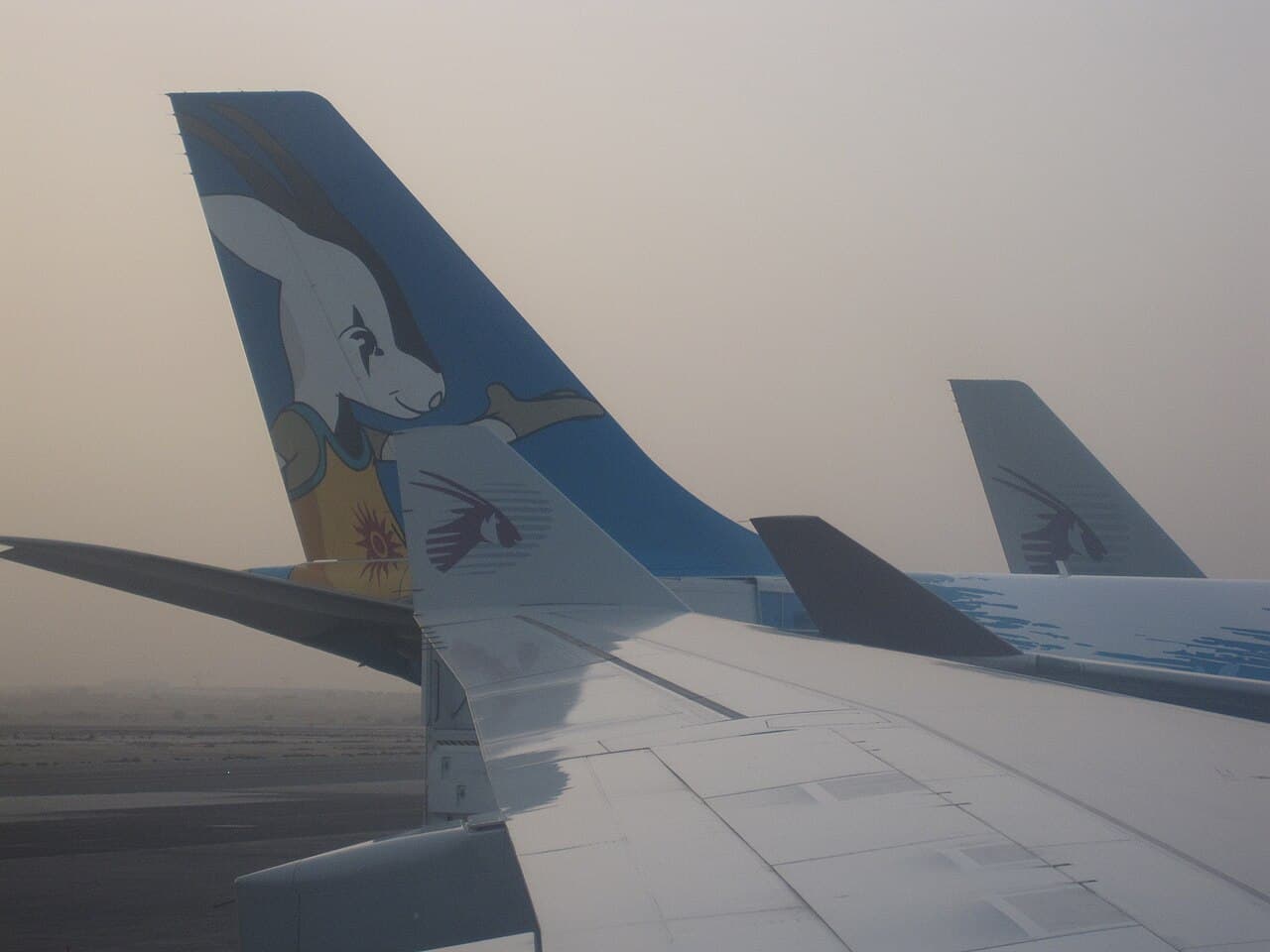
No airline's route network is static, which is usually a good thing . Changes always occur, mainly because of performance or opportunity. In the latest update, Qatar Airways has revealed a notable adaption to its sole New Zealand service.
Airlines Shift Fleet Design to Expand Premium Cabins, Shrinking Economy Seating
For years, the airline industry has promoted premium cabins as an optional upgrade for travelers seeking extra comfort, additional space, or a more refined experience. Business class, premium economy, and other enhanced seating products were traditionally viewed as extras rather than the foundation of an airline's commercial strategy, while standard economy class remained the core product that filled most aircraft and generated the majority of passenger traffic across domestic and international networks.
The Daily Touch & Go
The day's best aviation news in your inbox. Free, no spam.