

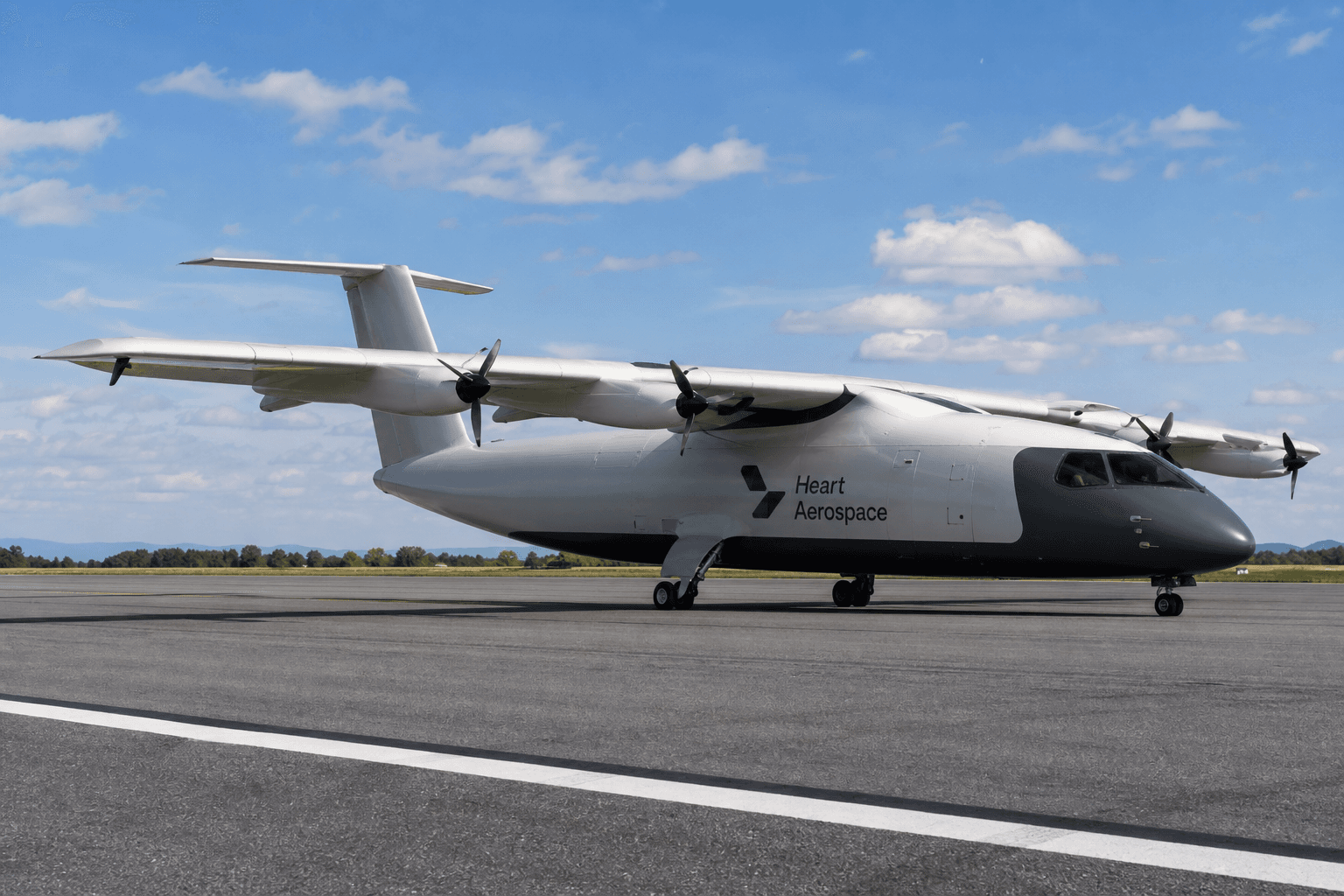
Illustration: The Touch & Go
Heart Aerospace's X1 Achieves Historic First Flight as Largest Battery-Electric Plane
The X1 demonstrator, a precursor to Heart Aerospace's 30-seat ES-30 hybrid-electric airliner, completed its inaugural all-electric flight at Plattsburgh International Airport.
The gist
Heart Aerospace's X1 makes history as the largest battery-electric fixed-wing aircraft to fly, advancing hybrid-electric commercial aviation.
Continuing coverage
All Hybrid-Electric →- Archer unveils Halo, an autonomous hybrid tiltrotor for commercial and parapublic markets
- Beta launches autonomous hybrid-electric MV250 VTOL focused on military logistics
- Safran's TG600 Turbogenerator Powering Electra EL9 Hybrid-Electric Aircraft
- FAA Sets Certification Basis for Electra EL9 Hybrid-Electric Aircraft
- Five Regional Aircraft Makers Drive Innovation In Sub-100-Seat Market In 2026
Heart Aerospace has marked a milestone in electric aviation with the first flight of its X1 demonstrator, the largest battery-electric fixed-wing aircraft in history by wingspan and takeoff weight. The company reported that the X1, which weighs over 25,000 pounds at takeoff and features a 106-foot wingspan and a 76-foot length, successfully flew out of Plattsburgh International Airport in New York under all-electric propulsion. This debut flight is the first step in a comprehensive test campaign to validate technologies for the ES-30, a 30-seat hybrid-electric airliner Heart Aerospace plans to certify by 2031. The X1’s flight lasted approximately 27 minutes and operated under an FAA Special Airworthiness Certificate in the Experimental Category, reaching an altitude of about 1,100 feet above ground level.
Compared to other all-electric aircraft, the X1 stands out for its size and weight. While the Solar Impulse II had a longer wingspan exceeding 200 feet, it used a hybrid power source including solar panels, unlike the X1’s strictly battery-electric motors. Other electric aircraft, such as Eviation's Alice demonstrator with a 63-foot wingspan and a maximum takeoff weight near 16,500 pounds, are smaller and have faced significant delays and financial challenges. Alice’s flight program slowed after nine minutes of initial testing in 2022, with a redesign and workforce reductions following, and the project is effectively on indefinite hold. MagniX also powered several all-electric retrofits, including a Cessna Caravan, though it has ceased development of certain propulsion models. Heart Aerospace’s X1 exceeds these precedents in scale and capacity.
Delayed from an initial goal of mid-2025, the X1’s first flight represents a key progress point toward developing the ES-30 aircraft. The certification timeline for the ES-30 now extends to 2031, reflecting the complexity inherent in electric and hybrid-electric aviation technology development. Heart Aerospace aims to address operating cost reductions and environmental goals with the ES-30, which is designed to achieve more than a 40 percent decrease in operating expenses compared to conventional regional aircraft. The model incorporates a hybrid-electric propulsion system architecture composed of commercial turboprop engines coupled with electric motors and advanced battery systems.
The choice of Plattsburgh International Airport for the flight test phase underscores its suitability as a hub for innovative aviation programs, with its long 11,750-foot runway providing ample performance margin for novel aircraft types. Heart Aerospace has installed a cockpit mockup and a 30-seat cabin layout inside the X1 demonstrator, integrating electric propulsion with avionics and flight control systems to simulate commercial operations at scale. Propulsion on the demonstrator combines four wing-mounted electric motors powered entirely by batteries during the maiden sortie.
The ES-30’s operational concept envisions a single pilot flying passenger routes at speeds up to 140 knots and altitudes up to 2,000 feet above ground, leveraging the efficiency gains of hybrid-electric propulsion. The planned propulsion system involves 'independent hybrid' logic with two commercial turboprops on the wings paralleled by two internal electric motors, aiming to optimize fuel consumption, emissions, and noise. Subsequent prototypes like the X2 will incorporate the full hybrid system integration to advance toward certification standards under FAA Part 25 regulations for commuter aircraft.
Customer interest in the ES-30 platform includes notable airline commitments with United Airlines as the largest customer, having converted an initial order of 100 ES-19 aircraft to the larger ES-30 variant. United’s leadership continues to endorse electric commercial aviation for its potential to improve passenger experience and reduce costs. Mesa Air Group, Air Canada, JSX, Loganair, and Scandinavian Airlines have also expressed interest via letters of intent, demonstrating broader industry engagement despite many electric aircraft developers scaling back efforts or focusing on niche segments.
Heart Aerospace highlights the sustainability benefits of electric propulsion, noting that the X1’s debut flight consumed energy costing only about five dollars, a fraction compared to conventional jet fuel prices exceeding $3.80 per gallon. This low energy cost exemplifies the operating efficiencies electric aircraft can provide, particularly considering the ES-30’s design goals to sharply reduce emissions and be compliant with emerging aviation environmental regulations and fees worldwide. Battery technology advances and software-driven maintenance improvements are additional factors contributing to long-term cost benefits.
Regional electric aviation remains a challenging field with long development horizons, yet Heart Aerospace’s flight demonstration at Plattsburgh signals tangible progress. The company anticipates eventual deployment of the ES-30 on short-haul routes with ranges of 125 miles in all-electric mode and up to 500 miles using hybrid-electric propulsion. Given that some competitors have faced financial or technical setbacks, Heart’s measured approach, leveraging hybrid systems for certification feasibility and operational flexibility, may position it well in the evolving sustainable aviation market.
The X1’s first powered flight reflects incremental but essential advancements in electric flight scaling beyond small passenger or cargo platforms. By targeting a 30-seat configuration and commercial airliner certification, Heart Aerospace contributes to expanding the possibilities of zero- and low-emission aviation. Subsequent flight tests, integration of hybrid propulsion, and certification work will be critical in defining the feasibility of regional electric aviation as a cost-competitive and operationally viable option in the years ahead.
Frequently asked questions
- What makes Heart Aerospace’s X1 demonstrator significant in electric aviation?
- The X1 is the largest battery-electric fixed-wing aircraft by both wingspan and takeoff weight to have achieved first flight, marking a milestone in scaling electric commercial aviation.
- What is the relationship between the X1 demonstrator and the ES-30 aircraft?
- The X1 serves as a test platform to validate technology and flight systems for the ES-30, a planned 30-seat hybrid-electric airliner aiming for certification by 2031.
- Which airlines have expressed interest or commitments to Heart Aerospace’s electric aircraft?
- United Airlines is the largest customer with an order for 100 ES-30 aircraft, alongside interest from Mesa Air Group, Air Canada, JSX, Loganair, and Scandinavian Airlines.
Read more
All Military/Defense →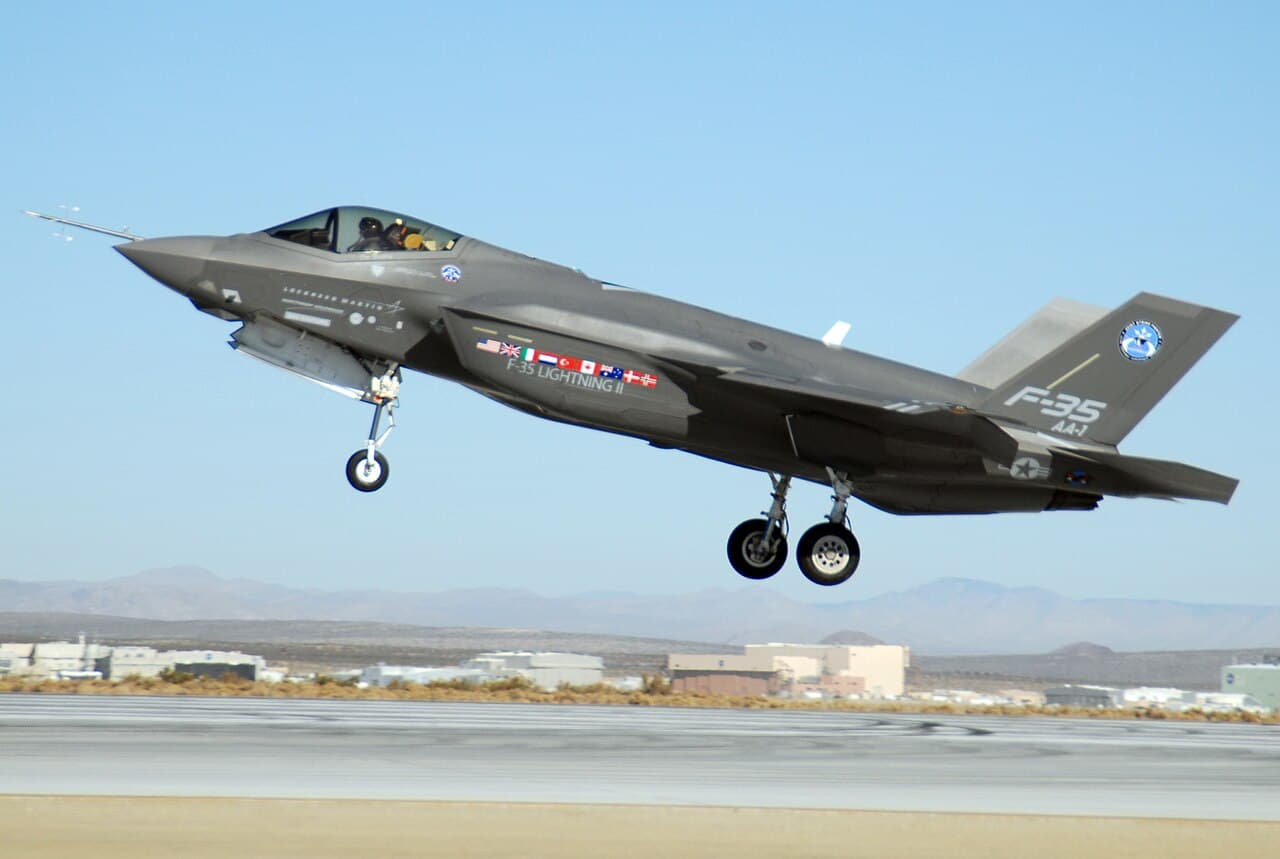
World's Stealth Fighter Landscape in 2026 Divided Between F-35 Allies and Sino-Russian Blocks
According to TheWorldData's 2026 F-35 statistics roundup , the global Lockheed Martin F-35 fleet has already passed 1,300 aircraft delivered across 17 or more nations, dwarfing every other stealth fighter program combined. Everyone else on Earth flying stealth fighter jets in 2026, such as China, Russia, and their allies, is flying something else entirely, built by a different country, sold under different rules, and answering to a different set of allies.
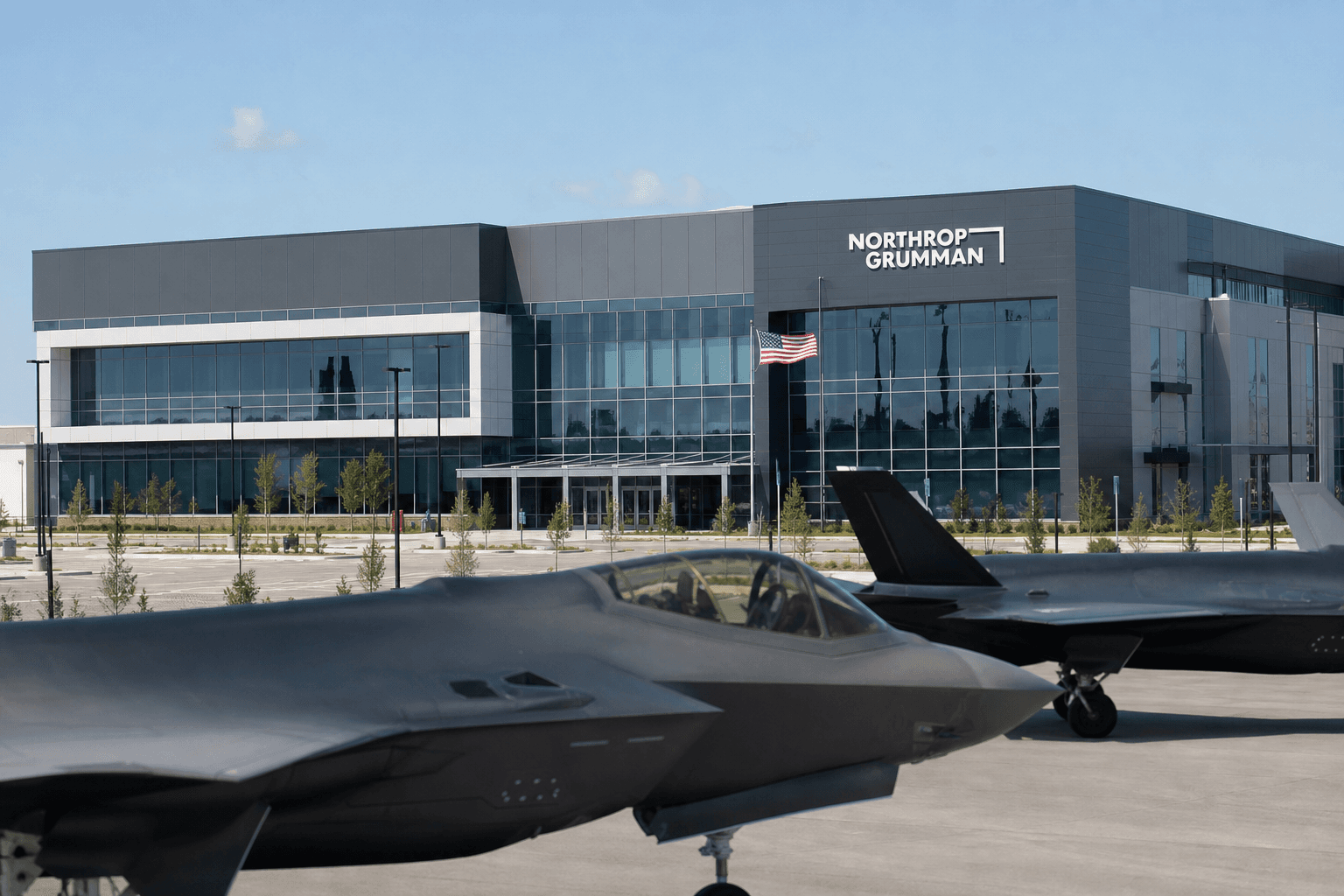
Northrop Grumman opens Florida engineering hub for Navy's next-gen carrier fighter
The defence contractor is vying to build the US Navy’s sixth-generation F/A-XX carrier-based fighter. Northrop Grumman has opened a new factory in Florida aimed at supporting the design and production of a sixth-generation aircraft. The defence manufacturer’s 27,870sq m (300,000sq ft) engineering facility is situated within Northrop’s broader hub in Melbourne, Florida. It will house space for 1,200 engineers and 17 secure laboratories dedicated to advanced aircraft design, Northrop says. Northrop unveiled the new site in early August. “This facility reinforces Melbourne as the epicentre of sixth-generation aircraft,” says Tom Jones, president of Northrop Grumman’s aeronautics division. “Between these walls in just a few months, we will have cutting-edge labs and hundreds of skilled engineers coming together in a world-class facility,” he adds. “This is what momentum looks like.” Northrop is one of two aircraft manufacturers still competing to build the US Navy’s future carrier-based sixth-generation fighter jet. Officially called the Next Generation Fighter, the programme is colloquially known as F/A-XX and is intended to deliver a successor to the more than 470 Boeing F/A-18E/F Super Hornets in the US Navy inventory. In April, Northrop shared a rendering of what an F/A-XX fighter might look like, including a tailless design and low-profile recessed air intakes located dorsally on either side of the fuselage centreline – similar in position to the air intakes featured on Northrop's B-2 and B-21 stealth bombers. Northrop Grumman released a rendering of a potential carrier-based sixth-generation fighter earlier this year. Credit: Northrop Grumman Boeing is the other finalist competing against Northrop for the secretive contract after a proposal from Lockheed Martin was rejected by the Navy in 2025. Both companies have a strong position. Boeing is hard at work on the US Air Force’s F-47 sixth-generation fighter, with flight testing scheduled to begin in 2028. Meanwhile, Northrop is actively assembling B-21 stealth bombers for the air force, with at least two early models already flying and delivery of operational aircraft expected in 2027. Industrial capacity is a major consideration in the respective programmes and was likely a driver behind Northrop’s build-out of the new sixth-generation engineering facility. Boeing successfully gambled that investing in a new factory built to assemble highly classified advanced combat aircraft would help it secure the F-47 contract. The company spent nearly $2 billion to develop such a facility at its St. Louis, Missouri fighter production campus, even before it had secured the F-47 win in March 2025. Construction on that 102,000sq m facility began in 2024 and remains ongoing. During a 2024 FlightGlobal visit to the headquarters of Boeing Defense, Space & Security in St Louis, company executives described the plant as a "bet" on the company's future. Northrop appears to be taking a similar approach with its own investment in sixth-generation industrial capacity, describing the move as a commitment to the “workforce, technology and infrastructure required to deliver next-generation airpower”. However, the future of the F/A-XX remains uncertain. The Navy has been inching toward a decision on a vendor for the new fighter, with a decision promised sometime in the second half of 2026. However, political support for the programme has repeatedly oscillated. The Trump administration previously sought to cut the budget for the Next Generation Fighter programme, with the White House and Pentagon instead prioritising development and fielding of the F-47. "The administration strongly supports re-evaluating the F/A-XX programme due to industrial base concerns of two sixth-generation programmes occurring simultaneously,” the White House said in a 2025 memo. "Awarding the F/A-XX contract as written is likely to delay the higher-priority F-47 programme, with low likelihood of improving the timeline to field a Navy sixth-generation fighter." Northrop Grumman is already flying two test examples of the new B-21 stealth bomber, with operational aircraft expected to reach frontline units in 2027. Credit: US Air Force Pentagon chief Pete Hegseth came out in support of the F/A-XX earlier this year, although he left some room for doubt as to the timeline for production and fielding of the new jet. "It's not a matter of if; it's a matter of when," Hegseth said during congressional testimony in April. "It's a critical capability that we need to fund for the future of naval aviation." An F/A-XX vendor decision has previously been teased as happening in August, with an initial engineering and manufacturing design contract going to either Northrop or Boeing. If Northrop prevails, it would mark the first fighter aircraft the company has delivered since the venerable F-14 Tomcat. Northrop also built the YF-23 demonstrator that ultimately lost out to Lockheed Martin’s YF-22 to become the US Air Force’s F-22 Raptor air dominance fighter.
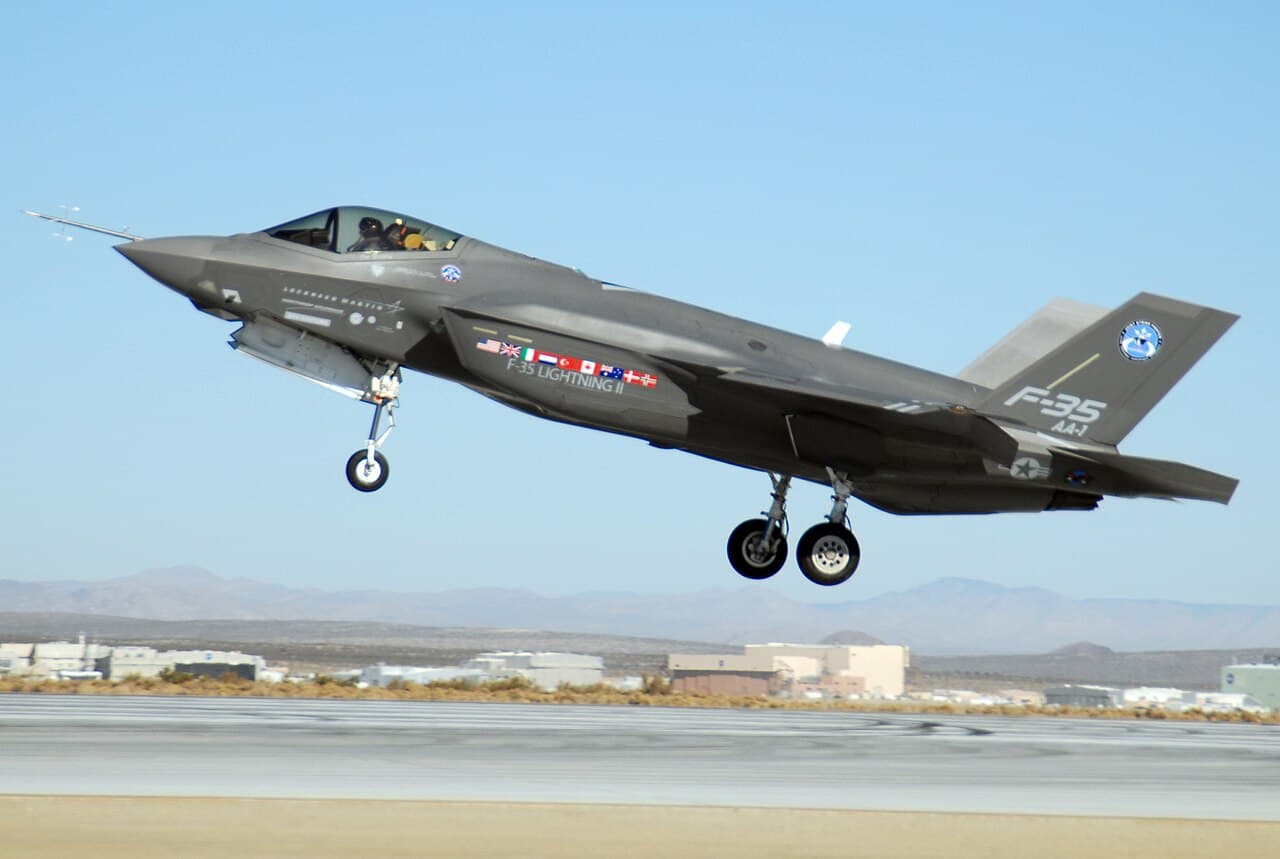
Multiple Drones Breach Restricted Airspace Over Australia's RAAF Base Williamtown
Multiple unidentified drones repeatedly entered restricted airspace around one of Australia's most sensitive military air bases recently, raising questions about how well the country can protect its F-35 fighters and other high-value aircraft from small unmanned aircraft. The drones were reported over RAAF Base Williamtown and neighboring Newcastle Airport in New South Wales between July 11 and 13, 2026, according to Australian media reports. Australia's Department of Defence has acknowledged the incidents, while Defence Industry Minister Pat Conroy said the broad reporting about the number of drones and the days they appeared was accurate. Authorities have not identified the operators or indicated why the drones were there. Williamtown, about 20 miles north of Newcastle, is Australia's main fighter training base and houses most of the Royal Australian Air Force's Lockheed Martin F-35A Lightning II fleet. The base also operates Boeing E-7A Wedgetail airborne early warning and control aircraft, Hawk 127 trainers and Pilatus PC-21 trainers. Newcastle Airport operates from the same airfield under an agreement with the Australian Department of Defence. The Daily Telegraph, which first reported the incursions, said multiple drones were confirmed in restricted airspace during the three-day period. Personnel at Williamtown were reportedly instructed to close window blinds to prevent sensitive information from being viewed or photographed. None of the drones was reported recovered or publicly identified. The incidents were referred to the New South Wales Police Counter-UAS Unit. Conroy said on August 10 that the police investigation has since been completed, but he did not disclose its findings. He also declined to say whether the drone activity disrupted military or civilian flight operations or what, if any, counter-drone measures were used. "We have robust layered security measures to protect our personnel, our bases and our capabilities," Conroy told ABC Newcastle. Australia changed its Defence Regulations last year to give military personnel authority to seize, disable or destroy drones. Conroy said the government is also investing heavily in technology intended to detect and defeat unmanned aircraft. The unexplained flights have prompted concern from Australian defense experts because small commercial drones can be used for surveillance as well as attacks against aircraft and infrastructure. There is no public evidence linking the incursions to a foreign government or establishing that the drones were conducting surveillance.
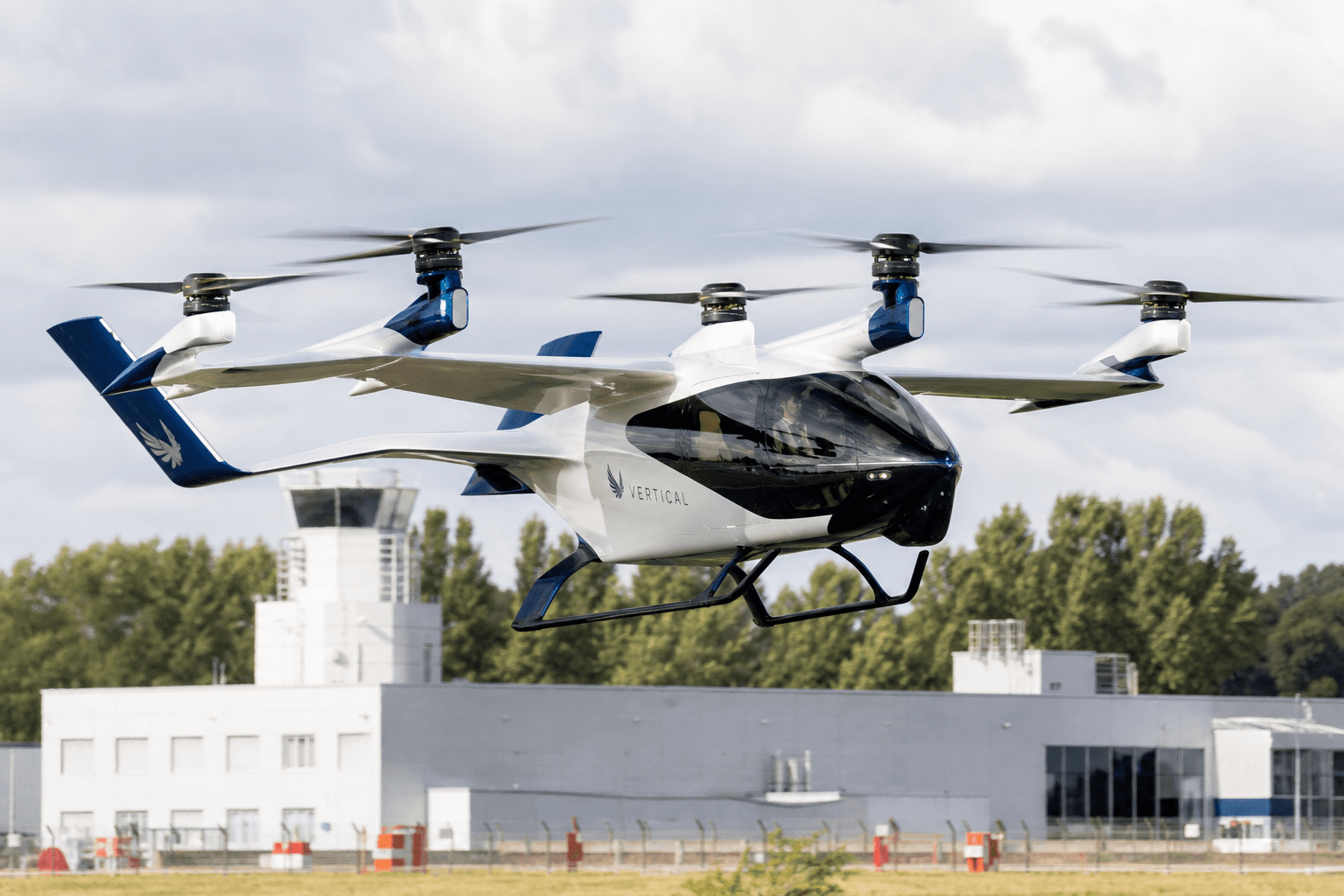
Vertical Aerospace secures tentative $100m funding to advance Valo eVTOL certification and production
Aerospace firm’s eVTOL heads for critical design review as rival Archer unveils consolidation with Boeing. Current and new investors in UK eVTOL developer Vertical Aerospace are prepared to provide some $100 million in further funding to support development of its Valo aircraft. Vertical's largest shareholder, Mudrick Capital, is proposing a $40 million contribution, drawn from an existing convertible note facility, while another $25 million would come from an equity facility with Yorkville Advisors Global. It states, however, that Mudrick's agreement to participate is non-binding and "remains subject to negotiation and execution". Vertical says the balance of $35 million would be sourced through an equity investment. This involves offering a "limited number" of new and current investors a single share, plus a warrant for a further share, at a combined price of $1.05. The company expects the offering will generate net proceeds of around $32.5 million. Vertical Aerospace says the funding commitment is intended to support the certification of the Valo, and the programme's commercialisation. Having successfully achieved crucial technical landmarks, such as piloted transition, the aircraft is progressing towards critical design review. Vertical is also preparing for Valo production as well as work to explore variants – including the development a hybrid-electric version in the first half of next year, as it pursues interest from potential military customers. The company carried out several demonstration flights of the aircraft during the Farnborough air show in July. Vertical says it is riding "significant operational and commercial momentum" for the Valo, and it disclosed the funding just as fierce US rival Archer, designer of the Midnight eVTOL, unveiled a significant industrial consolidation agreement – picking up several Boeing-owned technology firms . "We are focused on converting operational progress and partner engagement into continued advancement of our certification and commercialisation strategy," says Vertical chief executive Stuart Simpson. He adds that the new funding commitments – particularly the entry of new investors – are evidence of "strong confidence" in the company's position and progress. The financing will provide financial resilience and "near-term flexibility" for the next phase of its plans, Simpson says. Critical design review of the Valo will set the certification baseline for the aircraft, and the company is increasingly turning its attention to production requirements including the ramp-up of battery manufacturing capacity.
The Daily Touch & Go
The day's best aviation news in your inbox. Free, no spam.