Illustration: The Touch & Go
FAA Seeks Billions More to Fund CAP Automation Amid Growing Industry Competition
FAA faces funding shortfalls for its Common Automation Platform, while Thales and other firms vie to supply next-gen air traffic control systems to modernize U.S. airspace.
The gist
FAA struggles with funding gaps for a unified ATC automation system as Thales and rivals compete to supply the critical Common Automation Platform.
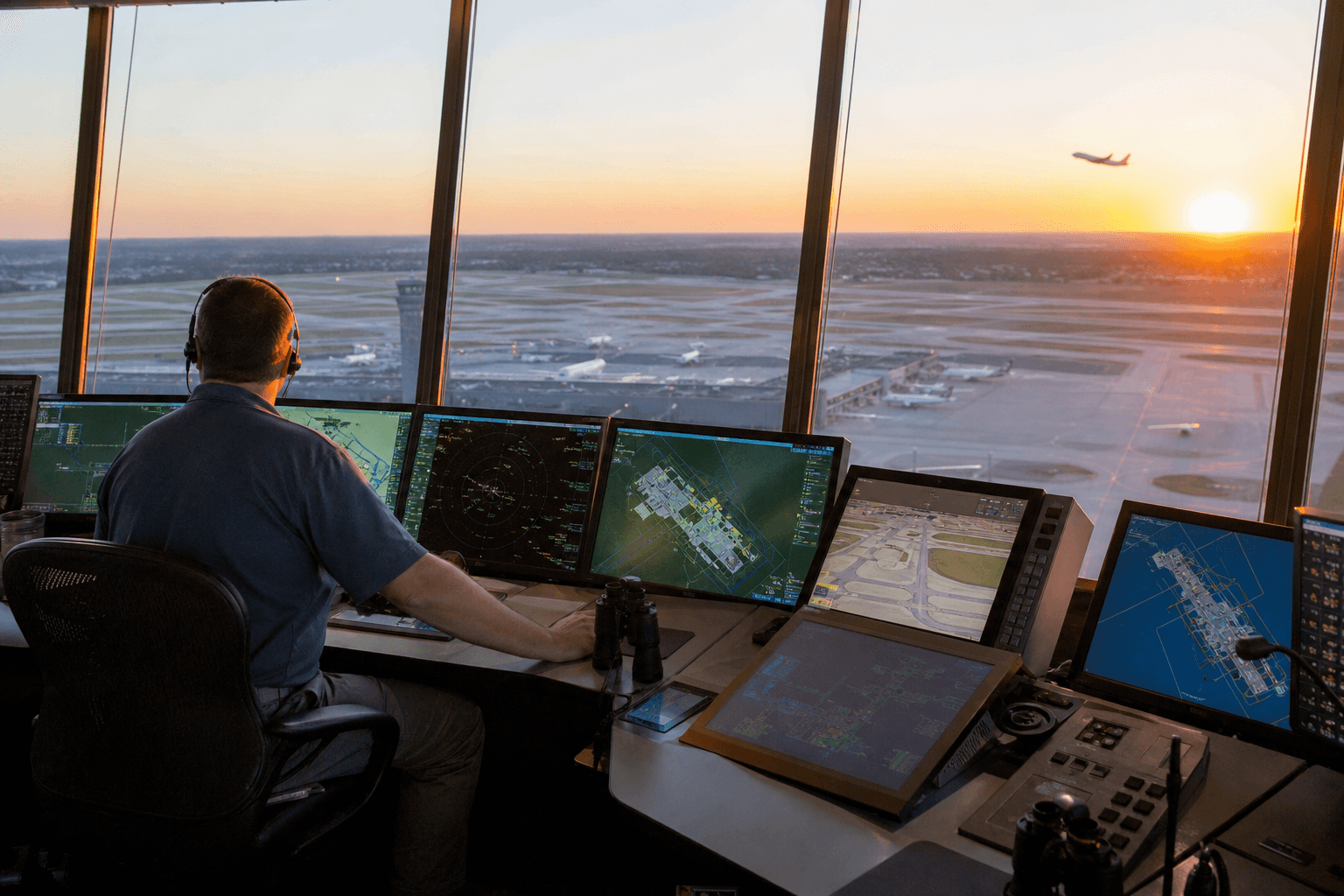
The Federal Aviation Administration continues to grapple with significant funding deficits for its Common Automation Platform (CAP), a crucial component in modernizing the nation’s air traffic control (ATC) technology. The CAP aims to merge two existing systems, En Route Automation Modernization (ERAM) and the Standard Terminal Automation Replacement System (STARS), into one streamlined platform to enhance controller efficiency and flight safety. Despite broad recognition of the platform’s importance, budget allocations fall billions short of the estimated costs, casting uncertainty over the project's timely development and deployment.
Thales is the latest company presenting a CAP solution tailored specifically to the FAA’s vision for modernization. On August 13, the firm introduced TopSky-America, a cloud-enabled, artificial intelligence-powered system designed exclusively for the U.S. National Airspace System (NAS). This platform seeks to unify data from ERAM, which manages high-altitude en route flights, and STARS, which coordinates flight arrivals, departures, and sequencing in terminal control facilities. By consolidating functions such as weather updates and conflict alerts, TopSky-America promises to lessen the workload on air traffic controllers while preserving safety standards.
The FAA’s CAP initiative forms a fundamental pillar of the Department of Transportation's broader 'Brand New Air Traffic Control System' (BNATCS) program, envisioned to overhaul the U.S. ATC infrastructure. However, financial support remains a major hurdle. Although Congress allocated $12.5 billion for BNATCS last year, the Department of Transportation has requested a total of $31.5 billion to fully fund the program’s more capital-intensive components. Advocacy groups like the Modern Skies Coalition, led by the Aircraft Owners and Pilots Association (AOPA), have called on Congress to approve an additional $20 billion, estimating that CAP alone might cost around $10 billion.
Transportation Secretary Sean Duffy has publicly pushed for increased funding, previously requesting the full $20 billion but recently indicating a willingness to accept $10 billion. He explained this smaller figure would cover planned software enhancements, while a subsequent $10 billion would be needed for physical infrastructure improvements, such as new TRACON facilities. Notably, the CAP’s exact funding needs remain unclarified by the FAA, and Duffy did not specifically mention the CAP in his recent statements. In response, Thales expressed support for the FAA’s call for more congressional appropriations to move the project forward.
Competition to provide the FAA with a CAP solution is intensifying among major aerospace contractors. Alongside Thales’ TopSky-America, Collins Aerospace, a RTX subsidiary, is promoting an adaptation of its AutoTrac platform. Collins Aerospace previously secured contracts to supply new ATC radars for BNATCS and serves as the FAA’s principal STARS contractor. Leidos, responsible for maintaining ERAM, also offers a CAP alternative. Collectively, these companies join Australia’s Frequentis and Spain’s Indra as candidates shortlisted by the FAA for the CAP contract, illustrating the market’s high stakes and diversity of technical approaches.
Thales brings to the table its significant global footprint, with its TopSky system managing an estimated 40% of worldwide air traffic. The company is also actively modernizing air traffic management in countries like Singapore and Mongolia and developing technologies for uncrewed aircraft systems (UAS) traffic control. Aligning with U.S. priorities, Thales is committed to domestic software development for TopSky-America, supporting federal initiatives to repatriate critical infrastructure jobs. FAA Administrator Bryan Bedford highlighted these onshoring efforts as fitting into Secretary Duffy and President Trump’s strategic goals, with Thales anticipating it will create several hundred American jobs.
FAA competition extends beyond CAP procurement, as demonstrated in the recent award of the Strategic Management of Airspace, Routes, and Trajectories (SMART) contract. Thales was shortlisted but ultimately lost to Air Space Intelligence, following evaluations of digital twins of the NAS. Secretary Duffy emphasized the competitive, merit-based approach being applied across FAA modernization projects, prioritizing contractors’ ability to deliver superior software solutions that meet operational needs. This competitive strategy exemplifies the FAA’s focus on harnessing advanced technologies while ensuring fiscal responsibility amid constrained budgets.
The funding challenges facing the CAP complicate the FAA’s path toward a cohesive, next-generation ATC system capable of accommodating increasing air traffic volumes safely and efficiently. With a contract award pending among five shortlisted vendors, and billions still needed from Congress, the agency confronts a critical juncture in aligning financial resources, technological innovation, and workforce support. The outcome will directly influence the U.S. aviation system’s capacity to maintain global competitiveness and safety standards in the years ahead.
Frequently asked questions
- What is the FAA's Common Automation Platform (CAP)?
- The CAP is an FAA initiative to combine the ERAM and STARS air traffic control systems into a single, modernized platform to improve controller efficiency and situational awareness.
- Why does the FAA need additional funding for CAP?
- Current funding falls significantly short of the estimated $10 billion cost needed to fully develop and deploy the CAP as part of the BNATCS modernization program.
- Which companies are competing to supply the FAA's CAP system?
- Thales, Collins Aerospace (RTX), Leidos, Frequentis, and Indra are the five companies shortlisted to compete for the FAA's CAP contract.
Read more
All Aviation Safety →
FAA mandates inspections on 737 Max door straps and proposes 787 Trent 1000 engine fix
The agency targets a 737 structural concern and an issue that could cause a dual Trent 1000 failure. The Federal Aviation Administration (FAA) is taking action to address risks involving Boeing 737 Max door-related structural components and concerns about uncontained failures of 787 Rolls-Royce Trent 1000 turbofans. The agency this week issued two regulatory documents, including an airworthiness directive (AD) responding to the potential for some 737 Max structural fasteners called “bear straps” to develop stress cracks. Affected straps are on the upper corners of 737 Max right-side forward doorframes, the FAA says. While no 737 Max have been found with cracked straps, the problem has for more than a decade been known to affect earlier-generation 737s. The FAA in 2014 required operators to inspect bear straps on 737 Classics for cracking, and Boeing tells FlightGlobal that in 2019 it notified 737NG operators about the issue and provided them with inspection instructions, which the FAA mandated in 2021. Boeing then in December 2024 issued 737 Max operators an Alert Requirements Bulletin, calling on them to inspect fuselage skins and bear straps. The FAA’s latest AD mandates those inspections, saying 737 Max are likely “susceptible to the same crack conditions” due to the variants’ similarities. The cracks can result from “high operating stresses in the fuselage skin and bear strap due to stress concentration at the corner of the door cutout”, it adds. Cracks “may lead to the inability of the principal structural element to sustain limit loads”. “Inspections provide multiple opportunities to identify and correct possible cracking before cracks exceed critical length,” Boeing says, adding that it “conducted engineering analysis to identify root cause and is working through engineering changes that would prevent such cracking.” Separately, the FAA this week issued a proposed rule addressing risks associated with the 787’s Trent 1000 engines. “The FAA has received a report from the manufacturer indicating that the protection system on the left fan cowl of the right engine does not sufficiently cover the components and systems,” the proposed AD states. The risk arises if a 787’s left-side Trent suffers an uncontained failure, in which case debris ejected from that powerplant’s intermediate pressure turbine rotor could strike the right-side Trent, damaging its oil lines or air-pressure sensor, the FAA says. The result could be dual engine failure, it adds. Boeing addressed the risk in January with a Special Attention Requirements Bulletin sent to operators. That document calls on them to inspect Trents and replace fan cowls on right-side engines. The FAA’s proposal would mandate those actions. It applies to only 22 US-registered 787s – a small number because US airlines primarily operate 787s powered by GE Aerospace GEnx turbofans.
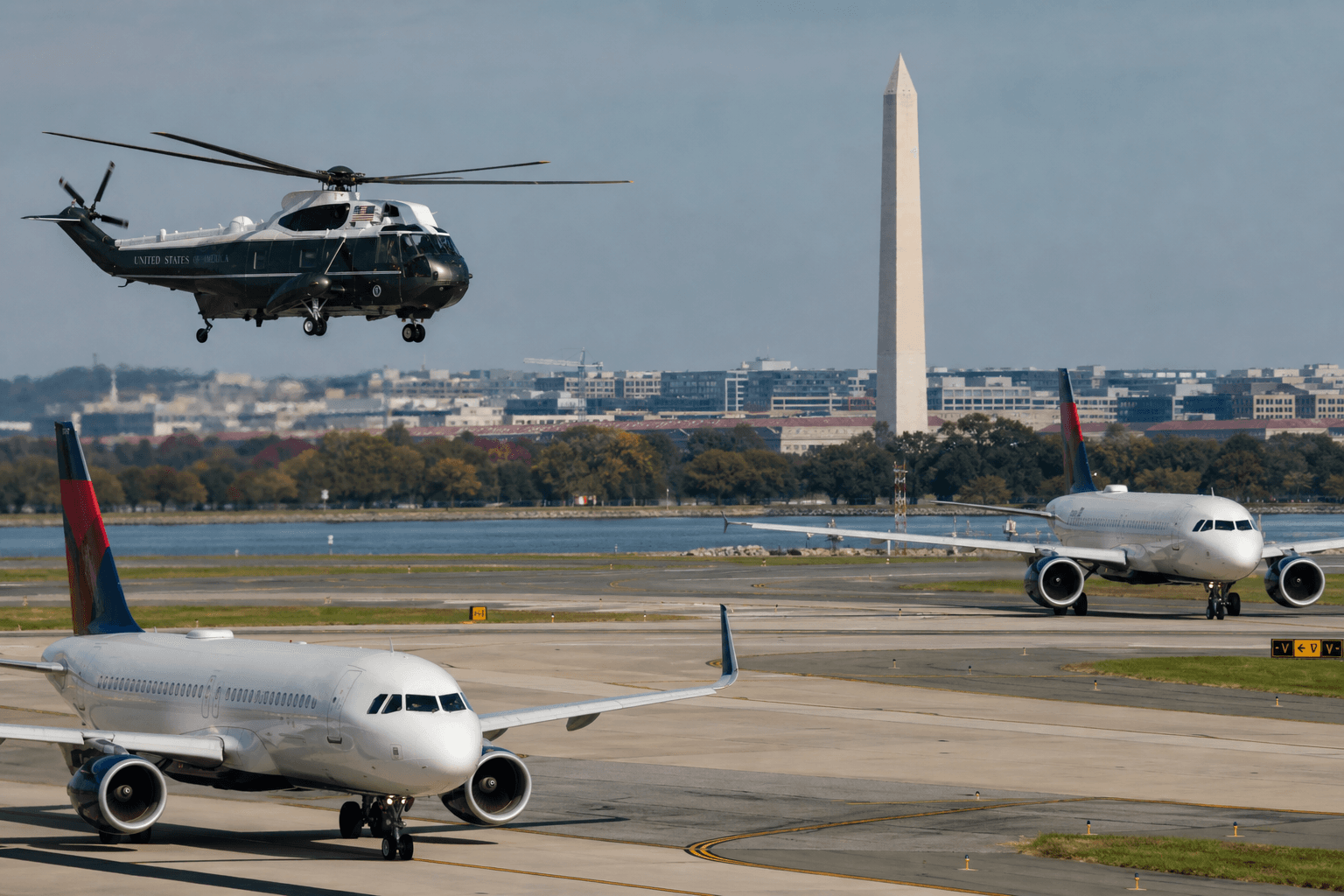
FAA Probes Separation Breach After Marine One and Envoy Air Jet Departured One Minute Apart at DCA
The Federal Aviation Administration ( FAA ) is investigating an incident at Ronald Reagan Washington National Airport (DCA) on Tuesday afternoon, after the presidential helicopter Marine One and a departing regional jet appeared to have lost separation. The helicopter, carrying President Donald Trump, lifted off near the White House at around 2:33 PM local time, just a minute before an Envoy Air Embraer E170 departed from DCA.
Airport Snow Management Roles Key to Keeping Winter Operations Safe and Efficient
Winter weather can cause significant disruptions at airports, including delayed flights, rerouted aircraft, and logistical challenges. Poor weather during the winter months causes countless flight disruptions around the world each year. Effective snow management is therefore critical to ensuring the safety and reliability of airport operations during winter weather. Without proper snow removal, safety hazards such as decreased visibility and slippery surfaces can lead to flight delays, cancellations, and stranded travelers. Airport snow management is a complex and dynamic operation. Teams of workers coordinate efforts including deicing, snow removal, and weather forecasting. The individual jobs can be challenging but are also exciting and rewarding. Here is what you need to know about working in airport snow management. Why Is Snow a Problem at Airports? Snowfall can create many challenges and dangers at airports. Rapid snowfall Sudden and heavy snowfall can pose problems for aircraft. For planes in the air around the airport, rapid changes in visibility and weather conditions create challenges for pilots trying to takeoff, navigate, and land. Quickly changing surface conditions on the ground can also lead to reduced traction during takeoff, landing, and taxiing. READ MORE: World's Most Unusual Pilot Jobs Given the challenges posed by snowfall, it is important for airports to be properly equipped to manage and remove snow rapidly and efficiently. Limited visibility Ongoing snowfall can significantly reduce the visibility at airports. There are certain visibility requirements for aircraft to take off and land at an airport, with the exact figures varying depending on aircraft type, available technology, and the airport. If the weather at an airport prevents planes from taking off and landing, flights will be delayed, diverted, or canceled . Unfortunately, there is very little that can be done to improve visibility during heavy snowfall. However, there is technology like Instrument Landing Systems (ILS) that allows aircraft to operate safely in some reduced visibility conditions. Ground crew safety Not only can snow cause problems for aircraft, but it can also be a hazard for workers as well. Many people at the airport work outdoors, and snowfall can put their safety at risk. For example, limited visibility affects workers on the ground since they need to be able to move around the tarmac and operate specialized equipment. Snowfall can also affect the ability of ground crew to safely and efficiently operate vehicles and equipment. Workers who are exposed to the elements also need to be prepared for the weather, as winter weather can be hazardous to their health and safety. There is an increased risk for slips, falls, and vehicle accidents during snowy and icy weather. Key Components of Airport Snow Management Snow removal Airports have vast surfaces that need to be cleared of snow. Runways, taxiways, and aprons are significantly larger and wider than most roads. As such, airports that receive snow have heavy-duty snow removal vehicles. READ MORE: How to Become an Airframe & Powerplant Technician Snowplows and sweepers move snow off runways and other maneuvering surfaces. Blowers are vehicles that blast snow away. These are sometimes used to clear equipment like airport lighting. Airports also have standard snow-clearing vehicles for areas such as roads and sidewalks on the airport property. Deicing While falling and accumulated snow on the ground can be safety hazards for aircraft, snow and ice on aircraft surfaces can also be extremely dangerous. Aircraft are designed and built to very detailed specifications, and any changes to their shape caused by accumulated ice or snow can affect a plane's performance. During the winter months, aircraft at many airports have to undergo deicing before they can take off. Deicing removes accumulated snow and ice and can also include the application of anti-icing fluid that prevents further buildup. Specialized equipment is used by airports, airlines, and contractors to carry out deicing processes. Forecasting and monitoring Weather forecasts and reports are critical pieces of information for pilots and airports. Government agencies like the National Oceanic and Atmospheric Administration (NOAA), National Weather Service (NWS), and FAA provide weather services for the aviation industry. READ MORE: AMT Jobs Could Be Part of Aviation's Next Hiring Boom Forecasts help pilots and dispatchers plan their flights and make decisions about routing, diversions, and cancellations. Meanwhile, real-time observations aid airports, pilots, and air traffic control (ATC) to make decisions about flying decisions and airport operations. Communication and coordination Since airport snow management is a complex task involving numerous stakeholders, communication and coordination is important. Meteorologists and weather services prepare weather products for airlines and airports. Pilots make important safety decisions in conjunction with their dispatchers and air traffic control. At the airport, snow removal operations have to be coordinated through an operational manager. Individual snow removal vehicle operators must also communicate with each other to effectively carry out their tasks. Airports are also in constant contact with ATC and airlines about changing operational conditions. Jobs in Airport Snow Management There are a variety of ways to work in airport snow management. Snow removal Airport snow removal operations are conducted either directly by airport operators or through third-party contractors. These employers hire workers to operate their snow removal equipment and coordinate operations. At some airports, snow removal is part of the duties of airfield operations staff, which also has other responsibilities like infrastructure maintenance and wildlife management. Deicing Another way to be employed at the airport during the winter months is to work in deicing . Depending on the airport, deicing crews can work for the airport, individual airlines, or deicing companies. Deicing workers apply fluids to aircraft to ensure they are safe to fly. Airport operations management Airports that receive snow consistently plan extensively for winter weather operations. Management personnel and airport planners play a key role in these preparations. Meteorology and weather forecasting Although these jobs are not exclusively related to snow, meteorologists and other weather forecasting staff also play a key role in the aviation industry. These positions often require specialized education. FAQ How do you find jobs in airport snow management? Most job postings are now available online. For some snow management roles, you may need to enter the field in a more generalized way before working directly with winter weather operations. This can be the case in areas such as meteorology and airport management. Some jobs in airport snow management—particularly operational ones like deicing—may be seasonal in nature. What skills and requirements are needed to work in airport snow management? The answer depends on the type of job that you are seeking. Positions in snow removal and deicing typically require a high school diploma, a valid driver's license, and a willingness to work during evenings, overnight, and on weekends. Heavy equipment experience is also an asset. Meanwhile, jobs in specialized fields like meteorology usually require a relevant degree. What is the pay for airport snow management workers? Again, this will depend on the job. Snow removal and deicing crews are typically paid hourly, with rates generally ranging from $15 to $25. Airport planners and management personnel can earn anywhere from $50,000 to upward of $200,000 per year. Meanwhile, meteorologists make an average of around $97,000 annually.
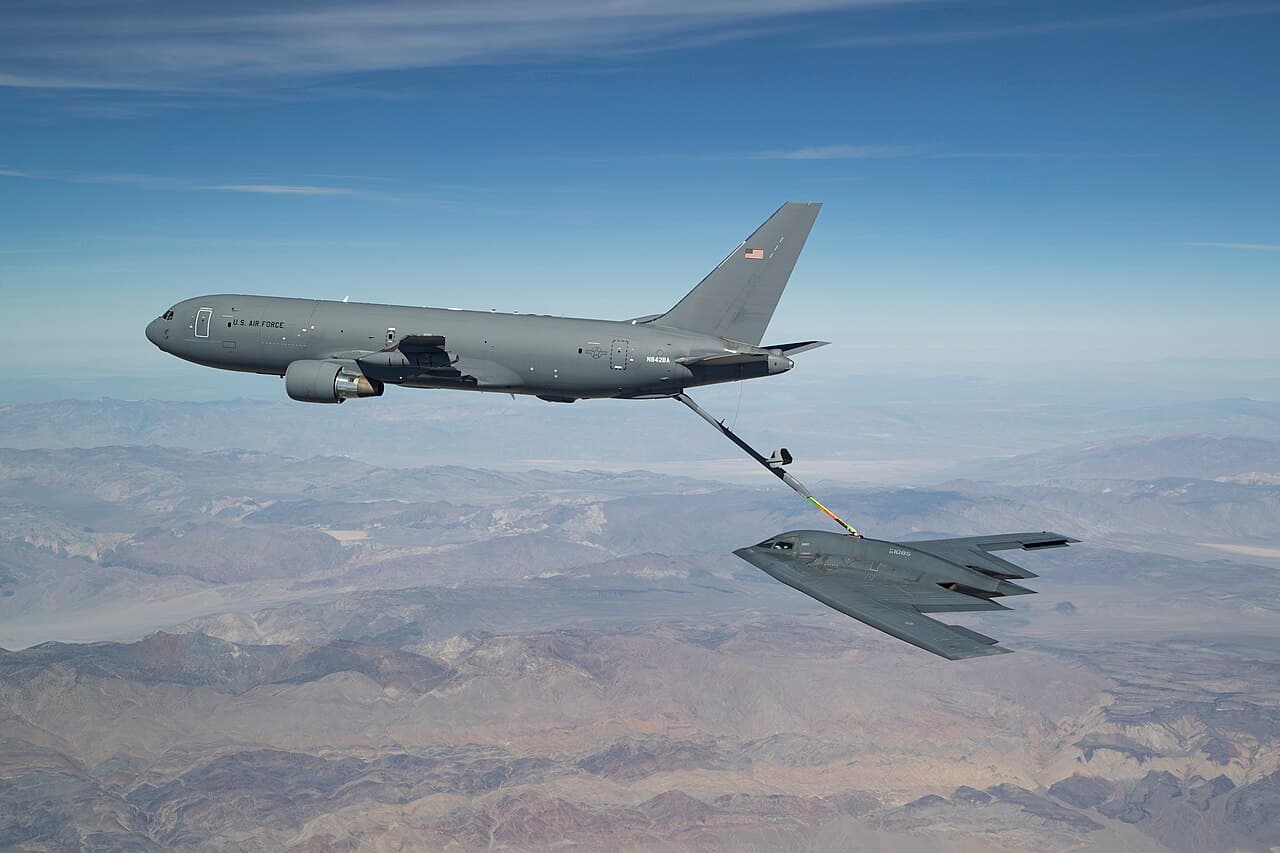
US Air Force's KC-46 Pegasus tackles aging KC-135 refueler challenges amidst technical hurdles
Many of the US Air Force's refueling wings are still flying the KC-135 Stratotanker, which was made in the Eisenhower era and is rapidly approaching an average age of 70. Recent midair mishaps and structural wear have made the KC-135 increasingly dangerous to operate. Yet its replacement, the Boeing KC-46 Pegasus, is highly controversial because it has suffered from severe design flaws, multi-billion-dollar cost overruns, and critical safety hazards.
The Daily Touch & Go
The day's best aviation news in your inbox. Free, no spam.