

Image: Kevin Dooley · CC BY 2.0 · via Wikimedia Commons
American Airlines misjudged market dynamics and slot strategies in NY, LA, Chicago leading to decline
Missteps in cost focus, premium product reduction, and slot management contributed to American Airlines losing dominance in key hubs like New York, Los Angeles, and Chicago.
The gist
American Airlines’ focus on cost-cutting over premium experience and slot mismanagement led to lost dominance in major US hubs.
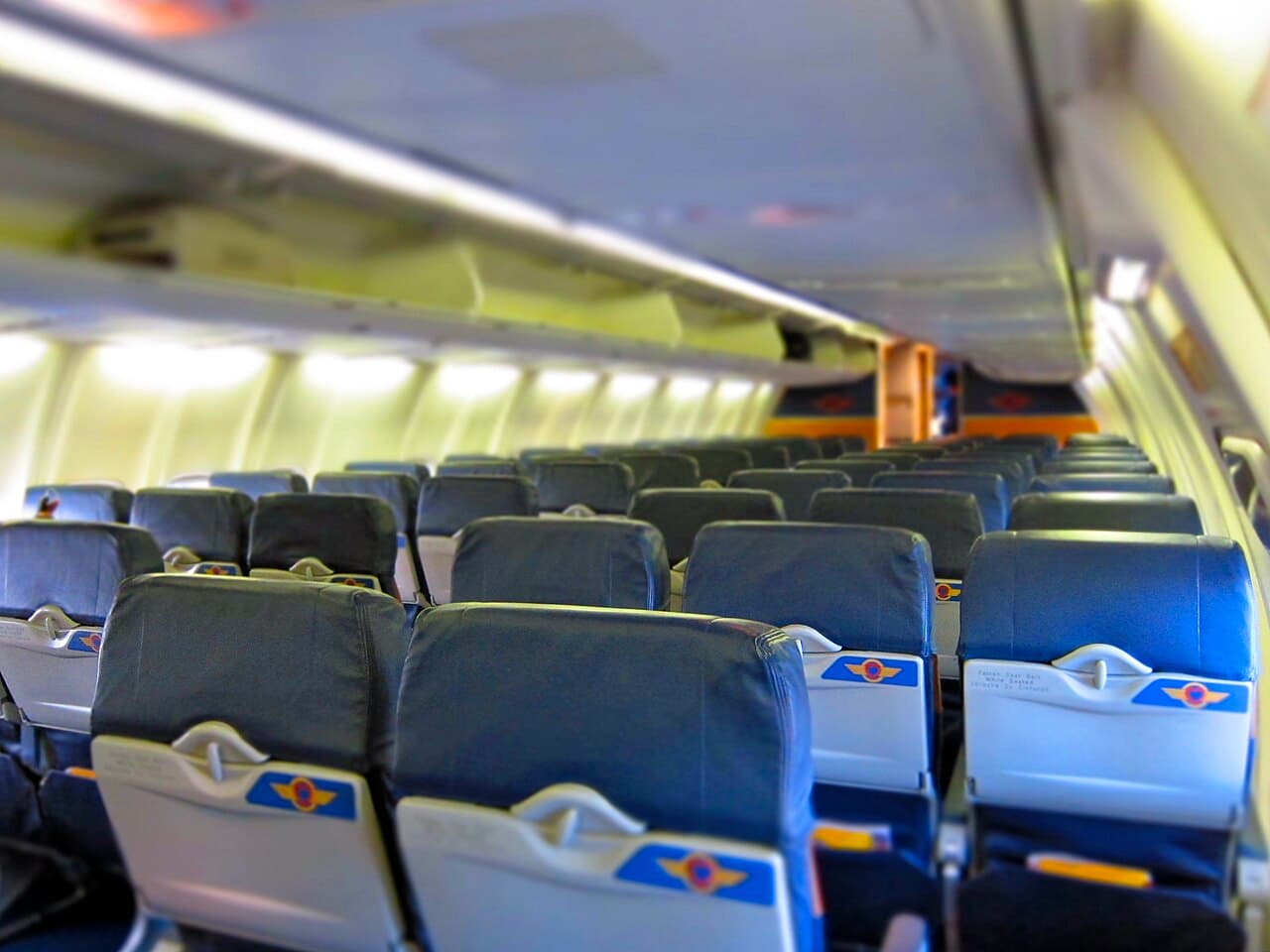
American Airlines’ decline in premier US markets such as New York, Los Angeles, and Chicago traces back more than a decade to fundamental strategic errors made after the US Airways merger. The airline misread its competitive landscape by positioning itself to compete with ultra-low-cost carriers like Spirit and Frontier, neglecting the premium passenger segment that drives a significant share of airline profits. Rather than maintaining and investing in business class and extra legroom seats that its rivals Delta and United successfully leverage for revenue, American focused on removing these seats to cram more economy passengers aboard, undermining its ability to command a fare premium needed to offset its relatively high operating costs.
This cost-cutting mindset intensified following Robert Isom’s 2022 appointment as CEO, whose initial directive to staff was to avoid spending any unnecessary money. This philosophy echoed his 2018 vision of molding American into a carrier akin to Spirit or Frontier, prioritizing low-cost, no-frills travel over product differentiation. However, this ran counter to shifts in passenger preferences, as travelers increasingly seek value beyond price, including service quality, schedule convenience, and premium amenities.
A critical source of American’s profitability has historically come from its AAdvantage cobranded credit cards, which generated exceptionally high margins—reported as around 53%. This revenue stream is tightly linked to customer loyalty and flight schedules that accommodate premium frequent flyers who use the cards. However, American failed to recognize or properly attribute the revenue contribution from cobranded cards to the flights those cardholders actually used, weakening incentives to cultivate a desirable network and premium service offering. This accounting blind spot contributed to a decline in credit card charge volume from first to third place among US carriers over the past decade.
At New York JFK, American’s strategic errors compounded as the airline focused on cutting unprofitable flights instead of maintaining a schedule relevant to typical New York travelers. Having relinquished a broad New York market approach, US Airways management post-merger concentrated on transient passengers rather than local travelers, greatly diminishing American’s footprint and customer relevance. The airline made several attempts to rebuild at JFK, including partnerships with JetBlue and expanded mainline and regional services, but none established a sustainable feeder hub to reverse the erosion of influence.
Slot controls at JFK further complicated expansion prospects. While American currently holds 215 takeoff and landing authorizations compared with 337 for JetBlue and 427 for Delta, its daily departures have dropped considerably from an estimated 146 in July 2000, a number reduced partly due to tighter slot regulations implemented between 2007 and 2008. Meanwhile, at nearby LaGuardia, American retains a strong presence as the second-largest operator with 327 slots, yet its inability to scale similarly at JFK limits its competitive stance in the greater New York market.
American’s retreat in New York was mirrored at Chicago and Los Angeles, where similar strategic miscalculations diminished its network relevance and premium appeal. Further erosions occurred through slot trades and regulatory requirements; notably, American ceded many LaGuardia slots to Delta as part of US Airways’ prior asset swaps and had to divest additional slots to competitors post-merger. A lapse in slot management was highlighted by the FAA in 2019, when American relinquished several underutilized JFK slots acquired from US Airways, signaling operational oversights.
Delta’s growth in New York, especially at LaGuardia, was bolstered by savvy slot acquisitions since 2011, notably obtaining added LaGuardia pairs in exchange for Washington National slots and cash. These moves enhanced Delta’s dominance relative to American’s diminished share. American’s attempts to regain New York stature through alliances such as the Northeast Alliance with JetBlue were stymied by antitrust interventions from the Biden administration, constraining options for collaborative growth in the region.
This series of missteps reveals that American underestimated how critical a compelling schedule, premium product offering, and meticulous slot management are to securing frequent flyer loyalty and valuable credit card revenue. The airline’s current position reflects years of strategic choices prioritizing short-term cost savings over network relevance and premium customer acquisition. To reclaim market share in key hubs, American must reconsider its product and scheduling strategies, particularly in competitive and slot-restricted airports like New York JFK.
Frequently asked questions
- Why did American Airlines lose market dominance in New York, Los Angeles, and Chicago?
- American Airlines focused on cutting costs by removing premium seats and failed to maintain schedules relevant to frequent flyers, losing market relevance and valuable credit card revenue in these hubs.
- How did slot management impact American Airlines’ operations at New York JFK?
- Tighter FAA slot controls and American’s failure to effectively use and maintain slots, including surrendering some, restricted expansion and market presence at JFK compared to competitors like Delta and JetBlue.
- What role did cobranded credit card revenue play in American Airlines’ strategic mistakes?
- American underestimated how cobranded credit card revenue depends on a relevant schedule and premium service that attracts cardmembers; misattributing this revenue weakened incentives to maintain important flights and products.
Read more
All Airlines →
Global airlines announce fleet expansion and new routes in August 2026
Top airline news stories for August 11, 2026 (click the link for the full details): airBaltic to reorganize Breeze Airways expands internationally Trinitiy Airways is born Pegasus Airlines expands in Europe with a major acquisition Riyadh Air expands in Asia American Airlines restores a seasonal route to South America Volaris adds 8 new routes
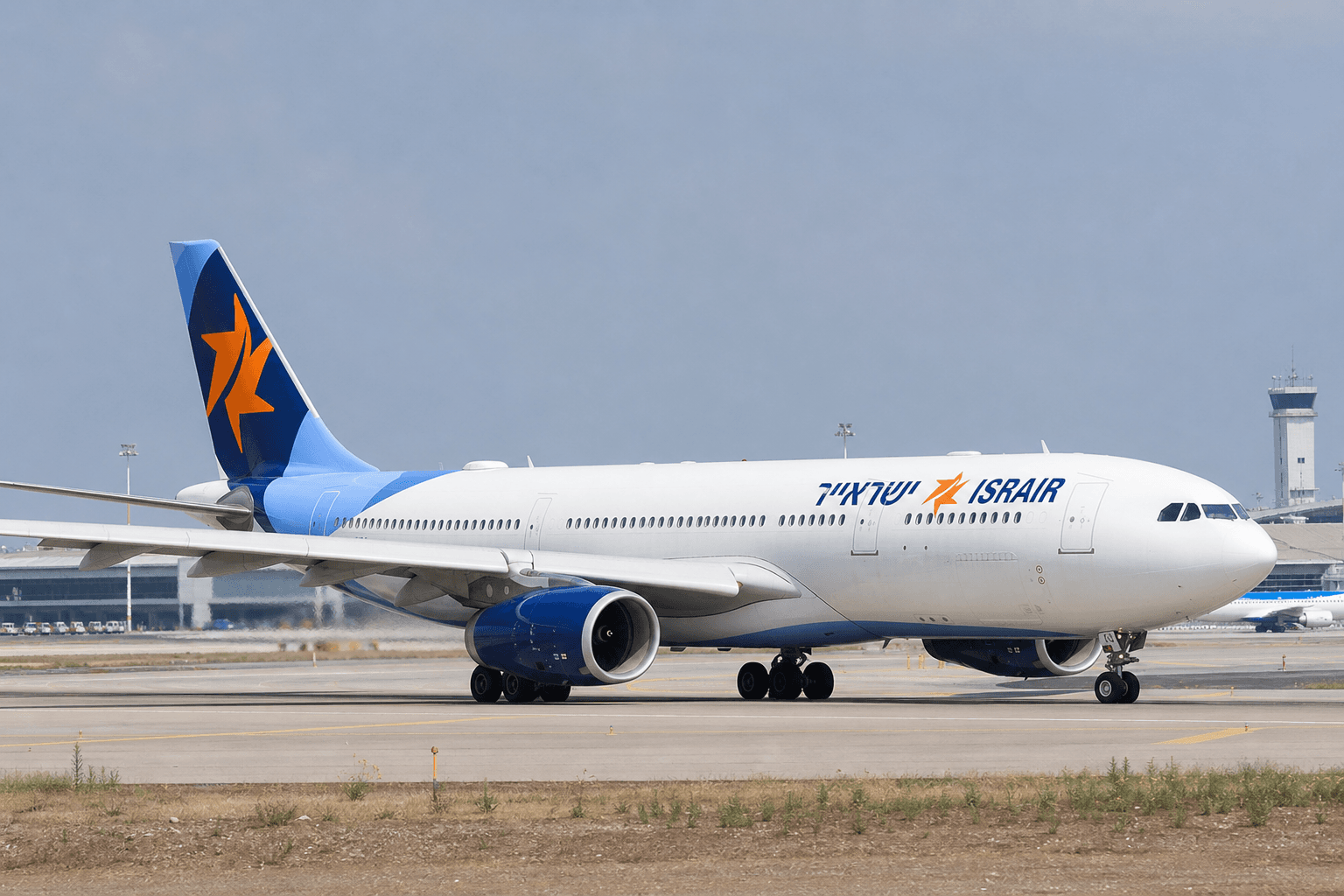
Israir revives ex-American Airlines A330s for upcoming New York-Tel Aviv flights
American Airlines retired its relatively young Airbus A330-200s during the pandemic, leaving itself short of long-haul aircraft just as international demand returned. Now two of those ex-American jets belong to Israir, which plans to use them for Tel Aviv–New York service — potentially bringing American's old planes back to a market American itself still has not resumed.
American Airlines AI System Automatically Removes Passengers from Flights Ahead of Connections
American Airlines' automated rebooking system keeps removing passengers from flights when it predicts they will miss a connection, even when they still make it to the gate in time. The result is that seats get released to someone else, passengers are turned away from flights they could have boarded, and American may owe involuntary denied boarding compensation when its algorithm gets it wrong.
Delta Pilots End Scheduling Talks, Complicating Efforts to Fix Rising Flight Cancellations
Delta's summer cancellation problem may not get fixed quickly after pilot scheduling talks broke down and the union voted to return to traditional contract negotiations. Delta canceled nearly 3% of its flights in July, worse than American and United and more than twice Southwest's rate, and the pilot scheduling issues that management itself identified are now likely to become part of a broader contract fight.
The Daily Touch & Go
The day's best aviation news in your inbox. Free, no spam.