


Image: Wwt2112 at English Wikipedia · Public domain · via Wikimedia Commons
US Citizen Detained by ICE at Delta Gate Due to Mistaken Identity
John Phillips, a US citizen, was detained and handcuffed by ICE agents during boarding on a Delta flight due to a mix-up with a British man sharing his name and birthday.
The gist
ICE mistakenly detained a US citizen at the gate during Delta flight boarding, confusing him with a British man holding the same name and birthdate.
Continuing coverage
All Delta Air Lines →- Delta Pilots End Scheduling Talks, Complicating Efforts to Fix Rising Flight Cancellations
- Delta to Launch Nonstop Austin-Paris Flight in Summer 2027 Alongside Austin-San Diego Service
- Delta Flight from Las Vegas Faces Inflight Wi-Fi Scam After DEF CON
- Delta Flight 2204 Returns to Atlanta After Cockpit Fumes, Evacuates Passengers Safely
- Delta Boeing 757 evacuated via slides after smoke reported in cockpit at Atlanta
On August 9, 2026, John Phillips, a US citizen traveling on Delta Air Lines flight 466 from Atlanta to Las Vegas, was detained by US Immigration and Customs Enforcement (ICE) agents at the gate for mistaken identity. Phillips had completed check-in through Delta’s app, possessed a known traveler number, cleared TSA touchless security, and held a confirmed coach seat. Despite a technical glitch relating to a potential upgrade, boarding proceeded as normal until three men, including one displaying an ICE badge, confronted Phillips as he approached the aircraft.
The ICE agents swiftly restrained Phillips by forcing him against a wall and handcuffing him. They confiscated his backpack and asked extensive personal questions, including his birthplace and hospital of birth. Phillips explained he was a Missouri native traveling domestically and did not have his passport with him. Due to his cuffed hands, agents retrieved his Georgia driver’s license and wallet from his pockets. They then demanded he unlock his phone, tapping its screen and using Face ID to access it.
ICE later clarified they were seeking a British man sharing Phillips’ name and birthdate, prompting the confusion. Phillips was released in time to board the flight and depart as scheduled. The incident unfolded in front of approximately eight passengers already aboard the plane. Delta Air Lines emphasized that its employees do not direct law enforcement activities, maintaining their role is strictly to ensure safe flight operations. The airline stated it treats customers respectfully and is conducting an internal review while attempting to contact Phillips.
Phillips expressed dissatisfaction with Delta, alleging the airline 'set [him] up' by asking him to board last and never confirming if ICE requested this. ICE defended the operation as a targeted action based on investigative leads, asserting they act professionally, legally, and with safeguards, especially minimizing disruption and protecting individual privacy. The agency declined to discuss specifics related to the ongoing investigation or those not taken into custody.
The incident highlights ICE’s increased use of passenger name record (PNR) data provided by the Transportation Security Administration (TSA) through their data sharing agreement to facilitate enforcement actions. From January 2025 to February 2026, ICE received over 31,000 PNRs resulting in more than 800 arrests. Utilizing this data enables agents to anticipate passenger identities and travel movements, making airports prime locations for enforcement operations.
However, this approach has also led to notable concerns regarding civil liberties. During the first nine months of 2025 alone, over 170 US citizens were reportedly detained by immigration officials, indicating that such encounters, although still infrequent relative to total travel volume, are not isolated occurrences. Critics argue that mistaken identity detentions, particularly involving citizens, raise serious questions about the impact of aggressive immigration enforcement tactics on constitutional rights.
The broader implications touch on the repurposing of security data originally collected for airport safety being used for law enforcement surveillance, which can rattle public trust in commercial aviation and government practices. In this case and others, the use of force or threat has preceded thorough verification, occasionally triggering public outcry. Both government and airline statements tend to downplay these confrontations, framing them as necessary for safety and national security while facing critiques about accountability and safeguards.
As ICE and airlines continue utilizing advanced identification and data sharing, the balance between security enforcement and protection of travelers’ rights remains contentious. This episode reflects the challenges arising from increasingly militarized immigration enforcement at airports, underscoring tensions between operational imperatives and civil liberties within the aviation context.
Frequently asked questions
- Why was John Phillips detained by ICE at the airport gate?
- ICE agents detained John Phillips because they were searching for a British man who had the same name and birthdate as him, leading to mistaken identity.
- Did the detention prevent John Phillips from boarding his Delta flight?
- No, Phillips was released after the identity check and was able to board flight 466 on time.
- How does ICE obtain passenger information for such enforcement actions?
- ICE receives Passenger Name Record data from the TSA under a data sharing agreement, which includes passenger identities and flight details used in targeted enforcement operations.
Read more
All Airports →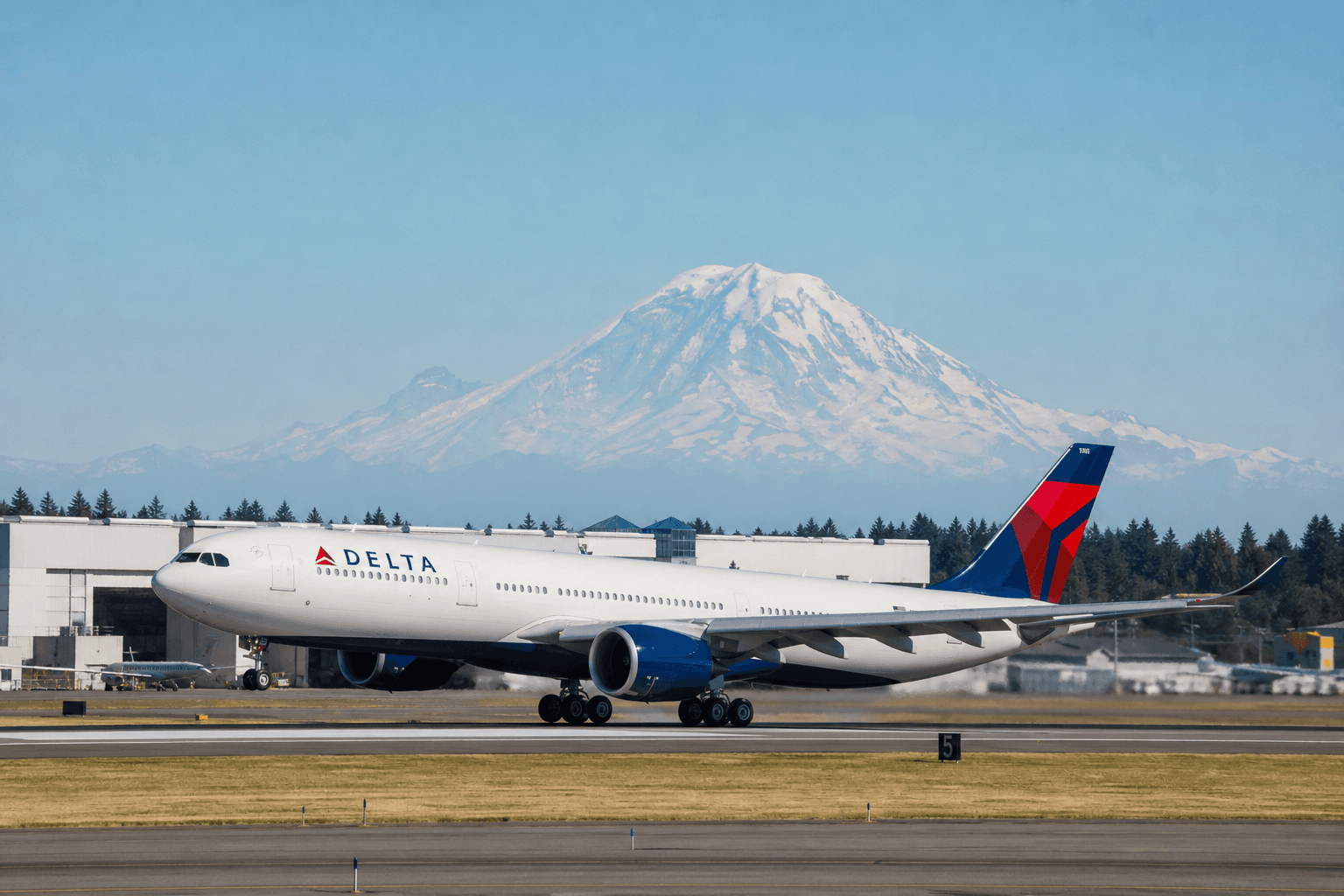
Delta Resumes Seattle-Narita Flights to Rival Alaska's Tokyo Expansion
Alaska Airlines, fresh off a merger with Hawaiian, is depending on long-haul flying for its gowth. Delta Air Lines plans to resume service between Seattle and Tokyo's Narita airport, putting it in direct competition with Alaska Airlines on a route critical to its post-merger growth plans. The Atlanta-based carrier stopped flights between the two airports in 2020, serving only Tokyo's Haneda airport from Seattle as well as from Atlanta, Detroit, and Minneapolis in the subsequent years. The returning daily, non-stop service will start in March using Airbus A330-900neo aircraft. "Japan is one of the most important and popular markets in Delta’s global network," says Delta vice-president of network planning, Jeff Arinder. "By launching flights to both Haneda and Narita airports, we will increase access to Tokyo and expand our seating capacity." Long-haul flying from Seattle is key to Alaska's strategy after acquiring Hawaiian Airlines in 2024 and will account for all of its growth in the second half of 2026, executives say. Flights to Tokyo on Hawaiian's former fleet were the first to launch by the combined carrier in 2025. "On the Incheon and Narita markets, what I’m seeing is year-over-year, significantly higher booked load factors," Alaska executive vice-president and chief commercial officer Andrew Harrison said on the company's earnings call in July. Once the route resumes, Delta will offer three daily departures to Tokyo: one to Narita and two to Haneda, which could present significant pressure on Alaska.
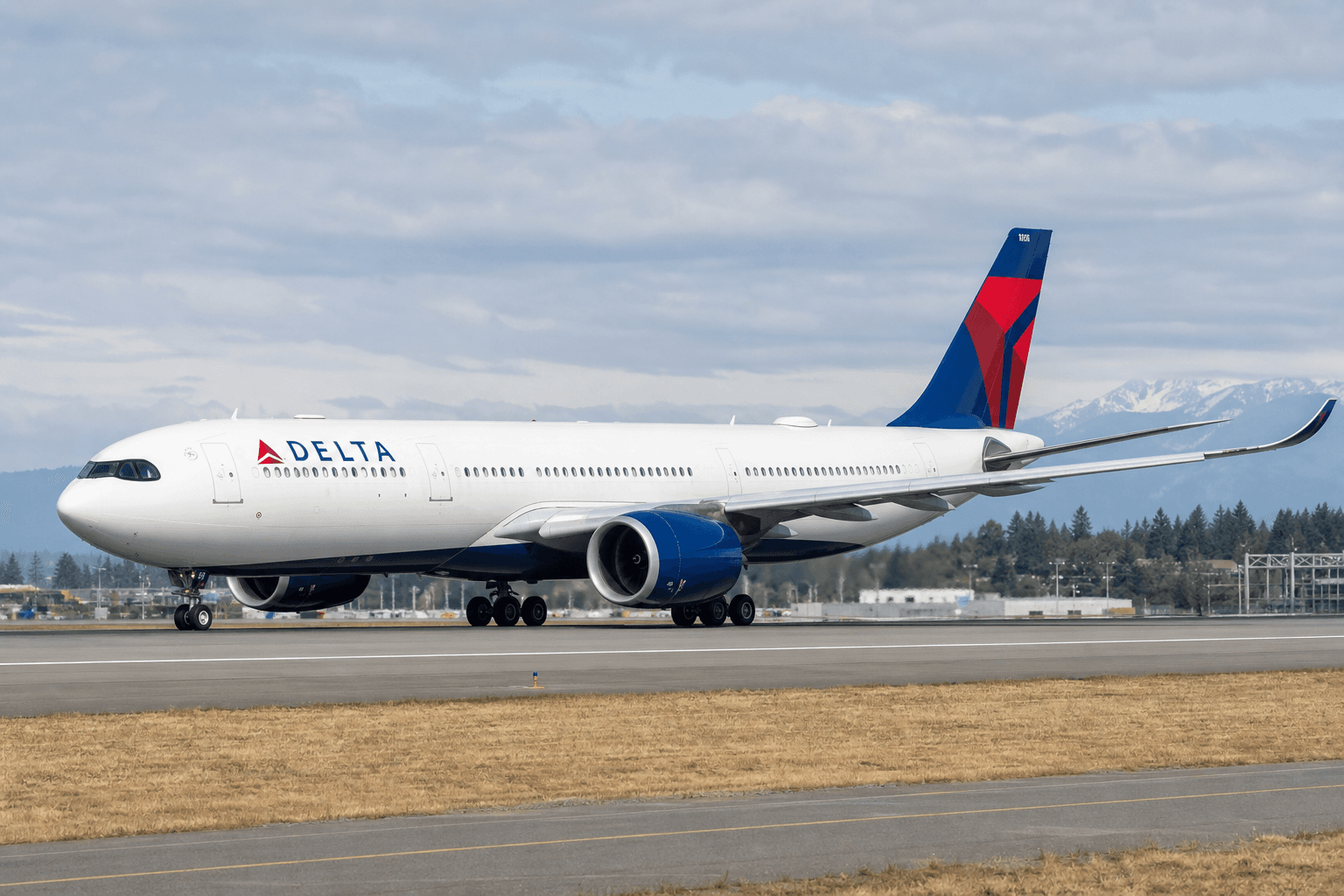
Delta Air Lines to Resume Seattle-Tokyo Narita Service in 2027, Challenging Alaska Airlines
Atlanta-based Delta Air Lines is planning to expand its transpacific network from Seattle with the return of nonstop flights to and from Tokyo Narita after a seven-year break. The reinstated service will directly compete with Alaska Airlines – its main contender in the Pacific Northwest.
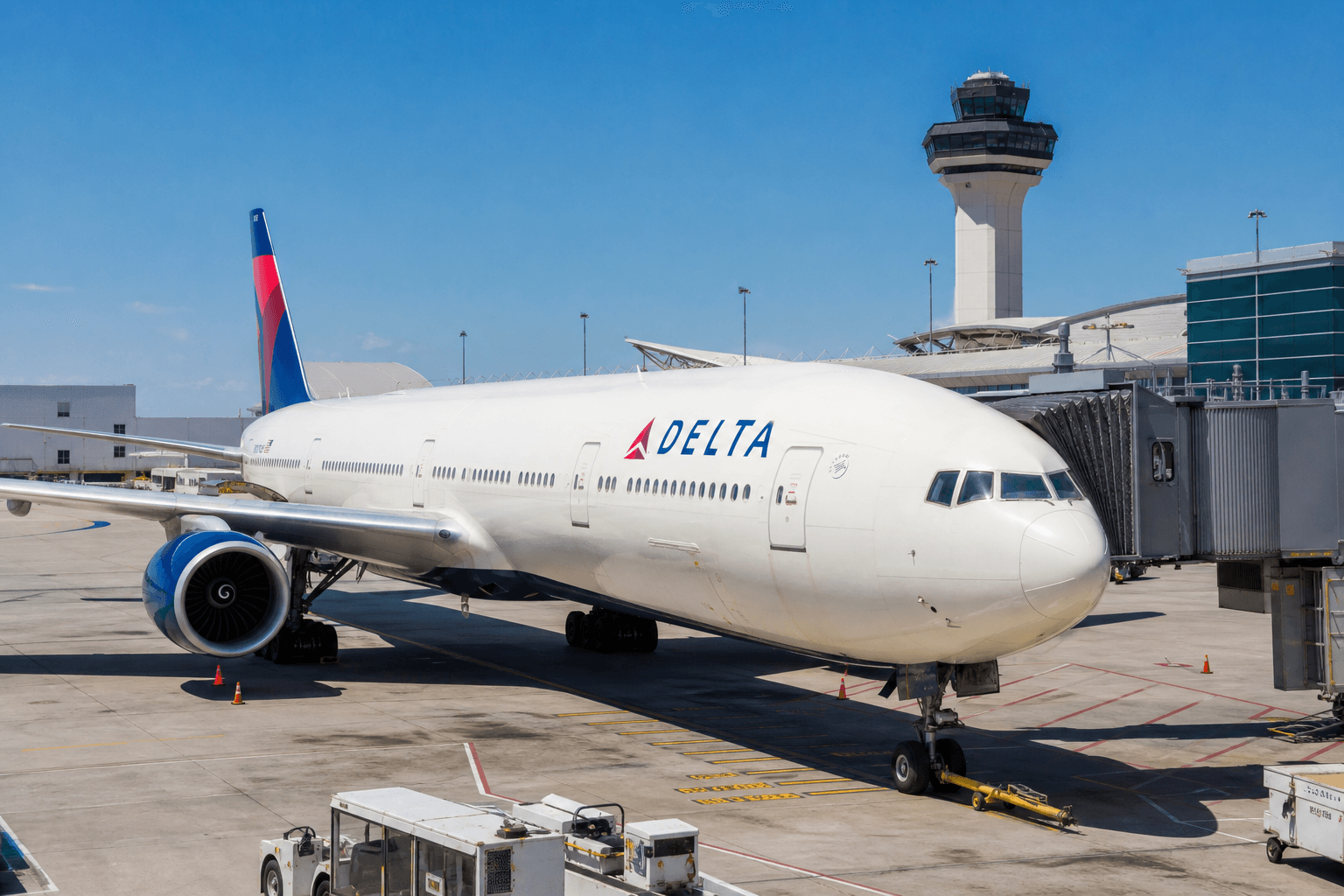
Delta Air Lines Set to Announce New Austin International Route Likely to Paris in August
Delta is expected to announce new Austin service on August 13, and the long-rumored Austin–Paris nonstop for summer 2027 appears increasingly likely. The route would fit Delta's broader Austin strategy: build long-haul service, add major lounge capacity, grow into the airport's second-largest carrier, and use a lucrative expansion market to drive deeper Amex card engagement.
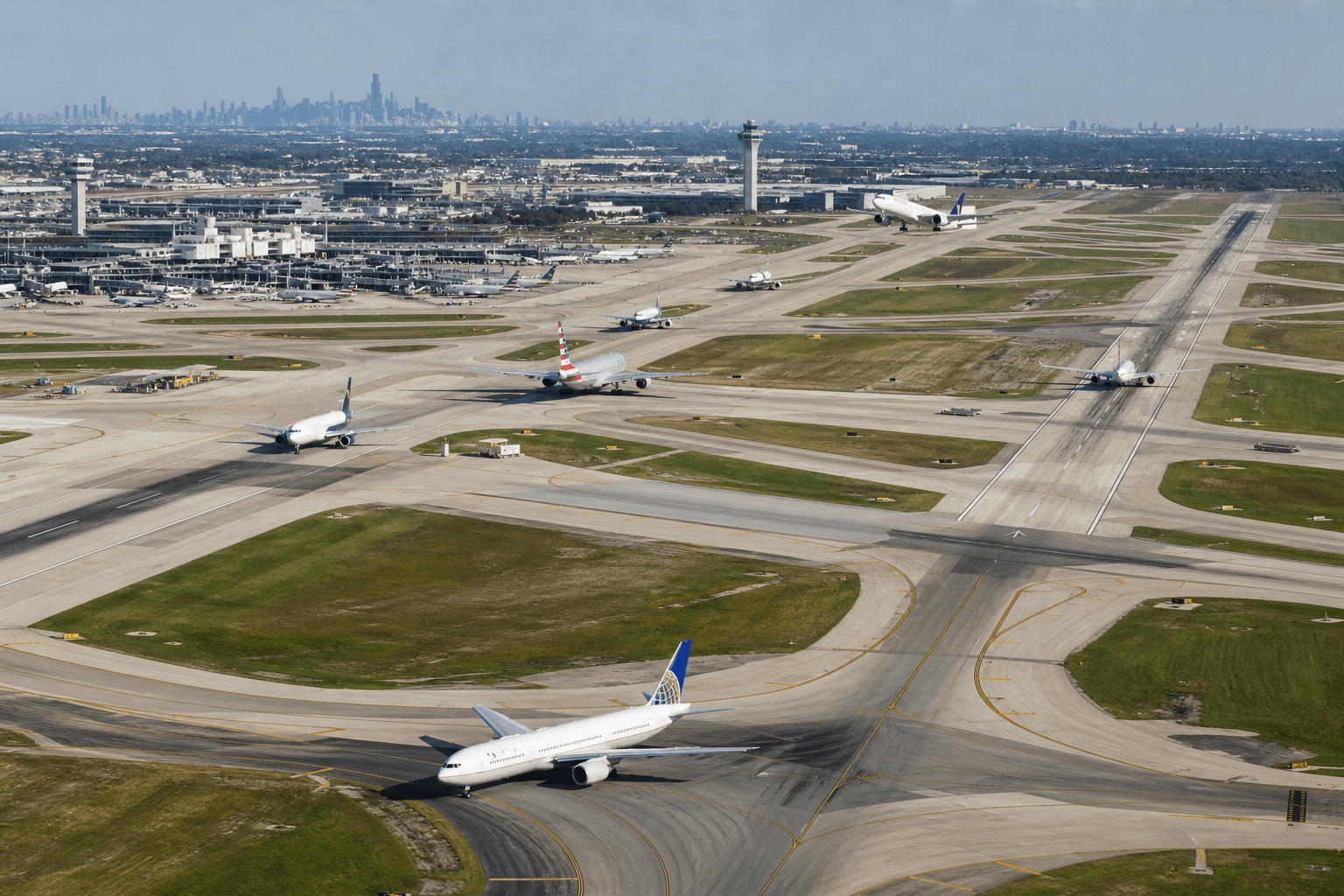
Chicago O'Hare Tops North America in Flight Movements, Atlanta Leads in Seat Capacity
Just like airlines around the world, airports are also extremely competitive when it comes to being the best, the largest, the busiest, and more, and this article looks at which airport is the busiest in the North American region. Since there are multiple metrics that can be used to determine what makes an airport the busiest, this article will look at the busiest airport in North America in terms of capacity and number of flights available.
The Daily Touch & Go
The day's best aviation news in your inbox. Free, no spam.