

Illustration: The Touch & Go
VK-800 engine begins 150-hour endurance tests for Russia's LMS-901 Baikal and other light aircraft
UZGA starts endurance testing of VK-800 engine variants powering the LMS-901 Baikal, LMS-192 Osvey, and UTS-800 trainer, progressing Russian utility and regional aviation development.
The gist
Russia’s VK-800 engine starts durability tests, powering three new utility and training aircraft set for certification by 2029.
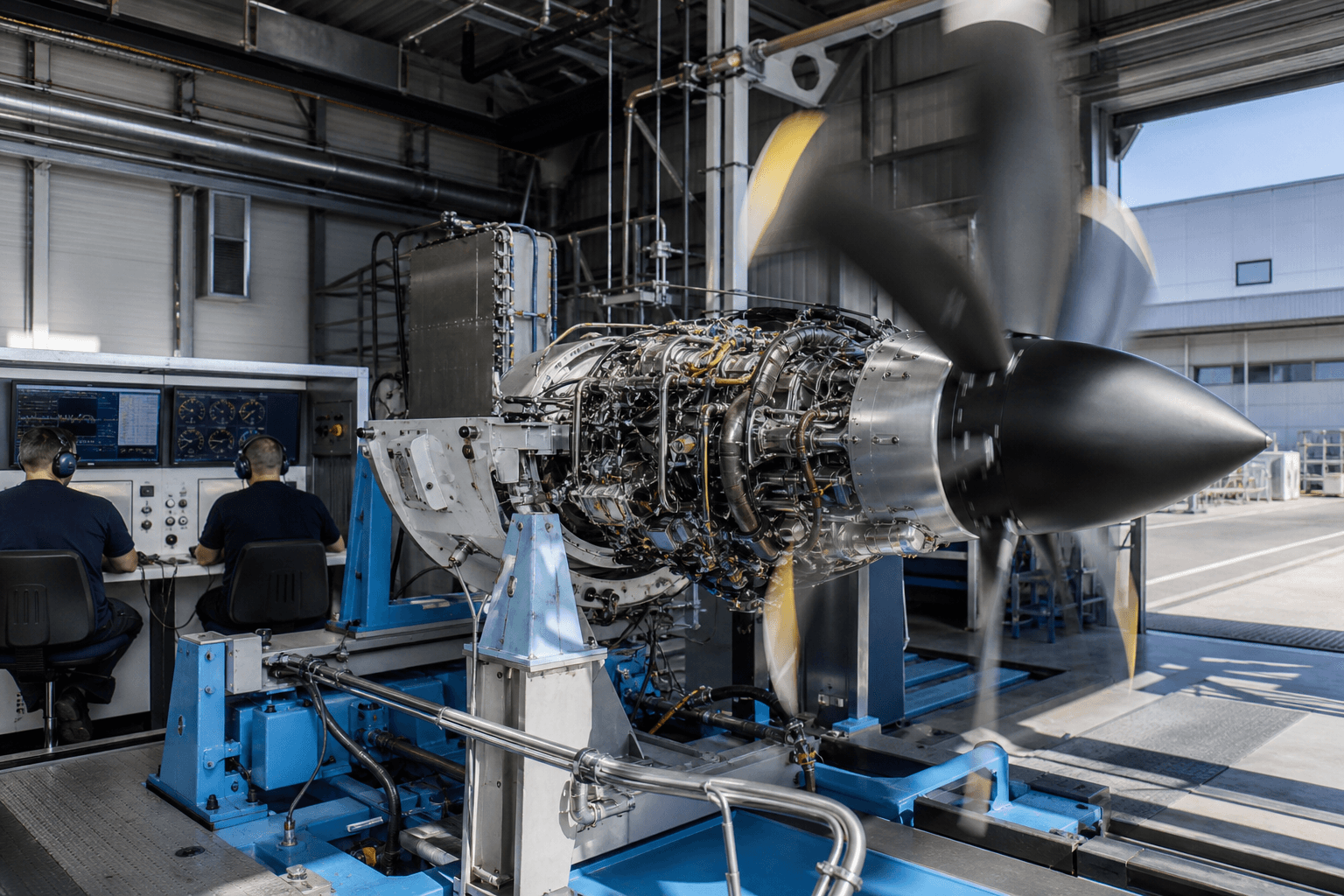
UZGA, a Russian aerospace company, has commenced endurance testing of its VK-800 engine, marking a significant step toward powering several domestic utility and training aircraft. The VK-800 is undergoing a 150-hour continuous run on a dedicated ground test rig, aimed at verifying its reliability and stability under maximum operating conditions. This testing phase is crucial for validating the engine’s readiness for upcoming flight demonstrations and eventual certification.
The VK-800 engine family includes variants tailored for different aircraft models. The VK-800SM is designed for the LMS-901 Baikal, a versatile utility aircraft intended to modernize and replace older types like the Antonov An-2. For the LMS-192 Osvey, a twin-engined regional transport developed in collaboration with Belarus, the VK-800S1 variant will be used. Additionally, the VK-800SP variant will power the UTS-800, a light trainer aircraft featuring modern technologies such as composite structures and a glass cockpit.
UZGA revealed details of the engine at the Innoprom industrial exhibition held in Ekaterinburg beginning 6 July, aligning the start of endurance testing with the event. The engine produces between 806 and 877 horsepower, reflecting a power output suitable for light and regional aircraft roles. The company emphasized that tests are taking place under maximum operational loads to ensure comprehensive assessment of engine durability and fault tolerance.
Flight testing for the UTS-800 aircraft, which recently completed ground tests, is anticipated to start soon. This aircraft emphasizes safety and modern design with lightweight ejection seats, highlighting a focus on pilot survivability and advanced avionics in Russian light training aircraft development. The UTS-800 represents a modernization of Russia’s training fleet with new structural materials and cockpit technologies.
During a forum at Innoprom, Dmitry Yadrov, the head of Rosaviatsia, Russia’s federal air transport regulator, provided updates on certification timelines and fleet planning. He expects the LMS-901 Baikal to obtain airworthiness certification in 2027, while the twin-engine LMS-192 Osvey is projected to follow by the end of 2029. These certifications are vital milestones for expanding domestic light and regional aviation fleets.
Domestic demand for these aircraft is significant, with Russian operators reportedly requesting 127 units by 2035. The Baikal, specifically, aims to replace the Soviet-era An-2 biplane, although Yadrov stressed the continued importance of preserving and modernizing the An-2 fleet until a full production replacement is available. This includes recent efforts by the Siberian aviation research institute SibNIA to assume responsibility for its support and upgrades, ensuring ongoing operational capability.
United Aircraft Corporation’s chief, Vadim Badekha, also spoke at the forum, highlighting his company’s readiness to support light aviation projects with industrial capacity and strategic partnerships. The Sokol plant in Nizhny Novgorod is designated as a potential production site that could facilitate large-scale manufacturing of these new aircraft. Badekha acknowledged that ramping up production will require significant investment but confirmed that the necessary infrastructure is in place.
The VK-800 endurance testing represents a vital progression in Russia’s strategic push to modernize its light and regional aircraft fleet with indigenous powerplants. Successful certification and production of the Baikal, Osvey, and UTS-800 will modernize various facets of domestic transportation and training aviation. This effort also aligns with broader industrial goals showcased at Innoprom, underscoring Russia’s commitment to independent aerospace manufacturing and regional connectivity.
As testing continues, the VK-800’s performance data will guide final engine refinements before installation on flight test aircraft. The anticipated certifications in the next few years will validate these new aircraft configurations, enabling Russian operators to phase out older aircraft and improve efficiency and safety in utility, regional transport, and pilot training sectors.
Read more
All Regulatory →
Embraer obtains global certification for upgraded Praetor 500E business jet
The Praetor 500E and its sistership the 600E, revealed by Embraer in February, are updated variants of the company’s original Praetors. Brazilian, European and US regulators have certificated Embraer’s Praetor 500E midsize business jet, a milestone coming one month after those authorities approved its larger Praetor 600E. The models are updated variants of the Brazilian…

FAA Contracts L3Harris to Modernize ADS-B Ground Network Through 2045
L3Harris will modernize more than 700 FAA ground stations used for aircraft position reporting.
Vietjet Seeks Approval to Launch Domestic Flights in Australia with Boeing 737 Fleet
If successful, Vietjet would be the first international operator in almost two decades to launch domestic operations. Low-cost operator Vietjet is reportedly looking to operate domestic flights in Australia. According to a report by the Australian Financial Review, the Vietnamese carrier has applied to regulators for an air operator's certificate, as well as permission to…
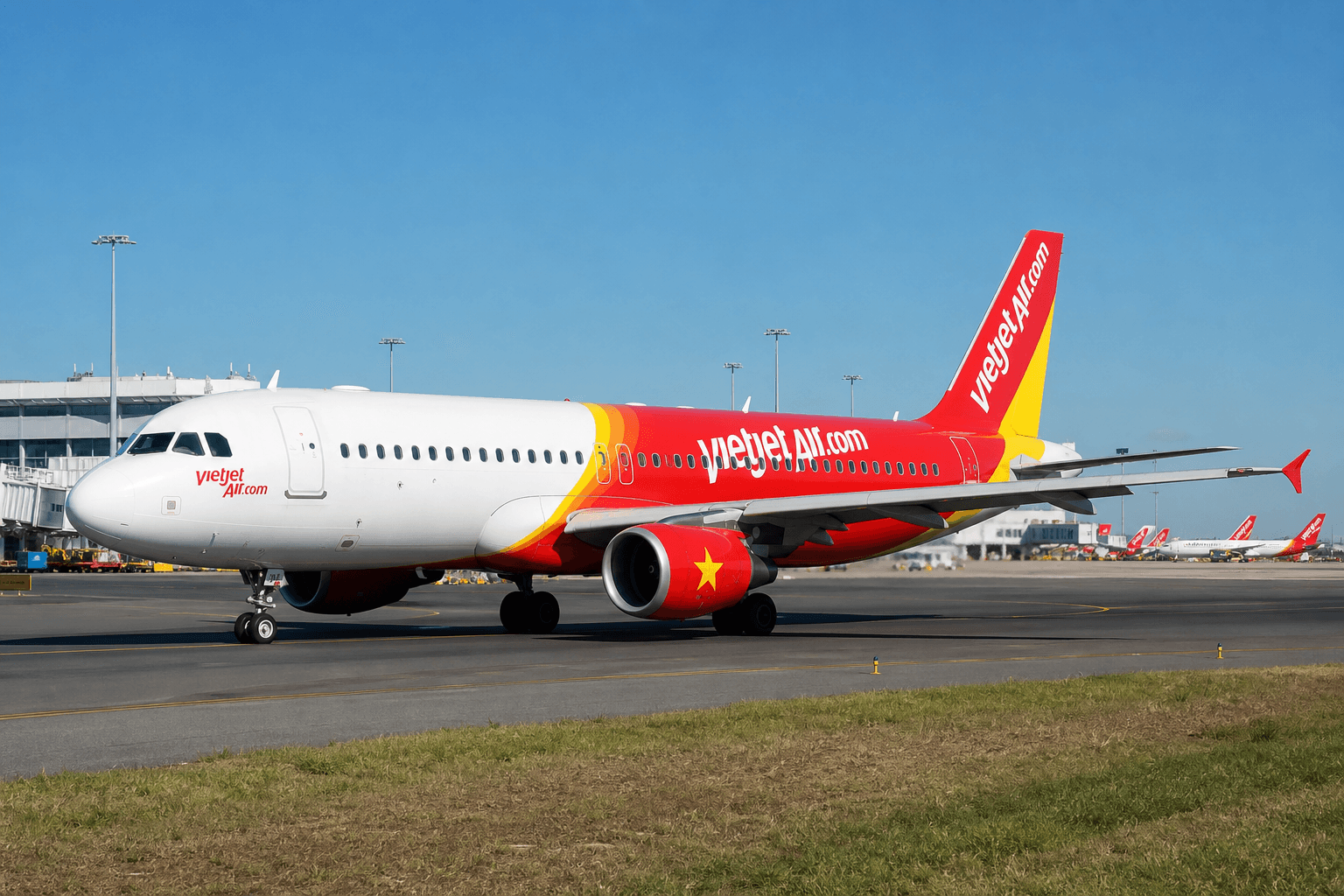
Vietjet Seeks Approval to Launch Domestic Australian Airline with Boeing 737 Fleet
Vietjet Air is seeking regulatory approval to launch a domestic airline operation in Australia, a move that would…
The Daily Touch & Go
The day's best aviation news in your inbox. Free, no spam.