

Illustration: The Touch & Go
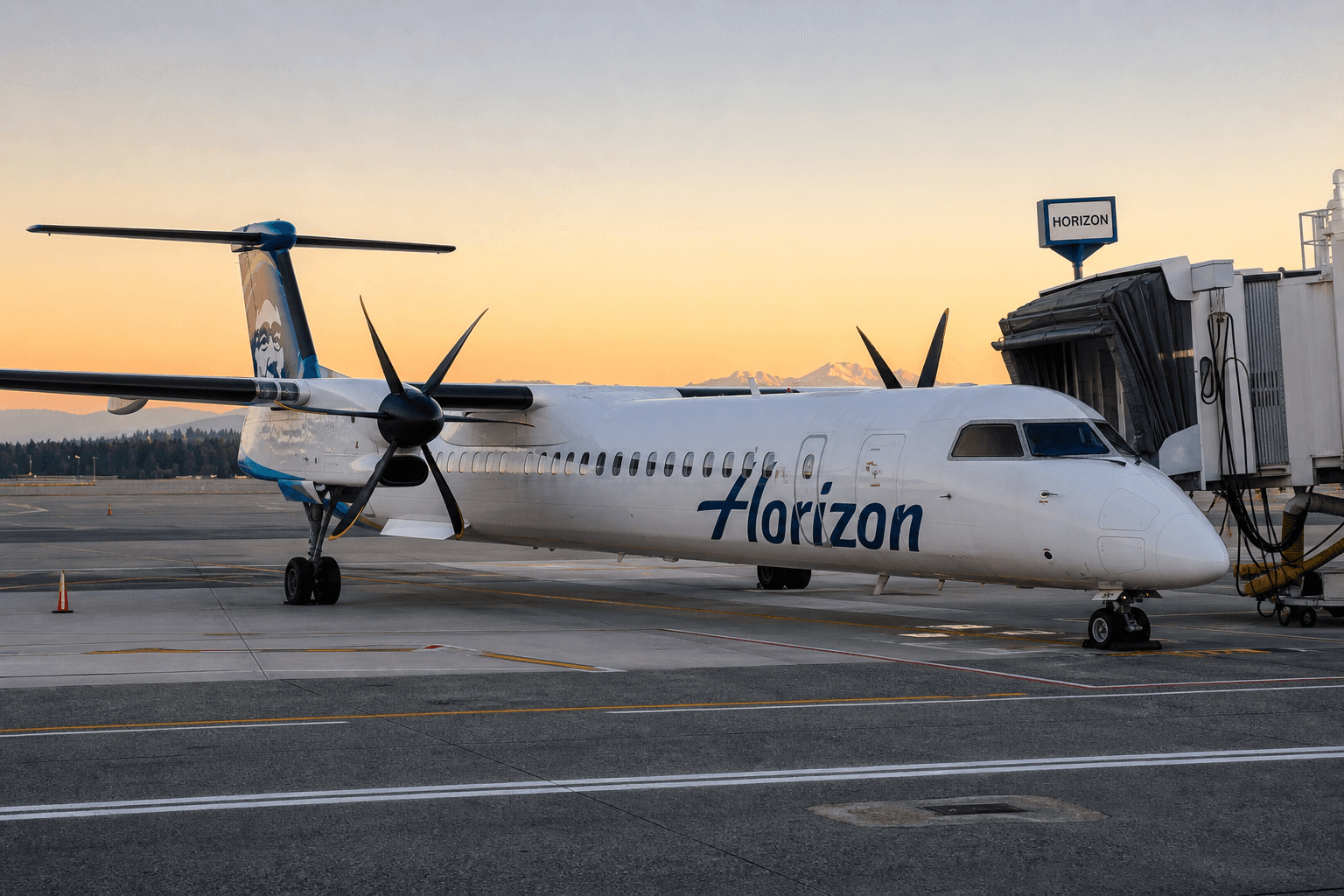
Horizon Air Flight Attendants Authorize Strike Amid Contract Negotiation Deadlock
Horizon Air flight attendants overwhelmingly approved a strike authorization vote in response to stalled contract talks and low economic offers from management.
The gist
Horizon Air flight attendants voted nearly unanimously to authorize strike action amid stalled negotiations over pay and work conditions.
Continuing coverage
All Flight Attendants →- Southwest Must Correctly Inform Flight Attendants on Religious Discrimination Rights
- US Flight Attendant Pay Scales Split Sharply Between Legacy and Regional Airlines
- Lufthansa Signals Shift Toward Collaborative Labor Relations After Years of Strife
- WestJet Flight Attendants Strike Halts All Boeing 737 and 787 Flights in Canada
- JetBlue Offers $5,000 Bonuses to Flight Attendants Amid Severe Staffing Crisis
Flight attendants working for Horizon Air, a regional carrier owned by Alaska Air Group, have taken a significant step toward potential labor action by authorizing a strike. The Association of Flight Attendants-CWA (AFA-CWA), representing about 650 Horizon Air flight attendants, announced that the strike authorization vote passed with an overwhelming 99.8% approval. This decisive result reflects mounting frustration among crew members over prolonged contract negotiations and dissatisfaction with management's wage proposals.
The union characterized the bargaining process as seriously delayed, criticizing Horizon Air management for offering what they described as outrageously low economic proposals. Central to the flight attendants' demands are pay increases that reflect their contributions, improved benefits, and higher compensation for all hours worked, including time spent boarding aircraft. Additionally, they are seeking enhancements to existing work rules, aiming to improve overall working conditions and fairness.
Though the authorization vote permits flight attendants to strike, it does not mean an immediate work stoppage will occur. The union noted that a strike becomes legally possible only when the National Mediation Board (NMB) declares bargaining at an impasse. Following such a determination, the parties enter a mandatory 30-day cooling-off period before any strike can proceed, allowing potential resolution efforts to continue during that time.
The onset of federal mediation in January 2025 underscored the protracted nature of the talks between Horizon Air and its flight attendants. Since then, union leadership has pushed for a contract that addresses what they perceive as long-standing inequities and compensation deficiencies. Lisa Davis Warren, president of AFA-CWA’s Horizon chapter, conveyed the deep commitment of the flight attendants to both the airline and the communities it serves, emphasizing their resolve to secure deserved pay and workplace improvements.
In the event of a strike, the union indicated it would implement a rolling strike strategy. This approach could see disruptions ranging from a single flight to several flights or potentially the entire Horizon Air network, with no advance notice to either management or passengers. Such tactics aim to maximize leverage while complicating airline operational planning and passenger travel arrangements.
Alaska Air Group, the parent company of Horizon Air, acknowledged the strike authorization as a common procedural step within labor negotiations and stated that it does not expect immediate operational disruptions. The company expressed confidence in reaching a negotiated agreement with the union and avoided speculation on potential outcomes. Alongside Horizon Air, Alaska Air Group also owns Alaska Airlines and Hawaiian Airlines, both significant players in the U.S. aviation market.
The move by Horizon Air's flight attendants highlights labor challenges within regional airlines, which have faced intense cost pressures and competition in recent years. Flight attendants argue that the economic proposals offered fall short of fair compensation relative to their workload and safety responsibilities. This discontent mirrors broader industry trends where frontline workers seek improved wages and workplace standards amid evolving airline business models.
Given the critical role flight attendants play in ensuring passenger safety and service quality, any labor disruption could significantly impact the regional schedules feeding into larger hubs operated by Alaska Airlines. Horizon Air's route network is vital for connectivity in the Pacific Northwest and beyond, suggesting that negotiations carry broader operational implications beyond the immediate workforce.
As negotiations persist, the strike authorization underscores the determination of Horizon Air's flight attendants to leverage collective action to achieve their objectives. The coming weeks will likely see intensified mediation efforts under the auspices of the National Mediation Board. The outcome will influence labor relations at Horizon Air and potentially set precedents for similar bargaining units in the sector.
Read more
All Airlines →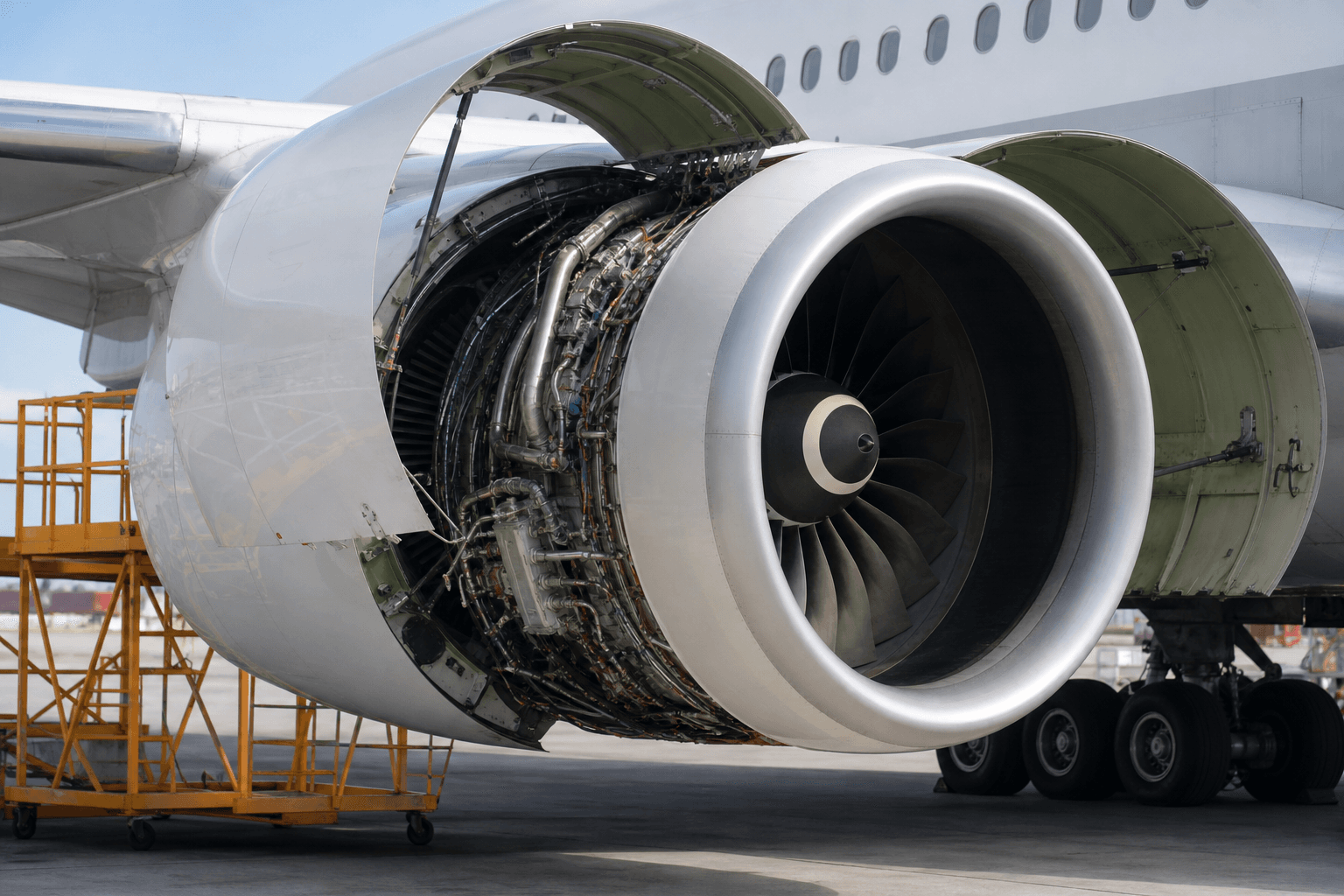
Rolls-Royce and GE Engine Designs Diverge Amid Widebody Market Duopoly
GE Aerospace and Rolls-Royce (RR) currently dominate the large widebody engine market , although RR also wants to challenge GE once again in the massive narrowbody engine market. These are two of the largest Original Engine Manufacturer giants in the commercial sector, along with Pratt & Whitney and Safran.
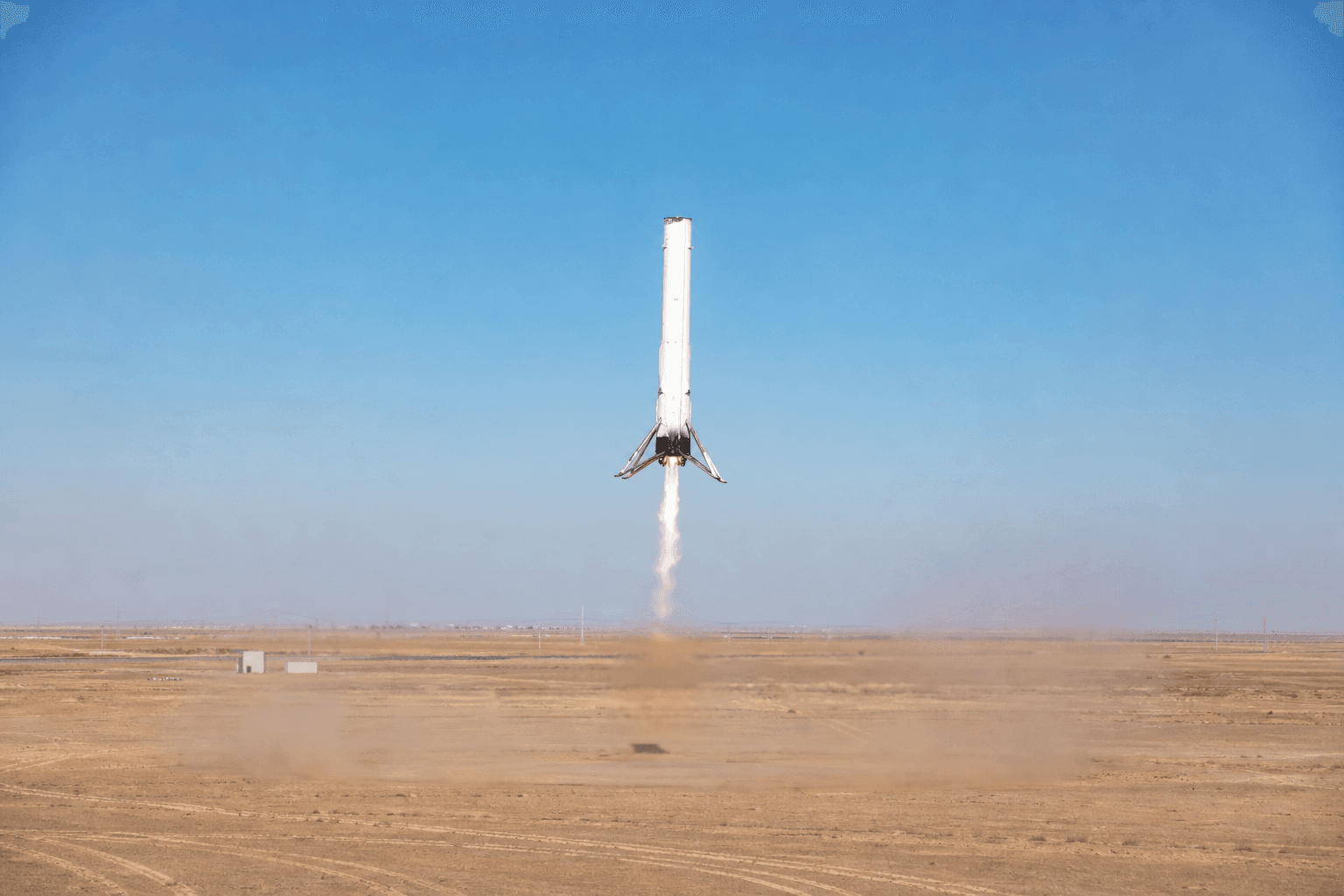
China's LandSpace achieves milestone with Zhuque-3 reusable rocket booster landing
SpaceX could face formidable new competition in the space launch market after China's LandSpace successfully landed the first stage of its Zhuque-3 rocket, becoming the first private Chinese company to recover an orbital-class booster using the same method as SpaceX's reusable Falcon 9 rocket. The Zhuque-3 lifted off from the Dongfeng Commercial Space Innovation Pilot Zone in northwestern China at 07:35 local time on August 19, 2026. After separating from its second stage, the booster reoriented itself, completed a reentry burn and descended toward a landing site in Minqin County in Gansu province, approximately 240 miles from the launch pad. The booster deployed its landing legs and touched down vertically nearly eight minutes after liftoff. "This mission marks China's first-ever successful recovery attempt of the first stage of an orbital-class launch vehicle using landing legs, and China's first successful booster recovery on land," LandSpace said in a statement. Video released by the company shows a gentle touchdown reminiscent of the technique SpaceX pioneered a over a decade earlier with the first successful Falcon 9 landings. The launch was the second flight of Zhuque-3 and LandSpace's second attempt to recover its first stage. The rocket reached orbit on its inaugural flight in December 2025, but an abnormal combustion event prevented the booster from completing its landing. LandSpace said it made several changes before the second flight, including revisions to the landing propulsion system, thermal protection and return-control software. The company also added a predicted-impact-point function to the rocket's autonomous flight termination system. Zhuque-3 uses nine methane-fueled engines on its first stage. Its stainless-steel construction and liquid methane and liquid oxygen propulsion system are intended to support repeated flights while reducing manufacturing and refurbishment costs. LandSpace says an expendable Zhuque-3 can carry as much as 14.2 metric tons to low Earth orbit. The company wants to fly each first stage as many as 20 times and plans to attempt the first reuse of a recovered booster within six months. The successful landing places LandSpace alongside both SpaceX and Blue Origin as the only private companies to have propulsively landed the booster of an orbital-class rocket. SpaceX first landed a Falcon 9 booster in December 2015 and has since made booster recovery and reuse a routine part of its launch operations. Blue Origin landed the first stage of its New Glenn orbital rocket for the first time in November 2025. SpaceX founder Elon Musk had not publicly commented on the successful landing as of August 20. In an October 2025 post on X, however, Musk said the Zhuque-3's combination of stainless-steel construction, methane propulsion and a Falcon 9-style architecture could enable it to eventually outperform Falcon 9. China completed its first recovery of an orbital-class booster in July 2026 during the inaugural flight of the state-developed Long March 10B. Instead of landing on legs, that stage was captured by cables stretched across an offshore platform. LandSpace, founded in 2015, had already claimed another first in commercial spaceflight, with its smaller Zhuque-2, which became the first methane-fueled rocket to reach orbit in July 2023. The company is seeking to raise 7.5 billion yuan, or approximately $1.1 billion, through an initial public offering in Shanghai. It plans to use the funding to expand development and production of reusable launch vehicles in its quest to compete in the commercial space launch market.
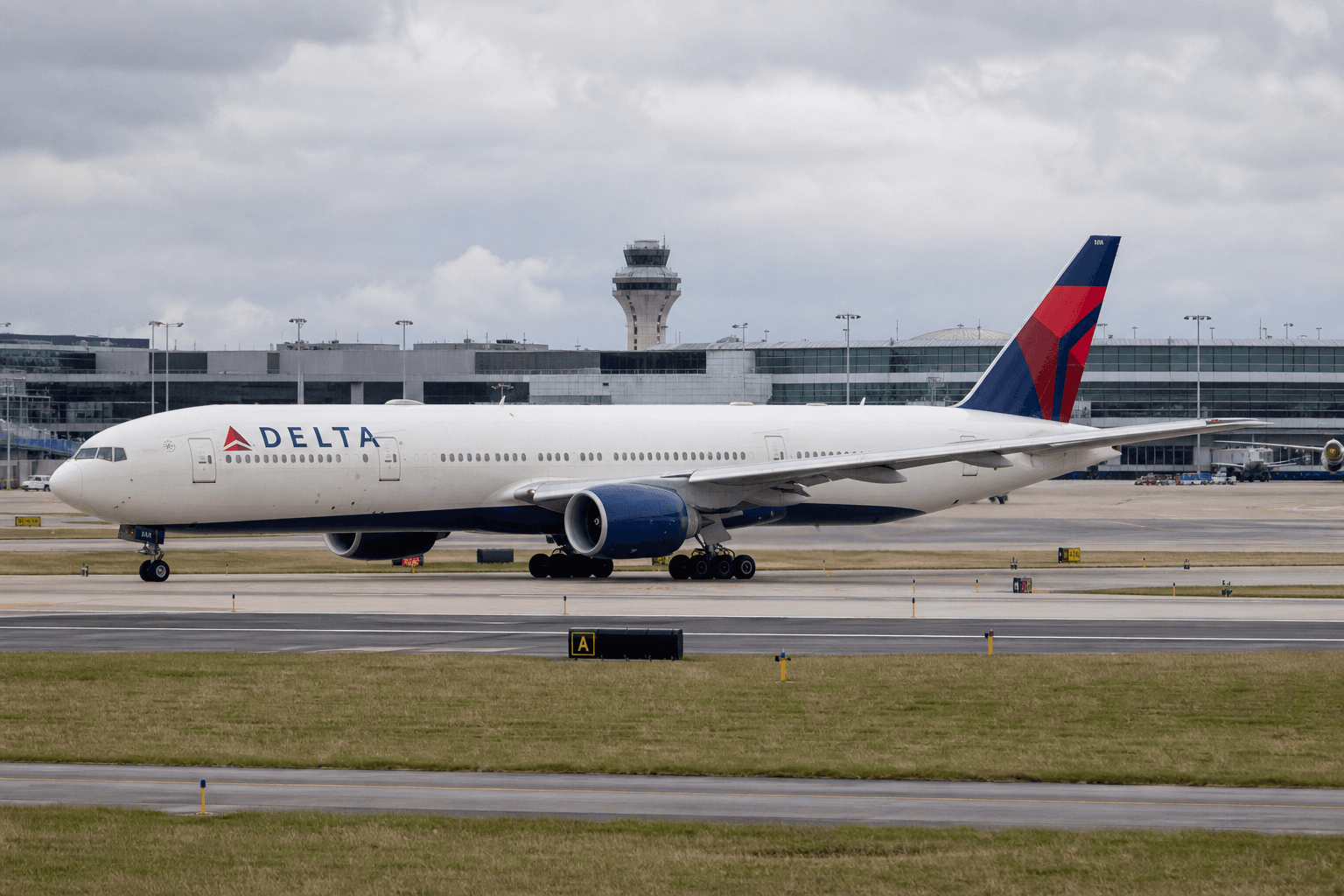
Delta CEO Aims for Elite Global Status, But Operational Issues Undermine Claims
Ed Bastian wants Delta mentioned with Singapore Airlines and the best Asian and Middle Eastern carriers. Delta has a brand, but product consistency and service still fall short and once-vaunted reliabiltiy has faltered.
Lufthansa debuts Starlink internet on Airbus A320neo flight from Frankfurt to Rome
A mainline Lufthansa A320neo equipped with the satellite internet technology flew from Frankfurt to Rome.
The Daily Touch & Go
The day's best aviation news in your inbox. Free, no spam.