


Illustration: The Touch & Go
Flight Attendants Explore Diverse Career Paths Beyond Airlines
Flight attendant roles blend travel and safety, but opportunities now extend into corporate, training, and various aviation sectors.
The gist
Flight attendants are increasingly branching into corporate, training, and private aviation careers beyond traditional airlines.
The profession of flight attendant traditionally revolves around a combination of customer service and aviation safety, with incumbents working aboard commercial or private aircraft. These professionals create a secure and hospitable environment, balancing duties that range from serving passengers refreshments to managing emergency procedures. This multifaceted role appeals particularly to individuals with a passion for travel and interpersonal engagement.
Historically, flight attendants have been viewed primarily through the lens of airline service roles. However, the scope of career opportunities available to them has expanded considerably beyond serving on commercial flights. Former flight attendants are transitioning into roles across diverse sectors including corporate aviation, flight training, and even aviation content creation, reflecting a broadening view of the skills their experience imparts.
Corporate aviation presents a growing avenue for flight attendants seeking to leverage their expertise. In this sector, professionals work on private or company-owned aircraft, providing personalized service to executives and high-net-worth clients. The environment requires a nuanced understanding of confidentiality, discretion, and often involves more individualized attention compared to commercial airline cabins. This setting can offer more predictable schedules and potentially higher compensation, making it an attractive alternative career path.
Beyond direct service roles, flight attendants with a strong grasp of safety protocols and operational procedures are finding opportunities as trainers within the aviation industry. These positions involve educating new flight attendants or other aviation personnel on safety standards, emergency response, and customer service excellence. The transition from practitioner to instructor allows experienced staff to impart practical knowledge and maintains ongoing professional engagement within aviation.
In addition to operational and instructional positions, some former flight attendants capitalize on their aviation background by entering related creative fields. For example, aviation content creators and educators use their insights to make flying more accessible and comprehensible to the public. Through writing, social media, and educational channels, these professionals influence perceptions of the industry and encourage broader participation in aviation careers.
The shift toward diversified aviation careers for flight attendants reflects wider trends in the industry related to changing employment models and the demand for specialized skills. Airlines and aviation companies increasingly value the adaptability and customer-centric mindset that flight attendants possess. Their experience in safety compliance and crisis management is transferable across many aviation and travel-related roles, enhancing their employability beyond the cabin.
This expanding career landscape also aligns with increasing awareness of work-life balance needs within aviation professions. Roles outside commercial flight service can offer more stable working hours, different geographic bases, and new challenges. This evolution provides flight attendants with broader options to continue their aviation careers while tailoring employment conditions to personal priorities.
The professional journey of flight attendants now demonstrates a trajectory that no longer confines them exclusively to the skies aboard large commercial carriers. Instead, their skillsets open pathways into private aviation, safety training, and vocational media roles. As the aviation field adapts to market shifts, flight attendant experience is being recognized as a valuable asset in many complementary domains.
Flight attendant career diversification underscores the dynamic nature of employment within aviation. By embracing roles beyond the traditional airline framework, flight attendants are finding innovative ways to remain integral to the sector. These alternative career choices enrich the aviation community by retaining seasoned professionals and expanding the influence of their expertise.
Read more
All Airlines →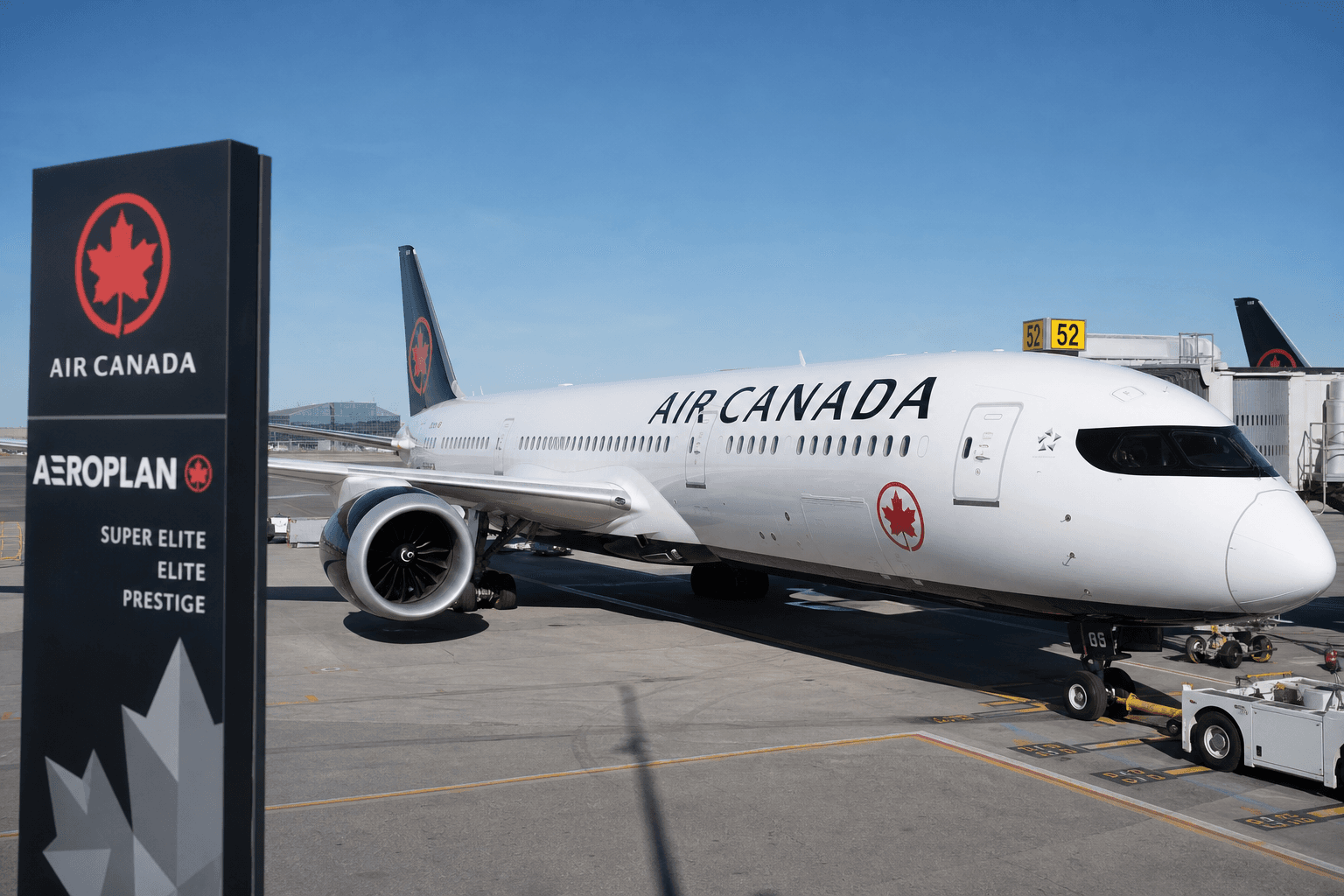
Air Canada sells 25% of Aeroplan loyalty program to Blackstone and Canadian investors for $2.5B
Private equity firm and other investors will receive a 25% stake of the programme, valued at $10 billion. Air Canada has agreed to sell a stake in its Aeroplan loyalty programme to the private equity firm Blackstone and a consortium of Canadian funds, including pensions. The investors will pay $2.5 billion for a 25% stake in the programme, valuing it at $10 billion. Air Canada will use the proceeds to reduce its debt and buy back shares. Air Canada will have the option to repurchase shares in five to eight years at a price that reflects a total rate of return of 6.5% for the outside investors. Shares of Air Canada spiked more than 5% in trading following a Bloomberg report of the potential deal on Tuesday, followed by another large gain on Wednesday following the announcement and earnings report that topped investor expectations. It's not Air Canada's first time using its frequent flyer scheme as a cushion for fresh capital, though a deal like this is relatively rare among North American airlines. Aeroplan was previously spun off into a separate company in 2005 as part of Air Canada's 2003 bankruptcy. The carrier repurchased the programme in 2019. In 2014, Virgin Australia sold a 35% stake in its Velocity frequent flyer programme to Affinity Equity Partners for A$336 million. It bought back the stake in 2019 for A$700 million. And as the COVID-19 pandemic hit airlines in 2020, many carriers used their loyalty programmes and credit card business as collateral to shore up liquidity. "Aeroplan remains a core part of Air Canada’s commercial strategy, and we continue to retain full control of the programme’s strategy, operations, partnerships, and member experience, while monetising a portion of its underlying value," says departing chief executive Michael Rousseau.
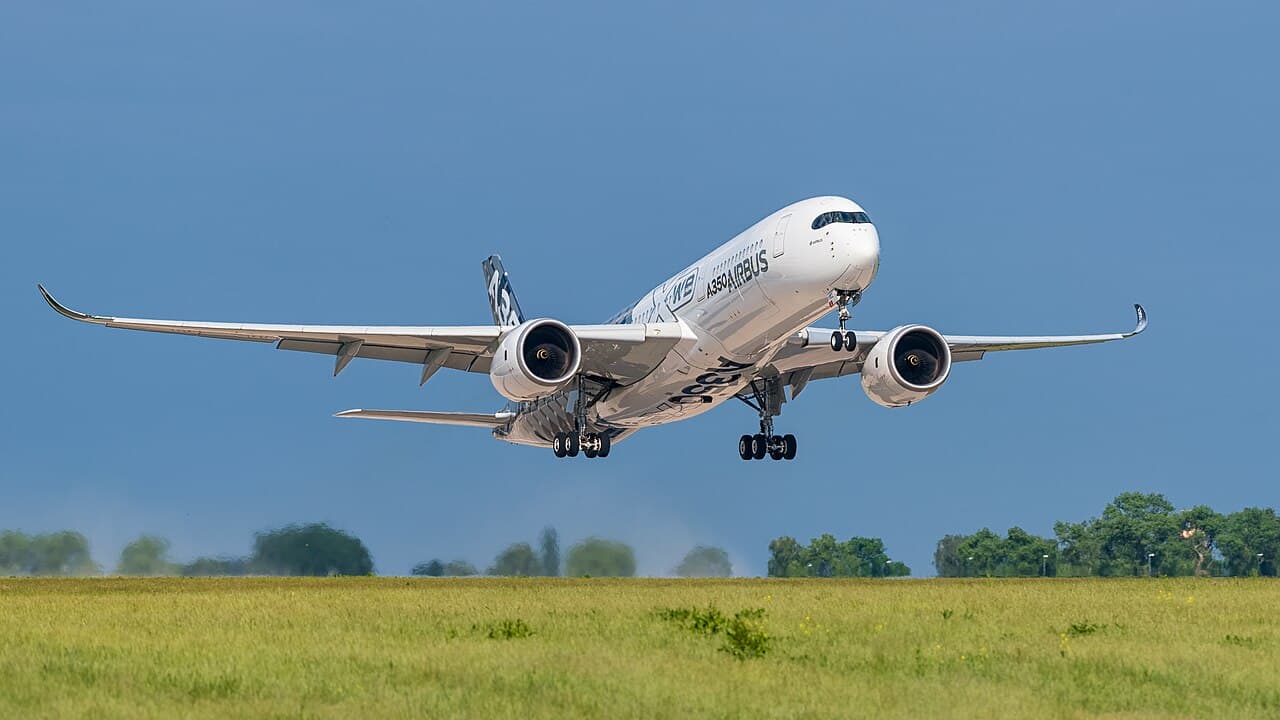
Singapore Airlines Faces Challenges With Largest Premium Economy Section on Ultra-Long Haul Flight
The world's longest flight is currently Singapore Airlines' mammoth trip from New York to Singapore, requiring 18 hours in the sky. Given this time, there is no true economy class product available, with 67 business class and 94 premium economy seats. The hard product for both classes is undeniably strong. However, it has been suggested that the cramming of 94 premium economy passengers into an area with one galley and three washrooms is breaking the product.
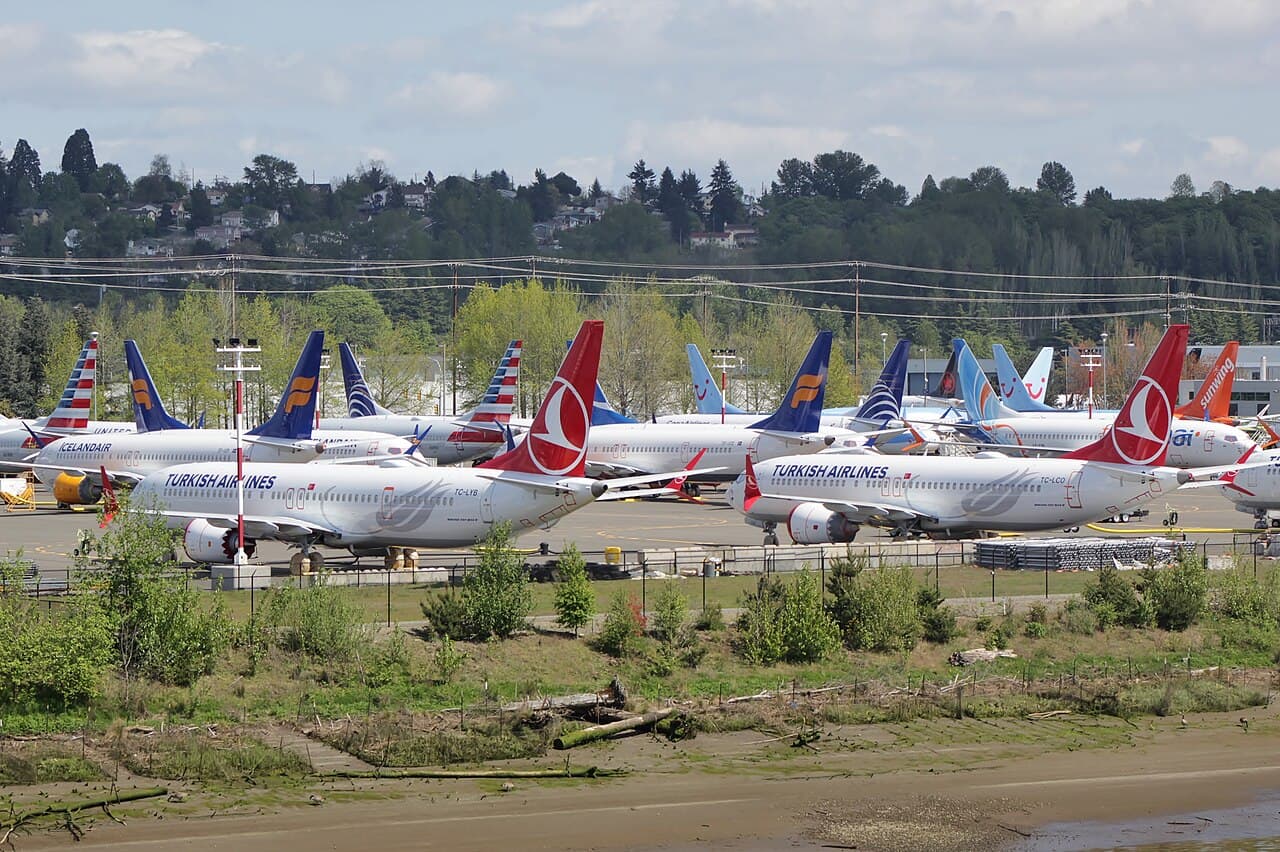
SpiceJet Flight SG105 Returns to Gate After Cabin Overheats in Delhi
Passengers on a SpiceJet flight from Delhi to Pune refused to take off after the cabin became unbearably hot, with travelers fanning themselves, crowding the forward door, and later chanting "Stop playing with our lives." SpiceJet says the air conditioning remained operational, but the aircraft was swapped after a technical issue — and this was not the first recent report of passengers trapped in sweltering conditions on the airline.
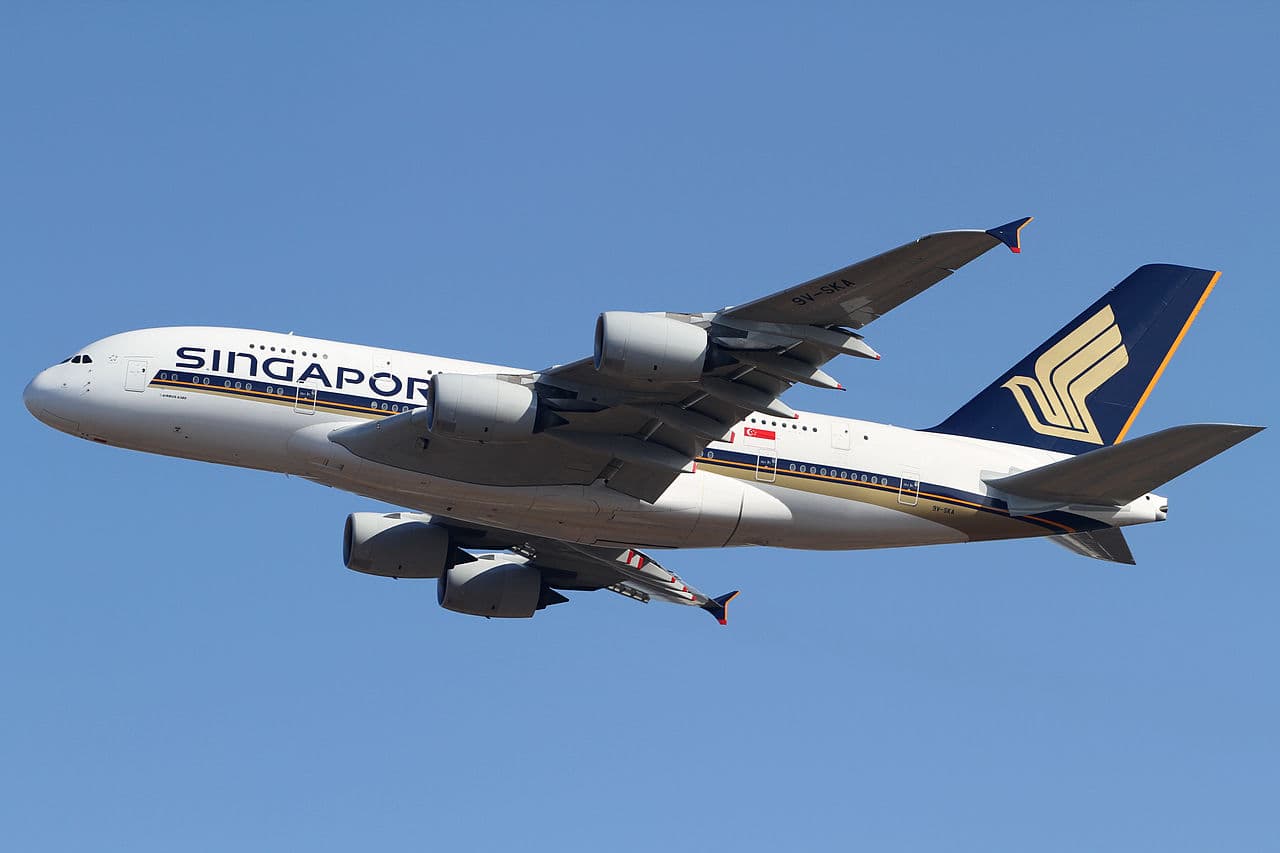
Singapore Airlines Business Class Delivers Consistent Luxury With Tailored Comfort
Singapore Airlines' Business Class has long been regarded as one of the most polished premium products in the world of global aviation. While many carriers are capable of offering lie-flat seating, refined meals, and premium lounges, Singapore Airlines layers these elements with a consistency, attention to detail, and overall design philosophy that elevate the entire experience. The airline views Business Class not simply as a transport product but as a hospitality offering built on deliberate service rituals, thoughtful cabin ergonomics.
The Daily Touch & Go
The day's best aviation news in your inbox. Free, no spam.