


NBAA Issues Comprehensive Guide for Business Aviation in FIFA World Cup 2026 Host Cities
NBAA Air Traffic Services provides an evolving resource to assist business aviation operators in planning for FIFA World Cup 2026 travel across multiple host cities.
The gist
NBAA delivers a crucial, regularly updated resource to support business aviation navigating FIFA World Cup 2026 host airports and airspace constraints.
Continuing coverage
All Business Aviation →- NBAA Opens Nominations for 2026 Gold Wing Award Honoring Business Aviation Journalism
- Private Jet Charter Costs in 2026 Vary Widely by Aircraft Size and Hidden Fees
- Jet Aviation Secures 30-Year Lease to Launch New FBO at Rocky Mountain Metropolitan Airport
- US Private Jet Pilots Earn Average $130,916 Annually with Wide Salary Range
- NBAA urges stronger FAA-industry safety partnerships amid recent aviation close calls
As the FIFA World Cup 2026 approaches, business aviation operators planning travel to the tournament's host cities face the challenge of navigating complex and congested airspace and airport environments. Recognizing the importance of thorough preparation, the National Business Aviation Association (NBAA) has developed and is maintaining a dedicated resource to assist operators with the latest information and guidance for successful operations during the event. This proactive approach underscores the unique operational demands posed by the influx of air traffic to venues across multiple countries.
The World Cup 2026 will be hosted across several cities in the United States, Canada, and Mexico, generating unprecedented air traffic volumes and logistical complexity. Business aviation professionals must conduct meticulous due diligence to accommodate temporary restrictions, slot requirements, and other operational considerations that differ markedly from routine airport operations. NBAA's resource is intended to centralize and disseminate critical information such as airport access procedures, air traffic control advisories, and any special protocols implemented by the host cities.
NBAA Air Traffic Services is responsible for compiling and updating this guidance, ensuring it reflects the latest regulatory changes, NOTAMs, and airport notices pertinent to the tournament period. By continuously revising the content, operators receive real-time insights into potential constraints such as temporary flight restrictions (TFRs), parking capacities, preferred routes, and communications procedures designed to maintain safety and efficiency amid heightened traffic volumes.
Hosting a global sporting event like FIFA World Cup drives unique challenges for business aviation, including increased demand for charter and corporate flights as teams, officials, media, and fans travel extensively. Operators must mitigate risks associated with overcrowded skies and ground infrastructure by aligning with the NBAA's recommendations. This will help avoid operational delays, congestion penalties, and ensure compliance with local authorities' mandates during the highly dynamic event timeframe.
Furthermore, the multi-national dimension of the 2026 World Cup adds layers of regulatory complexity. Operators traversing from one host country to another must remain informed about varying customs requirements, visa formalities, and aviation regulations that could affect flight planning and permits. NBAA's resource acts as a trusted central reference to harmonize these elements, empowering operators to streamline cross-border procedures and maintain operational continuity.
NBAA’s initiative represents a meaningful contribution to the business aviation community’s preparedness for this historic sporting event. By equipping operators with actionable intelligence, NBAA helps safeguard safe, efficient, and compliant operations across the diverse and distributed network of World Cup venues. The proactive information sharing model sets a benchmark for managing aviation activity during major global events, minimizing disruptions and supporting stakeholder needs safely.
As the tournament unfolds, NBAA encourages operators to monitor their Air Traffic Services platform regularly for new updates or amendments. This ongoing engagement is critical given the potential for evolving restrictions or emerging operational issues. Business aviation operators who leverage these resources and integrate them into their planning processes will be better positioned to navigate the complexities of World Cup 2026 airspace and ground operations.
Looking beyond the tournament, the NBAA’s approach may inform best practices for future large-scale events requiring coordinated aviation efforts. The consolidation of timely, accurate data and operational guidance provides an effective framework to manage increases in business aviation activity while maintaining safety and efficiency. Stakeholders can anticipate that such tools will play an increasingly vital role as demand for event-related air travel continues to grow globally.
Read more
All Airlines →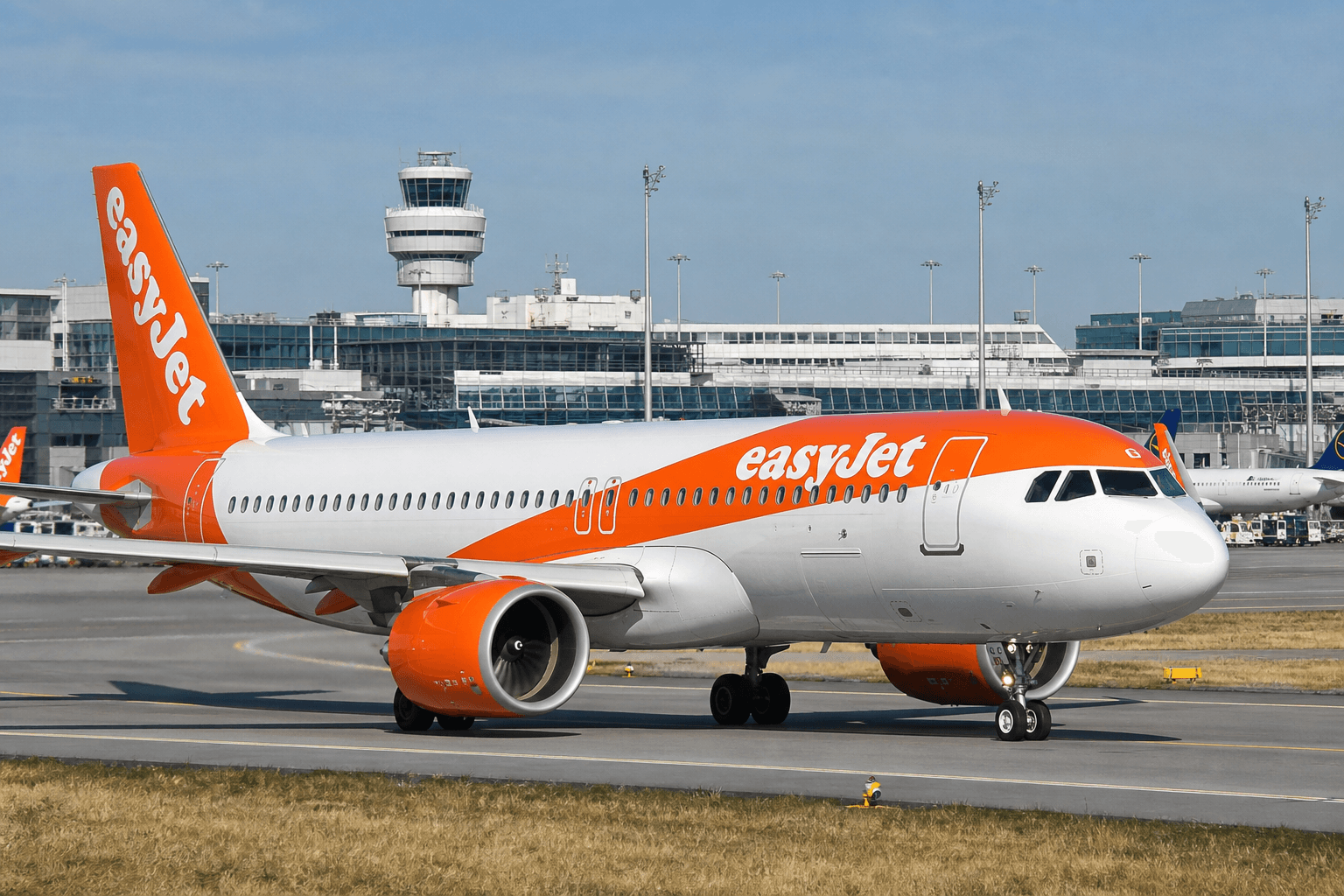
easyJet board agrees in principle to Castlelake's £5.2 billion acquisition bid
easyJet has accepted a £5.2 billion (US$6.9 billion) acquisition offer from investment firm Castelake, according to reports published…
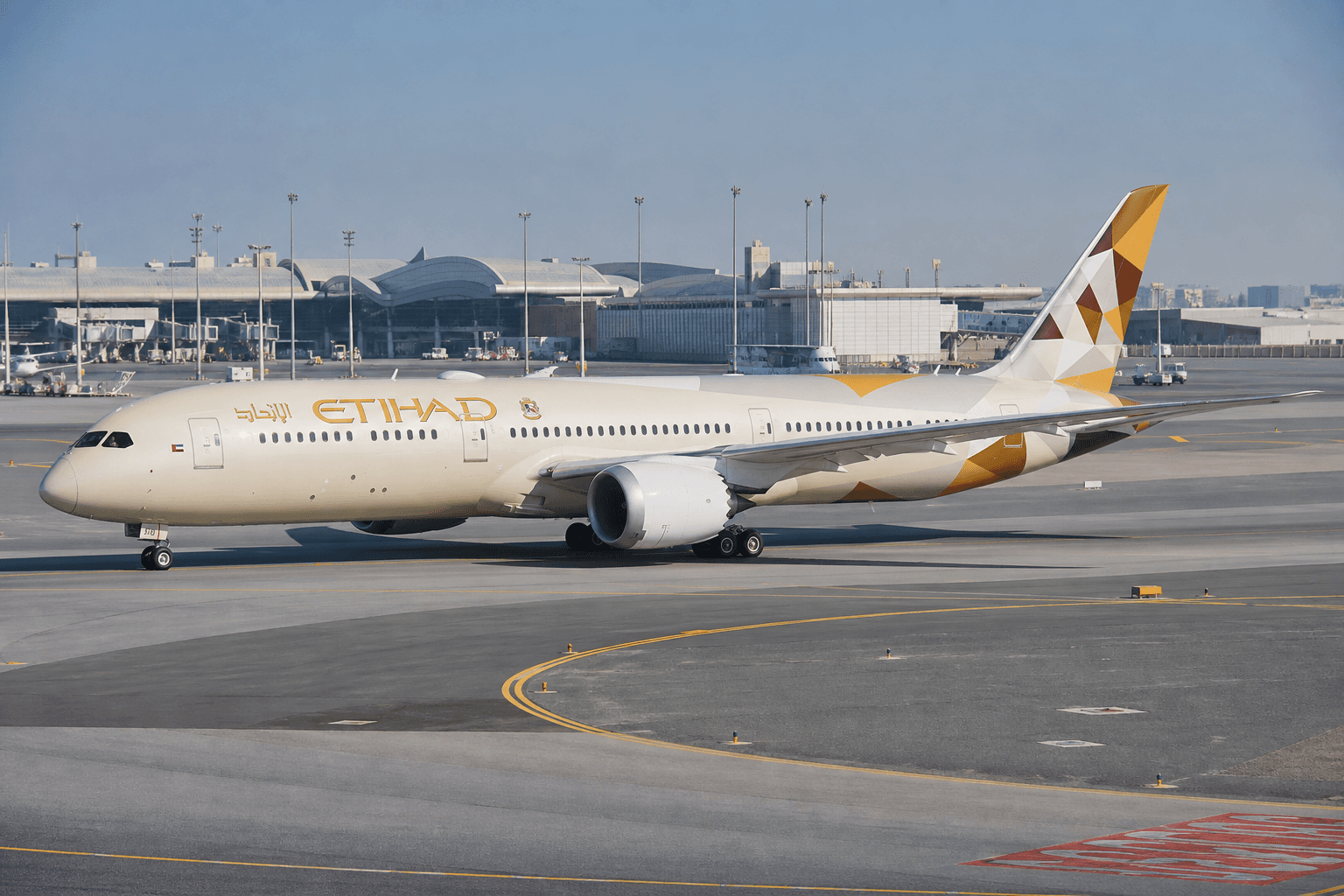
Etihad Airways Poised to Expand Boeing 787 Dreamliner Fleet at Farnborough 2026
Etihad Airways is rumored to be closing in on an order for more widebody twinjets from the Boeing 787 Dreamliner series, with reports suggesting that the deal may be announced later this month at the Farnborough International Airshow 2026 . The Abu Dhabi-based UAE flag carrier is already a big fan of the modern twin-aisle family, with examples of both the 787-9 and 787-10 models in its fleet.
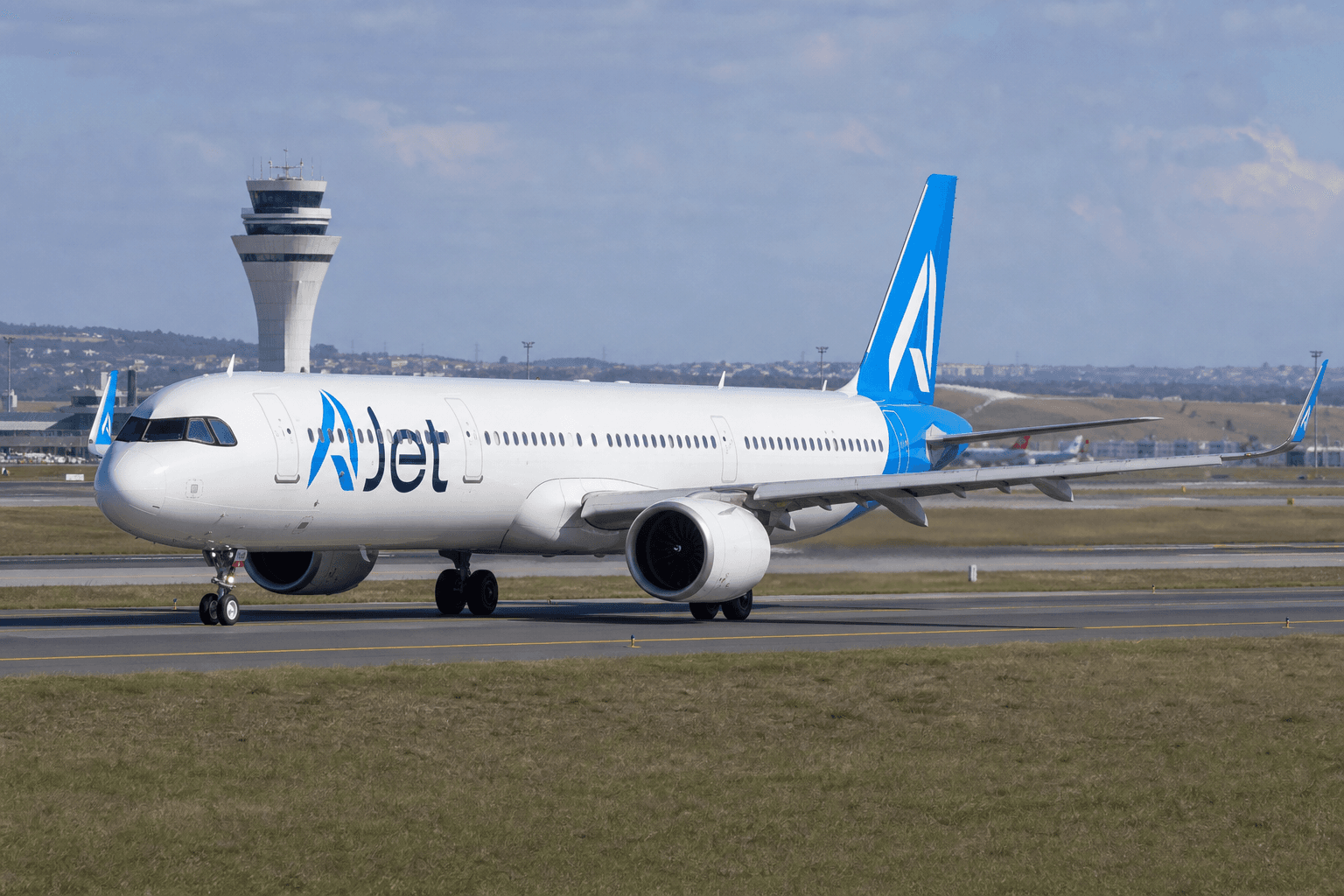
Turkish Airlines Subsidiary AJet Leases Five New Airbus A321neos from BOC Aviation
A Turkish Airlines Group subsidiary carrier has signed a lease agreement with BOC Aviation for five brand new Airbus A321neo aircraft. On July 8, 2026, Singapore-based BOC Aviation announced that each of the five A321neos would be placed with AJet from its own orderbook with Airbus . In a statement BOC Aviation said it was "pleased to further strengthen" its long-standing relationship with the Turkish Airlines Group and extend the partnership to its "rapidly growing family member". "These new-generation A321NEO aircraft will complement AJet's existing fleet, enhancing its continued network expansion across Europe, North Africa and the Middle East, and we look forward to supporting its success in the years ahead," Paul Kent, CCO at BOC Aviation said. In December 2025, AJet signed a long-term lease agreement with Dubai Aerospace Enterprise (DAE) to acquire 10 new Boeing 737 MAX 8s. CBD Aviation Earlier that year, Ajet also signed a lease with SMBC Aviation Capital for five Airbus A320neo aircraft. "We are delighted to begin our cooperation with BOC Aviation through this agreement," Kerem Sarp, AJet CEO, said. "As AJet continues its growth journey, the addition of new generation A321NEO aircraft will play an important role in supporting our fleet modernization, network expansion, and sustainability goals." Sarp added: "This agreement represents an important step in our commitment to expanding our network and providing an even better travel experience for our guests." Turkish Airlines-owned AJet launched in 2024 after AnadoluJet was rebranded with a new livery, logo and branding. Over the next 10 years, the low-cost carrier aims to expand its fleet to 200 aircraft and operate flights to 44 countries, covering 42 domestic and 80 international routes. According to ch-aviation , AJet operates 126 aircraft with 64 of those on wet lease. Its fleet includes A321neos, 737-8s, A320-200s and 737-800s. RELATED Airbus cuts passenger aircraft demand projection in latest 20-year forecast
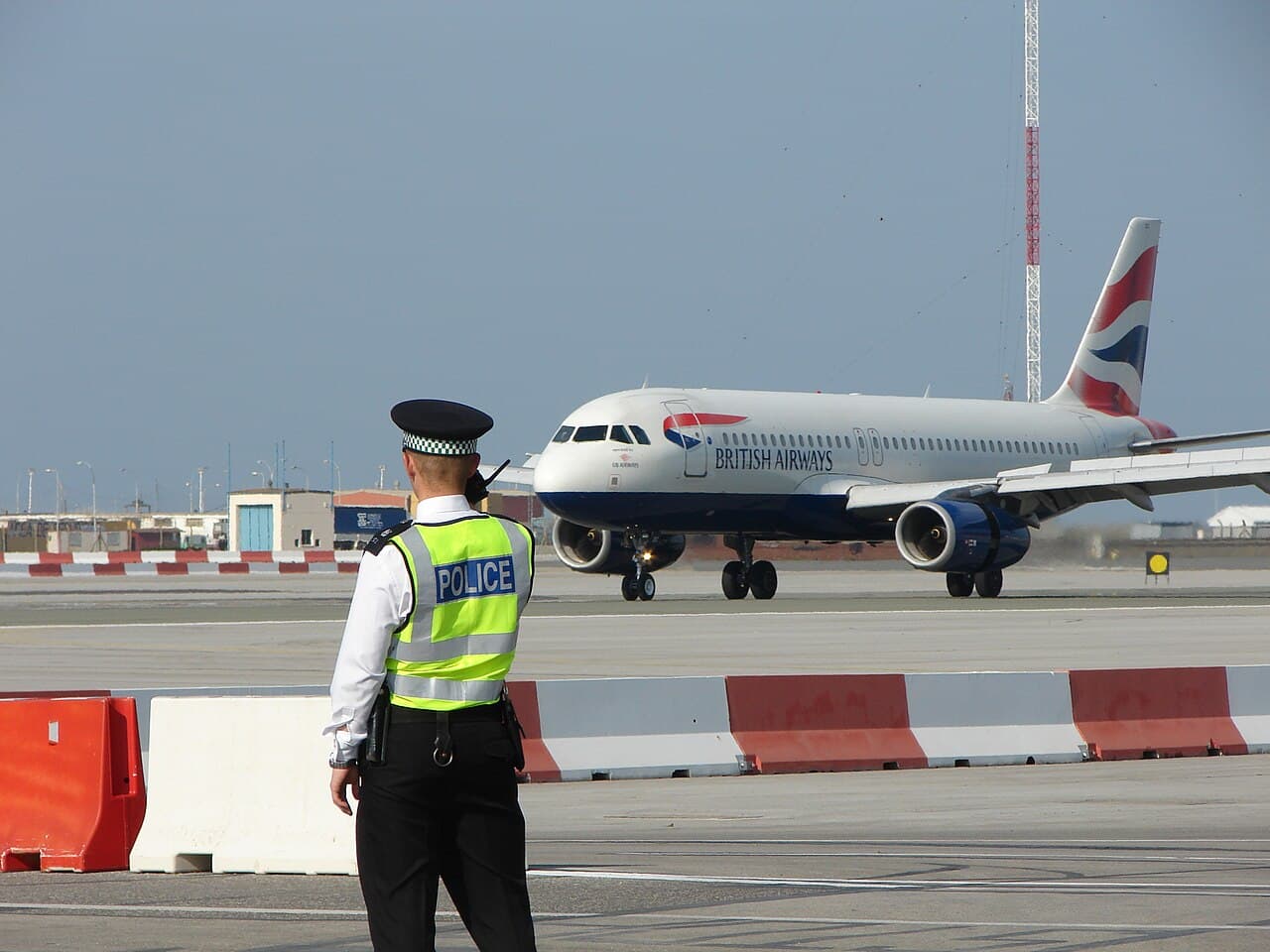
British Airways Gold Members Can Save Over $170 on Basic Economy Tickets in 2026
British Airways , along with an ever-increasing number of carriers, offers passengers completely unbundled fare options. This means a cheaper ticket only encompassing the price of a seat, and through which extras like hold luggage can be forgone.
The Daily Touch & Go
The day's best aviation news in your inbox. Free, no spam.