

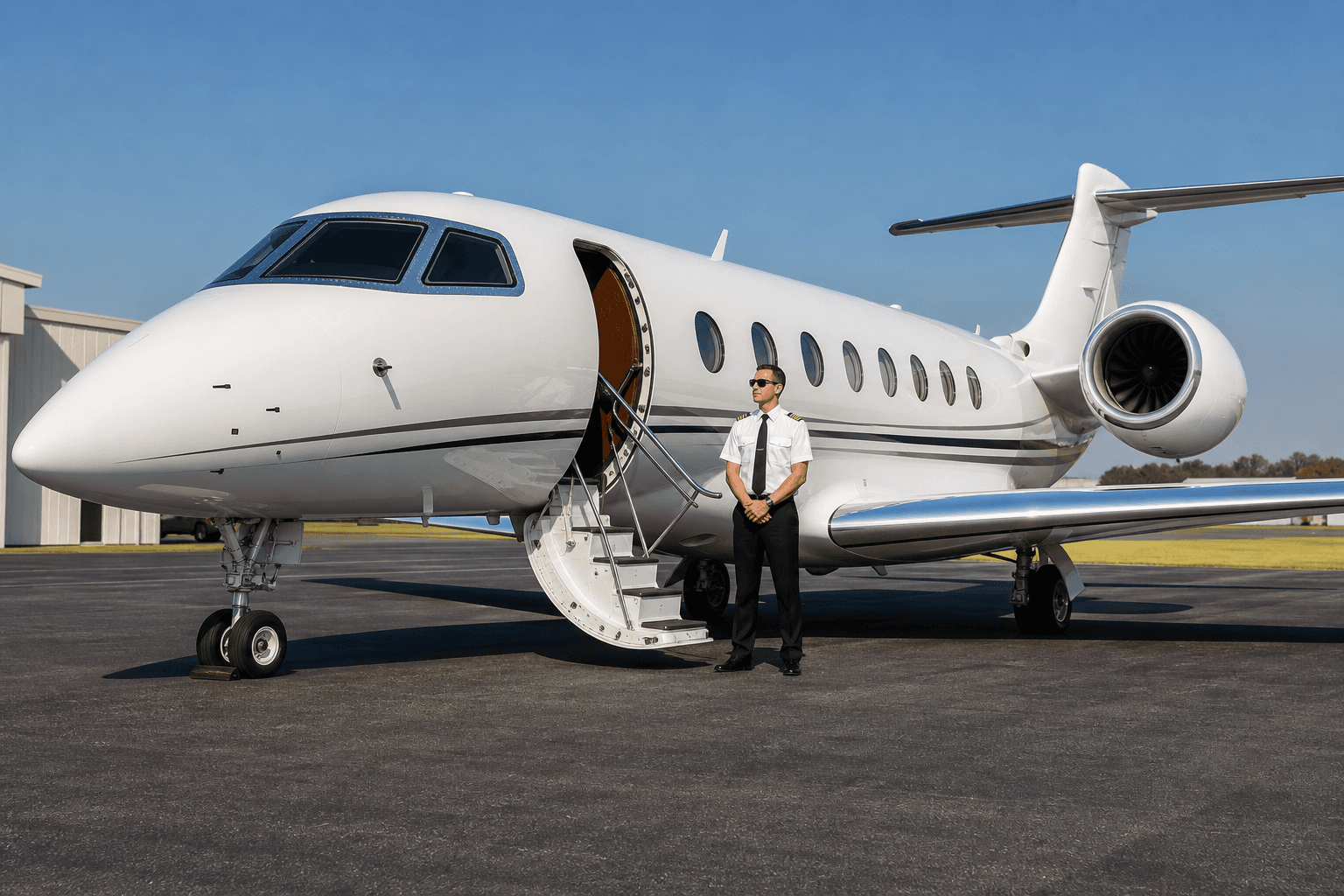
Illustration: The Touch & Go
US Private Jet Pilots Earn Average $130,916 Annually with Wide Salary Range
Private jet pilots in the US typically make significantly less than commercial airline counterparts, with pay varying by aircraft type and operator.
The gist
US private jet pilots earn an average $130,916 annually, notably less than commercial pilots and varying by jet type and experience.
Continuing coverage
All Business Aviation →- Chartering a Boeing 747 Costs $25K-$40K Per Hour in 2026 for Large Passenger and Cargo Needs
- Embraer debuts Phenom 300EV light jet with Garmin Emergency Autoland and upgraded range
- Embraer Launches Phenom 300EV Light Jet With Autoland and Enhanced Payload
- Palm Beach International Airport Renamed to President Donald J. Trump International Airport on July 9
- Tech Boom Fuels Surge in Private Jet Demand Among Young SpaceX Employees
Private jet pilots in the United States typically earn a median annual salary of around $130,916, according to recent labor data and industry sources, marking a substantial difference compared to their commercial airline counterparts. While commercial pilots benefit from unions, guaranteed flight hours, and seniority-based pay scales often resulting in median salaries above $200,000, private pilots operate with more variability in pay and working conditions, which reflects the differing demands and market dynamics of business aviation.
Determining pilot pay involves complexities beyond base salary, as comprehensive compensation often includes retirement contributions, sign-on bonuses, retention incentives, profit sharing, and substantial insurance benefits such as Loss of License (LoL) policies. For example, major airlines like Delta and United may offer retirement contributions totaling up to 18% of gross pay plus bonuses that can elevate a pilot’s annual compensation by 20% or more. Private jet pilots generally receive lower base pay and fewer standardized benefits, contributing to the observed salary gap with commercial pilot wages.
Data from the U.S. Bureau of Labor Statistics found that airline pilots, copilots, and flight engineers had median wages near $226,600 in 2024, whereas commercial pilots had a median wage around $122,670. Private jet pilot salaries, as compiled by sources such as ZipRecruiter, commonly cluster between $100,000 and $155,000 annually, with the highest earners reaching $175,000 or slightly more. These figures reveal that private pilots typically earn substantially less than commercial pilots, although specific earnings vary widely based on employer and aircraft type.
Industry-specific salary analyses provided by BizJetJobs highlight that pay scales also differ greatly by the size and category of the business jet operated. For instance, first officers on large cabin jets like the Boeing 737BBJ might earn between $141,200 and $187,600 annually, with captains and chief pilots earning up to $371,600. Pilots flying ultra-long-range business jets, particularly Gulfstream 700 and 800 models, command the highest wages within the segment, with senior captains earning as much as $434,500 per year.
The premium compensation for Gulfstream 700/800 pilots reflects the aircraft's technical complexity, operational demands, and the ultra-premium corporate and private fleets they serve. These jets require advanced training, lengthy mission planning, and typically operate on intensive travel schedules, justifying higher pay. Operators often charge correspondingly premium charter rates and are willing to pay senior pilots well above average to match the service expectations of wealthy clients and large corporations.
At the other end of the spectrum, pilots flying smaller or less complex jets such as the King Air 90/100 series receive considerably lower pay, with some senior captains earning between $73,400 and $110,000 annually. Mid-sized business jets like the Gulfstream II series see moderate pay levels, bridging the gap between smaller turboprops and ultra-long-range jets. This tiered structure correlates closely with the aircraft’s operating costs, mission profiles, and required pilot qualifications.
Regional differences in pilot pay also exist. For example, private jet pilots in states like Florida and California encounter varying salary benchmarks due to differing market sizes, client bases, and local cost of living. However, these geographic variations tend to be less pronounced than the differences linked to aircraft type and employer scale.
Overall, the private jet pilot profession in the US is characterized by significant pay disparities tied to the type and size of aircraft flown, operator financial capacity, and pilot seniority. Although median pay falls below that of commercial airline pilots, flying private jets—especially large and ultra-long-range models—can still yield lucrative compensation packages for experienced aviators capable of managing sophisticated flight operations.
Read more
All Business Aviation →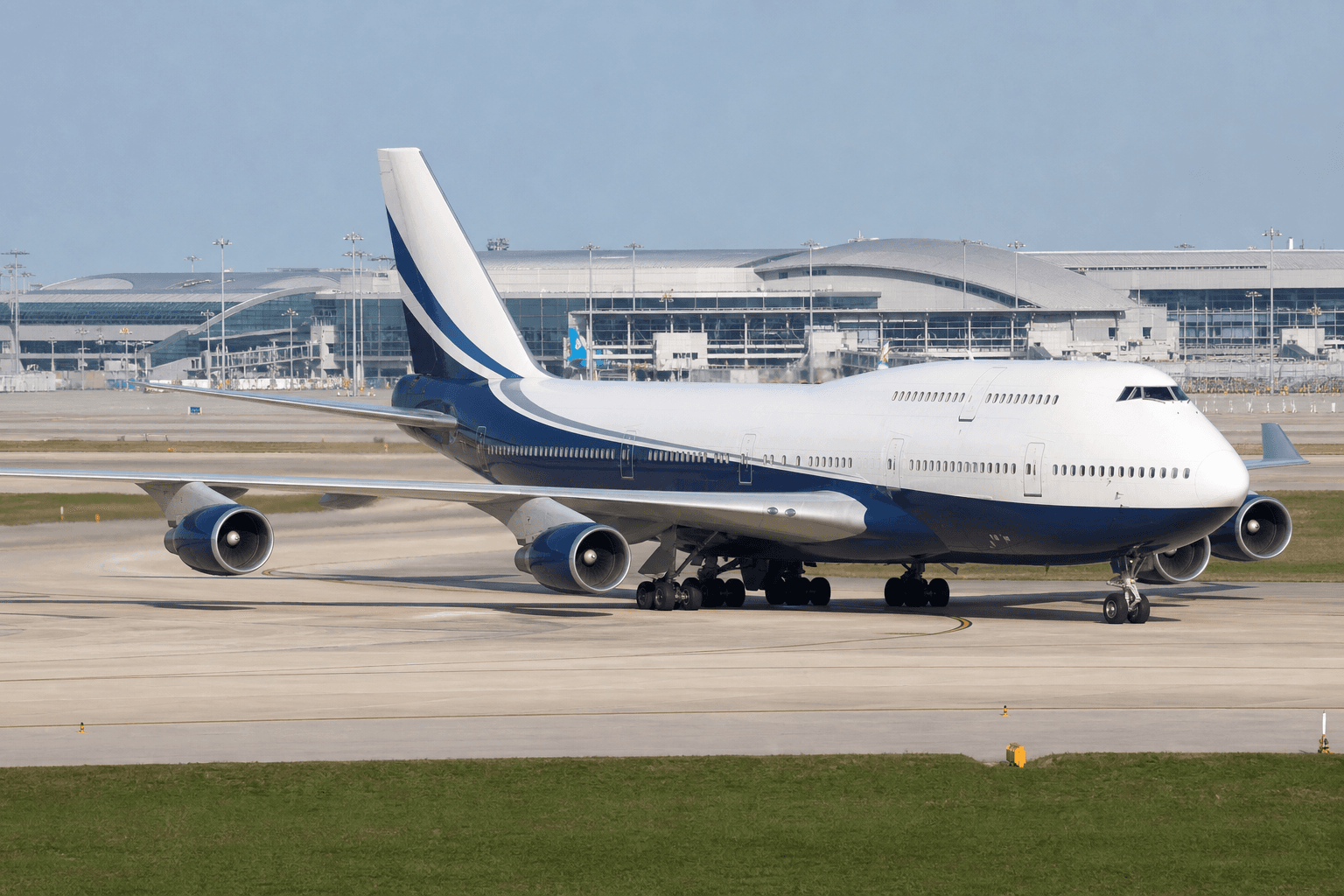
Chartering a Boeing 747 Costs $25K-$40K Per Hour in 2026 for Large Passenger and Cargo Needs
Chartering aircraft has been a popular alternative to commercial air travel since the end of World War II, according to Business Aircraft Center. The introduction of the Learjet 23 in 1963 further cemented charter aircraft operations as a mainstay in the corporate aviation landscape. Several manufacturers from the 1960s onward began to produce their own variants, to grow the business aviation landscape as it stands today. Companies such as Bombardier, Dassault Falcon , Gulfstream, Embraer , and Textron are some of the most common corporate jet manufacturers in the industry today.
DHS Advances Plans for Its Own Deportation Airline Named ICE Air
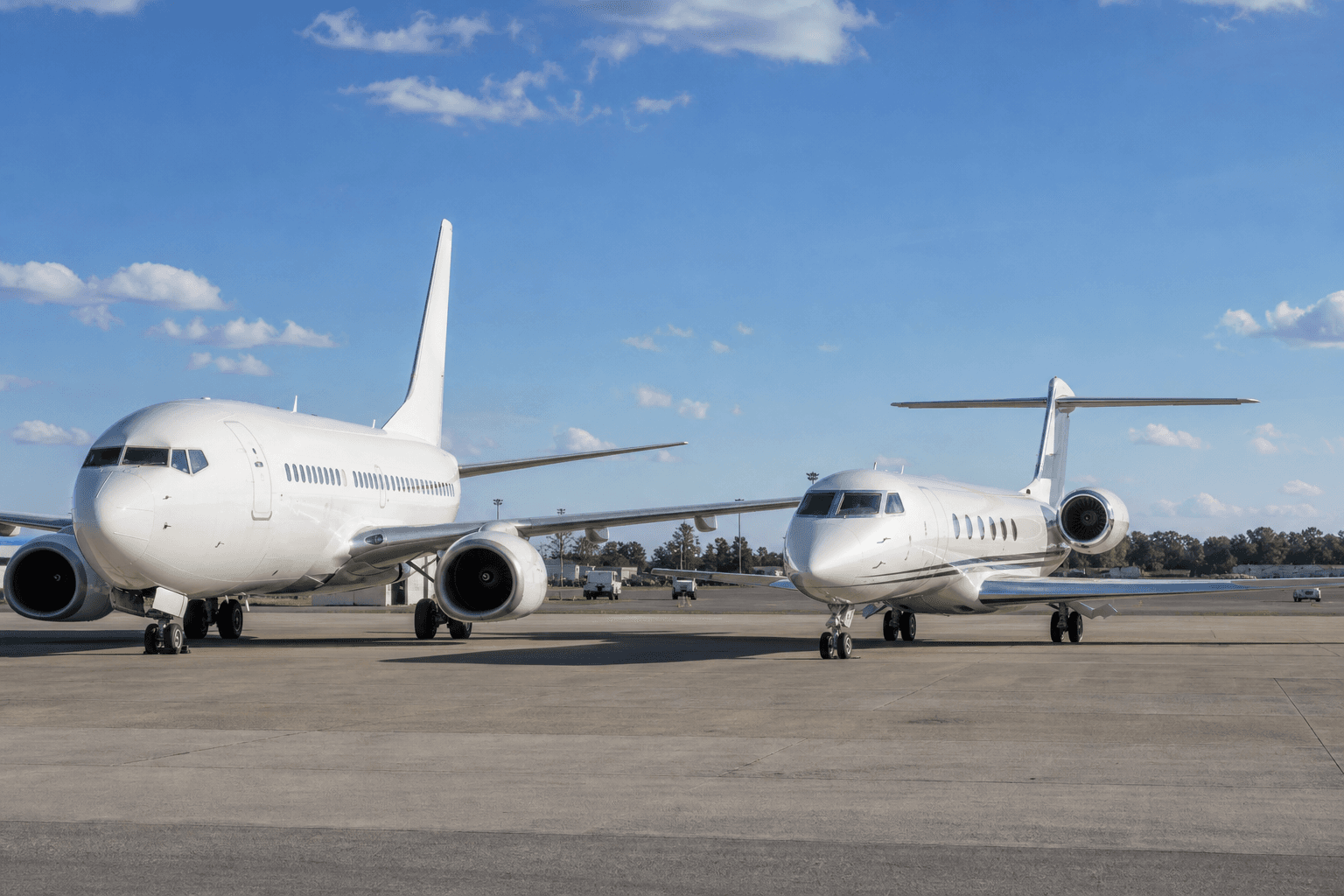
The Department of Homeland Security (DHS) is pushing ahead with plans to create its own ‘ICE Air’ deportation airline, new filings by the federal agency have revealed. Last year, DHS said it planned to buy up to six planes to carry out deportation flights, rather than relying solely on contracted agencies like GlobalX, Omni Air International, and Avelo (the latter of which dumped its ICE deportation contract). In a notice to potential contractors who will help DHS run ICE Air, the agency said it planned to operate Boeing 737 and Gulfstream 650ERs or equivalent “to enable safe, reliable, and secure air operations in support of DHS missions.” The primary missions, however, will be deportation flights, voluntary repatriations, and high-risk charter operations, as well as the deployment of crisis response personnel, and flying senior DHS leaders like Administrator Markwayne Mullin around the country. The contractor for ICE Air will be expected to provide pilots and flight attendants, along with flight nurses and security personnel, when required. According to the document, ICE Air is expected to be operational by July 28, 2027. As it stands, the airline will launch with seven Boeing 737-700s and two C-37B aircraft. DHS says it reserves the right to expand its fleet later into the contract. While DHS has established that it wants to conduct deportation flights around-the-clock, 365 days a year, it still hasn’t worked out whether it wants to operate ICE Air from a single operating base or have the aircraft spread out across multiple airports. One idea that DHS is considering is a ‘hub and spoke’ model, much like commercial airlines fly passengers from regional airports into one of their ‘hubs’ and then back out to the passenger’s final destination. ICE Air was the brainchild of former DHS Administrator Kristi Noem, who spent $200 million of taxpayer money on a pair of "top-of-the-line" luxury Gulfstream G700 private jets. Noem justified the expense on the grounds that they could be used for deportation flights, although they were only then used to fly her around the country.
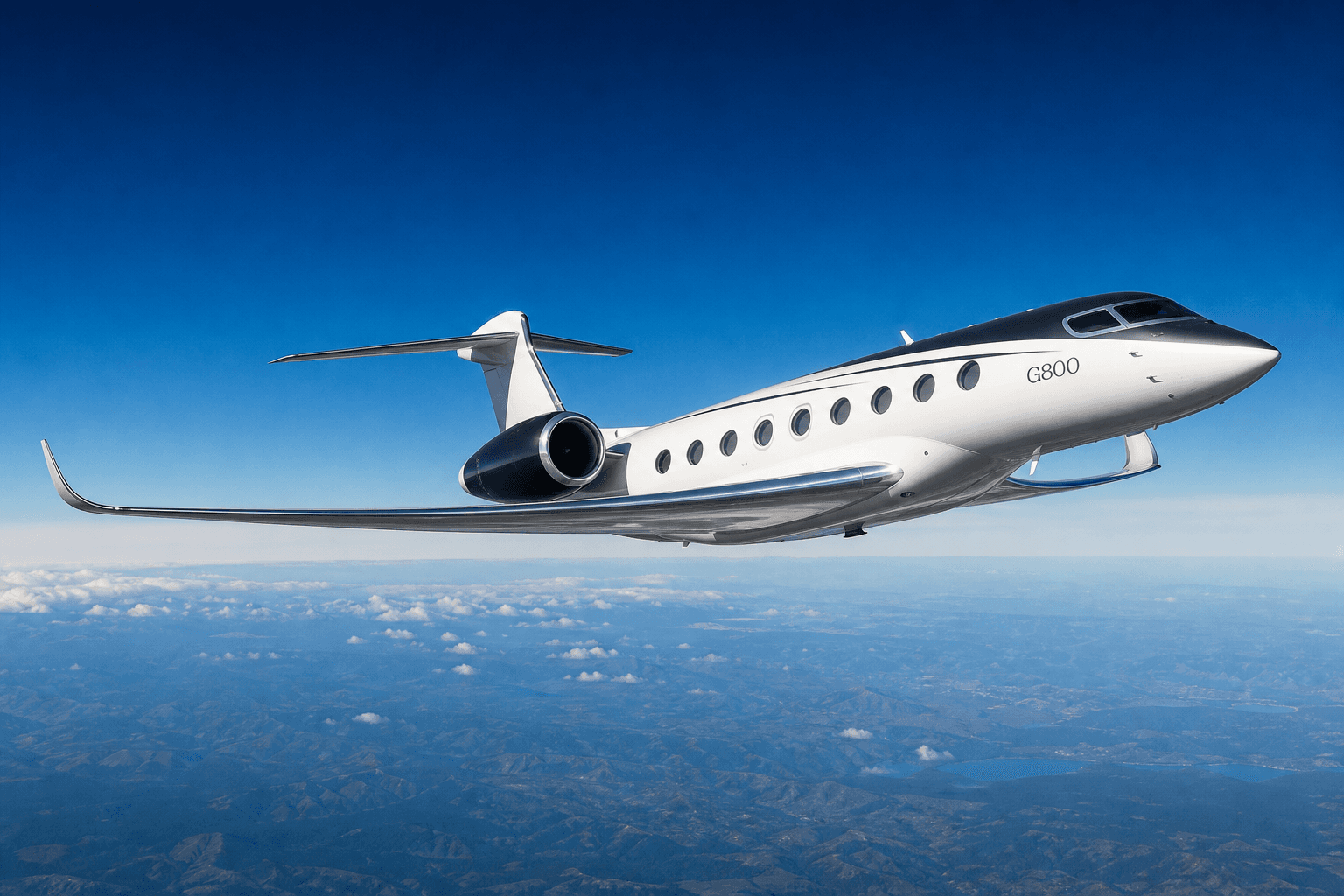
Gulfstream's G800 Sets New Speed and Distance Records in Business Jet Category
Manufacturer announced the milestone alongside its 800th city pair speed record, achieved by its new G800.
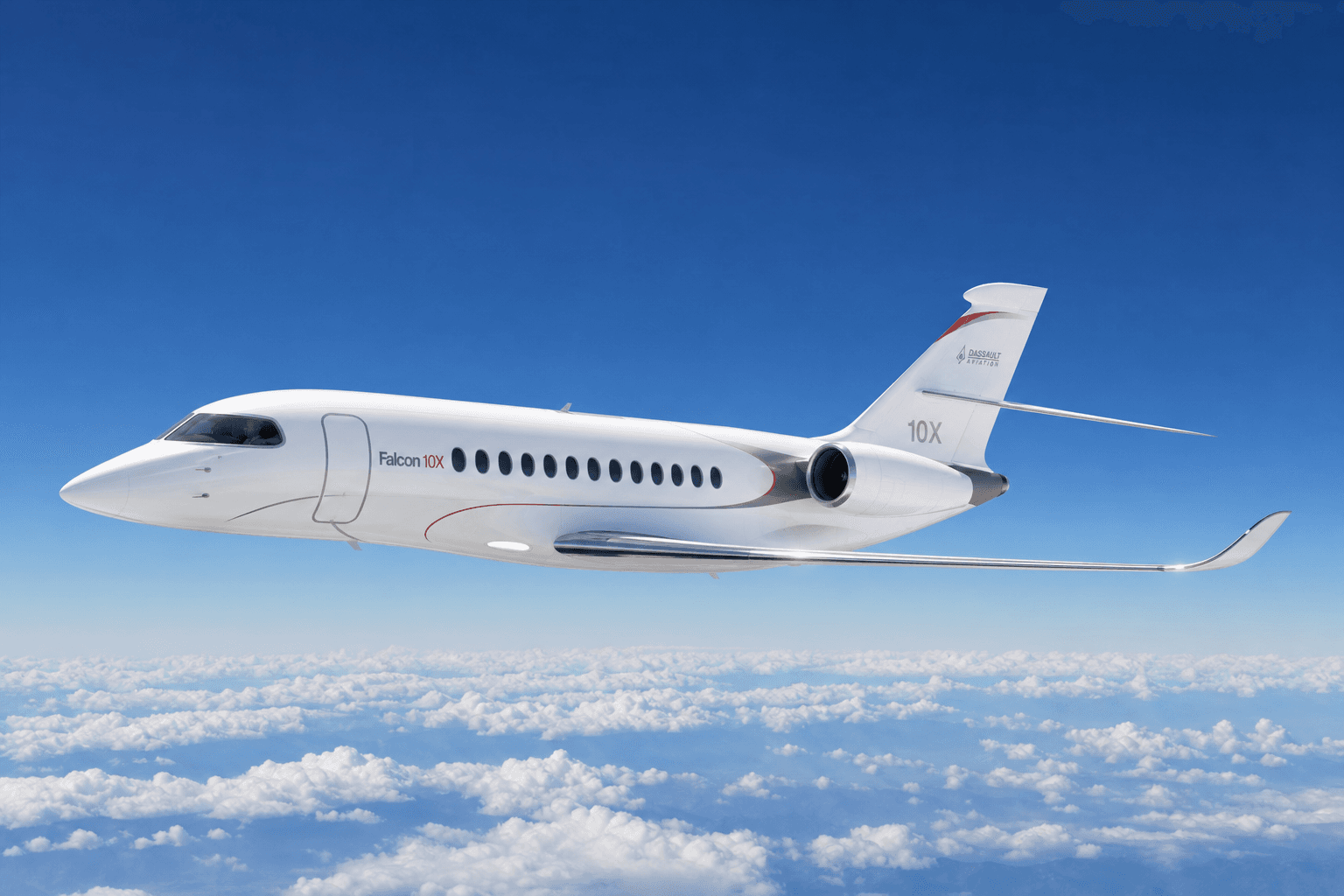
Dassault Falcon 10X Completes Successful Maiden Flight From Bordeaux
The 2-hour, 30-minute flight marks the start of the aircraft's flight test program.
The Daily Touch & Go
The day's best aviation news in your inbox. Free, no spam.