


NBAA urges stronger FAA-industry safety partnerships amid recent aviation close calls
NBAA President Ed Bolen calls for improved collaboration and transparency with FAA to enhance safety and sustain US aviation leadership following recent incidents.
The gist
NBAA stresses tighter FAA-industry ties and greater stakeholder input to boost safety and maintain US aviation leadership after recent close calls.
Continuing coverage
All Faa →- FAA Proposes Replacing 53-Year-Old Ban on Supersonic Flight Over U.S. Land With Noise-Based Rules
- Guide for Airports on Unleaded Avgas Transition Released Ahead of FAA Final Plan
- FAA Issues New Guidance to Preserve Cockpit Voice Recorder Data After Incidents
- FAA Unveils Proposal to Revamp Mechanics' Inspection Authorization Renewals
- FAA Proposes Noise-Based Rules to Enable Supersonic Flight Over US Land
The National Business Aviation Association (NBAA) President and CEO Ed Bolen addressed the Senate Subcommittee on Aviation, Space and Innovation on June 23, emphasizing the critical need to strengthen government-industry cooperation to enhance aviation safety. The hearing, entitled Close Calls: Improving Safety Across the NAS, focused on a series of recent aviation incidents and accidents highlighting vulnerabilities in the national airspace system (NAS). Bolen stressed that safety is the cornerstone of business aviation and called for renewed vigilance and investment to prevent further mishaps.
Bolen highlighted existing successful partnerships between the Federal Aviation Administration (FAA) and industry stakeholders that have used data-driven programs to lower accident rates and improve operations. Notable examples include the FAA's Aviation Safety Information Analysis and Sharing (ASIAS) and Flight Operational Quality Assurance (FOQA) initiatives, which analyze operational data to identify root causes of incidents and implement preventative measures. These programs demonstrate how collaboration and shared information can lead to measurable safety improvements.
In addition to data initiatives, Bolen pointed out the value of joint action teams and working groups that bring together industry and government representatives to tackle specific safety challenges. These include the FAA Surface Safety Group and the Runway Safety Council, both of which feature NBAA involvement. Such collaborative forums enable continuous feedback and coordinated action on pressing safety issues involving aircraft operations on the ground and in the air.
Despite these efforts, Bolen criticized the limited role presently afforded to industry stakeholders in shaping FAA safety policies and procedures. He noted that industry representatives often serve merely as volunteer observers without voting rights and lack transparency when the FAA makes procedural changes. This marginalization, he argued, undermines the potential benefits from stakeholder expertise and perspectives in enhancing regulatory outcomes.
To address this, Bolen proposed that the FAA establish more transparent processes and formal mechanisms for industry to provide substantive feedback, particularly through the agency's Safety Management System office. He emphasized the importance of giving stakeholders a meaningful voice in ongoing projects such as airspace redesign, ensuring that operational realities inform regulatory and procedural changes going forward.
Bolen also underscored the critical role of technology adoption in advancing aviation safety, citing the industry's record of collaboration with government on this front. He urged FAA leaders to facilitate the uptake of affordable portable Automatic Dependent Surveillance-Broadcast (ADS-B) In/Out devices among operators. Additionally, he advocated for congressional funding to equip airport ground vehicles with ADS-B transponders as part of the FAA’s Surface Awareness Initiative to improve real-time tracking capabilities and prevent ground collisions.
The NBAA chief concluded by reinforcing the association’s commitment to a ‘safety first, safety always’ culture and expressed readiness to work alongside Congress and the FAA to integrate operator input fully into safety system improvements. His testimony aims to ensure that the United States retains its position as a global leader in aviation safety through pragmatic collaboration and continuous innovation.
Founded in 1947, the NBAA represents over 10,000 companies and professionals who use general aviation aircraft to enhance business efficiency. The association provides extensive services, including hosting the NBAA Business Aviation Convention & Exhibition (NBAA-BACE), the world’s largest civil aviation trade show. The NBAA continues to advocate for policies and partnerships that promote the safety and efficiency of business aviation across the national airspace.
Read more
All Aviation Safety →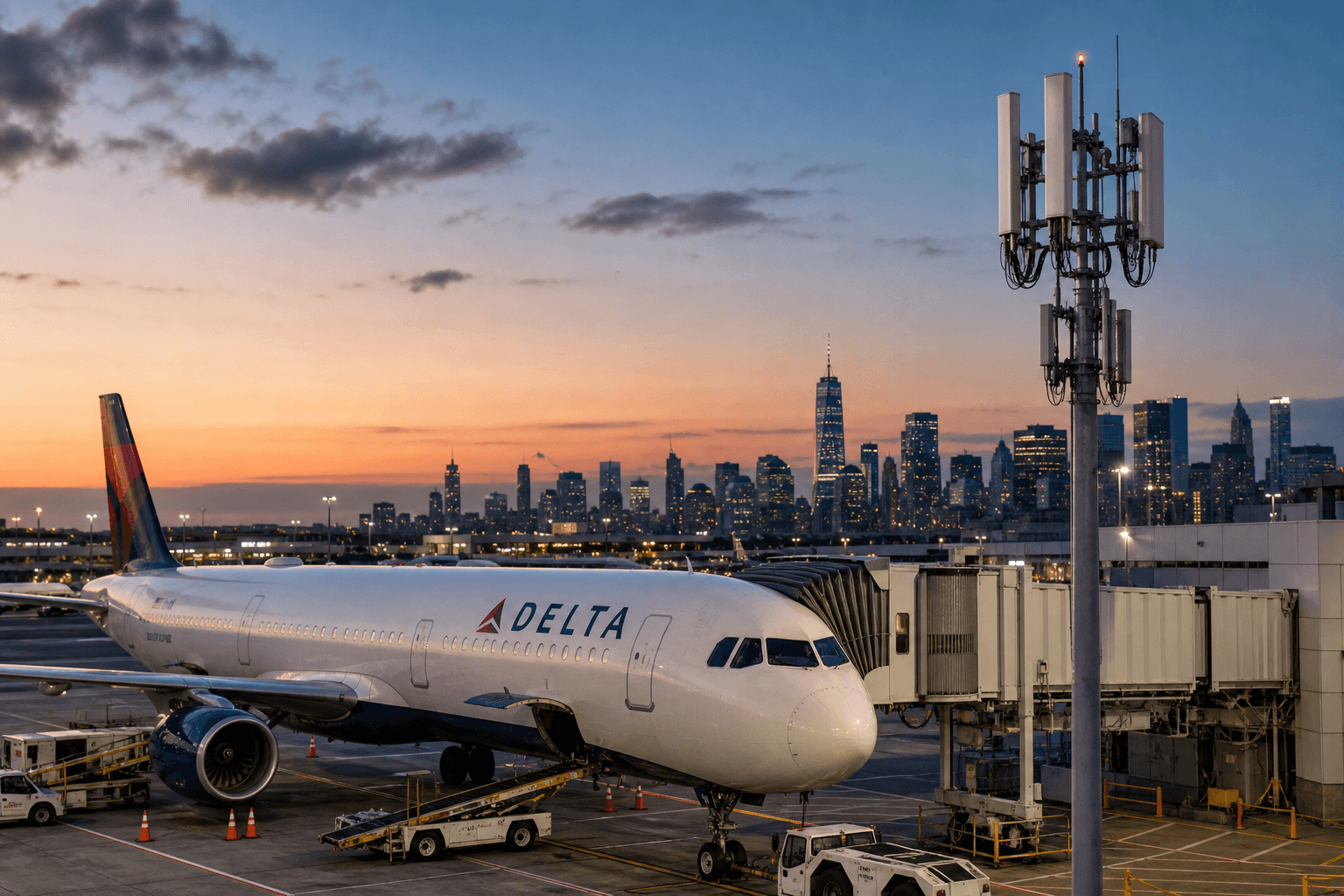
FAA mandates radio altimeter upgrades amid 5G Upper C-band rollout with cellular carrier rebates
The FAA intends to pass an altimeter update mandate this summer, but aircraft operators could get rebates for the expense. The Federal Aviation Administration will soon issue another rule requiring all radio altimeters on US aircraft be updated to prevent interference from 5G transmissions, though cellular companies are likely on the hook to help foot…
FAA Proposes Replacing 53-Year-Old Ban on Supersonic Flight Over U.S. Land With Noise-Based Rules
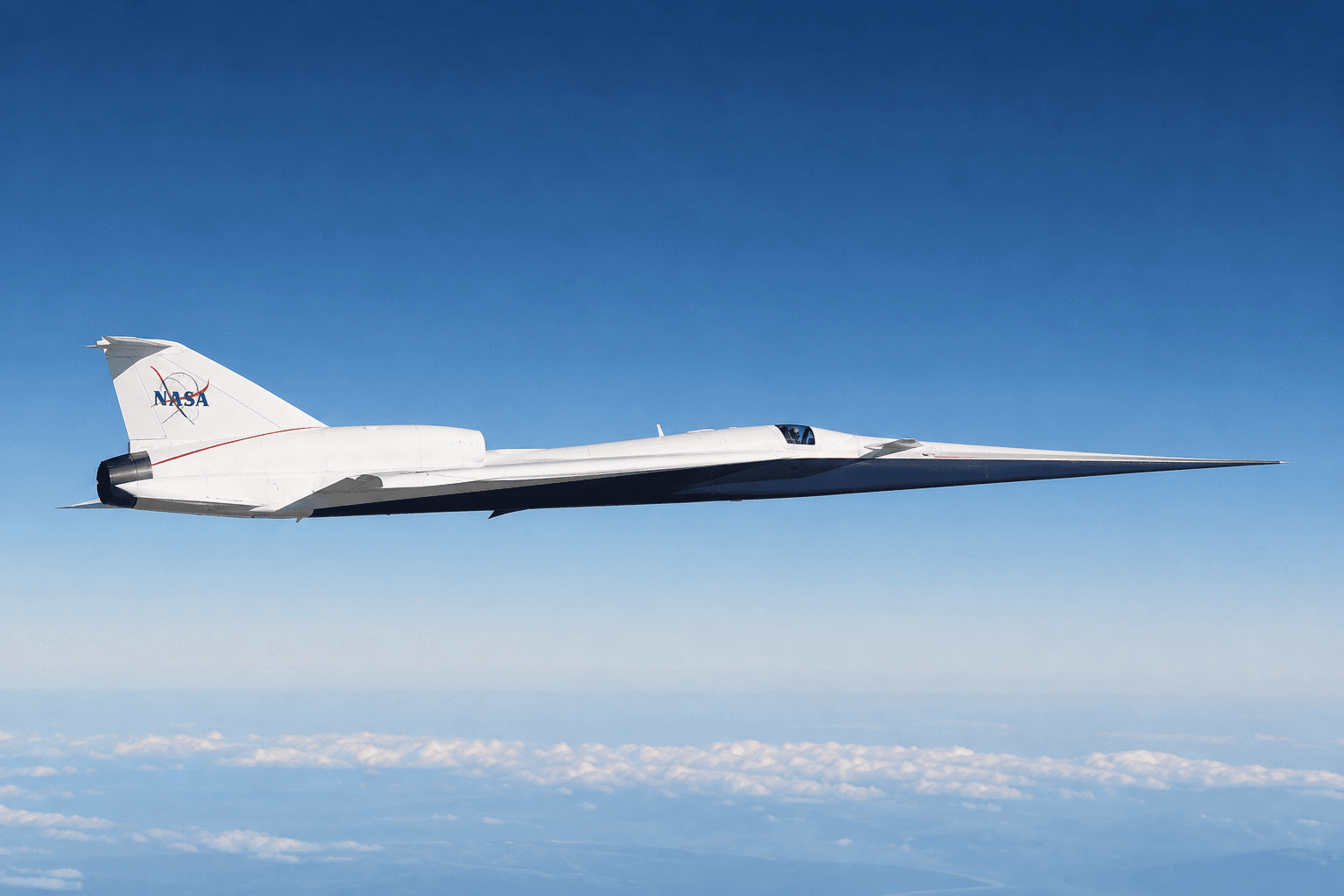
Global Aviation Round-Up from Aircraft Value Intelligence (AVN) A computer rendering of what the United Airlines supersonic aircraft will look like in the future. (Boom Supersonic) Editor's Note: To watch a video version of this article, click here . For 53 years, one federal regulation has stood between Americans and the return of supersonic air travel over the continental United States. That rule, adopted during the Nixon administration, prohibits civilian aircraft from exceeding the speed of sound over land. Now the Federal Aviation Administration (FAA) is preparing to rewrite it. On July 2, the agency published a Notice of Proposed Rulemaking in the Federal Register that would replace the existing speed-based restriction with a performance standard centered on noise. The proposal follows an announcement by the Department of Transportation on June 30 and represents the most significant shift in U.S. supersonic policy in decades. The change reflects a different way of thinking about the problem. Instead of asking whether an aircraft breaks the sound barrier, regulators are asking whether people on the ground are disturbed when it does. That distinction could reshape the future of commercial aviation. For many travelers, supersonic passenger service is synonymous with the Concorde, the sleek Anglo-French jet that cut transatlantic flight times in half. Its future unraveled after the fatal Air France crash near Paris in 2000. Although Concorde briefly returned to service, passenger demand weakened, operating costs climbed, and the aircraft was retired in 2003. Since then, commercial supersonic travel has largely disappeared. Today’s aircraft designers believe the technology has advanced enough to make another attempt. The original U.S. ban grew out of public frustration during the 1960s, when military testing produced frequent sonic booms over populated areas. Residents complained of rattling walls, cracked plaster, broken windows and sudden explosions of noise that interrupted everyday life. Thousands of complaints poured into government offices, convincing regulators that the public cost outweighed the benefit of faster travel. The FAA responded by banning routine civilian supersonic flight over land. With few exceptions, commercial aircraft have remained below Mach 1 across the continental U.S. ever since. Engineering, however, has changed dramatically over the past half-century. Instead of allowing powerful shock waves to merge into the classic sonic boom, engineers have learned how to shape an aircraft so those pressure waves remain dispersed. The resulting sound reaching the ground is significantly weaker than the ear-splitting boom associated with earlier generations of supersonic aircraft. The FAA’s proposal reflects those advances. Under the draft rule, future aircraft would have to meet a strict ground-level overpressure limit of 0.11 pounds per square foot. While the measurement is technical, the practical goal is straightforward: produce a sound that resembles a soft thump rather than the explosive crack historically associated with breaking the sound barrier. NASA’s Supersonic Experiment The proposed rule arrives as NASA continues work on one of its most ambitious experimental aircraft. The X-59 Quiet SuperSonic Technology (QueSST) demonstrator hardly resembles a conventional jet. Its unusually long, narrow nose and carefully sculpted airframe were designed with a single objective: reducing the intensity of sonic booms before they reach people on the ground. The aircraft recently completed another important step in its flight-test program, reaching Mach 1.4 at roughly 55,000 feet. Engineers view the milestone as another indication that the research program is progressing as expected. The most important testing, however, won’t focus on speed alone. NASA plans to fly the X-59 over selected U.S. communities while researchers gather feedback from residents who experience its sound signature. Beyond measuring decibel levels, scientists want to understand how people actually react. Does the sound surprise them? Is it annoying? Or is it mild enough to blend into the background of everyday life? Those public-response studies could prove pivotal. If communities consistently report that the aircraft produces little more than a brief, unobtrusive noise, regulators would have stronger evidence that quiet supersonic operations can safely coexist with populated areas. The research is expected to influence not only future FAA decisions but also international standards governing commercial supersonic aviation. The stakes extend well beyond NASA. Several aerospace manufacturers are investing heavily in next-generation supersonic airliners designed to shorten travel times between major cities. Because of the current U.S. ban, most development plans have centered on transoceanic routes where aircraft can legally accelerate beyond Mach 1. A new regulatory framework would dramatically broaden those possibilities. Flights that now consume most of a business day could eventually take only a few hours. A traveler leaving New York in the morning could conduct afternoon meetings in Los Angeles and return home that evening. Commercial service remains years away, but for the first time in decades, the regulatory landscape appears to be moving in the same direction as the technology. The proposal also provides something the aerospace industry values almost as much as technical innovation: regulatory certainty. Designing, certifying and manufacturing an entirely new generation of commercial aircraft requires billions of dollars and years of development. A clearer path through the approval process reduces investment risk, giving manufacturers and their financial backers greater confidence that quiet supersonic flight could become a viable commercial business rather than an engineering experiment. John Persinos is the editor-in-chief of Aircraft Value Intelligence .
Crew oversight led to Boeing 737 Max 8 slow, shallow take-off at Luton after intersection departure change
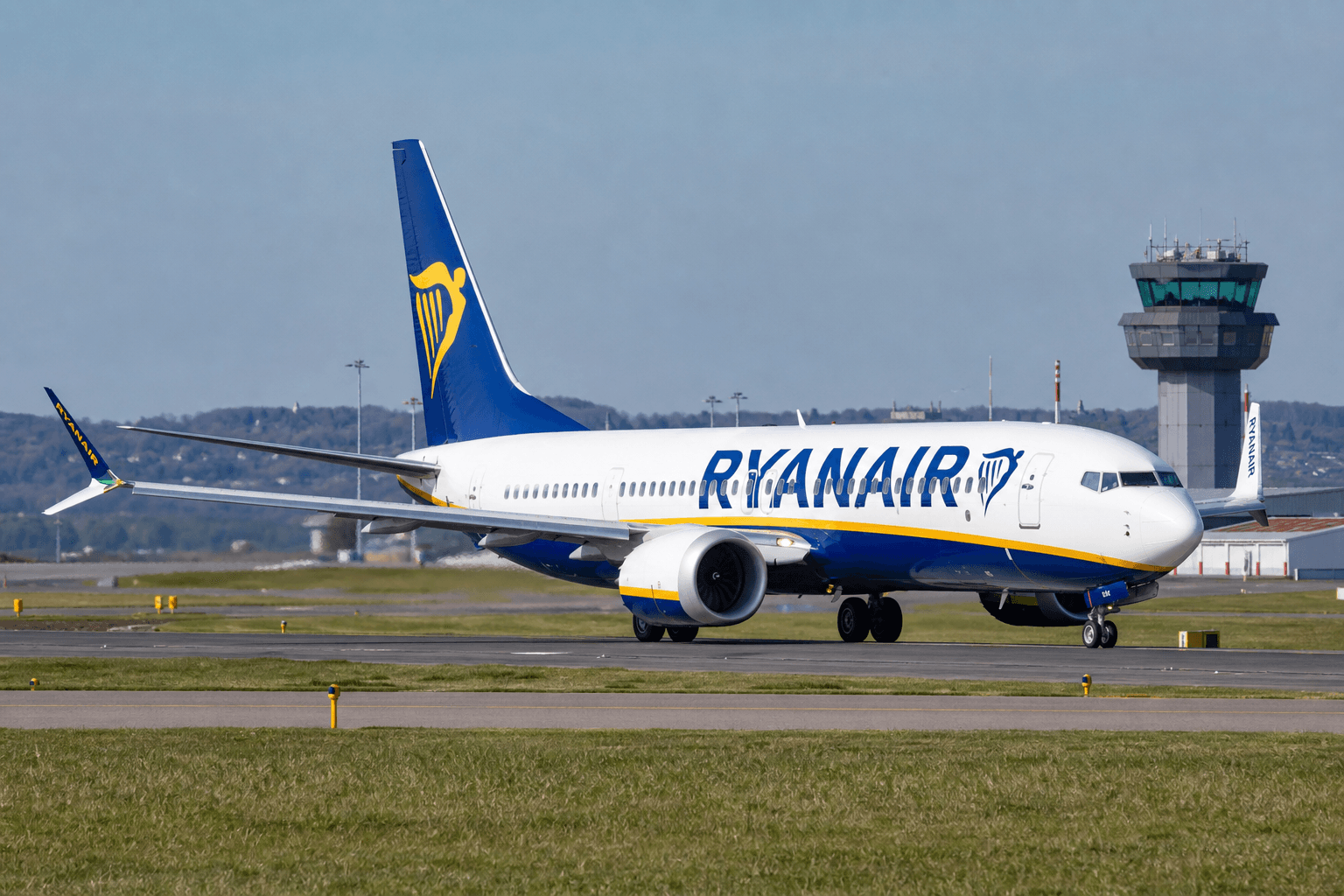
Pilots accepted intersection departure for Max 8 but did not update flight-management computer. UK investigators have determined that the crew of a Boeing 737 Max 8 did not update performance data after switching from a planned full-length runway take-off to an intersection departure. The crew of the Ascend Airways jet (G-CRUX) had informed London Luton air traffic control that they could accept a departure from intersection A of runway 25. But the pilots, who had originally intended a full-length take-off, failed to verify that the revised V-speed data had been correctly entered into flight-management computer. This resulted in a lower thrust setting than required. Flight-data analysis revealed that the maximum thrust during the take-off roll was 82.1% rather than the 85.2% needed. Available runway distance from intersection A was 1,771m — some 345m less than the full length. Owing to the low thrust, the take-off roll was "long", says the Air Accidents Investigation Branch, and the aircraft lifted off just 162m from the runway end — crossing it at a height of just 13ft. According to the inquiry the subsequent climb was "slow" and "very shallow". Air traffic control information stated that the aircraft appeared on radar to be climbing through 900ft about 0.8nm from the airport. "Under normal circumstances the aircraft would appear much closer to the airfield at that height," the inquiry says. It points out that an engine failure or loss of thrust during the take-off roll could potentially have resulted in an overrun. None of the 162 passengers and six crew members was injured during the occurrence on 22 April last year. Ascend Airways' UK division ceased operations in April this year.
Flight Attendant Numbers Determined by Safety Standards, Not Passenger Service
The number of flight attendants for each flight is carefully planned by the airline's operations department, and there are a number of deciding factors. Passengers would be hard-pressed to know exactly how many flight attendants would be needed for large aircraft types like the Boeing 777 or the Airbus A380. However, it's more obvious on smaller types like the Airbus A320 or Boeing 737, as all crew members are visible in the cabin.
The Daily Touch & Go
The day's best aviation news in your inbox. Free, no spam.