

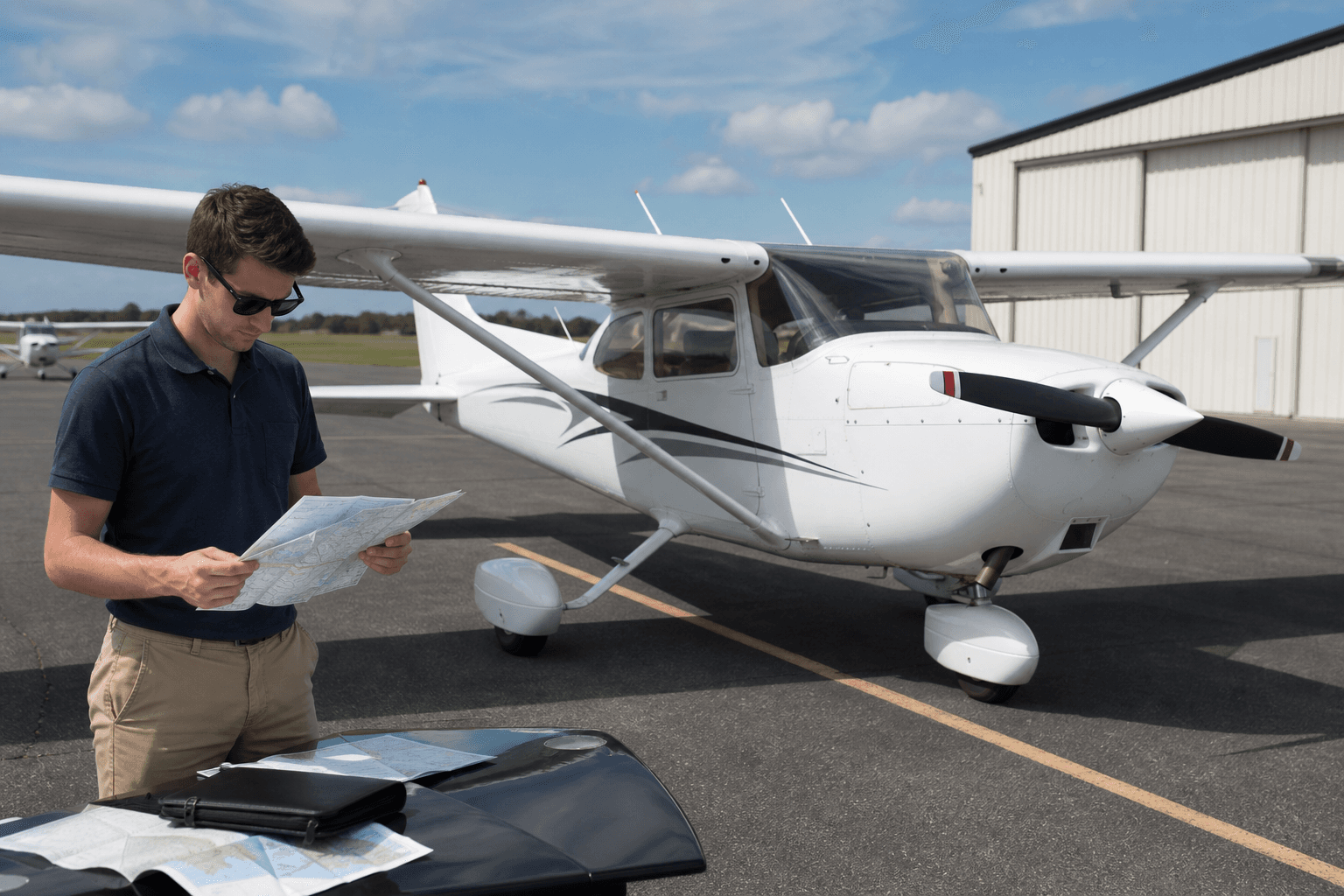
Illustration: The Touch & Go
Rising Costs and Predatory Loans Challenge Aspiring Pro Pilots Financing Training
Soaring flight training expenses and scarce affordable loans trap many hopeful pilots in risky borrowing, as interest rates climb and lenders tighten standards.
The gist
Aspiring pilots face steep training costs and predatory loans amid soaring interest rates and limited financing options.
The dream of becoming a professional pilot is increasingly burdened by soaring training costs and shrinking access to affordable financing. Aspiring aviators today confront not only inflation-driven price hikes across aviation services—from aircraft to overhauls to insurance—but also a lending environment where prime interest rates have climbed above 8 percent, with unsecured loans often exceeding that by several points. This stark reality contrasts with an earlier era of relatively easy credit and low rates, underscoring the escalating financial hurdles for new pilots.
Banks and traditional lenders have largely stepped back from offering noncollege flight training loans, creating a financing vacuum filled by predatory lenders charging interest rates upward of 17 percent. Flight schools frequently exacerbate this predicament by promoting 'easy' loans advertised at unrealistically low rates like 4.5 percent, only for students to discover markedly higher actual costs hidden until after acceptance and start dates are set. This practice traps many students into multi-decade loans with monthly payments that can exceed $2,000, clouding their path with significant long-term debt.
Aviation training's high attrition exacerbates these risks. The majority who begin primary training fail to achieve a private pilot certificate, and similar dropout rates affect professional programs. Financial commitments made early often become burdensome, particularly when loan terms remain undisclosed until late in the enrollment process. Experts advise against committing significant upfront payments or concluding major financial agreements before completing initial phases of training—when personal alignment with the career can be better assessed.
Economic projections for pilot earnings, though potentially high, vary widely and depend on multiple variables such as timing, medical fitness, networking, and sometimes luck. Early career wages often fall below $50,000, a sobering metric for new pilots shouldering substantial debt. Borrowing at annual interest rates above 12 percent is particularly dangerous, imposing a financial weight that can induce stress and discourage long-term career growth in favor of short-term income generation.
The recent surge in pilot hiring that encouraged rapid training and accommodation of less favorable loan arrangements has waned. Regional airlines now exhibit tighter hiring standards, requiring more flight hours than before, which further complicates swift career advancement. The window for expedient entry into professional piloting under relatively easy conditions appears to have closed, mandating a more cautious, financially sustainable approach.
The recommended strategy stresses minimizing borrowed funds in favor of cash payments, especially during early training stages such as achieving a private pilot certificate. Working pilots are encouraged to fund initial training independently while maintaining employment, postponing debt until a clearer commitment to the profession forms. For those lacking savings, aggressively pursuing scholarships and grants remains a critical means of financial support, with added benefits of networking and industry visibility.
Loan shopping is essential to avoid exploitation. Significant variability exists among private student loan offers, and schools that insist on using exclusively predatory lenders should be treated with skepticism. Quality training is unlikely to be a priority if lending fees outweigh educational revenues, trickling down to compromised instruction value. Prospective pilots should aim to improve credit scores or secure trustworthy cosigners to access better loan conditions.
When borrowing becomes unavoidable, distributing smaller loans over time may be preferable to a single large loan, especially in anticipation of future interest rate declines projected by the Federal Reserve. Variable rate loans tied to transparent, reliable indices like SOFR—replacing LIBOR—may balance flexibility and risk. Federal direct loans targeting accredited college programs offer comparatively favorable fixed rates, though they restrict options primarily to degree-granting institutions, limiting availability for many flight school attendees.
The current financing landscape starkly illustrates how critical financial literacy and due diligence have become for aspiring professional pilots. The convergence of rising aviation costs, tight lending, and predatory loan practices elevates the risk profile of flight training for those without independent wealth. Navigating this environment demands careful planning, cautious financial commitments, and proactive pursuit of scholarships and credit improvement to sustain the dream of taking to the skies professionally.
Read more
All Regulatory →
Embraer obtains global certification for upgraded Praetor 500E business jet
The Praetor 500E and its sistership the 600E, revealed by Embraer in February, are updated variants of the company’s original Praetors. Brazilian, European and US regulators have certificated Embraer’s Praetor 500E midsize business jet, a milestone coming one month after those authorities approved its larger Praetor 600E. The models are updated variants of the Brazilian…
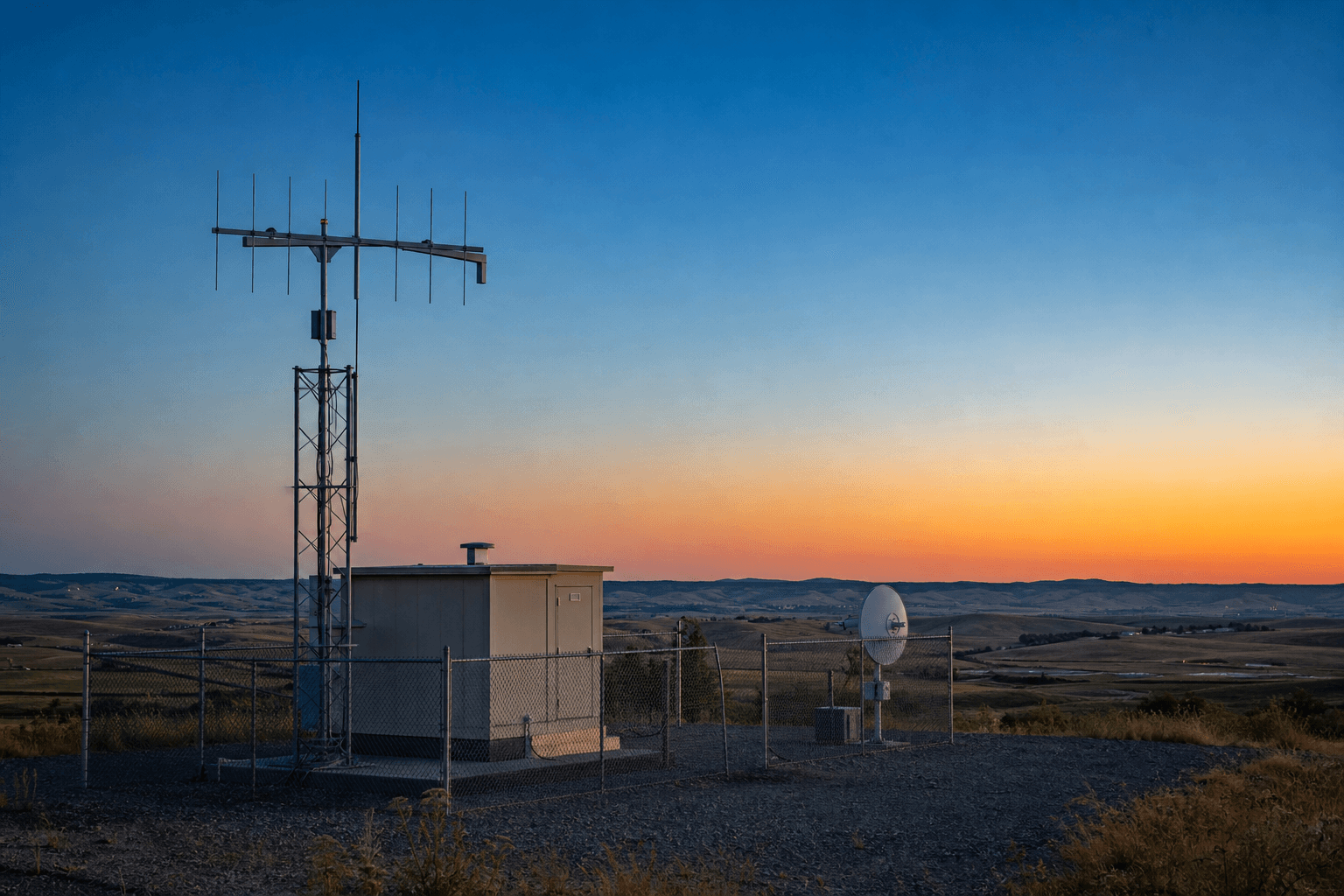
FAA Contracts L3Harris to Modernize ADS-B Ground Network Through 2045
L3Harris will modernize more than 700 FAA ground stations used for aircraft position reporting.
Vietjet Seeks Approval to Launch Domestic Flights in Australia with Boeing 737 Fleet
If successful, Vietjet would be the first international operator in almost two decades to launch domestic operations. Low-cost operator Vietjet is reportedly looking to operate domestic flights in Australia. According to a report by the Australian Financial Review, the Vietnamese carrier has applied to regulators for an air operator's certificate, as well as permission to…
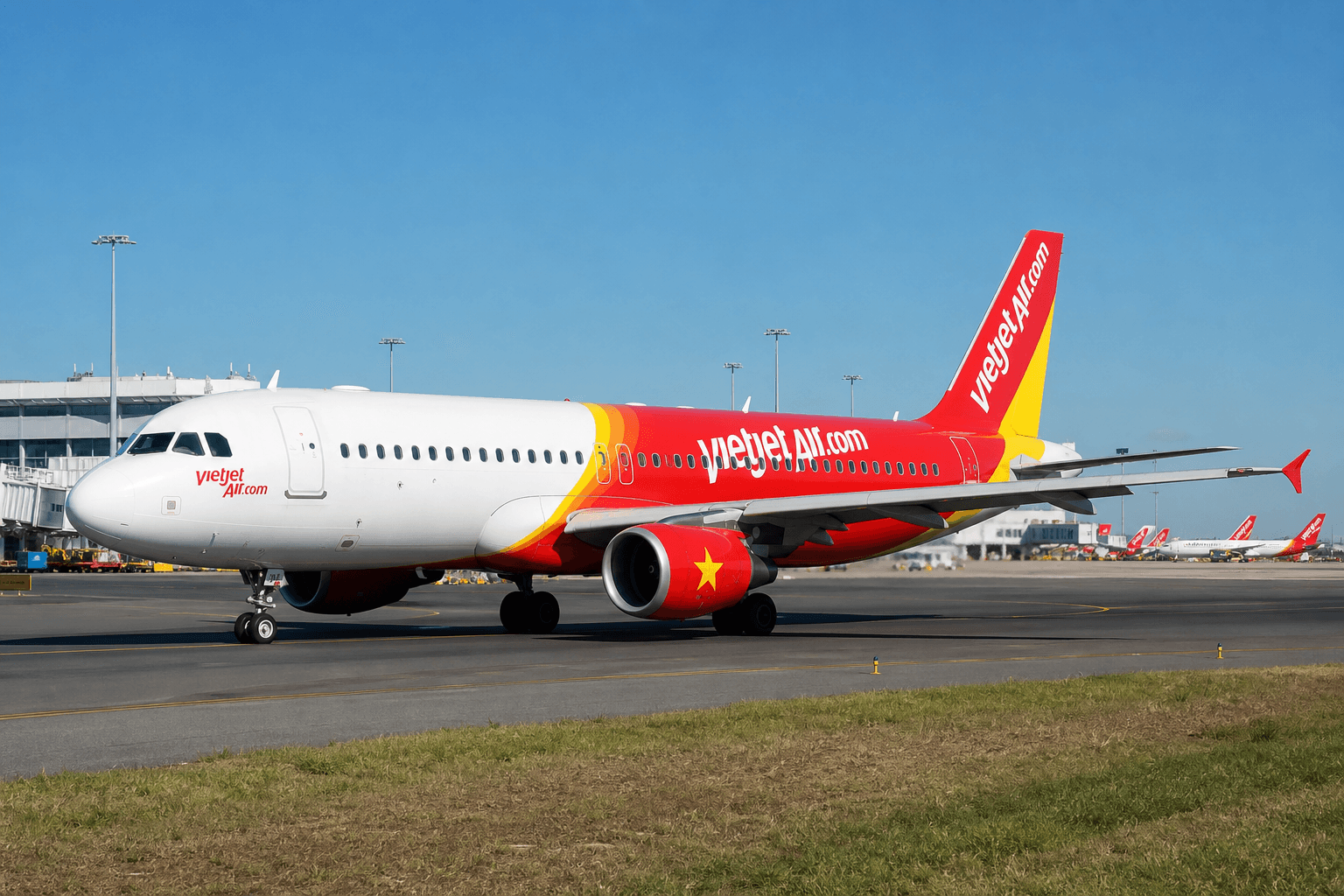
Vietjet Seeks Approval to Launch Domestic Australian Airline with Boeing 737 Fleet
Vietjet Air is seeking regulatory approval to launch a domestic airline operation in Australia, a move that would…
The Daily Touch & Go
The day's best aviation news in your inbox. Free, no spam.