

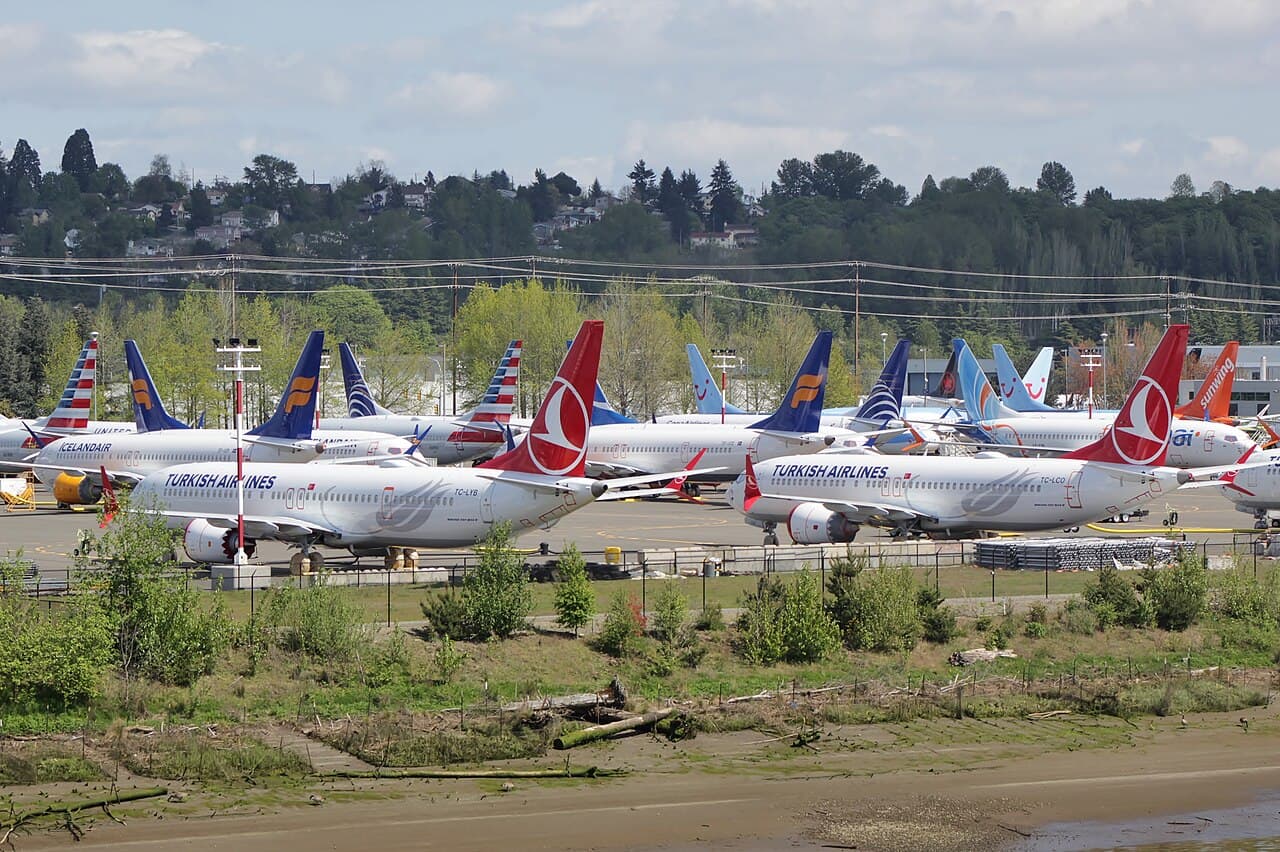
Image: SounderBruce · CC BY-SA 4.0 · via Wikimedia Commons
SpiceJet Flight SG105 Returns to Gate After Cabin Overheats in Delhi
Passengers on SpiceJet flight from Delhi to Pune experienced unbearable heat onboard, forcing the aircraft to return before departure after cabin air conditioning failed.
The gist
SpiceJet passengers halted flight SG105 over extreme cabin heat, prompting return to gate and aircraft substitution after safety concerns.
Continuing coverage
All Boeing 737 Max →- Somon Air debuts Boeing 737 MAX with first aircraft delivery from DAE lease
- Aerolineas Argentinas to modernize fleet with new A330neos, updated business class, and Wi-Fi
- Why Allegiant Air Operated Boeing 757s to Reach Hawaii and Beyond
- Alaska Airlines Launches New Daily Boise-Honolulu and Weekly Spokane-Honolulu Boeing 737 Routes
- United Airlines Expands Airbus A321neo Orders Amid Boeing 737 MAX 10 Delays
A SpiceJet flight scheduled to depart Delhi for Pune encountered a severe cabin overheating issue on Tuesday night, compelling passengers to intervene and ultimately forcing the aircraft to return to the gate without taking off. The flight, SG105, was set to leave Delhi's Terminal 1 at 9:55 p.m. when air conditioning failed to cool the cabin. Passengers reported intense heat inside the aircraft, with some struggling to breathe as temperatures climbed uncomfortably high.
Reports indicate that after boarding, the cabin temperature rose rapidly, leading to passengers drenched in sweat, crying children, and pregnant women and elderly passengers becoming ill. Visual footage shows passengers standing in the aisles, fanning themselves with magazines and menu cards, and a pregnant woman close to fainting was assisted back into the terminal in a wheelchair. The discomfort escalated to the point where passengers gathered near the forward door demanding to leave the aircraft. One individual threatened to forcibly open the door, which flight attendants explained would be unsafe as the aircraft stairs had already been removed.
Passengers initially believed the cabin would cool once engines started and the plane began movement. However, the aircraft appeared to taxi or remain outside the gate for roughly 40 to 45 minutes while conditions worsened inside. The exact nature of the malfunction remains unclear although speculation suggests a failure in the auxiliary power unit or air conditioning pack, potentially preventing proper cooling even with engines running. The plane may have pushed back but remained stationary due to maintenance or operational delays.
During this ordeal, the captain and airline personnel reportedly threatened to call police when passengers refused to take their seats and allow continuation of the flight. Eventually, the aircraft returned to the gate where maintenance personnel conducted inspections, confirming the plane was unfit for flight. To resolve the situation, SpiceJet replaced the aircraft with another Boeing 737 MAX 8, which departed over seven hours later than scheduled.
SpiceJet acknowledged a last-minute technical issue affected flight SG105, conceding the need to substitute the aircraft. However, the airline maintained that air conditioning was operational throughout and attributed passenger discomfort partly to extreme Delhi weather conditions. This explanation was met with skepticism given prior similar incidents and the severity of the onboard heat experienced by passengers.
This event follows a series of recent complaints and incidents involving SpiceJet flights on the Delhi-Pune route and others, where passengers endured long delays in overheated cabins. Earlier this year, in March and June, multiple flights involved passengers suffering from inadequate cooling, sometimes resulting in flight cancellations after hours of heat exposure onboard. Critics argue that SpiceJet's standard response blaming external weather conditions fails to address apparent systemic issues with onboard climate control systems.
The passenger intervention on SG105 has drawn significant attention due to the safety risks posed by the overheating. While SpiceJet contests that no major accident was prevented, the incident raised questions about aircraft readiness, air conditioning system maintenance, and passenger welfare during pre-flight holds. The prolonged exposure to high temperatures in a tightly enclosed space can cause dehydration, heat exhaustion, and exacerbate medical issues, particularly among vulnerable travelers.
The regulatory and operational implications for SpiceJet are considerable, as repeated episodes highlight flaws in ground and onboard systems designed to maintain safe and comfortable cabin environments. The airline industry’s challenge to ensure functional environmental control systems before departure is underscored by this episode. Authorities and passengers alike expect more rigorous maintenance and responsiveness to avoid recurrence of such hazardous situations.
Frequently asked questions
- What caused the SpiceJet SG105 flight to return to the gate?
- The aircraft experienced a significant cabin overheating issue caused by failure of the air conditioning system or related components, leading to passenger distress and the flight being aborted.
- How did passengers respond to the cabin overheating on the flight?
- Passengers protested by standing and fanning themselves, demanded to be released from the aircraft, and refused to continue the flight until it returned to the gate for maintenance.
- Did SpiceJet provide an explanation for the air conditioning problem?
- SpiceJet acknowledged a last-minute technical issue but claimed the air conditioning was operational and attributed passenger discomfort partly to hot weather conditions in Delhi.
Read more
All Airlines →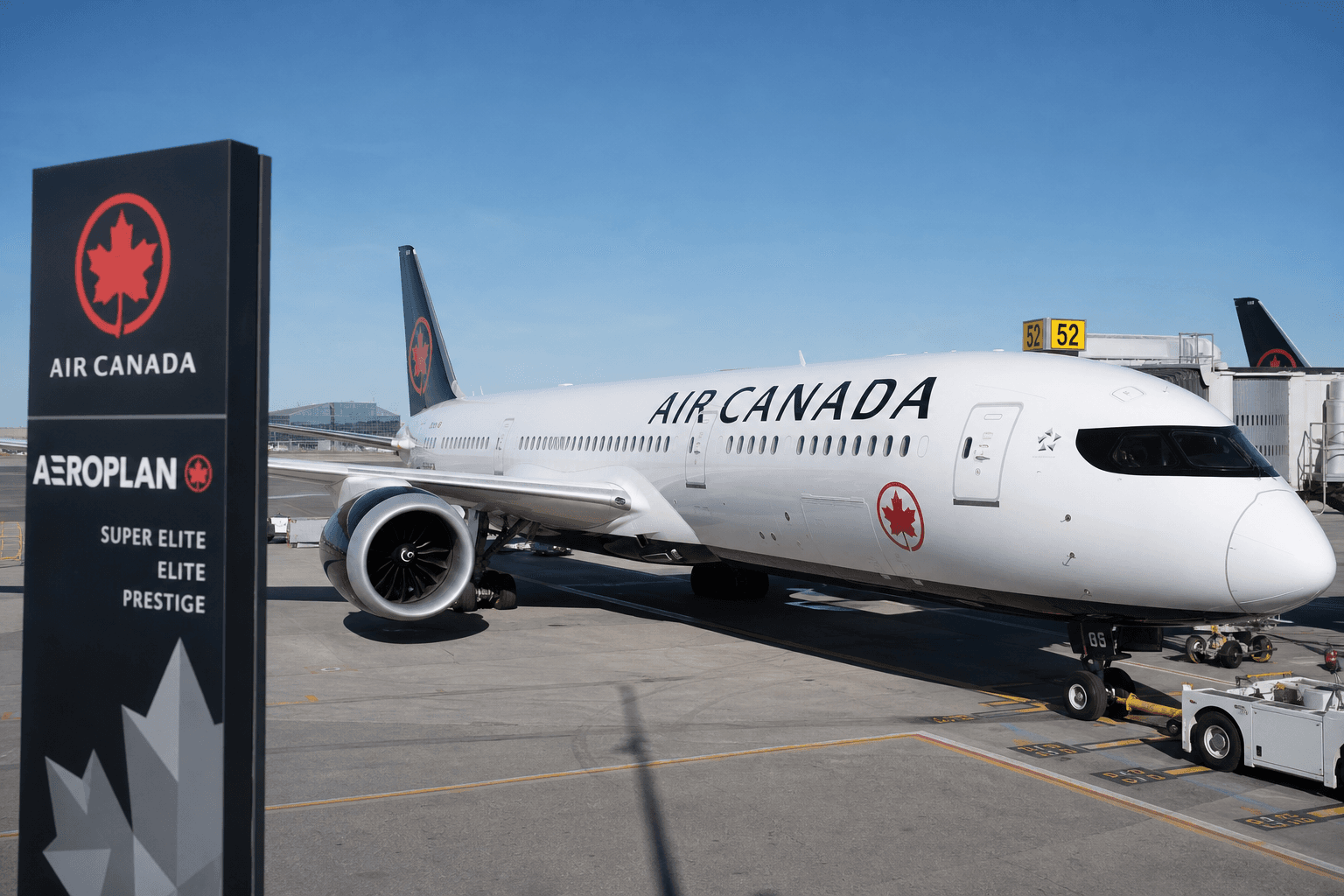
Air Canada sells 25% of Aeroplan loyalty program to Blackstone and Canadian investors for $2.5B
Private equity firm and other investors will receive a 25% stake of the programme, valued at $10 billion. Air Canada has agreed to sell a stake in its Aeroplan loyalty programme to the private equity firm Blackstone and a consortium of Canadian funds, including pensions. The investors will pay $2.5 billion for a 25% stake in the programme, valuing it at $10 billion. Air Canada will use the proceeds to reduce its debt and buy back shares. Air Canada will have the option to repurchase shares in five to eight years at a price that reflects a total rate of return of 6.5% for the outside investors. Shares of Air Canada spiked more than 5% in trading following a Bloomberg report of the potential deal on Tuesday, followed by another large gain on Wednesday following the announcement and earnings report that topped investor expectations. It's not Air Canada's first time using its frequent flyer scheme as a cushion for fresh capital, though a deal like this is relatively rare among North American airlines. Aeroplan was previously spun off into a separate company in 2005 as part of Air Canada's 2003 bankruptcy. The carrier repurchased the programme in 2019. In 2014, Virgin Australia sold a 35% stake in its Velocity frequent flyer programme to Affinity Equity Partners for A$336 million. It bought back the stake in 2019 for A$700 million. And as the COVID-19 pandemic hit airlines in 2020, many carriers used their loyalty programmes and credit card business as collateral to shore up liquidity. "Aeroplan remains a core part of Air Canada’s commercial strategy, and we continue to retain full control of the programme’s strategy, operations, partnerships, and member experience, while monetising a portion of its underlying value," says departing chief executive Michael Rousseau.
Singapore Airlines Faces Challenges With Largest Premium Economy Section on Ultra-Long Haul Flight
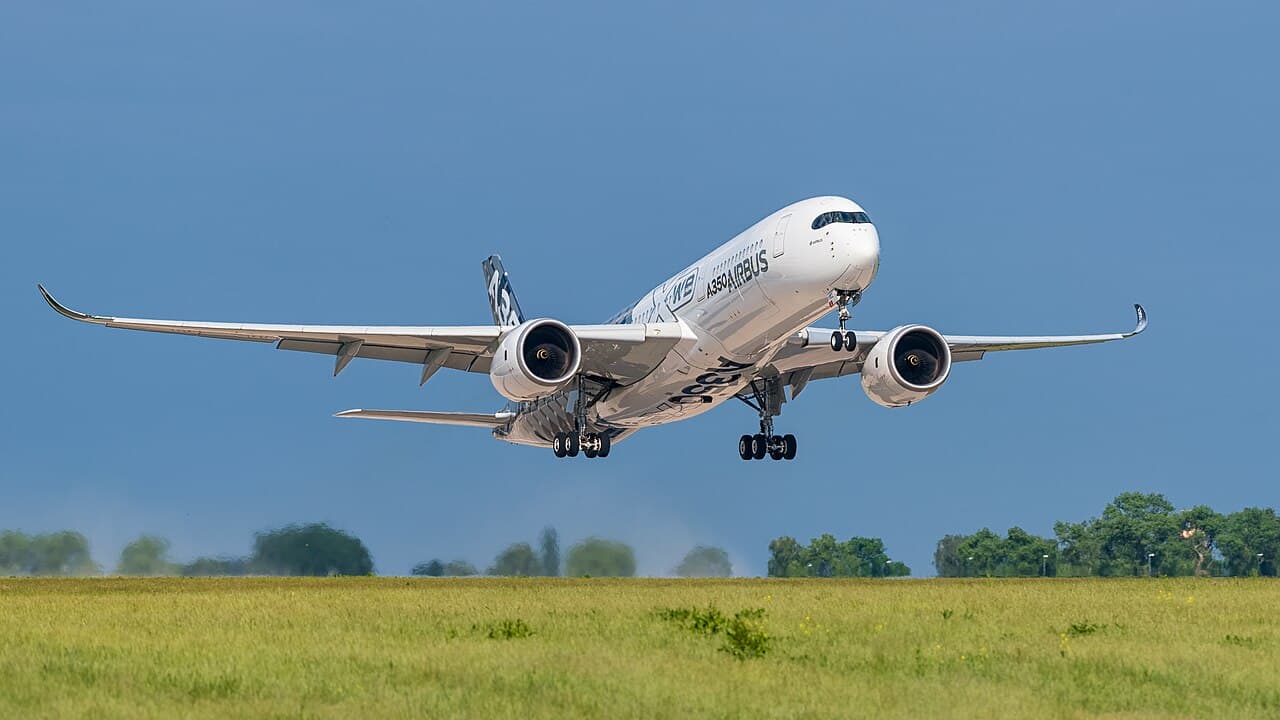
The world's longest flight is currently Singapore Airlines' mammoth trip from New York to Singapore, requiring 18 hours in the sky. Given this time, there is no true economy class product available, with 67 business class and 94 premium economy seats. The hard product for both classes is undeniably strong. However, it has been suggested that the cramming of 94 premium economy passengers into an area with one galley and three washrooms is breaking the product.
Singapore Airlines Business Class Delivers Consistent Luxury With Tailored Comfort
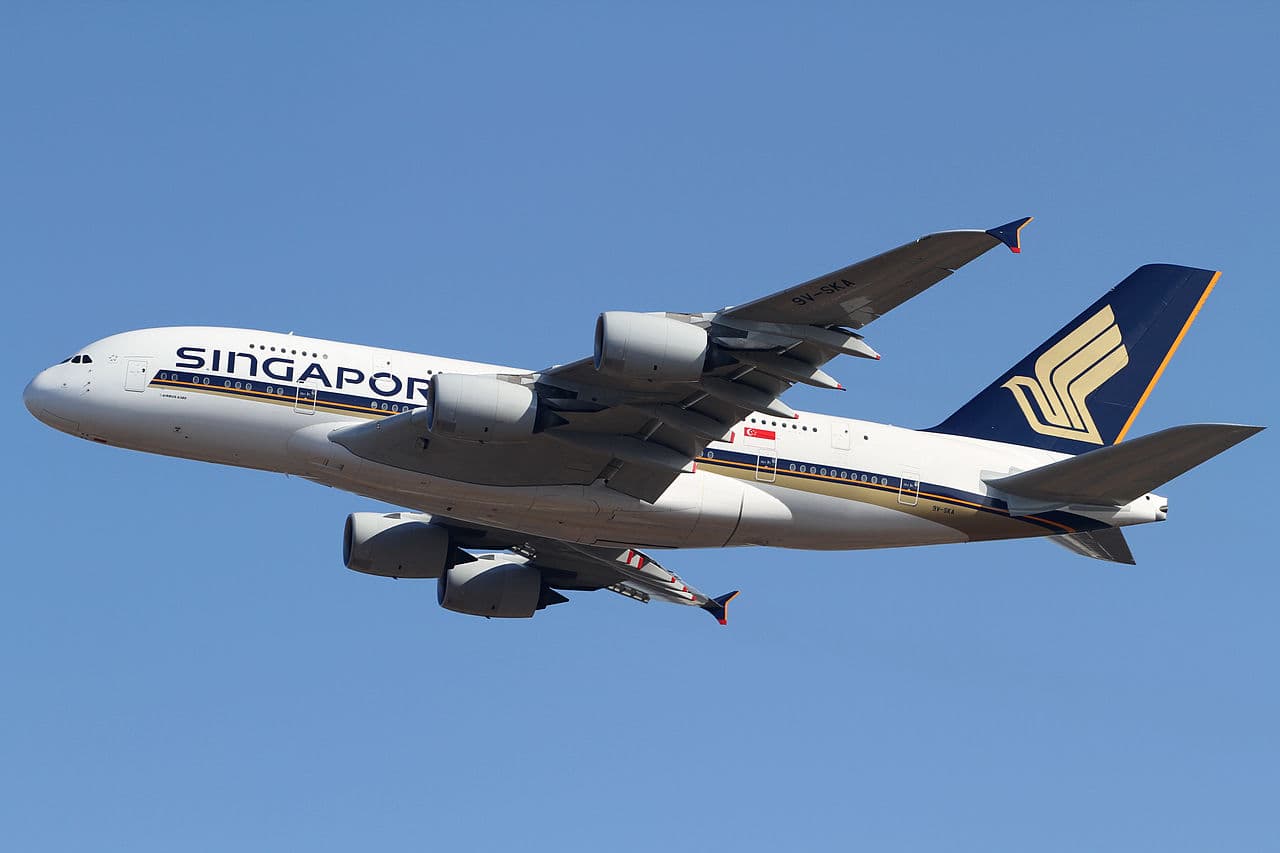
Singapore Airlines' Business Class has long been regarded as one of the most polished premium products in the world of global aviation. While many carriers are capable of offering lie-flat seating, refined meals, and premium lounges, Singapore Airlines layers these elements with a consistency, attention to detail, and overall design philosophy that elevate the entire experience. The airline views Business Class not simply as a transport product but as a hospitality offering built on deliberate service rituals, thoughtful cabin ergonomics.
Indian Lawmaker Urges Women-Only Lavatories on Planes to Improve Hygiene and Comfort
An Indian lawmaker is being mocked for supposedly demanding that Boeing and Airbus redesign aircraft with separate bathrooms for men and women. Her actual letter asks airlines to designate one existing lavatory women-only and clean all of them more often—a real sanitation problem wrapped in a policy likely to create new capacity, enforcement and gender-definition problems.
The Daily Touch & Go
The day's best aviation news in your inbox. Free, no spam.