

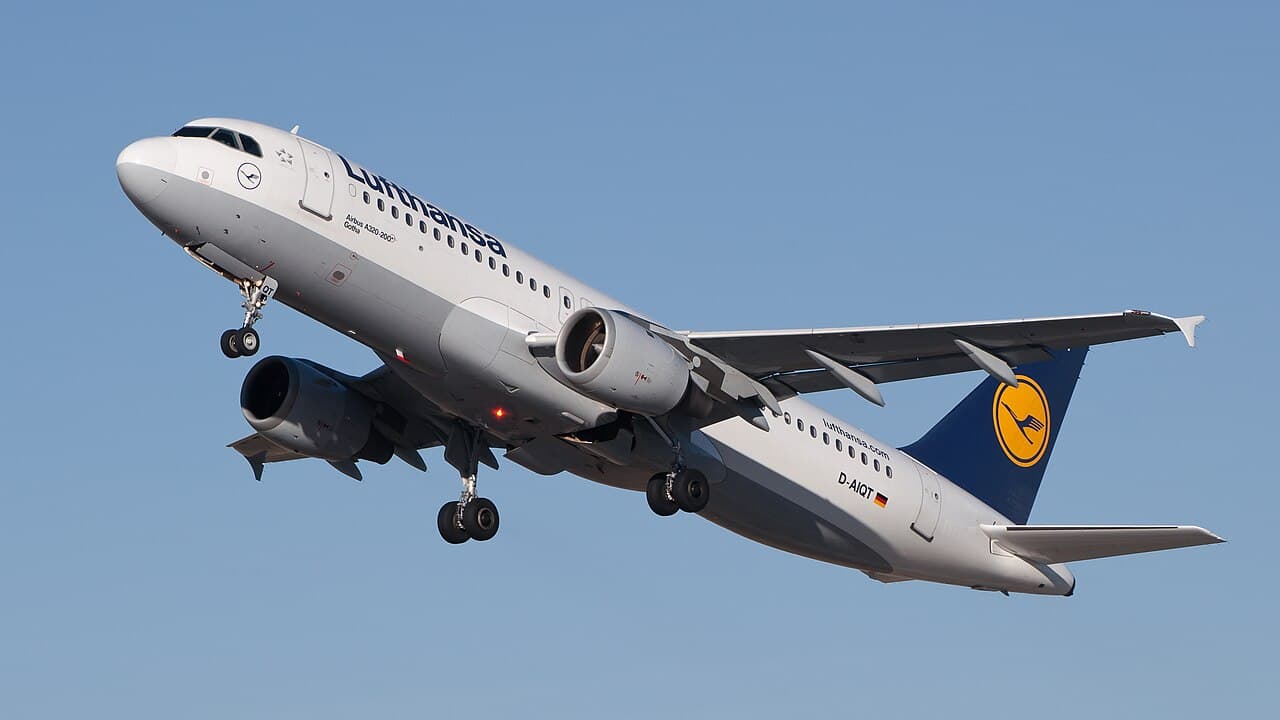
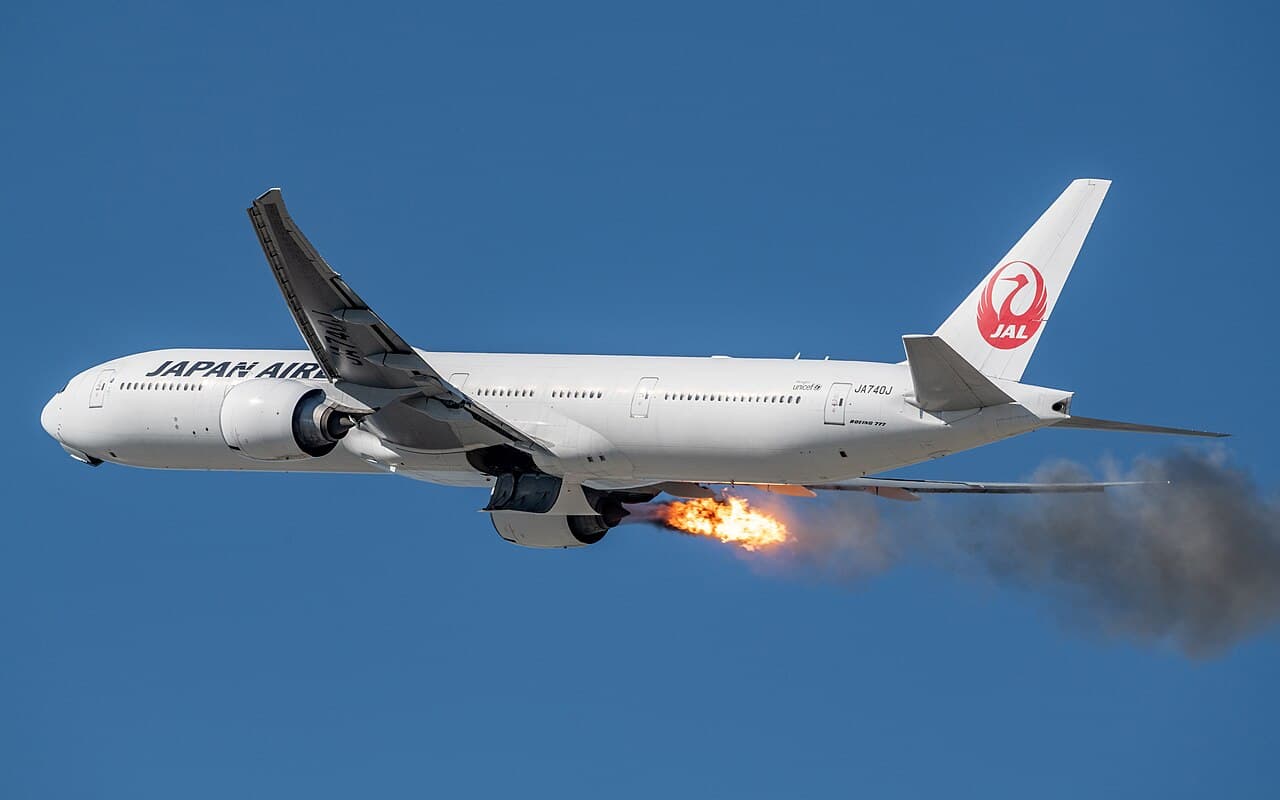
Image: Julian Herzog ( Website ) · CC BY 4.0 · via Wikimedia Commons
Lufthansa Signals Shift Toward Collaborative Labor Relations After Years of Strife
Facing costly strikes and labor unrest during its centennial year, Lufthansa management commits to improved dialogue and long-term cooperation with employee unions.
The gist
Lufthansa aims to end its pattern of labor conflicts by fostering collaboration with unions, inspired partly by Air France-KLM’s success in labor peace.
Lufthansa, a major European airline, has wrestled with extensive labor disputes for many years, which have significantly disrupted operations and imposed financial burdens. This year, marking the company's 100th anniversary, the airline endured consecutive strikes by pilots and flight attendants that grounded flights for about a week, causing losses estimated in the hundreds of millions and forcing the shutdown of its CityLine subsidiary. This series of events has catalyzed a potential change in how Lufthansa approaches labor relations.
Michael Niggemann, Chief Human Resources Officer at Lufthansa, recently stated the necessity of shifting from talking about employees to talking with them. He emphasized the need to resolve not only immediate collective bargaining disputes but to build a solid foundation for ongoing cooperation. This verbal commitment represents a stark contrast to decades of strained interactions that have often culminated in industrial actions rather than agreements.
Historically, Lufthansa’s labor relations problems have stemmed from mutual distrust and antagonism between management and unions. The airline is the lowest-margin carrier within the Lufthansa Group, a status management partly attributes to expensive labor contracts. Conversely, unions contend that ongoing outsourcing and subsidiary creation have hollowed out the flagship airline’s core value, contributing to its financial difficulties.
Recently, both management and pilot unions have agreed to a framework for arbitrating disputes through negotiation instead of striking. Such a mechanism intends to prevent the repeat of events that crippled operations this spring. Whether this framework can be sustained in the long term remains uncertain, especially as contract negotiations continue without a final resolution yet.
Lufthansa’s desire to improve labor relations comes amid broader changes in the European aviation landscape, including consolidation efforts and competitive shifts. One notable influence appears to be the labor peace achieved by Air France-KLM, whose operations have been remarkably strike-free since appointing CEO Ben Smith in 2018. Smith’s approach, characterized by respect for unions and collaboration, stands in contrast to Lufthansa’s past strategies.
Air France-KLM's turnaround is especially striking given its previous history of severe labor unrest, including violent employee protests in 2015. Smith responded by dismantling lower-paying subsidiaries and integrating staff into contracts offering better pay and conditions, fostering a cooperative environment. Lufthansa’s continued reliance on multiple subsidiaries and fragmented labor contracts contrasts sharply with this model, highlighting differing philosophies toward employee relations.
Although Lufthansa's new statements hint at a strategic pivot toward proactive engagement and collective solutions, skepticism persists considering the airline’s long record of contentious negotiations. Whether this change in tone signals a genuine transformation in practice or merely tactical rhetoric remains to be seen, particularly as negotiations are still underway and no agreements are finalized.
The potential shift in Lufthansa's labor relations approach, if realized, could offer a blueprint for other European airlines grappling with similar disputes. The financial impacts of repeated strikes underscore the economic imperative of stable labor relations. Management’s willingness to explore arbitration and constructive dialogue may mark a significant departure from entrenched patterns that have hindered the airline’s profitability and reputation over decades.
Frequently asked questions
- What has prompted Lufthansa to reconsider its approach to labor relations?
- Recent costly back-to-back strikes during its 100th anniversary year have caused significant operational disruption and financial loss, prompting management to seek longer-term cooperative solutions with unions.
- How does Lufthansa's new labor relations strategy differ from past practices?
- Management is now aiming to engage in dialogue and arbitration with unions rather than relying on confrontation and industrial actions, signaling a move toward collaborative negotiation.
- What influence has Air France-KLM had on Lufthansa's labor relations approach?
- Air France-KLM's success in maintaining labor peace since 2018 under CEO Ben Smith has highlighted the benefits of respectful, collaborative labor relations, influencing Lufthansa's desire to change its adversarial approach.
Read more
All Airlines →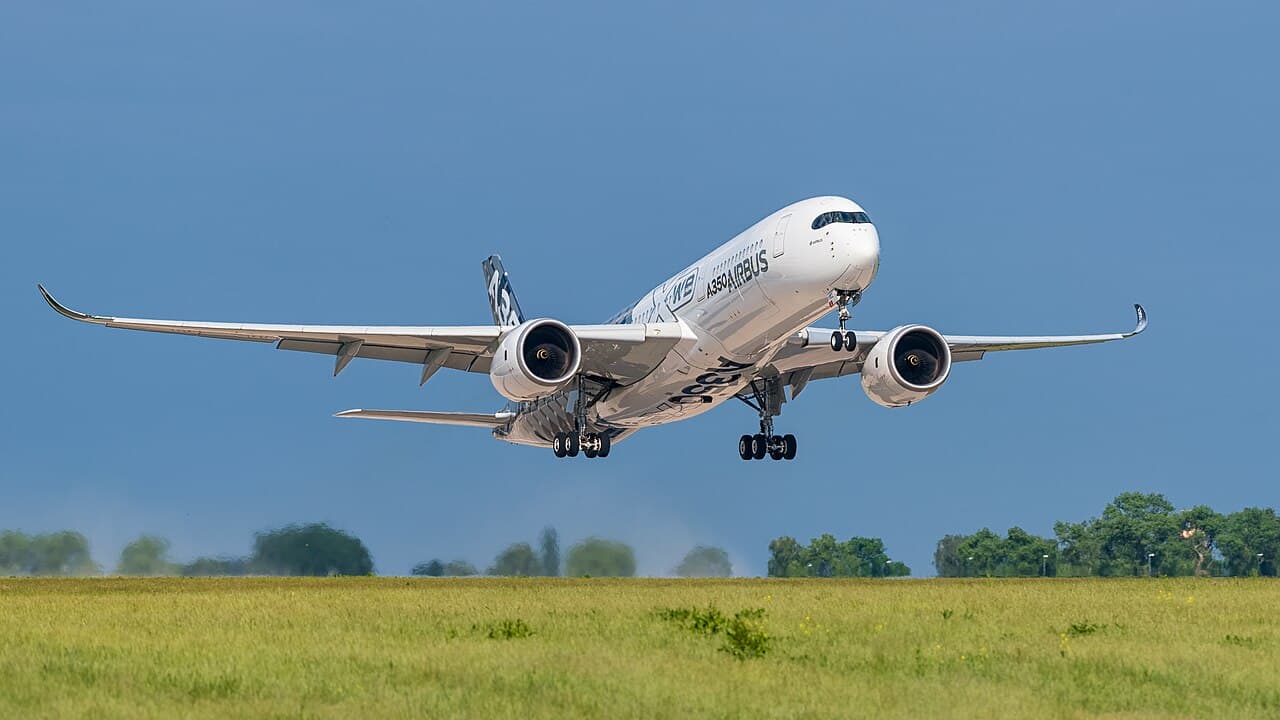
Singapore Airlines Faces Challenges With Largest Premium Economy Section on Ultra-Long Haul Flight
The world's longest flight is currently Singapore Airlines' mammoth trip from New York to Singapore, requiring 18 hours in the sky. Given this time, there is no true economy class product available, with 67 business class and 94 premium economy seats. The hard product for both classes is undeniably strong. However, it has been suggested that the cramming of 94 premium economy passengers into an area with one galley and three washrooms is breaking the product.
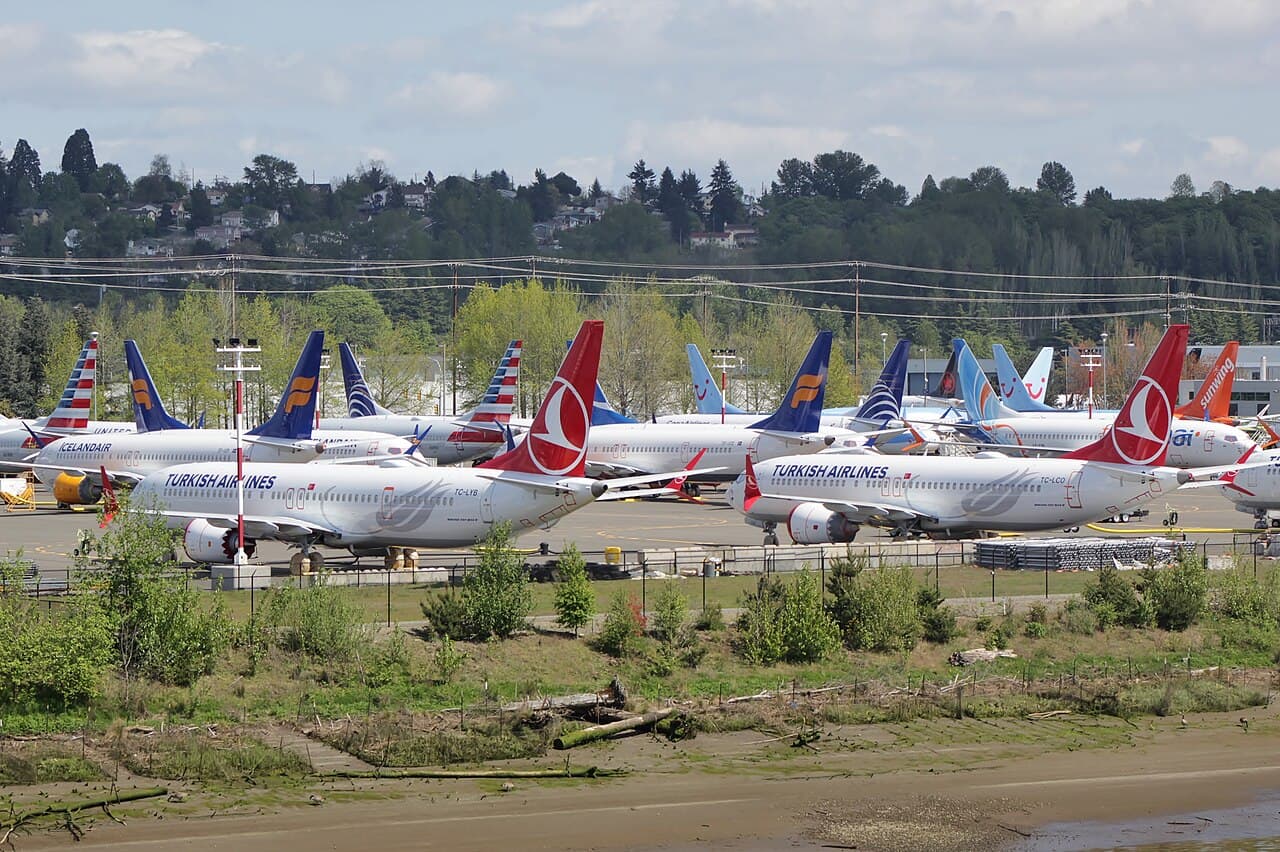
SpiceJet Flight SG105 Returns to Gate After Cabin Overheats in Delhi
Passengers on a SpiceJet flight from Delhi to Pune refused to take off after the cabin became unbearably hot, with travelers fanning themselves, crowding the forward door, and later chanting "Stop playing with our lives." SpiceJet says the air conditioning remained operational, but the aircraft was swapped after a technical issue — and this was not the first recent report of passengers trapped in sweltering conditions on the airline.
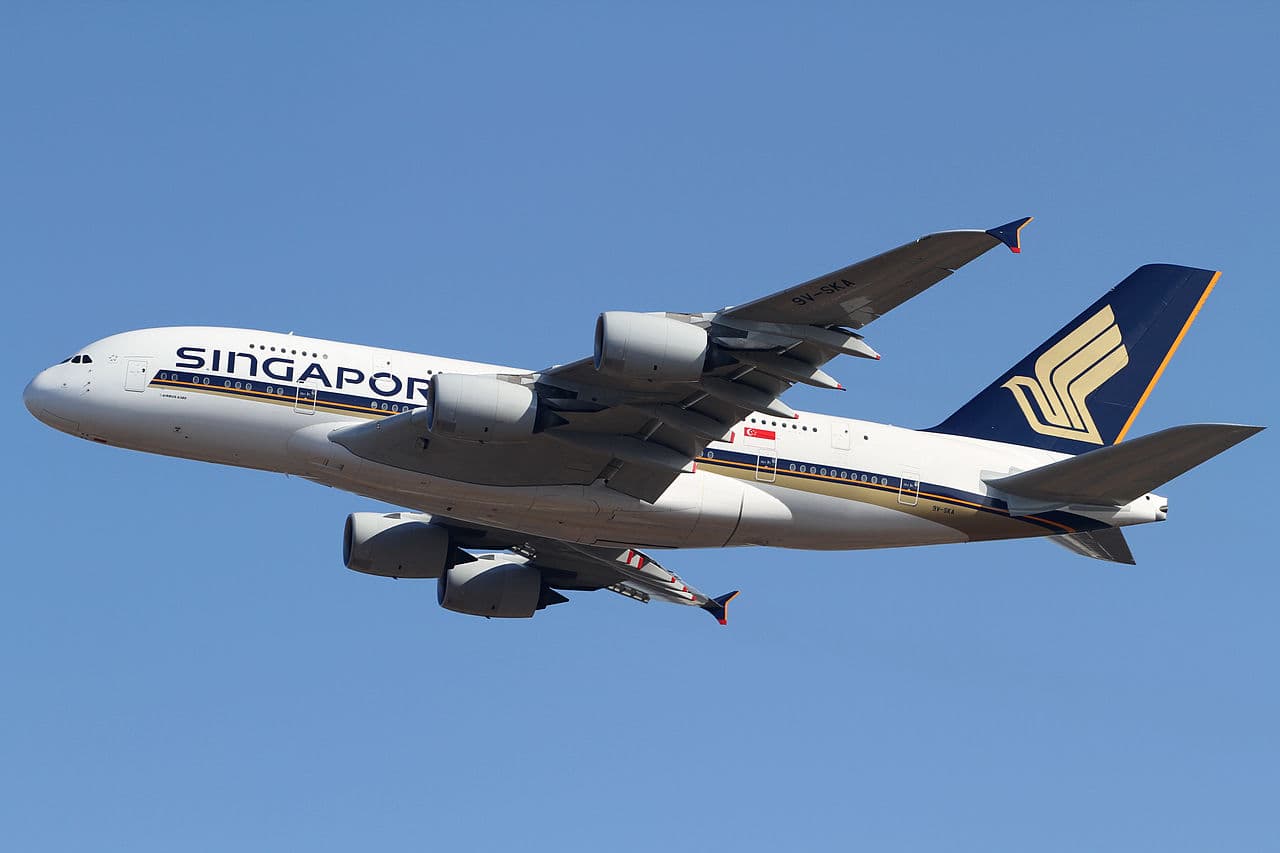
Singapore Airlines Business Class Delivers Consistent Luxury With Tailored Comfort
Singapore Airlines' Business Class has long been regarded as one of the most polished premium products in the world of global aviation. While many carriers are capable of offering lie-flat seating, refined meals, and premium lounges, Singapore Airlines layers these elements with a consistency, attention to detail, and overall design philosophy that elevate the entire experience. The airline views Business Class not simply as a transport product but as a hospitality offering built on deliberate service rituals, thoughtful cabin ergonomics.
Indian Lawmaker Urges Women-Only Lavatories on Planes to Improve Hygiene and Comfort
An Indian lawmaker is being mocked for supposedly demanding that Boeing and Airbus redesign aircraft with separate bathrooms for men and women. Her actual letter asks airlines to designate one existing lavatory women-only and clean all of them more often—a real sanitation problem wrapped in a policy likely to create new capacity, enforcement and gender-definition problems.
The Daily Touch & Go
The day's best aviation news in your inbox. Free, no spam.