

Illustration: The Touch & Go
Air Canada sells 25% of Aeroplan loyalty program to Blackstone and Canadian investors for $2.5B
Air Canada transfers a quarter stake in its Aeroplan loyalty program to Blackstone and Canadian pension funds, valuing the program at $10 billion and raising $2.5 billion to reduce debt and buy back shares.
The gist
Air Canada sells 25% of Aeroplan to Blackstone and others for $2.5B, strengthening its balance sheet and retaining control of the program.
Continuing coverage
All Air Canada →- Air Canada Nears $2 Billion Deal Selling Minority Aeroplan Stake to Blackstone
- Air Canada launches new long-haul routes to Tenerife and Sapporo for 2026/27 winter
- United Airlines Allows Flight Attendants to Drink Alcohol While Deadheading Under Strict Conditions
- Air Canada Aeroplan and World of Hyatt Launch New Status and Points Partnership
- Air Canada and IAMAW Reach Tentative Four-Year Deal Covering 11,000 Maintenance Workers
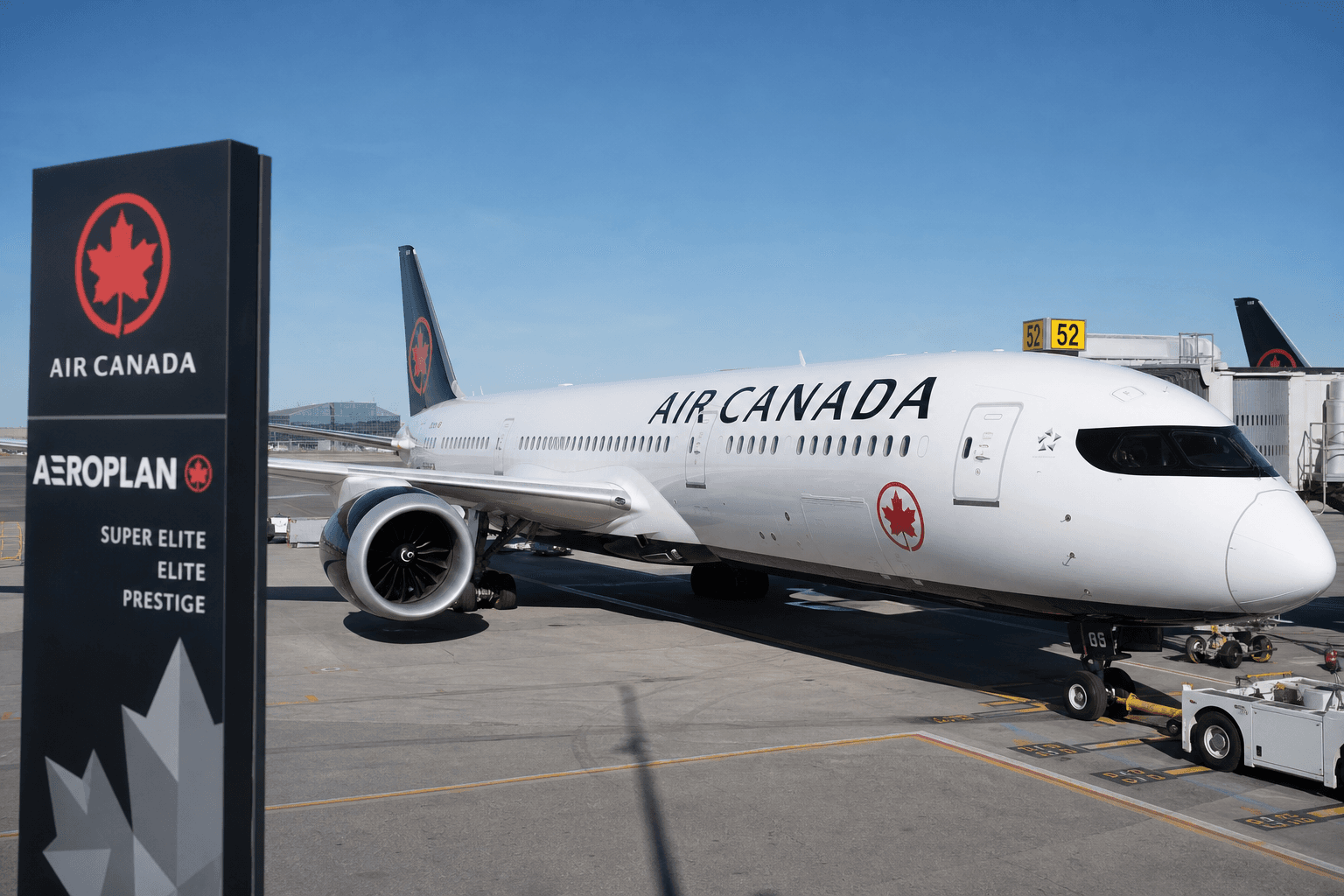
Air Canada has struck a $2.5 billion deal to sell a 25% ownership stake in its Aeroplan loyalty program to the private equity giant Blackstone and a group of Canadian pension funds. This transaction values the Aeroplan program at $10 billion, reflecting the significant worth attributed to airline loyalty assets in today's market. Air Canada plans to use the proceeds from this minority stake sale primarily to pay down debt and repurchase shares, demonstrating a strategic move to optimize its capital structure and shareholder value.
The Aeroplan loyalty program is a cornerstone of Air Canada’s commercial operations, providing a key engagement platform for customers and generating significant ancillary revenue streams. Despite monetizing a portion of Aeroplan, Air Canada will maintain full control over the program’s strategy, day-to-day operations, partnership developments, and the overall member experience. This ensures the carrier can continue leveraging Aeroplan to support its broader business objectives without relinquishing operational oversight or influence.
Under the terms of the agreement, Air Canada maintains an option to repurchase the shares sold within a five- to eight-year window at a price designed to deliver a total return of 6.5% to the outside investors. Such a provision affords the airline flexibility to regain full ownership after a period, depending on market conditions and strategic priorities, effectively structuring the deal as a form of long-term financing with embedded repurchase rights.
The market reacted positively to the news, with Air Canada's stock price rising sharply following initial media reports and subsequent confirmation of the transaction. This uptick was further supported by the airline’s strong earnings release, which beat investor expectations, signaling solid financial health and underlying operational performance. The deal underscores investor confidence in Air Canada’s strategy to unlock value from non-core assets while reinforcing its financial position.
Air Canada's relationship with Aeroplan has evolved significantly over the years. The program was originally spun off as a separate entity during the airline’s bankruptcy restructuring in the early 2000s. Since reacquiring Aeroplan in 2019, Air Canada has been focused on integrating the program more closely with its operations. This recent transaction represents another chapter in the program's commercialization journey, highlighting a growing trend among North American carriers to capitalize on the value embedded in loyalty schemes.
Loyalty programs have become critical financial and strategic assets in the airline industry. Several airlines have used their frequent flyer programs to generate capital during challenging times, such as during the COVID-19 pandemic when carriers tapped these assets to bolster liquidity. Air Canada's deal with Blackstone aligns with this broader industry pattern, although large-scale private equity participation in North American airline loyalty programs remains relatively uncommon compared to other regions.
Comparable transactions highlight the potential upside of such deals. For example, Virgin Australia sold a 35% stake in its Velocity frequent flyer program to a private equity firm in 2014 and repurchased it at double the sale price five years later. These cases demonstrate the robust investor appetite for airline loyalty assets, which often deliver consistent cash flow and growth prospects independent of flight operations.
According to Michael Rousseau, Air Canada's outgoing CEO, Aeroplan continues to be central to the airline's commercial strategy. While monetizing part of Aeroplan's value, the company is careful to emphasize maintaining control over its strategic direction and member engagement. The transaction reveals how airlines can unlock value through strategic partnerships without surrendering control of vital customer assets.
Frequently asked questions
- Who bought the 25% stake in Aeroplan from Air Canada?
- Private equity firm Blackstone and a consortium of Canadian pension funds purchased the 25% stake in Aeroplan from Air Canada.
- What will Air Canada do with the $2.5 billion proceeds from the Aeroplan stake sale?
- Air Canada plans to use the proceeds to reduce its debt and repurchase shares, strengthening its financial position.
- Does Air Canada retain control of the Aeroplan program after selling the stake?
- Yes, Air Canada keeps full control over the strategy, operations, partnerships, and member experience of Aeroplan despite selling the minority stake.
Read more
All Airlines →
Frequent Flyer Award Loopholes Close as Airlines Tighten Elite Perks
The frequent flyer ecosystem has operated on a silent contract between airlines and their most loyal customers, but now that contract seems to be ending. There was once a period defined by the exploitation of fixed award charts, complex routing rules, and the mathematical beauty of carrier-imposed surcharges. Travelers spent years reverse-engineering award flight availability, viewing the loyalty landscape as a puzzle where deep knowledge of program intricacies provided access to premium cabins for a fraction of their cash value.
Air Canada launches new long-haul routes to Tenerife and Sapporo for 2026/27 winter
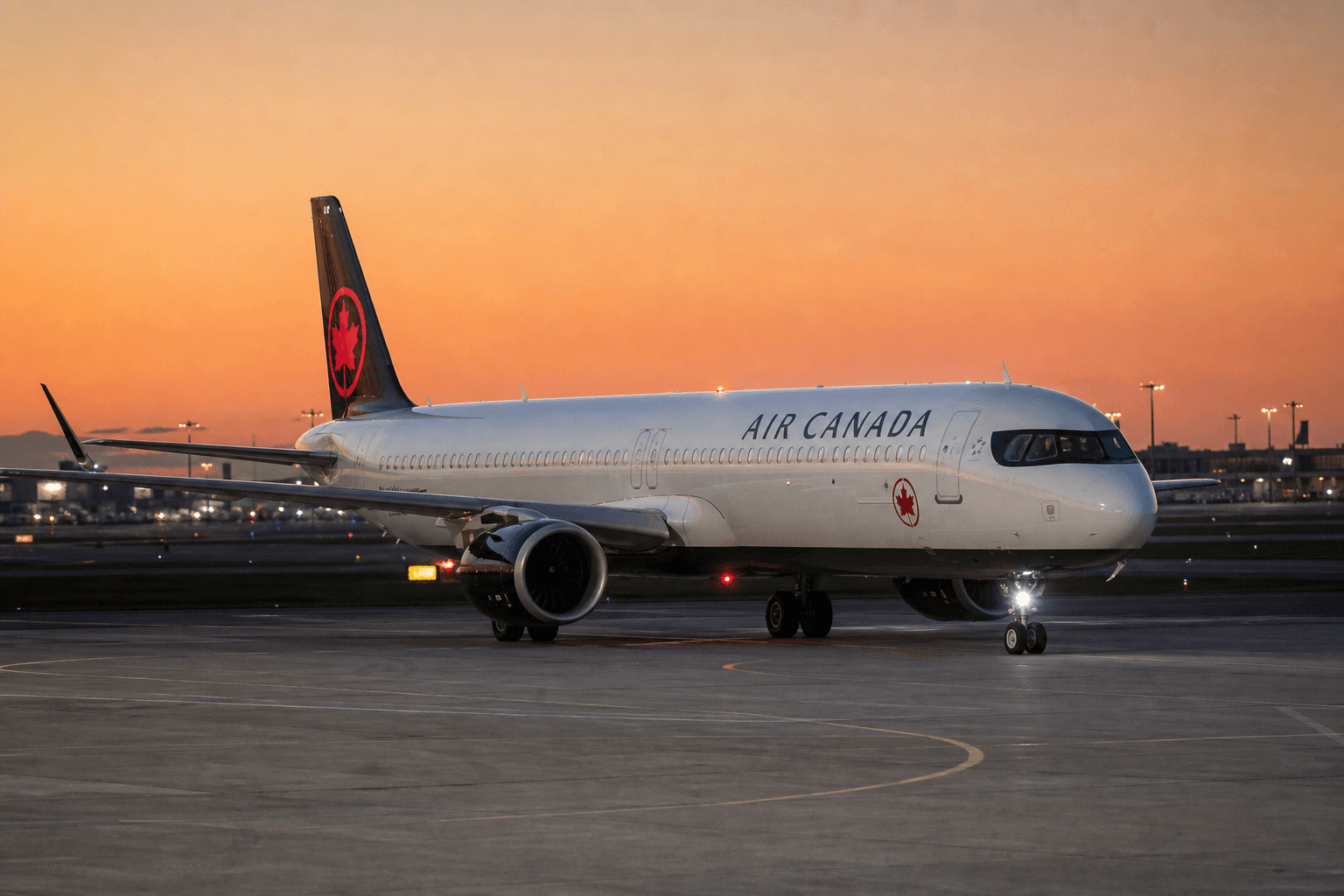
Air Canada has been steadily expanding its international network in recent years. The airline has added several new destinations so far this year and increased its presence across leisure markets. It is continuing this expansion with more additions for the 2026/27 winter season .
Apollo Global Management Secures £5.7B Takeover of easyJet with No Immediate Job Cuts
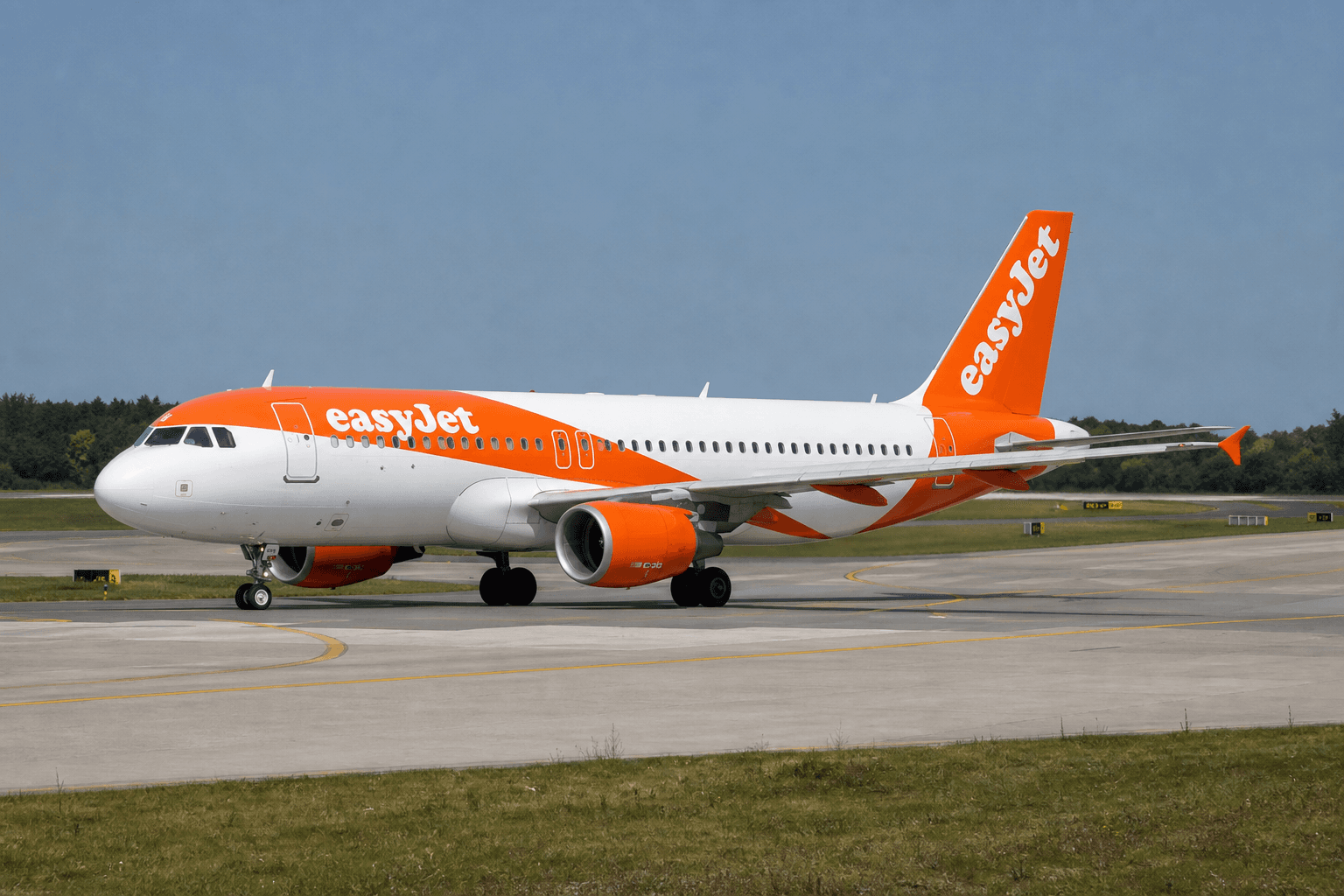
easyJet has formally agreed to a £5.7 billion ($7.7 billion) takeover by US private equity giant Apollo Global Management , setting the stage for one of Europe's largest low-cost airlines to return to private ownership. Apollo's firm offer values easyJet at £7.15 ($9.63) per share, an 81% premium to the airline's £3.94 closing price on May 28, immediately before the takeover interest became public. The deal remains subject to shareholder, court, aviation, merger-control and foreign-investment approvals.
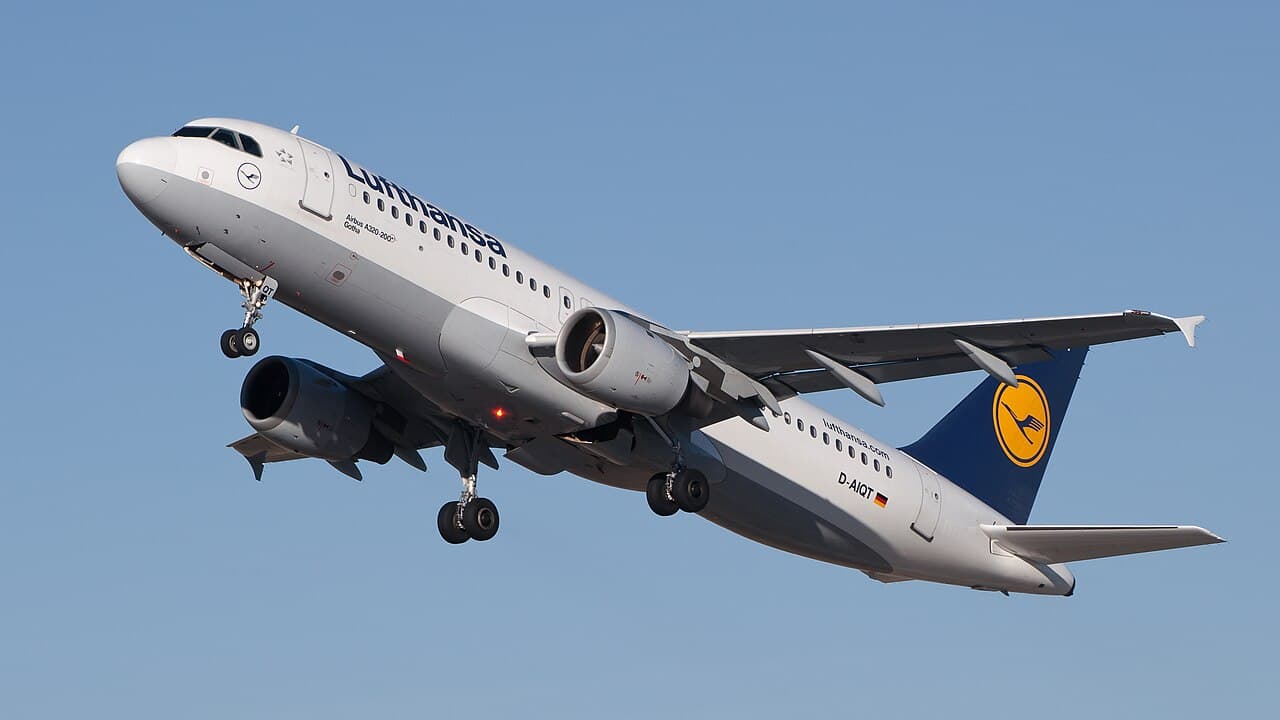
Lufthansa Signals Shift Toward Collaborative Labor Relations After Years of Strife
Lufthansa has long struggled with labor relations, and it has cost the airline dearly. Over the years we've seen endless strikes at the airline, and in the end, management seems to lose. It's amazing how executives at the airline make the same mistake over and over, while expecting different results. The irony is that Lufthansa Group CEO Carsten Spohr is a former pilot, so you'd think he'd be on the side of labor. But it's clear that as soon as he crossed over to management, he's had a certain disdain for those who keep the airline running (at least that's what his actions reflect). Well, could Lufthansa finally be turning over a new leaf? Management seems to be suggesting so , but only time will tell if this is just talk, or if there's meaningful action behind it. Lufthansa wants to work with labor on long term solutions This is Lufthansa's 100th anniversary, so it's supposed to be a year of celebration. Instead, this spring we saw employees stage back-to-back-to-back strikes , as both pilots and flight attendants had industrial action that grounded the airline for roughly a week, costing the company hundreds of millions of dollars. This also caused Lufthansa's CityLine subsidiary to be shut down overnight. While we haven't seen formal strikes since then, the contract negotiations are ongoing, so additional industrial action isn't yet off the table. However, for the first time that I can remember, it seems like Lufthansa management is actually acknowledging that it needs to change its approach with labor. In talking about labor relations at the carrier, Lufthansa's Chief Human Resources Officer, Michael Niggemann, said that "we need to talk with each other again, instead of about each other." He also said that "it's important that we not only find solutions to the current collective bargaining disputes, but also create a solid foundation for cooperation in the years to come." Those are certainly the right words, so let's see if there are any actions behind that. Slightly more concretely, it seems that the two parties have agreed on a framework by which they'll arbitrate labor disputes, with the union representing pilots informing members that negotiations will be used to find solutions, rather than industrial action. Generally Lufthansa's labor relations issues have come down to a lack of goodwill and cooperation between management and the unions. Despite being the "flagship" airline, Lufthansa is the lowest margin airline in Lufthansa Group. How you want to analyze that depends on your perspective: Management keeps creating new airline subsidiaries due to this lack of profitability, arguing that the labor contracts for Lufthansa directly are too expensive Labor unions argue that Lufthansa is the least profitable airline because the airline group keeps outsourcing flying, so of course what's left is of limited value, since the flagship brand is being "sacrificed" Lufthansa's 100th anniversary hasn't been great for labor Air France-KLM is to "blame" for Lufthansa's new approach Why is Lufthansa suddenly taking a new approach to labor relations? I mean, logically one would assume that management would come to the conclusion that it's good for business to be on good terms with employees. But it's probably not quite that straightforward. I suspect Lufthansa Group management is also realizing that as we increasingly see consolidation among European airlines, labor peace is an important point of differentiation . I think there's one man and airline group that is putting this pressure on Lufthansa Group — that's Ben Smith at Air France-KLM. Prior to 2018, labor relations at Air France were horrendous. I mean, in 2015, a protest by employees looked more like January 6, with executives having their shirts ripped off, and scaling a fence to escape. However, it has been a completely different story since Smith took over in 2018 . Since then, Air France hasn't seen a single major case of industrial action. Yes, in eight years. That's beyond remarkable. I know a lot of anti-union people like to always blame unions for the kind of unrest, and for being unreasonable, while giving management a pass. Yes, unions can be challenging. But I think the perfect counterpoint to that is what we've seen at Air France. Air France has gone from worst to first when it comes to labor relations in Europe, so how is that possible? Well, Smith has a deep respect for employees, he's a huge aviation geek ( which employees very much respect ), and he fundamentally views labor and management as being collaborative, rather than at odds with one another. He also understands the value in making strategic investments to make employees happy. For example, when he started in his role, one of his first orders of business was to eliminate low cost carrier Joon, moving the employees there onto contracts with higher pay. That's literally the opposite of what we see at Lufthansa Group, where it's all about forming new subsidiaries in order to cut labor costs, at the expense of existing employees. Smith's attitude is essentially "hey, we (management and the employees) want the same thing, which is for the airline to succeed, so how can we come to an agreement where everyone can be happy?" Respect goes a long way… maybe it's a lesson that Spohr and his team are finally learning? Bottom line Lufthansa management claims it'll take a new approach to labor relations, increasingly trying to collaborate with unions to find long term solutions. This is such a departure from what we've seen at Lufthansa over the past couple of decades, so I'm skeptical, but it would certainly be great to see. I think Air France has put the pressure on Lufthansa when it comes to showing the power of good labor relations, given how much the labor situation at Air France has transformed. What do you think — will Lufthansa management actually turn over a new leaf with labor relations, or is this all talk?
The Daily Touch & Go
The day's best aviation news in your inbox. Free, no spam.