

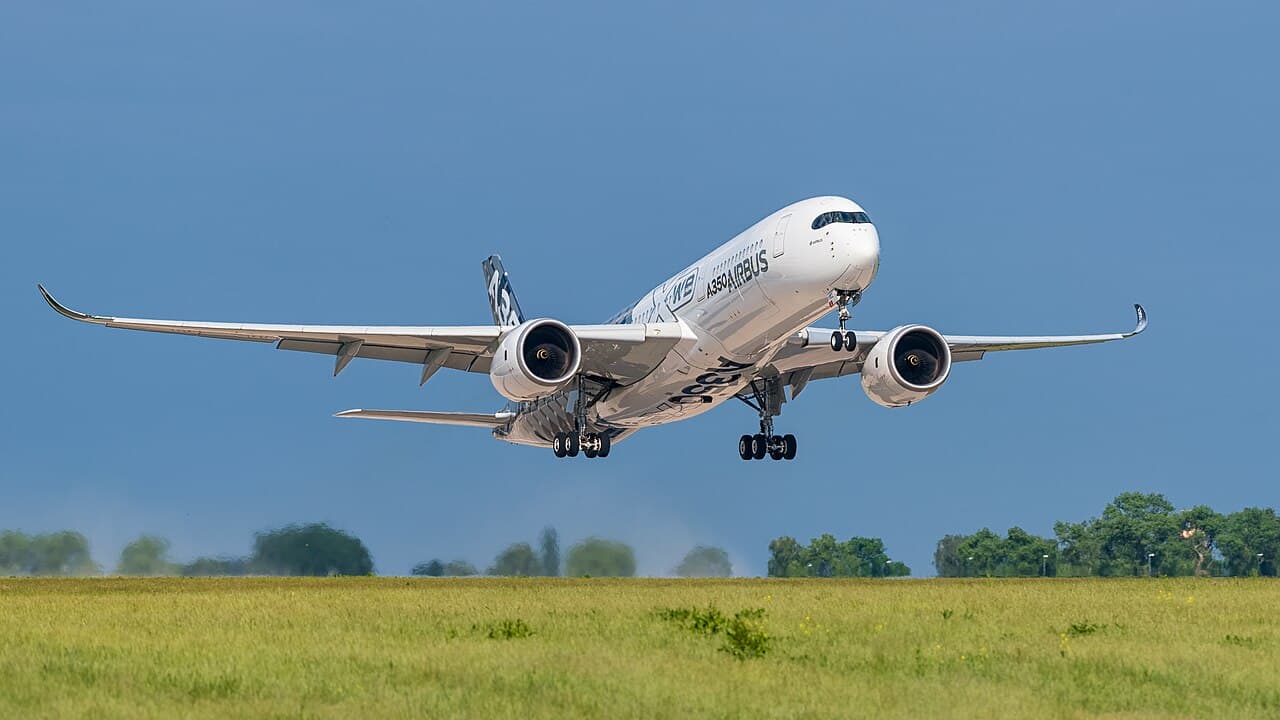
Image: Julian Herzog ( Website ) · CC BY 4.0 · via Wikimedia Commons
Singapore Airlines Faces Challenges With Largest Premium Economy Section on Ultra-Long Haul Flight
Singapore Airlines operates the world's longest flight with 94 premium economy seats, but passenger comfort is impacted by limited lavatories and a single galley on the Airbus A350-900ULR.
The gist
Singapore Airlines packs 94 premium economy seats on its longest route but lavatory and galley limits strain passenger comfort on 18-hour flights.
Continuing coverage
All Qantas →- Qantas Postpones First Airbus A321XLR International Flight to February 2027
- Qantas Operates 11 Ultra-Long Nonstop Flights with Melbourne-Dallas Route as Longest
- Melbourne Airport Set for 32% Surge in Airbus A380 Flights This Summer
- Frequent Flyer Award Loopholes Close as Airlines Tighten Elite Perks
- Qantas to Sell Entire Stake in Jetstar Japan by Mid-2027 for $52 Million
Singapore Airlines currently operates the world’s longest commercial flight, connecting New York and Singapore aboard its Airbus A350-900ULR, lasting approximately 18 hours. On this route, the carrier offers a cabin configuration with 67 business class seats and an unusually large premium economy section consisting of 94 seats. While the seating product itself is widely regarded as comfortable, concerns have been raised about the cabin’s amenities and space allocation impacting the overall passenger experience.
The airline’s premium economy seats on this ultra-long-haul service feature 38 inches of pitch and 19 inches of width, with built-in calf and footrests, arranged in a 2-4-2 layout. Passengers appreciate the seats’ balance between recline and support, with options to convert paired seats into a double unit for families or couples. The dining service includes a main course, seasonal appetizers, complimentary beverages, and access to a pre-selectable meal menu extending up to six weeks ahead of travel.
Despite the strong hard product, operational challenges arise from the spatial constraints around the cabin's rear area. The 94 premium economy passengers share just one galley and three lavatories, creating bottlenecks especially on flights exceeding 15 hours. Reports indicate that the proximity of seats to these facilities results in passengers frequently disturbing seated travelers while moving along the aisle, and long queues for lavatories impede comfort and rest cycles critical for ultra-long-haul travel.
These drawbacks highlight the limits of densely packing premium economy seats without expanding service infrastructure. The single galley and limited number of washrooms strain the flow of movement and access, particularly during peak usage times such as after meal service or prior to rest periods. The congestion is compounded by passengers’ increased need for lavatory use beyond simple necessities, including freshening up to counteract the effects of long-duration flying.
Qantas’ upcoming Project Sunrise aims to address similar challenges by deploying the Airbus A350-1000ULR with a more balanced cabin configuration. With 238 seats including six first class suites, 52 business class suites, 40 premium economy seats, and 140 economy seats, Qantas plans a dedicated 'Wellbeing Zone' between premium economy and economy cabins. This zone will feature hydration stations and guided movement video monitors to promote passenger comfort and mobility during ultra-long-haul service.
Qantas’ approach reduces the premium economy cabin size compared to Singapore’s, allowing more space for passenger amenities and movement. The airline also offers some of the most generous economy class seat pitch at 33 inches, enhanced headrests, entertainment systems, and charging options, though the lengthy flight duration in economy remains daunting. Qantas’ innovations signal an industry trend toward reimagining ultra-long-haul cabin environments beyond mere seat comfort to address wellbeing holistically.
This comparison underscores the operational and experiential complexities of ultra-long-haul flights exceeding 15 hours. Singapore Airlines’ decision to concentrate nearly 100 premium economy passengers in a single cabin compartment with minimal galley and lavatory resources has tested passenger tolerance despite excellent seat design. Meanwhile, Qantas’ Project Sunrise reflects evolving priorities that integrate cabin layout and wellness features to accommodate extended periods in the air more comfortably.
As ultra-long-haul flights become more common, balancing seating density with sufficient amenities and comfort zones proves critical. The Singapore Airlines service exemplifies current limits of premium economy configurations on extended routes, while Qantas’ upcoming offerings showcase innovations aimed at transforming passenger experience on flights exceeding 20 hours. Airlines must consider both the physical and psychological demands of ultra-long-haul travel when designing cabins to maintain satisfaction and wellbeing.
Frequently asked questions
- How many premium economy seats does Singapore Airlines offer on its New York-Singapore ultra-long-haul flight?
- Singapore Airlines offers 94 premium economy seats on its Airbus A350-900ULR flight between New York and Singapore, the world's longest flight.
- What are the main issues faced by premium economy passengers on this Singapore Airlines flight?
- Passengers face congestion due to only one galley serving 94 premium economy seats and just three lavatories, causing movement disturbances and long queues, which affect comfort on the 18-hour flight.
- How does Qantas Project Sunrise plan to improve passenger comfort for ultra-long-haul flights?
- Qantas Project Sunrise will feature fewer premium economy seats (40) and a dedicated 'Wellbeing Zone' with hydration stations and guided stretching aids, offering more space and comfort than Singapore Airlines' configuration.
Read more
All Airlines →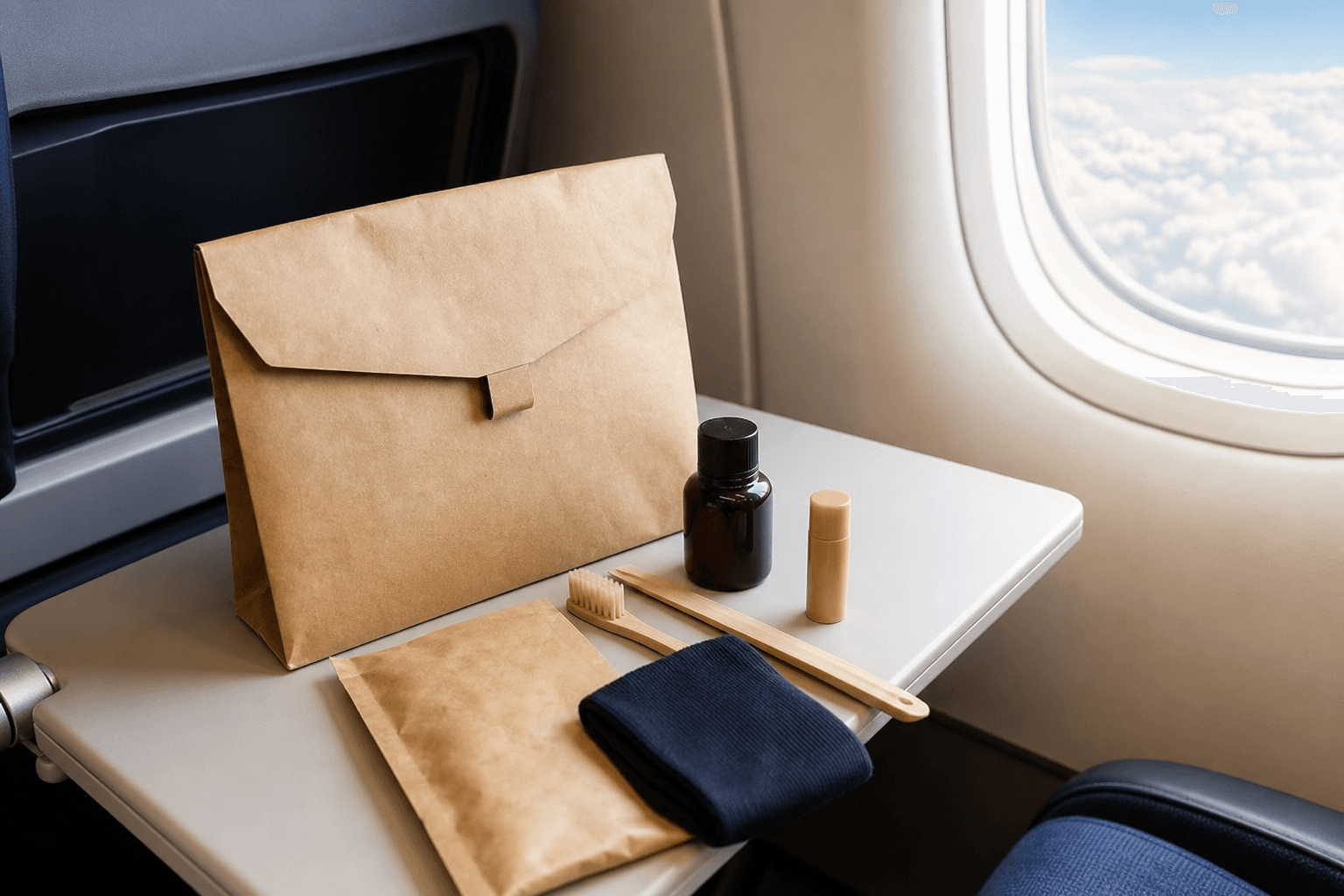
Top 5 Airlines Offering Best Premium Economy Amenity Kits in 2026
In the fiercely competitive landscape of long-haul aviation, the battle for passenger loyalty has moved beyond just legroom and seat pitch. The soft product, or the tangible extras that accompany your flight, has become a primary differentiator for travelers looking to maximize the value of a premium economy ticket. A generous amenity kit is now a physical manifestation of an airline's commitment to your comfort during a 12-hour flight .
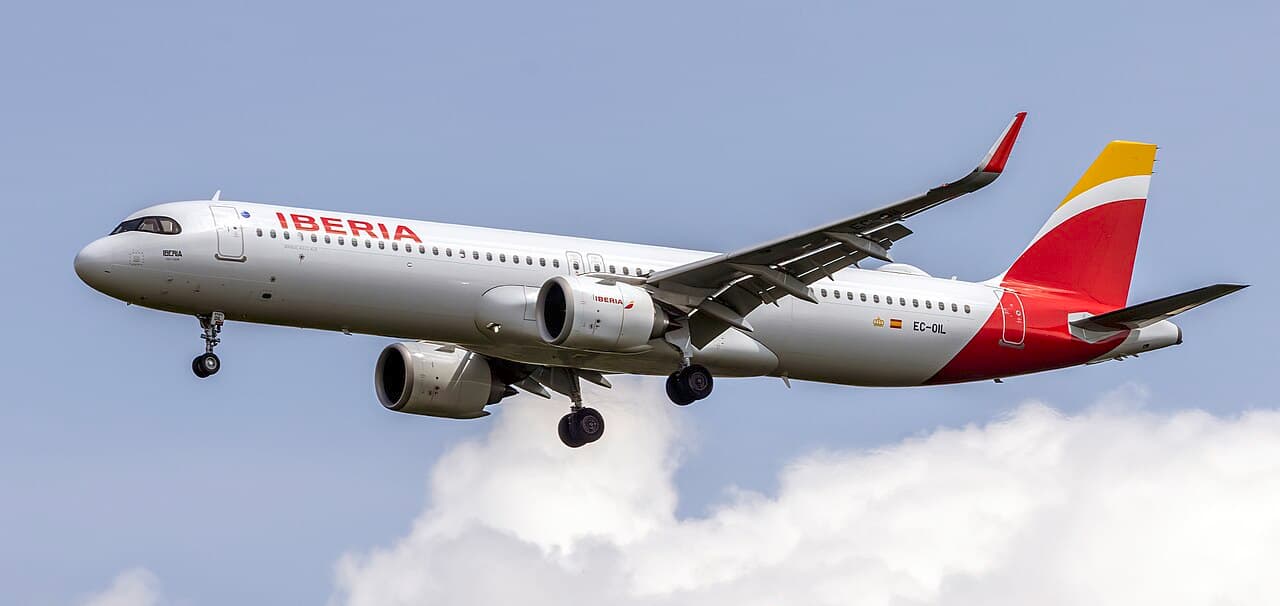
Qantas Postpones First Airbus A321XLR International Flight to February 2027
Each week, airlines worldwide submit schedule changes to Cirium Diio, OAG , and elsewhere. In the latest update, Qantas confirmed a notable change to its inaugural international service aboard the Airbus A321XLR. The launch date has been pushed back to next year.
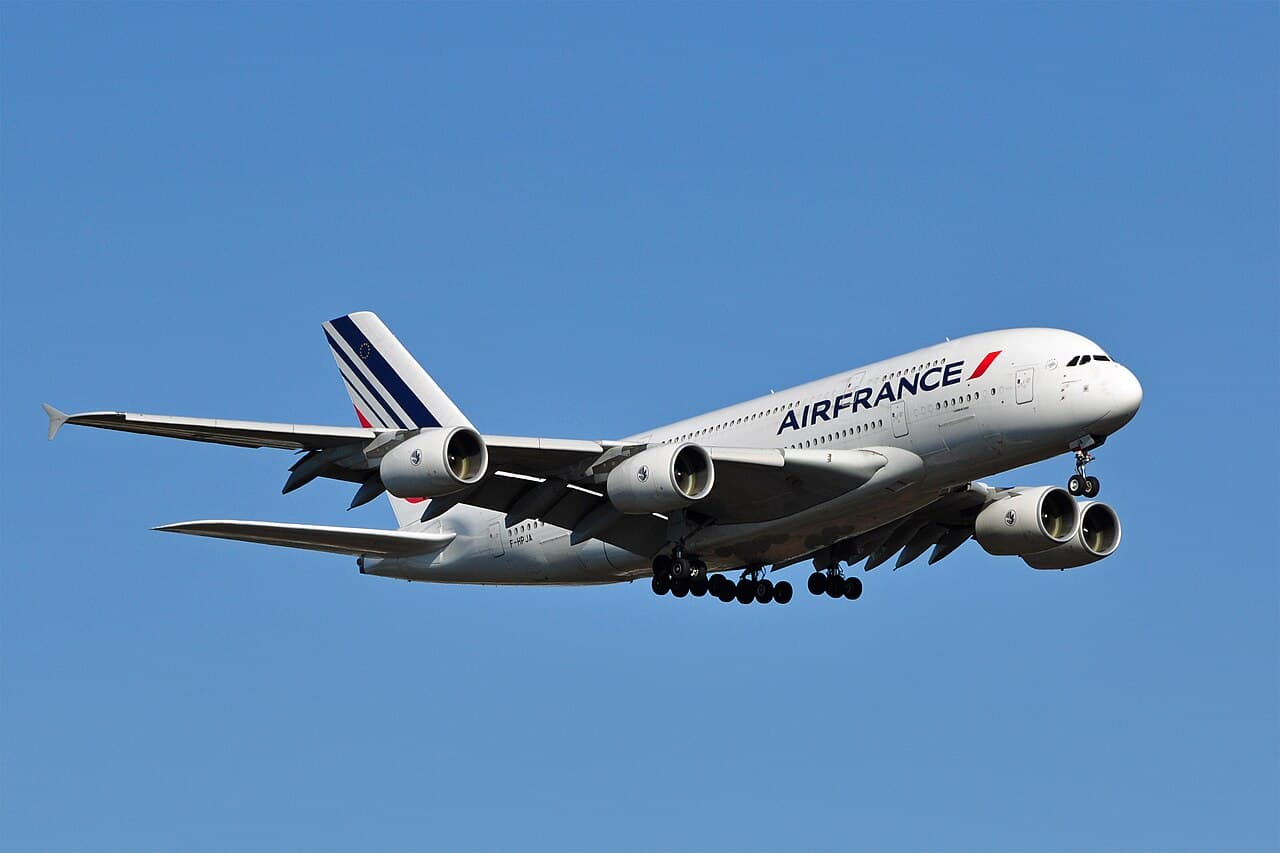
Qantas Operates 11 Ultra-Long Nonstop Flights with Melbourne-Dallas Route as Longest
August is the summer in the Northern Hemisphere but the winter Down Under. This month, Qantas is the world's 24th-largest operator by long-haul flights. It'll be a while until the carrier's Airbus A321XLRs fly long-haul . There is little need to mention the A350-1000ULR until the first route is scheduled .
Frequent Flyer Award Loopholes Close as Airlines Tighten Elite Perks
The frequent flyer ecosystem has operated on a silent contract between airlines and their most loyal customers, but now that contract seems to be ending. There was once a period defined by the exploitation of fixed award charts, complex routing rules, and the mathematical beauty of carrier-imposed surcharges. Travelers spent years reverse-engineering award flight availability, viewing the loyalty landscape as a puzzle where deep knowledge of program intricacies provided access to premium cabins for a fraction of their cash value.
The Daily Touch & Go
The day's best aviation news in your inbox. Free, no spam.