

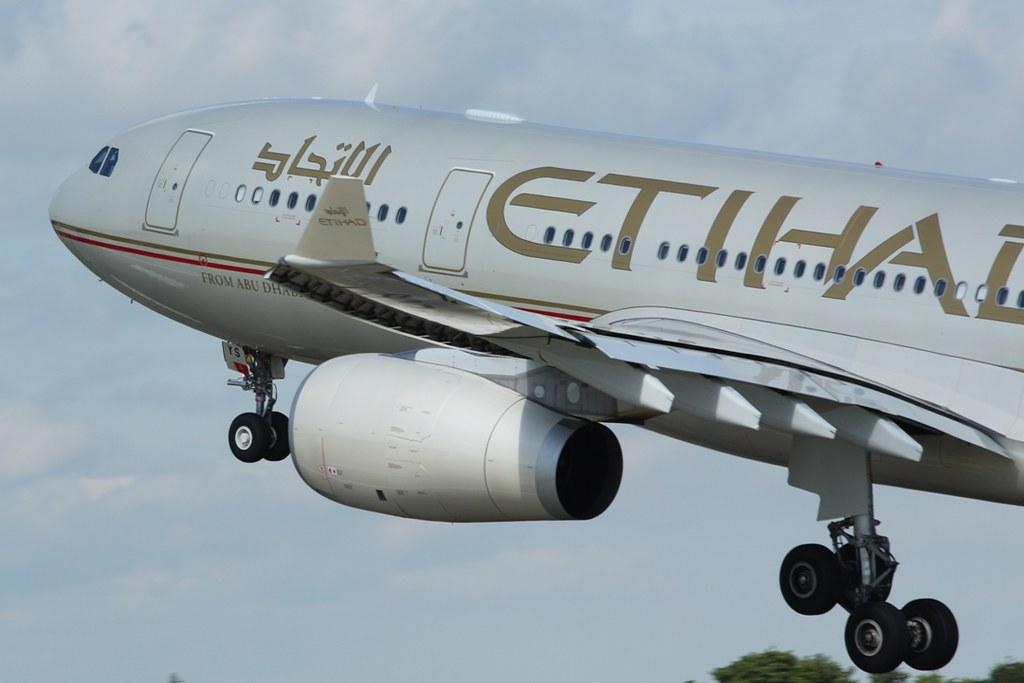
Image: Transport Pixels · CC BY-SA 2.0 · via Wikimedia Commons
Gulf Carriers Extend Saudi Suspensions as Drone and Missile Attacks Hit Bahrain and Riyadh
Etihad, Flydubai, Air France and ITA Airways have pushed back Saudi returns after a weekend of attacks across the Gulf, while EASA keeps its regional airspace warning in place until 31 January 2027.
The gist
Fresh attacks on Saudi Arabia and Bahrain have airlines extending Riyadh suspensions, with some European carriers staying away until 2027.
Continuing coverage
All Easa →- EASA Expands Urgent A380 Wing Spar Crack Checks to 24 Jets, Adding Eight More
- EASA Shortens ATR 42/72 De-Icing Valve Check Intervals After Voepass Flight 2283 Findings
- Ascendance Rolls Out First Full-Scale Atea Hybrid-Electric VTOL After Eight Years of Development
- Gulf Carriers Extend Saudi Suspensions as Houthi Drones and Missiles Target the Kingdom
- Airbus Banks on 250 Year-End Handovers as A350 Directive, Cathay Order and Buyback Land at Once
Airlines serving the Gulf are extending route suspensions and cancelling flights again after Saudi Arabia and Bahrain came under further attack over the weekend of 21 and 22 November. Etihad Airways has stretched its cancellations between Abu Dhabi and both Riyadh and Dammam to Monday, 30 November. Flydubai's services to Riyadh and Abha remain suspended until Friday, 27 November. Among European carriers, Air France and ITA Airways have postponed their return to Riyadh until January 2027.
On Saturday, 21 November, Iran struck a civilian industrial facility in Bahrain, starting a fire that injured two people. Bahrain's Defence Force said it had intercepted multiple aerial attacks. The same day, the Saudi-led coalition said it intercepted Iran-backed Houthi drone fire aimed at Riyadh and the kingdom's western region. Yemen's Houthis claimed they targeted the Rabigh oil refinery, north of Jeddah, on Sunday, 22 November, a claim Saudi officials have not confirmed.
The weekend's strikes came after several days of drone and missile fire across the region. On Thursday, 19 November, multiple missiles and drones were launched at Saudi Arabia, and falling debris in Riyadh's financial district damaged the headquarters of the kingdom's sovereign wealth fund. On Wednesday, 18 November, Kuwait's air defences responded to a drone attack in the early hours, and emergency alerts sounded in Bahrain as Iran's Islamic Revolutionary Guard Corps launched a drone attack on the kingdom. Riyadh's King Khalid International Airport has been targeted repeatedly since early October, with attacks on airports and other infrastructure causing fatalities, casualties and widespread cancellations.
The European Union Aviation Safety Agency has extended its conflict zone advisory for the Gulf, urging airlines to avoid airspace over the waters of the UAE, Bahrain, Kuwait, Oman and Qatar until 31 January 2027. The UK Foreign, Commonwealth and Development Office advises against all but essential travel to Saudi Arabia and against all travel within 10km of the Yemen border. Its guidance warns that King Khalid International remains at risk of further attacks and suggests British nationals wanting to leave consider travelling overland to a neighbouring country before flying on. The US embassy in Riyadh issued a renewed security alert on Tuesday, 10 November. Separately, US sanctions on Iran's civilian air fleet led the UAE's General Civil Aviation Authority to suspend all flights operated by Iranian airlines.
Some services into the wider Gulf are returning. British Airways resumed daily flights between London Heathrow and Dubai International on Tuesday, 3 November, ending an eight-month suspension. KLM, Singapore Airlines and Air Canada, however, have extended their Dubai cancellations into 2027.
Emirates said it now serves 140 destinations in 72 countries, 98 per cent of its previous network, with more than 1,300 weekly flights, roughly 93 per cent of pre-war capacity. Riyadh flights are still being cancelled, though the airline is flying to Jeddah and Medina. Customers can change travel dates as often as needed at no charge, and international passengers are being offered travel insurance that covers conflict-related expenses, a free 30-day trip extension and airline-managed hotel stays. Etihad said it flies to more than 90 destinations; its Riyadh and Dammam cancellations cover both passenger and cargo flights, while all other Saudi routes are operating. Etihad tickets issued on or after 6 March 2026 for travel up to 31 March 2027 can be changed once without a rebooking fee, and international arrivals in Abu Dhabi on the carrier receive complimentary medical travel insurance for up to 15 days.
Qatar Airways said it operates to more than 160 destinations, 85 per cent of its pre-war network, including multiple daily flights to Dubai. It has resumed Dammam and Riyadh but cut Jeddah from seven daily flights to four, and Abha and Taif remain suspended with no published restart date. Flydubai is running a reduced schedule with some flights rerouted onto longer journeys; Riyadh and Abha bookings do not open until Saturday, 28 November, and Dammam, which resumed on 10 November, is seeing delays and cancellations. Its flights to Jeddah, Madinah, Tabuk, Taif, Gassim and Ha'il have been operating.
Bahrain's Gulf Air has restored its network to 75 per cent of pre-war capacity and serves more than 50 destinations, but has suspended flights to Saudi Arabia. Air Arabia is flying from Sharjah, Abu Dhabi and Ras Al Khaimah to points including Vienna, Athens, Cairo, Kathmandu, Muscat, Islamabad, Jeddah and Bangkok. Selected Sharjah to Saudi Arabia services remain disrupted, although Dammam, Riyadh, Gassim, Ha'il, Jeddah, Madinah and Tabuk were listed as operating, subject to change.
Originally reported by Condé Nast Traveller Middle East
Read more
All Airlines →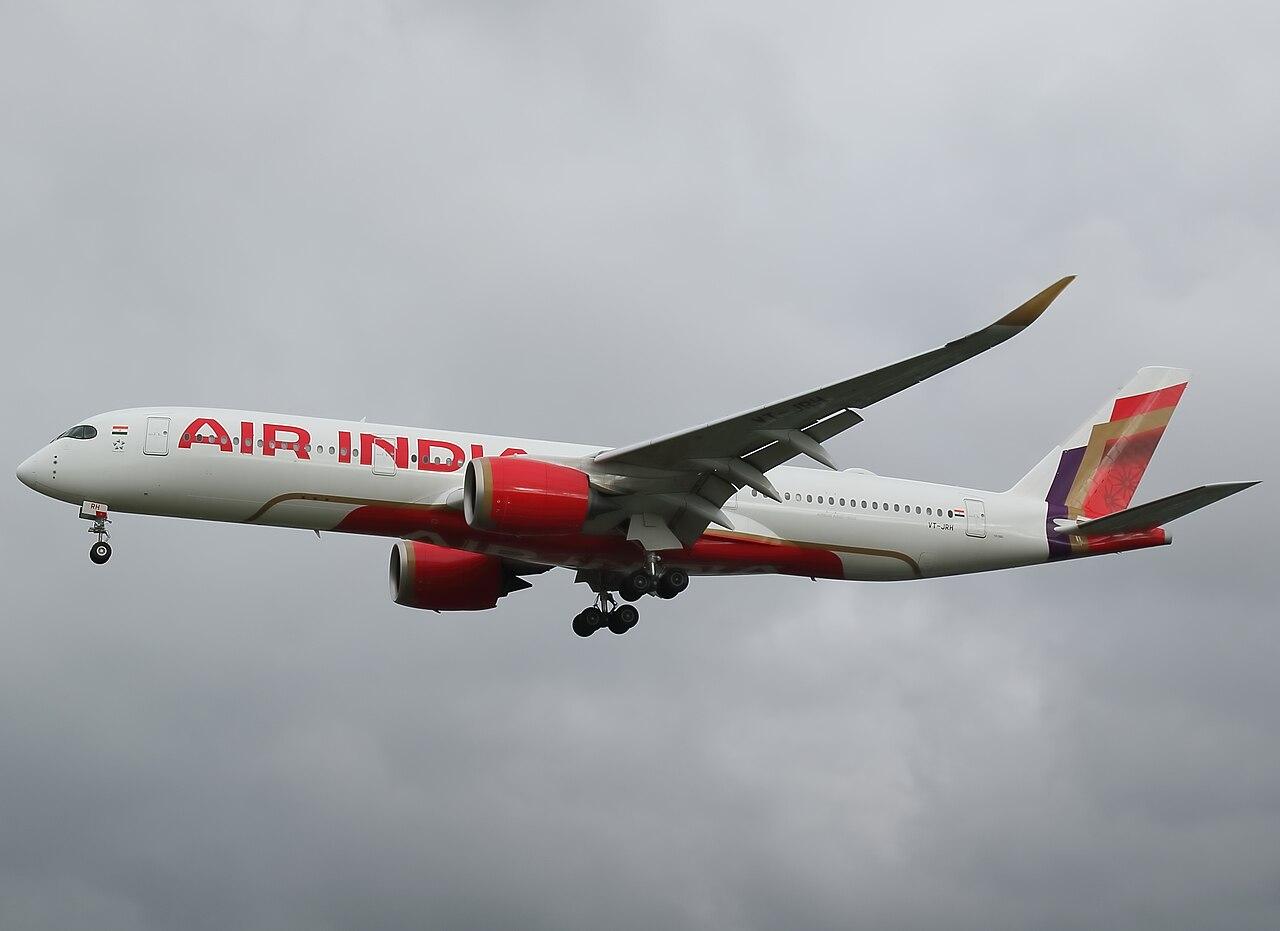
Air India Drops Rome Fuel Stops and Restores Non-Stop Delhi and Mumbai Flights to New York and Newark
With airspace restrictions easing, Air India is again flying all four of its India to New York-area routes without technical stops, cutting journeys from about 22 hours to roughly 17.
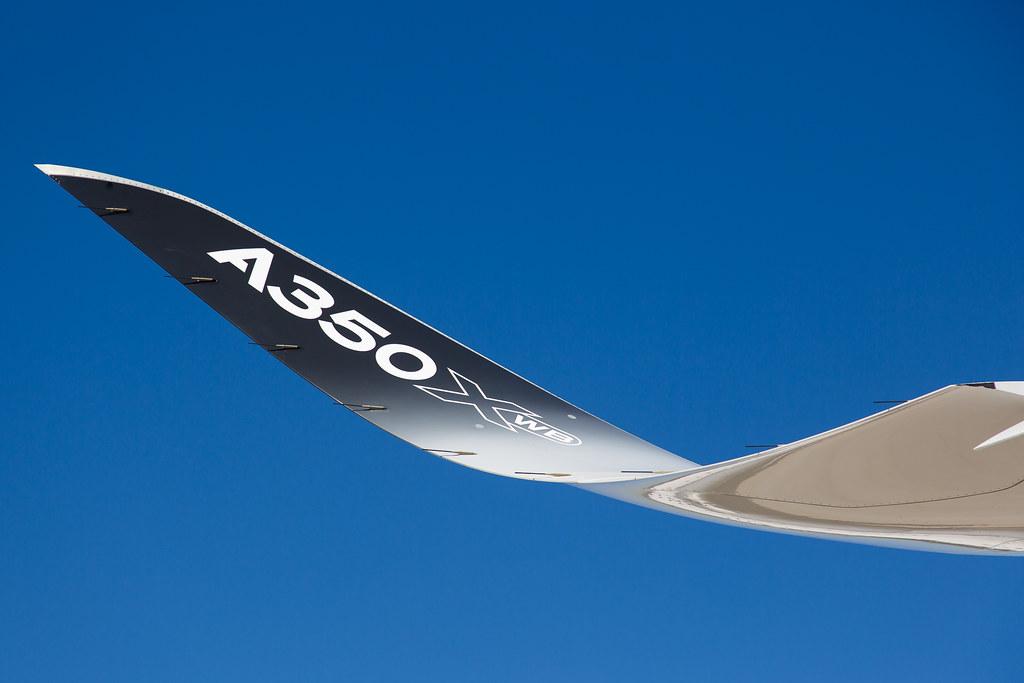
Airbus Banks on 250 Year-End Handovers as A350 Directive, Cathay Order and Buyback Land at Once
Airbus says every aircraft it needs to meet its 2026 delivery goal is already in final assembly or on delivery lines, as an EASA directive on the A350 and a €5 billion buyback add to a busy November.
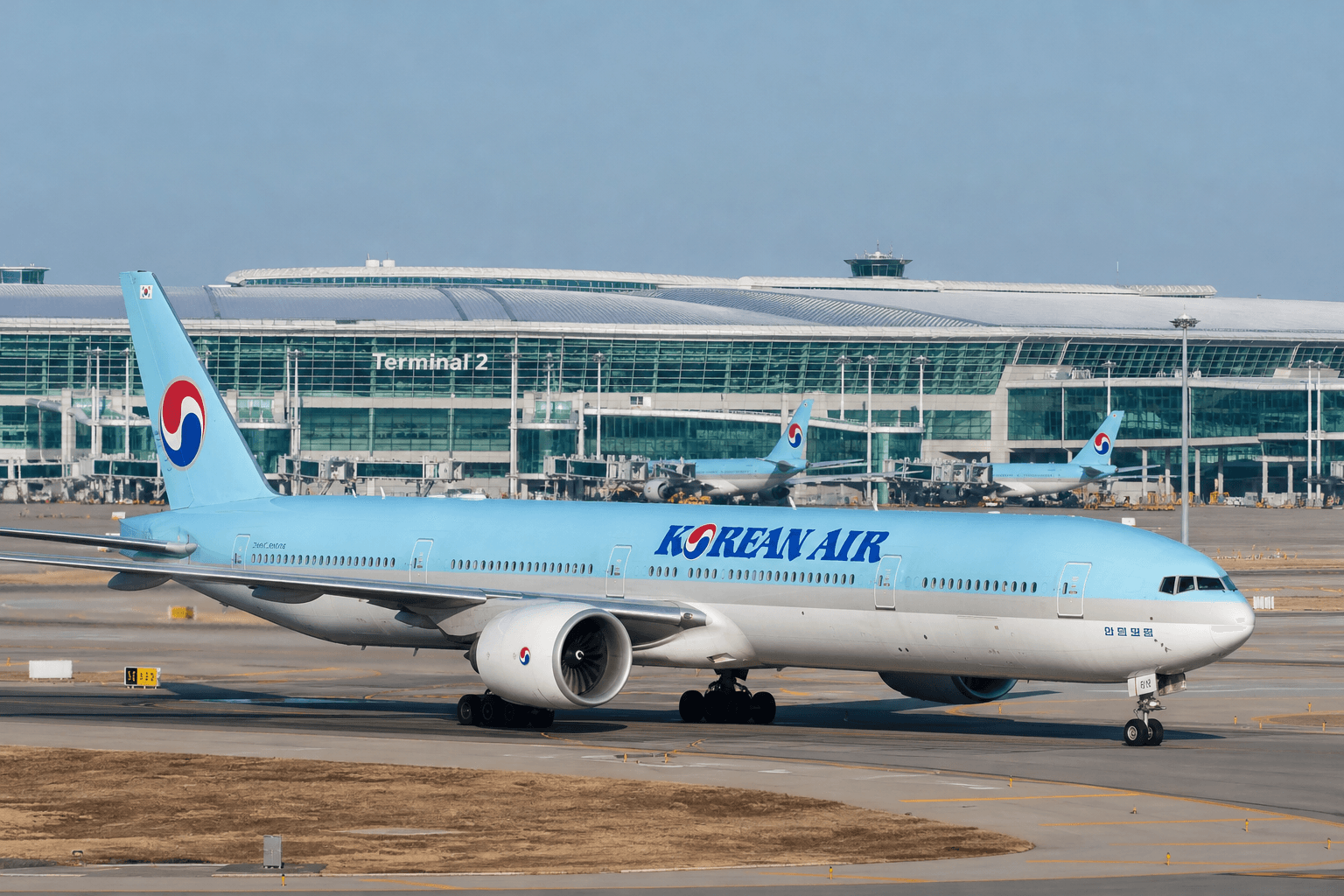
Combined Korean Air to Fly Four Daily Incheon-New York Flights, Targets KRW 300 Billion in Added Revenue
With the Asiana integration three weeks from launch, Korean Air plans more frequencies, retimed departures, 11 inherited routes and a belly-to-freighter cargo model it expects to add at least KRW 300 billion a year.
Indian Carriers Schedule 7,154 Fewer Domestic Flights for November and December Peak
Domestic schedules for the festive and wedding season are down 3.5% from 2025, the first year-on-year drop for the period since 2022, though seat capacity is almost flat.
The Daily Touch & Go
The day's best aviation news in your inbox. Free, no spam.