AI-generated illustration
Boom Supersonic Runs Prototype Engine Core for First Time in Colorado
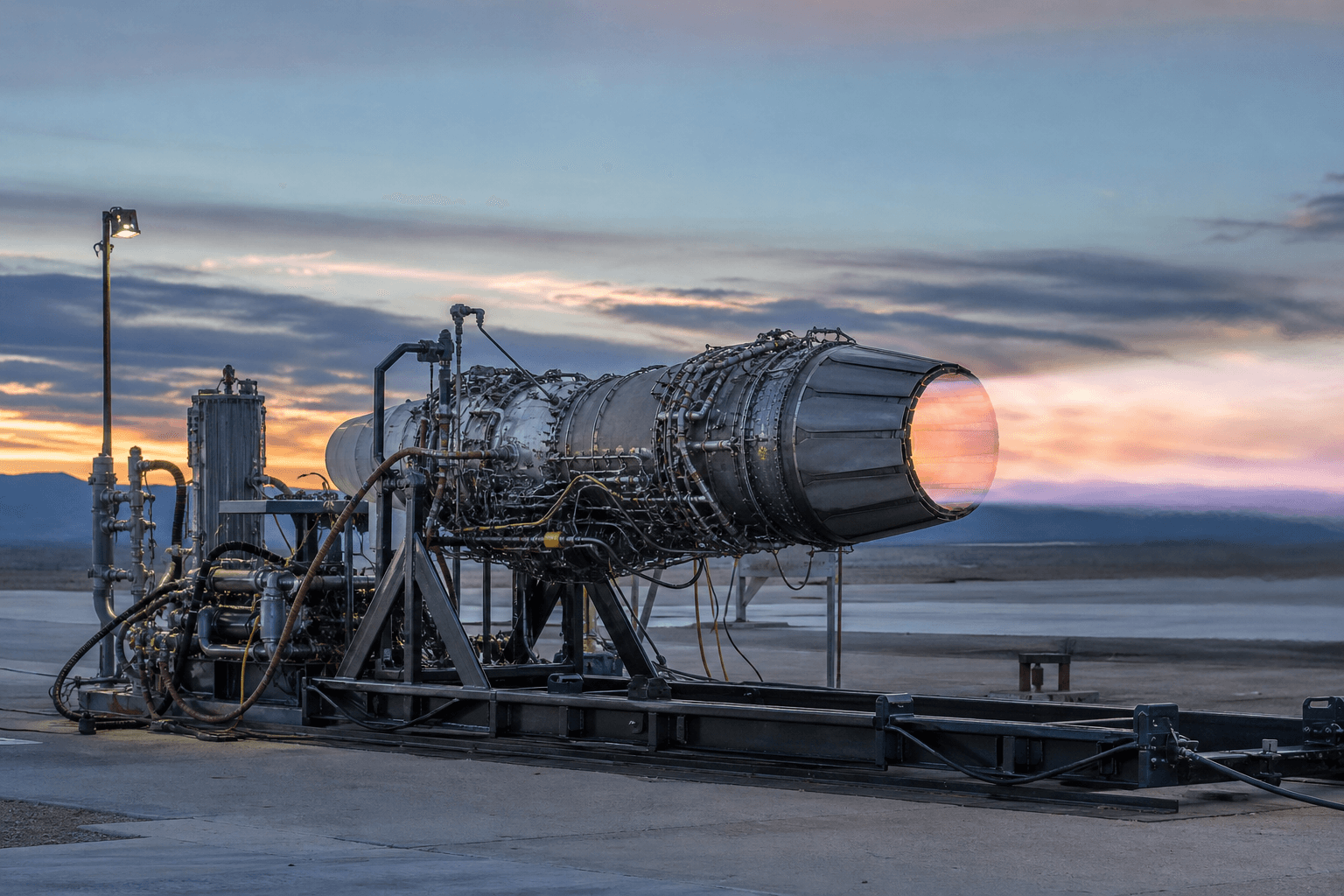
The Sprint Core, which joins the compressor, combustor and high-pressure turbine, reached 6,500 rpm and will feed both the Symphony turbofan for Overture and a 42 MW gas turbine for data centres.
The gist
Boom ran its Sprint Core engine prototype for the first time on 21 November, reaching 6,500 rpm on hardware shared by Symphony and its Superpower turbine.
Boom Supersonic ran its prototype engine core under power for the first time on 21 November. The run began ground testing of hardware the company plans to use in two products: the Symphony turbofan for its Overture supersonic airliner, and a natural gas turbine meant to supply electricity to data centres. The test took place at Boom's facility at the Colorado Air and Space Port in Watkins, east of Denver. Founder and chief executive Blake Scholl posted footage of the run on X, writing that no company had built both a supersonic airplane and a supersonic engine until that day, and that a new engine company had been born.
The prototype, called the Sprint Core, combines the compressor, combustor and high-pressure turbine. Boom had already fired a prototype combustor on its own in a separate rig in October 2025. This test was the first time the three assemblies ran together on a test stand. The shared design pairs a six-stage high-pressure compressor with a single-stage high-pressure turbine, which extracts energy from the hot gas to turn the compressor.
Scholl said in an interview after the run that the core lit on the second attempt and reached 6,500 rpm. Boom kept the run short so it could gather data, and it expects to widen the range of test conditions over the following two months. The company said in October that the setup carries about 2,000 sensors, including those on support systems such as fuel and lubrication. The instruments record pressure, temperature, strain and vibration, giving engineers data to compare against their design models as testing moves past the initial run.
The first product in line for the core is not the airliner engine. Superpower is a 42 MW natural gas turbine that Boom has marketed as an on-site power source for AI data centres. Boom announced the industrial turbine in December 2025 along with a $300 million funding round. In the Superpower configuration, a separate power turbine downstream of the core drives a generator.
Boom said in October that its factory in Centennial, Colorado, had started making turbine parts while construction there continued. The company has targeted mid-2027 for its first Superpower deliveries. Scholl said in November that Boom aimed to test a fully integrated Superpower engine around the same time, in mid-2027.
On the aviation side, Symphony is the medium-bypass turbofan Boom is developing for Overture, its proposed Mach 1.7 passenger jet. The aircraft is planned to seat 60 to 80 passengers and has a design range of 4,250 nautical miles. The current Symphony design would produce around 40,000 lb of thrust, with a fan moving air around the core to generate that thrust.
Boom's only aircraft to fly so far is the XB-1 demonstrator, which first went supersonic in January 2025, reaching Mach 1.122 over Mojave, California. That aircraft flew on three GE J85-15 engines rather than a Boom design. Before Symphony can power Overture, it must complete its own ground and flight test programmes. To get from the Sprint Core to a flying engine, Boom still has to add the fan and low-pressure stages and then test the complete Symphony turbofan.
Originally reported by Aerospace Global News
Read more
All Technology/eVTOL →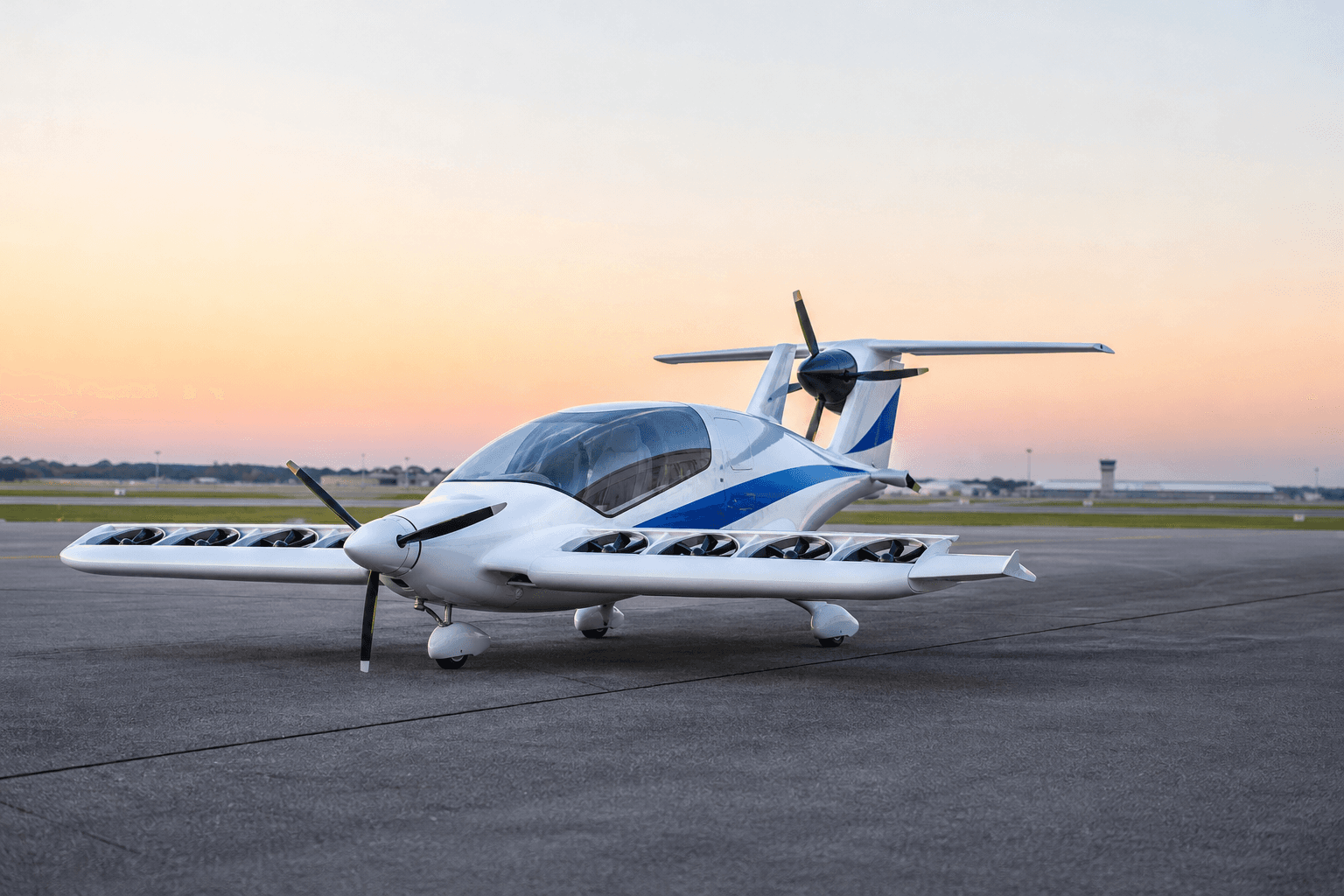
Ascendance Rolls Out First Full-Scale Atea Hybrid-Electric VTOL After Eight Years of Development
The Toulouse-area startup unveiled its eight-rotor Atea demonstrator and will continue ground testing while seeking an EASA permit to fly, with certification targeted for 2029.
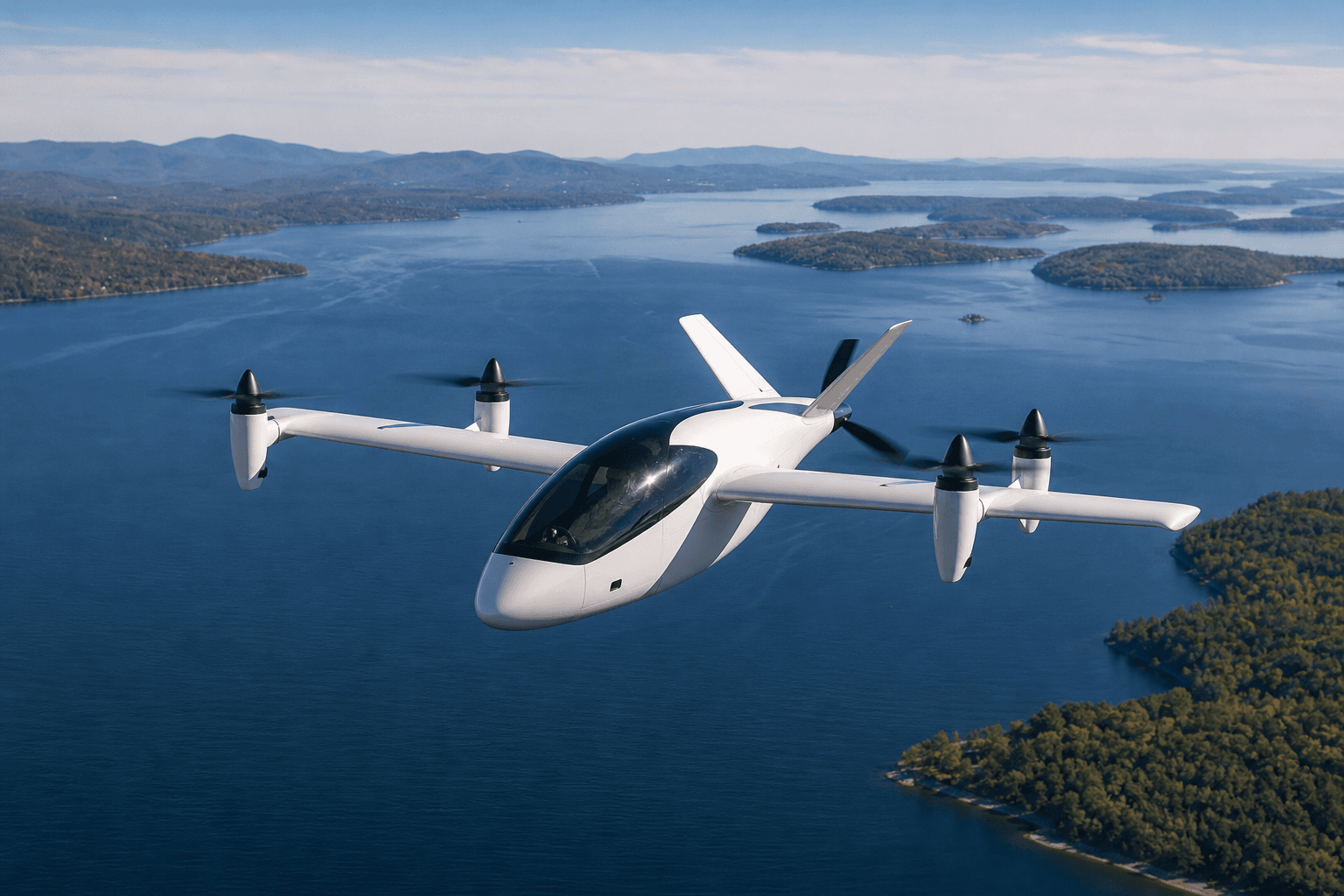
FAA Lets BETA Fly Prospective Customers Aboard ALIA A250 eVTOL Ahead of Certification
A special airworthiness certificate for market survey operations allows BETA Technologies to carry potential operators on A250 demonstration flights, though commercial passenger service remains off limits.
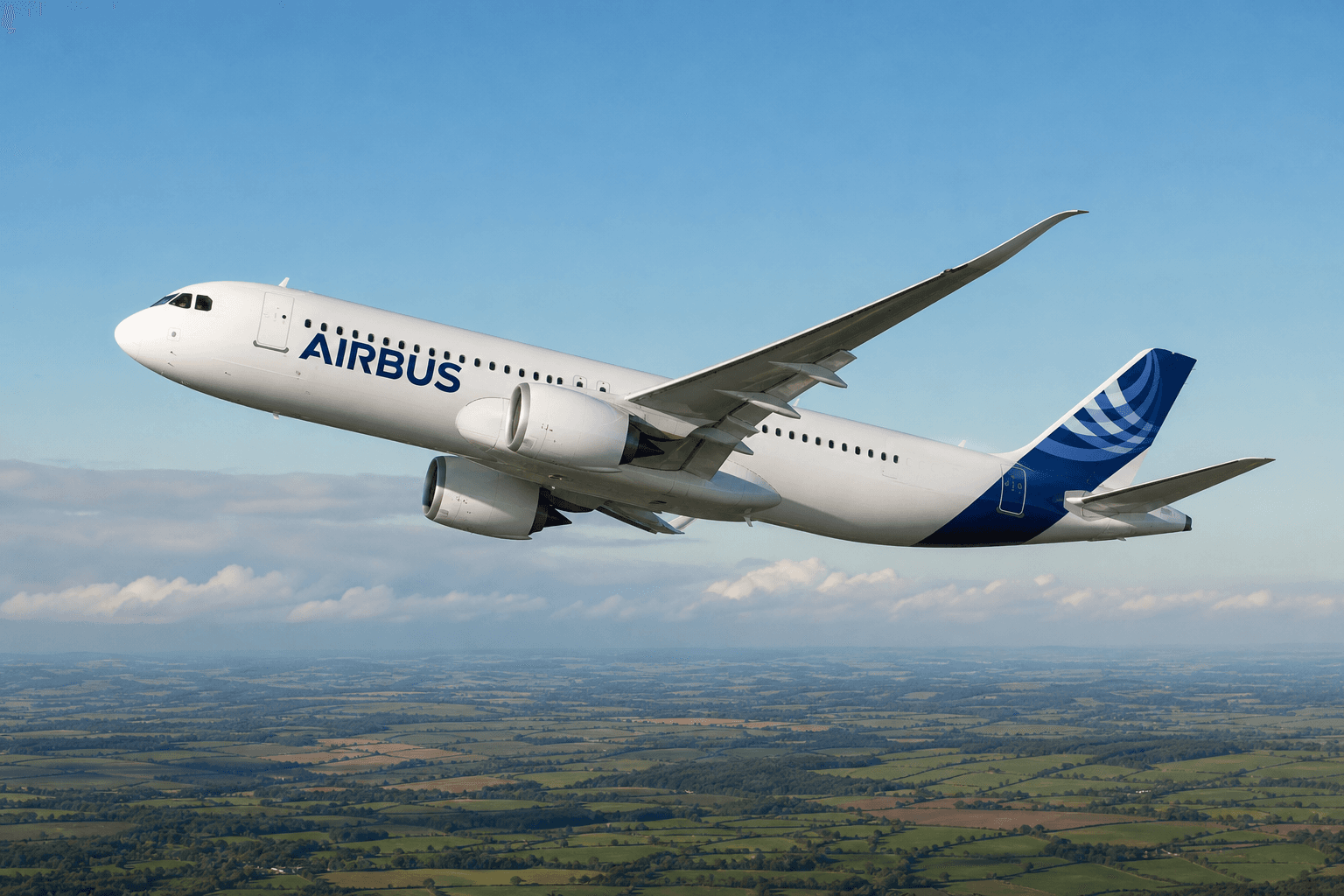
Airbus Starts Building Wing-Tip Extensions for Wing of Tomorrow Flight Tests Due in 2027
Airbus has begun manufacturing the first wing extensions that will replace Sharklets on a test aircraft, part of its work toward high-aspect-ratio wings for the A320neo successor.
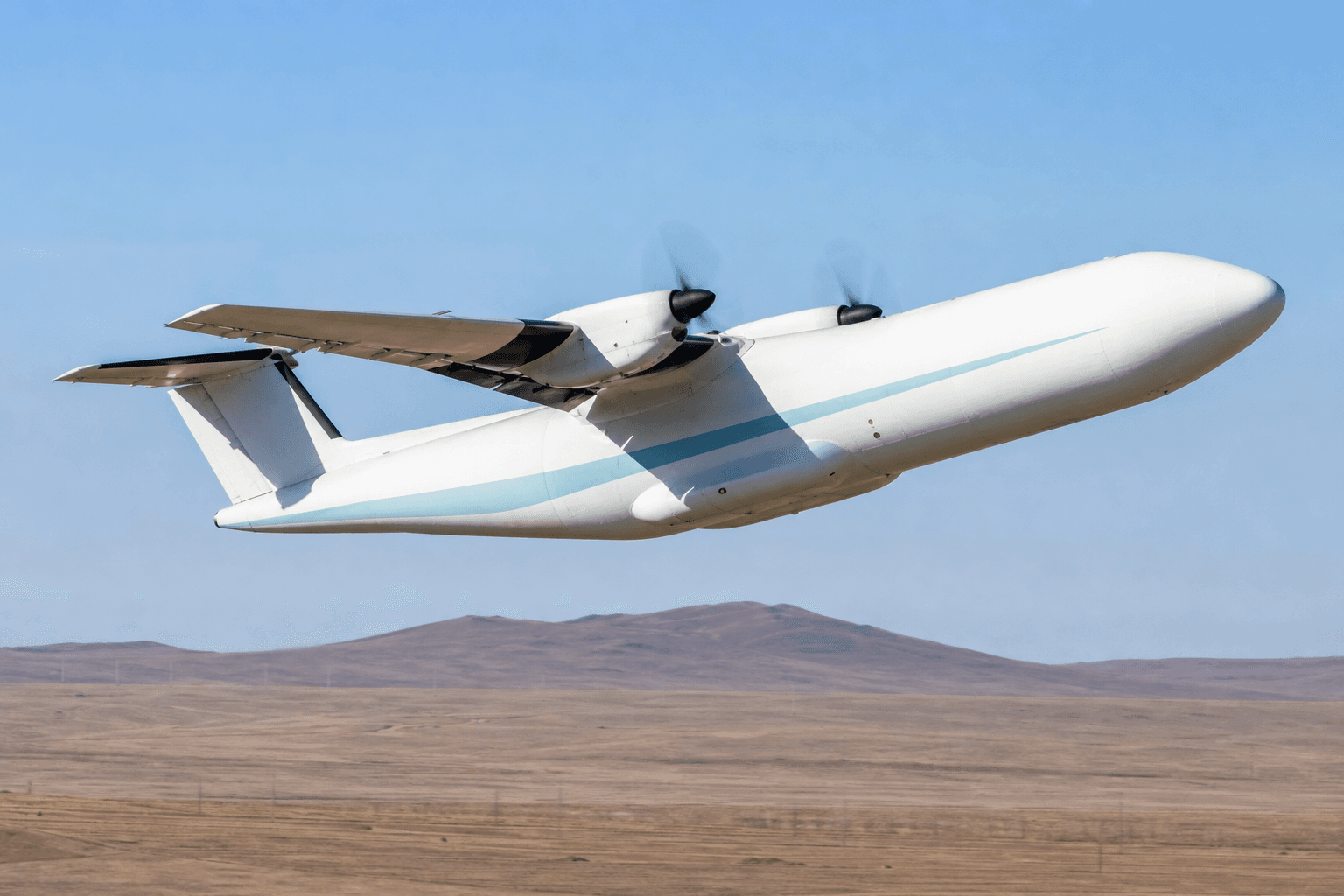
Air White Whale's W5000 Uncrewed Cargo Aircraft Makes 30-Minute First Flight in Inner Mongolia
The twin-turboprop W5000, billed by its Chinese developer as the largest uncrewed cargo aircraft of its kind, flew a 30-minute test at Otog Front Banner General Aviation Airport.
The Daily Touch & Go
The day's best aviation news in your inbox. Free, no spam.