

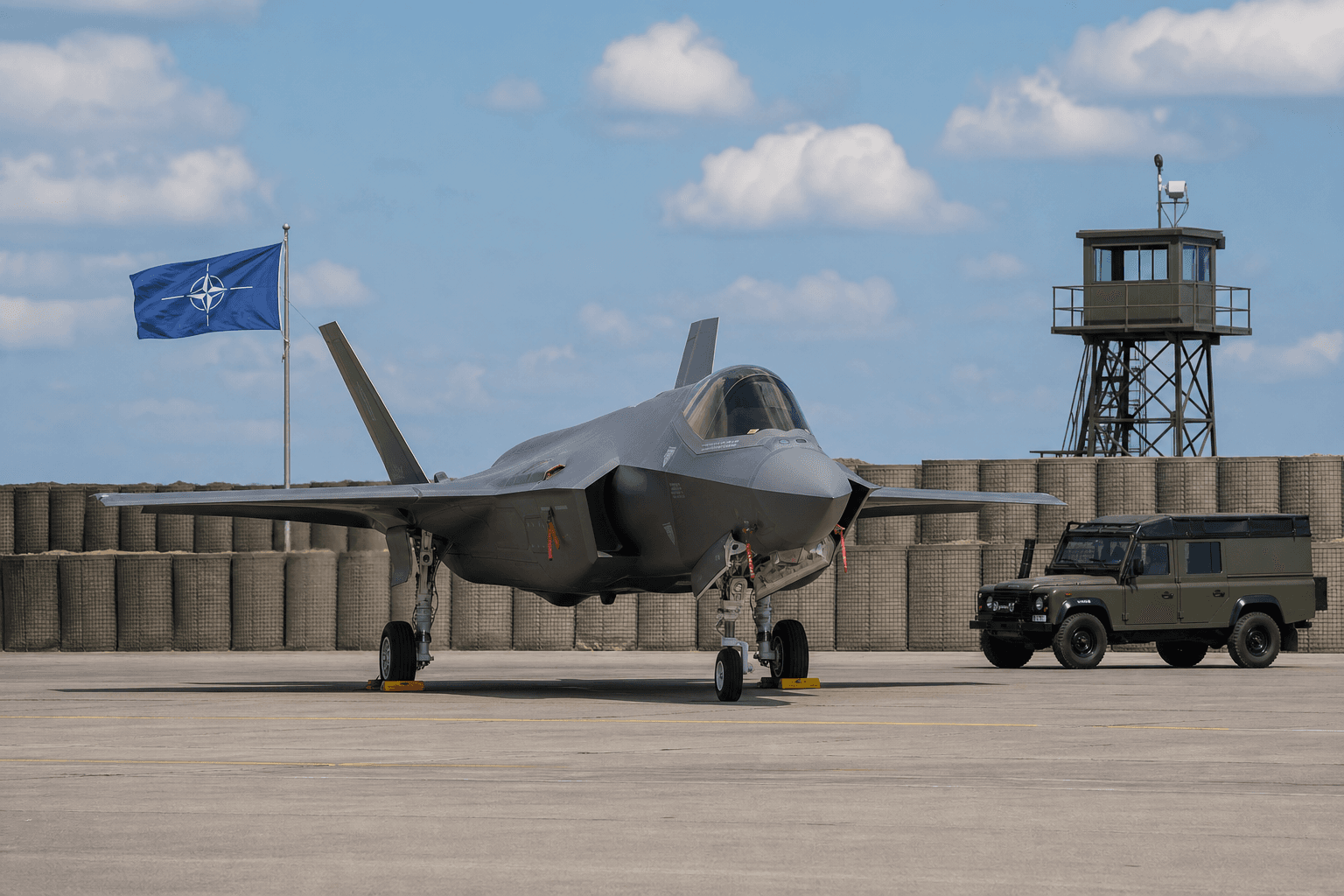
Illustration: The Touch & Go
NATO and Ukraine launch €250,000 challenge for persistent airfield denial technologies
NATO ACT and the NATO-Ukraine JATEC seek innovative autonomous systems to deny airfield use with prize funding up to €250,000, closing July 20, 2026.
The gist
NATO and Ukraine offer €250,000 for autonomous tech to persistently deny adversaries use of airfields amid evolving conflict.
Continuing coverage
All Unmanned Systems →NATO Allied Command Transformation (ACT) and the NATO-Ukraine Joint Analysis, Training and Education Centre (JATEC) have announced the Persistent Airfield Denial innovation challenge, opening a call for technological solutions capable of persistently denying adversaries the operational use of their airfields. With prize money totaling up to €250,000, the challenge seeks to identify or accelerate autonomous or operator-directed systems that can engage critical airfield assets such as aircraft, runways, fuel and ammunition storage, and ground support infrastructure. The submission deadline for applications is July 20, 2026.
The challenge defines broad technological eligibility, welcoming various approaches including uncrewed aerial systems of any range class, autonomous or semi-autonomous munitions and loitering systems, swarming tactics, mass-effect strategies, and hybrid designs that combine multiple features. However, mandatory technical thresholds narrow the field: systems must have an operational range exceeding 150 kilometers, exhibit a technology readiness level above 5—indicating prior validation in relevant environments—and maintain functionality in GPS-denied, electronic warfare-contested conditions, while operating effectively across all weather types and seasons. Systems fixed to a static ground location that lack autonomous engagement capabilities are excluded.
This initiative draws directly from operational lessons observed in Ukraine’s ongoing conflict with Russia. Russian tactical aviation, operating from rear-area airfields that lie beyond the reach of Ukraine’s conventional strike capabilities, has effectively launched guided aerial bombs, cruise missiles, and stand-off munitions. NATO emphasizes that current responses—such as manned strike aviation, long-range rocket and ballistic fires, and single-use loitering munitions—have yielded limited success against defended airfield targets. The challenge aims to push technologies capable of 'persistent denial at source,' going beyond the interception of individual munitions to sustained interdiction efforts.
Ukraine’s own wartime experience has showcased the potential of persistent denial strategies. Operation Spiderweb in June 2025 employed pre-positioned drones to conduct strikes on strategic bombers at airfields deep inside Russia, an approach signaling a shift in airfield denial tactics leveraging unmanned systems for sustained engagement. This challenge by NATO and JATEC appears designed to foster similar game-changing capabilities at a multinational scale.
Historically, airfield denial missions have focused on rendering runways unusable through cratering ordnance. British systems like the JP233 and the Durandal bomb in decades past were designed for low-level deployment to crater runways. France’s MBDA Apache missile, introduced in the early 2000s, delivered submunitions specifically to degrade runways and slow repairs with delayed fuzes. However, such weapons have largely phased out of frontline NATO inventories due to operational and technological evolutions.
Today, NATO air forces primarily possess multipurpose standoff cruise missiles—such as the UK and France’s Storm Shadow/SCALP EG, Germany’s Taurus KEPD 350, and the US JASSM/JASSM-ER in use by nations including Finland and Poland. These weapons, while potent, target single points of interest such as hardened shelters or ammunition depots rather than runways themselves, and their single-use nature limits their ability to maintain persistent airfield denial. The challenge explicitly excludes single-use solutions, underscoring a significant operational gap.
Funding for the challenge is allocated to up to three winners who will share the €250,000 prize, with 10% paid upon selection and the remaining 90% contingent on successful demonstration of the proposed technologies. Eligibility is restricted to organizations headquartered within NATO member countries or Ukraine. NATO ACT plans to announce up to 10 finalists on August 11, 2026, followed by an in-person pitch event on September 3, 2026, in Warsaw, Poland, continuing NATO’s efforts to accelerate cutting-edge defense innovations.
This challenge follows a precedent set in 2025, when NATO ACT and JATEC fast-tracked three European companies to develop integrated layered defenses against Russian glide bomb threats, indicating a strategic shift toward leveraging innovation competitions to meet complex battlefield demands. The Persistent Airfield Denial challenge reflects NATO’s commitment to adapting airfield denial tactics in light of evolving conflict dynamics and technological possibilities.
Read more
All Military/Defense →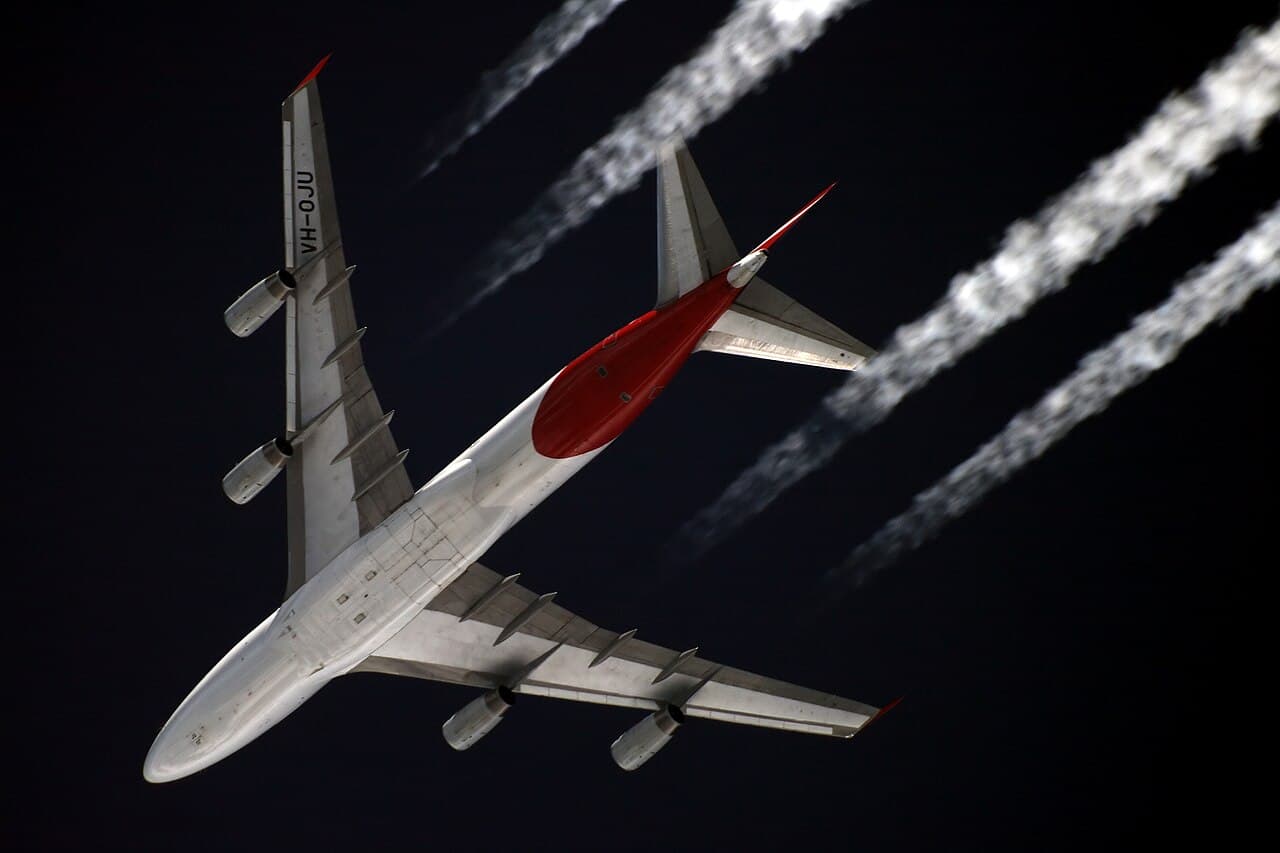
Boeing's VC-25B Air Force One Replacements Delayed to 2028-29 Completion
The Boeing 747 may have ended its commercial production run, but two of the most consequential examples ever built remain deep inside a modification program that has stretched years beyond its original timetable. Boeing 's two purpose-built VC-25B presidential aircraft, which are the long-awaited replacements for the US Air Force's aging VC-25As, were originally expected to be delivered by the end of 2024. Instead, the first aircraft is now scheduled for roughly mid-2028, while the second is expected around mid-2029, according to the latest program reporting summarized by Yahoo Finance .
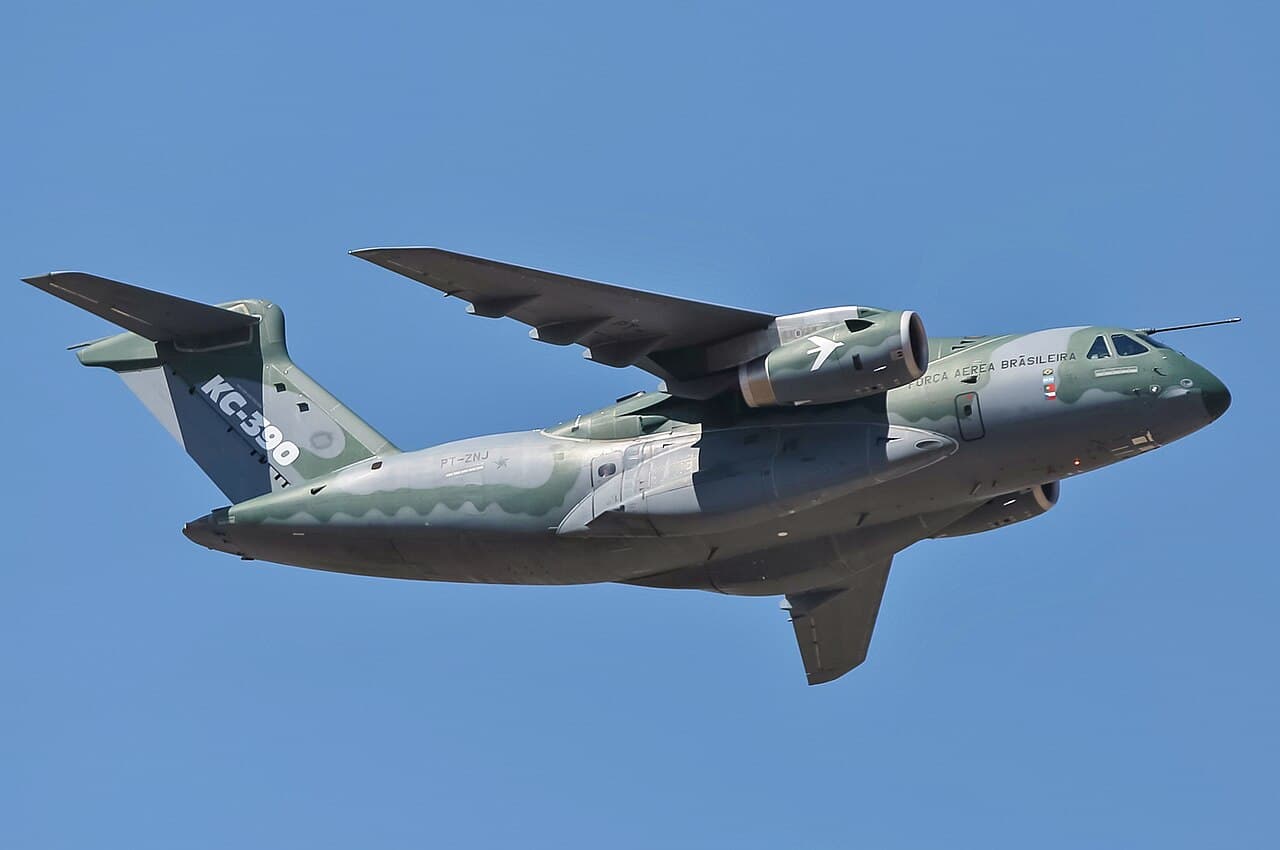
Embraer C-390 Emerges as Leading Affordable Western Military Airlifter for Smaller Nations
While Brazil is typically not considered a 'Western' country, its Embraer C-390 Millennium is part of the Western supply chain, and it is marketed to various Western countries as an alternative to the Lockheed Martin C-130J Super Hercules. It is seen as a geopolitically acceptable military aircraft for NATO allies to purchase in a way that Chinese and Russian military aircraft are not.
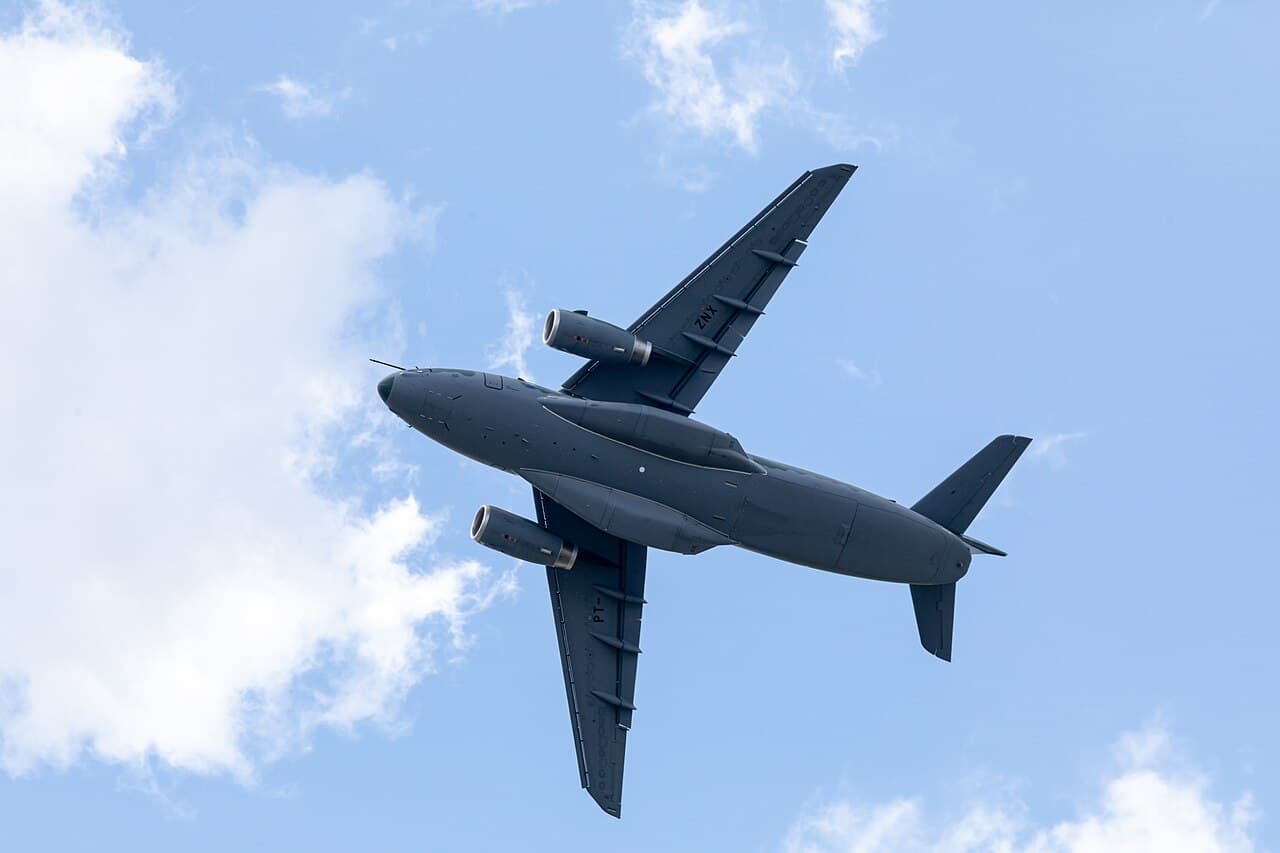
Colombia orders two Embraer KC-390 Millennium airlifters for fleet modernization
Embraer announced on August 4, 2026, that the Fuerza Aeroespacial Colombiana (FAC) has signed a contract for two KC-390 Millennium multi-mission aircraft, making Colombia the first Latin American customer for the type outside Brazil and the 13th nation to order it. The FAC put the value of the contract at $366.4 million at fixed prices, with execution spread over four years. The package covers the two aircraft, mission equipment, initial training for pilots, maintenance technicians and mission support personnel, ground support equipment, and 24 months of integrated logistics support. Embraer said the deal also includes an offset program structured to meet Colombian regulatory requirements. Deliveries are scheduled for 2029 and 2030, with the first aircraft to be ferried from Embraer's Gavião Peixoto plant to CATAM air base in Bogotá. Replacing an aging Hercules fleet The purchase falls under the FAC's heavy tactical military transport requirement, part of a modernization plan the force ties to its Air and Space Development Strategy 2042 (EDAES 2042), formulated in 2019. Colombia's tactical airlift currently rests on a small fleet of Lockheed C-130B and C-130H Hercules, operated since the late 1960s and supplemented over the years by second-hand US transfers. That fleet came under scrutiny after a C-130H registered FAC-1016 crashed shortly after takeoff from Puerto Leguízamo on March 23, 2026, killing 70 of the 126 people on board. The decision was not entirely free of controversy. President Gustavo Petro directed the FAC to conclude negotiations with Embraer in July 2026, according to Infodefensa , before the force had completed a technical comparison that also included the Lockheed Martin C-130J Super Hercules and Airbus A400M. The FAC nevertheless maintained that its selection followed technical, legal and financial analyses conducted by its own personnel. Tanker role and Gripen interoperability Two Brazilian Air Force F-39E Gripen fighters refuel simultaneously from an Embraer KC-390 Millennium. (Credit: Embraer) Embraer said the aircraft will be delivered with connectivity allowing them to operate alongside the 17 Gripen E/F fighters Colombia ordered from Saab in November 2025 under a €3.1 billion contract. The KC-390 can be fitted with removable air-to-air refueling equipment, allowing it to serve as either tanker or receiver. Bosco da Costa Junior, President and CEO of Embraer Defense & Security, said the company was "honored by the FAC's decision to select the KC-390 Millennium," pointing to a relationship dating back more than 35 years to Colombia's purchase of the EMB-312 Tucano and later the A-29 Super Tucano. Embraer says the KC-390 carries up to 26 tons of payload at speeds of up to 470 knots and can operate from short or unpaved strips. Beyond Brazil, the type has been selected by Portugal, Hungary, South Korea, the Netherlands, Austria, the Czech Republic, Uzbekistan, Sweden, the United Arab Emirates, Slovakia and Lithuania [though the latter postponed the procurement – ed. note]. The Czech Air Force received its first aircraft on July 16, 2026.
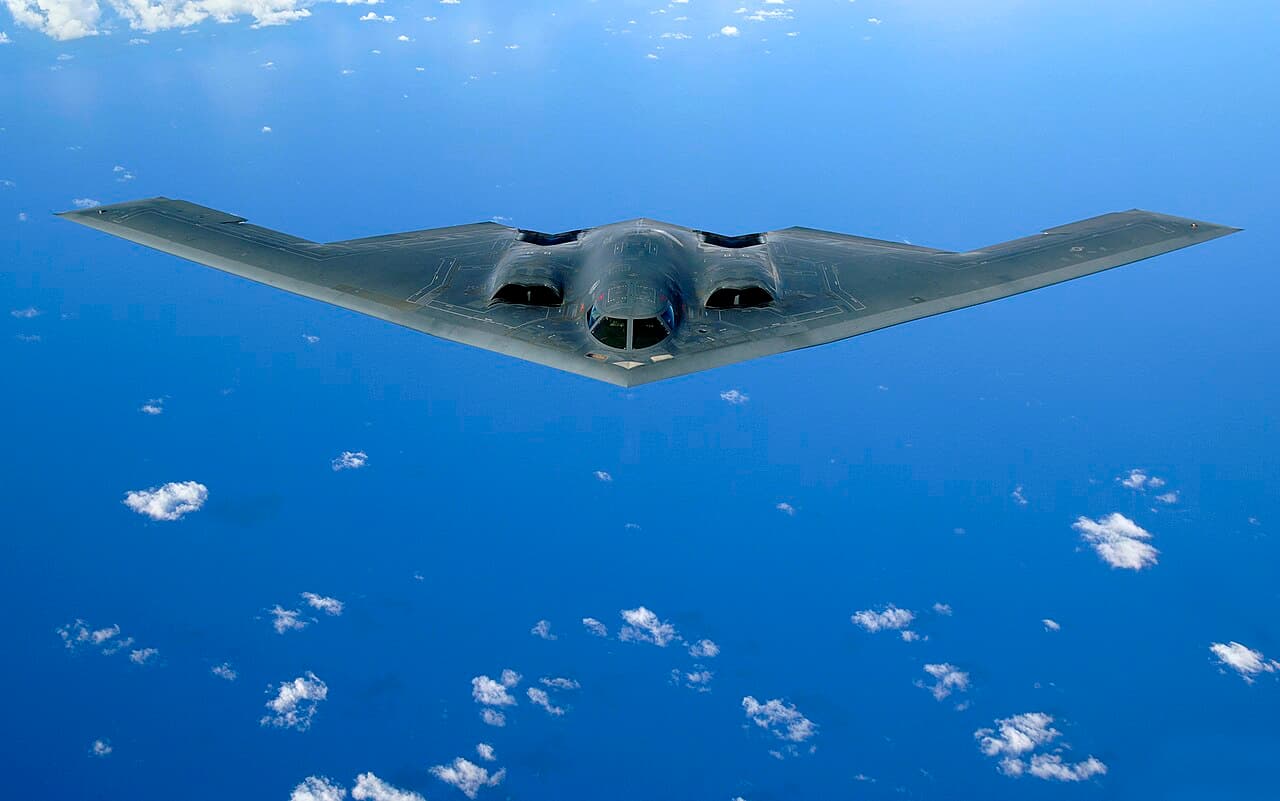
B-2 Spirit's Cockpit Design Enables 40-Hour Missions with Enhanced Pilot Endurance
Northrop Grumman B-2 Spirit air crews in the United States Air Force are well-known for flying some of history's longest missions. While a fighter jet measures a mission in minutes, the B-2 measures them in days . When a crew lifts off from Missouri, they aren't just heading to a target: they are entering a 40-hour physiological endurance test.
The Daily Touch & Go
The day's best aviation news in your inbox. Free, no spam.