

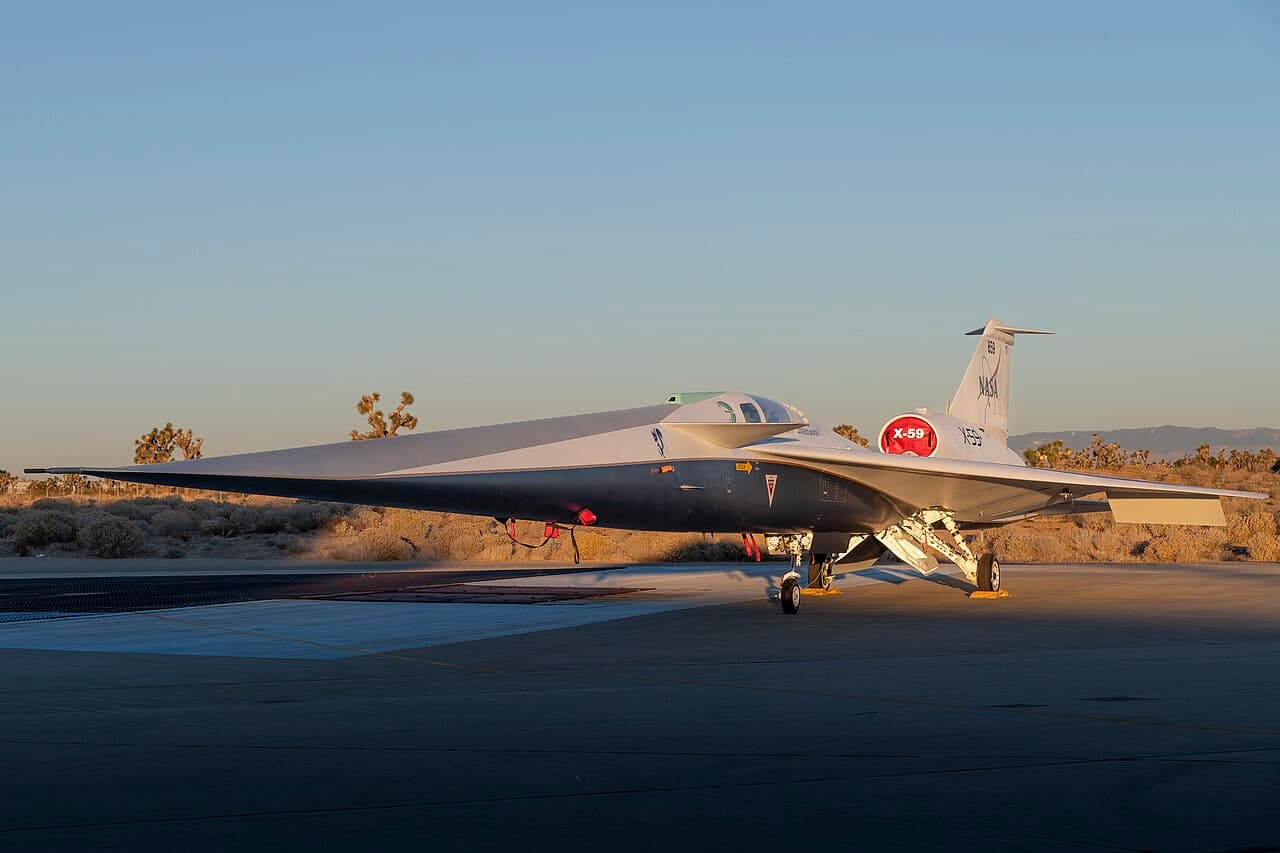
Image: NASA Headquarters / NASA/Steve Freeman · Public domain · via Wikimedia Commons
NASA X-59 Quesst Breaks Sound Barrier After Nearly Seven Months of Careful Test Flights
Lockheed Martin's X-59 underwent a methodical flight envelope expansion process over seven months before its first supersonic flight on June 5, 2026.
The gist
NASA’s X-59 took nearly seven months of cautious testing before safely crossing the sound barrier for the first time.
NASA’s X-59 Quesst experimental aircraft, designed by Lockheed Martin Skunk Works, achieved its first supersonic flight on June 5, 2026, nearly seven months after its inaugural flight on October 28, 2025. Instead of immediately pushing to supersonic speeds, engineers conducted an extensive, phased flight test program to carefully expand the aircraft’s performance limits. This lengthy process was essential to ensure safety and validate the handling of the radically shaped X-59, built to pioneer quiet supersonic travel for future commercial airliners.
The procedure, known as envelope expansion, involves gradually increasing speed, altitude, and maneuvering parameters to build up verified, real-world flight data. Prior to its supersonic attempt, the X-59 completed 16 subsonic flights focusing on establishing airworthiness, engine performance, and structural integrity. Each flight incrementally tested new regimes, allowing engineers to compare in-flight behavior against pre-flight models and simulations.
Unlike conventional jets, the X-59 features a unique aerodynamic profile designed to prevent traditional sonic booms by shaping shockwaves into a quieter sonic thump. This unconventional configuration introduced uncertainties in flight characteristics, requiring painstaking evaluation by NASA and Lockheed Martin teams. Minor technical hurdles and the unprecedented external vision cockpit system—where pilots rely on 4K monitors fed by external cameras rather than forward windows—added complexity and prudence to the testing schedule.
Safety protocols mandated that during initial flights, the X-59 operated at low speeds to confirm basic flight capabilities such as takeoff, climb, turns, and landing. Pilots incrementally pushed the aircraft closer to the sound barrier, carefully monitoring for any signs of dangerous phenomena such as flutter—a severe aerodynamic vibration that can cause structural failure. Each flight prompted thorough ground inspections for structural integrity and systems health before approval for subsequent tests.
Extensive real-time telemetry played a central role during flight tests. Advanced sensors embedded throughout the aircraft captured data on metal strain, vibrations, temperatures, and air pressure. This continuous data stream was analyzed by wings, propulsion, and structural engineering teams to ensure the aircraft remained within safe operational limits. Flight test controllers granted pilots permission to proceed to more demanding maneuvers only after receiving confirmation from telemetry analysts.
The testing campaign was deliberately meticulous, balancing airworthiness evaluations with research objectives to validate the X-59’s noise-reduction capabilities. Data from supersonic flights now allows aerodynamicists to assess how the aircraft’s structural flexing and shockwave patterns affect its sonic footprint. Its progress toward the design cruise speed of Mach 1.4 marks a critical phase for engaging with communities to refine and validate the quiet sonic thump that could revolutionize supersonic aviation.
Crossing the sound barrier represented a seminal achievement, reflecting a synergy of decades of design innovation, rigorous ground and flight testing, and real-time data analysis. The X-59 program exemplifies how methodical flight testing under stringent aerospace safety regulations is essential for developing transformative aerospace technologies. Its successful supersonic flights lay groundwork for future quiet supersonic commercial jets.
The X-59’s measured progress underscores the risks and challenges inherent to novel, one-of-a-kind experimental aircraft development. With supersonic flight now demonstrated, NASA and Lockheed Martin will continue refining the aircraft’s performance envelope, guided by comprehensive telemetry data and stakeholder feedback. The next steps involve steady acceleration to Mach 1.4 to collect vital sonic thump data over communities, advancing quieter supersonic flight possibilities.
Frequently asked questions
- Why did the X-59 take nearly seven months to break the sound barrier?
- The X-59 underwent a careful flight envelope expansion process with over 16 subsonic flights to ensure safety, verify airworthiness, and analyze telemetry data before attempting supersonic flight.
- What is unique about the X-59's design related to supersonic flight?
- The X-59 features a uniquely contoured airframe designed to reshape shockwaves, preventing a traditional sonic boom and producing a quieter sonic thump instead.
- How does the pilot control the X-59 given its unconventional cockpit?
- The X-59 pilot relies on an external vision system with a 4K monitor displaying camera feeds since the cockpit lacks a traditional forward window, requiring added safety measures during flight tests.
Read more
All Military/Defense →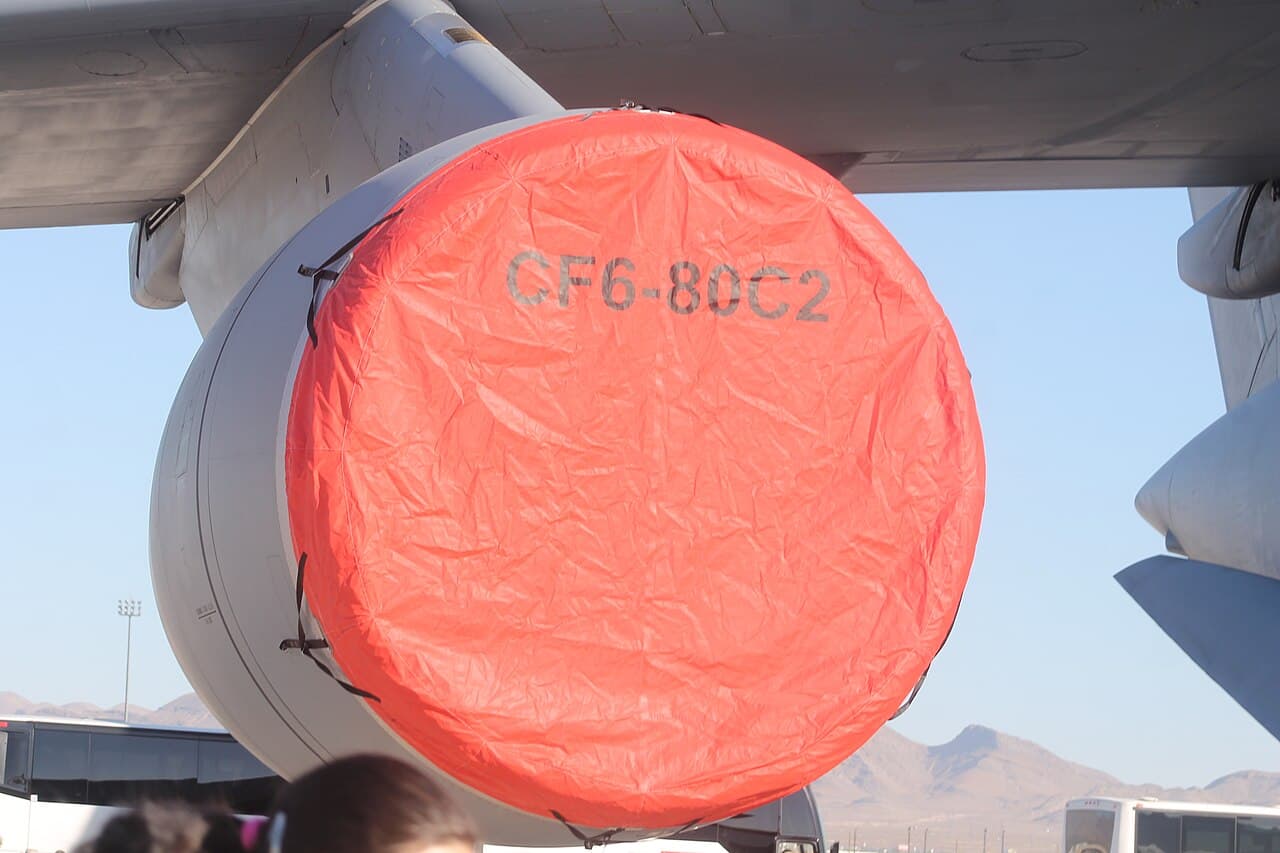
USAF Invests $143M in Software Upgrades to Keep C-5 Galaxy Airlifters Flying Until 2050
The largest aircraft in the United States Air Force's arsenal isn't the Boeing VC-25 (based on the 747) used for presidential transport, but rather the less glamorous Lockheed C-5 Galaxy . The C-5 is of a similar vintage as the 747 and was designed specifically as a military freighter, having only ever served for the USAF across the 56 years since its introduction. Despite its age, the USAF is firmly committed to the C-5 in its long-term fleet plan and will upgrade these aircraft.
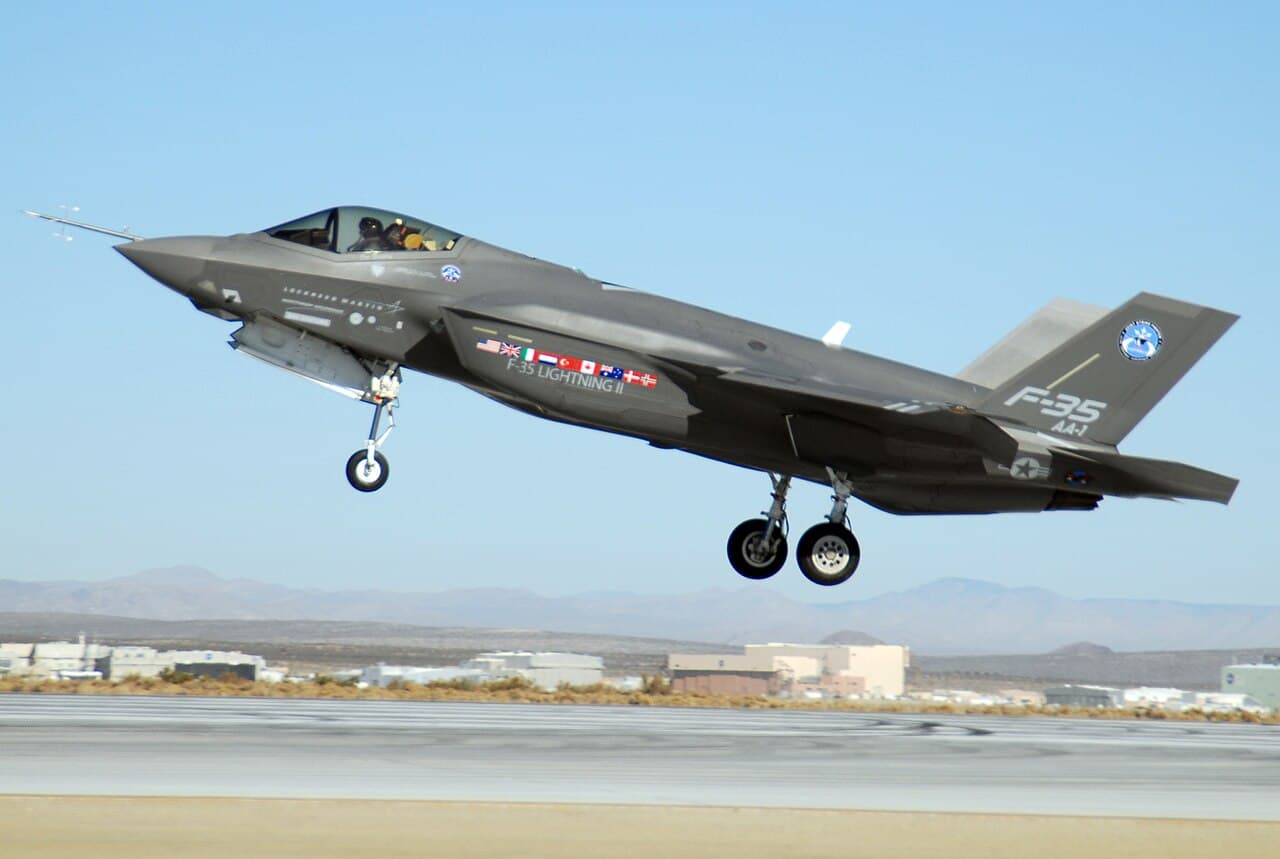
US Controls All F-35 Mission Data Updates, Grounding Allied Squadron Autonomy
The Lockheed Martin F-35 Lightning II is one of the most important weapon systems developed in the 21st century. It represents a major paradigm shift for air power not only in the US Air Force, but the Navy and Marines as well as 19 other US Allied partner nations around the world that are part of the global fleet. In addition to being the most expensive defense industrial project in history, it is also one of the most closely guarded classified projects to ever become a multinational defense program.
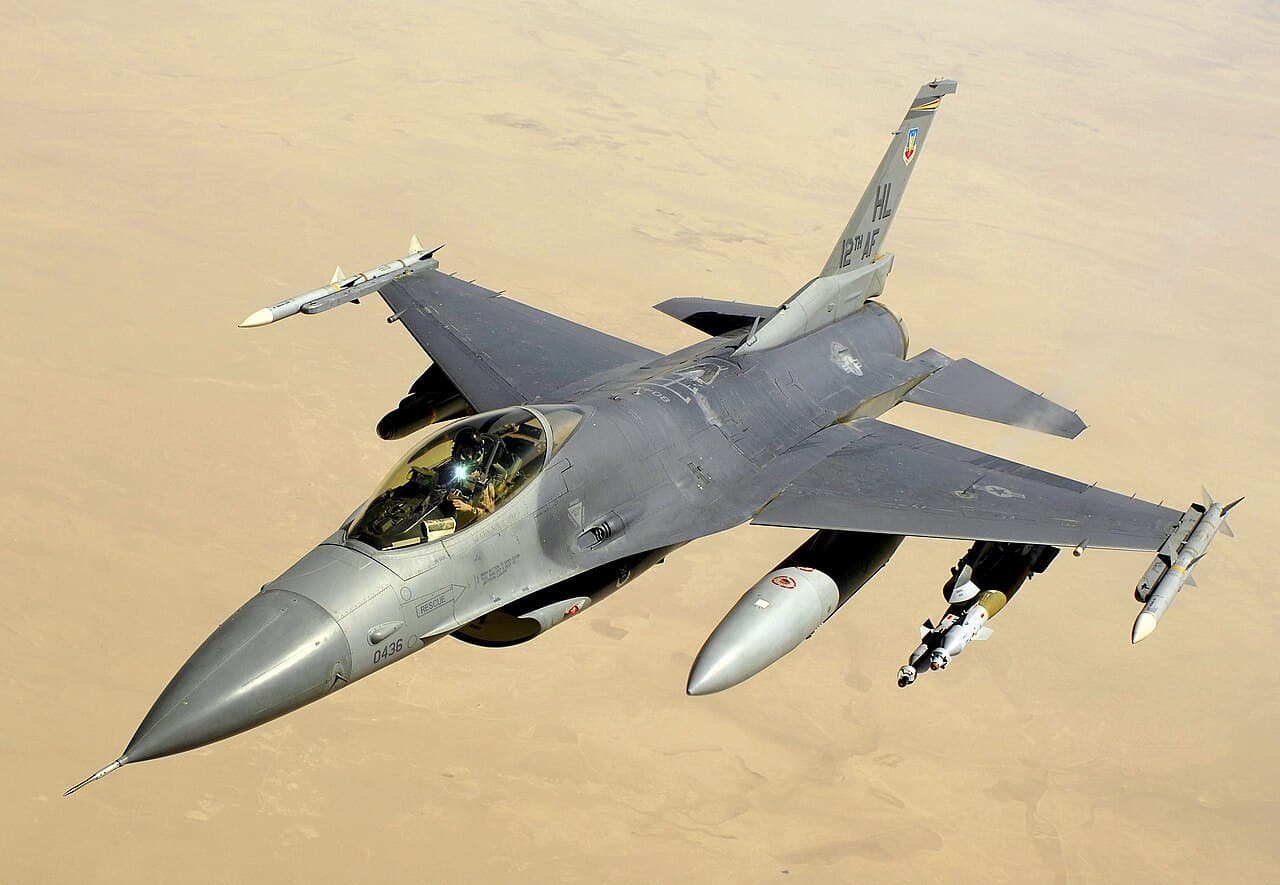
F-16 Viper Gets Major Combat Boost with New AN/APG-83 AESA Radar Upgrade
The Lockheed Martin F-16 Fighting Falcon, also known as the Viper, is no longer the premier lightweight fighter jet of the US Air Force, but it is far from irrelevant. As a much less expensive airframe than the more exquisite F-35 Lightning II, the Viper continues to roll off the assembly line. It is the most mass-produced supersonic fighter jet still in production today, with more than 4,500 examples having been delivered. Now, the existing fleet is also getting a major lethality upgrade in the form of the Northrop Grumman AN/APG-83 Scalable Agile Beam Radar.
Turkish Aerospace to Restart T-70 Helicopter Production After US Sanctions Lifted
Improved ties between Ankara, Washington lift T-70 programme. Turkish Aerospace (TAI) will resume production of the T-70 utility helicopter – a local variant of the Sikorsky S-70 – following sanctions relief from the US government. "The [T-70] programme has already started again," says TAI chief executive Mehmet Demiroglu, speaking at the recent Farnborough air show. "As of the beginning of this year, we reached an agreement with Sikorsky for another 39 units, and we received export licenses for that programme, so we don't see any problem." The sanctions originally stemmed from Ankara's decision to obtain Russia's S-400 surface-to-air missile system, a move that upset Washington. The administration of US President Donald Trump, however, has aimed to improve ties with Turkish President Recep Tayyip Erdogan. This includes sanctions relief, including the possibility of bringing Turkey back into the Lockheed Martin F-35 programme . Despite the warming ties, Demiroglu indicates that sanctions "inevitably" caused delays to the programme. He indicates that 38 T-70s were completed before the impact of sanctions were felt. The type is operated by the Turkey's air force and army, as well as parapublic agencies. Original plans had called for 109 T-70s to be produced by TAI. Demiroglu indicates that after the upcoming 39-unit batch an additional 32 could be produced, which would bring deliveries to the 109 figure. He hints that the full allotment of T-70s may be needed given that over 200 in-service Turkish military helicopters will be retired by 2040. "So, within that ten-year period the Turkish armed forces will need more than 200 platforms." Based on the S-70, the T-70 features a range of indigenous structures, avionics, and locally produced Tusas Engineering Industries T700 engines. He adds that work continues with the 11t T925 helicopter, which will serve in both civilian and military roles. In addition to supporting Turkish military replacement needs in the 2030s, he expects strong export demand for the type. He estimates overall demand for the platform, which is due to fly in 2027, could see TAI produce 400-500 examples.
The Daily Touch & Go
The day's best aviation news in your inbox. Free, no spam.