


Image: Peter Haas · CC BY-SA 3.0 · via Wikimedia Commons
Modern jet engines cut commercial aircraft fuel burn by up to 15 percent over predecessors
Engine advances have driven substantial improvements in fuel efficiency and emissions reduction in recent commercial aircraft models.
The gist
New turbofan engines like the CFM LEAP and GE9X deliver 10-15% better fuel efficiency than previous generations, lowering airline costs and emissions.
Advancements in jet engines continue to be the primary force behind increasing the fuel efficiency of commercial aircraft. While aerodynamic enhancements and materials improvements contribute, engine technology remains the dominant factor in reducing fuel consumption. Airlines, which face high fuel bills and pressing carbon reduction targets, benefit significantly from the latest generation of engines that combine power with improved efficiency.
Jet engine technology has evolved through several types, starting with turbojets that compress and burn air to produce thrust, followed by turboprops where the turbine drives a propeller for better fuel economy at slower speeds. The most widespread commercial application today is the turbofan engine, which uses a large front fan to push some air around the engine core via a bypass duct. The bypass ratio—the amount of air bypassing the core relative to the air passing through—has increased dramatically, enabling higher thrust with less fuel burned.
The Boeing 737 series illustrates the efficiency gains through engine evolution. Early 1960s 737-100/200 models ran on Pratt & Whitney JT8D low-bypass turbofans. Later 737 Classic aircraft incorporated the higher bypass CFM56-3, cutting fuel burn nearly 20 percent below JT8D levels. The Next Generation 737NG then adopted the CFM56-7B, which improved fuel consumption by 8 percent over the Classic's powerplants through refinements in core design, aerodynamics, and fan blade technology.
The most recent Boeing 737 MAX fleet exclusively features the CFM LEAP-1B engine. This state-of-the-art turbofan delivers a further 15 percent specific fuel consumption reduction compared to the CFM56-7B, thanks to a core influenced by the General Electric GEnx engine, increased composite materials usage, and substantially higher bypass ratios.
Beyond narrow-body aircraft, widebody engines have also seen notable efficiency gains. General Electric’s transition from the CF6 to the GEnx engine for the Boeing 787 and 747-8 series brought about approximately 15 percent fuel savings by doubling bypass ratio and adopting advanced materials and aerodynamic improvements. Further advances are visible in the Boeing 777 series, where the first-generation GE90 was succeeded by the cutting-edge GE9X for the 777X. The GE9X integrates technologies from the GEnx and features extensive ceramic matrix composites, achieving around 10 percent better fuel burn than the GE90.
While fuel efficiency is paramount, engine operators also weigh maintenance costs and durability. Some promising engines like Rolls-Royce’s Trent 1000 and Pratt & Whitney’s PW1000G have encountered challenges meeting durability expectations, resulting in higher maintenance needs. In contrast, the CFM LEAP and General Electric’s newer engines have maintained strong reliability records, contributing to their commercial success.
The interplay between bypass ratio, fan size, engine weight, and core temperatures defines each engine’s efficiency profile. Higher bypass ratios generally improve fuel economy but come with aerodynamic drag and weight penalties. Manufacturers are pushing materials science boundaries, using composites and CMCs to reduce weight and allow higher operating temperatures, which lower fuel burn. General Electric’s GE9X exemplifies this approach, achieving a 60:1 overall pressure ratio, enabling remarkable efficiency gains.
These continual improvements in engine technology not only reduce airlines’ fuel costs but also play a key role in global efforts to decarbonize aviation. The industry aims for carbon neutrality by 2050, and advancements like those seen in the LEAP-1B and GE9X engines are critical steps forward in mitigating the environmental impact of air travel.
Frequently asked questions
- How much more fuel efficient are modern jet engines compared to their predecessors?
- Modern engines like the CFM LEAP-1B provide about 15% better fuel efficiency compared to previous models such as the CFM56-7B, while the GE9X engine offers roughly 10% improvement over the GE90.
- What are bypass ratios and why do they matter for engine efficiency?
- Bypass ratio measures how much air goes around the engine core versus through it; higher bypass ratios generally mean more air pushed efficiently, resulting in improved fuel burn and thrust.
- Besides fuel burn, what other factors affect engine choice for airlines?
- Maintenance costs and engine durability are critical; engines with better reliability reduce downtime and expenses, even if their fuel efficiency gains are similar to competitors.
Read more
All Airlines →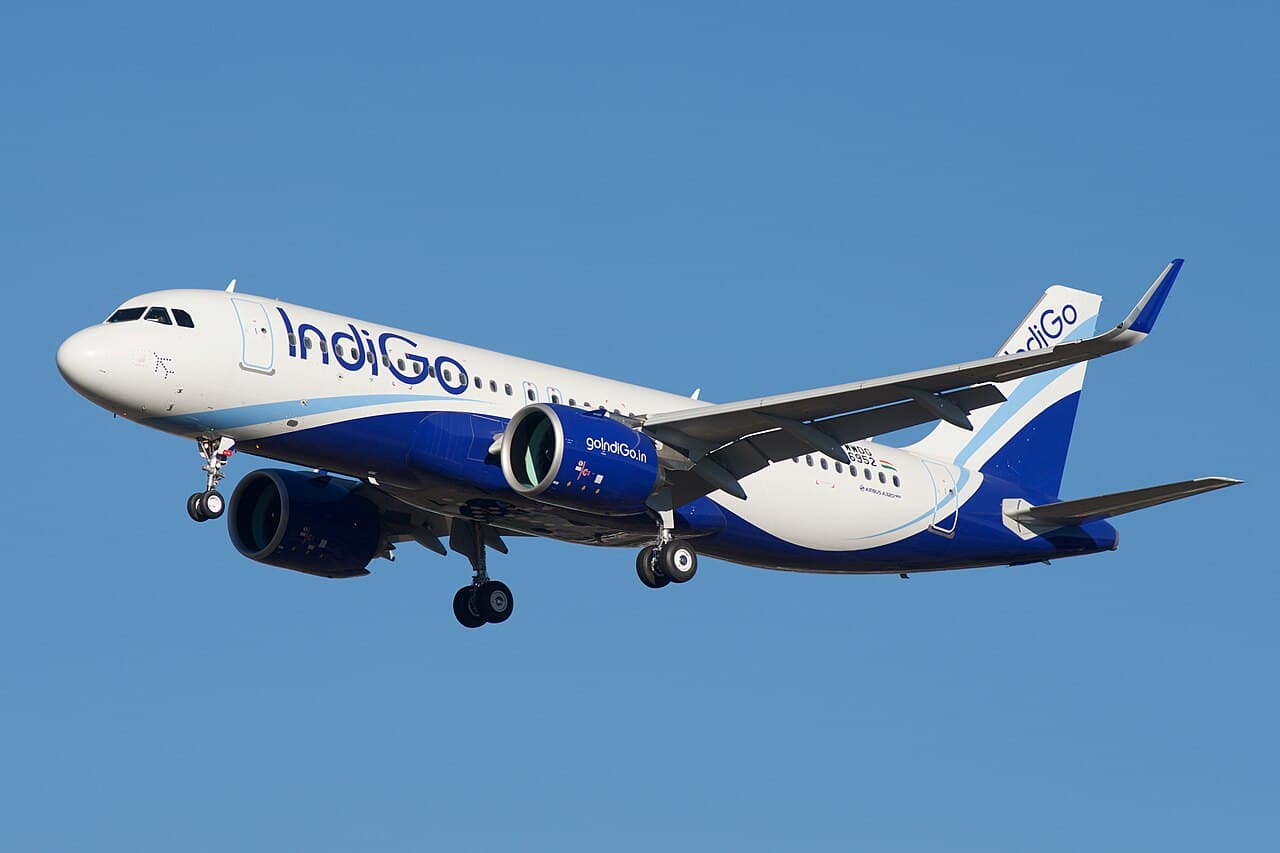
BOC Aviation, Avolon, SMBC and AerCap Dominate Global Widebody Leasing Market
Approximately half of all commercial aircraft in service worldwide are operated on lease rather than owned outright by the airline flying them. When a passenger boards a Delta Air Lines Airbus A330-900neo or a Ryanair Boeing 737 MAX 8, there is roughly a 50% chance that the aircraft belongs to a leasing company that purchased it from Airbus or Boeing and leases it to the airline under a long-term contract. The airline pays a monthly lease rate, operates the aircraft on its own routes with its own crews, and returns it to the lessor at the end of the term. The lessor retains ownership throughout and places the aircraft with another operator when the lease expires.
Boeing 787 vs Airbus A330neo: Cost, Orders, and Operating Efficiency Compared
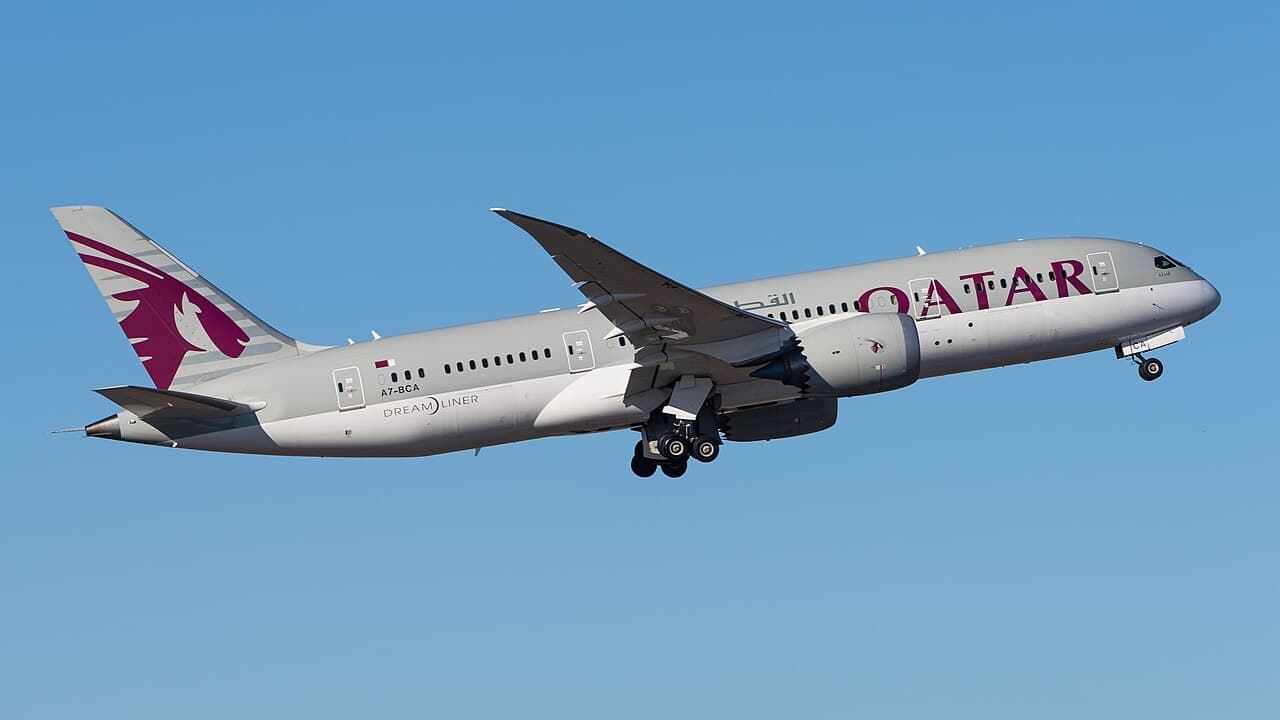
The current commercial aviation landscape is dominated by Boeing and Airbus . The two companies directly compete for contracts with the world's largest aircraft operators, and has resulted in an effective duopoly since the 1990s. Today, the Airbus A330neo family and Boeing 787 Dreamliner family compete for market share in the mid-sized widebody category.
Air Canada Sets New Q2 Revenue Record Despite Rising Fuel Costs and Operational Hurdles
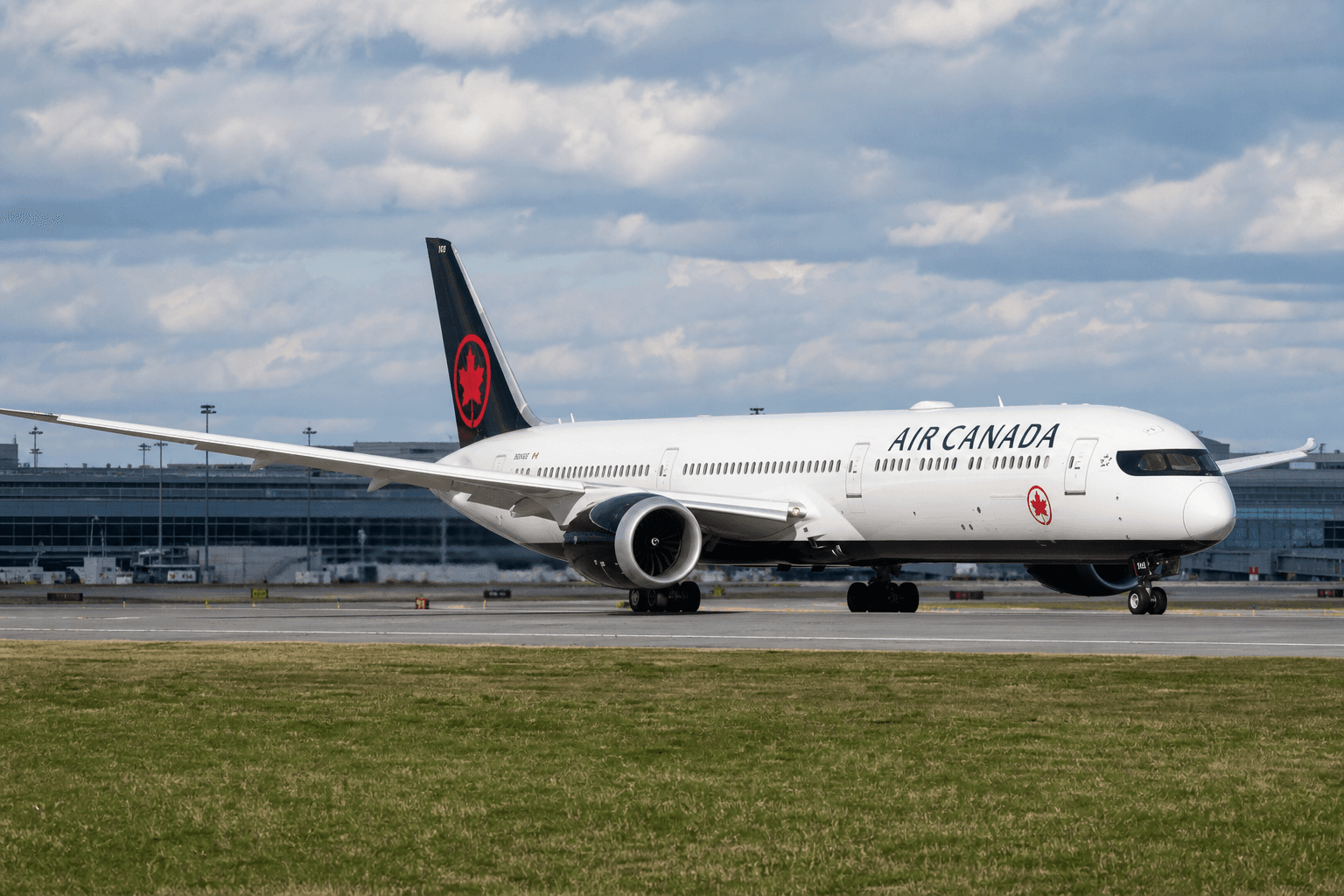
Air Canada reported strong second-quarter 2026 results driven by solid demand. The airline achieved record operating revenues of $6.3 billion. This marked an 11 per cent rise from the same period last year. ezstandalone.cmd.push(function () { ezstandalone.showAds(119); }); Demand stayed robust across the network. Premium and corporate travel performed well. Sixth Freedom traffic also contributed. Capacity grew just 0.3 per cent year over year. Weather disruptions in the later part of the quarter limited flight completion rates. This kept capacity slightly below the lower end of guidance. ezstandalone.cmd.push(function () { ezstandalone.showAds(127); }); Key Financial Highlights Adjusted EBITDA reached $719 million. This sat at the top end of the company’s second-quarter guidance range. The result came despite a 49 per cent jump in fuel expense. Operating expenses totalled $6.481 billion. This led to an operating loss of $215 million. The loss included $388 million in labour-related and other charges. ezstandalone.cmd.push(function () { ezstandalone.showAds(128); }); On an adjusted basis, the picture looked stronger. Air Canada posted adjusted pre-tax income of $77 million. Adjusted net income stood at $114 million, or $0.40 per diluted share. The reported net loss was $178 million, equal to $0.63 per diluted share. Adjusted CASM came in at 15.47 cents. Cash generation remained healthy. Net cash flows from operating activities totalled $651 million. Free cash flow reached $174 million. The airline used $125 million to repurchase more than six million shares. Its net leverage ratio held steady at 1.7.CEO ezstandalone.cmd.push(function () { ezstandalone.showAds(129); }); Photo Credit: Air Canada Comments on Performance President and Chief Executive Officer Michael Rousseau highlighted the quarter’s strengths. “Air Canada delivered record second-quarter operating revenues… supported by strong demand across our network,” he said. He pointed to diversified revenue sources, effective pricing, and focus on controllable costs. Rousseau also thanked employees for their commitment. He noted the company’s solid cash position and balance sheet. These factors support investment and shareholder returns. Looking ahead, Rousseau expressed confidence. He cited resilient premium and corporate demand, fare actions to offset fuel volatility, and disciplined cost control. ezstandalone.cmd.push(function () { ezstandalone.showAds(130); }); He also mentioned Anko van der Werff as his announced successor and the path toward an investment-grade rating in the mid-term. Photo Credit: Air Canada Updated Full-Year Guidance Air Canada reinstated and updated its full-year 2026 outlook. Adjusted EBITDA is now expected between $2.9 billion and $3.2 billion. This is lower than the previously suspended range of $3.35 billion to $3.75 billion. Capacity growth is forecast at 2.25 per cent to 3.25 per cent versus 2025. Adjusted CASM should rise 5 to 6 per cent from 2025 levels. Free cash flow is projected between $200 million and $500 million. ezstandalone.cmd.push(function () { ezstandalone.showAds(131); }); Assumptions include modest Canadian GDP growth and continued demand trends. The Canadian dollar is expected to average C$1.41 per U.S. dollar. Jet fuel is assumed at about C$1.38 per litre in the third quarter and C$1.29 in the fourth. The company plans to offset a significant portion of higher fuel costs through pricing and hedging. It also assumes $1 billion from planned sale-and-leaseback transactions in 2026. Longer-Term Outlook Air Canada continues to target operating revenues of approximately $30 billion by 2028. It aims for an adjusted EBITDA margin of at least 17 per cent that year. Aspirations for 2030 include further margin gains and strong free cash flow generation. ezstandalone.cmd.push(function () { ezstandalone.showAds(132); }); The results show Air Canada navigating higher fuel costs and one-time charges while capturing strong travel demand. Management remains focused on cost control, cash generation, and long-term value creation.
American Airlines Deploys Airbus A321XLR on Nine Routes with 155 Seats Each
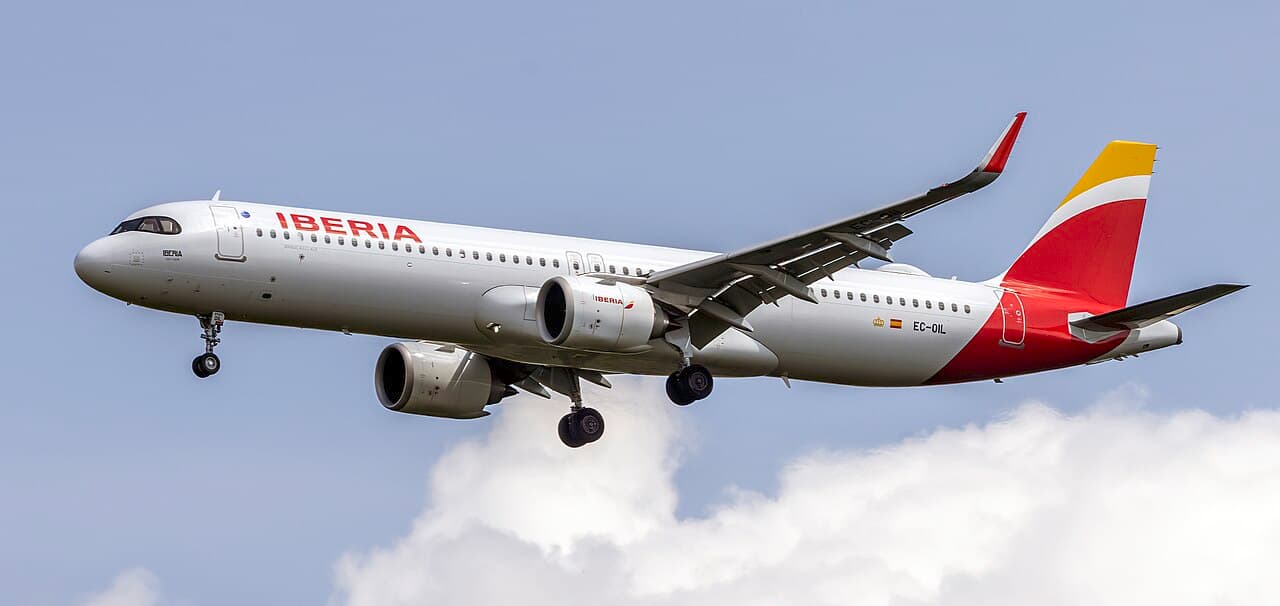
American Airlines is set to be a major operator of the Airbus A321XLR . While present fleet data from ch-aviation shows that it currently has only seven units of the next-generation narrowbody twinjet at its disposal, its 44 outstanding orders for the type will bring its total to 51 in time. The carrier has configured these jets with 155 seats across three classes, making them ideal for long thin routes.
The Daily Touch & Go
The day's best aviation news in your inbox. Free, no spam.