

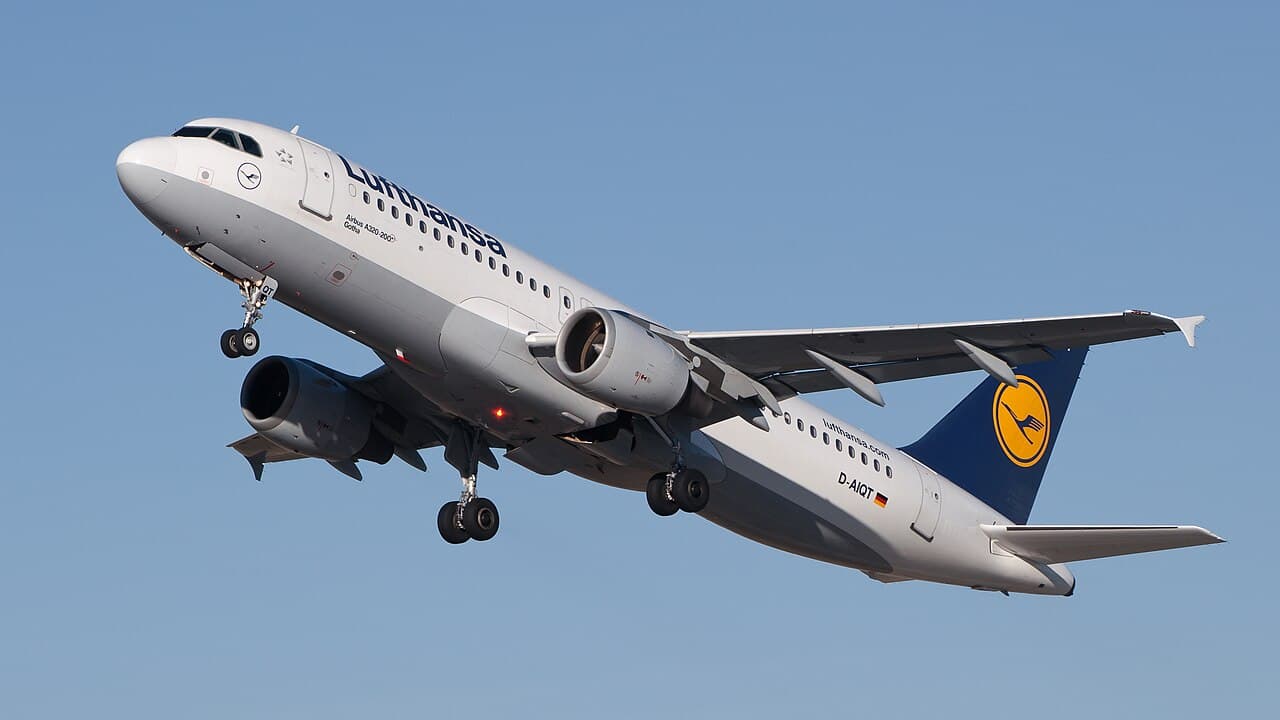
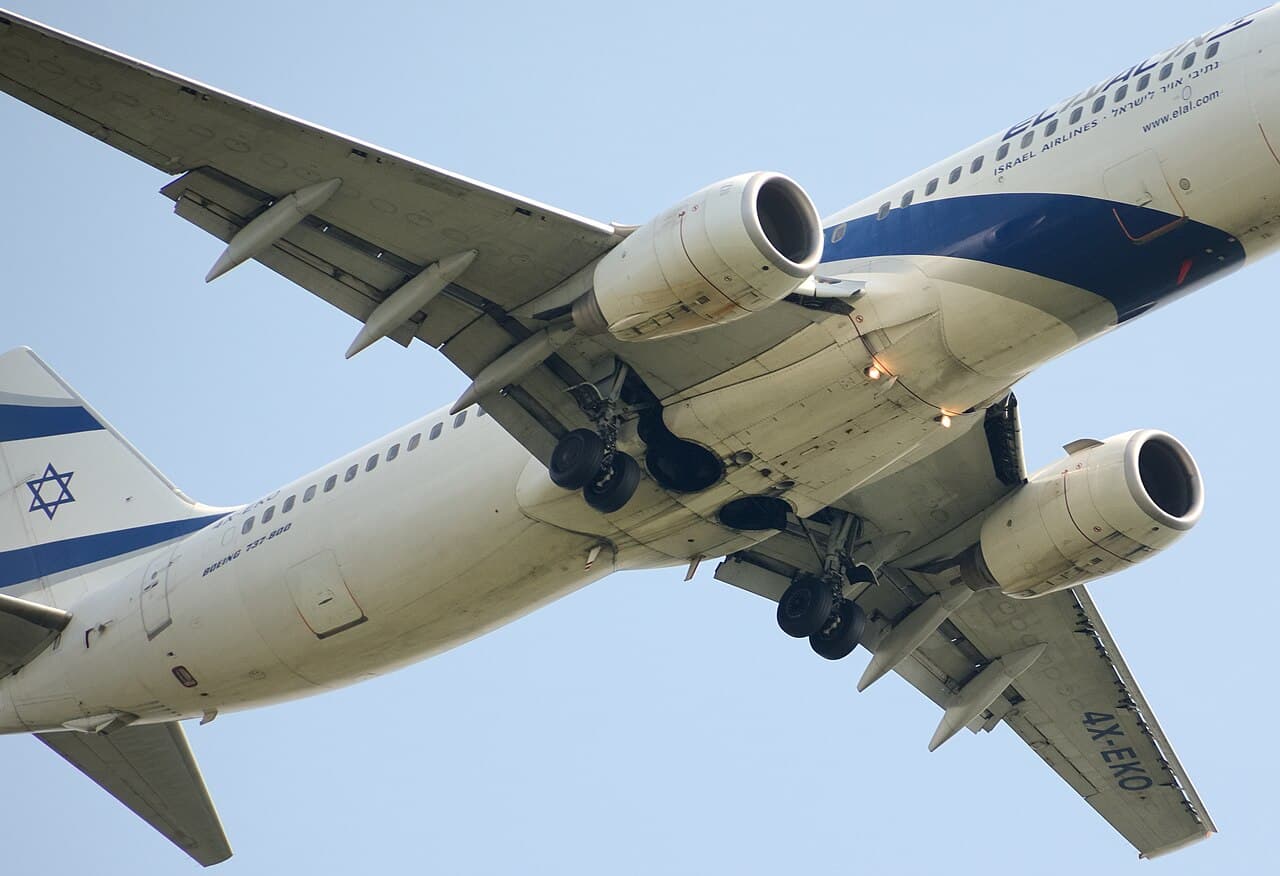
Image: Julian Herzog ( Website ) · CC BY 4.0 · via Wikimedia Commons
Lufthansa Introduces Economy Amenity Kits on Long-Haul Flights as Part of Service Upgrade
Lufthansa now offers branded amenity kits with eye masks and earplugs for economy passengers on long-haul and overnight flights, enhancing comfort and aligning with competitor offerings.
The gist
Lufthansa adds new amenity kits in economy on long-haul flights, boosting passenger comfort with eye masks and earplugs.
Lufthansa has taken a significant step to improve comfort for long-haul economy class travelers by introducing new branded amenity kits on its long-distance flights. The kits, now available on all long-haul and overnight services, include a small pouch containing an eye mask and earplugs. This marks a departure from the airline's previous practice of not providing amenity kits to economy passengers and aligns Lufthansa with other major international carriers that have been enhancing their economy service offerings.
This upgrade forms part of Lufthansa's wider strategy called Project FOX, aimed at revitalizing the passenger experience across all cabins. Alongside the amenity kits, the airline has introduced several other enhancements for economy class on flights exceeding ten hours. These include new printed menus, three hot main course options, and an expanded selection of beverages and snacks, designed to elevate the overall travel experience and provide passengers with more choices.
The new economy amenity kits are simpler than those provided in premium cabins, which commonly include additional items like socks, dental care products, and skincare lotions. Lufthansa's kits focus on essentials to improve sleep quality during long flights through the inclusion of eye masks and earplugs. The branded pouch also reflects Lufthansa's approach to consistent design and adds a touch of sophistication compared to the absence of previous offerings in economy class.
Lufthansa's decision follows trends set by airlines such as Turkish Airlines, Emirates, and Etihad Airways, which have already been providing complimentary amenity kits to economy travelers on long-haul flights. By joining this group, Lufthansa aims to boost passenger satisfaction levels, indicating the importance the airline places on comfort enhancements in a highly competitive market.
Headquartered in Cologne, Lufthansa operates one of Europe's largest airline fleets, with over 270 aircraft serving 229 destinations globally. Along with its Lufthansa Group sister airlines, it ranks as the second-largest airline group in Europe. Lufthansa's hubs at Frankfurt and Munich continue to be pivotal gateways for its extensive long-haul network, where these new economy enhancements are primarily implemented.
Significantly, Lufthansa remains one of the few major global carriers operating the Boeing 747-8 and Airbus A380, aircraft associated with premium long-haul travel experiences. By introducing amenity kits for economy passengers, Lufthansa is extending elements of premium service standards more broadly, reflecting evolving passenger expectations in economy cabins.
Additional improvements accompanying the amenity kits include coffee and tea refills across all cabins and the introduction of German beer and bread as part of meal service upgrades on flights longer than ten hours. These details emphasize Lufthansa's focus on delivering a more thoughtful and satisfying onboard experience.
The amenity kit rollout demonstrates Lufthansa's commitment to staying competitive among prominent international airlines and enhancing the value proposition for economy travelers amid ongoing industry pressures. The timing coincides with Project FOX's broader initiatives to upgrade the airline's cabin interiors and service offerings, signaling an incremental yet impactful approach to customer experience improvements.
With these changes fully implemented across Lufthansa's long-haul services, passengers can expect a noticeably more comfortable journey, particularly on overnight and extended flights. These enhancements may influence customer perceptions and loyalty as long-haul carriers increasingly vie to attract and retain economy passengers through added amenities and service quality.
Frequently asked questions
- What does Lufthansa's new economy amenity kit include?
- The new amenity kit for Lufthansa economy long-haul passengers includes a branded small pouch containing an eye mask and earplugs to enhance passenger comfort during the flight.
- On which flights are the new Lufthansa economy amenity kits available?
- The kits are available on all Lufthansa long-haul and overnight flights, particularly those lasting more than ten hours.
- How does Lufthansa's economy amenity kit compare to those in premium cabins?
- Lufthansa's economy amenity kits are modest, containing just eye masks and earplugs, unlike premium cabin kits which typically include additional items like socks, dental care products, and lotions.
Read more
All Airlines →
Lufthansa Signals Shift Toward Collaborative Labor Relations After Years of Strife
Lufthansa has long struggled with labor relations, and it has cost the airline dearly. Over the years we've seen endless strikes at the airline, and in the end, management seems to lose. It's amazing how executives at the airline make the same mistake over and over, while expecting different results. The irony is that Lufthansa Group CEO Carsten Spohr is a former pilot, so you'd think he'd be on the side of labor. But it's clear that as soon as he crossed over to management, he's had a certain disdain for those who keep the airline running (at least that's what his actions reflect). Well, could Lufthansa finally be turning over a new leaf? Management seems to be suggesting so , but only time will tell if this is just talk, or if there's meaningful action behind it. Lufthansa wants to work with labor on long term solutions This is Lufthansa's 100th anniversary, so it's supposed to be a year of celebration. Instead, this spring we saw employees stage back-to-back-to-back strikes , as both pilots and flight attendants had industrial action that grounded the airline for roughly a week, costing the company hundreds of millions of dollars. This also caused Lufthansa's CityLine subsidiary to be shut down overnight. While we haven't seen formal strikes since then, the contract negotiations are ongoing, so additional industrial action isn't yet off the table. However, for the first time that I can remember, it seems like Lufthansa management is actually acknowledging that it needs to change its approach with labor. In talking about labor relations at the carrier, Lufthansa's Chief Human Resources Officer, Michael Niggemann, said that "we need to talk with each other again, instead of about each other." He also said that "it's important that we not only find solutions to the current collective bargaining disputes, but also create a solid foundation for cooperation in the years to come." Those are certainly the right words, so let's see if there are any actions behind that. Slightly more concretely, it seems that the two parties have agreed on a framework by which they'll arbitrate labor disputes, with the union representing pilots informing members that negotiations will be used to find solutions, rather than industrial action. Generally Lufthansa's labor relations issues have come down to a lack of goodwill and cooperation between management and the unions. Despite being the "flagship" airline, Lufthansa is the lowest margin airline in Lufthansa Group. How you want to analyze that depends on your perspective: Management keeps creating new airline subsidiaries due to this lack of profitability, arguing that the labor contracts for Lufthansa directly are too expensive Labor unions argue that Lufthansa is the least profitable airline because the airline group keeps outsourcing flying, so of course what's left is of limited value, since the flagship brand is being "sacrificed" Lufthansa's 100th anniversary hasn't been great for labor Air France-KLM is to "blame" for Lufthansa's new approach Why is Lufthansa suddenly taking a new approach to labor relations? I mean, logically one would assume that management would come to the conclusion that it's good for business to be on good terms with employees. But it's probably not quite that straightforward. I suspect Lufthansa Group management is also realizing that as we increasingly see consolidation among European airlines, labor peace is an important point of differentiation . I think there's one man and airline group that is putting this pressure on Lufthansa Group — that's Ben Smith at Air France-KLM. Prior to 2018, labor relations at Air France were horrendous. I mean, in 2015, a protest by employees looked more like January 6, with executives having their shirts ripped off, and scaling a fence to escape. However, it has been a completely different story since Smith took over in 2018 . Since then, Air France hasn't seen a single major case of industrial action. Yes, in eight years. That's beyond remarkable. I know a lot of anti-union people like to always blame unions for the kind of unrest, and for being unreasonable, while giving management a pass. Yes, unions can be challenging. But I think the perfect counterpoint to that is what we've seen at Air France. Air France has gone from worst to first when it comes to labor relations in Europe, so how is that possible? Well, Smith has a deep respect for employees, he's a huge aviation geek ( which employees very much respect ), and he fundamentally views labor and management as being collaborative, rather than at odds with one another. He also understands the value in making strategic investments to make employees happy. For example, when he started in his role, one of his first orders of business was to eliminate low cost carrier Joon, moving the employees there onto contracts with higher pay. That's literally the opposite of what we see at Lufthansa Group, where it's all about forming new subsidiaries in order to cut labor costs, at the expense of existing employees. Smith's attitude is essentially "hey, we (management and the employees) want the same thing, which is for the airline to succeed, so how can we come to an agreement where everyone can be happy?" Respect goes a long way… maybe it's a lesson that Spohr and his team are finally learning? Bottom line Lufthansa management claims it'll take a new approach to labor relations, increasingly trying to collaborate with unions to find long term solutions. This is such a departure from what we've seen at Lufthansa over the past couple of decades, so I'm skeptical, but it would certainly be great to see. I think Air France has put the pressure on Lufthansa when it comes to showing the power of good labor relations, given how much the labor situation at Air France has transformed. What do you think — will Lufthansa management actually turn over a new leaf with labor relations, or is this all talk?
American Airlines Bans Humanoid Robots From All Flights Citing Safety Risks
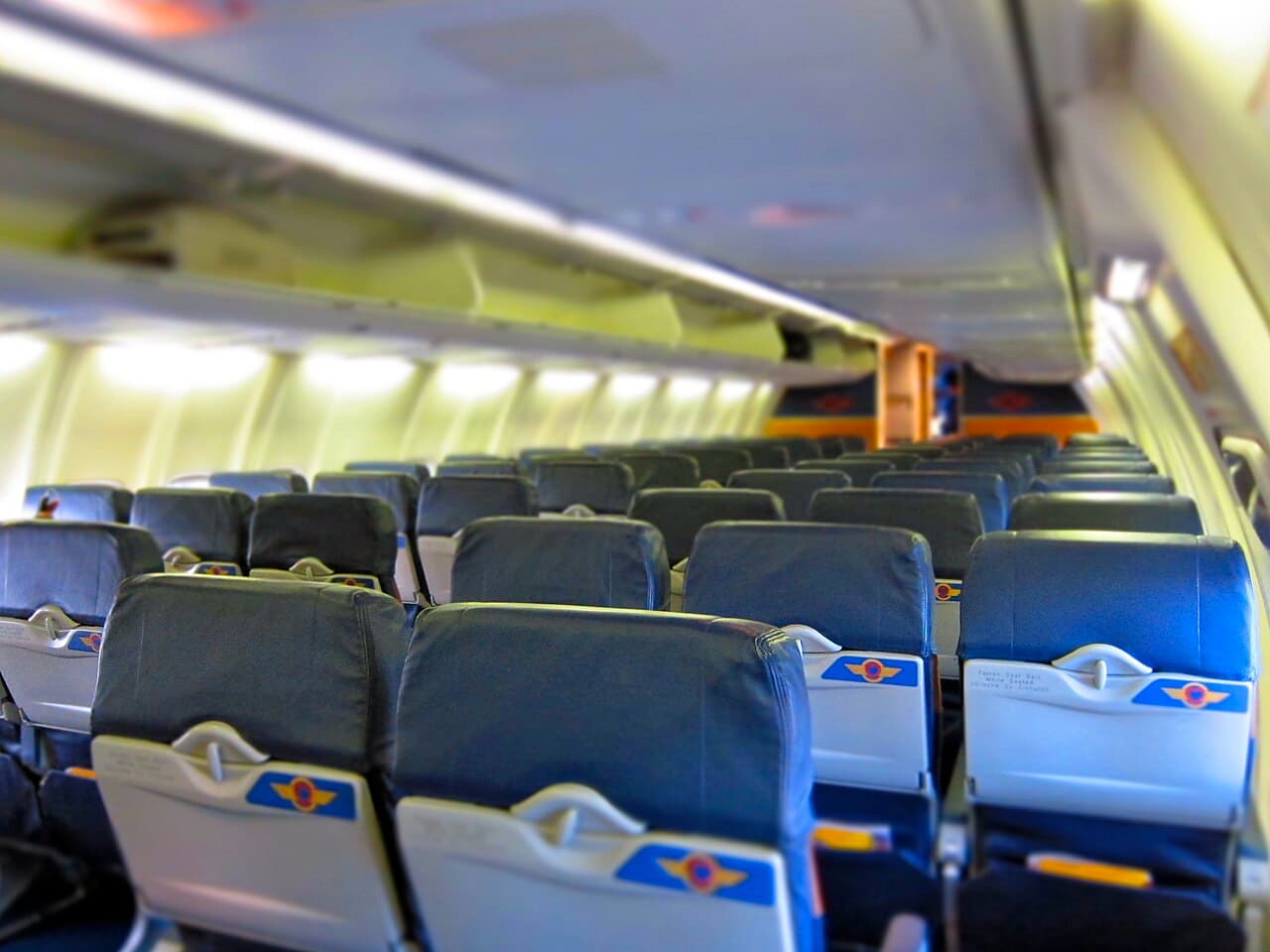
Fort Worth-based American Airlines has issued an internal policy update for employees, which prohibits staff and passengers from bringing human-like and animal-like robots on board . They will be officially banned from being taken into the cabin, and even in checked luggage, immediately. The email that outlined the policy update strictly states that the humanoids will not be allowed even if they have purchased a separate seat .
Air Canada Picks 16 Airbus A350-1000s Over Delayed Boeing 777X for Long-Haul Fleet Renewal
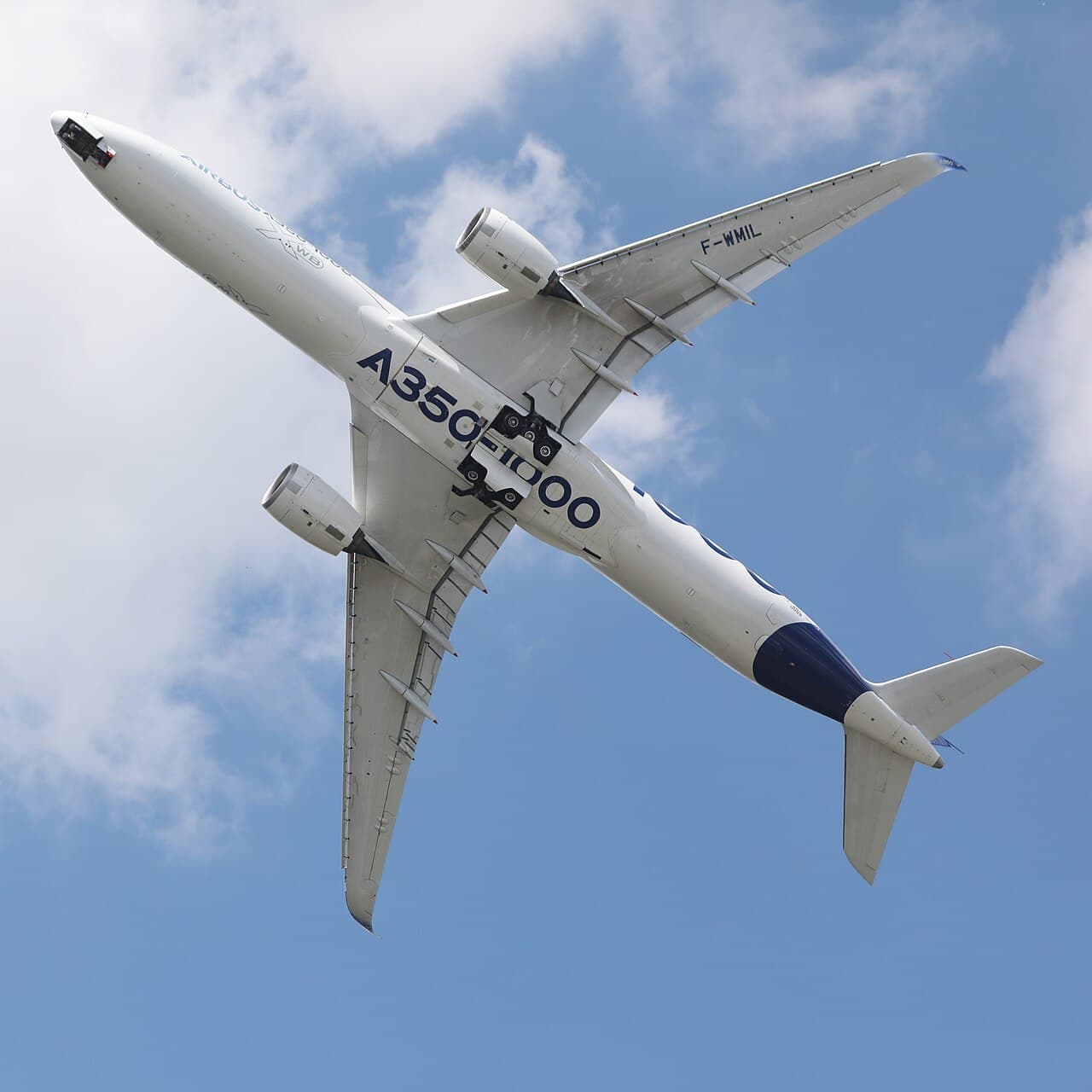
For nearly two decades, the Boeing 777-300ER has been at the very heart of Canada's flagship carrier, dominating long-haul routes from Toronto Pearson International Airport (YYZ) and Vancouver International Airport (YVR) across the Pacific and Atlantic oceans. When it came time to plan its flagship fleet successor for the decade ahead, Air Canada turned away from Seattle and placed its faith in the rival company Airbus . The airline confirmed a firm commitment for eight Airbus A350-1000s , with purchase rights for eight additional aircraft, bypassing Boeing's delayed 777X program to opt for European composite-twin technology for its next era of international expansion.
Modern jet engines cut commercial aircraft fuel burn by up to 15 percent over predecessors
The primary driver of aircraft efficiency today is the engines. While advances in aerodynamics and materials do cut down on fuel burn as well, the engine is the main determinant as to how much fuel an aircraft burns, and older planes equipped with new engines tend to be more than competitive against a clean-sheet aircraft. During the start of the Jet Age, manufacturers were primarily focused on increasing power, with fuel efficiency being a second priority, but as technology has developed, this has changed.
The Daily Touch & Go
The day's best aviation news in your inbox. Free, no spam.