

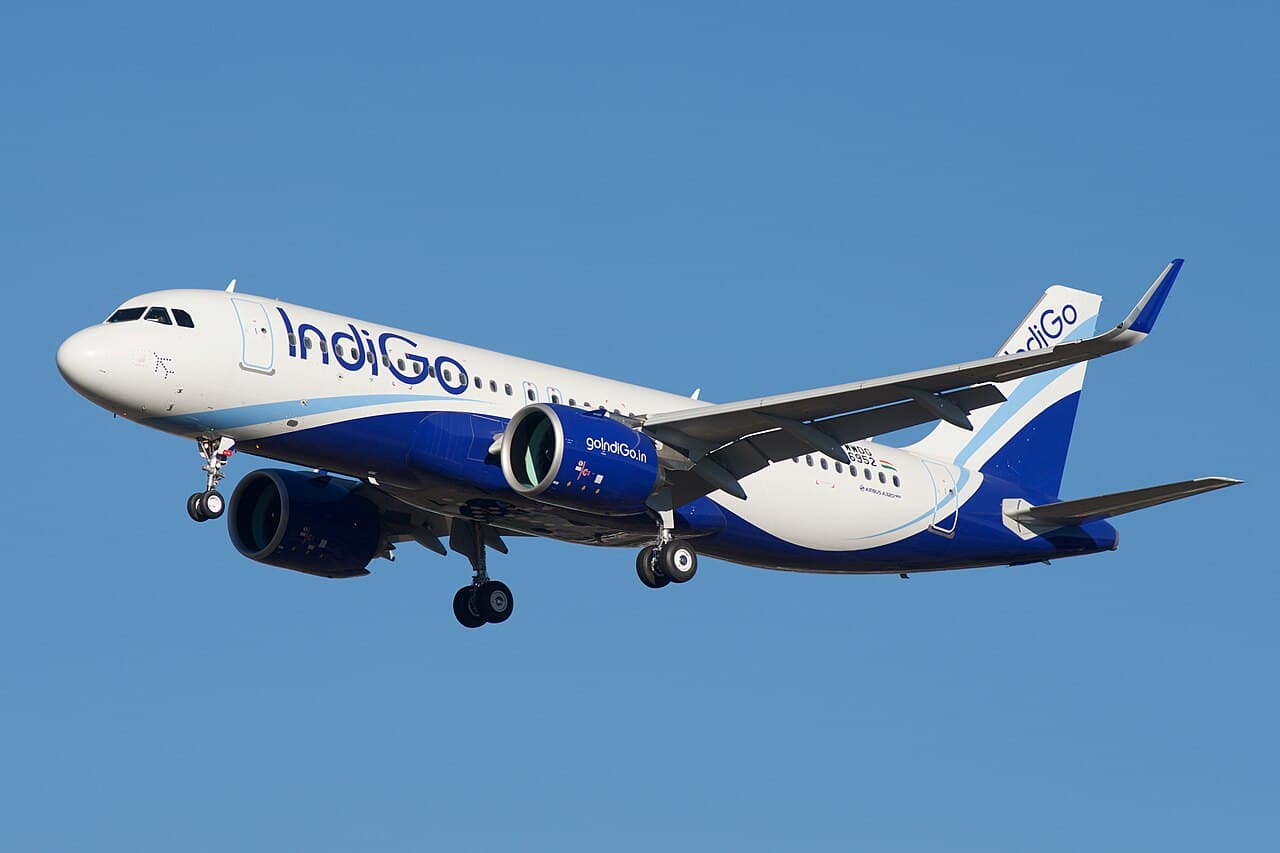
Image: BriYYZ from Toronto, Canada · CC BY-SA 2.0 · via Wikimedia Commons
BOC Aviation, Avolon, SMBC and AerCap Dominate Global Widebody Leasing Market
Nearly half of commercial aircraft globally are leased, with four key lessors controlling the widebody segment through extensive fleets and financial muscle.
The gist
Four major leasing firms—BOC Aviation, Avolon, SMBC, and AerCap—dominate the global widebody aircraft leasing industry with vast, young fleets and strong financial backing.
Continuing coverage
All Aircraft Leasing →- WestJet to lease first Boeing 737 Max 10, delivery expected by year-end
- China's ICBC seeks DGCA deregistration of four SpiceJet Boeing 737 MAX 8s over engine issues
- AerCap leases three Boeing 777-300ERSF freighters to China Southern Airlines Cargo
- Avolon to acquire 11 Airbus A321neos ordered by Frontier Airlines
- Avolon Acquires 11 Airbus A321neos Originally Ordered by Frontier Airlines
Commercial aviation relies heavily on aircraft leasing, with about 50% of active passenger jets worldwide operated by airlines under lease agreements. This business model enables airlines to avoid hefty upfront purchase costs, opting instead for dry leases where the lessor provides the aircraft and the airline manages operations. Widebody aircraft, crucial for long-haul flights, are a significant focus of these leasing companies’ portfolios, which underpin global air travel capacity.
BOC Aviation, based in Singapore and majority-owned by the Bank of China, stands out with a fleet of 461 owned aircraft as of early 2026, supplemented by managed assets. Its portfolio favors newer narrowbodies like the A320neo family and 737 MAX but includes a robust selection of widebodies such as the A330, A350, 777-300ER, and 787 models. BOC’s aircraft are exceptionally young, averaging just over five years in age, and all owned planes were leased out without downtime in the first quarter of 2026, reflecting high demand and efficient asset utilization.
Financially, BOC Aviation benefits from strong capital access, having secured $2.5 billion in debt financing in Q1 2026. Thanks to Bank of China’s backing, it can compete aggressively in fleet acquisitions, particularly in Asia-Pacific markets where its parent bank’s relationships provide a strategic advantage over primarily Dublin-based rivals. This positioning reflects the importance of regional connections in the competitive leasing landscape.
Avolon, headquartered in Dublin and the youngest among the top players, rapidly expanded its fleet to over 1,100 aircraft in just 16 years. It engages with 139 airlines across 61 countries, maintaining a significant focus on new-generation narrowbodies while also leasing widebody models like the A330 and 787. The company’s aggressive order book, mostly secured through 2028, illustrates solid airline appetite for the newest aircraft technology, supported by $2.1 billion in new financing during the first quarter alone.
SMBC Aviation Capital, another Dublin-based lessor owned by Japanese financial conglomerates, made a transformative acquisition of Sumisho Air Lease Corporation in 2026 for approximately $7.4 billion. This deal expanded SMBC’s fleet to 1,700 aircraft and moved it closer to AerCap’s dominant size. Although its portfolio is predominantly narrowbody aircraft, it maintains a strategic position in widebodies, including A350s and 787s. The company’s strong credit ratings and access to low-cost Japanese capital enable it to undertake large-scale acquisitions and place sizable aircraft orders.
AerCap remains the world’s largest aircraft lessor by a significant margin, holding a diverse and extensive portfolio that includes widebody jets alongside engines and helicopters. While exact numbers from the source material cut off before detailing AerCap’s fleet specifics, the company’s market dominance is well established, underscoring the scale and influence of the top four lessors in the aerospace leasing sector.
These industry giants collectively shape the widebody aircraft leasing market by leveraging young, technologically advanced fleets and deep financial resources. Their long-term leasing contracts provide airlines flexibility amid evolving travel demand, technological shifts, and capital expenses. The scale and geographic scope of their operations demonstrate how crucial leasing companies have become to global commercial aviation infrastructure and fleet management.
Frequently asked questions
- What percentage of commercial aircraft are leased rather than owned by airlines?
- Approximately half of all commercial aircraft in service worldwide operate under lease agreements rather than being owned outright by the airlines.
- What is the difference between dry leasing and wet leasing in aircraft leasing?
- Dry leasing involves the lessor providing the aircraft alone, while the airline supplies crew, maintenance, and insurance; wet leasing includes the lessor supplying the aircraft with crew, maintenance support, and insurance, usually for short-term needs.
- Which four companies dominate the global widebody aircraft leasing market?
- BOC Aviation, Avolon, SMBC Aviation Capital, and AerCap are the four leading companies controlling the majority of the worldwide widebody aircraft leasing market.
Read more
All Airlines →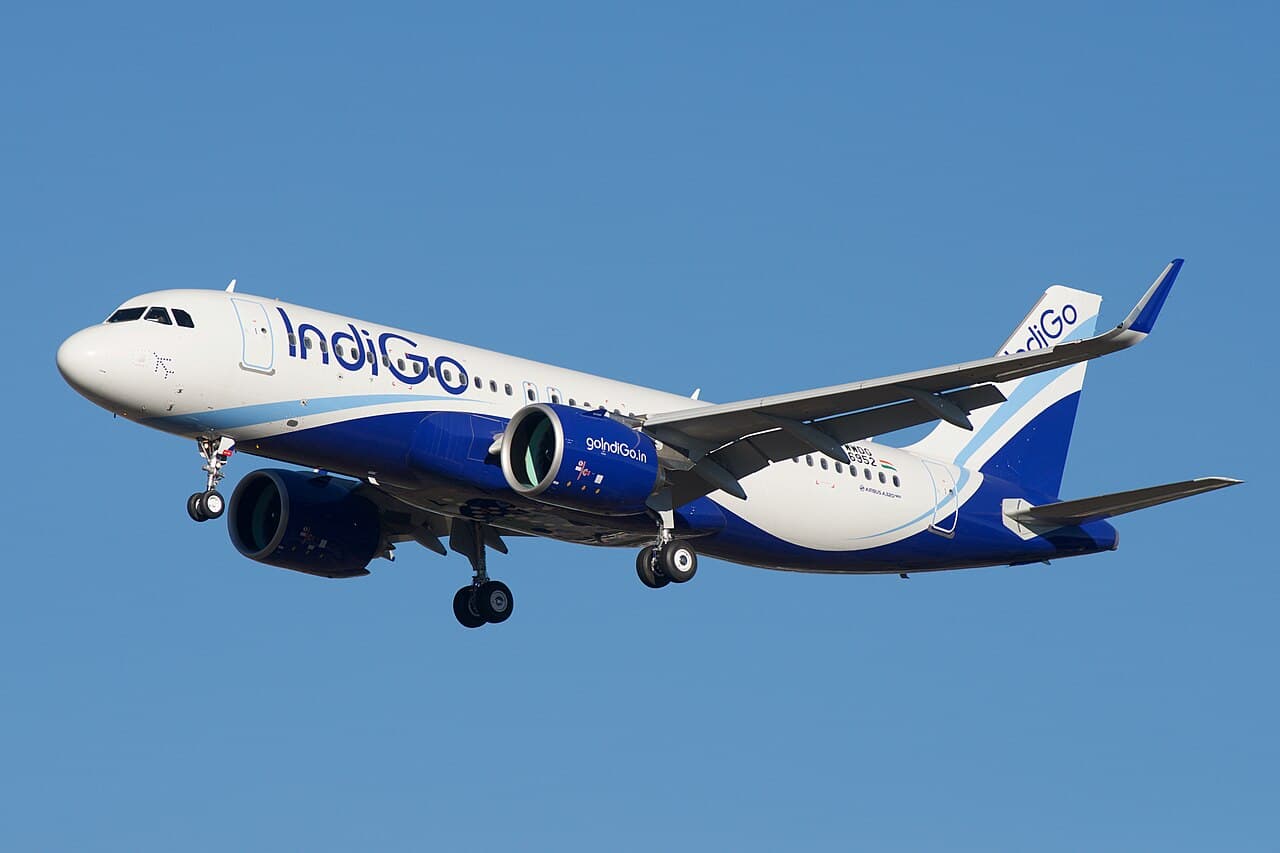
Pratt & Whitney's 35-Part Hot Section Plus Retrofit Set to Nearly Double A320neo Engine Time-On-Wing
For Airbus A320neo operators, the most critical metric to care about today is no longer just fuel burn; it is Time-On-Wing (TOW). As Pratt & Whitney rolls out its comprehensive series of upgrades for the Geared Turbofan (GTF) engine family, the spotlight has shifted to the Hot Section Plus (HS+) retrofit kit. More than just a simple tweak, this retrofit kit is a 35-part change designed to close the durability gap between the existing fleet and the new GTF Advantage standard.
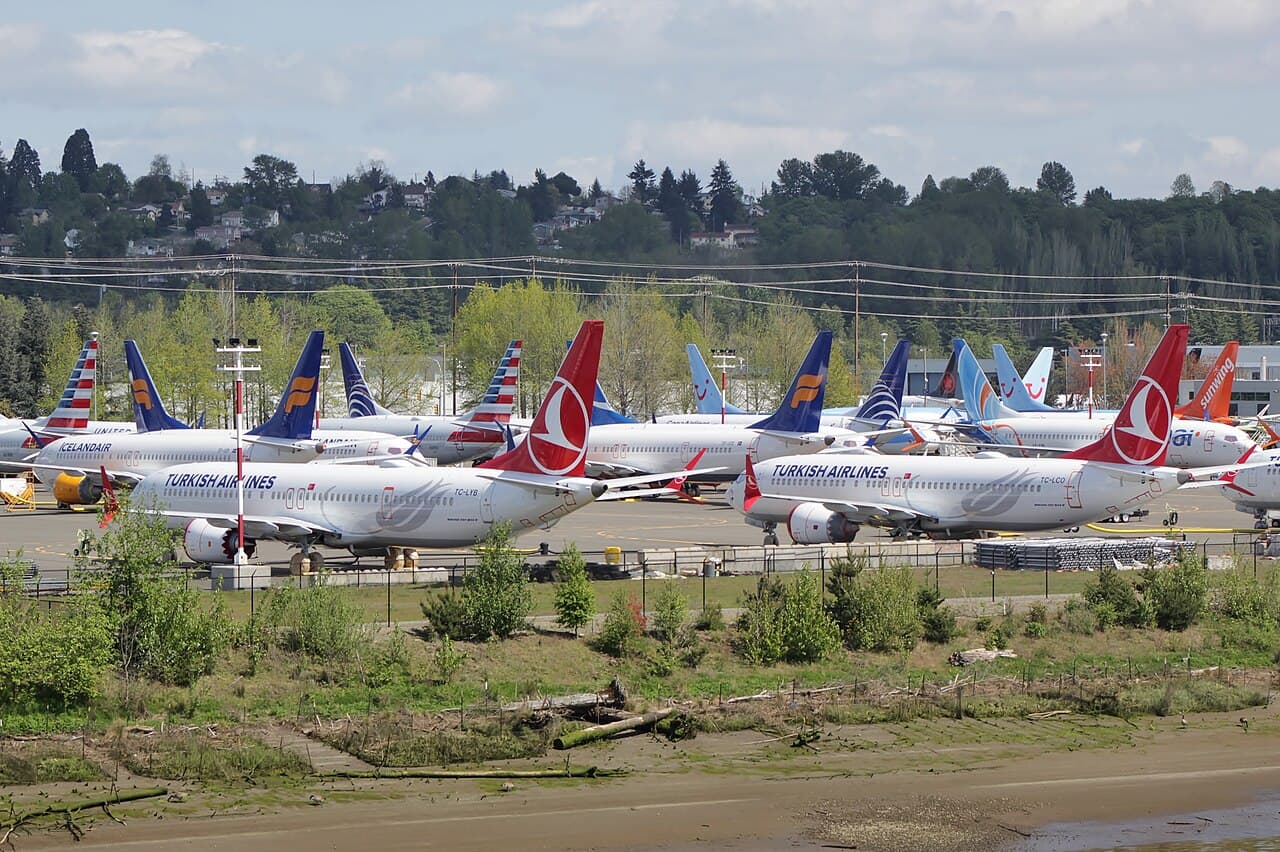
Airbus Surpasses Boeing in 2026 Deliveries Amid Production and Supply Chain Challenges
For decades, Airbus and Boeing have dominated the commercial aircraft market. Today, their narrowbody and widebody families form the backbone of airline fleets around the world. Both manufacturers continue to receive hundreds of new aircraft orders every year as airlines expand and renew their fleets. However, keeping up with that demand has become increasingly difficult for them.
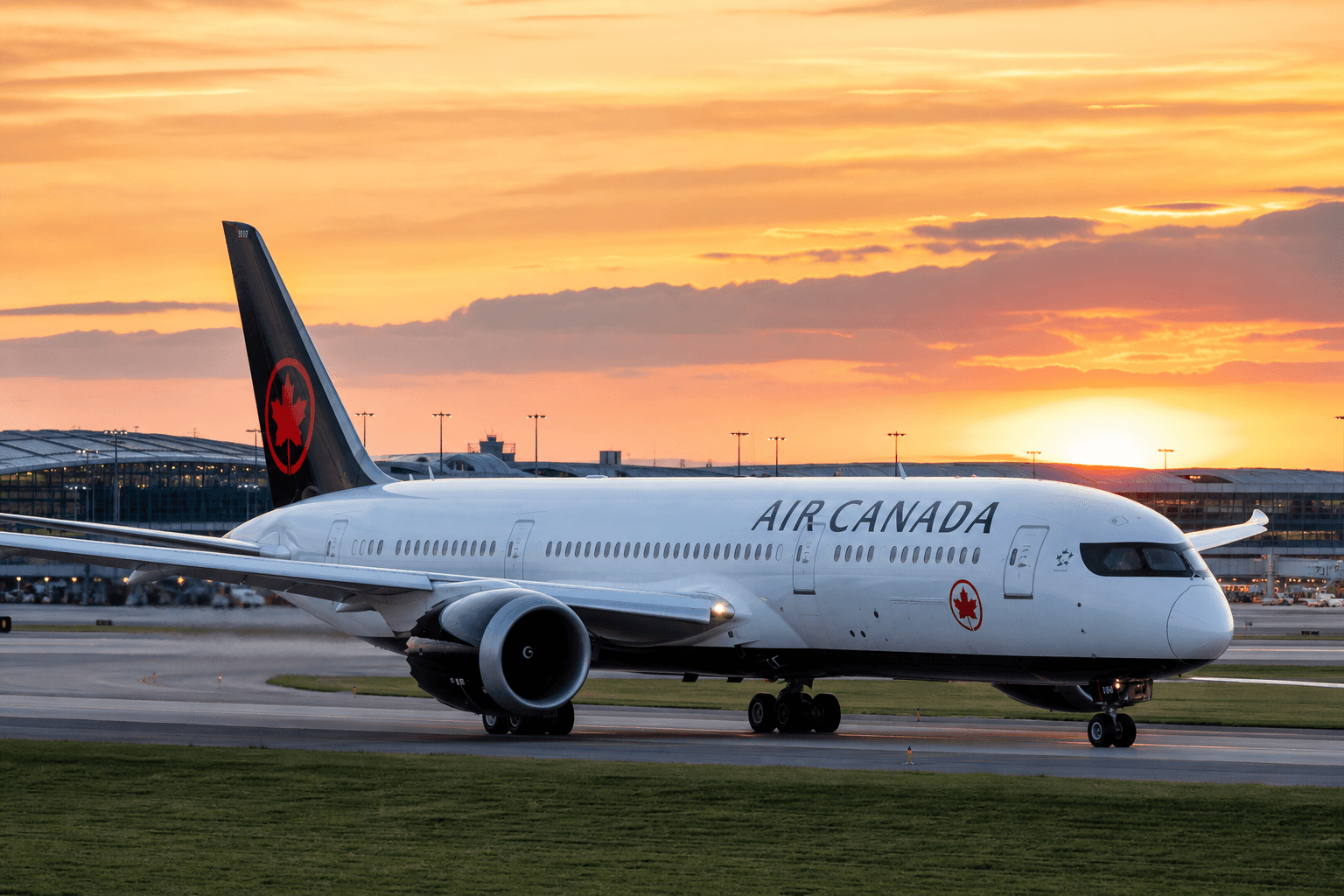
Air Canada posts solid Q2 results as global carriers announce fleet and route shifts
Top airline news stories for August 12, 2026 (click the link for the full details): Air Canada reports its Q2 financial results Air France targets the retirement date for the remaining Airbus A318s The clock is ticking for Asiana Airlines, final merger date set New plan for Cabo Verde Airlines Neos plans to resume an […]
Modern jet engines cut commercial aircraft fuel burn by up to 15 percent over predecessors
The primary driver of aircraft efficiency today is the engines. While advances in aerodynamics and materials do cut down on fuel burn as well, the engine is the main determinant as to how much fuel an aircraft burns, and older planes equipped with new engines tend to be more than competitive against a clean-sheet aircraft. During the start of the Jet Age, manufacturers were primarily focused on increasing power, with fuel efficiency being a second priority, but as technology has developed, this has changed.
The Daily Touch & Go
The day's best aviation news in your inbox. Free, no spam.