

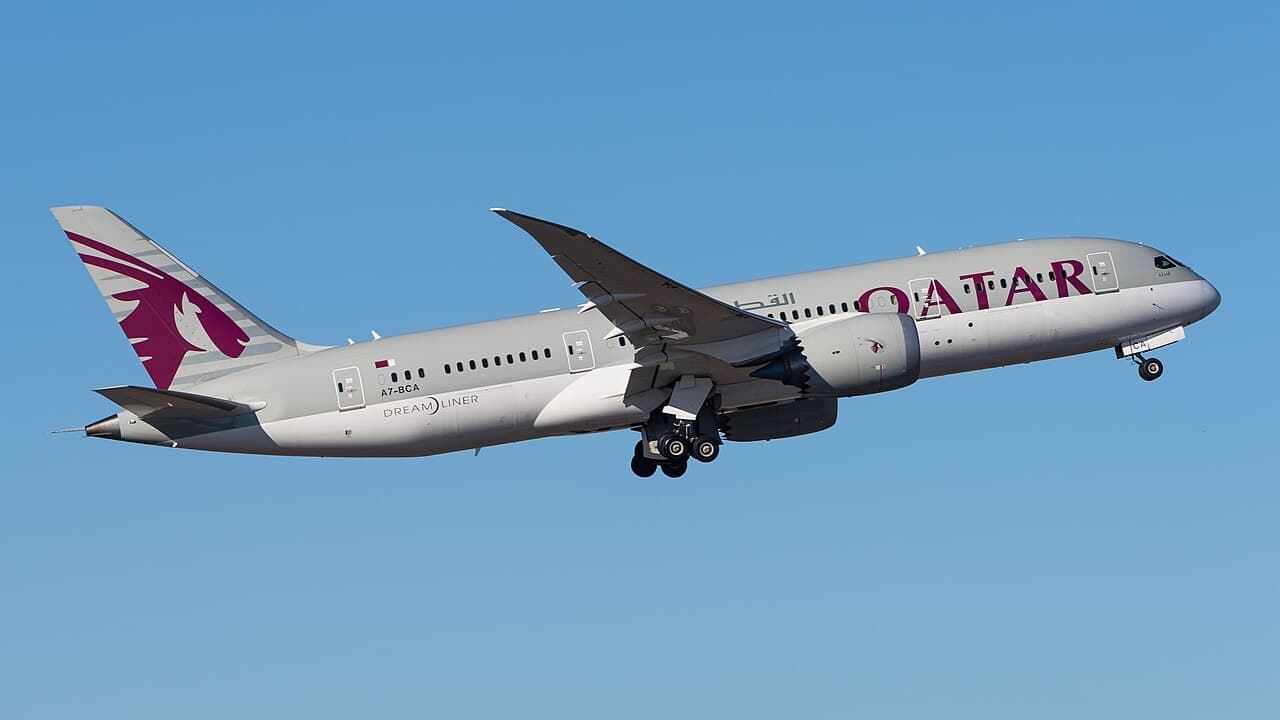
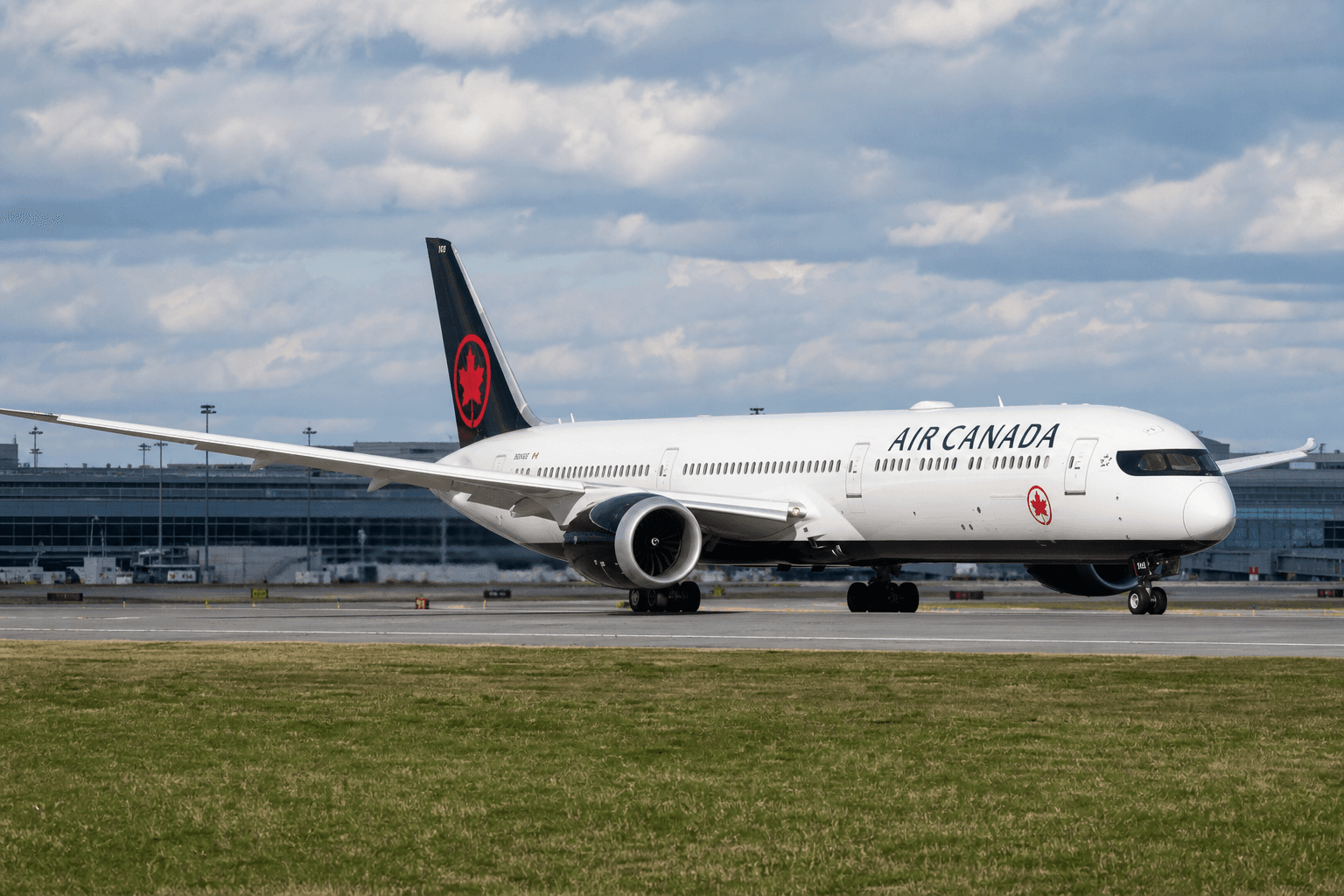
Image: Julian Herzog ( Website ) · CC BY 4.0 · via Wikimedia Commons
Boeing 787 vs Airbus A330neo: Cost, Orders, and Operating Efficiency Compared
The Boeing 787 Dreamliner and Airbus A330neo compete closely in the mid-size widebody market, with differences in purchase price, operating costs, and order backlogs influencing airline decisions.
The gist
Boeing 787 generally costs more than Airbus A330neo upfront but leads in fuel efficiency; delivery backlogs shape airline fleet choices today.
The Boeing 787 Dreamliner and Airbus A330neo family remain central players in the mid-sized widebody aircraft segment, offering airlines choices balancing price, performance, and availability. While Boeing’s 787 is a newer, composite-heavy design focusing on fuel efficiency, Airbus has positioned the A330neo as a modernized upgrade to its existing A330 platform with new engines and aerodynamic improvements. Each aircraft has its operational advantages and varying purchase costs influencing airline procurement strategies.
Boeing launched the 787 program in 2004 targeting a 20% reduction in fuel burn compared to the 767 to attract major operators. The 787 family includes the 787-8, 787-9, and 787-10 variants. The 787-9 is the most popular with the longest range of 8,500 nautical miles, while the 787-10 accommodates the most passengers at 375. Its airframe is nearly 50% composite material, contributing to its lightweight and efficiency, though the program cost around $32 billion to develop.
Meanwhile, Airbus introduced the A330neo in 2014 as a re-engined evolution of the A330ceo to offer airlines a cost-effective alternative in the mid-range market. Featuring Rolls-Royce Trent 7000 engines and improved aerodynamics, the A330neo comes in two variants: the longer-range A330-800 covering 8,100 nautical miles and the larger-capacity A330-900 seating up to 465 passengers. The $2 billion development cost was considerably lower than the 787's due to its derivative nature, aiming at rapid market availability.
When it comes to list prices, the A330-800 is priced at roughly $260 million and the A330-900 at $296 million. The Boeing 787's list prices are slightly higher for comparable variants, at $248 million for the 787-8, $293 million for the 787-9, and $338 million for the largest 787-10. Airlines rarely pay full list prices due to negotiated discounts, but these figures illustrate the baseline capital outlay differences.
The two jets face contrasting market dynamics in orders and deliveries. Boeing has delivered 1,299 Dreamliners to date with a substantial backlog of 1,154 aircraft, reflecting strong demand but also production delays exacerbated by COVID-19 and supply chain challenges. Airbus’s A330neo, while less numerous with 196 deliveries and a backlog of 328, offers airlines a quicker turnaround option, exemplified by Etihad Airways’ recent order for 15 A330neos with deliveries starting in 2027 at the Dubai Airshow 2025.
Operating costs further differentiate these aircraft. Airlines prioritize fuel efficiency, crew expenses, and maintenance when assessing lifecycle costs. The Boeing 787's lightweight composite structure delivers superior fuel efficiency per flight hour, while the A330neo benefits from advanced engines and wingtip designs that reduce fuel burn per seat. Specifically, average operating costs per seat per hour stand at $25.86 for the 787-9 and $22.43 for the A330-900, with the 787-10 variant being the most cost-effective at $19.54 per seat per hour due to its larger capacity.
Major operators illustrate market positions: Delta Air Lines is the largest A330-900 operator worldwide and the sole U.S. airline with the type, focusing on fleet modernization. The 787 boasts significant operators like All Nippon Airways and United Airlines, the latter planning to expand its fleet to over 220 Dreamliners, indicating strong airline confidence despite Boeing's production bottlenecks. American Airlines also holds a significant fleet of 787-8 aircraft, reinforcing the model’s market presence.
The differing development approaches — Boeing's all-new composite airframe versus Airbus's re-engined retrofit — influence airlines’ financial and operational considerations. Boeing’s high development cost translates into higher purchase prices but offers cutting-edge technology and fuel savings. Airbus’s strategy provides lower acquisition costs and quicker deliveries, making the A330neo an attractive option for airlines seeking rapid fleet expansion without the wait times imposed by Boeing’s backlogs.
In the competitive landscape of widebody mid-range aircraft, Boeing’s 787 remains the leader in orders and technological innovation, although its delivery delays have opened opportunities for Airbus’s A330neo to gain market share. Airlines must weigh initial acquisition costs, operating efficiencies, and delivery timing when choosing between these aircraft to meet their network demands and financial targets.
Frequently asked questions
- How do the purchase prices of Boeing 787 and Airbus A330neo compare?
- List prices for the Boeing 787 variants range from $248 million to $338 million, generally higher than the A330neo's $260 million to $296 million range, but airlines typically negotiate discounts from list prices.
- What causes Boeing 787 delivery delays despite strong demand?
- Boeing faces production and supply chain challenges following the COVID-19 pandemic, resulting in a significant backlog of 1,154 787 aircraft awaiting delivery.
- How do operating costs per seat hour compare between the 787 and A330neo?
- Average operating costs per seat per hour are about $25.86 for the 787-9 and $22.43 for the A330-900, reflecting the 787's higher efficiency offset by the A330neo's improved engine performance and capacity.
Read more
All Airlines →
American Airlines Launches Six New Transatlantic Routes from US Hubs to Europe
American Airlines has added six new or returning nonstop transatlantic routes to its network in 2026, linking three major US hubs with European destinations. The routes connect some major US hubs with Scotland, Italy, Greece, Hungary and the Czech Republic. Launched between March and May, the services form part of American's largest summer schedule yet and strengthen its position across the Atlantic.
Gol names Andre Fehlauer as CEO amid international expansion plans
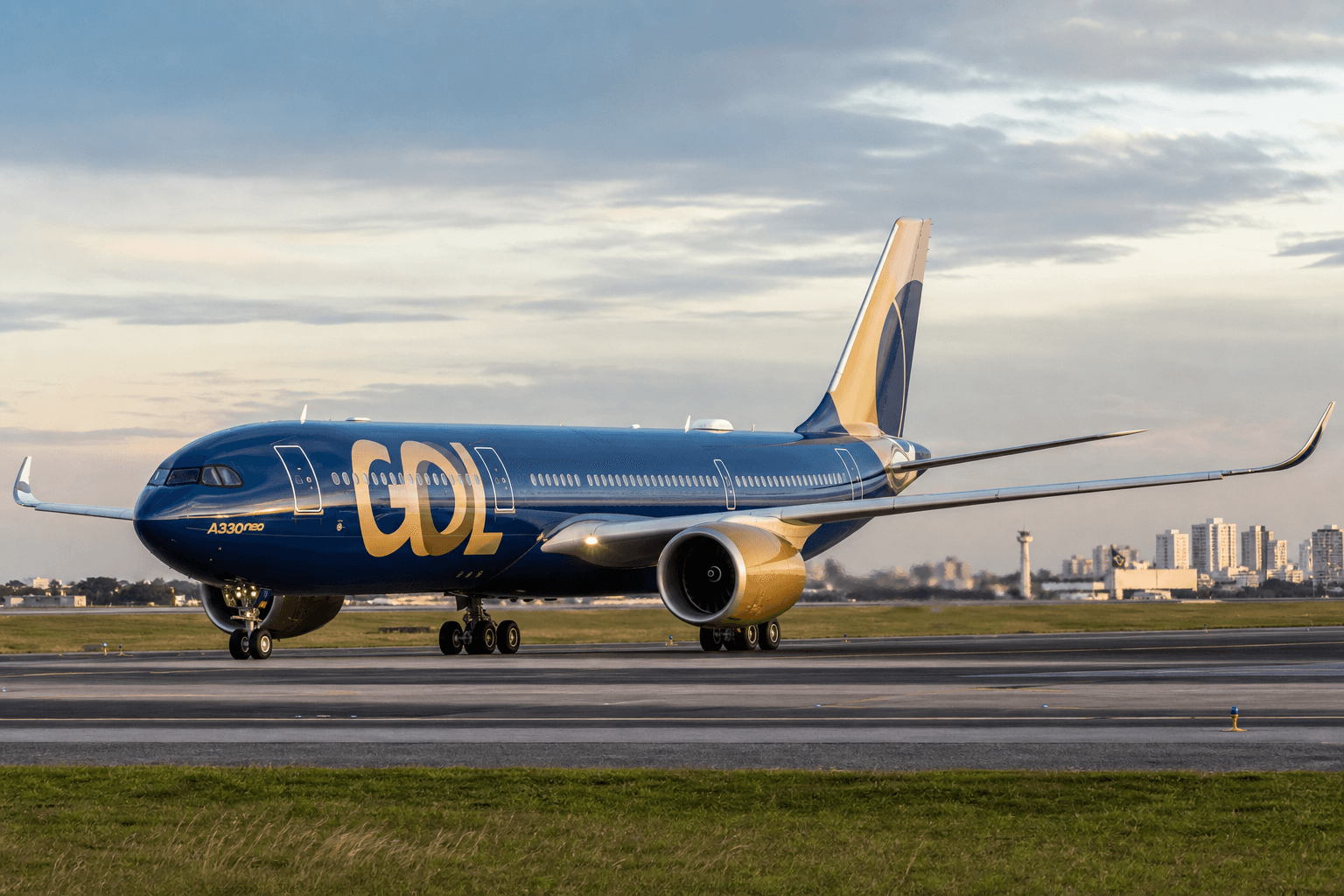
Abra Group has major international ambitions for Gol. Brazil's Gol Linhas Aereas has appointed a new chief executive and president. Andre Fehlauer will take over as chief executive officer effective September 2026, succeeding Celso Ferrer. Albert Perez will add president to his current role of chief operating officer. Fehlauer previously served as chief executive of Livelo, a loyalty points provider. He previously worked at Gol for eight years at Smiles, Gol's loyalty programme. As chief executive, Ferrer "played a pivotal role in guiding Gol through a transformative period and positioning the airline for its next phase of growth", says parent company Abra Group's chief executive Adrian Neuhauser. Ferrer has served as chief executive since 2022, taking over amid a major deal with Avianca to form Abra Group. He also steered Gol through its 2024 Chapter 11 bankruptcy. Abra has big ambitions for Gol's international growth . The airline is set to receive the first of five Airbus A330-900neos from lessor Avolon by the end of the year and has its eyes on more. Its first major international route to New York from Rio de Janeiro also launched this year , operated by Wamos Air until the A330neos are delivered. Gol plans to start flights between Rio and Lisbon in September, and to Orlando and Paris by the end of the year.
Modern jet engines cut commercial aircraft fuel burn by up to 15 percent over predecessors
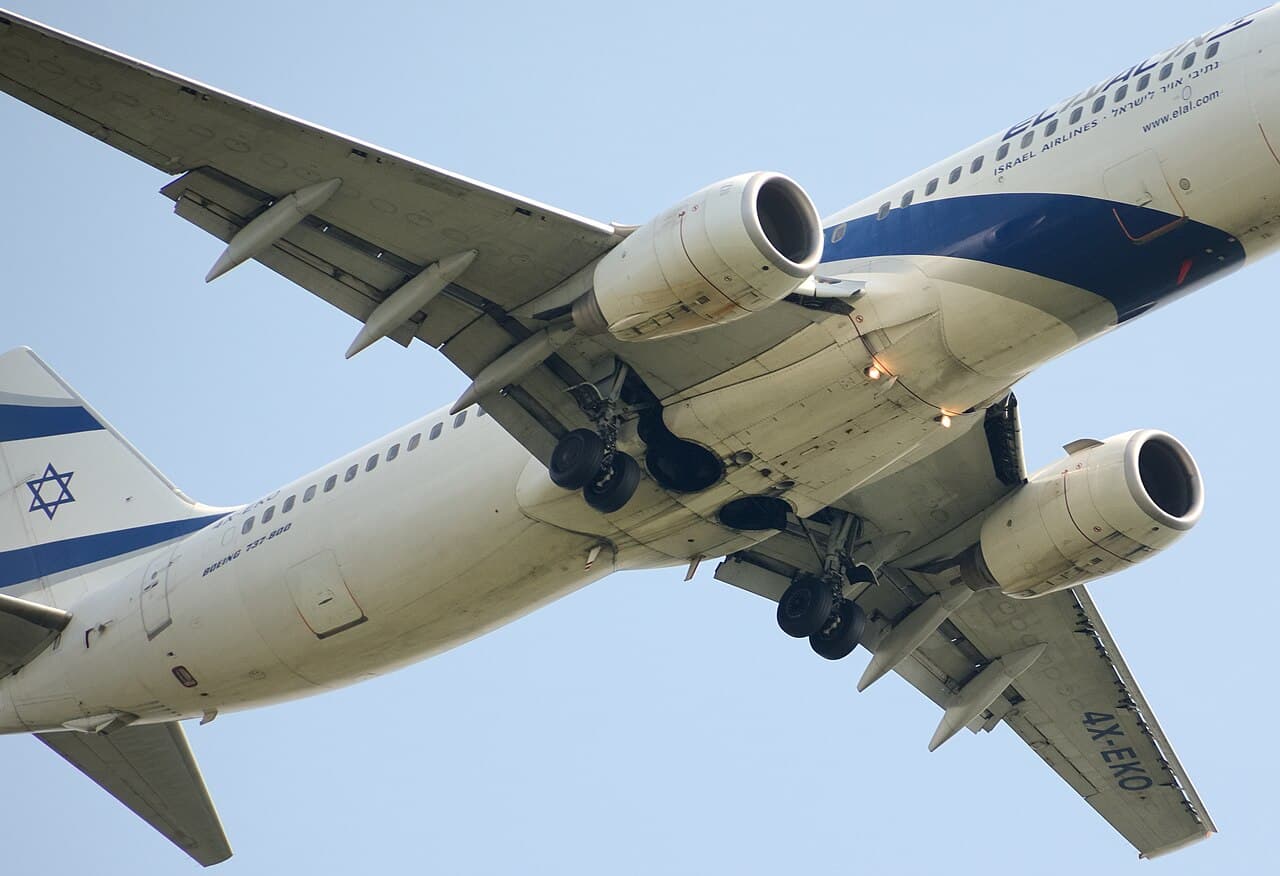
The primary driver of aircraft efficiency today is the engines. While advances in aerodynamics and materials do cut down on fuel burn as well, the engine is the main determinant as to how much fuel an aircraft burns, and older planes equipped with new engines tend to be more than competitive against a clean-sheet aircraft. During the start of the Jet Age, manufacturers were primarily focused on increasing power, with fuel efficiency being a second priority, but as technology has developed, this has changed.
Air Canada Sets New Q2 Revenue Record Despite Rising Fuel Costs and Operational Hurdles
Air Canada reported strong second-quarter 2026 results driven by solid demand. The airline achieved record operating revenues of $6.3 billion. This marked an 11 per cent rise from the same period last year. ezstandalone.cmd.push(function () { ezstandalone.showAds(119); }); Demand stayed robust across the network. Premium and corporate travel performed well. Sixth Freedom traffic also contributed. Capacity grew just 0.3 per cent year over year. Weather disruptions in the later part of the quarter limited flight completion rates. This kept capacity slightly below the lower end of guidance. ezstandalone.cmd.push(function () { ezstandalone.showAds(127); }); Key Financial Highlights Adjusted EBITDA reached $719 million. This sat at the top end of the company’s second-quarter guidance range. The result came despite a 49 per cent jump in fuel expense. Operating expenses totalled $6.481 billion. This led to an operating loss of $215 million. The loss included $388 million in labour-related and other charges. ezstandalone.cmd.push(function () { ezstandalone.showAds(128); }); On an adjusted basis, the picture looked stronger. Air Canada posted adjusted pre-tax income of $77 million. Adjusted net income stood at $114 million, or $0.40 per diluted share. The reported net loss was $178 million, equal to $0.63 per diluted share. Adjusted CASM came in at 15.47 cents. Cash generation remained healthy. Net cash flows from operating activities totalled $651 million. Free cash flow reached $174 million. The airline used $125 million to repurchase more than six million shares. Its net leverage ratio held steady at 1.7.CEO ezstandalone.cmd.push(function () { ezstandalone.showAds(129); }); Photo Credit: Air Canada Comments on Performance President and Chief Executive Officer Michael Rousseau highlighted the quarter’s strengths. “Air Canada delivered record second-quarter operating revenues… supported by strong demand across our network,” he said. He pointed to diversified revenue sources, effective pricing, and focus on controllable costs. Rousseau also thanked employees for their commitment. He noted the company’s solid cash position and balance sheet. These factors support investment and shareholder returns. Looking ahead, Rousseau expressed confidence. He cited resilient premium and corporate demand, fare actions to offset fuel volatility, and disciplined cost control. ezstandalone.cmd.push(function () { ezstandalone.showAds(130); }); He also mentioned Anko van der Werff as his announced successor and the path toward an investment-grade rating in the mid-term. Photo Credit: Air Canada Updated Full-Year Guidance Air Canada reinstated and updated its full-year 2026 outlook. Adjusted EBITDA is now expected between $2.9 billion and $3.2 billion. This is lower than the previously suspended range of $3.35 billion to $3.75 billion. Capacity growth is forecast at 2.25 per cent to 3.25 per cent versus 2025. Adjusted CASM should rise 5 to 6 per cent from 2025 levels. Free cash flow is projected between $200 million and $500 million. ezstandalone.cmd.push(function () { ezstandalone.showAds(131); }); Assumptions include modest Canadian GDP growth and continued demand trends. The Canadian dollar is expected to average C$1.41 per U.S. dollar. Jet fuel is assumed at about C$1.38 per litre in the third quarter and C$1.29 in the fourth. The company plans to offset a significant portion of higher fuel costs through pricing and hedging. It also assumes $1 billion from planned sale-and-leaseback transactions in 2026. Longer-Term Outlook Air Canada continues to target operating revenues of approximately $30 billion by 2028. It aims for an adjusted EBITDA margin of at least 17 per cent that year. Aspirations for 2030 include further margin gains and strong free cash flow generation. ezstandalone.cmd.push(function () { ezstandalone.showAds(132); }); The results show Air Canada navigating higher fuel costs and one-time charges while capturing strong travel demand. Management remains focused on cost control, cash generation, and long-term value creation.
The Daily Touch & Go
The day's best aviation news in your inbox. Free, no spam.