

Image: Sergey Kustov · CC BY-SA 3.0 · via Wikimedia Commons
Hawaiian Airlines Bids Farewell to Complimentary Hot Pockets on LAX-HNL A330 Flight
Hawaiian Airlines marked one last complimentary hot pocket service on its A330 flight from Los Angeles to Honolulu before switching to paid options starting July 1.
The gist
Hawaiian Airlines served its final free hot pocket on an A330 flight from LAX to Honolulu as it transitions to paid meals July 1.
Continuing coverage
All Los Angeles →- Delta Plans Daily Los Angeles-Manila Flights Starting March 2027 With Airbus A350
- Delta to Launch Los Angeles-Manila Flights in March 2027 with Airbus A350
- Delta to launch first nonstop flights between Los Angeles and Manila in 2027
- Delta Air Lines Launches First US Nonstop Flights Between Los Angeles and Manila in 2027
- Qantas Nears Full Airbus A380 Fleet Return After London Engine Repair
Hawaiian Airlines recently hosted a media event in Honolulu celebrating its official entry into the oneworld alliance, concurrently unveiling a new oneworld-themed livery for its aircraft. In conjunction with this, the airline marked the end of an era by serving the last complimentary hot pocket meal on its flights departing after 10 a.m. The author of the trip report chose to experience the farewell hot pocket firsthand by booking a seat on Hawaiian flight 803 from Los Angeles International Airport (LAX) to Honolulu (HNL) on June 29, 2026.
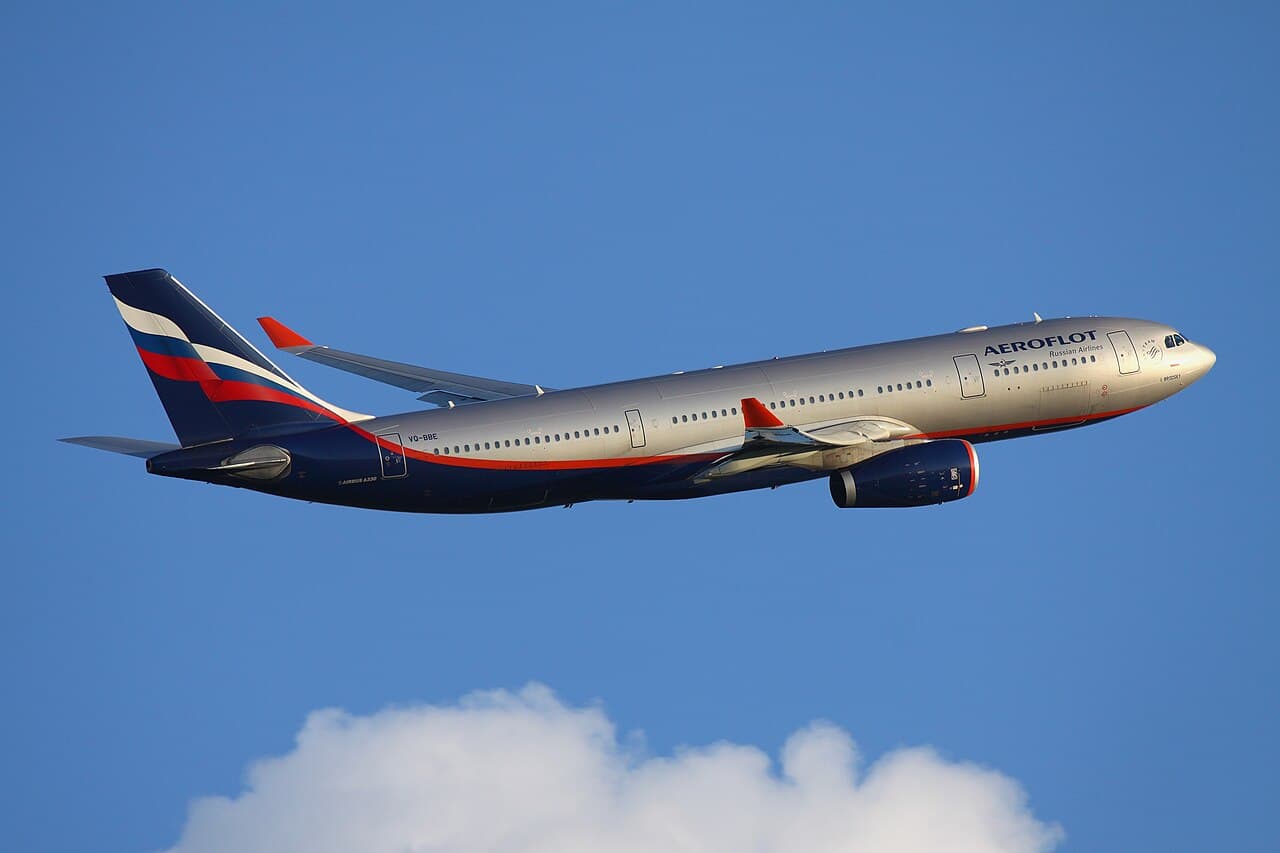
This particular flight operated on an Airbus A330-243, registered N386HA, which was delivered in April 2012. The aircraft wore Hawaiian's Maile Lei colors livery and was around 99% full on the day of the flight. Despite showing signs of wear and tear, the A330 remains a preferred choice for many passengers, even as plans loom for a comprehensive retrofit under Alaska Air Group’s stewardship following its acquisition of Hawaiian Airlines. The author appreciated the seat location in the Extra Comfort section, offering additional legroom over standard coach seating.
The journey began with a unique transit experience to LAX, involving a combination of metro lines and shuttle buses to reach the terminal. The newly constructed LAX Metro Transit Center, though incomplete without the people mover, facilitated the trip but was hampered by bus delays through local streets and a crowded transit plaza. Upon arrival at Terminal 6—Hawaiian's operating base—the terminal's congestion was immediately noticeable due to the introduction of Hawaiian's operations alongside Alaska Airlines, raising considerations about potential terminal reassignment to alleviate crowding.
Boarding proceeded shortly after minor delays, with a specific mention of consolidating boarding lines to expedite the process. The aircraft remained on the ground due to taxiway construction congestion near the departure runway, delaying the pushback and takeoff. Eventually, the flight departed, climbing quickly into cloudy conditions, and passengers enjoyed fast Wi-Fi access via Starlink, which dramatically improved inflight connectivity experiences compared to traditional airborne options.
Service on board featured the much-anticipated hot pocket meal, this time a turkey focaccia variant, accompanied by a complimentary Koloa rum punch, reflecting Hawaiian's signature hospitality. While the snack was enjoyable, the author expressed a bittersweet sentiment over the discontinuation of the complimentary hot pockets, which the airline’s July 1 policy shift would end. The inflight entertainment included classic movies, though passengers also took advantage of onboard internet for reading and music to set the Aloha Spirit mood during the nearly five-and-a-half-hour flight.
The descent into Honolulu was marked by a medical emergency onboard involving a child passenger, prompting a call for healthcare professionals. The flight crew coordinated a smooth landing followed by a controlled disembarkation to allow paramedics to assist the child while maintaining order among passengers. This incident underscored the professionalism and preparedness of the Hawaiian Airlines crew during unforeseen situations.
Upon arrival, the author noted the efficient transfer to local accommodations, including a stay at the Outrigger Reef, offering scenic views and highlighting the importance of regional hospitality practices. This trip was part of a broader exploration intended to focus on Hawaiian Airlines' evolving onboard product, including the new pre-order meal options that would replace complimentary snacks on return flights, showcasing the airline’s adaptation to changing guest services and expectations.
Frequently asked questions
- When did Hawaiian Airlines stop serving complimentary hot pockets on flights?
- Hawaiian Airlines ceased offering complimentary hot pockets on its flights departing after 10 a.m. starting July 1, 2026.
- What aircraft was used for the last free hot pocket service flight from LAX to Honolulu?
- The flight used an Airbus A330-243 registered N386HA, delivered in April 2012, in Hawaiian’s Maile Lei livery.
- What features distinguished the last hot pocket flight experience for passengers?
- Passengers experienced a nearly full A330 cabin with extra comfort seating options, complimentary Koloa rum punch, Starlink Wi-Fi, and inflight entertainment along with attentive service including handling of a medical emergency before landing.
Read more
All Airports →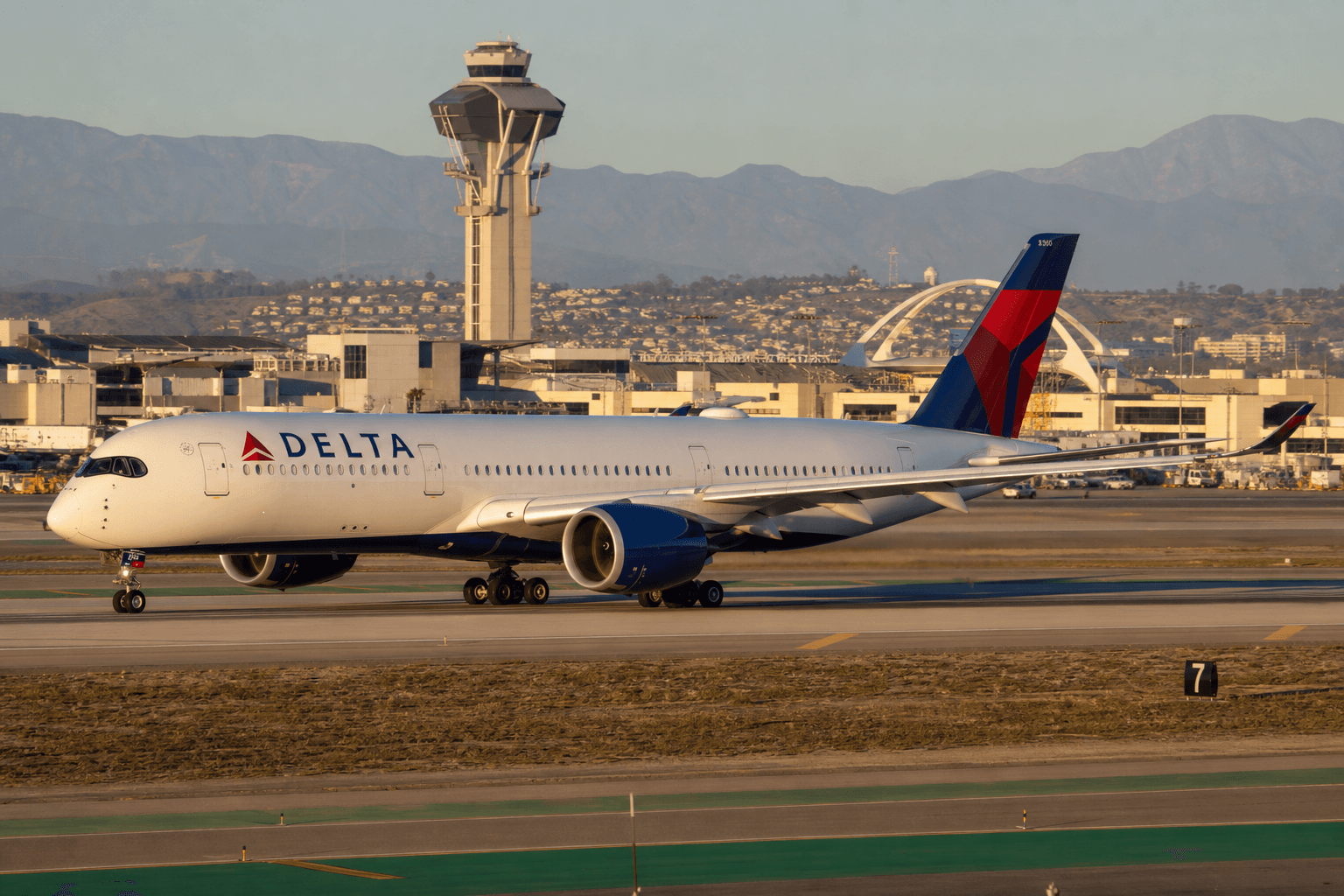
Delta Air Lines Launches First US Nonstop Flights Between Los Angeles and Manila in 2027
Atlanta-based Delta Air Lines is doubling down on its Los Angeles stronghold even further with a new long-haul route. The legacy airline announced on Friday that it will launch new nonstop flights to the Philippines next year – a journey that has never before been operated by a US-based carrier.
Airbus A320 Pilots Routinely Shut Down One Engine During Taxi to Cut Fuel Use
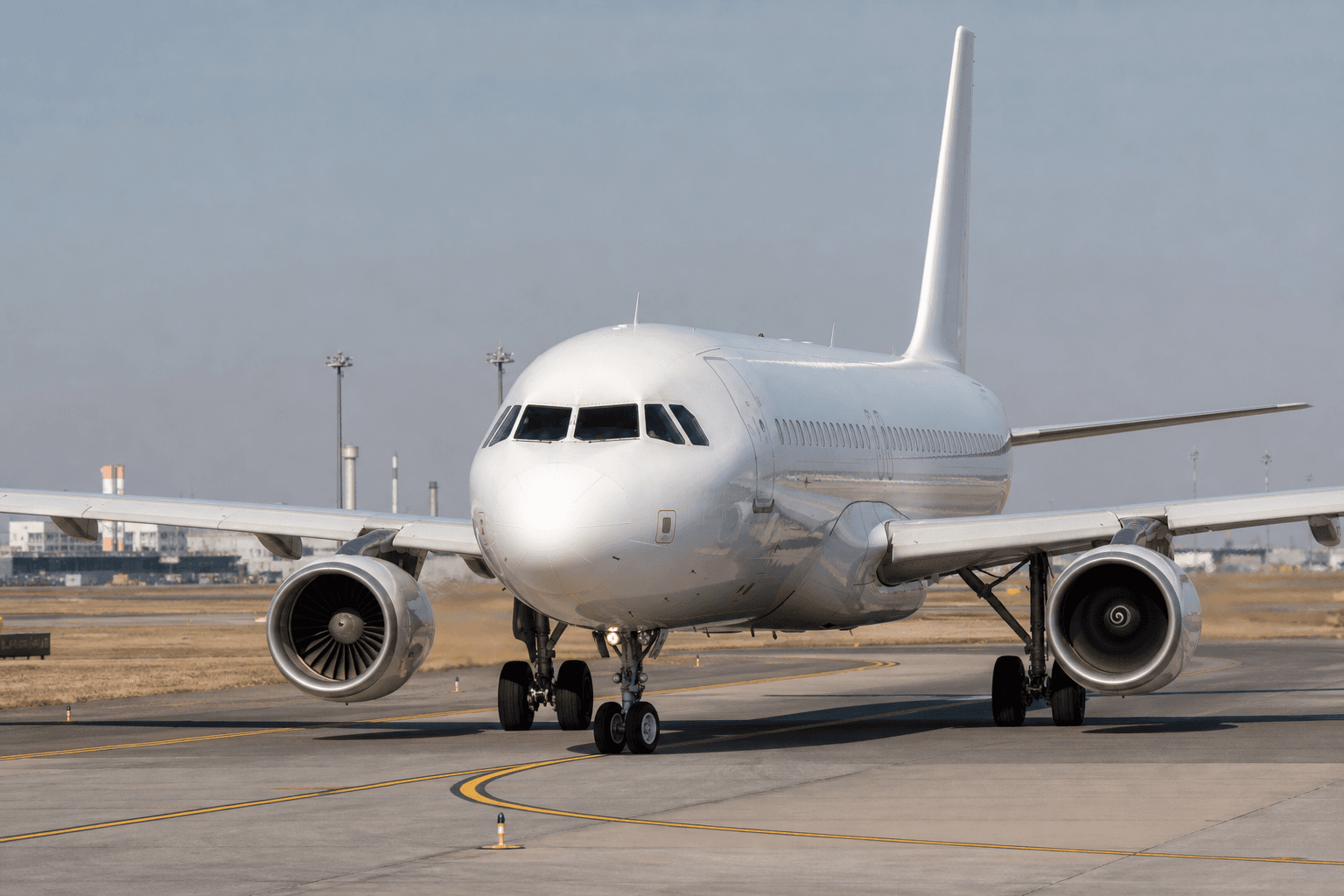
Passengers looking out of a terminal window or the cabin window of a modern Airbus A320 might occasionally notice a quiet, unexpected sight as the aircraft maneuvers toward the terminal or pushes back from the gate. A completely stationary fan blade can often be seen, while the opposite engine hums with operational power. This guide explores the engineering, operational logic, and hidden systems behind single-engine taxi procedures on the A320 family and why this even happens in the first place.
United Airlines Retracts Free Rebooking Policy for Flights Avoiding Donald J. Trump Airport
United Airlines has backtracked on an apparent policy that allowed passengers who no longer wanted to fly to Donald J. Trump International Airport in West Palm Beach to rebook for free on a flight to an alternative nearby airport. A couple of days ago, a leaked internal memo sent to United’s reservation agents suggested that the airline was aware that some passengers were uncomfortable with flying to the newly renamed airport, which was previously known as Palm Beach International Airport (PBI). If passengers contacted United’s reservation line because they no longer wanted to fly to Donald J. Trump Airport due to the name change, agents were instructed to say: “I understand that you'd rather not fly to this airport anymore. We can look at nearby airports like Fort Lauderdale or Miami instead. Is that an acceptable alternative?" The memo added that agents could use their “empowerment to offer acceptable alternatives” without needing to get approval from a manager. Flight changes could be made for free, which, in itself, was an unusual move. After the story was broken by Live and Let’s Fly , it quickly went viral, and it didn’t take long for United to start reviewing the memo. Now, the airline says the “message was poorly worded and not accurate.” That’s right, United isn’t denying the memo was shared with agents, or that anyone who read the message would think that passengers could rebook onto flights to alternative airports to deliberately avoid the DJT airport. Instead, United is simply saying that the meaning of the memo was different than what you or I believed it to mean. United Airlines is, however, making its position very clear: “United customers are able to make changes to a ticket without a fee for many reasons. However, our policy doesn't allow for changes because of an airport's name or three-letter code." The name change from Palm Beach International Airport to Donald J. Trump Airport officially took effect on July 9, just a few months after Florida Governor Ron DeSantis signed a new law that allows the state to name major commercial airports. Before the airport could be renamed, however, Palm Beach County had to enter into a licensing agreement with the President because he had trademarked his name. The board of commissioners approved the licensing agreement 4-3 in a highly contested vote. Public backlash to the renaming has been fierce, and many people have openly vowed to boycott the airport. United's online booking tool still doesn't accurately reflect the name and airport code change. At the time of publication, a dummy booking allowed us to search for flights from PBI, which is now officially known by the airport code DJT. When you click on any given flight for additional information, the flight is shown as operating from West Palm Beach, FL, US (PBI) and not from Donald J. Trump Airport (DJT). For those in the know, customers can search for flights to and from DJT via United's website, with the online booking tool correctly recognizing the airport code, but it then directs users to a results page that shows PBI.
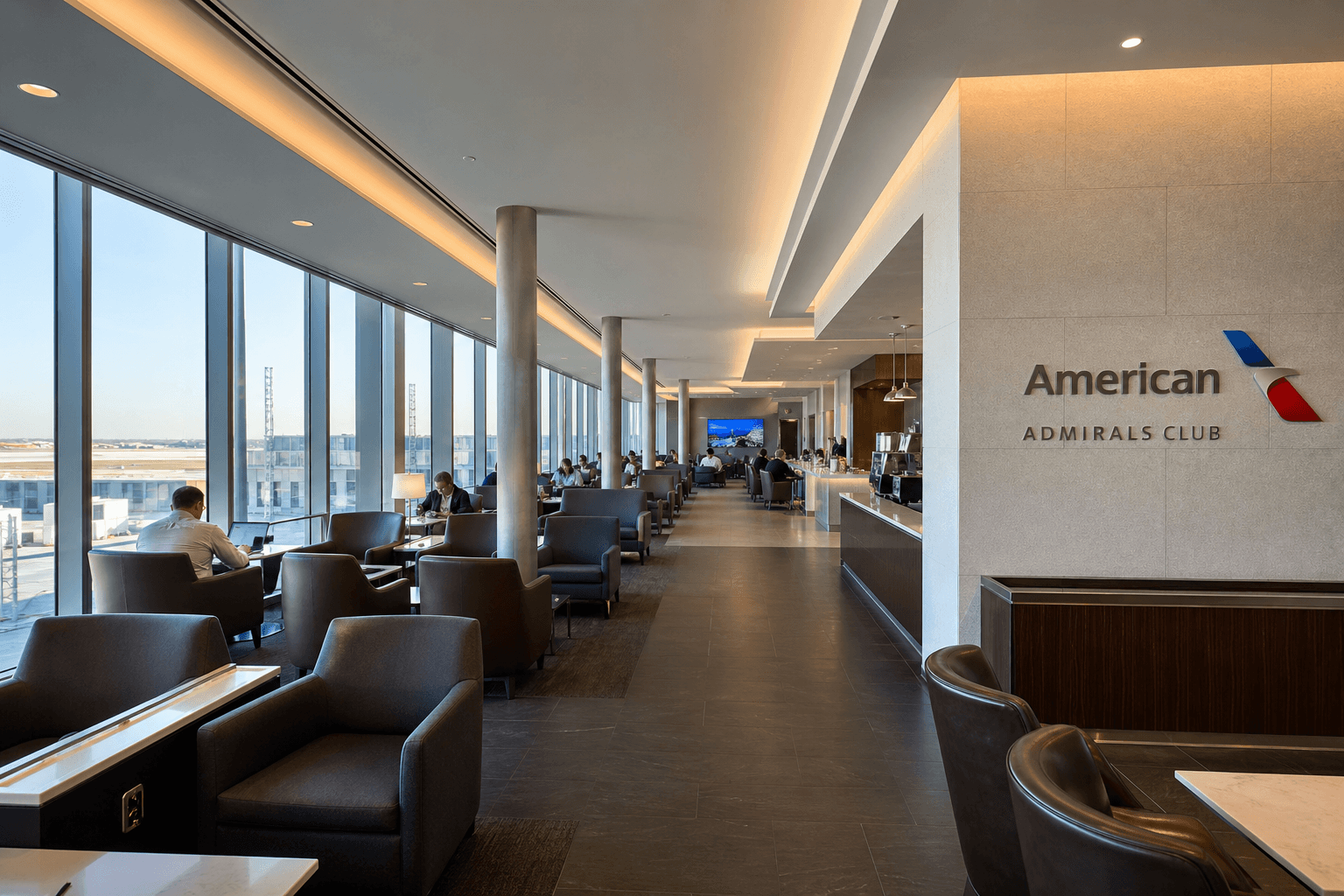
American Airlines Unveils New 37,000 Sq Ft Admirals Club and Grab-and-Go at Dallas-Fort Worth
American Airlines is building a 37,000 square foot Admirals Club lounge (terminal C) and a 'Provisions' grab 'n go (terminal F) at the Dallas – Fort Worth airport.
The Daily Touch & Go
The day's best aviation news in your inbox. Free, no spam.