

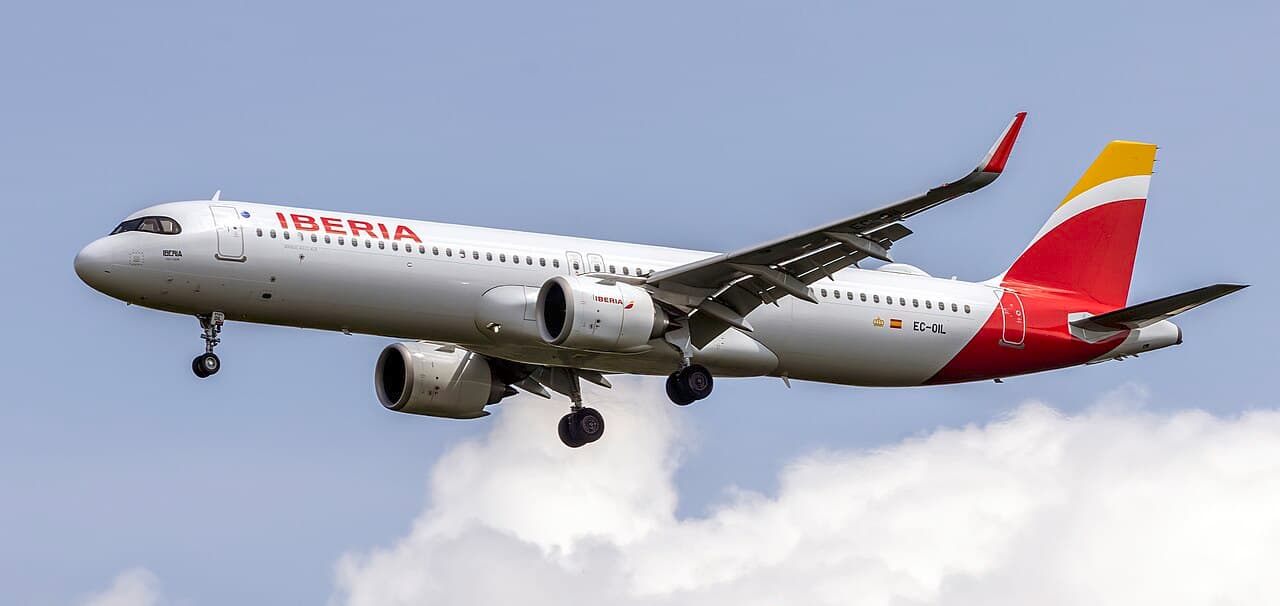
Image: Acroterion · CC BY-SA 4.0 · via Wikimedia Commons
Airbus Sees Premium Cabin Growth Driving US Domestic Aviation Through 2045
Airbus predicts US airlines will rely more on premium travel segments, larger aircraft, and sophisticated cabin layouts to shape fleet decisions despite modest population growth.
The gist
Airbus forecasts that premium travel demand, not passenger numbers, will fuel US domestic aviation growth through 2045.
Continuing coverage
All Airbus →- Legacy 1960s Boeing 737 Design Caps Economy Seat Width at 17 Inches
- Airbus fixed A380 wing cracks by replacing carbon composite parts with aluminum to avoid fleet grounding
- flynas expands Airbus fleet with 25 new A330-900 and A321neo jets
- Airbus A350-1000ULR embarks on nonstop Toulouse to Melbourne test flight
- Airbus to upgrade A321neo with A321XLR wing design and single-slotted flaps
Airbus projects that the future of domestic aviation in the United States will be increasingly driven by premium passenger demand rather than simple growth in traveler numbers. Company executives explained at their 2026 Global Market Forecast briefing in London that airlines are shifting focus toward enhancing passenger experience, particularly through investing in premium cabins across both narrowbody and widebody fleets. They expect this trend to shape airline strategies and fleet compositions well into 2045.
Historically, commercial aviation focused on boosting passenger volumes and driving down unit costs to maximize profitability. However, Airbus highlighted a major shift where carriers now generate a disproportionate share of revenue from premium seats despite them constituting a small percentage of total passengers. Citing McKinsey data, premium cabins represent just 3% of travelers but deliver approximately 15% of airline revenue. This profitability has propelled airlines to enhance premium offerings extensively with strongly segmented cabin layouts.
Joost van der Heijden, Airbus' Head of Marketing for Commercial Aircraft, explained that over the past decade airlines have increased cabin segmentation, sometimes featuring up to four distinct classes even on narrowbody aircraft like the A321. This multifaceted approach caters to diverse traveler expectations, reflecting changing passenger behaviors beyond traditional corporate travel. Leisure travelers are increasingly purchasing premium products previously reserved largely for business customers, prompting airlines to design interiors with a broader spectrum of experience tiers.
The availability of long-range narrowbody aircraft, particularly the Airbus A321XLR with its nearly 4,700 nautical mile range, has enabled airlines to operate single-aisle jets on longer routes previously limited to widebodies. This extension into longer transatlantic and 'long thin' markets has amplified demand for premium cabins on narrowbodies, encouraging airlines to introduce up to four cabin classes including premium economy, extra-legroom economy, and lie-flat business suites. Such sophisticated layouts mark a notable evolution from traditional two-class narrowbody configurations.
Examples of this trend include JetBlue's A321LR fleet featuring Mint business suites and Even More Space seating, American Airlines introducing premium Flagship Suites on the A321XLR, as well as United and Delta expanding premium configurations across their narrowbody fleets. These airlines demonstrate a commitment to providing enhanced passenger segmentation and higher-yield products on domestic and near-international sectors, aligning with Airbus' forecast of continued premiumization.
Among premium segments, premium economy has emerged as one of aviation's fastest growing cabin classes. Post-pandemic recovery data from IATA shows premium travel demand in North America has rebounded strongly, reaching 107% of pre-pandemic levels, outpacing economy segment recovery. Airlines are responding by increasing premium seat capacity 27% since 2020 versus 10% growth for standard economy, reflecting passenger willingness to pay for improved comfort without the cost of business class.
Airbus emphasizes that premium economy often delivers compelling economics for carriers: these seats take up roughly 1.5 times the space of economy seats but generate over twice the revenue. This makes premium economy a vital element in airlines' product strategies, as it appeals to both business and leisure travelers seeking elevated experiences at accessible prices.
Focusing on the US domestic market, Airbus projects roughly 7,000 new passenger and freighter aircraft deliveries over the next two decades. Unlike some global regions driven by rapid population growth, North America's aviation demand growth stems primarily from increasing household wealth and income per capita. According to Airbus Head of Market Analysis Antonio Da Costa, rising affluence drives passengers toward premium offerings, reinforcing the premiumization trend predicted for the US aviation industry.
This evolving demand landscape means US airlines and aircraft manufacturers must continuously innovate cabin layouts and service models to attract wealthier travelers seeking differentiated experiences. With a relatively stable population base, the domestic market’s expansion depends largely on capitalizing upon premium travel segments and accommodating sophisticated passenger preferences on both short-haul and extended range routes.
Frequently asked questions
- Why does Airbus believe premium cabins will drive US domestic aviation growth?
- Airbus notes that premium cabins generate a disproportionate share of revenue compared to the small percentage of passengers using them, making them highly profitable drivers for airlines.
- How has the introduction of the Airbus A321XLR influenced cabin configurations?
- Its extended range allows single-aisle aircraft to serve longer routes, prompting airlines to introduce up to four cabin classes with more premium products on narrowbody aircraft.
- What role does premium economy play in the current aviation market?
- Premium economy is rapidly growing as travelers seek enhanced comfort at accessible prices, generating over twice the revenue of standard economy seats while requiring less space than business class.
Read more
All Airlines →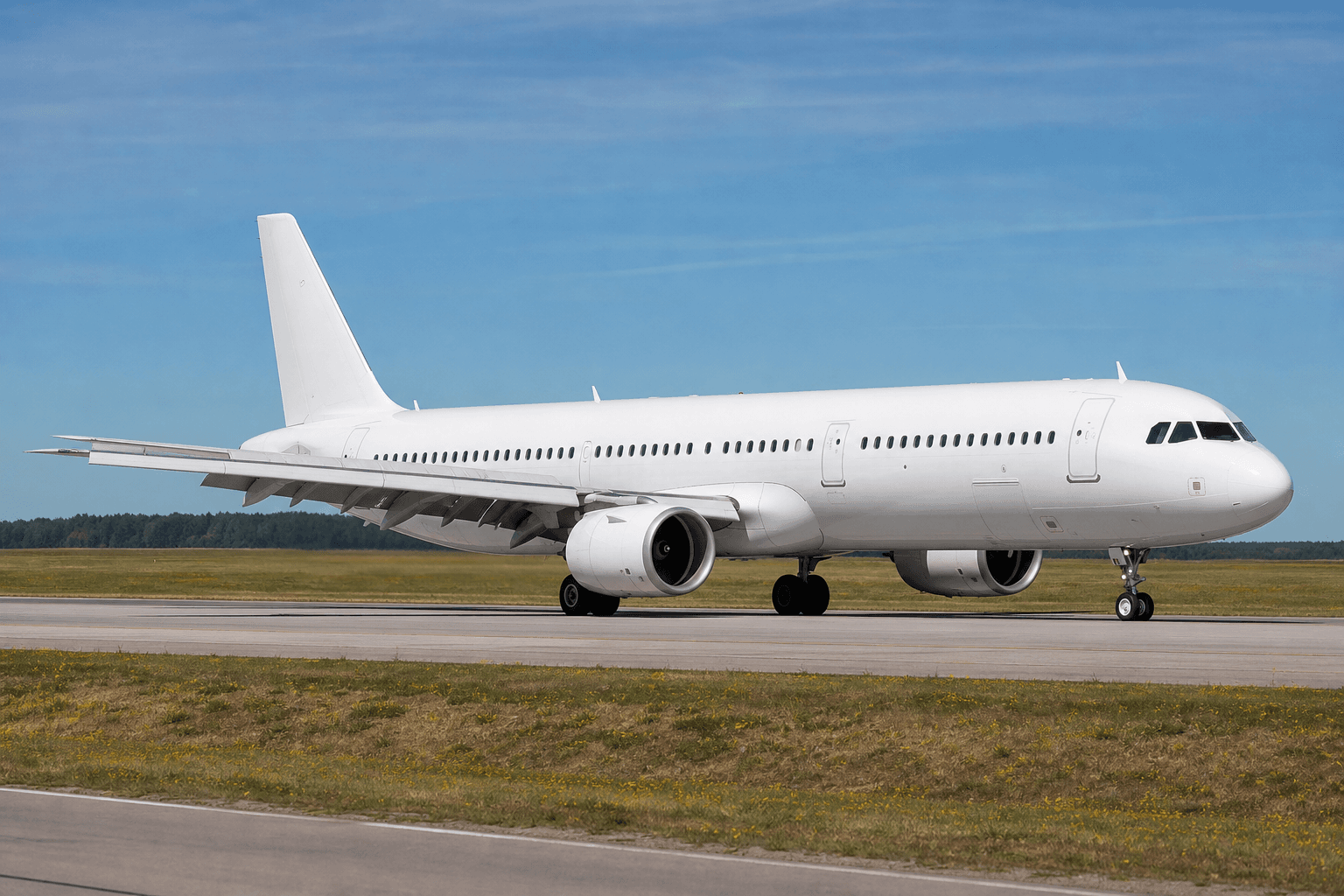
Airbus to upgrade A321neo with A321XLR wing design and single-slotted flaps
Airbus to incorporate batch of improvements on popular single-aisle model, and test production maturity of some on A320neo line. Airbus is to migrate A321XLR technology – including its revised wing design – to the A321neo, while other enhancements for the single-aisle family will initially be applied to the A320neo before being transferred up to the larger variants. The long-range XLR includes a lighter wing with a single-slotted inboard flap, and this will be incorporated into the regular A321neo, which currently uses a double-slotted design. A321neos will take advantage of a take-off performance improvement system which introduces intermediate flap positions, and works in conjunction with the single-slotted flap arrangement. The changes are part of a package of incremental improvements known as STEP4. A321neos will also benefit from new flight-control laws, the lighter electronic ‘e-rudder’, forward cabin temperature zones, and updated multi-functional runway lights. Head of A320-family development Torsten Hartung says the airframer is putting the "good ingredients" from the XLR onto the popular A321neo platform – the A321neo had a backlog of over 5,600 orders at the end of June. But the STEP4 enhancement will also entail new modifications which Airbus is to apply initially to the A320neo, as a low-risk measure to ensure production maturity before transferring them to the higher-rate A321neo, including the XLR variant. The A320neo will notably receive a new 'cobra' duct for the auxiliary power unit – mounted in the top of the fuselage, and aimed at enhancing cabin air quality – and corrosion-prevention measures such as titanium cabin rails. "The baseline A320neo is the first model to incorporate and prove the new modifications," says STEP leader for A320 family programme development Martin Schnoor. “Where we physically change the aircraft we decided to apply it first on A320neo in order to learn and see how well things are going." Once integration on the A320neo line is smooth, the new modifications will be made to the A321neo and XLR. Schnoor says deliveries of initial STEP4 A320neos are beginning, with the first A321neos and XLRs set to follow after a year. The A320neo has a different wing to the A321neo, but Airbus is ultimately aiming to migrate as many XLR innovations, outside of wing-related changes, to the A320neo as it can. Airbus says STEP4 will also eventually deliver further enhancements across the family, such as cabin-floor reinforcement, to account for changing standards in the weight of passengers and baggage, and a standardised flight data interface and management unit.
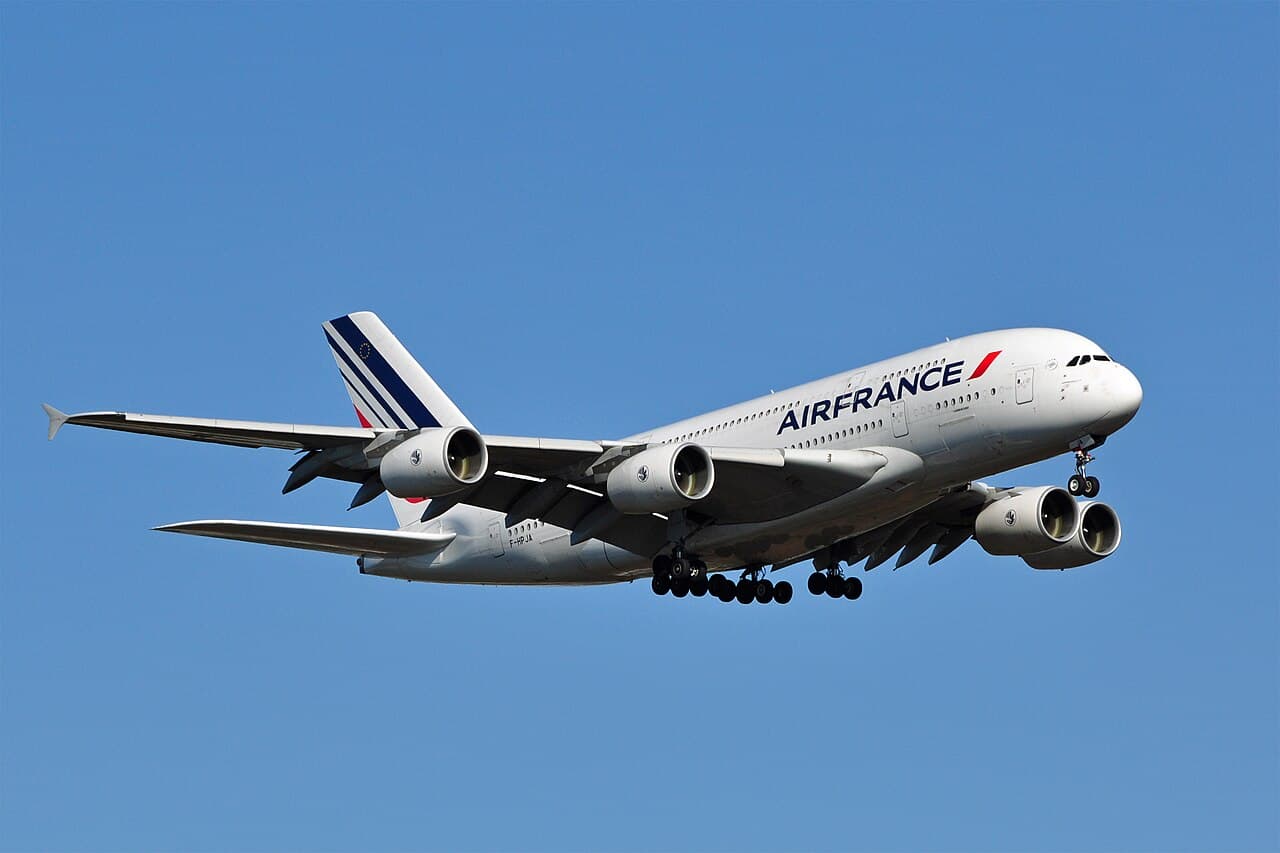
Airbus fixed A380 wing cracks by replacing carbon composite parts with aluminum to avoid fleet grounding
The Airbus A380 is the largest passenger airliner ever built. Airbus launched the double-decker to compete directly with Boeing's 747 and targeted airlines that needed a high-capacity aircraft for long-haul routes between major hubs. The aircraft entered commercial service in 2007 with Singapore Airlines, and several major carriers later added the A380 to their long-haul fleets.
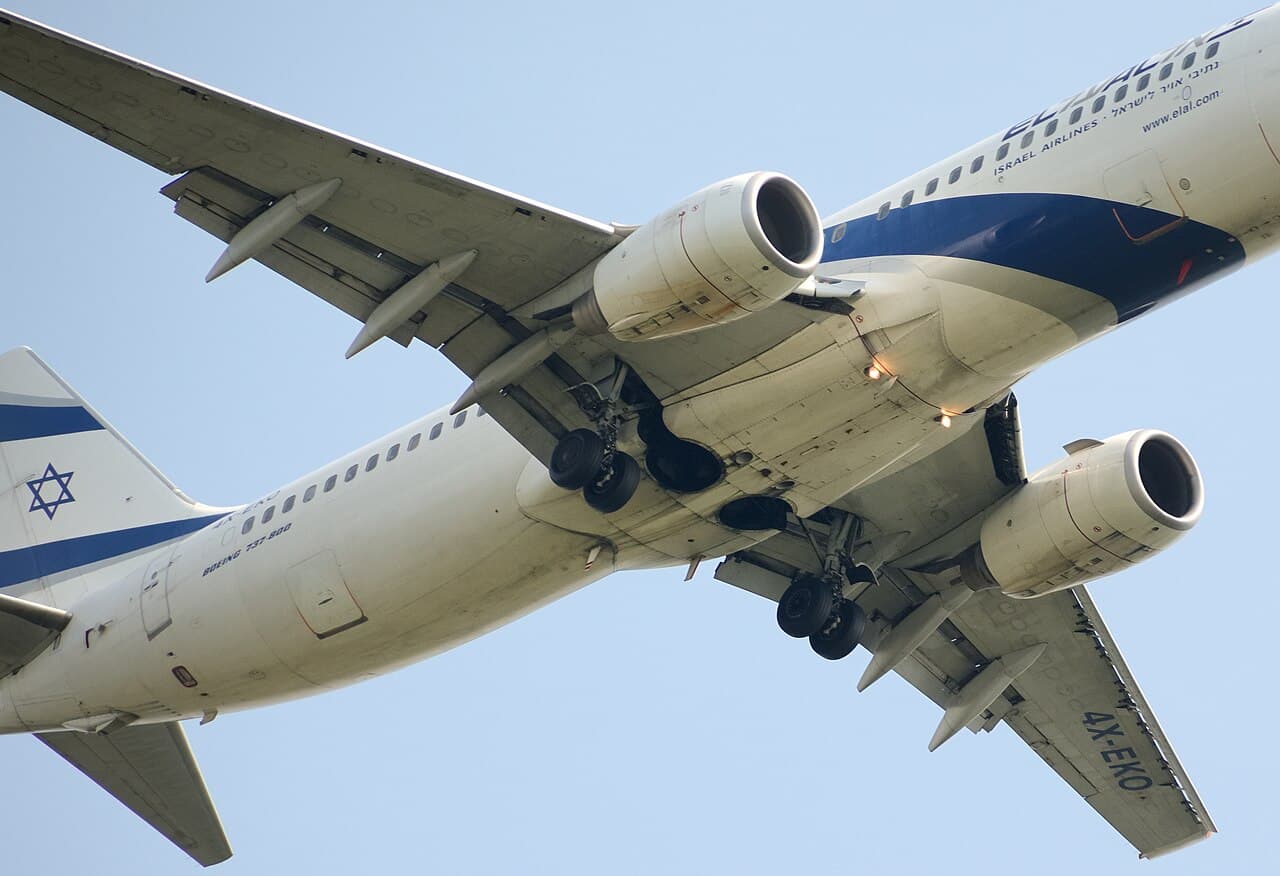
Legacy 1960s Boeing 737 Design Caps Economy Seat Width at 17 Inches
The Boeing 737 is one of the most popular narrowbodies in service, essentially offering the same economics and capabilities as the rival Airbus A320. It's the second-most successful commercial jetliner of all time (behind only the A320), and the two types have become ubiquitous on short-range routes, while later models are now becoming popular on medium-to-long-range routes.
Airlines Shift Fleet Design to Expand Premium Cabins, Shrinking Economy Seating
For years, the airline industry has promoted premium cabins as an optional upgrade for travelers seeking extra comfort, additional space, or a more refined experience. Business class, premium economy, and other enhanced seating products were traditionally viewed as extras rather than the foundation of an airline's commercial strategy, while standard economy class remained the core product that filled most aircraft and generated the majority of passenger traffic across domestic and international networks.
The Daily Touch & Go
The day's best aviation news in your inbox. Free, no spam.