

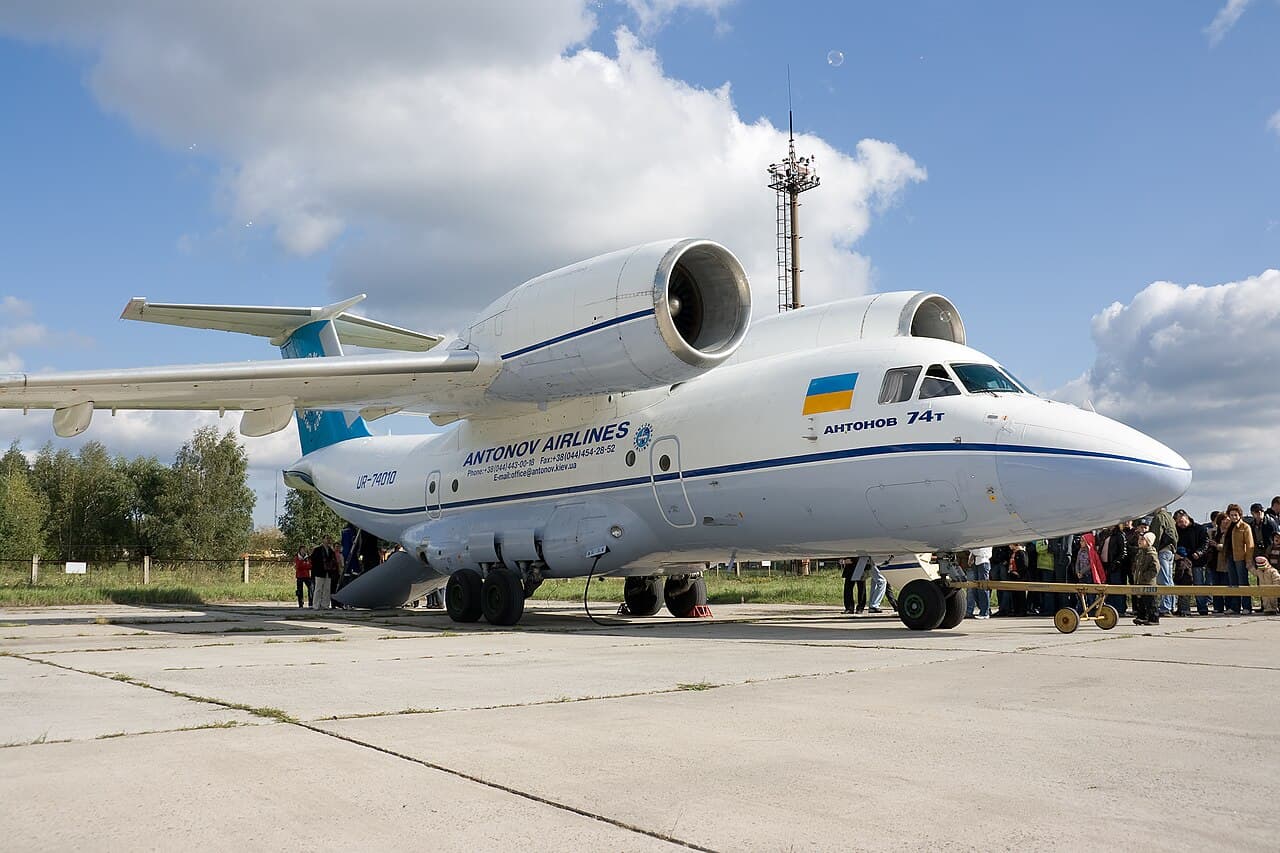
Image: Dmitry A. Mottl · CC BY-SA 3.0 · via Wikimedia Commons
Antonov's Decline: From Soviet Aerospace Giant to Production Hiatus Amid Geopolitical Strains
Once a prolific Soviet aircraft producer, Antonov has ceased serial manufacturing due to post-Soviet fragmentation and recent geopolitical conflicts, but aims to revive its transport aircraft production in the future.
The gist
Antonov halted aircraft production after Soviet collapse and 2014 conflict disruptions but plans a return to military transport markets when conditions allow.
Antonov was a cornerstone of Soviet aerospace, manufacturing iconic transport aircraft such as the An-124 Ruslan and the An-225 Mriya, while leading in mid-sized military and regional aircraft production. By the late 1980s, it was producing approximately 250 aircraft annually, reflecting the scale and capability of Soviet aircraft manufacturing. However, after the Soviet Union dissolved in 1991, Antonov's production sharply declined, eventually halting new aircraft deliveries by 2016 due to multiple economic and geopolitical challenges.
The disintegration of the Soviet Union placed Antonov outside Russia, situating it in Ukraine. This separation was critical since Russia retained the majority of Soviet aviation design bureaus and maintained a more substantial population base and industrial capacity. The economic collapse that followed the Soviet breakup slashed defense budgets, reduced demand drastically, and disrupted tightly integrated supply chains that Antonov depended on, especially with around 60% of parts sourced from Russia.
Ukraine's economic contraction in the 1990s by 60 percent further undermined Antonov's operations, compounding challenges from the post-Cold War military surplus that diminished demand for new military transports. While other Soviet-era aviation firms struggled but remained operational within Russia, Antonov experienced the steepest decline, hindered by fractured supply chains and waning defense procurement funding in an independent Ukraine.
Despite ongoing tensions, Ukraine and Russia cooperated in aerospace projects into the early 2010s. However, Russia's 2014 annexation of Crimea and subsequent conflict in Eastern Ukraine severed this cooperation. This rupture decimated shared supply chains, diminishing Russia's access to Ukrainian components vital for its aerospace and defense industries, such as gas turbine engines from Motor Sich and transport aircraft spares from Antonov itself.
From the 1990s onward, Antonov sought to sustain and revive its aircraft production by focusing on newer models like the An-148 regional jet family, the An-178 tactical airlifter, and the An-70 medium-heavy transport. Though output remained a fraction of Soviet-era levels, these programs garnered international interest, including efforts to establish local production in Iran and to compete against Brazil's Embraer C-390 Millennium in tactical airlift markets.
However, geopolitical tensions and supply disruptions post-2014 effectively froze Antonov's serial production capabilities. The company shifted focus primarily to maintenance of existing fleets, upgrades, and large cargo operations through Antonov Airlines. Recent analyses highlight the growing capability gap for Russian operators needing mid-sized transports as maintaining aging Antonov aircraft becomes increasingly difficult.
Antonov has endured three severe shocks: the Soviet collapse, the economic turbulence of the 1990s, and the diminution of Russia-Ukraine aerospace ties after 2014. This triple impact forced the company from a leading global producer to near dormancy in new aircraft manufacture. Still, Antonov maintains ambitions to restart serial production and reclaim share in military transport markets once geopolitical and economic conditions stabilize.
Today, Antonov's future hinges on overcoming disrupted supply chains and restoring industrial capacities. Success will depend on Ukraine's political and economic environment and possibly new partnerships to support production and upgrades of aircraft like the An-178. The enterprise remains a significant symbol of Soviet-era aerospace heritage and a potential player in post-conflict aviation industries.
Frequently asked questions
- Why did Antonov stop serial production of aircraft after the Soviet Union collapse?
- The Soviet breakup fragmented Antonov from its integrated supply chains, notably with Russia, and caused economic collapse in Ukraine, reducing defense budgets and demand sharply.
- How did the 2014 Crimea conflict impact Antonov's aerospace operations?
- Russia's annexation of Crimea and resulting conflict severed aerospace cooperation and supply chains between Ukraine and Russia, critically disrupting Antonov's ability to produce and supply parts.
- What steps has Antonov taken to revive its aircraft production?
- Antonov pursued modernization programs like the An-178 tactical airlifter and regional jets, engaged in international partnerships such as with Iran, and focused on maintenance and upgrades, aiming to restart production when circumstances improve.
Read more
All Military/Defense →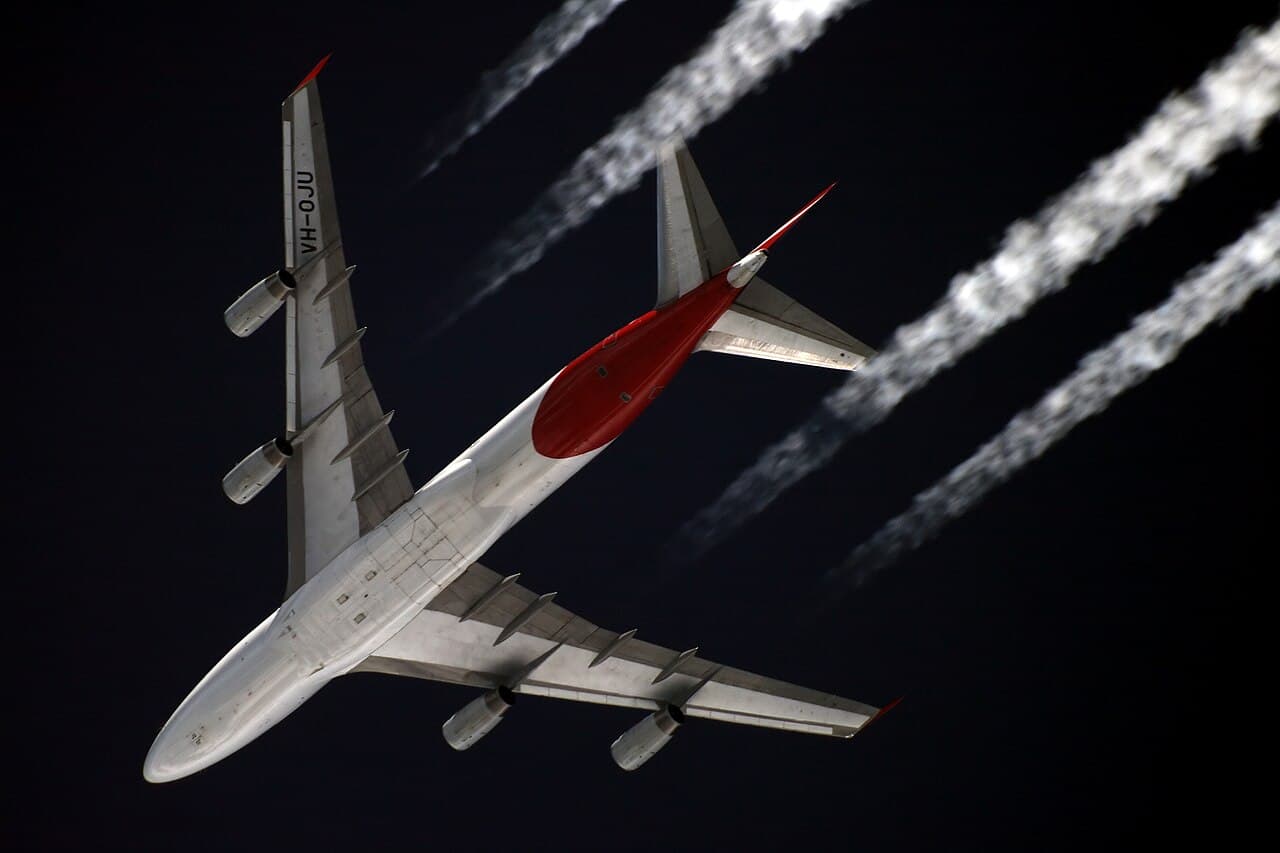
Boeing's VC-25B Air Force One Replacements Delayed to 2028-29 Completion
The Boeing 747 may have ended its commercial production run, but two of the most consequential examples ever built remain deep inside a modification program that has stretched years beyond its original timetable. Boeing 's two purpose-built VC-25B presidential aircraft, which are the long-awaited replacements for the US Air Force's aging VC-25As, were originally expected to be delivered by the end of 2024. Instead, the first aircraft is now scheduled for roughly mid-2028, while the second is expected around mid-2029, according to the latest program reporting summarized by Yahoo Finance .
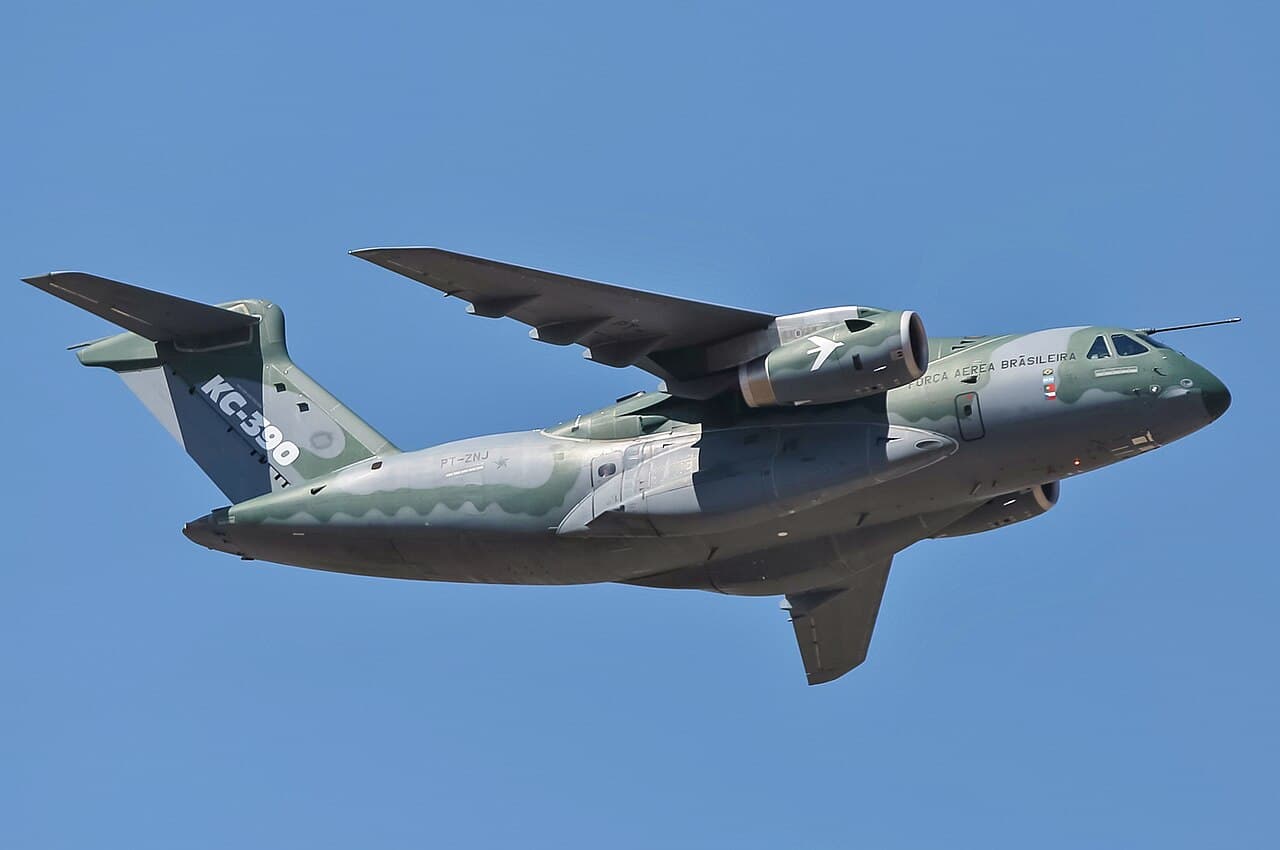
Embraer C-390 Emerges as Leading Affordable Western Military Airlifter for Smaller Nations
While Brazil is typically not considered a 'Western' country, its Embraer C-390 Millennium is part of the Western supply chain, and it is marketed to various Western countries as an alternative to the Lockheed Martin C-130J Super Hercules. It is seen as a geopolitically acceptable military aircraft for NATO allies to purchase in a way that Chinese and Russian military aircraft are not.
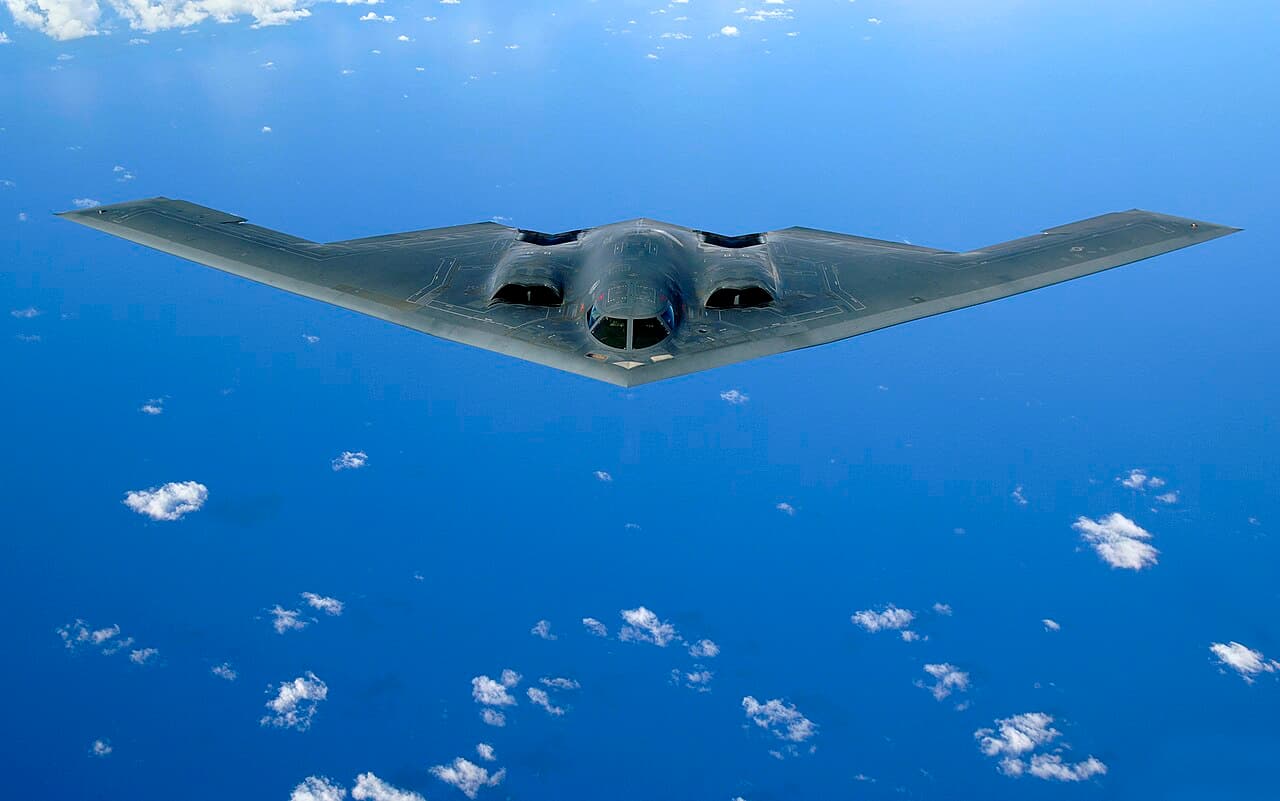
B-2 Spirit's Cockpit Design Enables 40-Hour Missions with Enhanced Pilot Endurance
Northrop Grumman B-2 Spirit air crews in the United States Air Force are well-known for flying some of history's longest missions. While a fighter jet measures a mission in minutes, the B-2 measures them in days . When a crew lifts off from Missouri, they aren't just heading to a target: they are entering a 40-hour physiological endurance test.
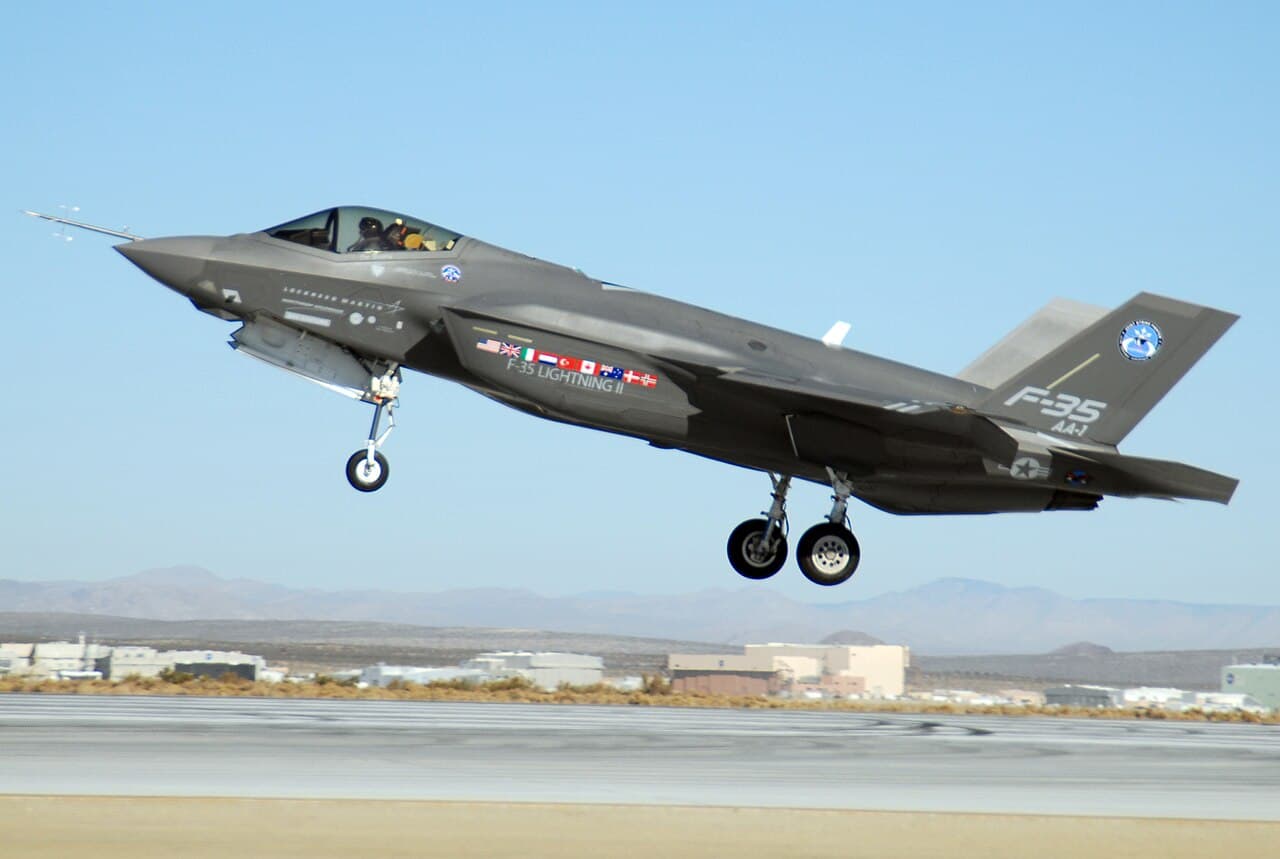
UK delays delivery of expanded F-35 fleet until early 2030s amid strategic and logistical challenges
Due to severe worldwide backlog pressures within the F-35 Joint Program Office and a strategic procurement delay by the Ministry of Defense, the United Kingdom will not receive any new Lockheed Martin F-35 Lightning II jets from its enlarged fleet order until the early 2030s. The upcoming batch introduces the F-35A variant to the UK fleet for the first time, intended to fulfill NATO nuclear-sharing missions.
The Daily Touch & Go
The day's best aviation news in your inbox. Free, no spam.