


Illustration: The Touch & Go
Simple Flying enhances Flight Tracker with cleaner interface and new features for easier live flight viewing
Simple Flying's Flight Tracker upgrades improve usability and visualization, adding satellite maps, geolocation zoom, and intuitive filters for live global flight data.
The gist
Simple Flying's Flight Tracker updates deliver faster, clearer live flight data with new satellite views, location zoom, and better mobile navigation.
Continuing coverage
All Aviation Technology →- New Radar at Newark Debuts as DOT Seeks $10B More for Air Traffic Control Upgrades
- Boeing 777-9 challenges Airbus A350-1000 dominance in long-haul widebody market
- Retired Delta pilot urges airline to replace Amazon Wi-Fi with Starlink for better service
- EAA AirVenture Oshkosh 2026 to Showcase Cutting-Edge Aviation Technology and Historic Warbirds
Since its launch in May, Simple Flying's Flight Tracker has quickly become a vital tool for aviation fans, frequent travelers, and professionals who rely on up-to-the-minute global airspace information. Designed to simplify complex transponder data, the platform offers a user-friendly interface that reveals worldwide flight activity with clarity and ease. As worldwide air traffic now averages over 100,000 commercial flights daily, the need for real-time, accessible flight tracking has never been greater.
To meet increasing demand, Simple Flying has rolled out a significant update focused on optimizing user experience across desktop and mobile platforms. The improvements prioritize speed, clarity, and natural interaction by reorganizing the display and introducing practical features such as range sliders and floating menus. These changes diminish clutter and streamline navigation, helping users reach flight details quickly and without distraction.
A key interface enhancement is the revamped Flights View that enlarges the map display by replacing fixed sidebars with sleek floating control menus. This design choice reclaims screen space, granting users a broader and less obstructed view of global flight paths. The floating menus provide convenient access to settings without detracting from the expansive map surface, improving situational awareness of air traffic patterns.
The update also adds a novel ‘Zoom To My Location’ function, which employs browser geolocation to instantly center and scale the map on the user’s position. This feature reduces the time and effort needed to manually pan across maps, enabling spotters and enthusiasts to identify overhead aircraft rapidly. Alongside this, users can now toggle a high-resolution satellite overlay, replacing traditional vector maps with real-world terrain, including cities, coastlines, and bodies of water, enhancing spatial context for observed flights.
On desktop, the layout has been thoughtfully segmented into nine defined zones resembling a dashboard. This reorganization consolidates all critical flight data—such as aircraft details, live speed statistics, and alert cards—into visible regions without requiring tab-switching. The side-by-side presentation of multiple information windows aids users in simultaneously monitoring individual aircraft metrics and broader regional flight issues.
Mobile users receive a complete navigation overhaul as well. A newly placed bottom navigation bar allows thumb-easy switching between main tracker views, moving away from the previous drop-down menus. The interface smartly adapts displayed options to the current context, eliminating irrelevant buttons and ensuring the compact screen remains uncluttered. This redesign maximizes both map visibility and functional accessibility on smaller devices.
Filtering flights in a crowded sky has been greatly refined with the introduction of active filter chips. These tags appear prominently at the screen top, summarizing all applied criteria and allowing quick removal of individual filters. Complementing these chips are intuitive range sliders for parameters like altitude and ground speed, enabling users to selectively isolate flights within precise operating limits without cumbersome numeric input.
Overall, the enhancements deliver a smoother, faster, and more intuitive flight tracking experience. By reclaiming screen real estate, adding contextual mapping options, and tailoring controls to device and user focus, Simple Flying offers a tool that better fulfills the needs of a growing audience interested in real-time global aviation activity.
Frequently asked questions
- What new features does Simple Flying's Flight Tracker update include?
- The update adds a high-resolution satellite map overlay, a 'Zoom To My Location' geolocation button, active filter chips, intuitive range sliders for altitude and speed, and floating menus to reclaim screen space.
- How has the mobile experience of Simple Flying Flight Tracker changed with the update?
- Mobile navigation now features a bottom navigation bar with thumb-friendly buttons that adapt contextually, replacing old drop-down menus and optimizing screen space for larger map views.
Read more
All Airlines →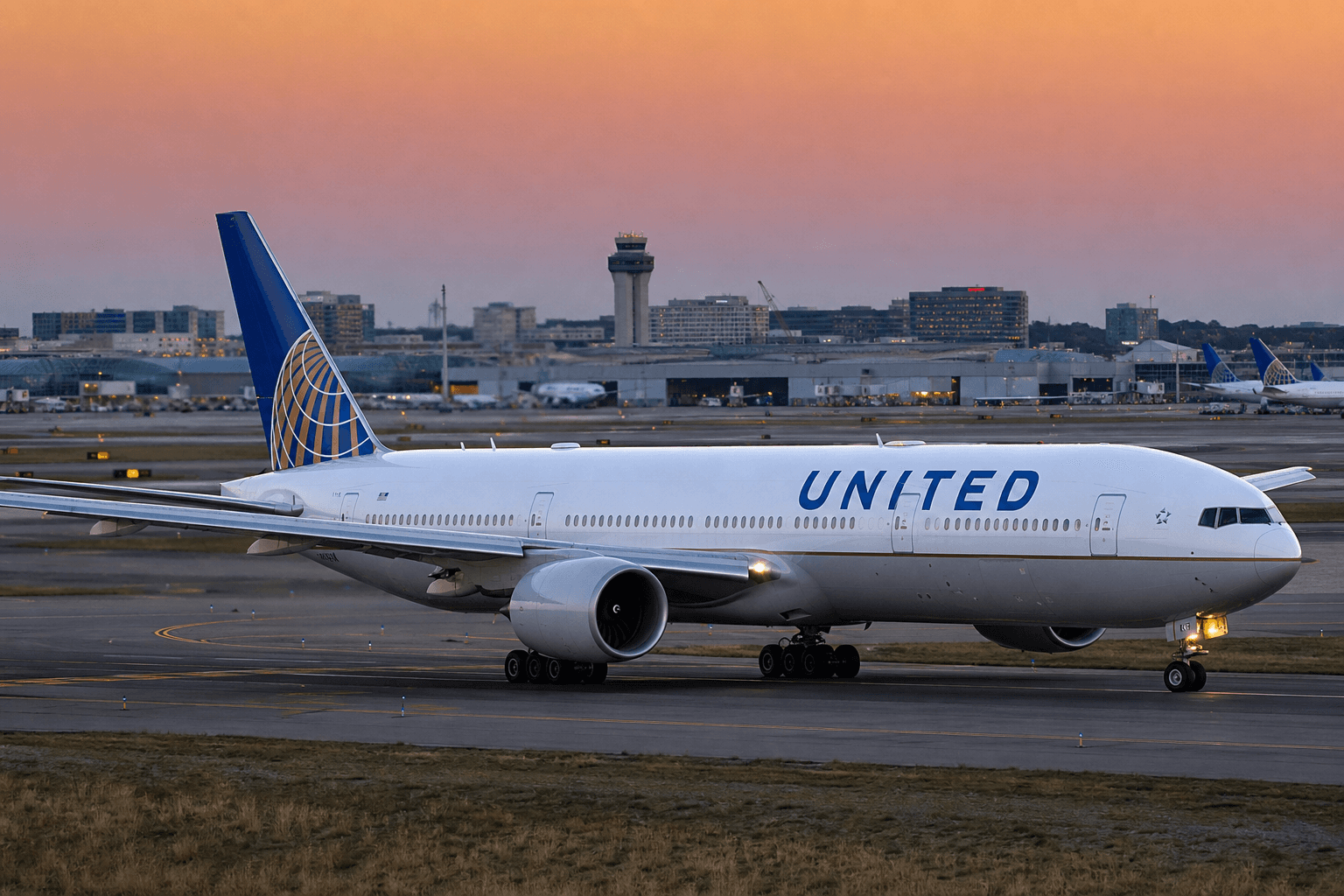
United Airlines CEO predicts just two US premium carriers amid mixed passenger experiences
United CEO Scott Kirby says there may be room for only two premium U.S. airlines, but passengers keep posting photos and complaints that make United's own case harder. Also new Priority Pass-accessible grab-and-go Atlanta "lounge," a DCA shutdown for the DC Grand Prix, Ritz-Carlton Pentagon City inspection issues, and a car hitting an aircraft at Milan Linate.
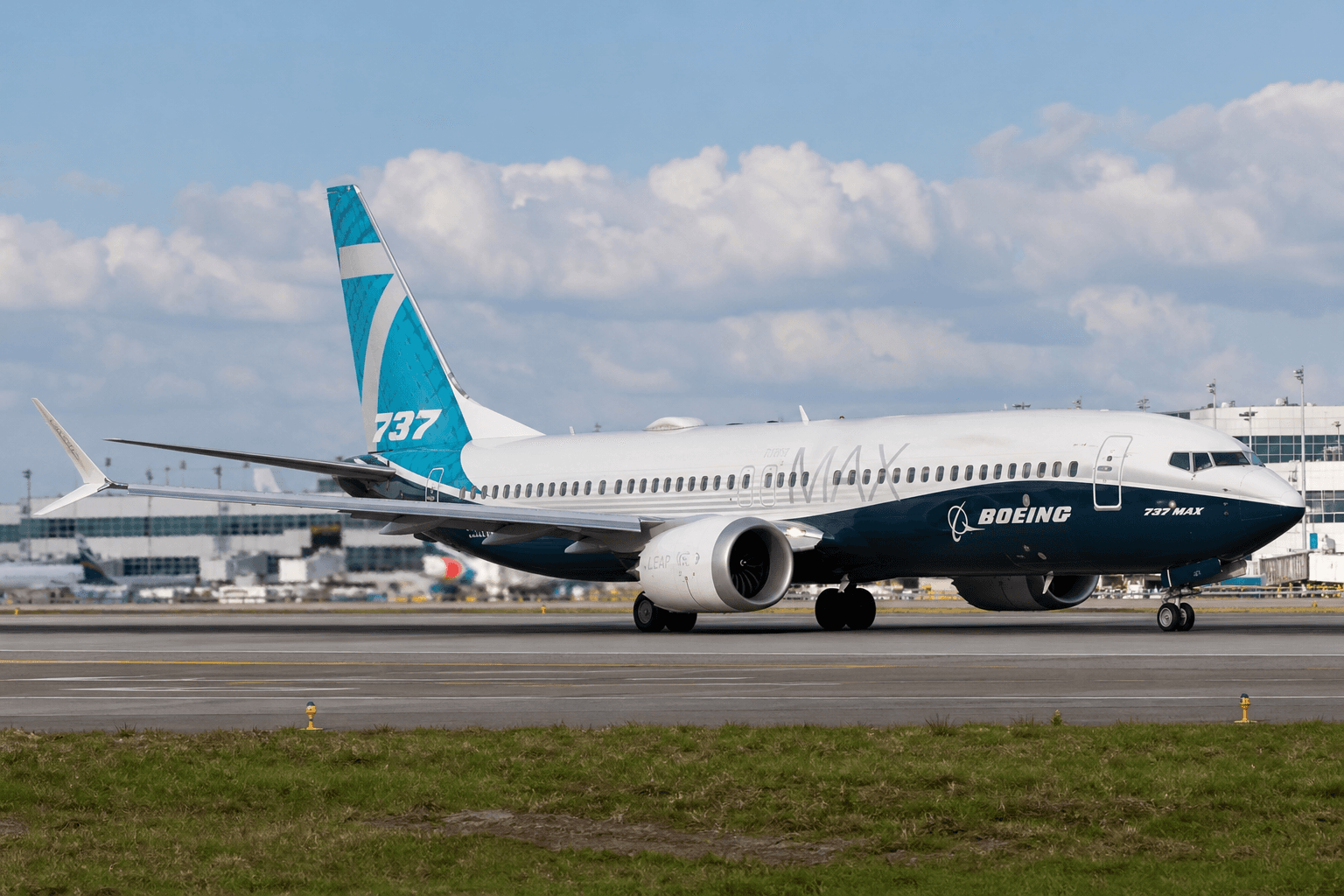
Boeing Delivers 53 Jets in July Amid Airbus Lead in 2026 Production Race
Boeing handed over 53 commercial airplanes in July 2026. The total marks steady progress in the company’s recovery. It also highlights ongoing competition with rival Airbus. ezstandalone.cmd.push(function () { ezstandalone.showAds(119); }); The deliveries included 39 Boeing 737 MAX jets and 10 787 Dreamliners. Boeing also delivered three 767s and one 777 Freighter. These numbers come from the company’s monthly orders and deliveries report. Modest Gain for Boeing, Clear Lead for Airbus July’s total rose about 10 percent from the same month last year. In July 2025, Boeing delivered 48 airplanes. That earlier figure included 37 MAX jets and eight 787s.Still, the July 2026 result fell short of recent highs. ezstandalone.cmd.push(function () { ezstandalone.showAds(127); }); Boeing delivered 60 planes in May and 64 in June. Production timing and customer readiness can cause these monthly swings. Airbus outpaced Boeing in July . The European manufacturer delivered 67 aircraft to 39 customers. That figure included a strong mix of A320-family jets plus several A220s and A350s. ezstandalone.cmd.push(function () { ezstandalone.showAds(128); }); Year-to-date through July 31, the gap remains clear. Airbus has delivered 418 planes. Boeing has delivered 367. Airbus continues to hold the monthly and cumulative lead. Photo Credit: Boeing Boeing’s Production Focus Boeing continues to raise 737 MAX output. The company aims to stabilize rates near 47 jets per month. Regulators earlier lifted tighter limits after past safety issues. The higher pace supports backlog reduction and customer needs. ezstandalone.cmd.push(function () { ezstandalone.showAds(129); }); The 10 Dreamliner deliveries stand out. Boeing delivered 13 of the jets in June but only six in May. Seat certification delays slowed some earlier handovers. July’s total shows progress at the South Carolina factory. Fresh Orders Maintain Momentum July also brought new business for Boeing. Uganda Airlines signed for four 787-9 Dreamliners and four 737 MAX 8s. This marked the African carrier’s first direct order with Boeing. The deal supports fleet growth and more efficient routes. AerCap ordered 15 more 787-9s. The lessor already holds a large Dreamliner portfolio. This addition expands its offerings to airline customers. ezstandalone.cmd.push(function () { ezstandalone.showAds(130); }); Boeing recorded 38 gross orders in July. These covered 18 of the 737 MAX, 19 of the 787, and one 777X. Eight 737 MAX cancellations offset some of the gains. Net orders for the month stood near 30 after adjustments. Through the end of July, Boeing logged 429 net orders for the year. Airbus posted a much stronger sales month with 204 gross orders. The European firm continues to build a larger backlog overall. Photo Credit: Boeing The Bigger Picture Deliveries serve as a useful proxy for factory output. Not every completed plane leaves in the same month it rolls off the line. Customer readiness and final checks can shift the timing. ezstandalone.cmd.push(function () { ezstandalone.showAds(131); }); Boeing trails Airbus in monthly deliveries and year-to-date totals. Yet Boeing’s focus remains clear: steady production increases, quality improvements, and backlog fulfillment. Narrowbody MAX jets drive most volume. Widebody 787s add higher-value activity. Both manufacturers face supply-chain pressures as they chase ambitious full-year targets. Airbus aims near 870 deliveries for 2026. Boeing works to close the gap through higher rates and consistent output. The July data shows Boeing moving in the right direction after earlier challenges. New orders from airlines and lessors keep the pipeline healthy. Industry watchers will track the next rate increases and how the two rivals perform through the rest of the year. ezstandalone.cmd.push(function () { ezstandalone.showAds(132); });
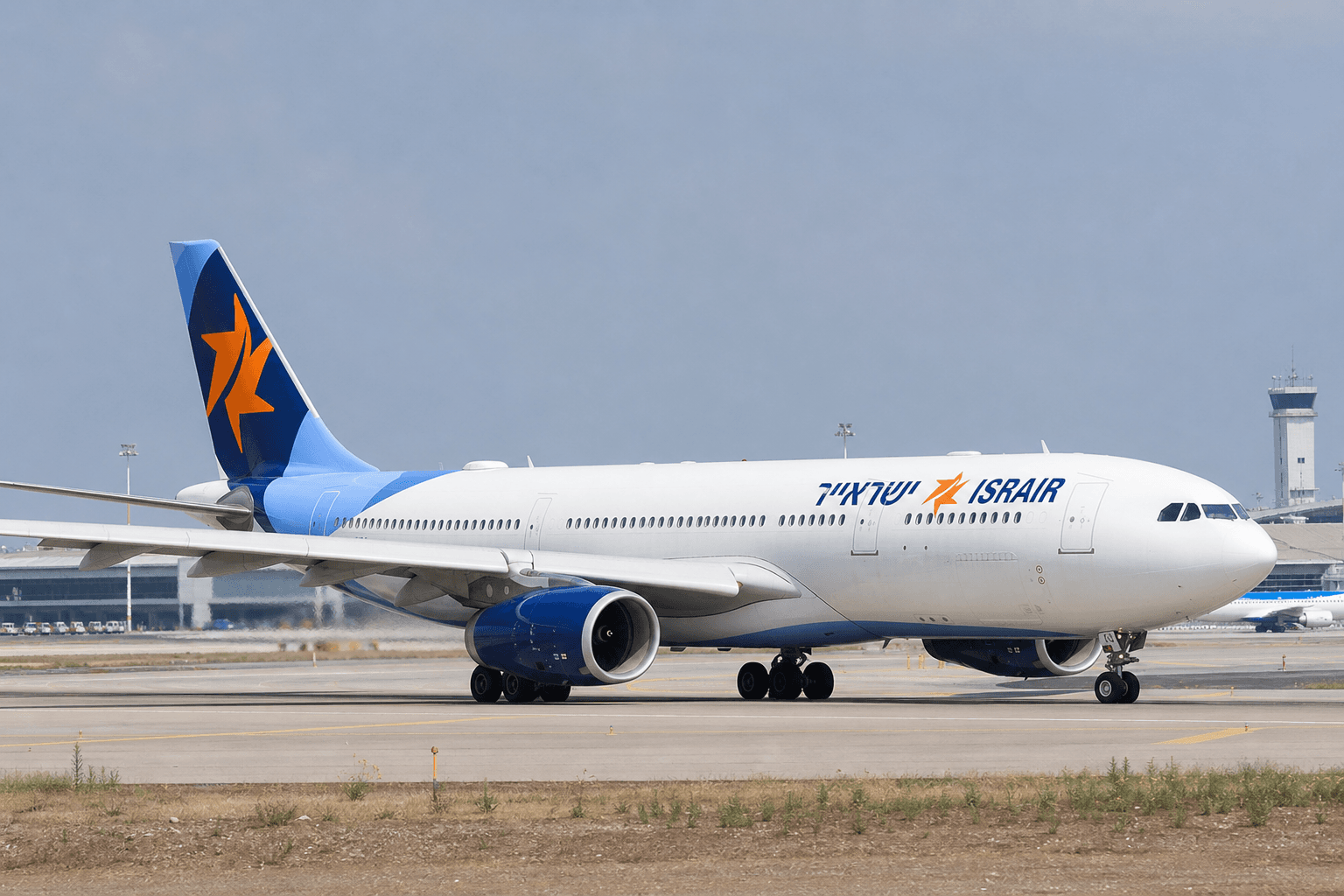
Israir revives ex-American Airlines A330s for upcoming New York-Tel Aviv flights
American Airlines retired its relatively young Airbus A330-200s during the pandemic, leaving itself short of long-haul aircraft just as international demand returned. Now two of those ex-American jets belong to Israir, which plans to use them for Tel Aviv–New York service — potentially bringing American's old planes back to a market American itself still has not resumed.
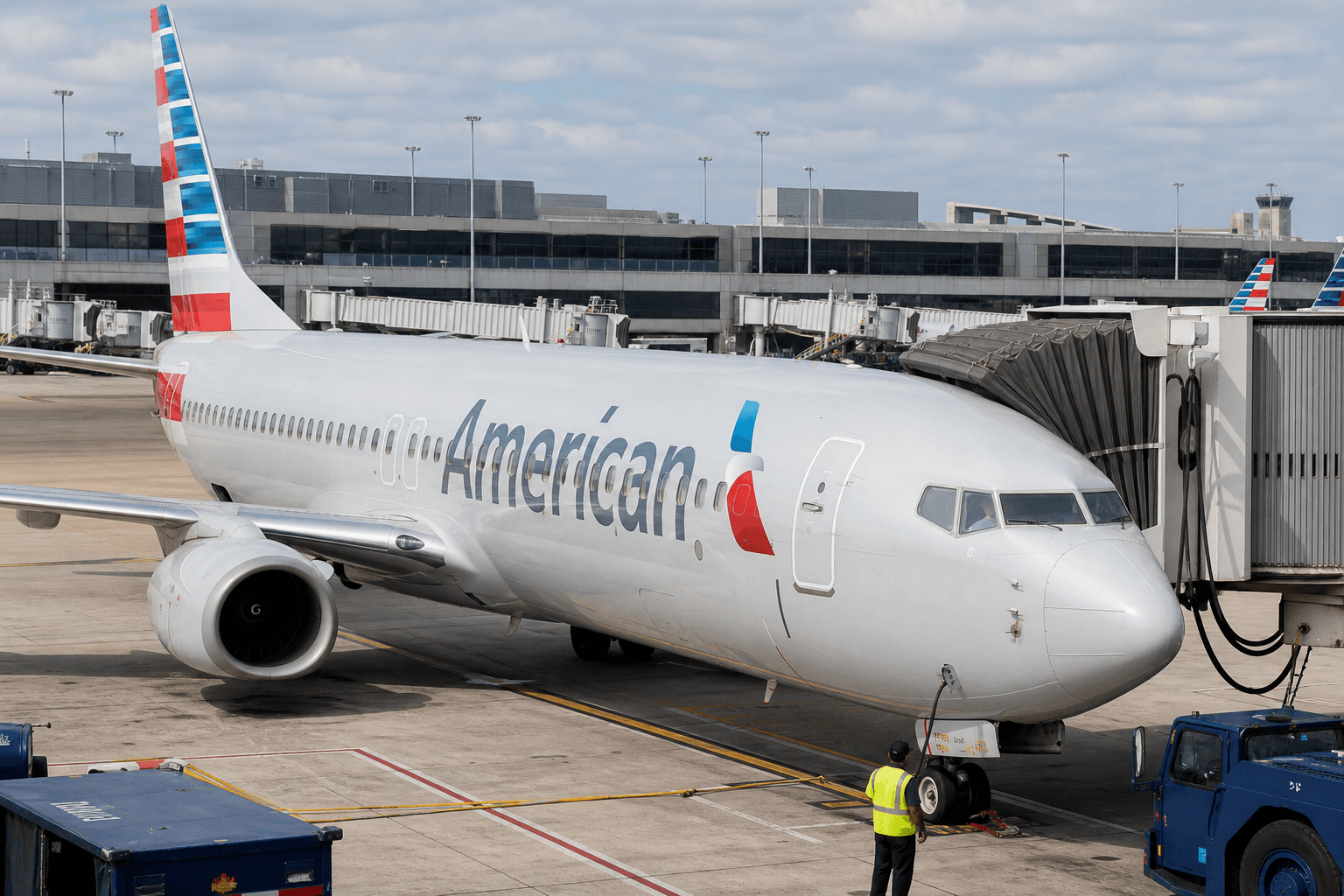
American Airlines AI System Automatically Removes Passengers from Flights Ahead of Connections
American Airlines' automated rebooking system keeps removing passengers from flights when it predicts they will miss a connection, even when they still make it to the gate in time. The result is that seats get released to someone else, passengers are turned away from flights they could have boarded, and American may owe involuntary denied boarding compensation when its algorithm gets it wrong.
The Daily Touch & Go
The day's best aviation news in your inbox. Free, no spam.