

Illustration: The Touch & Go
SpiceJet Struggles to Rebuild Amid Fleet Groundings and Financial Strains
Once India's second-largest airline, SpiceJet faces challenges with grounded planes, financial hurdles, and a shrinking fleet while cautiously restarting operations.
The gist
SpiceJet fights to recover from financial woes and fleet issues as it cautiously restores services and leases Airbus jets for extra capacity.
Continuing coverage
All Boeing 737 Max →- Ryanair and Cebu Pacific Lead World in Economy Seat Density with Ultra-Compact Cabins in 2026
- VietJet Plans New Low-Cost Australian Airline with Boeing 737 MAX Fleet
- Singapore Airlines' Boeing 737 MAX Flights Visible at 10 Key Airports Globally
- United Airlines Launches Long-Haul 737 MAX Routes From Portland to California
- Turkish Airlines Operates 11-Hour One-Stop Flights Using Boeing 737 MAX on African Routes
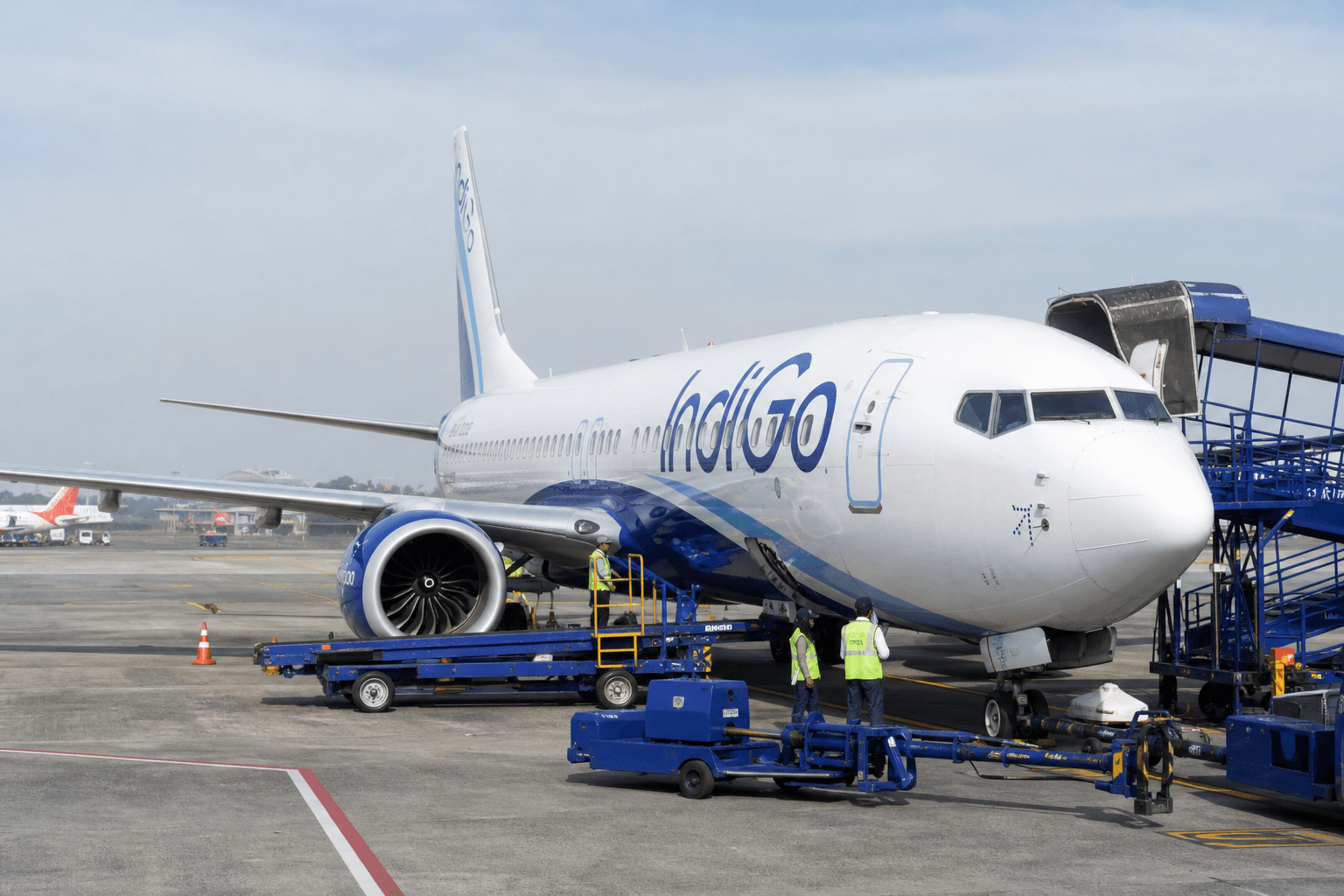
SpiceJet, launched in 2005 as a low-cost Indian carrier, quickly rose to prominence by operating an all-Boeing 737 fleet and aggressively expanding across domestic routes. It later diversified its operations by adding De Havilland Canada Dash 8-400 turboprops to serve smaller regional airports under government connectivity programs. By the late 2010s, SpiceJet had become the second-largest airline in India by market share, boasting an extensive order book of more than 150 Boeing 737 MAX aircraft, positioning itself for further growth and modernization of its fleet.
The airline’s rapid ascent was interrupted by several crises beginning with the global grounding of the Boeing 737 MAX in 2019, which removed a critical and growing part of its fleet from service. This fleet disruption was soon compounded by the COVID-19 pandemic, which severely curtailed passenger demand worldwide. While many other carriers rebounded relatively quickly, SpiceJet encountered sustained financial difficulties, including legal disputes with lessors and suppliers, escalating liabilities, and challenges maintaining its operational fleet. This resulted in many aircraft being repossessed or grounded due to maintenance and parts shortages, contracting its flying capacity significantly.
SpiceJet’s current operational fleet is much smaller than in its heyday and primarily comprises Boeing 737-700, 737-800, and 737-900ER variants, a limited number of Boeing 737 MAX 8s, and its Dash 8-400 turboprops. Its cargo arm, SpiceXpress, continues operating Boeing 737 freighters, which remain a stable revenue source. However, the airline has seen dozens of aircraft idle for extended periods, reflecting ongoing maintenance backlogs and financial constraints that hamper fleet availability.
In a notable shift, SpiceJet recently began leasing three Airbus A320 aircraft under damp-lease agreements to supplement its capacity during peak travel seasons. This move marks a departure from the airline’s long-standing all-Boeing identity and underscores the urgent need to boost operational aircraft while its Boeing planes return to service. The leasing arrangement supplements rather than replaces its core Boeing fleet, indicating a pragmatic approach to current capacity shortfalls rather than a permanent fleet transition.
Despite these obstacles, SpiceJet faces continued financial stresses. Reports indicate pilot salary delays and ongoing efforts to secure government-backed funding to stabilize operations. External pressures such as rising fuel costs, fluctuating currency values, and restrictive airspace policies on certain international routes further exacerbate the airline’s operating environment. These factors compound the airline's efforts to recover and expand amidst a competitive Indian aviation market.
Signs of recovery have begun to emerge over the past year, with SpiceJet gradually reactivating grounded Boeing 737 MAX aircraft and incorporating leased Boeing 737s to enhance its flight schedule. Recent financial restructuring has addressed some outstanding liabilities, and quarterly revenue reports show improvement corresponding with rebounding passenger demand. Management maintains that reactivating grounded aircraft remains a top priority, aiming to gradually increase flight frequencies and broaden both domestic and international networks.
The Indian aviation sector, one of the fastest-growing globally, has intensified competition. IndiGo now clearly dominates domestic travel, and the Air India Group, post-privatization, pours significant resources into fleet and route expansion. New entrants like Akasa Air rapidly increase market pressure, challenging legacy and smaller carriers alike. In this environment, SpiceJet’s prospects for regaining former size seem limited; instead, its survival hinges on developing a financially sustainable operation with a reliable fleet.
SpiceJet retains a strong brand identity and a loyal customer base, backed by a substantial Boeing 737 MAX order book that could facilitate fleet modernization if deliveries resume and funding stabilizes. The airline's next phase will likely focus on steady rebuilding rather than aggressive growth, balancing operational reliability with market realities. While regaining a leading position in India’s aviation landscape is uncertain, recent operational strides suggest the airline’s recovery efforts are making tangible progress.
Read more
All Cargo →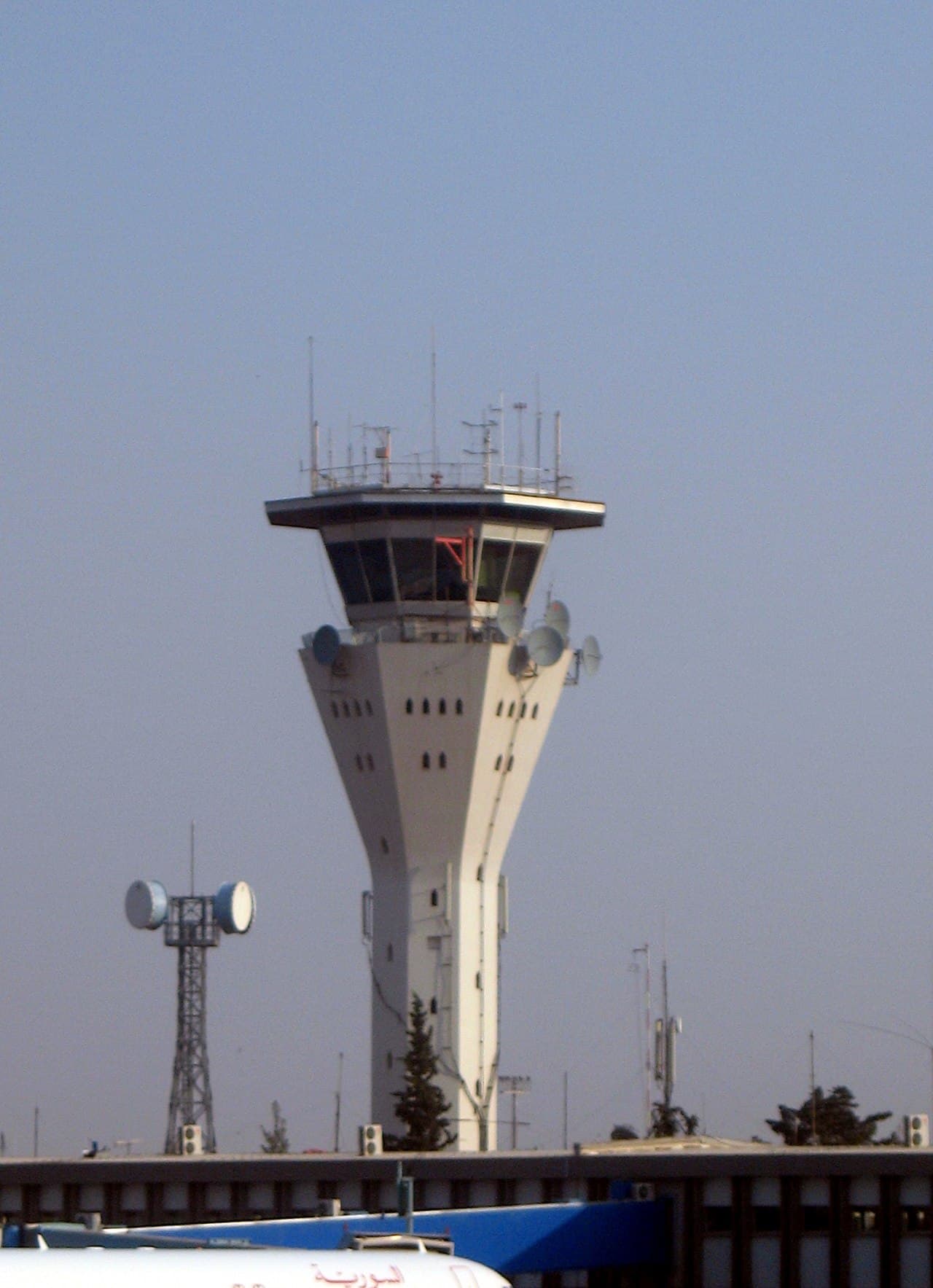
Syria Plans to Buy Eight Airbus Aircraft as Macron Visits to Support Reconstruction
During a visit by French President Emmanuel Macron, the Syrian President Ahmad al-Sharaa has said the country plans to order eight Airbus aircraft. On July 6, 2026, President al-Sharaa told French news station BFMTV about the potential order, indicating that the eight Airbus aircraft will be delivered quickly. There was no mention of the type of aircraft. President Macron is leading a delegation of investors and representatives of French companies to help rebuild Syria's infrastructure following the civil war. "We are building state institutions in Syria and establishing numerous partnerships, including in the aviation sector, as well as tourism, agriculture and industry," President al-Sharaa said. "France will contribute to infrastructure, industry, the financial sector and institutional restructuring, and there are many sectors in which it can play a role." Syrian Airlines, or SyriaAir, is owned by the Syrian government and is set to benefit from Qatari investment to expand operations. Syrian Government December 2024, saw the return of flight operations from Damascus International Airport (DAM) following the overthrowing of the country's former President Bashar al-Assad. Since then, airlines including Qatar Airways, Turkish Airlines, Emirates, Etihad and flynas have restarted operations to Syria. According to the Qatari Civil Aviation Authority, Damascus International Airport surpassed 148,000 passengers in May 2026 and 12 airlines are now operating to and from Syria. In February 2025, the European Union suspended several restrictive measures in view of the situation in Syria, allowing for Airbus contracts and flight operations to Europe. At the time the EU said it "aims to facilitate engagement with Syria, its people, and businesses, in key areas of energy and transport". RELATED Saudia orders more Boeing 777-200 freighters for its cargo division
FAA and BETA Technologies Launch eVTOL Integration Pilot Program with First Electric Cargo Flights
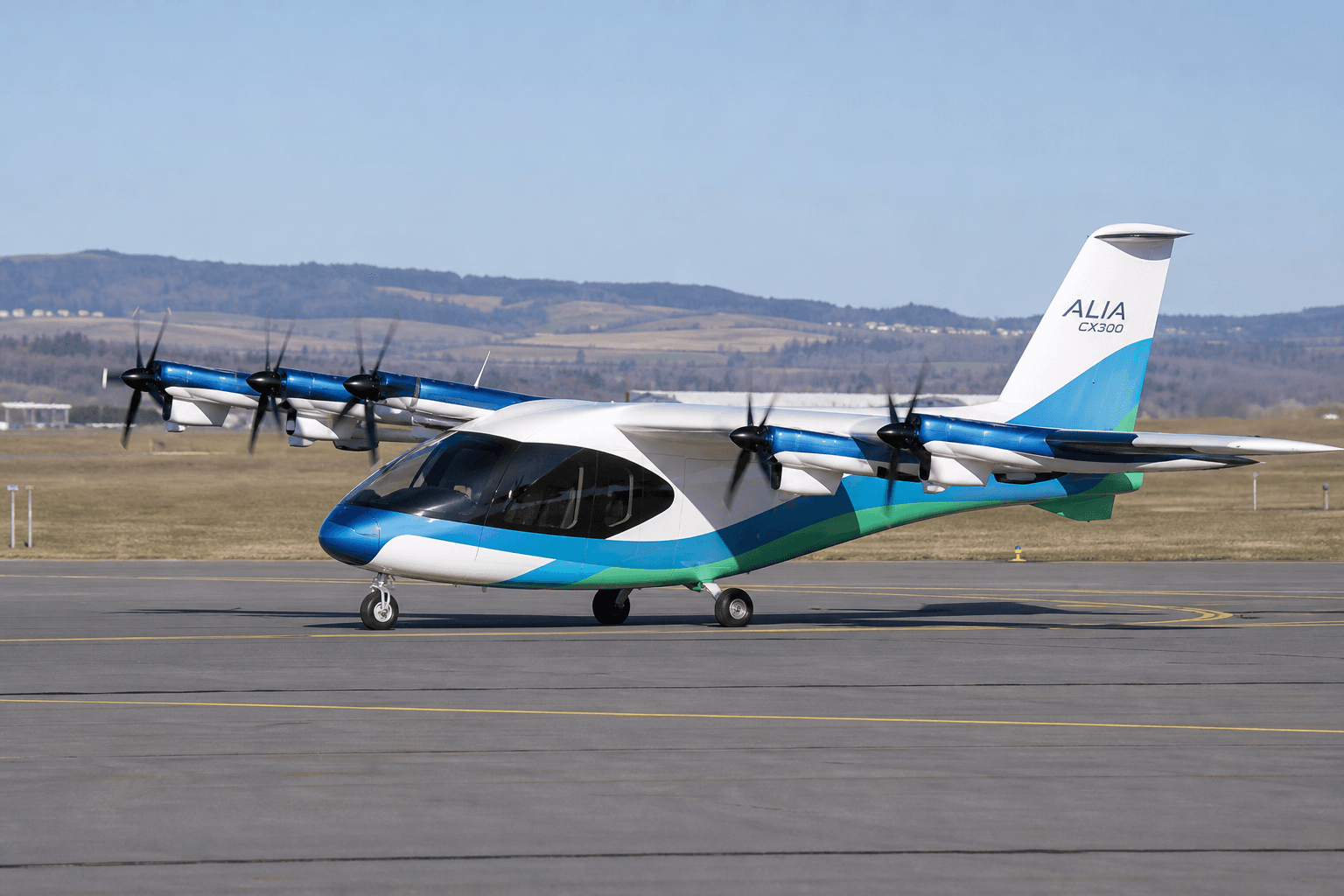
The FAA and Transportation Department's eVTOL Integration Pilot Program ( eIPP ) has begun operational flying. BETA Technologies said Friday that it conducted the program's first electric conventional-takeoff-and-landing flights using its ALIA CX300 aircraft to transport manufactured organs in Maryland and Virginia. Medical Missions Open Program United Therapeutics took part in the flights alongside BETA and the Multistate Collaborative eIPP National Integration Complex. The missions were intended to demonstrate how electric aircraft could support time-sensitive medical transportation between existing airports. The CX300 uses a runway for takeoffs and landings. BETA is pursuing FAA certification for the aircraft and has demonstrated a range of 337 nautical miles. Flights by the company's vertical-takeoff ALIA model are expected to follow conventional aircraft operations under the program. Trials Span 26 States The FAA and Transportation Department selected eight projects for the program in March . The projects cover 26 states and include passenger transportation, cargo deliveries, medical response and autonomous-aircraft operations. BETA was selected to participate in seven projects and expects to operate in at least 10 states. The program is expected to run for at least three years. The FAA plans to use data collected during the operations to develop regulations for integrating electric and other advanced aircraft into the national airspace system.
Boeing updates B777X range and capacity quietly, boosting performance outlook
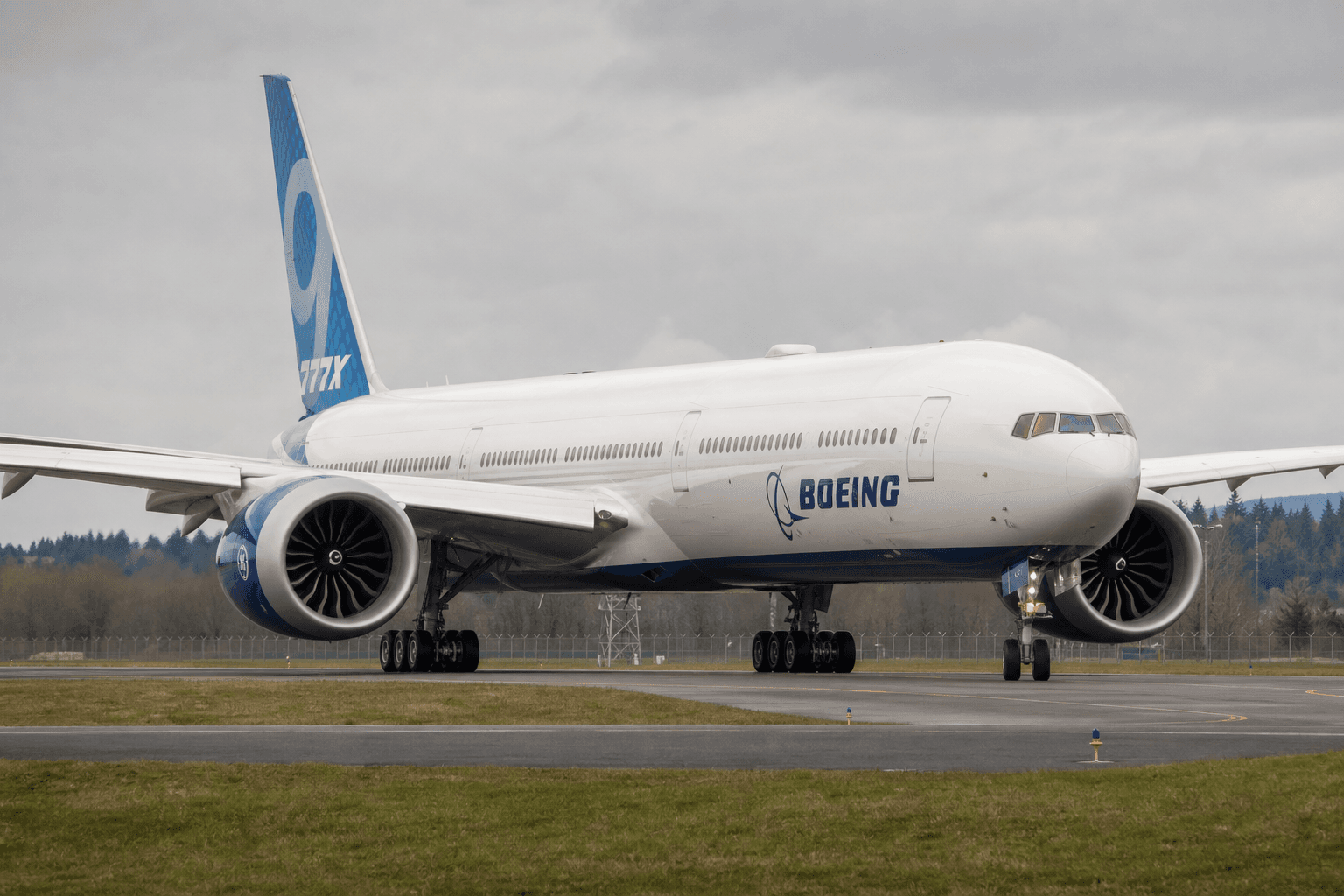
Evidence suggests that Boeing has updated the advertised range of the B777X aircraft. The US aircraft manufacturer has not made any official announcement about these changes. However, several media outlets and industry analysts have noted that Boeing has quietly updated the marketing materials related to the B777X which are available online . The range performance improvement seems to be across the whole family of aircraft. The B777-9 has been increased by 715 nm (1,324 km), from 7,285 nm (13,492 km) to 8,000 nm (14,816 km), an increase of almost 10%. The rise has been even larger for the B777-8, which has seen its advertised range expanded by 755 nm (1,398 km), from 8,745 nm (16,196 km) to 9,500 nm (17,594 km) – a boost of 8.6%. This figure places this version of the B777X close to the 10,000 nautical miles (18,520 km) of the Airbus A350-1000ULR , which has been picked by Qantas to operate what is set to be the world's longest commercial route, from Sydney (SYD) to London Heathrow (LHR). The B777-8 Freighter has also had 590 nm (1,093 km) added to its advertised performance, taking it from 4,410 nm (8,167 km) to 5,000 nm (9,260 km) – in percentage terms, the largest jump at 13.4%. What's more, the theoretical maximum number of passengers that each of these B777X versions is able to carry appears to have been updated upwards, too. The B777-8 is now listed as being able to carry 350 to 425 passengers in a two class-configuration, while previously the upper limit was 395. The equivalent number of the B777-9 has been revised to a bracket of 375 to 450 passengers in two classes, while previously it stood at 426. Richard Schuurman at aviation news platform AirInsight noted that these performance figures have been revised while leaving the aircraft's MTOW (Maximum Take Off Weight) largely intact . This may indicate that these changes have been achieved through efficiency improvements rather than through any structural modifications. The B777-9 is currently expected to complete its certification process by early 2027 , as it continues to accumulate delays. The B777-8, in both its passenger and cargo versions, could take another two to three years to achieve certification. AeroTime has reached out to Boeing for further comment. RELATED Watch: What is inside a B777-9 test cabin?
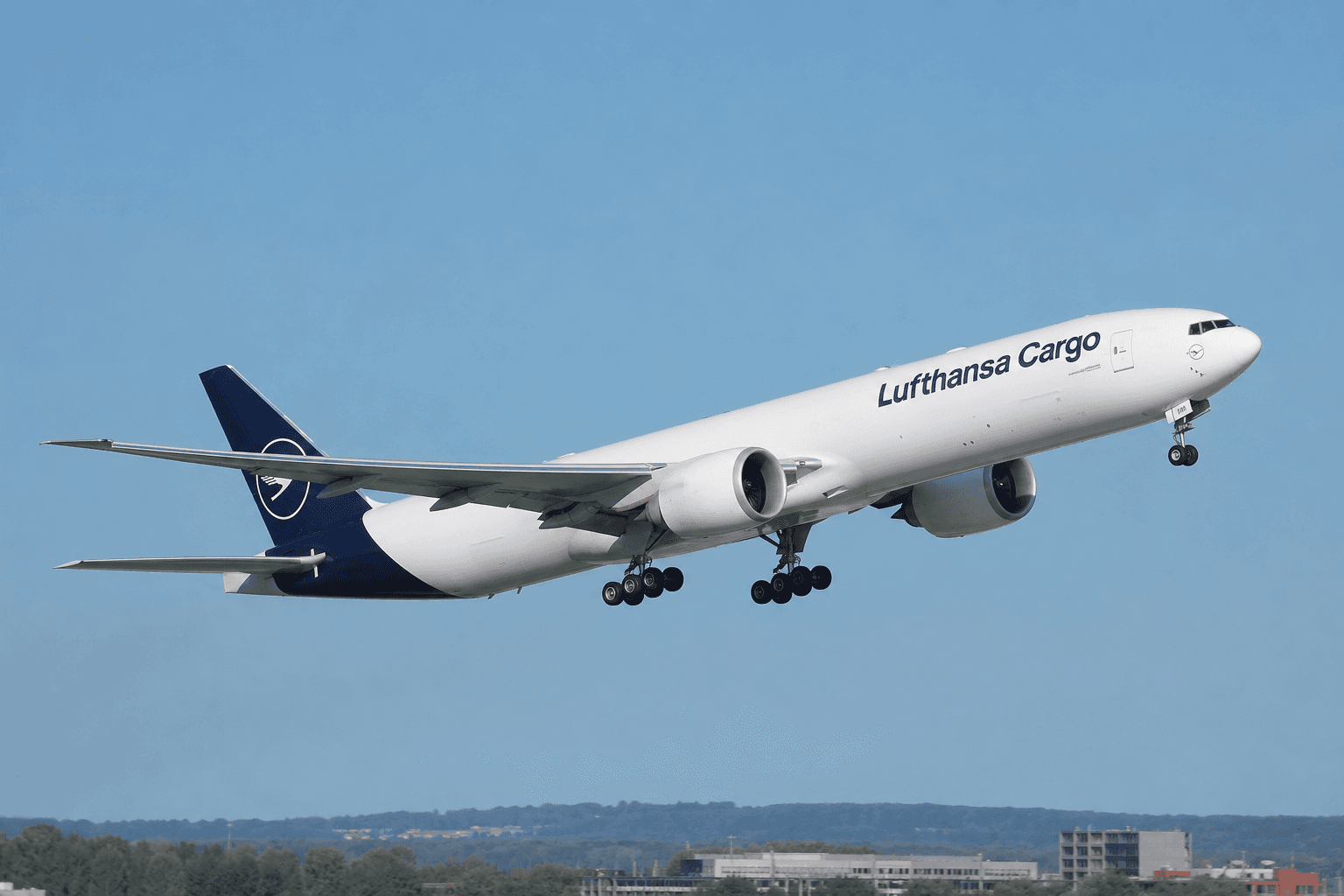
AerCap leases three Boeing 777-300ERSF freighters to China Southern Airlines Cargo
AerCap has signed lease agreements with China Southern Air Logistics Co. Ltd. (China Southern Airlines Cargo) for three Boeing 777-300ERSF converted freighter aircraft. The aircraft, also known as “The Big Twin,” represents the first passenger-to-freighter conversion program for the Boeing 777-300ER. The first aircraft is scheduled for delivery in October 2027, while the second and […]
The Daily Touch & Go
The day's best aviation news in your inbox. Free, no spam.