

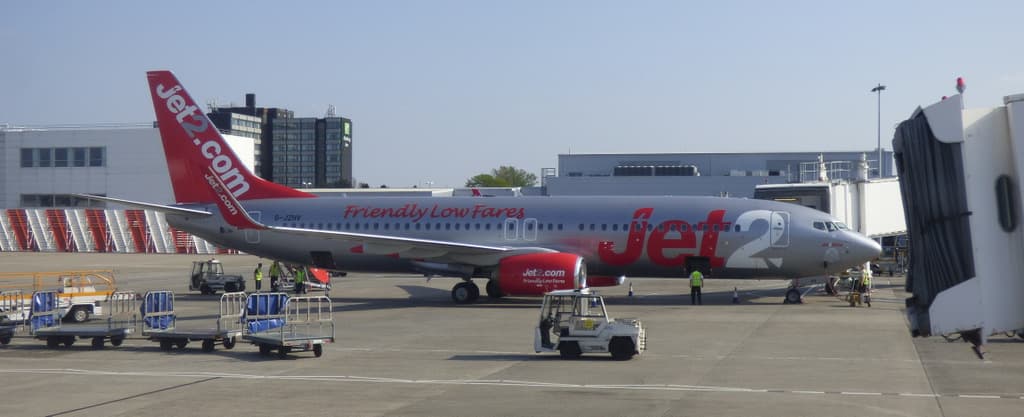
Image: Thomas Nugent · CC BY-SA 2.0 · via Wikimedia Commons
Jet2 commits fully to CFM Leap-1A engines for entire Airbus A321neo fleet
UK leisure airline Jet2 confirms use of CFM International Leap-1A engines for all 146 Airbus A321neos and leased planes in its fleet.
The gist
Jet2 finalizes CFM Leap-1A engine choice for all its Airbus A321neo aircraft, consolidating its fleet powerplant strategy.
Continuing coverage
All A321neo →- flynas expands Airbus fleet with 25 new A330-900 and A321neo jets
- Airbus to upgrade A321neo with A321XLR wing design and single-slotted flaps
- American Airlines and Delta Operate Record Long 7-Hour US Flights with Airbus A321neo
- Hawaiian Airlines Commits to Brand Strength and Fleet Growth as It Joins oneworld Alliance
Jet2, the UK-based leisure airline, has officially committed to installing CFM International Leap-1A engines on every Airbus A321neo in its expanding fleet. This confirmation means that all 146 A321neos ordered, plus several leased aircraft, will operate exclusively with Leap-1A powerplants. The airline’s prior agreements had specified Leap engines for up to 146 planes but covered only 98 firm aircraft; this latest announcement brings total consistency across the whole A321neo complement.
At the Farnborough Air Show, Jet2 disclosed that it has sealed a deal for an additional 54 A321neos powered by Leap-1A engines, bringing its total to 146. Their summer 2026 operations already count 31 owned and leased A321neos actively flying, contributing to Jet2’s overall fleet of roughly 140 aircraft. This fleet mix is strategically significant given Jet2’s position as a major UK leisure carrier, providing flights from 14 locations including two in Scotland and one in Northern Ireland.
The Leap-1A engine, produced jointly by CFM International, a 50-50 joint venture between GE Aviation and Safran Aircraft Engines, is renowned for its fuel efficiency and reliability. Jet2’s comprehensive switch to Leap engines reflects a focused strategy to harness these advantages across its entire A321neo roster. CEO Steve Heapy emphasized the importance of this consistent engine selection for improving passenger experience and operational efficiency.
Previously, Jet2 had expressed intentions to power its fleet exclusively with CFM Leap engines but nondisclosure of the final numbers left some ambiguity. This firm confirmation closes that gap, suggesting confidence in CFM’s support and the engine’s performance. It also streamlines maintenance and training requirements by avoiding a mixed-engine fleet, which can complicate logistics and parts provisioning.
The A321neo itself is a narrow-body, single-aisle aircraft favored by airlines for its range and fuel economy, supporting Jet2's focus on leisure routes across Europe and holiday destinations. Jet2's decision aligns with industry trends favoring the Leap-1A on new A321neos, contesting against Pratt & Whitney’s geared turbofan counterparts. Having a homogeneous fleet eases integration of new planes and lowers lifecycle costs, vital for a sector sensitive to fuel prices and operational margins.
Jet2’s commitment underscores the ongoing transformation in narrow-body fleets as carriers update to newer models with advanced engines. By leaning wholly on CFM’s Leap-1A, Jet2 positions itself for uniform performance metrics and simplified fleet planning. The announcement also hints at the remaining aircraft orders’ delivery timelines and that the carrier is preparing for steady expansion as demand for leisure travel rebounds.
Beyond fleet planning, this move reflects confidence in CFM International’s ability to meet Jet2’s operational and environmental targets. Fuel efficiency gains from the Leap-1A help reduce emissions, a growing concern in European aviation. Given Jet2’s role serving popular vacation destinations, this engine choice may also enhance reliability in diverse operating environments and improve passenger comfort through reduced cabin noise.
In context, this decision comes as many airlines balance cost, reliability, and sustainability pressures in their fleet choices. Jet2’s firm endorsement of CFM’s Leap-1A powerplants may influence peers considering their own fleet upgrades. It also places CFM strongly in the competitive marketplace for single-aisle aircraft propulsion as the A321neo continues to prove a workhorse for short to medium-haul networks in leisure and scheduled markets alike.
Frequently asked questions
- How many Airbus A321neo aircraft will Jet2 operate with CFM Leap-1A engines?
- Jet2 will have all 146 of its ordered Airbus A321neos, plus some leased aircraft, equipped with CFM Leap-1A engines.
- What benefits does Jet2 expect from using Leap-1A engines exclusively?
- Jet2 expects improved customer experience, streamlined maintenance, consistent performance, and fuel efficiency from powering all A321neos with Leap-1A engines.
Read more
All Airlines →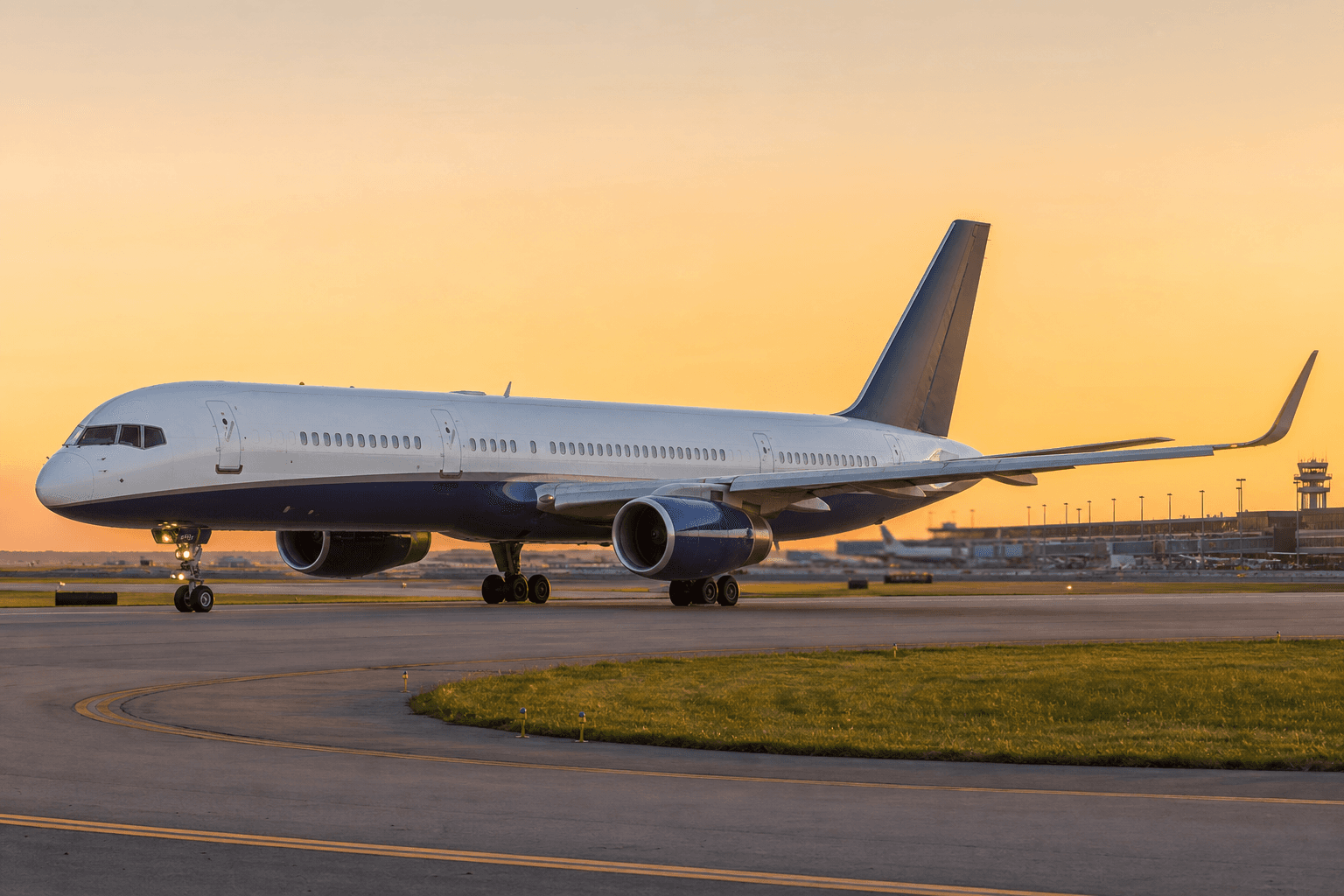
Why Allegiant Air Operated Boeing 757s to Reach Hawaii and Beyond
US-based ultra-low-cost carrier Allegiant Air is primarily known today for operating widebody twinjets from the Airbus A320 series. In fact, until recently, the airline had been an all-Airbus operator for several years, before its deliveries of the Boeing 737 MAX 8-200 began. However, prior to this spell, did you know that Allegiant Air also flew larger aircraft in the form of the 757 during the 2010s?
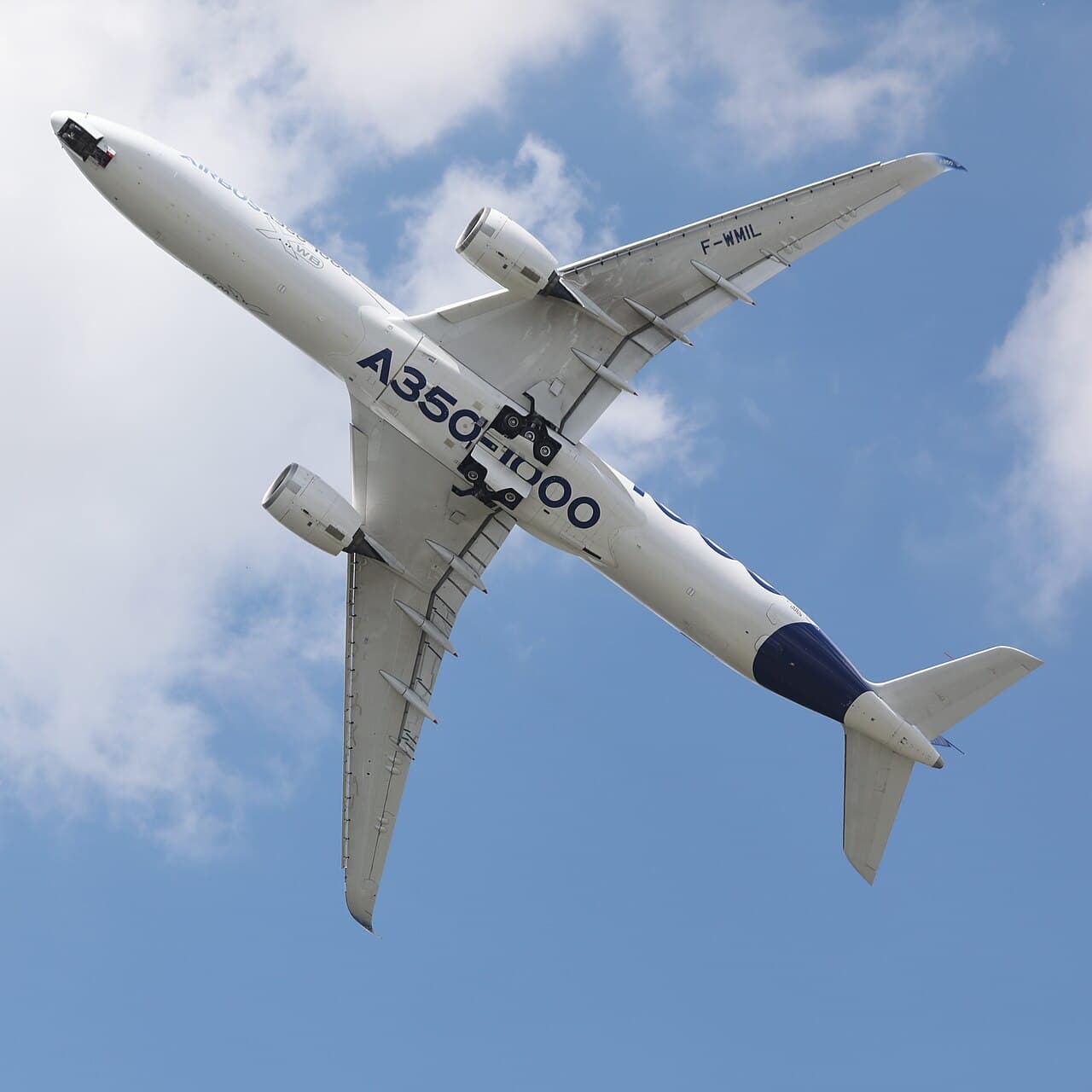
Lufthansa unveils first A350-1000 with special livery marking 700th Airbus delivery
German operator says twinjet will bring group’s Airbus deliveries to 700. Lufthansa's first Airbus A350-1000 has emerged, ahead of delivery later this year, bearing the carrier's commemorative 100th anniversary paint scheme . According to the German operator, the Rolls-Royce Trent XWB-powered twinjet will be the 700th Airbus aircraft handed over to the company and its subsidiaries since it received its first, an A300B2, in February 1976. The A350-1000 — registered D-AIFA — is still to complete test flights and cabin interior work. Lufthansa has 15 of the -1000 on order and expects this first aircraft to be delivered to Munich in the autumn. It is already an operator of the smaller A350-900, of which it has 60 on order, almost half of which had been received by the end of June this year. Lufthansa's -1000 deliveries are scheduled to run to 2030.
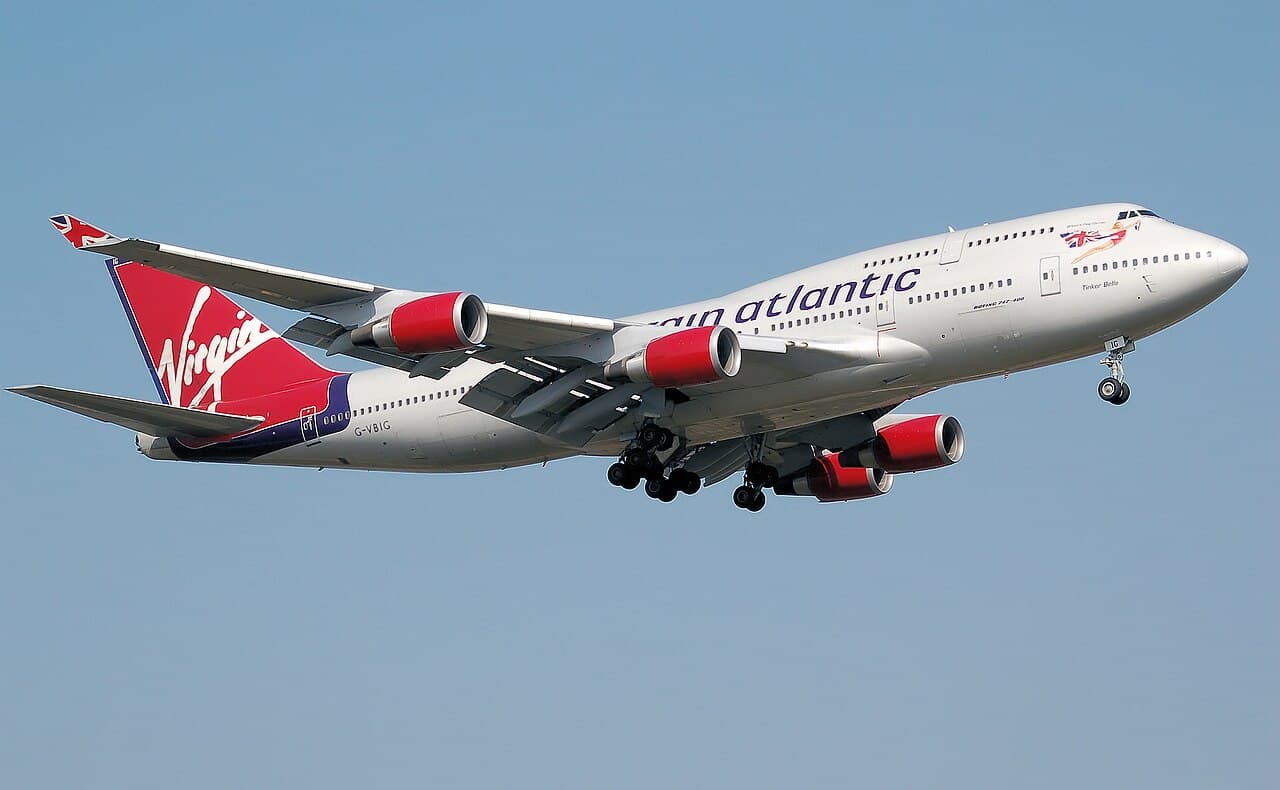
Top 5 Premium Economy Cabins Rivaling Business Class on Long-Haul Flights
Business class fares continue to climb, and a growing number of travelers are looking for a smarter way to cross oceans without draining their travel budgets. Standard economy is often seen as a test of endurance, but the gap between the back and the executive cabin has closed dramatically. A select group of international carriers has elevated their mid-cabin offerings so effectively that passengers find themselves questioning the necessity of a five-figure business class ticket.
Boeing's 737 MAX 7 Set for FAA Certification This Month, Boosting Southwest's Fleet Plans
A Southwest Airlines flight attendant has been arrested by ICE agents for allegedly overstaying his visa. Lorenzo Thompson was arrested by federal immigration authorities earlier on July 14 in Nashville . Thompson is a Jamaican citizen and entered the US on April 17, 2021, on a visa that expired in October later that year.
The Daily Touch & Go
The day's best aviation news in your inbox. Free, no spam.