

Illustration: The Touch & Go
Judge Allows Lawsuit Over United's Windowless Window Seat Claims to Continue
A federal court rejected United Airlines' motion to dismiss a class action lawsuit claiming passengers were misled when paying for window seats without actual window views.
The gist
A judge ruled that claims over United’s windowless window seats can proceed, challenging the airline’s ticketing and disclosure practices.
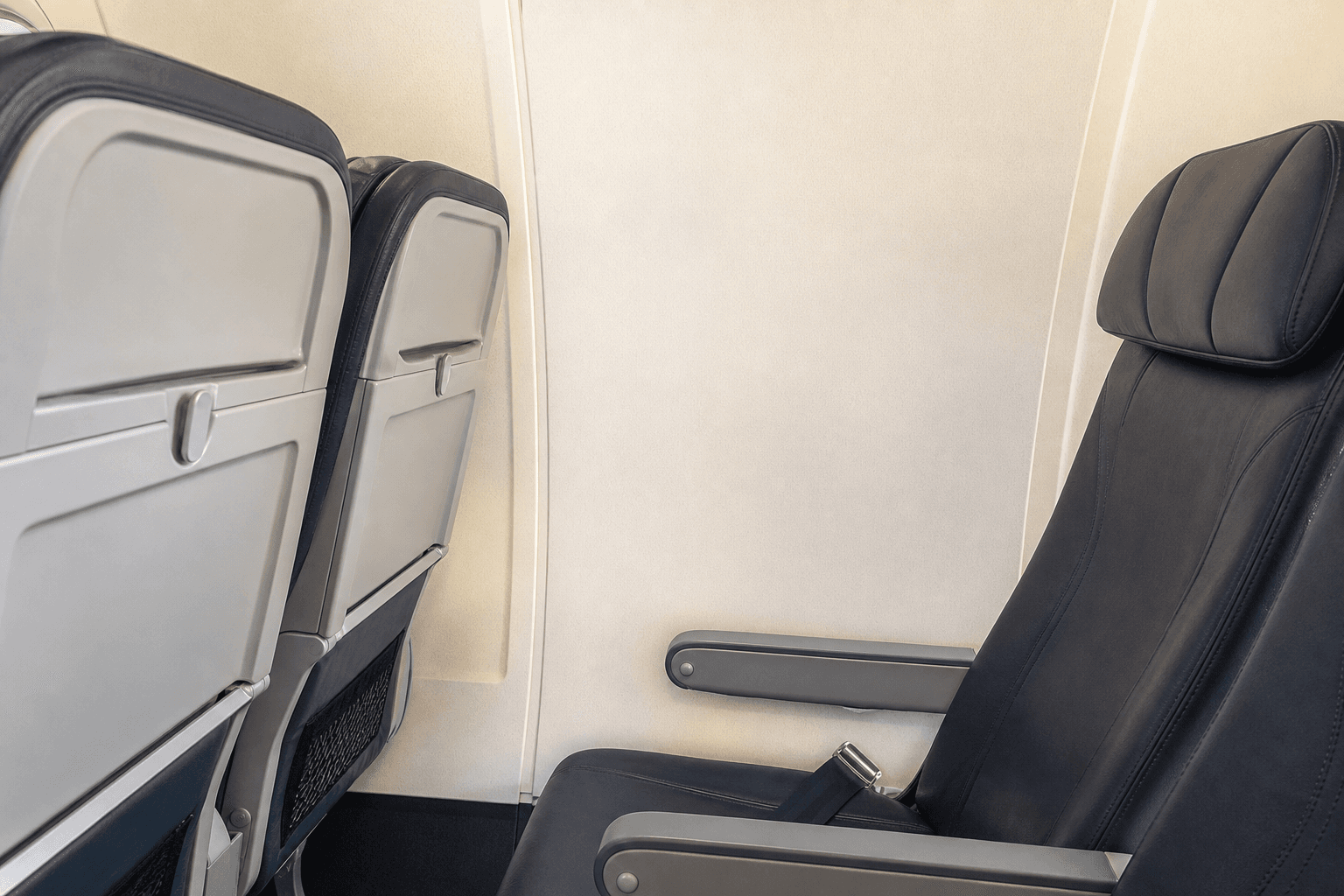
A federal judge in California has ruled against United Airlines’ attempt to dismiss a lawsuit brought by passengers who purchased window seats only to find themselves next to cabin walls without windows. The class action suit alleges that United misled customers by selling seats described as window seats even though those seats lack a real window view due to aircraft design. Judge James Donato emphasized that at this preliminary stage, the plaintiffs’ breach of contract claims deserve to move forward, ruling that the term window seat implies a view, not just a position in the cabin.
United Airlines had argued that the phrase window seat simply denotes a seat located on the side of the aircraft cabin and does not guarantee the presence of an exterior window. The airline maintained that customers should not reasonably expect an actual window when selecting these seats. However, Judge Donato noted that the airline’s booking platform and ticketing terms failed to clearly disclose the absence of windows adjacent to these seats, leaving customers arguably unaware of what they were purchasing.
The lawsuit, originally filed in August, represents a class of passengers who paid extra for the so-called window seats under the premise that they would have a window view. Instead, many ended up seated against an interior wall, a feature common in some aircraft designs where structural elements and systems such as air conditioning ducts occupy spaces where a window might normally be. The plaintiffs contend this amounted to a breach of the airline’s obligation to deliver what was promised for the premium fare.
United Airlines declined to provide official comment on the judge’s ruling but acknowledged prior efforts to improve transparency in its seat selection process. According to statements released, the airline has updated its online booking system to include more clear indications about seat layouts and features, aiming to enhance passenger experience and reduce confusion about window views.
This dispute highlights a broader challenge in commercial aviation, where some carriers include ‘window seats’ adjacent to cabin walls due to aircraft system placements. While the interiors of modern jets must accommodate complex infrastructure, the variance in how airlines communicate this to customers differs widely. For example, American Airlines and Alaska Airlines specifically inform customers when a ‘window’ seat does not offer a clear exterior view, whereas United’s prior disclosures reportedly lacked such clarity.
The case raises important questions regarding consumer expectations and airline transparency. Passengers generally relate the term window seat to having a view outside the aircraft, which can impact perceived value and fare justification. The lawsuit seeks monetary damages as well as punitive measures to address alleged misleading practices in seat descriptions and marketing.
If the plaintiffs succeed, the implications could extend beyond United, prompting other airlines to revisit how they represent window seats and disclose seat features. This could trigger broader changes in reservation systems and customer communications across the industry. The ruling also underscores the legal scrutiny airlines face over fare transparency and passenger rights in the competitive commercial aviation market.
With the case now proceeding, discovery and additional court proceedings will delve into the extent of United’s disclosures and marketing practices. The airline’s adjustments to its booking platform could be closely examined to determine if they sufficiently address the issues raised by the plaintiffs. This litigation reflects a growing focus on consumer protection in airline seating and fare representations, especially as passengers increasingly rely on online systems for seat selection.
Read more
All Regulatory →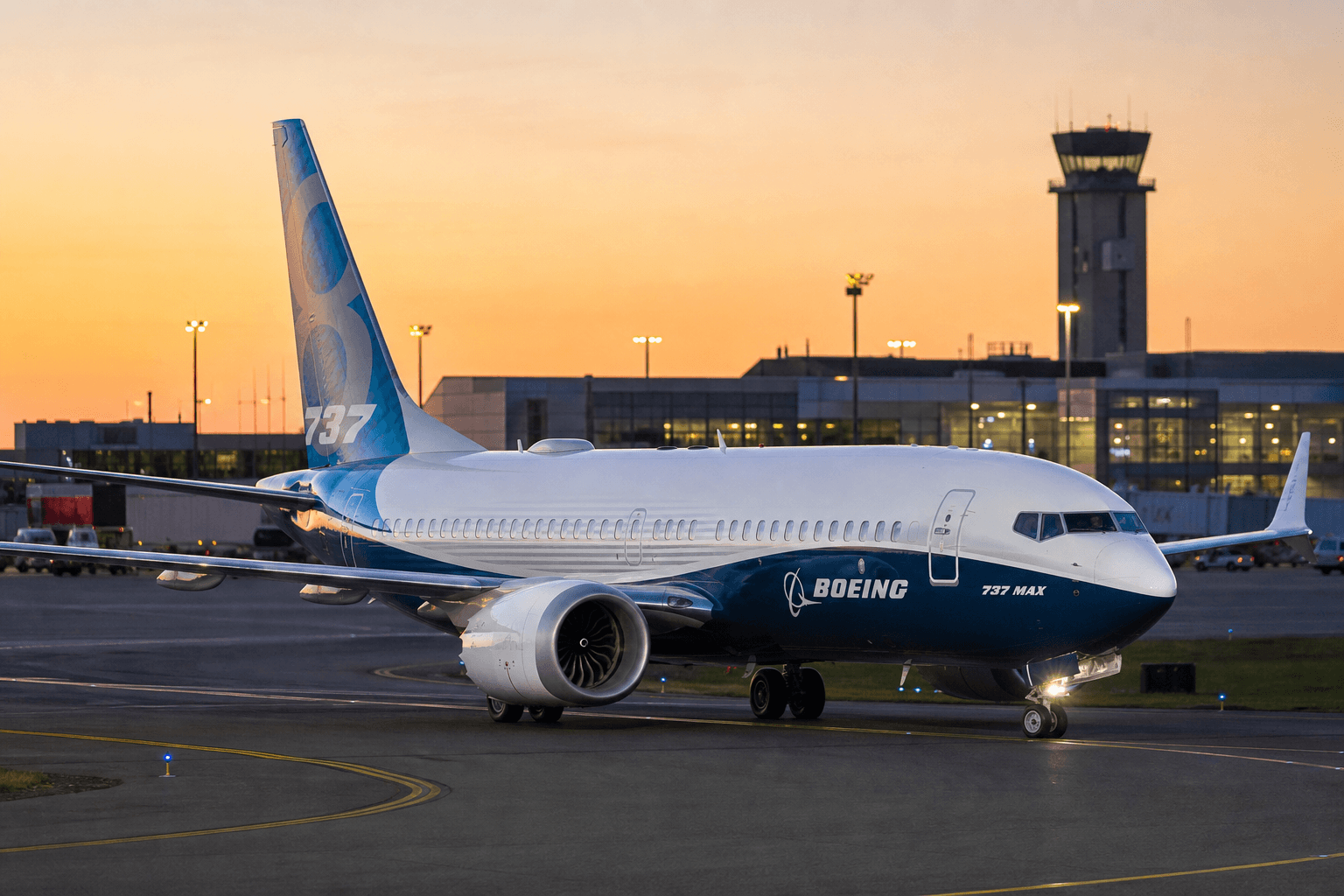
Boeing's 737 MAX 7 Nears FAA Approval More Than a Decade After Launch
Boeing is only weeks away from gaining Federal Aviation Administration (FAA) certification for its 737 MAX 7 aircraft, according to a new Wall Street Journal report. Boeing's smallest variant of the MAX family aircraft was officially launched in May 2013, with Southwest Airlines confirmed as the launch customer. The Dallas-based carrier became the first airline to order the 737 MAX 7, with delivery of the first aircraft initially scheduled for 2019. Seven years later, the US planemaker is said to be finally on the cusp of receiving approval for an aircraft that promised so much, but which has yet to deliver. According to the Wall Street Journal , which has spoken to people familiar with the matter, FAA certification could arrive before the end of July 2026. Anna Zvereva / Creative Commons Powered exclusively by CFM International LEAP-1B engines, the mini-MAX is designed to fly up to 172 single-class passengers with a top range of around 3,800 nautical miles. Its competitor aircraft at Airbus are the A220-300, which carriers up to 160 single-class passengers, and the A320neo, with 194 single-class seats. With Airbus' rumored future A220-500 (or Stretch) expected to carry up to 180 single-class passengers, the market is set to be squeezed even further. Boeing's largest MAX aircraft, the 737-10, is also in the final stages of FAA certification, with the Deputy Administrator Chris Rocheleau indicating it was a case of "dotting 'i's and crossing 't's". RELATED Southwest adds Korea's Air Premia in latest international overseas partner push
AURA AERO to Showcase INTEGRAL R Aerobatic Trainer at EAA AirVenture 2026
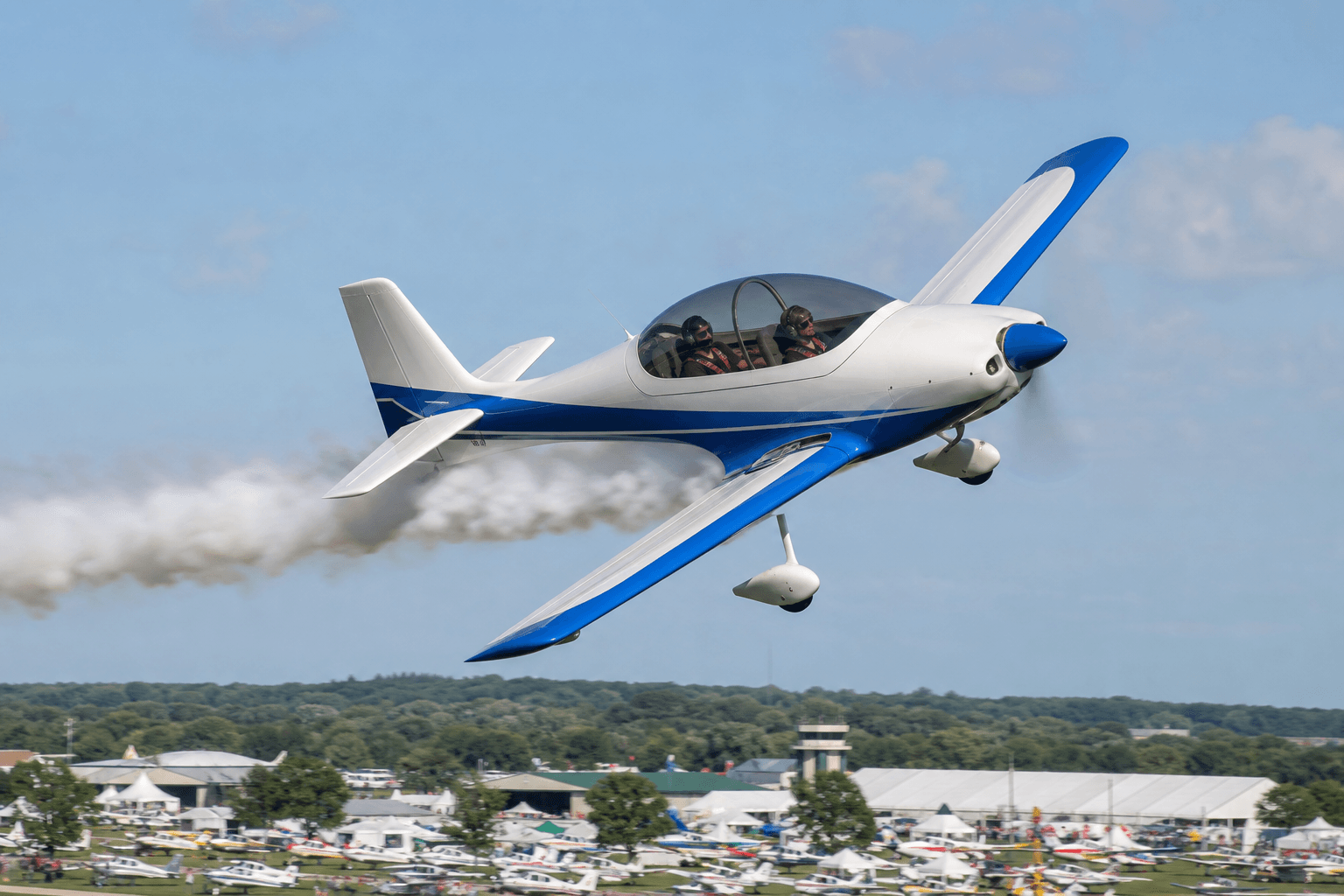
AURA AERO will bring its two-seat INTEGRAL R aerobatic trainer to EAA AirVenture 2026 in Oshkosh, Wisconsin, as the company moves closer to FAA certification for the aircraft. The INTEGRAL R is already certified in Europe and is usually based at AURA AERO's U.S. headquarters in Daytona Beach, Florida. AirVenture Demonstrations The aircraft is scheduled to fly two aerobatic demonstration flights during the show, on Monday, July 20, and Tuesday, July 21. AURA AERO said it will exhibit near the International Aerobatic Club Pavilion during AirVenture, which runs July 20-26. Mike Goulian and Steve Fiegel are scheduled to give a presentation on the INTEGRAL R on July 24 at 1 p.m. local time at the IAC Aerobatics Center. Fiegel has flown the aircraft to three first-place finishes in the Intermediate Power category at IAC competitions since 2025. The company said the INTEGRAL R is capable of plus-7.5 and minus-7.5 G at 935 kilograms. The aircraft utilizes a Lycoming AEIO-390 engine, Garmin G3X avionics, a whole-aircraft parachute, a 150-knot cruise speed and has a 530-nautical-mile range. U.S. Plans "EAA AirVenture Oshkosh is an essential gathering for the global aviation community and a unique opportunity to meet pilots, flight schools and the wider U.S. aviation ecosystem," Drew McEwen, chief commercial officer of AURA AERO, said. "With INTEGRAL R , we are bringing to market a modern, safe and high-performance aircraft, one that is ideally suited to North American expectations." AURA AERO launched its U.S. headquarters and manufacturing site in Daytona Beach in October 2025. The company said the site is planned to produce the INTEGRAL line in piston-engine and electric versions, along with ERA, its 19-seat hybrid-electric regional aircraft. According to the company, ERA will have a 900-nautical-mile range and has a projected 2030 availability date.
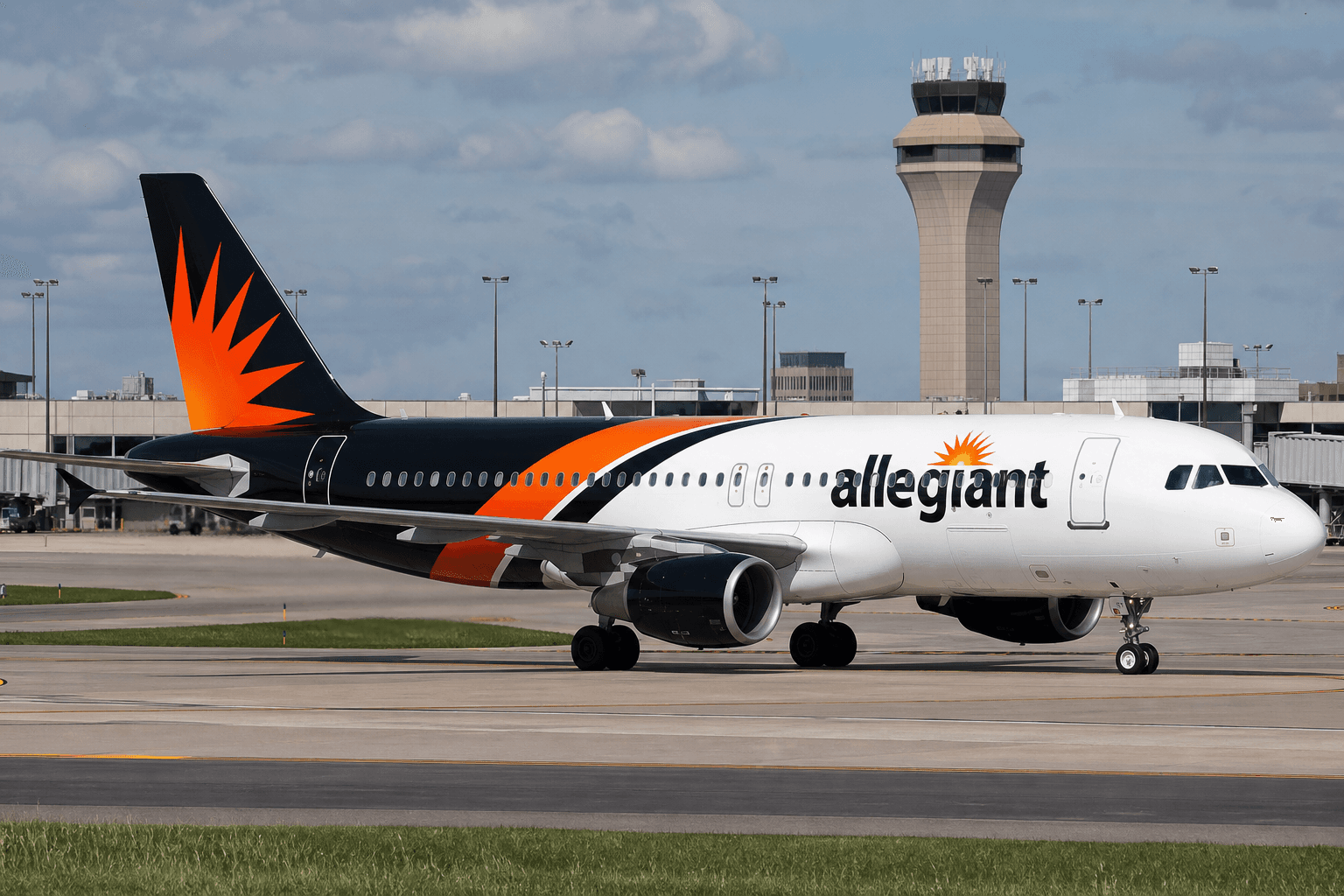
Sun Country Airlines to Merge Fully into Allegiant Following FAA Certification
This article was updated on Thursday, July 9, 2026, to include further details on Allegiant Air and Sun Country's fleets. It was originally published on Wednesday, July 8, 2026.
Rising Costs and Predatory Loans Challenge Aspiring Pro Pilots Financing Training
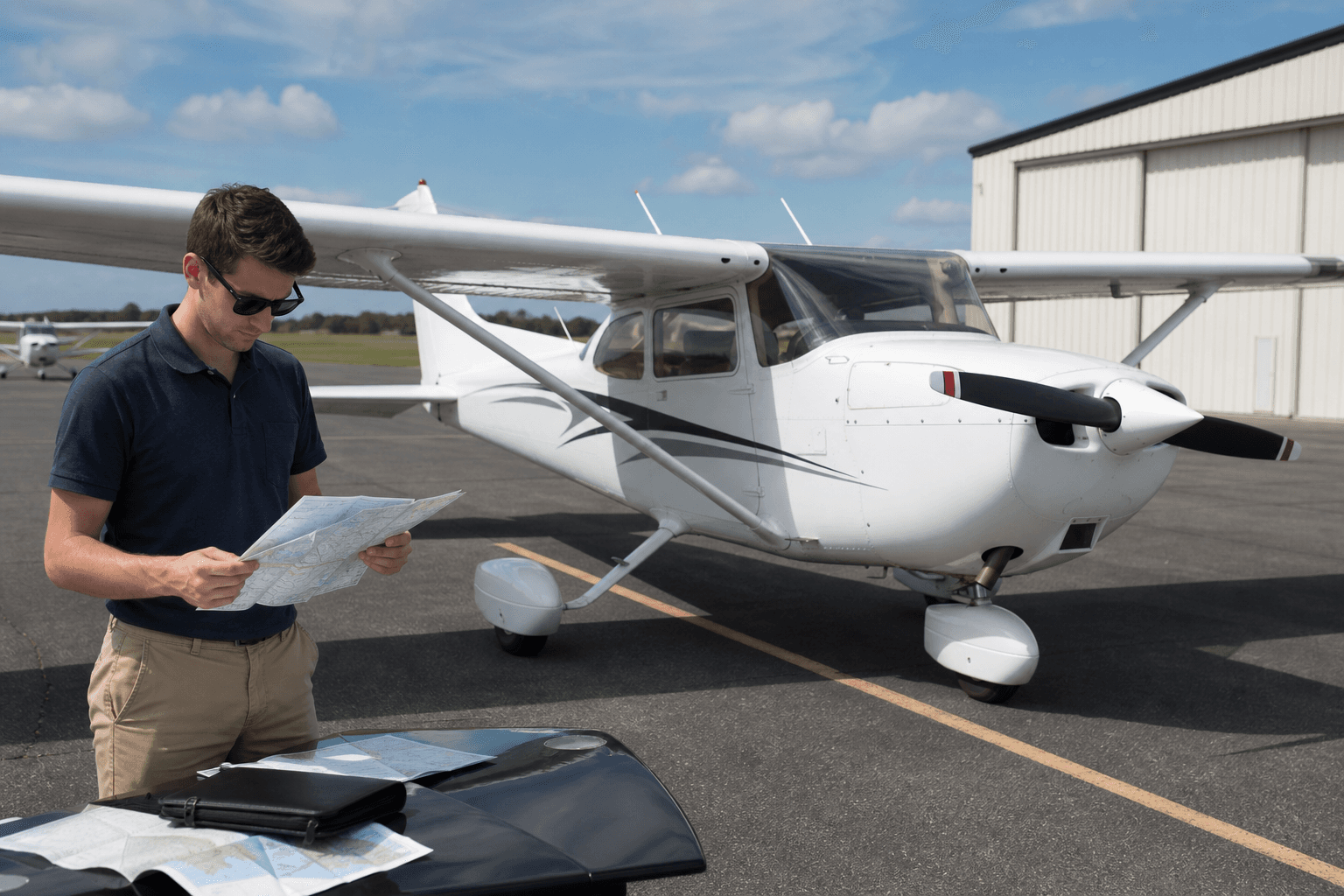
When I was in my early teens, I once asked an older pilot if he had any advice for someone just starting flight training, and he half-jokingly replied, "Ah, yes, have rich parents!" I didn't quite recognize the sage wisdom of this advice and failed to follow it, having had the temerity to get myself born into a large family of rather modest means. So I scrapped and schemed and worked a number of odd jobs through my teen years to pay for primary training and then went off to college and amassed an eye-watering level of student loan debt while completing my advanced ratings, all to graduate just after the 9/11 attacks. In retrospect I was fortunate. My seemingly poor timing put me in a very good position when the pilot shortage finally gathered steam, and as expensive as flight training seemed then, it has become even more so. It was also an era of easy borrowing and low interest rates. If you, like me, lacked the foresight to be born into wealth and are now trying to finance your dream of becoming a professional pilot, you face greater obstacles than I ever did. Post-COVID inflation has made most things more expensive, and everything in aviation from used aircraft to engine overhauls to insurance has outpaced it. Meanwhile, interest rates have skyrocketed, with prime lending rates above 8 percent for a full year now and most unsecured loans at least 3 percent above that. Few reputable banks are offering noncollege flight training loans these days, and this void has been filled by lenders who can be described as little better than loan sharks. Predatory interest rates of 17 percent or more are common. Sadly, many of the flight schools appear to be willing accomplices, prominently advertising "easy" financing "as low as 4.5 percent" or some similarly unrealistic rate. Many of their partner lenders will not reveal actual rates or terms until the student has already been accepted to the training program, with a proposed start date. Every week there are posts on aviation forums by students who have just learned, shortly before starting training, that their proposed $130,000, 15-year loan will end up costing $250,000 or more, with monthly payments above $2,000. Unfortunately, many see little alternative but to sign on the dotted line, justifying the terms with optimistic career earnings projections and the perceived rush to get their ratings "before the pilot shortage is over." It's an effective trap for lower-income kids with a dream but not much financial literacy. Honestly, had I been put in that position at 18 years old, I probably would have signed on the dotted line myself. I was financially illiterate at that age too. I've learned a lot about money since then, though, and about the aviation industry. Let me offer some really sound advice: Be very wary of any flight school that requires significant money up front. There are many cases of schools suddenly closing or otherwise absconding with students' funds or refusing or delaying repayment of the balance after the student has flunked out or quit midway through training. At the very least, they should require no more in your account than is required to complete the next block of training (e.g, private pilot certificate, instrument rating, etc). If a flight school's preferred lender isn't upfront about rates or terms, be very skeptical. Anyone who requires you to be accepted at the school and have a start date before revealing loan terms is likely springing a debt trap on you. A hard truth of aviation is that the majority of those who start primary training quit before earning their private pilot certificate, and the attrition rate for professional programs is similarly high. Not everyone will enjoy flying, and not everyone is cut out for it. You won't really know if it's for you until you're at least through primary training. Don't make any momentous financial decisions until then. Career earnings for a pilot can be high, but also vary quite widely depending on timing, keeping a clean record, maintaining a Class I medical, networking ability, and sometimes just plain dumb luck. Do not base financial decisions on best-case scenarios. And in any case, plan on several early years of earning less than $50,000, perhaps substantially less. Do not, under any circumstances, accept any substantial loan at more than 12 percent interest. It will be a millstone around your neck. Unlike most debt, student loans are not dischargeable in personal bankruptcy. Having to repay a crippling amount of high-interest debt early in your career will cause a high level of stress and may well lead to career decisions that prioritize short-term earnings over long-term advancement. There was a period during the pilot shortage when it made some sense to spend more and even accept less than satisfactory loan terms in order to finish training quickly and reach the airlines ASAP. In my opinion, that period is over. Hiring is starting to return to traditional norms, and there's even a bit of a glut of low-time pilots. It's difficult to be hired at regional airlines at 1,500 hours right now, for example. All of this points to doing your training in a way that minimizes borrowing until interest rates come down. First, get as far into your training as you can while paying cash. If you have a decent job now, pay cash to train toward a private pilot certificate at a local flight school while still working. Make the decision to quit and take on debt only once you have your certificate. If you don't have a job that will pay for primary training, put major effort into securing aviation scholarships and grants. Most aviation organizations offer them, and you should apply for every single one. Some are relatively small, but the dollars add up, and there's a multiplicative effect as your name gets out there. In fact, this is a fantastic way to get a head start on networking. When you reach the point that you simply have to finance your training, shop around. You'll be surprised to find there's a fair amount of variance among private student loan lenders—not all are loan sharks. If your intended school is pushing use of a predatory lender, I'd be very skeptical about training there. After all, when the lending is more lucrative than providing the actual training, that makes the training a loss leader—and quality is likely to suffer accordingly. READ MORE: 6 Mistakes to Avoid When Looking for Pilot Training Loan s Rates vary significantly based on credit scores and history. If you know that you'll be applying for loans in the next few years, put a strong effort into increasing your credit history and scores now. Alternatively, you'll get better rates by having a cosigner with good credit. This doesn't need to be a parent, but given that they'll share responsibility for the loan with you, you had best have a good relationship and proven yourself trustworthy to anyone you ask to cosign on a loan. The Federal Reserve is expected to start lowering interest rates next summer. As long as your lender does not tack on substantial origination fees, you may well be better off taking multiple smaller loans throughout your training, versus one big loan at the start. And while variable rate loans can be a gamble, I think they're a decent bet now, so long as yours is adjusted monthly or quarterly and is tied to a fair index (the former standard, London Interbank Offered Rate [LIBOR], has been discontinued, and Secured Overnight Financing Rate [SOFR] is the best replacement). Finally, the best interest rates going these days in the U.S. are for federal direct subsidized and unsubsidized Loans. For the 2023-24 school year, they're set at 5.5 percent for undergraduate students and 7.05 percent for graduate/professional students. The catch is these loans can only be used at nationally accredited institutions, which largely limits you to college flight programs (both four-year and two-year). With pilot supply and recruiting returning t
The Daily Touch & Go
The day's best aviation news in your inbox. Free, no spam.