

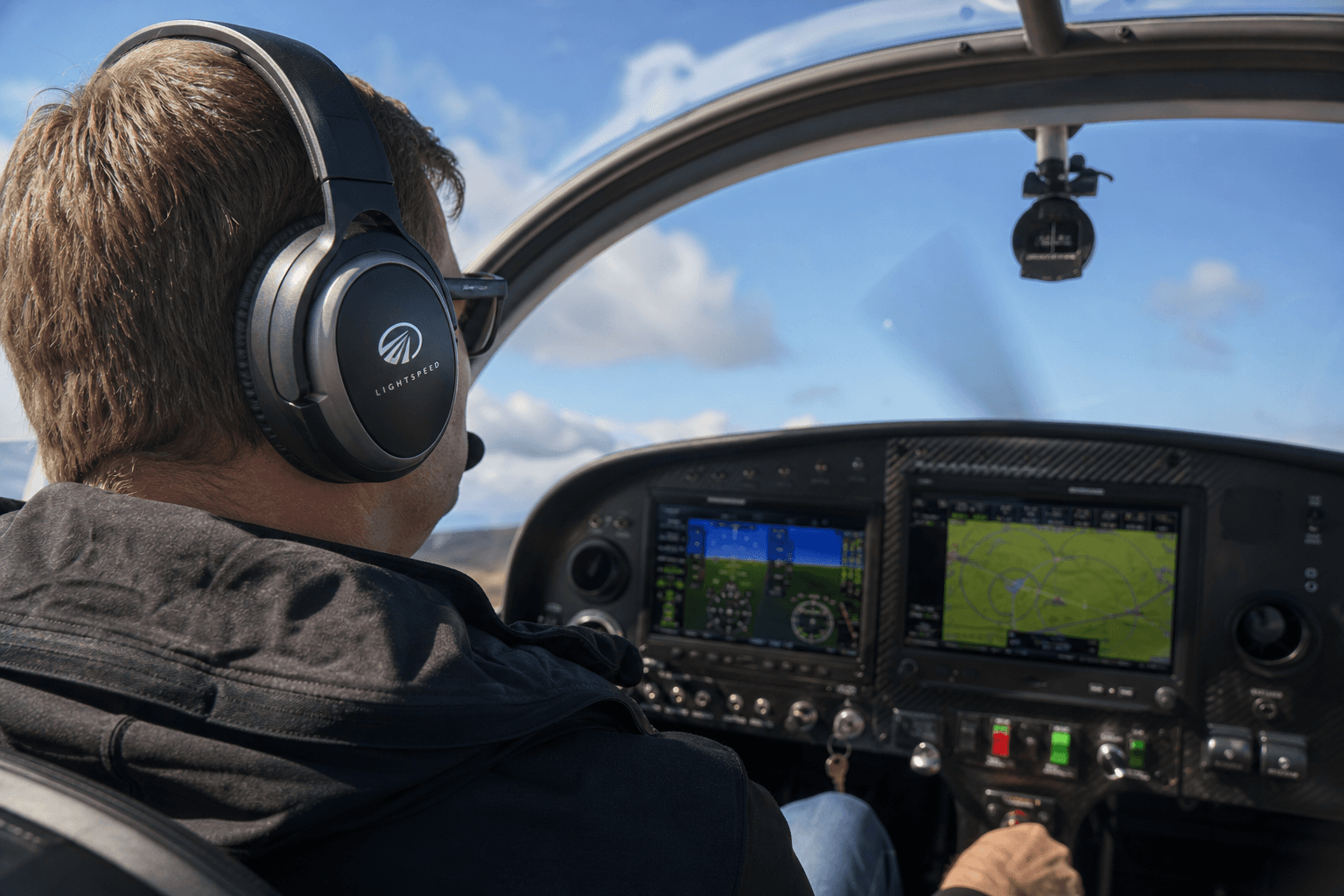
Illustration: The Touch & Go
Lightspeed and Rotax Introduce Engine-Optimized Audio Profile for Delta Zulu Headsets
Lightspeed Aviation and BRP-Rotax unveiled a Rotax-specific active noise reduction and audio profile tailored for select Rotax engines in the Delta Zulu headset line.
The gist
Lightspeed and Rotax collaborate on a headset profile enhancing audio clarity for Rotax 912 iS/c, 915 iS/c, and 916 iS engines, improving pilot communication and comfort.
Lightspeed Aviation in partnership with BRP-Rotax has developed a bespoke active noise reduction (ANR) and audio profile specifically designed for Lightspeed's Delta Zulu pilot headset models to optimize sound performance in aircraft powered by select Rotax engines. This new Rotax-specific audio setting targets the acoustic signatures and cockpit environments common to aircraft utilizing the Rotax 912 iS/c, 915 iS/c, and 916 iS engine platforms. Pilots operating these aircraft can now select the dedicated Rotax profile via the Lightspeed mobile app, alongside Lightspeed’s existing Signature ANR mode.
This initiative represents the first instance of an aviation headset manufacturer creating a finely tuned acoustic profile tailored to the noise signatures of a particular aircraft engine family. The goal is to improve cockpit sound clarity and comfort by adjusting the Delta Zulu’s audio response to the frequency characteristics generated by the Rotax engines in question. Lightspeed states that this tailored acoustic performance reduces cockpit noise interference, enabling clearer pilot-to-ATC communication and enhanced in-flight comfort.
The project has been under development for approximately one year, reflecting a close collaboration between Lightspeed and Rotax. Marc Becker, head of aircraft business at BRP-Rotax, explained that the partnership aligns with Rotax’s philosophy of enhancing the full pilot experience beyond just the engine’s mechanical performance. According to Becker, the specialized audio profile is a meaningful enhancement for pilots flying Rotax-powered aircraft equipped with the Delta Zulu headset, providing a cockpit audio experience that resonates with the unique sound environment those engines produce.
The Rotax Care program is integral to this development. Delta Zulu headsets offered through Rotax Care enrollments will come pre-loaded with the new Rotax-specific audio profile starting in August. Rotax Care itself extends the warranty coverage on eligible Rotax four-stroke aircraft engines by an additional three years past the standard warranty period or up to the engine’s time between overhauls, whichever occurs first. By bundling the headset profile with Rotax Care, Rotax aims to deliver added value and peace of mind to its customers who rely on these engines.
Current Delta Zulu headset owners who do not purchase through Rotax Care will gain access to the Rotax-optimized audio profile via a forthcoming firmware update scheduled for release in the fall. This update reflects Lightspeed's commitment to supporting existing customers by providing continuous improvements that enhance safety and operational quality. The company emphasizes that the option between the Rotax-specific setting and the standard Signature profile allows pilots to select the best fit for their individual engine and noise environment.
The Rotax 912 iS/c, 915 iS/c, and 916 iS engine models are representative of a growing segment of light aircraft engines known for advanced technology, fuel efficiency, and lower noise emissions. Developing a headset profile attuned to these engines not only improves pilot comfort but also exemplifies how integrating avionics and aircraft powerplant considerations can elevate the flight experience. This marks a notable advancement in headset customization tailored to specific aircraft engine acoustic profiles.
The collaboration between Lightspeed and Rotax may set a precedent for future audio profile developments customized for other engine types and aircraft. As pilots and manufacturers increasingly seek ergonomic and performance enhancements, such integrated solutions could become a differentiator in the general aviation market. The careful acoustic tuning demonstrated here aligns with industry trends towards more personalized and optimized cockpit environments.
Introducing this tailored ANR and audio profile advances the functionality of the Delta Zulu headset beyond universal solutions by incorporating data on engine noise frequency and cockpit layout into its active noise cancellation algorithms. This focused approach signals a move toward highly specialized aviation headsets that consider operator preferences synchronized with aircraft-specific factors, thus potentially improving communication clarity and reducing pilot fatigue during flights.
Frequently asked questions
- Which Rotax engines are supported by the new Lightspeed Delta Zulu headset audio profile?
- The new audio profile supports Rotax 912 iS/c, 915 iS/c, and 916 iS aircraft engines.
- How can pilots access the Rotax-specific audio profile on the Delta Zulu headset?
- Pilots can select the Rotax profile via the Lightspeed mobile app, and existing headset owners will receive it through a firmware update in the fall.
- What benefit does the Rotax Care program provide with the Delta Zulu headsets?
- Rotax Care extends engine warranty coverage and supplies Delta Zulu headsets preloaded with the Rotax-specific profile for qualifying enrollments starting August.
Read more
All MRO/Maintenance →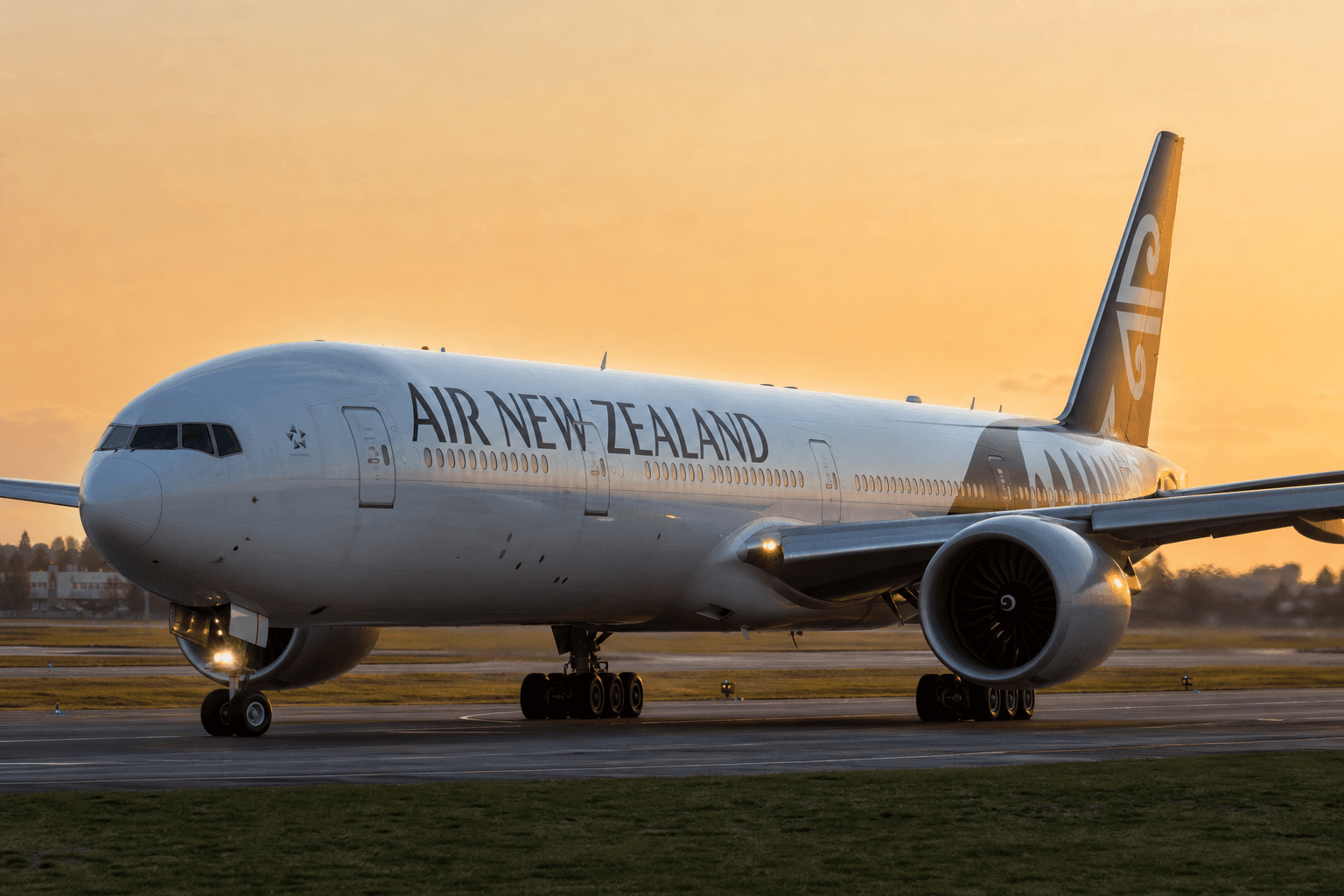
Air New Zealand to Retrofit Boeing 777 Fleet with New Business Class Seats in 2027
Air New Zealand has just unveiled plans to retrofit its entire Boeing 777 with new business class seats starting in 2027. However, these won't be the same new business class seats that are currently being installed on the Boeing 787 fleet… and that's probably a good thing? Air New Zealand plans reverse herringbone seats for 777s Air New Zealand intends to introduce a new business class product on its entire fleet of seven Boeing 777-300ERs (that excludes the ex-Cathay Pacific frames). Specifically, the airline will be installing reverse herringbone seats with doors on these aircraft, based on the Collins Aerospace Elevation platform. The cabin will feature 44 seats (just as it does now), with seats having 43″ of pitch. All seats will have direct aisle access and privacy doors, and center seats will have sliding privacy dividers between them. Seat back entertainment will consist of 18″ monitors with bluetooth audio. The seats will also have USB-A and USB-C charging, but no wireless charging. Air New Zealand's plan is to reconfigure the first aircraft with these interiors as of March 2027, with hopes of having the plane in service by May 2027. Of course when we're talking about aircraft interiors, it's especially important to emphasize that delays are common, and even likely. As before, the planes will feature 342 seats, with the same number of business class seats. However, we're going to see two premium economy seats removed and two economy seats added, as obviously a little more space was needed to make room for these seats. New Air New Zealand 777 business class cabin New Air New Zealand 777 business class cabin Here's what's Air New Zealand Chief Customer & Digital Officer, Jeremy O'Brien, had to say about this project: "Our current Business Premier and Economy cabins have served us exceptionally well since we welcomed the first 777-300ER into our fleet in late 2010, however the time is right to raise the bar once again. Alongside our retrofitted 787-9 Dreamliners, these upgrades will deliver a more consistent experience across Air New Zealand's international fleet, with a design and production standard that matches the world-class Kiwi service we're proud to provide onboard. Our Boeing 777-300ER aircraft continue to play a key role in our international network, and upgrading the interiors means we can keep these aircraft flying for longer, while reducing the maintenance demands that come with an older cabin product." New Air New Zealand 777 business class seat This looks great, even if the inconsistency is odd Air New Zealand's new 777 business class is long overdue, and customers should be very happy about this. There's nothing cutting edge about it, but it puts the product in the category of being very competitive. That's a massive contrast to the current herringbone seats you have on these planes, which I'd argue are among the worst business class seats (at least purpose-built long haul ones) flying nowadays. Now, from a consistency standpoint, I do find it strange how Air New Zealand is currently installing two different new business class seats on two different fleet types. In some cases that's necessary due to cabin width, but clearly that's not the case here, since the 777 cabin is actually wider than the 787 cabin. Ironically, I think Air New Zealand's new off the shelf business class on the 777 is a superior product to the custom product on the 787 , which doesn't even have doors. New Air New Zealand 787 business class cabin New Air New Zealand 787 business class seat Bottom line Air New Zealand will be installing a new business class product on its Boeing 777 fleet, which is long overdue. The airline will be installing a familiar reverse herringbone product with doors, which represents a major upgrade over the carrier's current herringbone seats on these planes. The only thing I can't make sense of is why the airline is installing a different product than on the Boeing 787 fleet. Admittedly I actually think this product is better than the new 787 product. Regardless, it's nice to see Air New Zealand's entire long haul fleet get a refresh. What do you make of Air New Zealand's new 777 business class?
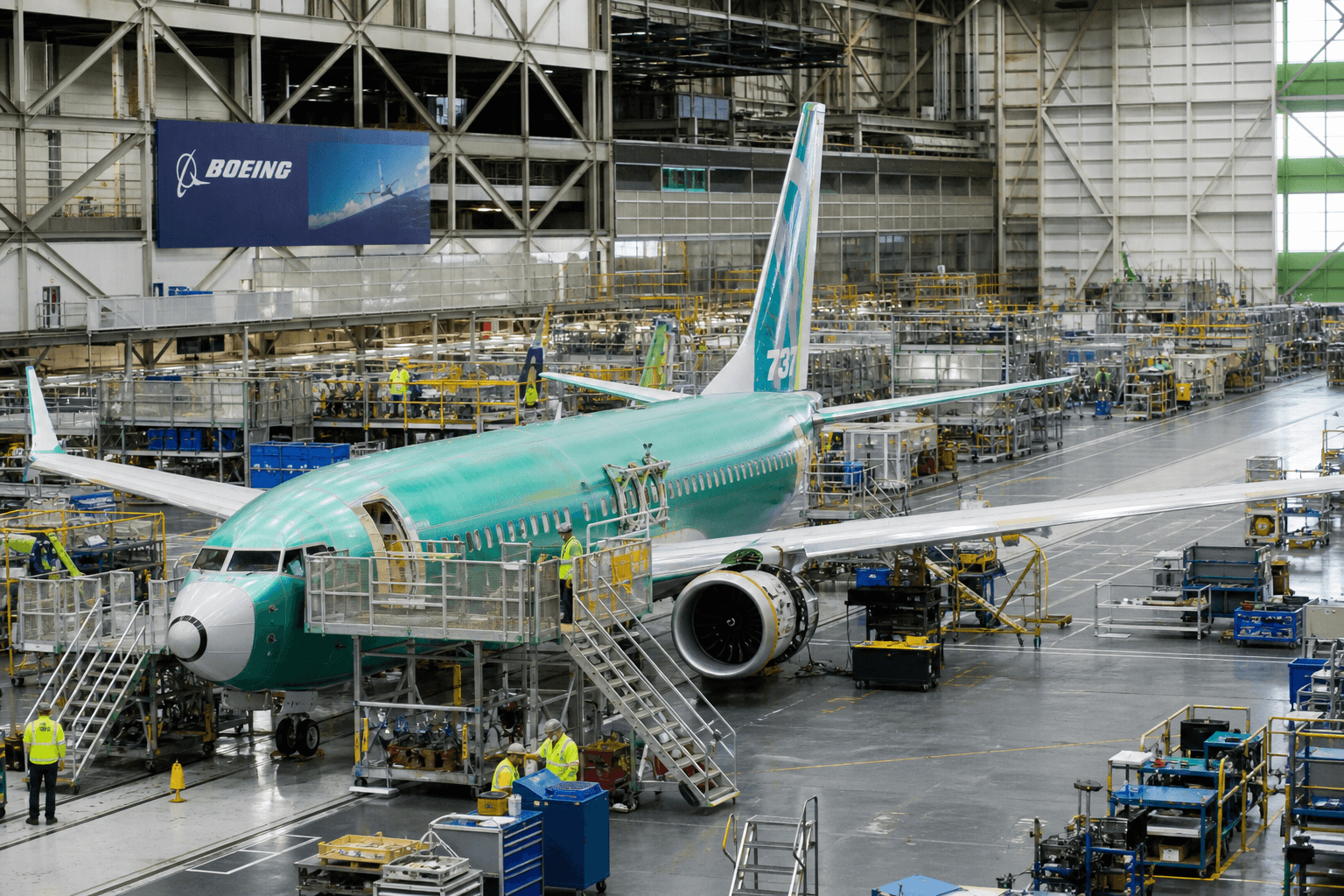
Boeing invests $10 billion to overhaul 737 Max production in historic Everett plant
EVERETT — Time and again, the future Boeing planned for and the one that resulted have been radically different. Nineteen years after Boeing rolled back the doors of its Everett, Washington factory to reveal the first 787 Dreamliner to the world, that same setting is once again poised to play a key role — bankrolling the company's future as an airplane developer. Boeing is plowing around $10 billion into putting the 737 back […]
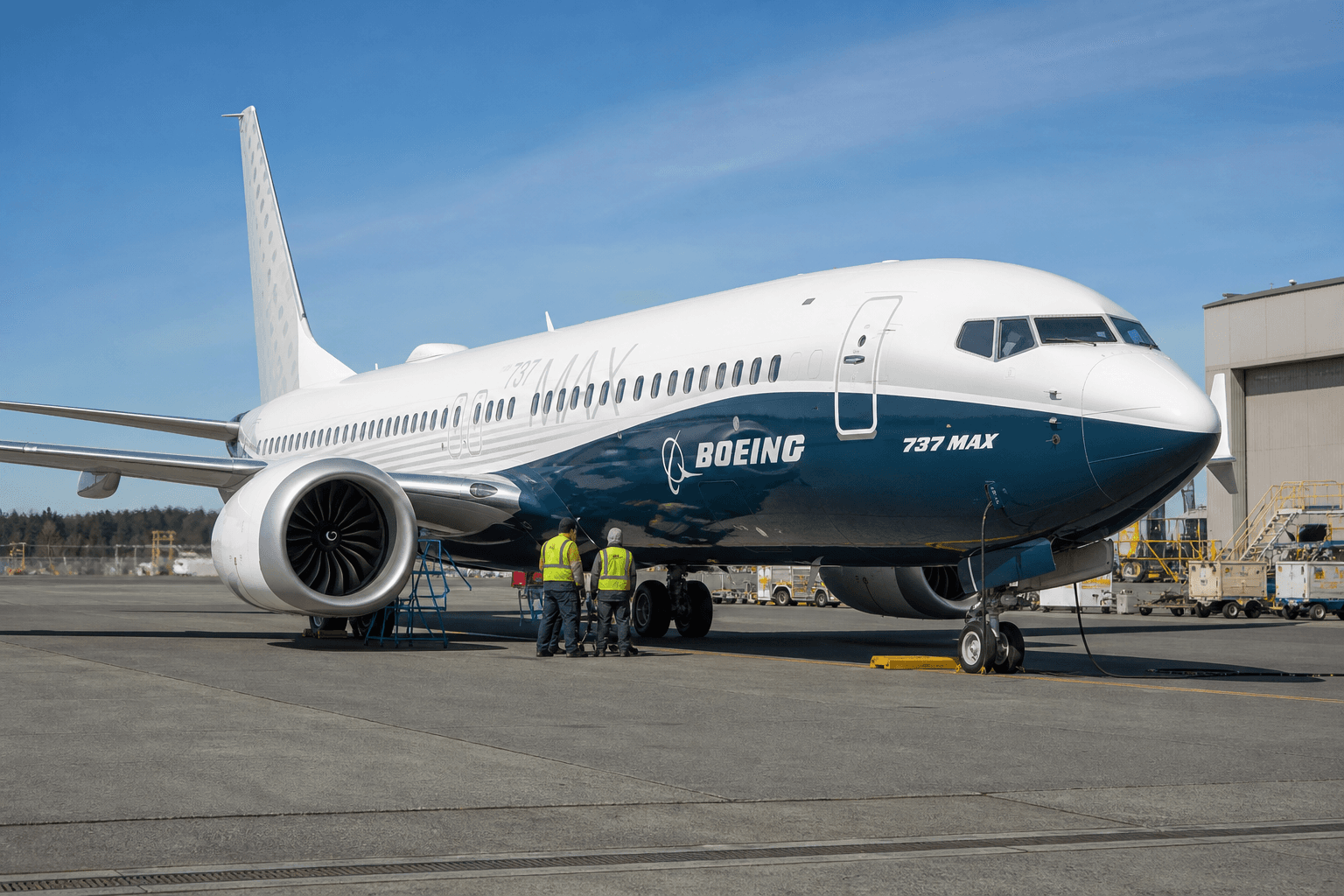
China's ICBC seeks DGCA deregistration of four SpiceJet Boeing 737 MAX 8s over engine issues
Industrial and Commercial Bank of China (ICBC) has turned to India's Directorate General of Civil Aviation (DGCA) to deregister four Boeing 737 MAX 8 jets leased to SpiceJet. Dated on July 9, 2026, the four IDERA (Irrevocable De-Registration and Export Request Authorization) Deregistration Request documents were submitted by SKY HIGH LXXVIII and SKY HIGH LXXX Both lessors, owned by Industrial and Commercial Bank of China, are based in Dubin, Republic of Ireland. If the DGCA proceed with the deregulation then the four SpiceJet Boeing 737 MAX 8 jets will be removed from India's civil aircraft register. Industrial and Commercial Bank of China would then look to take possession of the aircraft and remove them from India. SpiceJet says aircraft not part of current operational fleet In response to the deregulation request, SpiceJet said that the four aircraft had been on the ground for some time due to high-pressure turbine issues in their engines. According to Planespotters.net, the four aircraft (registered VT-MXA, VT-MXB, VT-MXC and VT-MAX) were all placed in storage in either 2024 or 2025. The 737-8s are all just under eight years old. "The deregistration of these aircraft will eliminate lease rental costs on assets that have remained non-operational for a prolonged period. There is no impact on the airline's operations, as these aircraft have been out of service for a considerable time," a SpiceJet spokesperson said. In February 2026, Ajay Singh, Chairman and Managing Director of SpiceJet, said that "while legacy costs and external factors continue to weigh on expenses, the core business is clearly strengthening". "This quarter reflects the progress we have been working steadily towards. Higher revenues, improving yields and a sharp reduction in losses demonstrate that our operational strategy is delivering results," Singh said. He added: "With more aircraft in service, a sharper network focus and continued balance sheet repair, we are building a more resilient airline, step by step." Executives as the airline have mandated a calibrated ramp-up of fleet size to 55-60 aircraft effective in the winter schedule, through a mix of wet and damp leases as well as the return to service of existing grounded aircraft. RELATED Riyadh Air weighs firm order for 25-30 more Boeing 787s

Liverpool Pilot Skywrites 'I'm Bored' During Two-Hour Piper Tomahawk Test Flight
A pilot decided to skywrite the words "I'm Bored" in the skies above Liverpool , United Kingdom, during a two-hour test flight. The aircraft, which had departed from Liverpool John Lennon Airport (LPL), had been in the air for two hours after engine maintenance required mandatory flight testing, which can typically last several hours.
The Daily Touch & Go
The day's best aviation news in your inbox. Free, no spam.