

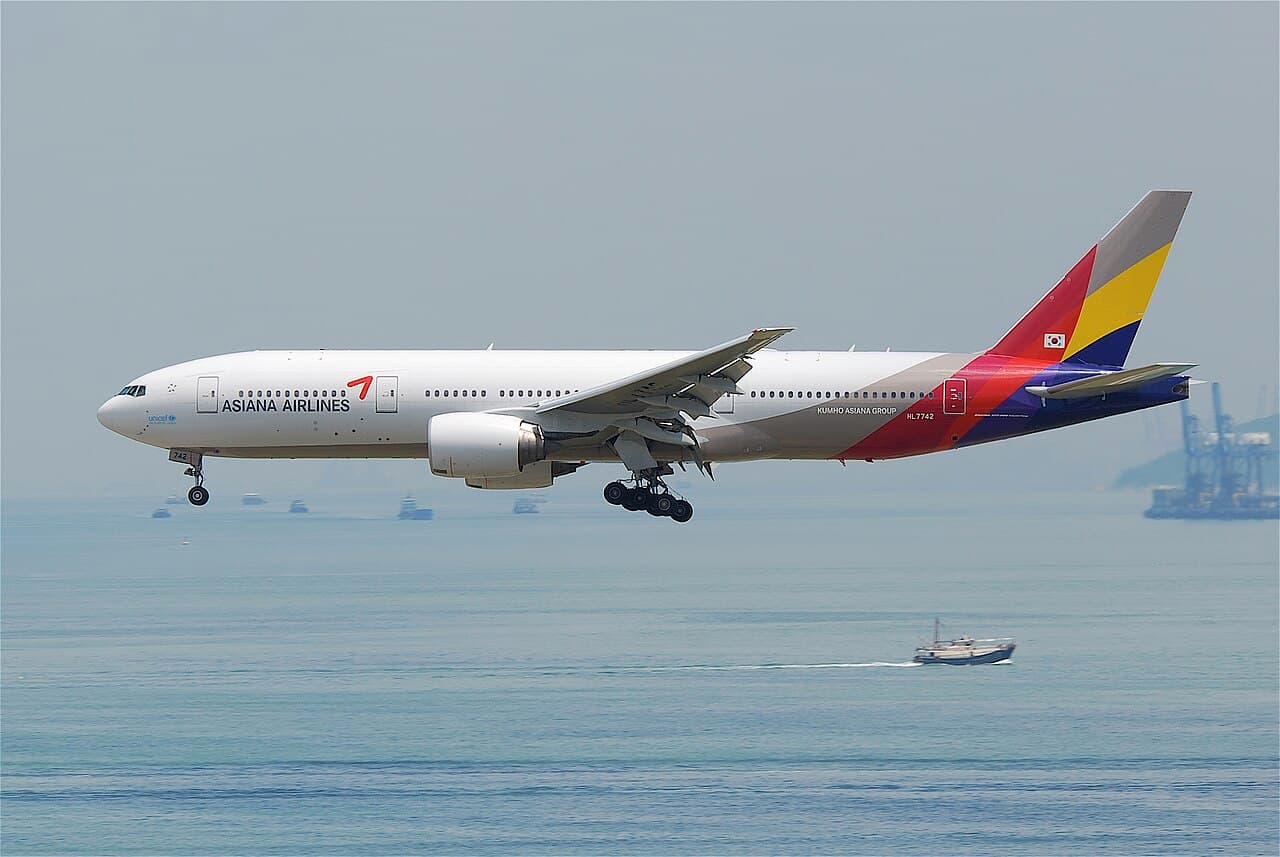
Image: Aero Icarus from Zürich, Switzerland · CC BY-SA 2.0 · via Wikimedia Commons
Air New Zealand unveils cabin upgrades for Boeing 777-300ER fleet
The airline will retrofit its Boeing 777-300ERs with new Business Premier and Economy cabins, harmonizing with its updated 787-9 Dreamliner interiors to extend aircraft service life and improve passenger comfort.
The gist
Air New Zealand will refresh its 777-300ER cabins with modern seats and amenities, aligning with 787-9 standards to enhance comfort and maintain fleet efficiency.
Continuing coverage
All Boeing 777-300er →Air New Zealand has announced a significant cabin overhaul for its Boeing 777-300ER fleet, aiming to modernize its long-haul international service. The airline will replace both Business Premier and Economy cabins across the 777-300ERs to create a refreshed, more consistent passenger experience that mirrors the recently retrofitted Boeing 787-9 Dreamliners. This update is part of a wider effort to sustain product competitiveness and ease maintenance on the aging 777 interiors.
Jeremy O’Brien, Air New Zealand's Chief Customer & Digital Officer, emphasized that the current Business Premier and Economy configurations have served well since their introduction in late 2010. However, aging cabin materials and increasing upkeep costs have made an update timely. The new cabins are intended to prolong the operational viability of the 777-300ERs, which remain central to the airline’s international routes, while enhancing passenger experience through more modern design and technology.
Central to the Business Premier refurbishment is the introduction of Collins Elevation seats arranged in a forward-facing, reverse herringbone layout, a configuration already being phased in on the airline’s 787-9 aircraft. These seats will offer passengers increased privacy through doors on every seat as well as sliding dividers on center seats. The 44-seat cabin will maintain its current total number of seats but provide greater personal space, featuring lie-flat capabilities and 43-inch seat pitch.
The Business Premier seats will also incorporate contemporary inflight entertainment systems, including 18-inch screens with Bluetooth audio connectivity. Multiple power options will be available, with USB A and USB C ports to facilitate charging and device connectivity. These changes signal a clear upgrade over the existing Business Premier cabin by integrating advanced comfort and tech features aligned with current long-haul standards.
Economy class will also undergo a comprehensive redesign, receiving ZIM-manufactured ergonomically designed seats and upgraded entertainment screens. Despite the seating increase from 244 to 246, the design will allow for increased comfort with Economy Stretch options providing a 35-inch seat pitch and standard Economy seats offering a 31- to 32-inch pitch. Passengers will also benefit from 13-inch screens with Bluetooth capabilities and USB C ports for electronic devices.
Premium Economy cabins will remain unchanged for the time being, having recently undergone a refresh involving new seat covers and cabin curtains. The decision to hold off on further modifications here underscores the airline’s phased approach to cabin modernization focusing first on the 777-300ER’s Business Premier and Economy cabins.
The retrofit program is scheduled to begin in March 2027 with the first upgraded 777-300ER expected to re-enter service by May 2027. As part of the reconfiguration, two Premium Economy seats will be removed to maintain a total cabin count of 342. The Economy cabin will increase slightly by two seats, including incorporation of 16 Skycouch rows for additional comfort options on long-haul flights.
This cabin reconfiguration highlights Air New Zealand’s strategic investment in extending the lifespan of its 777-300ER aircraft, while maintaining a competitive product in a market where passenger experience and upkeep costs are critical. The modernization aligns closely with previous upgrades on the 787-9 fleet, promising a harmonized fleet onboard experience across the airline’s international operations.
Frequently asked questions
- What are the key features of the new Business Premier cabin on Air New Zealand's 777-300ER?
- The new Business Premier cabin will have 44 seats with a 43-inch pitch, lie-flat Collins Elevation seats in a forward-facing reverse herringbone layout, doors on every seat, sliding privacy dividers on center seats, 18-inch entertainment screens with Bluetooth, and USB A and C ports.
- How will the Economy cabin seating change in the Air New Zealand 777-300ER retrofit?
- Economy class will increase to 246 seats, including Economy Stretch seats with 35-inch pitch and standard seats with 31-32 inch pitch, upgraded ZIM-designed ergonomic seats, 13-inch entertainment screens with Bluetooth audio, and USB C ports.
- When is Air New Zealand planning to retrofit its Boeing 777-300ER fleet cabins?
- The retrofit is scheduled to start in March 2027 on the first 777-300ER, with the upgraded aircraft expected to return to service by May 2027.
Read more
All MRO/Maintenance →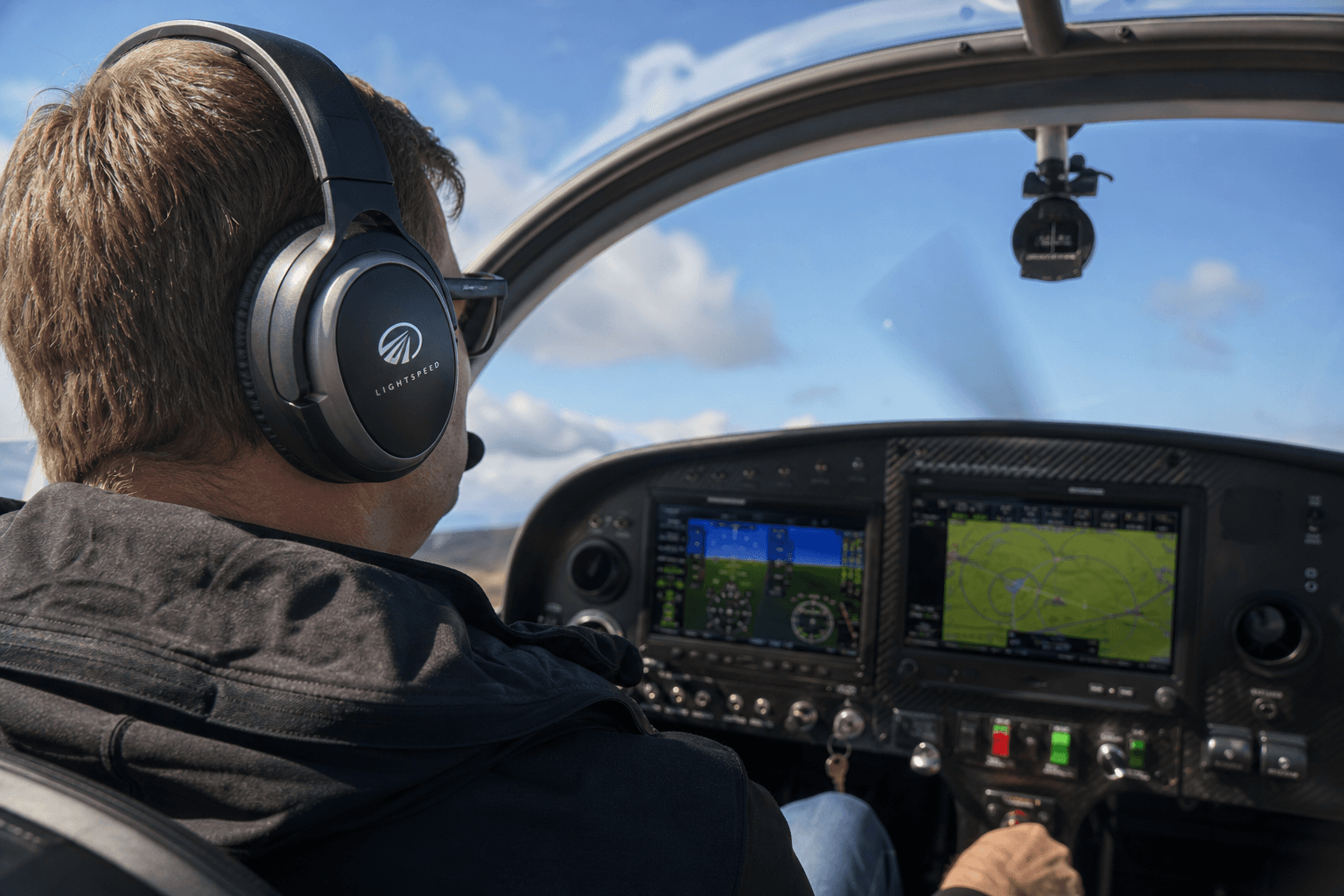
Lightspeed and Rotax Introduce Engine-Optimized Audio Profile for Delta Zulu Headsets
Lightspeed Aviation and BRP-Rotax announced a Rotax-specific Active Noise Reduction and audio profile for the Lightspeed Delta Zulu headset on Wednesday. The setting is designed around the specific acoustic characteristics and cockpit configurations associated with Rotax 912 iS/c, 915 iS/c and 916 iS aircraft engines. Rotax-Tailored Audio Pilots will select either the Rotax setting or Lightspeed's existing Signature ANR and audio profile through the Lightspeed app. Lightspeed said the new option adjusts the headset's acoustic performance to match frequency characteristics associated with the supported Rotax platforms in order to provide clearer communication and enhanced cockpit comfort. "At BRP-Rotax, we focus on the entire ownership and flight experience, not only the engine itself," Marc Becker, head of aircraft business at BRP-Rotax, said. "This collaboration with Lightspeed Aviation is a smart addition to Rotax Care and brings real value to Rotax-powered pilots using the Lightspeed Delta Zulu — a cockpit audio experience tuned to the sound characteristics of Rotax engines." Lightspeed began working with Rotax on the profile about a year ago, according to a company presentation. The companies said the project represents the first aviation headset profile developed to optimize acoustic performance for a particular engine platform. Rotax Care and Firmware Update Lightspeed Delta Zulu headsets will also come with qualifying Rotax Care enrollments. The optional program extends warranty coverage for eligible Rotax four-stroke aircraft engines by three years beyond the standard warranty, or until the engine reaches time between overhaul, whichever comes first. Delta Zulu headsets distributed through the Rotax Care program will begin arriving with the new profile installed in August. Current Delta Zulu owners are expected to receive access through a firmware update later this fall.
Boeing invests $10 billion to overhaul 737 Max production in historic Everett plant
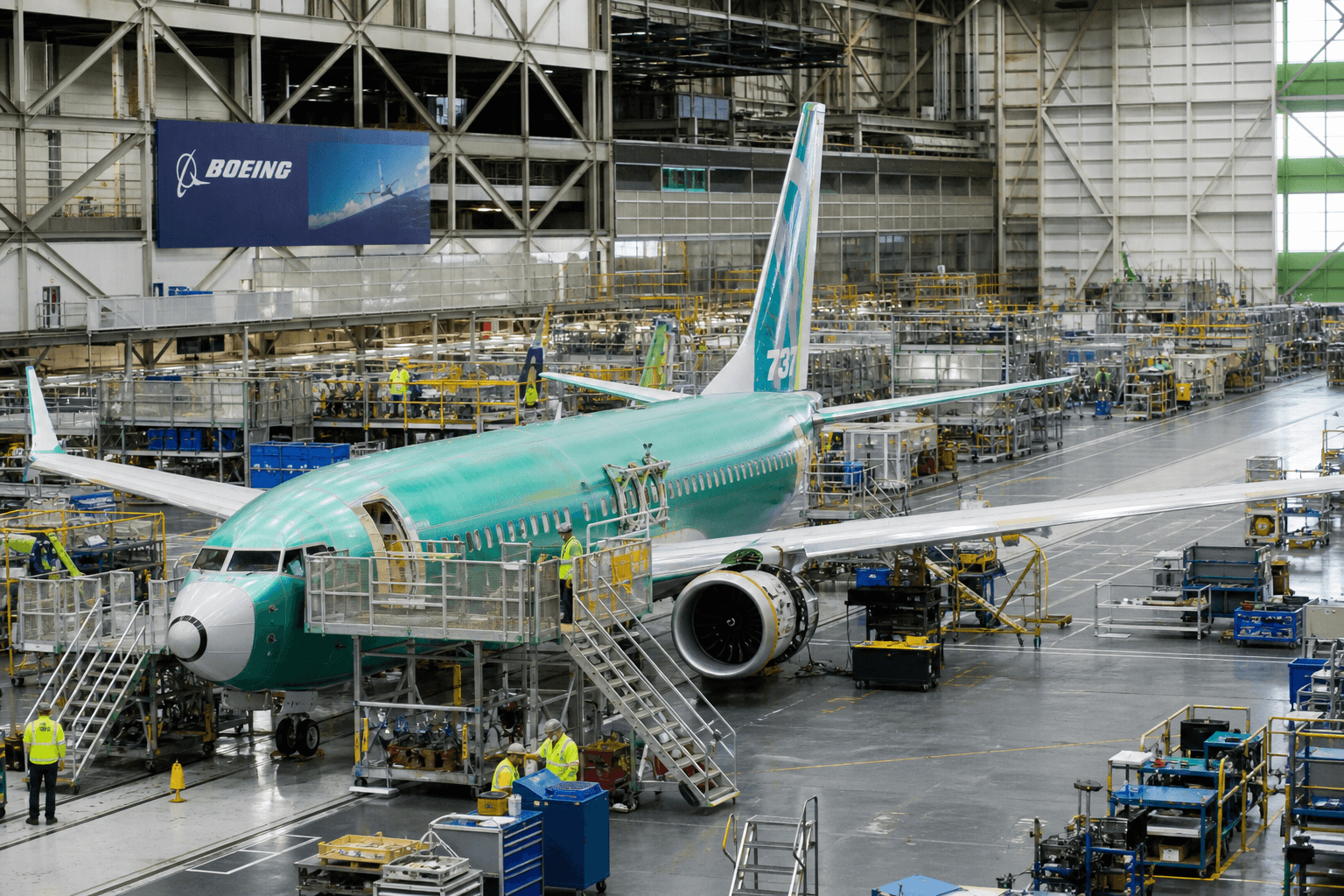
EVERETT — Time and again, the future Boeing planned for and the one that resulted have been radically different. Nineteen years after Boeing rolled back the doors of its Everett, Washington factory to reveal the first 787 Dreamliner to the world, that same setting is once again poised to play a key role — bankrolling the company's future as an airplane developer. Boeing is plowing around $10 billion into putting the 737 back […]
China's ICBC seeks DGCA deregistration of four SpiceJet Boeing 737 MAX 8s over engine issues
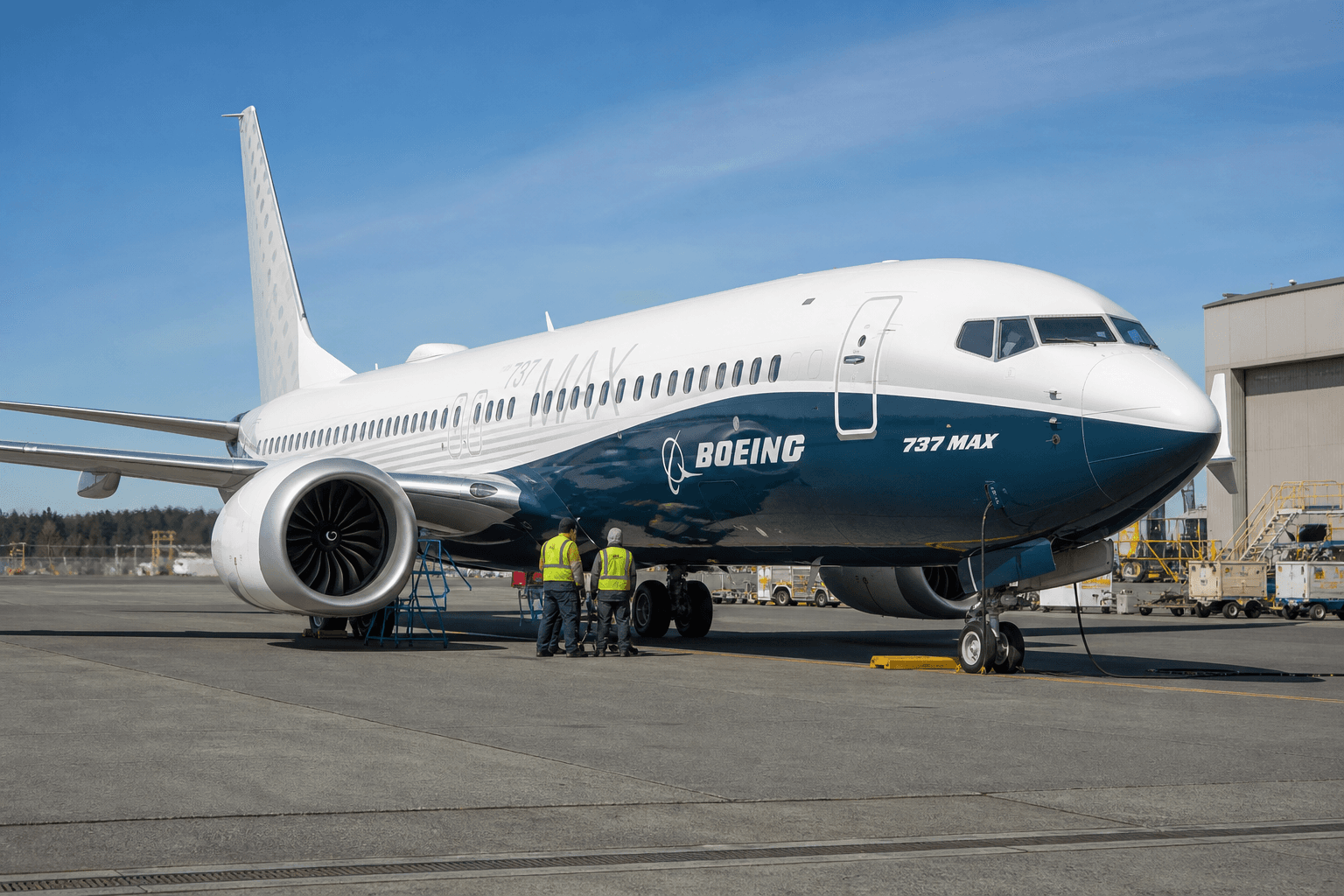
Industrial and Commercial Bank of China (ICBC) has turned to India's Directorate General of Civil Aviation (DGCA) to deregister four Boeing 737 MAX 8 jets leased to SpiceJet. Dated on July 9, 2026, the four IDERA (Irrevocable De-Registration and Export Request Authorization) Deregistration Request documents were submitted by SKY HIGH LXXVIII and SKY HIGH LXXX Both lessors, owned by Industrial and Commercial Bank of China, are based in Dubin, Republic of Ireland. If the DGCA proceed with the deregulation then the four SpiceJet Boeing 737 MAX 8 jets will be removed from India's civil aircraft register. Industrial and Commercial Bank of China would then look to take possession of the aircraft and remove them from India. SpiceJet says aircraft not part of current operational fleet In response to the deregulation request, SpiceJet said that the four aircraft had been on the ground for some time due to high-pressure turbine issues in their engines. According to Planespotters.net, the four aircraft (registered VT-MXA, VT-MXB, VT-MXC and VT-MAX) were all placed in storage in either 2024 or 2025. The 737-8s are all just under eight years old. "The deregistration of these aircraft will eliminate lease rental costs on assets that have remained non-operational for a prolonged period. There is no impact on the airline's operations, as these aircraft have been out of service for a considerable time," a SpiceJet spokesperson said. In February 2026, Ajay Singh, Chairman and Managing Director of SpiceJet, said that "while legacy costs and external factors continue to weigh on expenses, the core business is clearly strengthening". "This quarter reflects the progress we have been working steadily towards. Higher revenues, improving yields and a sharp reduction in losses demonstrate that our operational strategy is delivering results," Singh said. He added: "With more aircraft in service, a sharper network focus and continued balance sheet repair, we are building a more resilient airline, step by step." Executives as the airline have mandated a calibrated ramp-up of fleet size to 55-60 aircraft effective in the winter schedule, through a mix of wet and damp leases as well as the return to service of existing grounded aircraft. RELATED Riyadh Air weighs firm order for 25-30 more Boeing 787s

Liverpool Pilot Skywrites 'I'm Bored' During Two-Hour Piper Tomahawk Test Flight
A pilot decided to skywrite the words "I'm Bored" in the skies above Liverpool , United Kingdom, during a two-hour test flight. The aircraft, which had departed from Liverpool John Lennon Airport (LPL), had been in the air for two hours after engine maintenance required mandatory flight testing, which can typically last several hours.
The Daily Touch & Go
The day's best aviation news in your inbox. Free, no spam.