

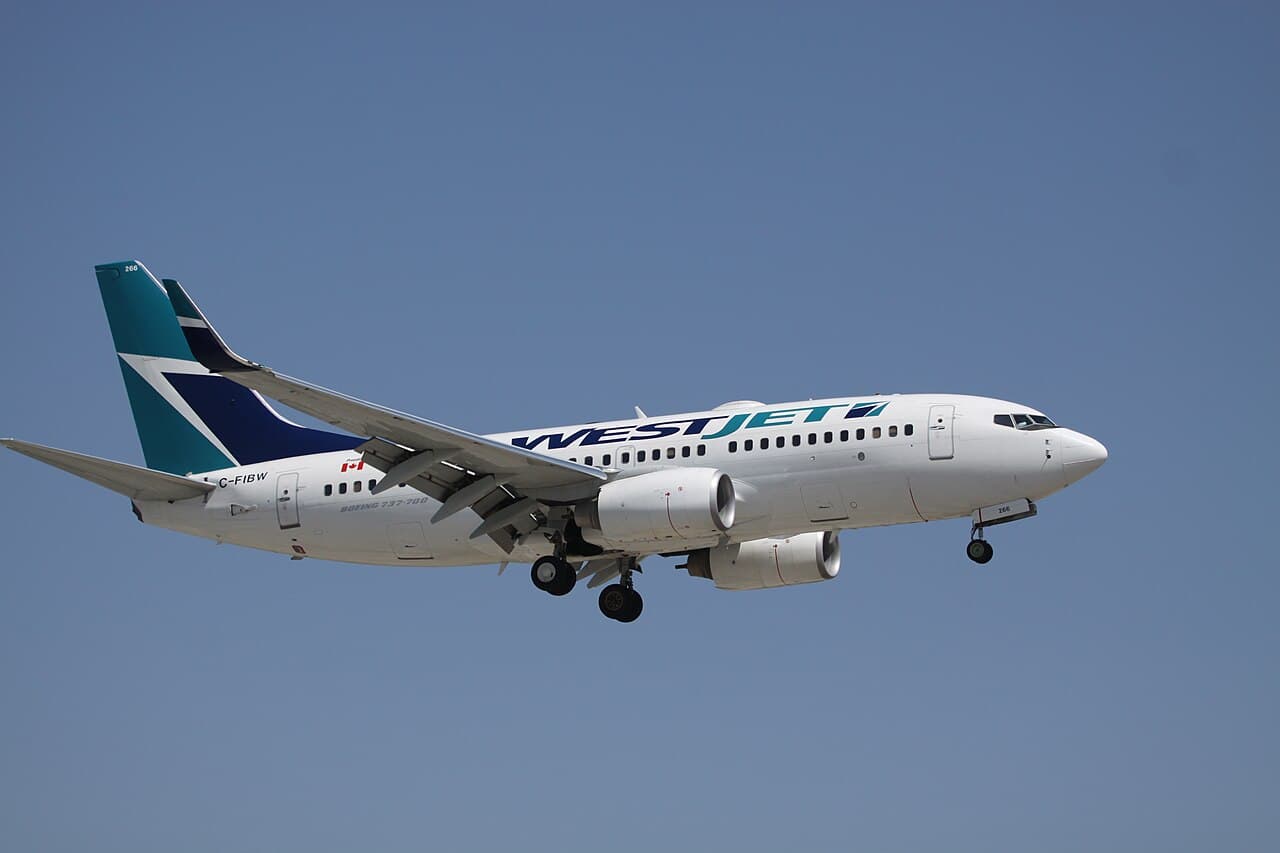
Image: Aeroprints.com · CC BY-SA 3.0 · via Wikimedia Commons
NDP Supports WestJet Flight Attendants Amid Rising Public Backing Over Pay Dispute
WestJet cabin crew, represented by CUPE 8125, prepare for possible strike as NDP calls on government to respect their right to strike and end unpaid work practices.
The gist
WestJet flight attendants receive strong public and NDP political support as a potential strike looms over unpaid work and fair pay demands.
WestJet’s cabin crew union, CUPE 8125, is poised for potential strike action starting August 2, 2026, as negotiations with the airline over unpaid work and wages reach a critical stage. The union is demanding fair compensation for all duties including boarding, deplaning, and safety checks, work that WestJet currently does not pay for. The New Democratic Party (NDP) has thrown its support behind the flight attendants by urging the federal Liberal government to respect the workers’ constitutional right to strike without intervening prematurely.
The NDP’s Labour Critic Don Davies and MP Leah Gazan sent a letter to Minister of Jobs Patty Hajdu emphasizing the importance of protecting collective bargaining rights in this dispute. They cautioned against government actions mirroring last summer’s rapid intervention during Air Canada’s flight attendants’ strike, which the NDP described as a violation of the right to strike. The party specifically warned about the misuse of Section 107 of the Canada Labour Code, which can be deployed to force back-to-work measures.
Public sentiment strongly favors the flight attendants, as evidenced by a recent Abacus Data poll taken from July 17 to 19 surveying 1,500 Canadian adults. The survey found 64% of Canadians support the flight attendants’ position in the dispute, while only 11% sympathize with WestJet. Further, 84% believe flight attendants should be compensated for all work-related activities beyond just flight time. This indicates an overwhelming consensus on the core issue of unpaid labor.
In addition, 65% of those surveyed think WestJet can afford to pay higher wages, while a mere 14% believe the airline’s current offer is the best reasonable deal. Support escalates among WestJet’s customers, with 83% backing potential strike action to secure a just contract. Other priorities from the union also enjoy high approval: 85% favor pay for all duties, 81% support inflation-linked wages, 82% back better scheduling to reduce fatigue, and 76% agree pay should reflect flight attendants’ key role in passenger safety.
CUPE 8125 President Alia Hussain praised the public’s clear understanding of the situation, framing the issue simply as one of fairness. She highlighted that flight attendants are advocating to be paid for the full scope of their work, a concept which resonates broadly with Canadians. Hussain urged WestJet to return to negotiations with meaningful proposals to avert strike action, reiterating that the union prefers a negotiated settlement over industrial action.
The union’s resolve was made explicit following a strike vote on July 15, where an overwhelming 99.4% of members voted to strike, with a turn-out of 97.3%. This mandate shows the depth of frustration among cabin crew over unpaid labor conditions. Hussain pressed the airline to choose either to continue expecting unpaid work or to negotiate an equitable agreement recognizing the essential safety contributions of flight attendants.
Meanwhile, the NDP maintains that government intervention in labor disputes often skews power toward corporate interests, undermining fair bargaining processes. MP Gazan, who introduced Bill C-247 seeking to repeal Section 107, underscored that the right to strike is safeguarded by the Canadian Charter of Rights and international law. The party urges the Liberals to avoid undermining workers striving for livable wages and respectful treatment.
The potential strike comes during summer’s peak travel season, including the busy August long weekend, which could disrupt flight schedules and passenger plans. Flight attendants face challenging work conditions, including long hours, fatigue, and inadequate pay for all tasks, sometimes effectively earning below minimum wage. A fair collective agreement would improve worker retention, safety outcomes, and the overall passenger experience, making this dispute significant for the aviation sector.
As talks continue through the mandated cooling-off period, both WestJet and federal officials face pressure to negotiate in good faith. The strong public backing revealed in the survey makes clear that Canadians favor equitable pay and the recognition of flight attendants’ vital roles. The course of this dispute will set important precedents for labor rights and working conditions in Canadian aviation.
Frequently asked questions
- What are WestJet flight attendants demanding in the current dispute?
- They are demanding fair wages that include pay for all work-related activities such as boarding, deplaning, delays, and safety checks, not just in-flight time.
- How does the public view the dispute between WestJet flight attendants and the airline?
- A recent survey showed 64% of Canadians support the flight attendants and 84% agree they should be paid for all work done, with many believing WestJet can afford to pay more.
- What role has the NDP played in the WestJet flight attendants’ dispute?
- The NDP has urged the federal government to respect the workers’ constitutional right to strike and avoid premature intervention that could undermine collective bargaining.
Read more
All Aviation Safety →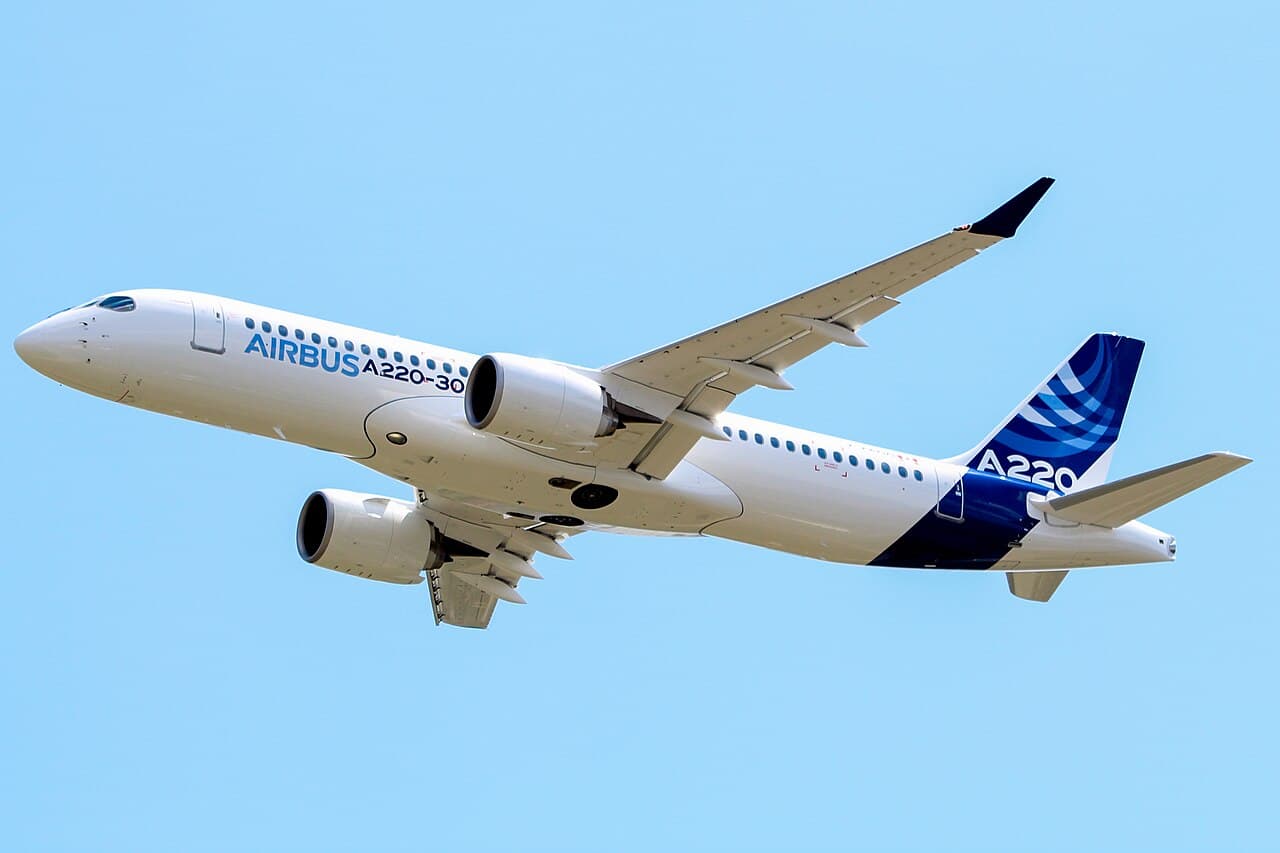
ITA Airways pioneers virtual-reality and robotic arm training for A220 and A321neo doors
Italian carrier to avoid need for full-size mock-ups by using device to simulate A220 and A321neo exits. Italian carrier ITA Airways is to use virtual-reality training for cabin crew door procedures, with the aid of a programmable robotic arm. The carrier says it will be the first airline in Europe to adopt the system for Airbus A220 as well as A321neo exit training, replacing the traditional full-size doors normally required. Its robotic arm is designed to reproduce the weight, pressure and movement associated with the opening and closing of the doors. This physical action is combined with virtual-reality headsets to simulate the 3D environment – including the cabin, the exits and the door controls, as well as sounds. ITA says it could extend the capability to other aircraft types in its fleet "Mixed reality allows us to overcome the limitations of traditional training and create highly realistic, adaptable, and safe training experiences," says chief operations officer Marzio Caneva. He adds that the carrier is "rethinking" the development of "critical skills" with the technology. The arm can expand the range of training scenarios without modifying physical equipment, and replicate malfunctions and complex events, all while reducing the space needed. Danish-based specialist AirVR has developed the system. It says the equipment is customised to airlines' individual procedures, and creating a "digital twin" of the galley or overwing exit area, with door operation based on hand-tracking technology.
Defunct Cameroon Airlines Sues Boeing for $179M Over 1995 737-200 Crash
Boeing is suing to block a defunct airline's $179 million claim over a 1995 Cameroon Airlines 737 crash. The accident report blamed engine failure and pilot handling, while Boeing says the airline's purchase contract waived these claims decades ago.
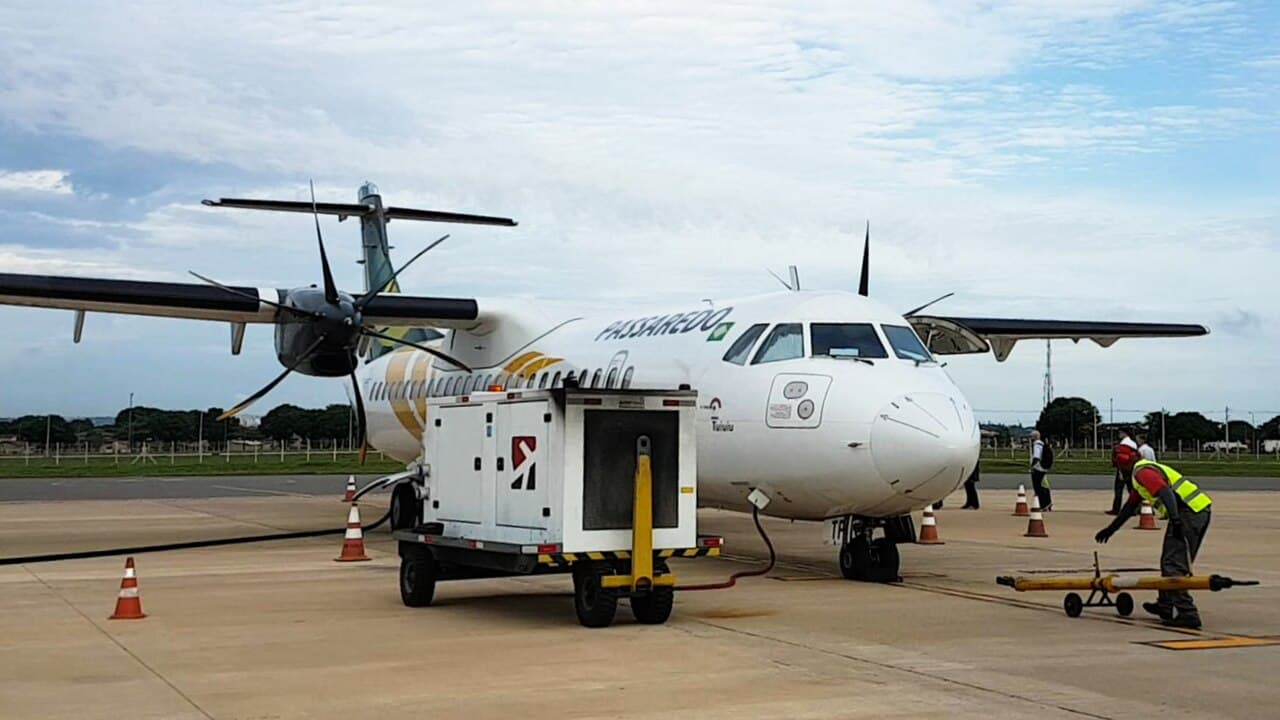
Final Investigation Reveals Multiple Failures in Voepass Flight 2283 Crash
The final report on the tragic Voepass Flight 2283 accident was released on July 23, 2026. Brazil’s CENIPA (Center for Investigation and Prevention of Aeronautical Accidents) spent nearly two years examining the crash that killed all 62 people on board. ezstandalone.cmd.push(function () { ezstandalone.showAds(119); }); The document reveals a chain of failures involving severe icing, crew actions, company practices, and regulatory gaps. What Happened in the Voepass Accident On August 9, 2024, an ATR 72-500 turboprop departed from Cascavel, Paraná, heading to São Paulo’s Guarulhos Airport. The aircraft encountered severe icing conditions during cruise. ezstandalone.cmd.push(function () { ezstandalone.showAds(127); }); Ice buildup degraded its performance, causing a stall and an unrecoverable flat spin. The plane crashed in a residential area of Vinhedo, São Paulo. Sadly, none of the 58 passengers and four crew members survived. CENIPA’s 266-page report identifies 19 contributing factors. It does not blame one single cause. Instead, it shows how multiple issues combined to create the disaster. ezstandalone.cmd.push(function () { ezstandalone.showAds(128); }); Initial Accident Report Severe Icing and Aircraft Problems The report confirms the plane flew through conditions highly favourable to heavy ice formation. The airframe de-icing system was already known to have issues. Investigators found the aircraft should not have been dispatched for this flight. It operated with about 10 inoperative items, including a faulty windshield wiper—a “No-Go” item given the weather forecast. ezstandalone.cmd.push(function () { ezstandalone.showAds(129); }); Previous flights showed recurring de-icing problems. However, crews often failed to log these faults properly. This practice hid the chronic nature of the defects and delayed proper repairs. Crew Actions and Human Factors Cockpit voice recordings revealed that pilots discussed personal topics during critical phases. This distraction contributed to “inattentional blindness.” The crew received multiple alerts: ice detection warnings, “Cruise Speed Low” (sounded about eight times), and “Degraded Performance.” They recognized ice accumulation but did not exit the area promptly or follow manufacturer procedures for minimum safe speeds. When the stall occurred, incorrect control inputs worsened the situation. The report notes the de-icing system was cycled on and off during the flight. ezstandalone.cmd.push(function () { ezstandalone.showAds(130); }); Details of Preliminary Report Company Culture and Maintenance Issues A major finding points to Voepass’s organizational culture. The airline tolerated a “normalization of deviations.” Mechanics and pilots frequently avoided recording problems to keep aircraft flying and meet schedules. Analysis of over 1,200 previous flights confirmed this pattern across multiple crews. Pressure to maintain operations, staff shortages, and fatigue contributed to poor maintenance discipline. Planes were sometimes released in degraded condition. ezstandalone.cmd.push(function () { ezstandalone.showAds(131); }); Regulatory Oversight Shortcomings The report also criticizes Brazil’s civil aviation authority, ANAC. Auditors had identified maintenance and safety issues at Voepass between 2022 and 2024. While some sanctions were applied, these actions proved insufficient to eliminate the risks. Aftermath and Recommendations Following the accident, authorities suspended Voepass operations and later revoked its air operator certificate. CENIPA issued safety recommendations to the airline, ANAC, aircraft manufacturer ATR, and European regulators. These aim to improve de-icing procedures, maintenance logging, crew training, and oversight. The investigation remains technical and preventive. Separate criminal inquiries continue. ezstandalone.cmd.push(function () { ezstandalone.showAds(132); }); VOEPASS Linhas Aéreas, CC BY-SA 4.0 via Wikimedia Commons Lessons for Aviation Safety The Voepass accident final report serves as a stark reminder that disasters often result from many small failures aligning. It highlights the importance of strong safety cultures, proper maintenance reporting, and effective regulatory action. Aviation authorities worldwide can use these findings to strengthen procedures and prevent similar tragedies. Families of the victims and the industry now hope the recommendations lead to real change. Safety must always come before schedules and profits. ezstandalone.cmd.push(function () { ezstandalone.showAds(133); });
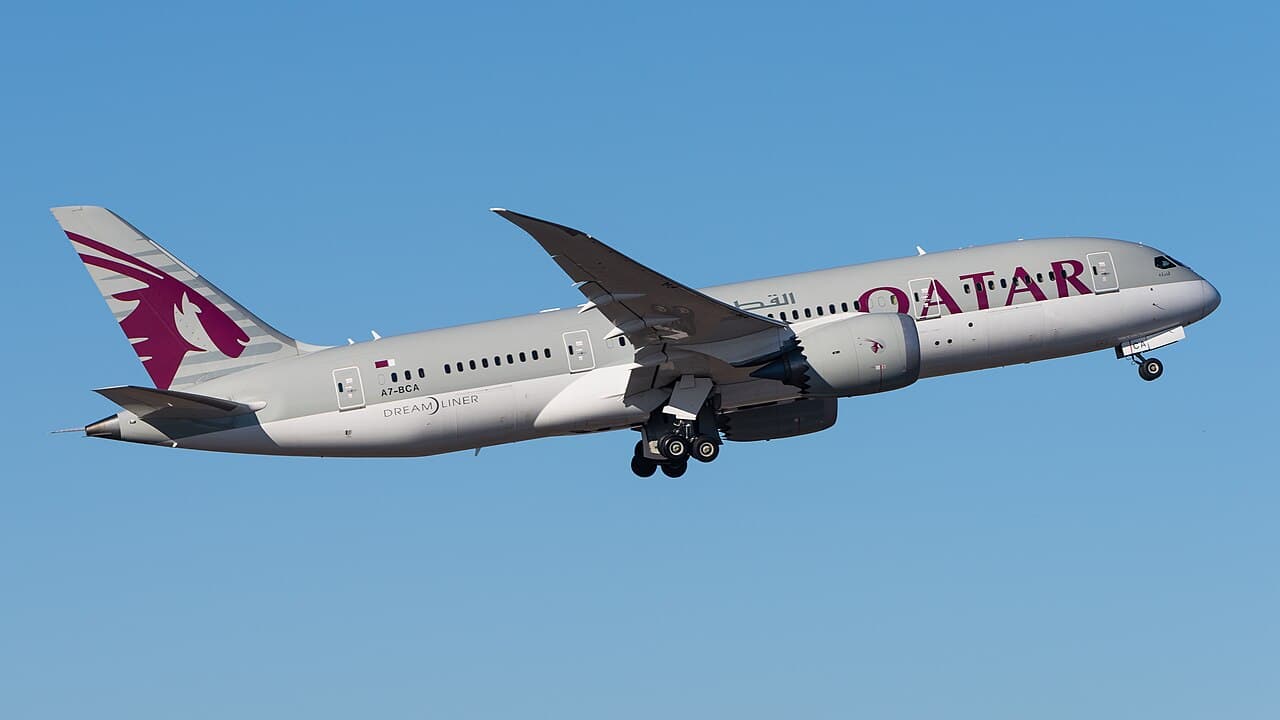
American Airlines Boeing 787 Diverts to Dublin After Multiple Flight Attendants Fall Ill Mid-Flight
An American Airlines Boeing 787-9 Dreamliner with as many as 284 passengers on board made an emergency landing in Dublin, Ireland, on Saturday afternoon after six of the eight flight attendants on the service from Rome to Philadelphia reportedly felt ill as the plane started its transatlantic service. American Airlines flight AA-719 departed Rome Fiumicino International Airport just before 1 pm local time on July 25 for what should have been a routine eight-and-a-half-hour flight across the pond to the carrier’s Philadelphia hub. Flight Radar 24 shows how American Airlines 719 from Rome to Philadelphia ended up diverting to Dublin on July 25. Data from the light tracking website Flight Radar 24 shows that the seven-year-old aircraft climbed to a cruising altitude of around 38,000 feet as it tracked over France and over the Atlantic Ocean, before the pilots suddenly turned towards Ireland around three hours into the flight. The reason given to air traffic control for the sudden diversion was a medical emergency, although the exact details of what kind of medical episode was taking place weren’t immediately revealed. Sources cited by trusted aviation insider JonNYC on X have, however, reported that six of the flight attendants started to feel dizzy and ill as the plane flew over the Atlantic. Although none of the crew members are believed to have been incapacitated, the pilots decided that the flight couldn’t continue with so many flight attendants feeling ill all at once. The plane landed safely in Dublin on Saturday afternoon, but with no replacement crew to take the passengers to Philadelphia, and the cause of the illness amongst the flight attendants still a mystery, American Airlines had no other option but to cancel the onward flight. on this, I'm told– 100% UNCONFIRMED– "AA 719. Flight divert after 6 of 9 FA's felt dizzy / ill." 100% unconfirmed. https://t.co/2uBxohJ0Bn — JonNYC (@xJonNYC) July 25, 2026 American Airlines has been contacted for comment, but had not responded by the time of publication. There are several potential causes for this sudden mass sickness amongst the flight attendants, although some type of ‘toxic’ fume event (a term that the airline industry prefers to call an ‘odor’ event) is the least likely, given that this flight was operated by a Boeing 787. The Dreamliner is the only commercial passenger aircraft that does not use the so-called ‘bleed air’ system to feed air into the cabin from the outside. The term bleed air is derived from the fact that some of the air being sucked into the engines is then bled into the air conditioning system. This method of delivering fresh air into the passenger cabin has been criticized as campaigners claim the air can become contaminated with vaporized engine oil or other contaminants from the engine, which can make passengers and crew sick if it is fed into the cabin. The more likely cause for this diversion is a fault with the air conditioning packs that supply the air into the cabin. If even one of these packs stops working, the levels of oxygen in the cabin can drop to the point that passengers and crew could start feeling the early symptoms of hypoxia. This wouldn’t necessarily be bad enough to trigger a depressurization emergency, but it would be enough for people to start feeling dizzy, light-headed, and potentially even clumsy and euphoric. This kind of fault is much more likely to affect flight attendants rather than the passengers because they are up and about, running a busy meal service, meaning their bodies require more oxygen to function normally. Another potential cause, although highly unusual, could be a chemical leak from a spilt cleaning product. Yes, this sounds oddly specific, but this is exactly what caused a group of American Airlines flight attendants to feel ill shortly after takeoff from London Heathrow during a flight to Philadelphia in October 2018. Two of the crew members were so badly affected by the smell of the noxious chemicals that they lost consciousness for a short time, leading the pilots to make an emergency diversion to Shannon, Ireland. American Airlines said the incident was caused by a bottle of industrial cleaning solution known as CH2200D, which had been accidentally left in a toilet by the cleaning crew. When the plane took off, the bottle tipped over, and the solution soaked into the carpet, releasing a noxious vapor that overpowered some of the flight attendants.
The Daily Touch & Go
The day's best aviation news in your inbox. Free, no spam.