

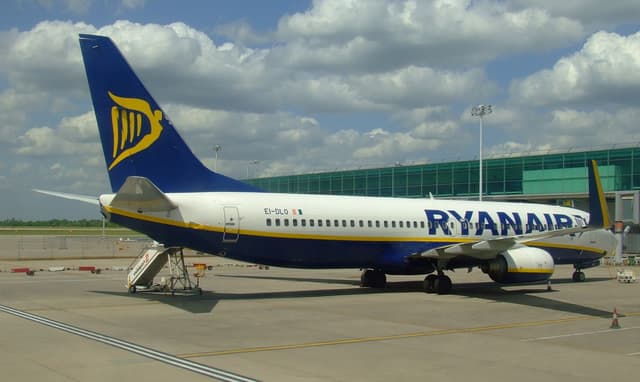
Image: Thomas Nugent · CC BY-SA 2.0 · via Wikimedia Commons
Ryanair Fires Captain for Using Legal Discretion to Extend Cabin Crew Rest Period
A Ryanair captain based in Barcelona was dismissed after extending rest time for fatigued cabin crew under Commander's Discretion rules, raising safety and labor concerns.
The gist
Ryanair sacked a captain who lawfully extended cabin crew rest to manage fatigue, sparking union outcry over safety and employment rights.
Ryanair has taken the rare step of terminating a captain stationed at its Barcelona hub for exercising his legal authority to extend rest periods for cabin crew who had been working beyond standard hours. The dismissal followed the pilot’s use of the 'Commander’s Discretion,' a regulatory provision allowing captains to adjust duty and rest times in unforeseen operational circumstances to ensure safety. This incident has drawn sharp criticism from the SEPLA pilots’ union in Spain, which described the move as a troubling precedent that could discourage pilots from prioritizing fatigue management.
European regulations, managed by the European Aviation Safety Agency (EASA), impose strict limits on flight duty periods to prevent fatigue-related risks. For crews operating short-haul flights without in-flight rest, total duty time is capped at 13 hours under normal conditions. However, circumstances deemed unforeseen may justify extending duty hours by up to two hours via Commander’s Discretion, which grants captains authority to safeguard operational safety considering the crew’s condition.
In this case, the Ryanair captain invoked Commander’s Discretion to extend his crew’s duty day in response to extended work demands. Upon returning to base, he further exercised his discretion to lengthen the minimum rest period for the cabin crew, recognizing that the initial rest plan was insufficient to guarantee safe recovery. It was this decision to prolong rest that precipitated disciplinary action culminating in his dismissal.
SEPLA highlighted that the company itself acknowledged the captain’s use of discretion to both complete the flight operation and extend crew rest, confirming these actions as the grounds for disciplinary proceedings. The union warned that such punitive measures risk silencing pilots from making safety-first decisions due to fear of repercussions.
The fundamental principle behind Commander’s Discretion is to empower captains to make professional judgments in exceptional scenarios, free from corporate pressures. EASA guidance underscores that this mechanism is intended solely for genuinely unforeseen events beyond the airline’s control, such as unexpected delays that might strand aircraft and crew. Ideally, airlines should build schedule padding to minimize reliance on such discretionary extensions.
Despite regulatory intent, the European Cockpit Association observes that airlines frequently deploy tight schedules anticipating delays, essentially normalizing reliance on Captain’s Discretion. This practice forces pilots into choosing between adhering strictly to duty time limits and meeting operational demands. The association criticized this as a systemic issue that has turned discretionary safety measures into routine operational tools, undermining regulatory safeguards.
The Ryanair dismissal highlights an acute conflict between safety regulations and airline scheduling practices. The union representing the pilot confirmed that legal avenues are being pursued to challenge the termination and reinstate the captain. This case brings into focus ongoing tensions between operational efficiency pressures and adherence to flight safety and labor protections in Europe’s low-cost airline sector.
Frequently asked questions
- What is Commander’s Discretion and how is it used?
- Commander’s Discretion allows airline captains to extend flight duty and rest periods beyond regulated limits in unforeseen situations to ensure safety and complete operations.
- Why was the Ryanair captain dismissed?
- He was dismissed after using Commander’s Discretion to extend cabin crew rest periods following a long duty day, a decision the airline cited as grounds for disciplinary action.
- What concerns does the dismissal raise among pilots?
- Pilots fear safety-related decisions on fatigue management may lead to disciplinary proceedings or job loss, creating pressure to comply with strict schedules over safety considerations.
Read more
All Aviation Safety →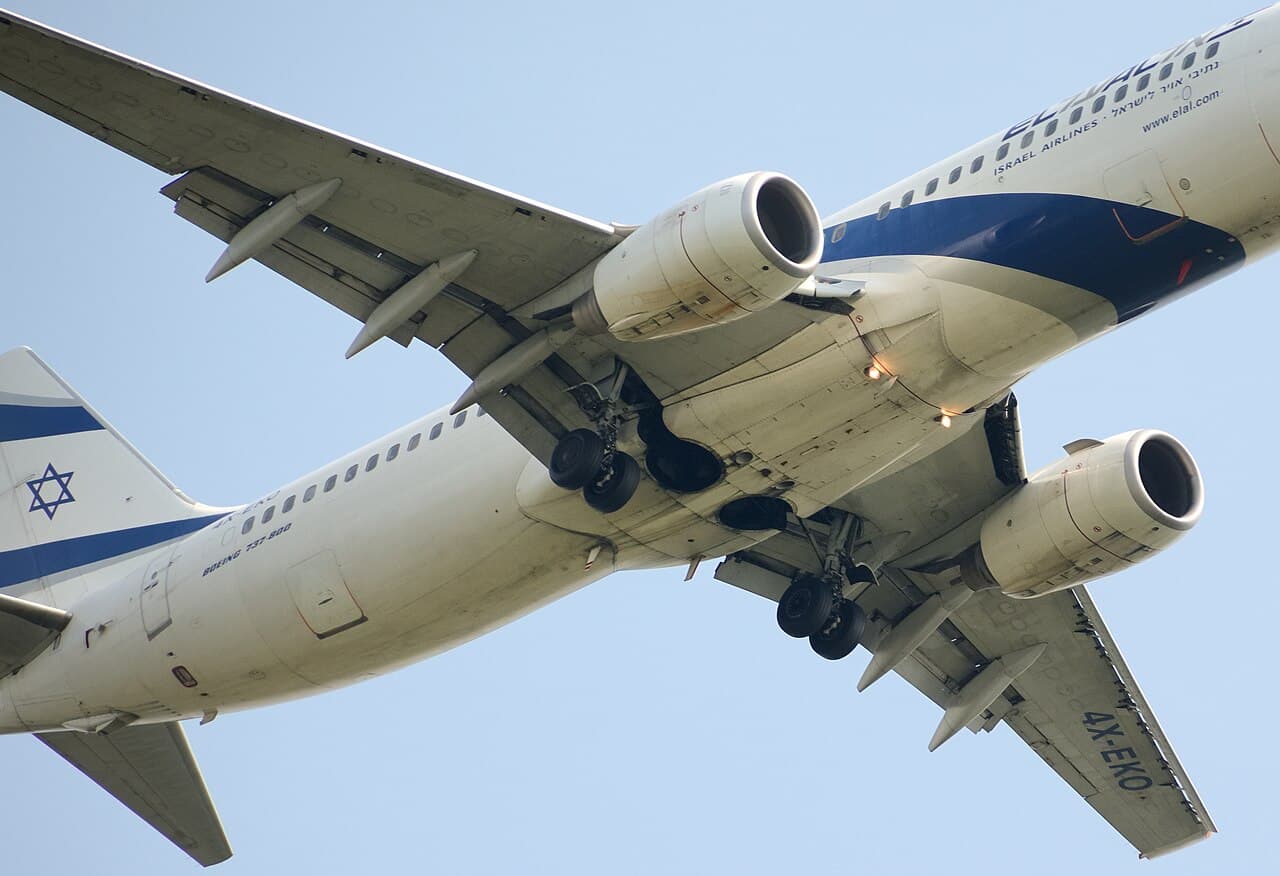
NTSB Rebukes Ryanair CEO for Premature Comments on Engine Failure Accident
The head of the U.S. National Transportation Safety Board (NTSB) has accused Ryanair chief executive Michael O’Leary of violating international law over comments he made about the window blowout incident aboard one of the airline’s Boeing 737 jets over Greece earlier this month that partially sucked a 61-year-old passenger out of the plane. During a scheduled earnings call at the start of this week, the often outspoken O’Leary said that while he couldn’t “definitively” say what the cause of the accident was, "initial indications would suggest it looks like a foreign object damage to the engine.” O’Leary went on to say that the accident was not the result of the aircraft’s age or servicing. The NTSB has taken over responsibility for investigating the July 10 accident at the request of Greek authorities. The incident involved an 18-year-old Boeing 737-800, which was operating Ryanair flight FR-1879, a regularly scheduled service from Thessaloniki (SKG) to the German town of Memmingen (FMM) in Bavaria. Shortly after takeoff and while the aircraft was still in its initial ascent to cruising altitude, the right-hand engine suffered an uncontained failure, sending debris flying towards the fuselage of the plane. Some of that debris hit a cabin window, smashing through the various layers and causing an explosive depressurization. The 61-year-old Serbian passenger who was sitting beside this window was partially sucked outside, but thankfully did not sustain serious injuries. After declaring an emergency, the pilots returned to Thessaloniki, where the plane landed without further incident. In a new letter to Michael O’Leary, often styled as MoL, the NTSB’s chairwoman, Jennifer Homendy, reminded him of Ryanair’s responsibility under Annex 13 of the International Civil Aviation Organization (ICAO), which deals specifically with aircraft accident investigations. Under Annex 13, Ryanair has been designated as an accredited representative and technical adviser in the investigation, which is being led by the NTSB. One of the requirements of being an accredited representative or technical advisor in an official aviation accident is that information cannot be released without the express permission of the investigating authority – in this case, the NTSB. “The NTSB is currently investigating that accident and therefore, accredited representatives and their technical advisers are prohibited from making any comments regarding the potential cause of the event or otherwise conveying potential investigative information,” Homendy said in the July 22 letter, which was sent to MoL and the chief executive of Malta’s Bureau of Air Accident Investigation, Capt. Frank Zammit (the aircraft was registered to Malta Air, which is a wholly owned subsidiary of Ryanair). “The NTSB has not made any such determination, and our investigators have not yet ruled out age or servicing issues as contributing to this event,” the letter added. “Mr. O’Leary’s public statements violate Annex 13 as they provide an opinion and analysis of the accident and suggest potential areas of interest in the ongoing investigation.” “Because failure to comply with Annex 13’s restrictions, depending on the investigative relevance and accuracy of such information, may impact the integrity of the investigation, I urge Mr. O’Leary to refrain from further public statements regarding the investigation while it is ongoing.” The aircraft involved in the July 10 accident remains grounded. Investigators will not only want to establish whether a foreign object was responsible for the engine failure, but also that resulted in debris being sent flying towards the fuselage, causing the window blowout. A preliminary report that will describe the events of July 10 is expected to be released within weeks, but a full accident report could take many months to be completed.
American Airlines Boeing 787 Diverts to Dublin After Multiple Flight Attendants Fall Ill Mid-Flight
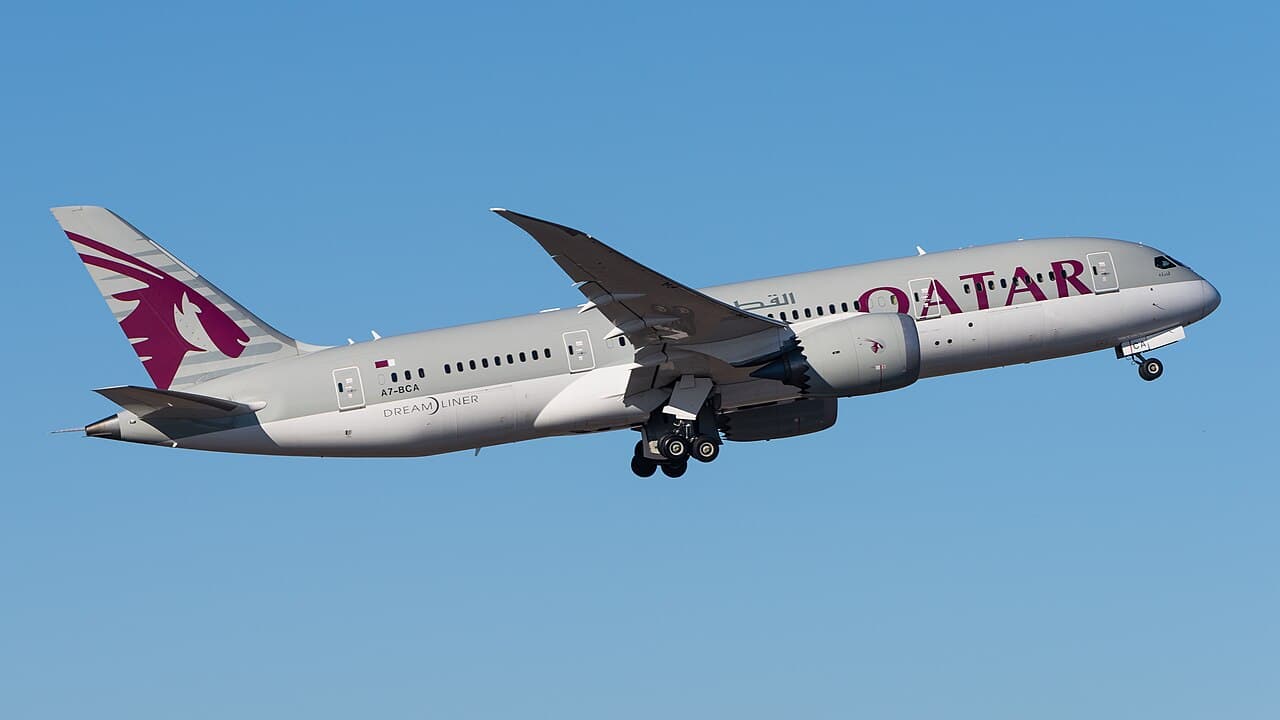
An American Airlines Boeing 787-9 Dreamliner with as many as 284 passengers on board made an emergency landing in Dublin, Ireland, on Saturday afternoon after six of the eight flight attendants on the service from Rome to Philadelphia reportedly felt ill as the plane started its transatlantic service. American Airlines flight AA-719 departed Rome Fiumicino International Airport just before 1 pm local time on July 25 for what should have been a routine eight-and-a-half-hour flight across the pond to the carrier’s Philadelphia hub. Flight Radar 24 shows how American Airlines 719 from Rome to Philadelphia ended up diverting to Dublin on July 25. Data from the light tracking website Flight Radar 24 shows that the seven-year-old aircraft climbed to a cruising altitude of around 38,000 feet as it tracked over France and over the Atlantic Ocean, before the pilots suddenly turned towards Ireland around three hours into the flight. The reason given to air traffic control for the sudden diversion was a medical emergency, although the exact details of what kind of medical episode was taking place weren’t immediately revealed. Sources cited by trusted aviation insider JonNYC on X have, however, reported that six of the flight attendants started to feel dizzy and ill as the plane flew over the Atlantic. Although none of the crew members are believed to have been incapacitated, the pilots decided that the flight couldn’t continue with so many flight attendants feeling ill all at once. The plane landed safely in Dublin on Saturday afternoon, but with no replacement crew to take the passengers to Philadelphia, and the cause of the illness amongst the flight attendants still a mystery, American Airlines had no other option but to cancel the onward flight. on this, I'm told– 100% UNCONFIRMED– "AA 719. Flight divert after 6 of 9 FA's felt dizzy / ill." 100% unconfirmed. https://t.co/2uBxohJ0Bn — JonNYC (@xJonNYC) July 25, 2026 American Airlines has been contacted for comment, but had not responded by the time of publication. There are several potential causes for this sudden mass sickness amongst the flight attendants, although some type of ‘toxic’ fume event (a term that the airline industry prefers to call an ‘odor’ event) is the least likely, given that this flight was operated by a Boeing 787. The Dreamliner is the only commercial passenger aircraft that does not use the so-called ‘bleed air’ system to feed air into the cabin from the outside. The term bleed air is derived from the fact that some of the air being sucked into the engines is then bled into the air conditioning system. This method of delivering fresh air into the passenger cabin has been criticized as campaigners claim the air can become contaminated with vaporized engine oil or other contaminants from the engine, which can make passengers and crew sick if it is fed into the cabin. The more likely cause for this diversion is a fault with the air conditioning packs that supply the air into the cabin. If even one of these packs stops working, the levels of oxygen in the cabin can drop to the point that passengers and crew could start feeling the early symptoms of hypoxia. This wouldn’t necessarily be bad enough to trigger a depressurization emergency, but it would be enough for people to start feeling dizzy, light-headed, and potentially even clumsy and euphoric. This kind of fault is much more likely to affect flight attendants rather than the passengers because they are up and about, running a busy meal service, meaning their bodies require more oxygen to function normally. Another potential cause, although highly unusual, could be a chemical leak from a spilt cleaning product. Yes, this sounds oddly specific, but this is exactly what caused a group of American Airlines flight attendants to feel ill shortly after takeoff from London Heathrow during a flight to Philadelphia in October 2018. Two of the crew members were so badly affected by the smell of the noxious chemicals that they lost consciousness for a short time, leading the pilots to make an emergency diversion to Shannon, Ireland. American Airlines said the incident was caused by a bottle of industrial cleaning solution known as CH2200D, which had been accidentally left in a toilet by the cleaning crew. When the plane took off, the bottle tipped over, and the solution soaked into the carpet, releasing a noxious vapor that overpowered some of the flight attendants.
British Airways Relocates Hyderabad Crew Hotel After Multiple Pilot Food Poisoning Cases
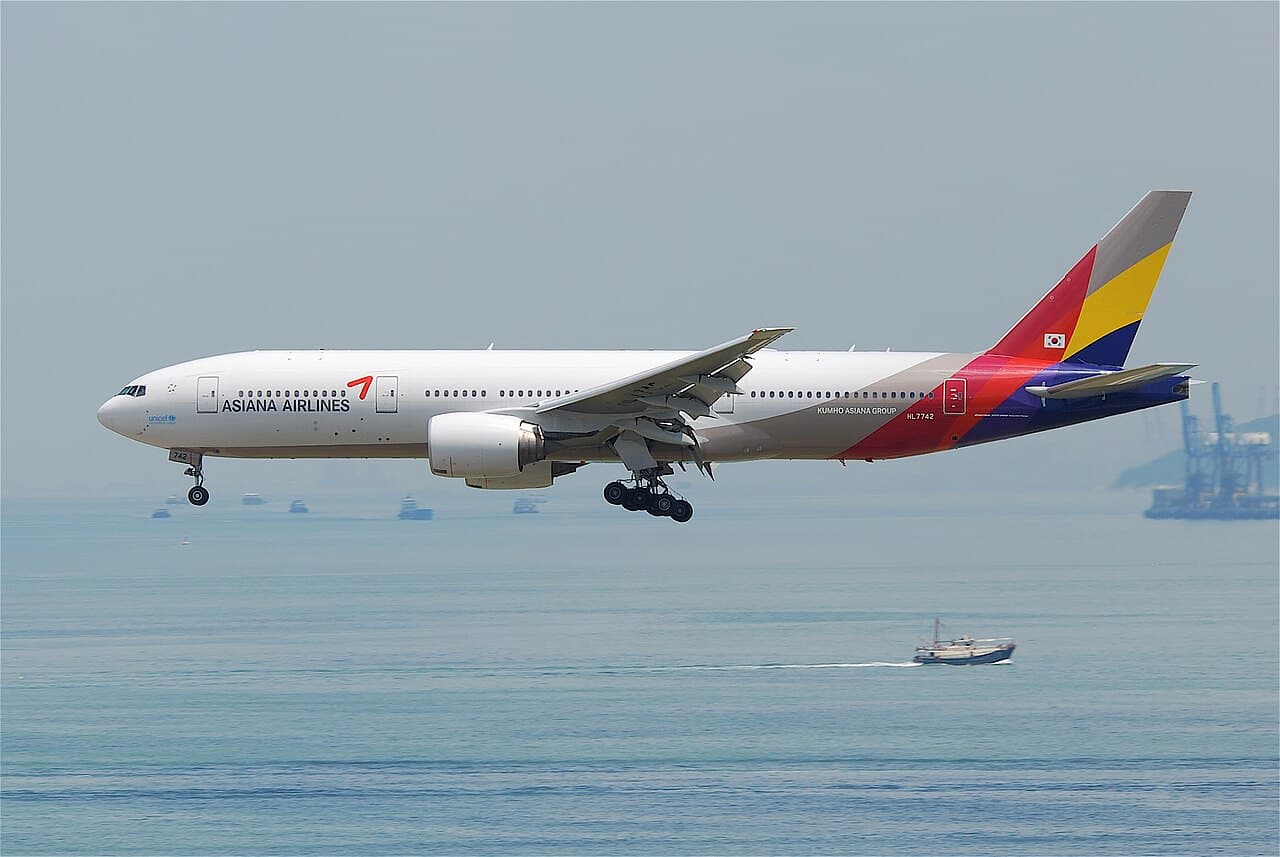
British Airways is moving crew out of its layover hotel in the Indian city of Hyderabad after all three pilots of a return flight to London Heathrow suffered violent food poisoning at 35,000 feet, with one pilot becoming so sick that he became “incapacitated” and had to be put on oxygen. The recent incident occurred on British Airways flight BA-276, which is operated by one of the airline’s Boeing 777 workhorses. The flight normally takes 10 hours and requires three pilots so that they can take a rest in special crew rest facilities one at a time. During this particular flight, however, all three pilots started to report classic symptoms of food poisoning. Thankfully, while one was declared incapacitated, the other two pilots were able to safely continue to fly the plane to London, although their condition reportedly deteriorated shortly after arrival. Suspicion as to the cause of the food poisoning wasn’t something they had eaten on the plane, but rather the buffet in the executive lounge of the hotel in Hyderabad, where British Airways puts its crew up for layovers in the city. Initial reports claimed that the pilots had been asked to provide ‘samples’ to enable investigators to determine the cause of their sickness. While the results of those tests haven’t been revealed, this wasn’t the first time that BA’s pilots and cabin crew had allegedly reported food poisoning symptoms after staying at this particular layover hotel. Despite a slew of reports, British Airways had reportedly failed to take action. Following the now viral story of these three pilots, however, we have now learned that immediate steps have been taken by the airline to prevent any further recurrence. British Airways has moved swiftly to move pilots and cabin crew out of the hotel where the alleged food poisoning incidents took place, with the airline now buying up rooms at a luxury Five Star hotel in the heart of Hyderabad’s commercial district. In a statement, a spokesperson for the airline said "the welfare of our colleagues is a top priority, and we are reviewing crew accommodation in this location following some isolated reports of sickness." Despite the fact that one of the pilots was incapacitated, and the other two reported feeling ill during the flight, British Airways insisted that safety was never compromised.
Inquiry finds poor maintenance discipline and resource strain behind Voepass ATR 72 icing crash
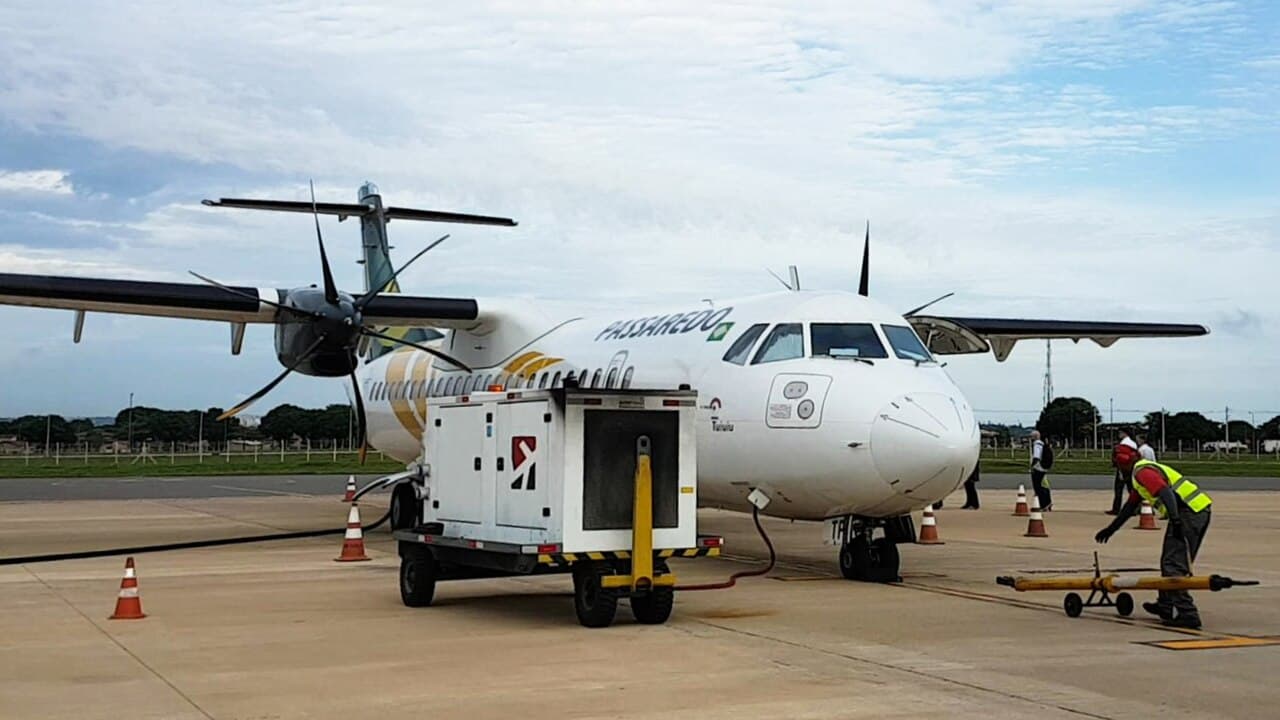
Brazilian probe finds strained resources and pressure to meet flight schedules meant aircraft were knowingly operated in degraded condition. Pressure to ensure continuous aircraft availability despite limited maintenance resources led to poor discipline at Brazilian carrier Voepass, with technical faults left unrecorded and unresolved, investigators have disclosed. Investigation authority CENIPA has highlighted the failure to record an airframe de-icing malfunction in the Voepass ATR 72-500 which fatally stalled as a result of ice accumulation on 9 August 2024. The aircraft was dispatched without restrictions imposed by the minimum equipment list being recorded. Despite the malfunction the ATR was flown through icing conditions on its service from Cascavel to Sao Paulo Guarulhos, entering a flat spin over Vinhedo from which it did not recover. CENIPA has detailed a pervasive, and normalised, culture of deviation from rigorous maintenance practices arising from limited resources – particularly at secondary bases – and the pressure to avoid disruption to aircraft schedules. This even went as far as recording malfunctions as having been resolved, without corrective work being performed, in order to release an aircraft to operation without minimum equipment list restrictions. When the system malfunctioned on a subsequent flight, says CENIPA, it would again be recorded in the technical logbook, thereby "establishing a new rectification deadline". "This conduct resulted in the successive renewal of the [minimum equipment list] item without effective correction of the malfunction, masking its chronic nature and postponing its definitive resolution," it adds. "There was also the practice of replacing an inoperative component with another known to be malfunctioning and dispatching the aircraft for flight." This would similarly enable a new malfunction entry, and continuation of operation based on the minimum equipment list. ‘Superficial manner’ CENIPA says mechanics usually had only a few hours, during night-shift periods, to perform corrective maintenance – especially complex tasks – on aircraft which were scheduled to operate flights the following morning. "The pressure placed on mechanics to expedite the release of aircraft conflicted with the lack of time available for troubleshooting and resolving failures reported in the [logbook]," says the inquiry, "thereby contributing to the performance of maintenance tasks in a superficial manner." CENIPA says maintenance of the de-icing system boots was conducted exclusively at the company's main base at Ribeirao Preto. Despite evidence of airframe de-icing system faults on immediately preceding flights, there was "no record" of such malfunctions in the logbook, it adds. The aircraft was dispatched on its flight to Sao Paulo, under the conditions of the minimum equipment list, with 10 inoperative items – but the airframe de-icing system was not among them. CENIPA's inquiry learned of maintenance problems including qualified personnel shortages, exhausting work schedules, and fatigue, contributing to a "climate of pressure" on mechanics. "At the secondary bases, since the infrastructure was limited, there was an 'operational standard' focused on releasing aircraft with inoperative items dispatched under the [minimum equipment list], with the expectation that definitive resolution of the malfunction would occur when the aircraft returned to the main base," it says. While this model did not, itself, amount to non-compliance with requirements, it led to situations in which deadlines expired with faults remaining unresolved. "In practical terms, these combined actions resulted in aircraft being operated under knowingly degraded conditions, exceeding the time limits established by the regulations in force," says the inquiry. Pressure on pilots CENIPA adds that there was a "culture" among flight crews of not recording malfunctions in the logbook. "It was possible to ascertain that these patterns of deviation were encouraged by the company and directed toward the pilots," it adds. "This informal process constituted a form of pressure on pilots in command, aimed at avoiding the recording of discrepancies that could result in the prolonged unavailability of the aircraft for flight due to the need to correct the reported failures." Problems with the de-icing system, which had been perceived by several crews prior to the accident, were a "clear example" of this absence of formal reporting, it adds. "This conduct evidenced the normalisation of operational deviations in the face of recurrent failures," it says. "This behaviour generated a recurring pattern of verbal communications between pilots and mechanics without proper technical recording." None of the 58 passengers and four crew members survived the crash. Voepass was grounded last year . ATR has responded to the inquiry's conclusions, stating that the accident "further demonstrates that adherence to maintenance, operational procedures and training are essential to prevent re-occurrence". "Flight safety is the primary responsibility of the commercial aviation system and all its stakeholders," it says.
The Daily Touch & Go
The day's best aviation news in your inbox. Free, no spam.