


AI-generated illustration
NTSB Blames Improper Maintenance for Left Flap Failure in Fatal 2024 Kamaka Air Crash in Honolulu
The safety board's final report finds a Cessna 208B's left flap system failed in flight and rolled the aircraft into an abandoned building near Daniel K. Inouye International Airport, killing both pilots.
The gist
NTSB says a maintenance-related left flap failure caused the fatal December 2024 Kamaka Air Cessna 208B crash in Honolulu.
Continuing coverage
All Ntsb →- Two Killed as Cirrus SR22T Crashes and Burns at Hawkins Field in Jackson, Mississippi
- FAA Urges Pilots to Call Out Runway Number Before Crossing After 2023 JFK Near-Collision
- Senate Aviation Chair Moran Says ADS-B In Mandate Could Slip Past Year-End
- Nine Killed as Bahamas-Bound Learjet 60 Breaks Up Over Greenacres, Florida
- NTSB Finds Approved Fire Retardant Corroded Airtanker Wings, Cables and Engines in One Season
The National Transportation Safety Board has issued its final report on the Kamaka Air crash in Honolulu that killed two young pilots in December 2024. The board found that the aircraft had not been properly maintained. Investigators said the left flap system on the Cessna 208B failed during flight because of improper maintenance. That failure sent the airplane into a sudden roll to the left, and the board concluded it happened at an altitude too low for the pilot to recover.
The crash happened on Dec. 17, 2024, on Oahu, near Daniel K. Inouye International Airport. The Cessna 208B struck an abandoned building. Both people on board were killed: Hiram deFries-Saronitman, 24, and Preston Kaluhiwa, 26. The final report arrives nearly two years after the accident.
The NTSB did not stop at the mechanical failure. The board listed two contributing factors tied to the operator. It said Kamaka Air failed to follow its FAA-approved maintenance program. It also cited inadequate training and supervision of the mechanics who worked on the company's aircraft.
Those findings place responsibility on the operator's maintenance practices rather than on the actions of the flight crew. Under the board's account, the roll was triggered by a component that maintenance should have kept serviceable. The low altitude at which the flap system failed left the pilot no room to correct the roll. The report frames the outcome as the product of a maintenance breakdown combined with an unrecoverable flight position.
Among the evidence released with the report is a still image taken from video footage. It shows the Cessna 208B in a steep left bank just before impact. The image matches the board's description of a sudden roll to the left. The NTSB made the full aviation investigation report available to the public with the release of its findings.
The crash drew close attention in Honolulu from the day it happened. Witnesses described seeing the aircraft go down near the airport, and family members came forward to identify the two pilots. Debris from the abandoned building the plane struck was documented in the aftermath. With the final report, the NTSB has now named improper maintenance of the left flap system as the probable cause, with Kamaka Air's departure from its FAA-approved maintenance program and its oversight of mechanics as contributing factors.
Originally reported by KITV
Read more
All Aviation Safety →
Two Killed as Cirrus SR22T Crashes and Burns at Hawkins Field in Jackson, Mississippi
A Cirrus SR22T that flight-tracking data ties to a Little Rock leasing company crashed and caught fire at Jackson's Hawkins Field, killing both people aboard and closing the airport until November 23.

Nine Killed as Bahamas-Bound Learjet 60 Breaks Up Over Greenacres, Florida
An Austin tech founder, his wife and two young children were among nine people killed when a Learjet 60 came apart in flight after meeting icing and heavy turbulence, the NTSB said.
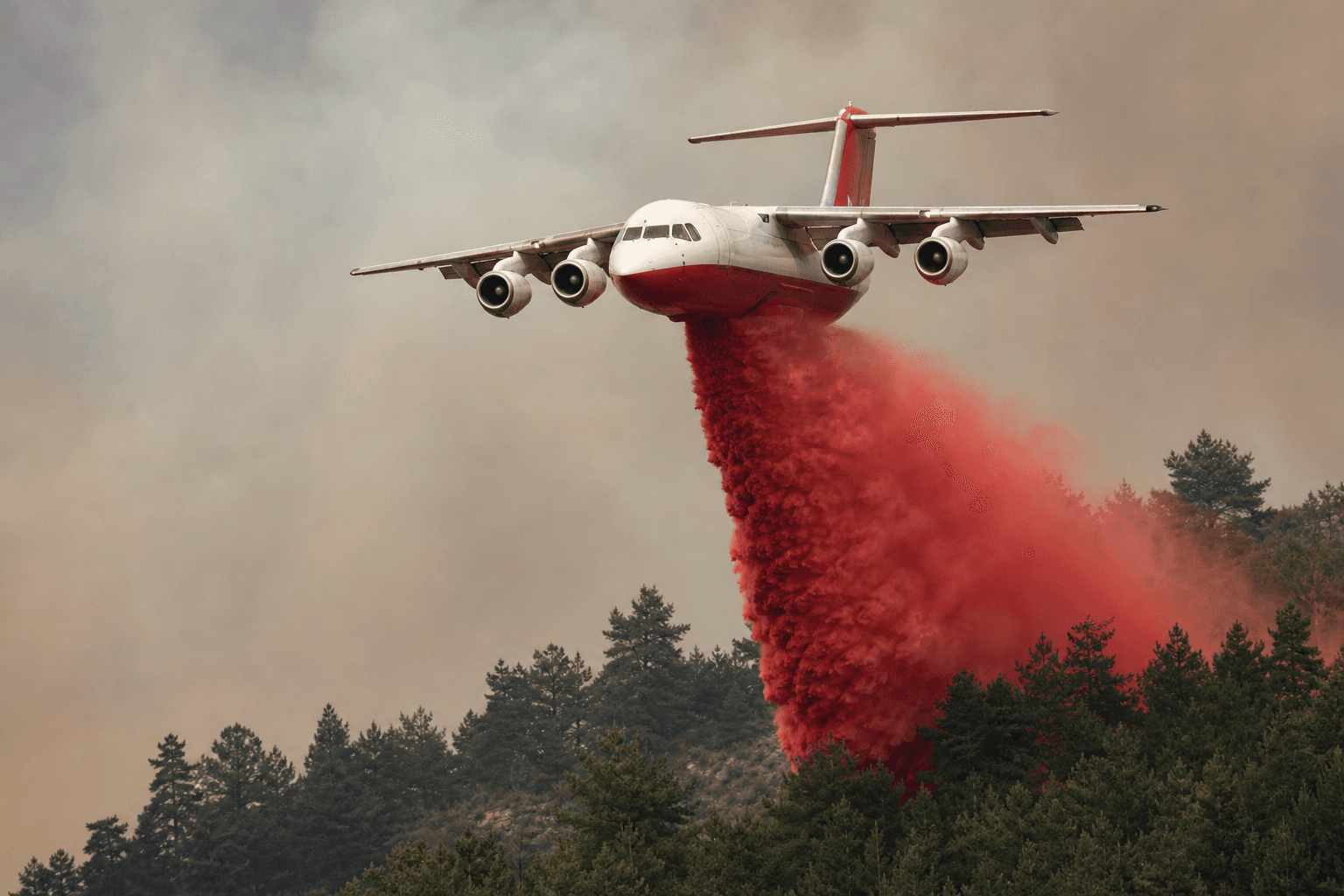
NTSB Finds Approved Fire Retardant Corroded Airtanker Wings, Cables and Engines in One Season
Investigators say the US Forest Service approved Fortress FR-200 without tests that reflected real aircraft construction or the effects of mixing it with other retardants.
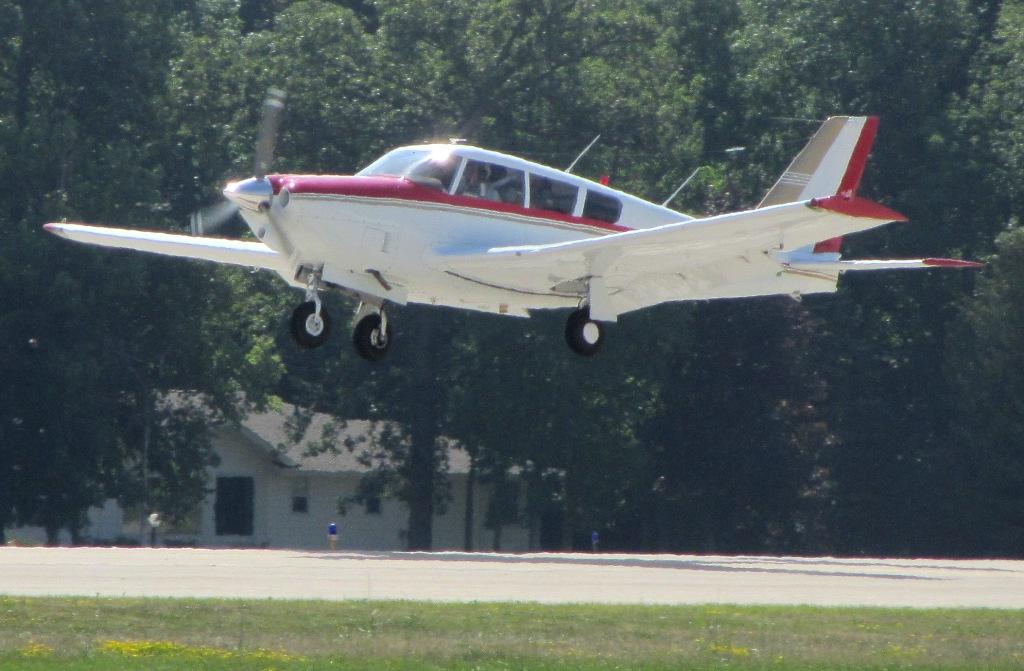
Three Men Killed as Piper PA-24 Crashes on Grand Canyon North Rim After NFL Game Trip
A Piper PA-24 carrying three men home from the Rams-Cardinals game crashed on the Grand Canyon's North Rim, and the NTSB has opened an investigation.
The Daily Touch & Go
The day's best aviation news in your inbox. Free, no spam.