

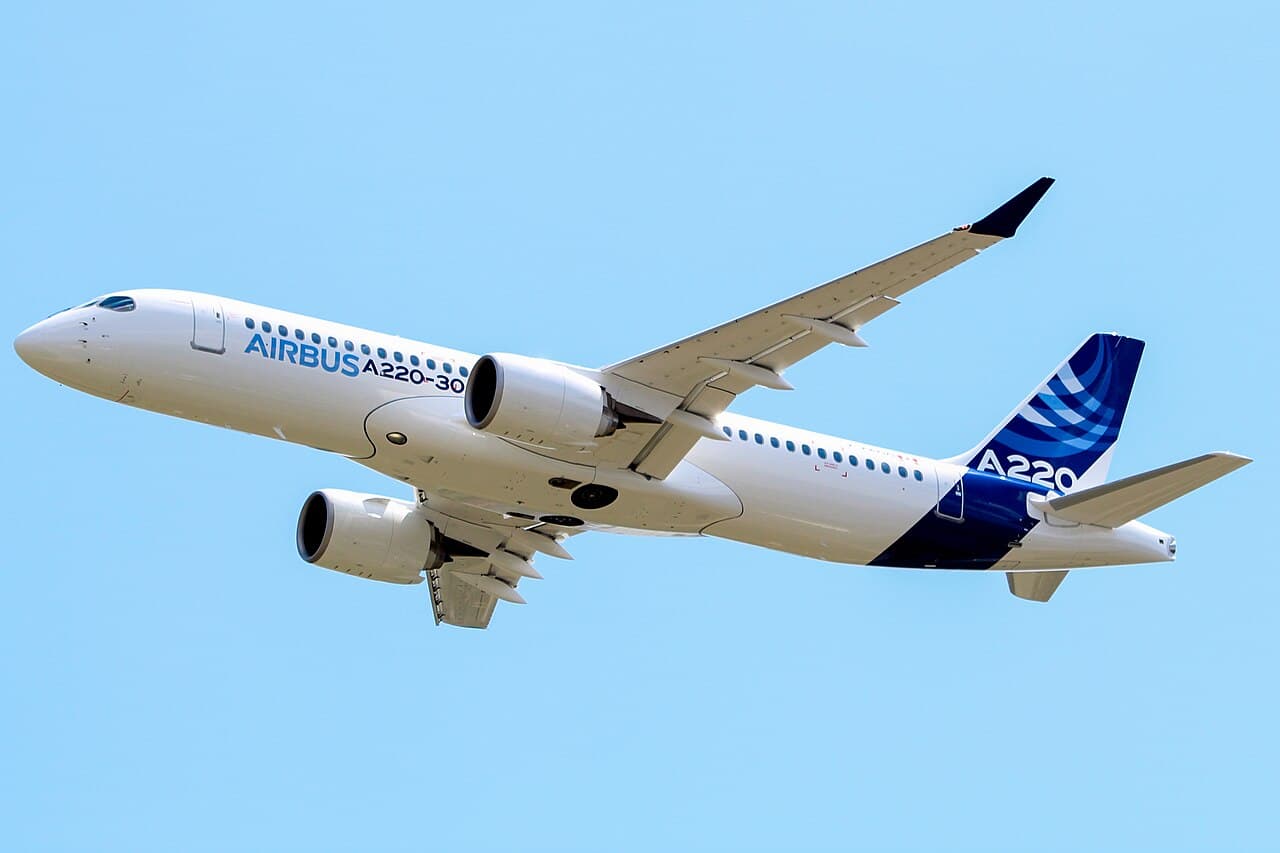
Image: Romain COUPY · CC BY-SA 4.0 · via Wikimedia Commons
Breeze Airways Passengers Removed in Bangor After Police Threaten No-Fly List
A group of passengers including a parent with a toddler was ordered off a Breeze Airways Airbus A220 in Bangor, Maine, following an incident involving police issuing an inaccurate no-fly list threat.
The gist
Police in Bangor ordered Breeze Airways passengers off a plane using an unfounded no-fly list threat that they could not enforce.
On August 16, police officers in Bangor, Maine, boarded a Breeze Airways Airbus A220 aircraft and directed a group of passengers, including a parent with a young child, to disembark. The officers presented a stark ultimatum: voluntarily leave the aircraft or face arrest and listing on a no-fly list, a federal security restriction that prohibits air travel. The passengers chose to leave the plane without incident, complying with the officers’ demands to avoid escalation.
The incident drew attention after a video of the interaction circulated online, showing police officers warning the passengers they would be prevented from flying in the future if they did not comply. One officer explicitly stated that those refusing to disembark would be arrested and placed on the no-fly list, a move that exceeded the actual authority of local law enforcement officers. Shortly after, the affected passengers were seen in the terminal along with Bangor police, highlighting the episode’s resolution without physical confrontation.
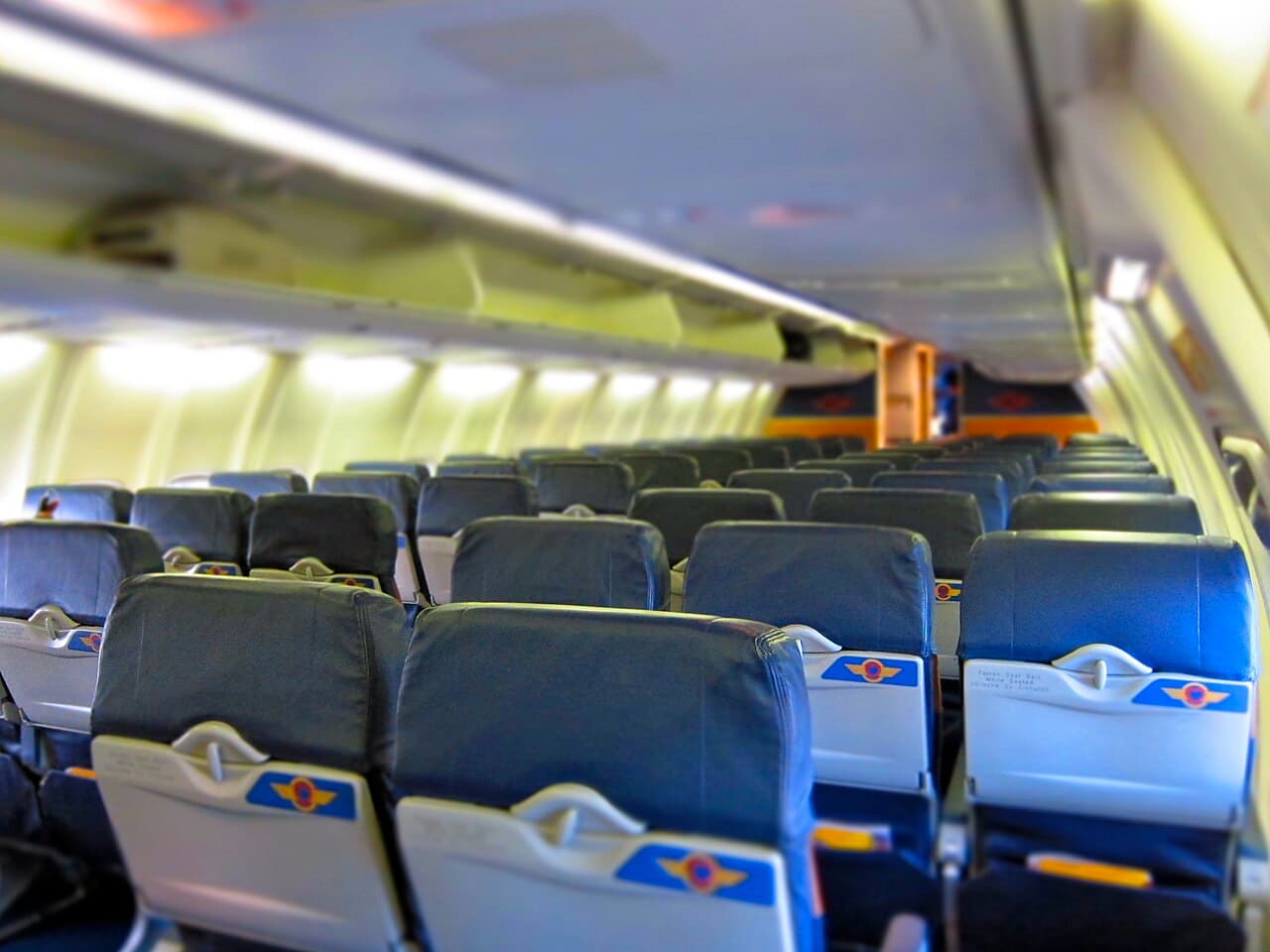
Breeze Airways operates a fleet that includes Airbus A220 aircraft, which were identified in the video footage by their distinctive cabin layout. On that Saturday, Breeze Airways had two scheduled departures from Bangor: one to Tampa (flight MX175) departing around 10:06 a.m., and another to Raleigh, continuing on to Orlando (flight MX2855) scheduled at 6:44 p.m. The timing and the length of police involvement suggest the later Raleigh-Orlando flight was the one impacted by the incident.
The police uniforms and airport location confirmed the involvement of Bangor police, who, it appears, acted on a customer service or security disturbance onboard. Breeze Airways' customer service received criticism on social media for not diffusing the situation more effectively, but the airline itself has not publicly detailed the cause behind the ordering of passengers off the flight.
Crucially, the threat of placing passengers on the federal No Fly List was a misrepresentation of the police’s actual powers. The No Fly List is maintained by federal agencies and cannot be enforced or controlled by local police. While airlines maintain their own banned passenger lists, decisions to bar individuals from future travel are made separately and are not issued at the point of a police intervention like this one.
Incidents like this highlight the tension that can arise between airline operators, law enforcement, and passengers during in-flight disputes or airport security events. The recommendation for passengers in such situations is generally to comply with authorities aboard the aircraft to avoid confrontation, with any grievances or disputes pursued later through formal airline customer service channels or legal avenues.
This episode also raises broader discussions about the proper use and communication of security measures such as the No Fly List, particularly by non-federal personnel. Misstatements about security processes can cause confusion and fear among travelers, underscoring the need for clear guidelines and training for police officers interfacing with the public at airports.
As Breeze Airways continues its operations with its modern Airbus A220 fleet serving regional and domestic routes from Bangor and other airports, maintaining clear protocols for passenger management and law enforcement cooperation remains vital. The event in Maine provides a case study in the complexity of enforcing order in constrained aircraft environments while respecting the limits of legal authorities and passenger rights.
Frequently asked questions
- Can local police place someone on the federal No Fly List?
- Local police do not have the authority to place individuals on the federal No Fly List; this is managed by federal agencies.
- What flight was involved in the passenger removal incident in Bangor?
- The most likely flight involved was Breeze Airways flight MX2855 from Bangor to Raleigh, continuing to Orlando, on August 16.
Read more
All Airlines →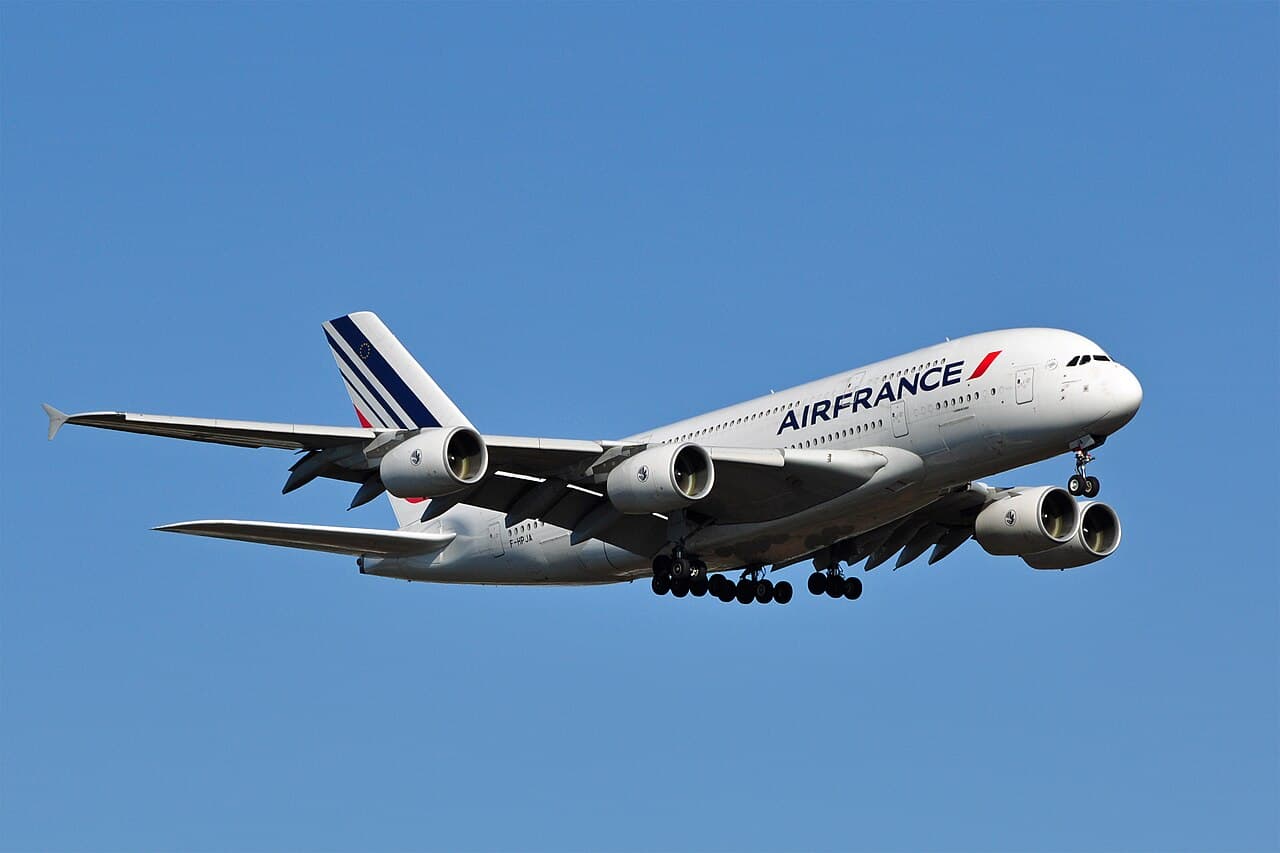
Airbus A380 First Class Cabins Set to Evolve With Unique Luxuries by 2026
The Airbus A380 is one of the most iconic and striking aircraft of the 21st century, with its double-deck design and quadjet configuration making it one of the world's most visually distinctive airliners. Meanwhile, passengers love its spacious cabin, low noise levels, and smooth ride, while carriers introduced innovative new premium cabins when they took delivery of these planes. Although few are in service, the A380 is one of the few commercial aircraft types to transcend the aviation industry and become a cultural icon.
AirAsia Group Cuts Q3 Flight Capacity by 20-25% Amid Rising Fuel Costs
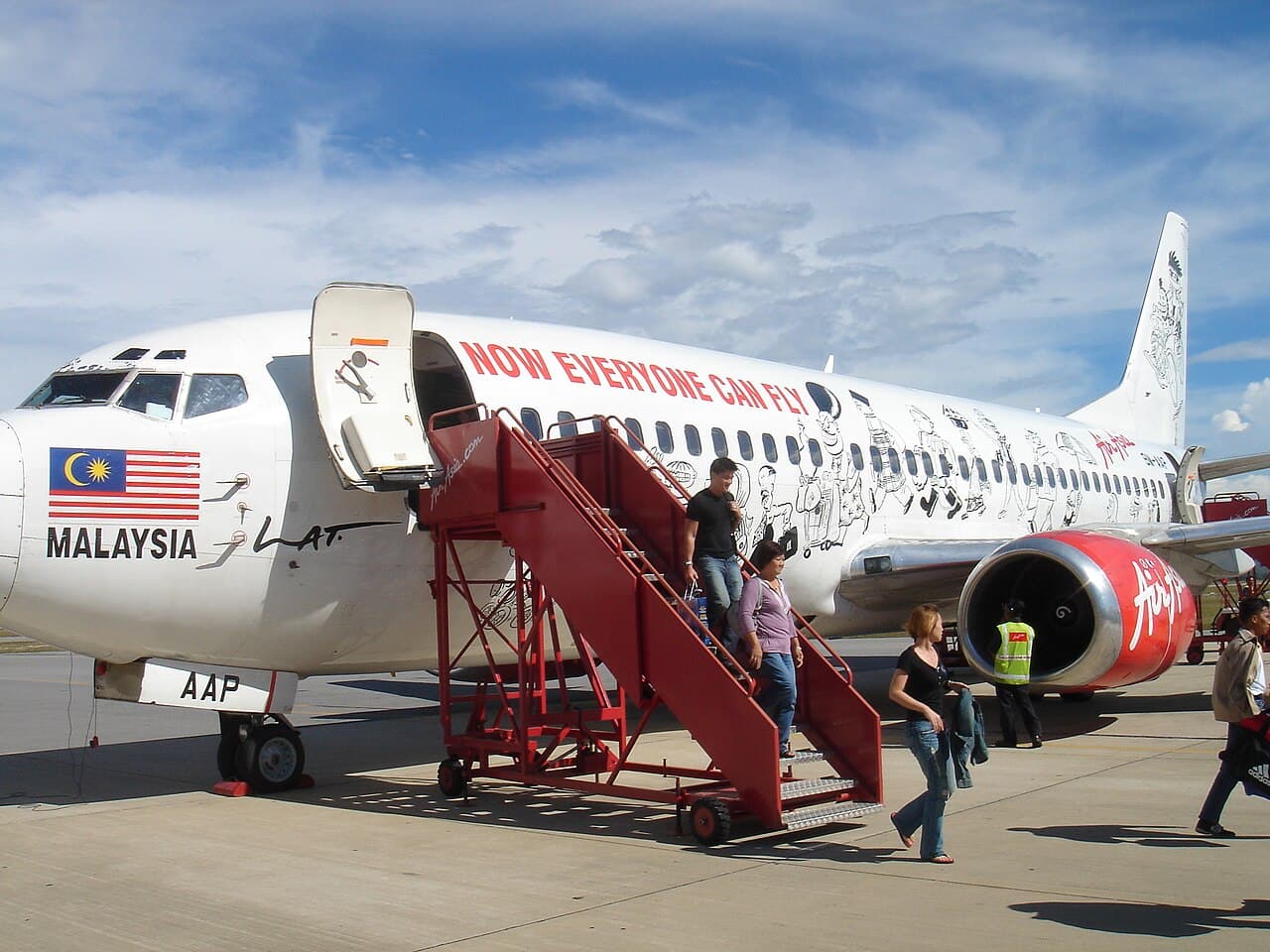
AirAsia Group is scaling back its third-quarter 2026 flight capacity. The low-cost carrier plans a 20% to 25% year-on-year reduction. This move follows a sharp rise in jet fuel expenses during the second quarter. ezstandalone.cmd.push(function () { ezstandalone.showAds(119); }); High Fuel Prices Drive Losses In the quarter ended 30 June 2026, average jet fuel prices hit US$183 per barrel. Fuel costs jumped 58% compared with the same period a year earlier. Geopolitical tensions in the Middle East pushed energy markets higher and created volatility. These higher costs contributed to a significant net loss for the group. AirAsia Group reported a loss of roughly RM527 million attributable to owners. ezstandalone.cmd.push(function () { ezstandalone.showAds(127); }); Broader group figures, including foreign exchange impacts, reached about RM830 million. Revenue stayed near RM5.1 billion. This held steady even though the airline cut capacity by about 11% in the second quarter. Management used dynamic pricing and fuel surcharges to recover around 70% of the extra fuel burden. Average fares rose more than 20% in May and June. Non-fuel unit costs also fell 7%. Still, the quarter marked a clear low point. ezstandalone.cmd.push(function () { ezstandalone.showAds(128); }); Group CEO Bo Lingam called it the “floor quarter.” Photo Credit: Gatwick Airport Why Capacity Is Being Reduced Now The third quarter is traditionally the softest period for regional travel in Southeast Asia. AirAsia Group is taking a cautious approach. It will trim capacity by 20% to 25% year-on-year. The goal is to protect margins and ensure every flight meets strict profitability targets. ezstandalone.cmd.push(function () { ezstandalone.showAds(129); }); The airline expects to restore capacity toward pre-war levels in the fourth quarter. Year-end holiday demand should support higher yields across its ASEAN network. Forward bookings already track in line with the previous year. Supporting Measures and Outlook AirAsia is also returning 25 older, less fuel-efficient aircraft this year. This reduces lease costs and improves overall fleet efficiency. Newer aircraft, including future A220 and A321XLR deliveries, will support longer-term growth from 2028 onward. The group is advancing talks for up to US$1 billion in funding and additional local facilities. These steps aim to strengthen liquidity after the difficult second quarter. ezstandalone.cmd.push(function () { ezstandalone.showAds(130); }); Bo Lingam noted that jet fuel prices are unlikely to stay at the extreme US$183 average seen in the second quarter. As fuel costs ease and higher fare levels remain in place, unit economics should improve. Short-haul operations in Malaysia and Cambodia stayed profitable. Thailand is expected to narrow losses in the third quarter and return to profit in the fourth. Photo Credit: Kentaro Iemoto from Tokyo, Japan, CC BY-SA 2.0, via Wikimedia Commons Implications for Travellers and the Industry Passengers may see fewer flights on some routes during the third quarter. Fares could stay elevated in the near term as the airline continues to manage costs. However, the planned capacity recovery in the fourth quarter should expand options again for peak season travel. ezstandalone.cmd.push(function () { ezstandalone.showAds(131); }); The situation highlights the vulnerability of unhedged airlines to sudden fuel spikes. AirAsia’s response prioritises yield over volume. It focuses on network discipline, cost control and selective capacity management. Analysts generally view the second quarter as the trough. Many expect a clearer recovery path in the second half of 2026 if fuel prices continue to moderate. The group’s ability to pass through a large share of cost increases while maintaining solid load factors of around 80% shows underlying demand remains resilient across its core markets. ezstandalone.cmd.push(function () { ezstandalone.showAds(132); }); AirAsia Group’s latest actions reflect a pragmatic response to elevated fuel costs. By cutting capacity temporarily and optimising its fleet, the airline aims to stabilise performance and position itself for stronger results later in the year.
Lufthansa Introduces Economy Amenity Kits on Long-Haul Flights as Part of Service Upgrade
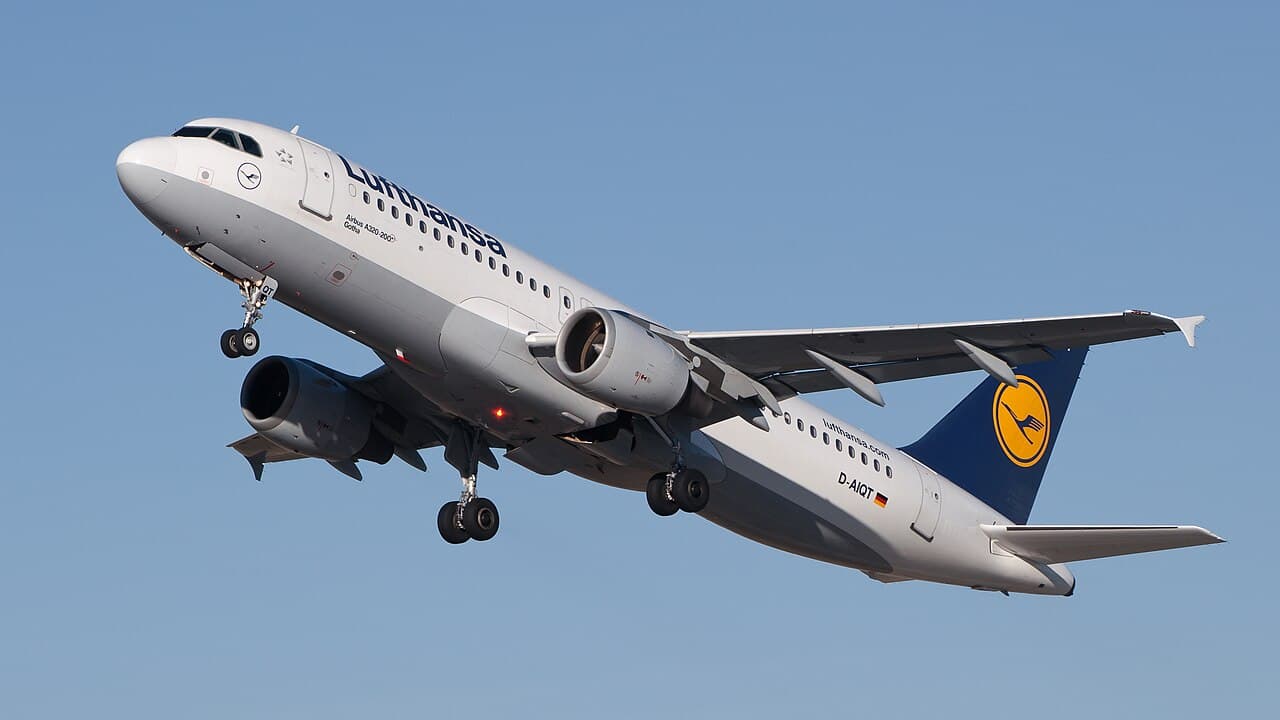
Passengers traveling long-haul with German flag carrier Lufthansa will be treated to a new amenity kit , with the new branded pouch containing an eye mask and earplugs. This upgrade for economy class passengers is a notable improvement from what they received before, which was nothing.
American Airlines Bans Humanoid Robots From All Flights Citing Safety Risks
Fort Worth-based American Airlines has issued an internal policy update for employees, which prohibits staff and passengers from bringing human-like and animal-like robots on board . They will be officially banned from being taken into the cabin, and even in checked luggage, immediately. The email that outlined the policy update strictly states that the humanoids will not be allowed even if they have purchased a separate seat .
The Daily Touch & Go
The day's best aviation news in your inbox. Free, no spam.